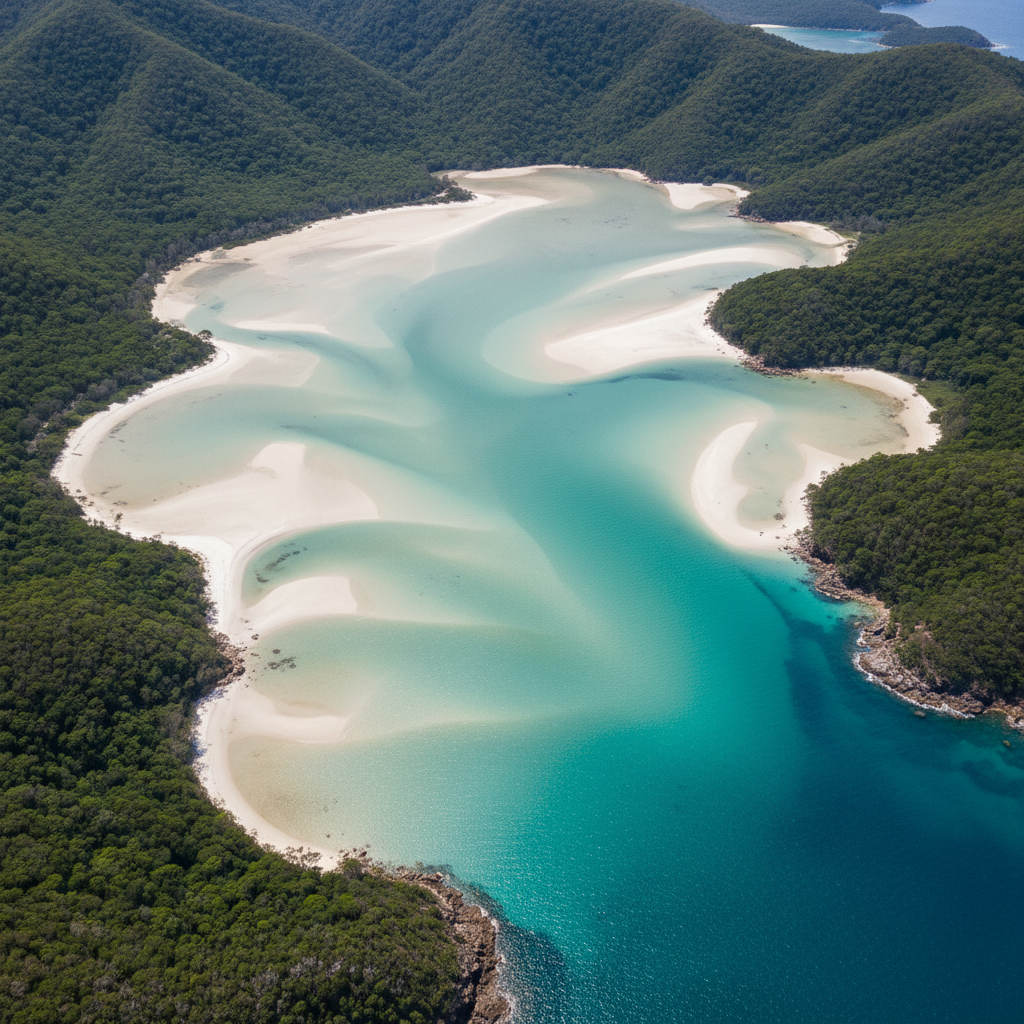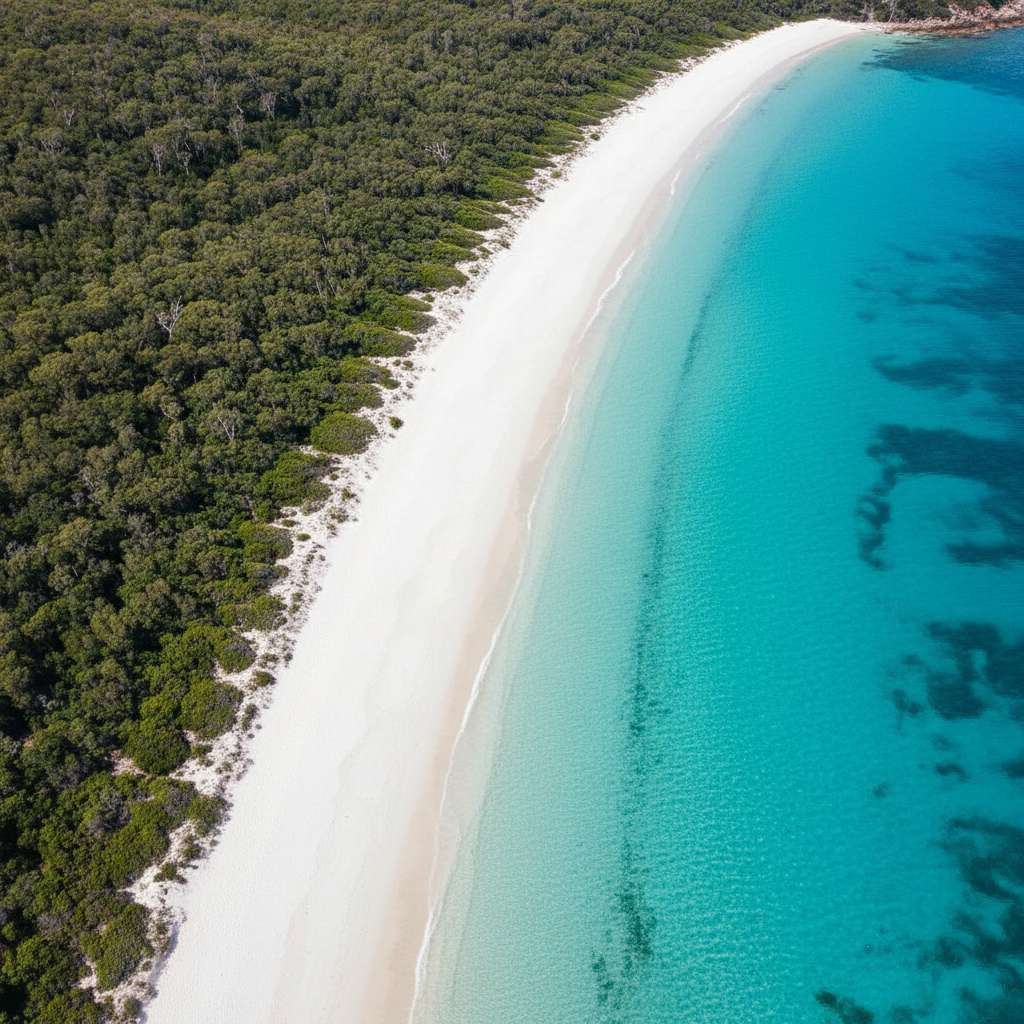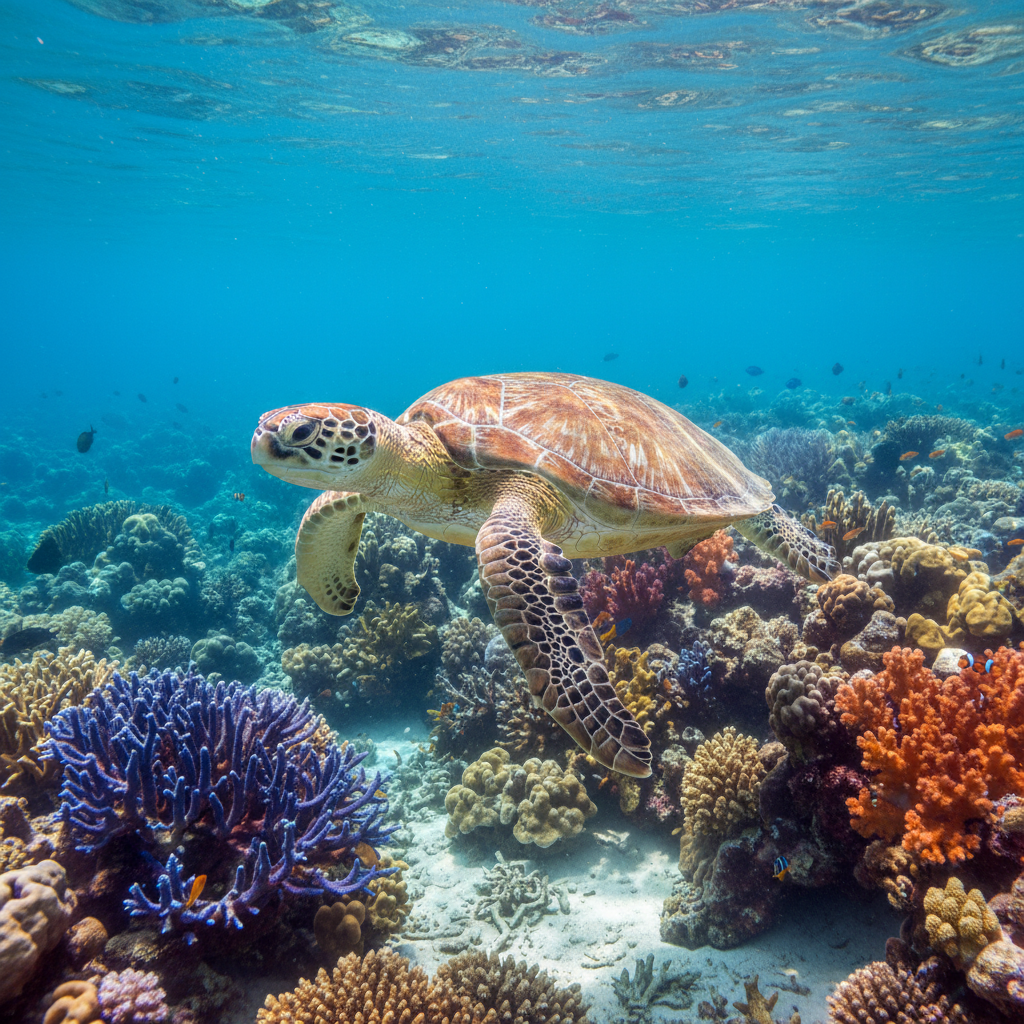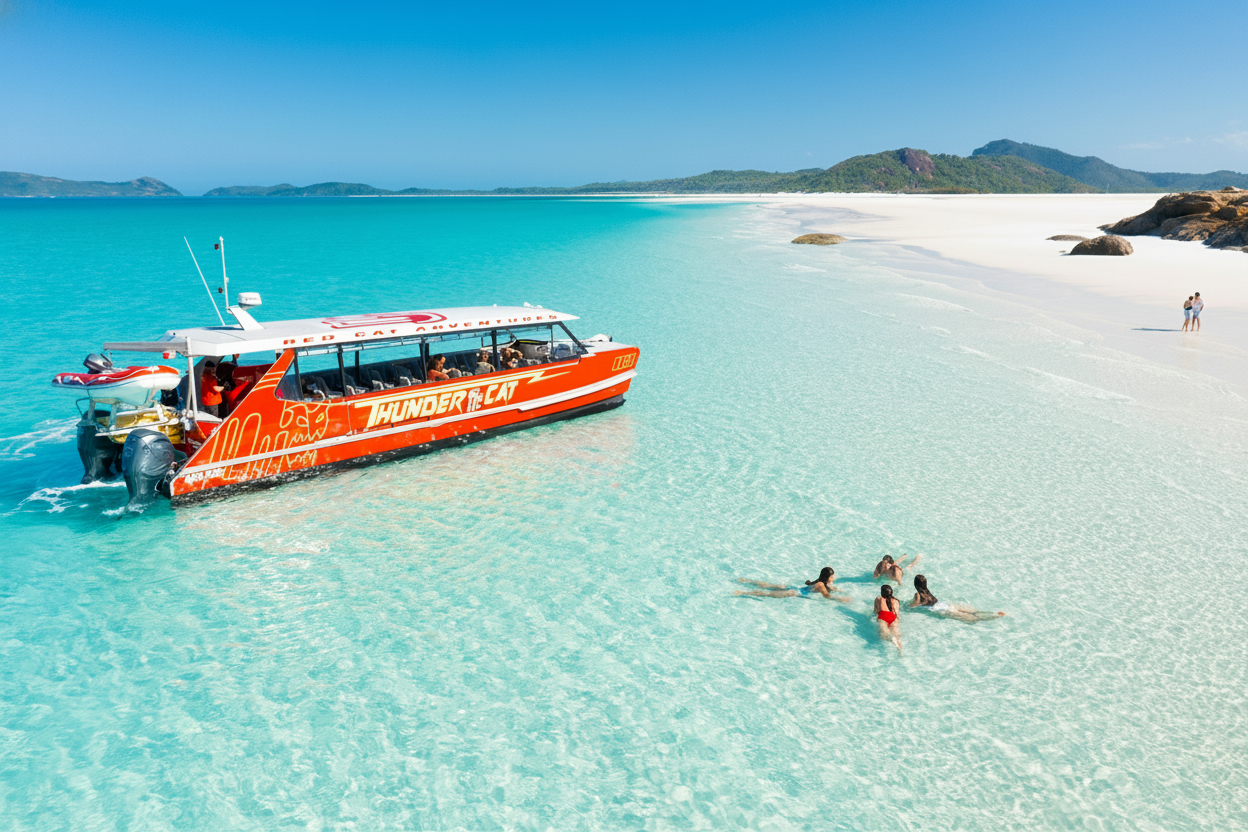
The Whitsundays transforms into one of Australia's premier whale watching destinations from June through September, when thousands of humpback whales migrate along the Queensland coast. These majestic 40-tonne giants use the warm, protected waters around the 74 islands as a highway during their epic 25,000-kilometre annual journey—the longest migration of any mammal on Earth. Understanding the monthly patterns, weather conditions, and optimal viewing opportunities will help you plan the perfect whale watching adventure in this World Heritage-listed marine wonderland.
When is whale watching season in the Whitsundays?
Whale watching season in the Whitsundays runs from June through September, with peak viewing from July to early September when humpback whales migrate north to breeding grounds then return south with newborn calves.
The humpback whale migration follows a predictable pattern that creates two distinct viewing opportunities. From June to August, adult whales travel northbound toward their breeding grounds in the warmer waters near Papua New Guinea and the Solomon Islands. These whales are focused on reaching their destination, making them more active and easier to spot as they travel in pods of 2-4 individuals.
The return journey from August through September offers even more spectacular viewing, as mother whales travel southbound with their newborn calves. During this period, you'll witness playful behaviour including breaching, tail slapping, and teaching moments as mothers guide their young through the protected waters of the Whitsunday Passage.
Water temperature during whale season ranges from 22-25°C, creating ideal conditions for both whales and whale watchers. The nutrient-rich waters support abundant krill and small schooling fish that attract these filter-feeding giants, while the sheltered passages between islands provide calm viewing conditions.
What makes June the start of whale watching season?
June marks the beginning of whale season as the first humpback whales arrive from Antarctic feeding grounds, travelling through the Whitsundays' protected waters during their northbound migration toward tropical breeding areas.
Early June can be hit-or-miss for whale sightings, but by mid to late June, regular encounters become more common. These early-season whales are typically adult males and non-breeding females who lead the migration. They travel at speeds of 3-9 kilometres per hour, making them relatively easy to track and observe.
June weather conditions are nearly perfect for whale watching, with average temperatures ranging from 18°C overnight to 25°C during the day. Rainfall averages just 43mm for the month, and trade winds provide comfortable 10-15 knot breezes. This creates excellent visibility conditions with calm seas—ideal for spotting whale spouts from several kilometres away.
Tour operators typically begin dedicated whale watching tours in June, often combined with visits to Whitehaven Beach or snorkelling at fringing reefs. Half-day tours from $159 per adult become available, while full-day tours incorporating multiple activities range from $289-$399 per person.
What to pack for June: Light layers including a windproof jacket, sunhat, sunglasses, reef-safe sunscreen, and comfortable closed-toe shoes with good grip. Water temperature sits around 22°C, perfect for swimming without a wetsuit.
Why is July considered peak whale watching season?
July represents peak northbound whale migration with the highest concentration of humpback whales passing through the Whitsundays, offering 90% success rates for sightings on dedicated whale watching tours during optimal weather conditions.
During July, an estimated 15,000-20,000 humpback whales pass through Queensland waters, with thousands taking the route through the Whitsunday Passage. This creates multiple daily encounters, often with different pods visible simultaneously from tour vessels. Pregnant females join the migration during July, adding to the density of whale activity.
Weather conditions in July are exceptional for marine adventures. Average temperatures range from 16°C to 24°C with just 35mm of rainfall—the driest month of whale season. Southeast trade winds average 12-18 knots, creating ideal sea conditions with swells typically under 1 metre in the protected waters between islands.
July coincides with Australian school holidays (typically the first two weeks), creating peak demand for tours. This means higher prices but also more frequent departures and longer tour options. Full-day whale watching tours range from $299-$449 per adult, while premium small-group tours can reach $599-$799 per person.
Whale behaviour during July focuses on efficient travel, but you'll still witness breaching, spy-hopping, and tail fluking. The clear winter air provides excellent photography conditions with visibility often exceeding 20 kilometres.
What whale behaviours can you observe in August?
August offers diverse whale behaviours as both late northbound travellers and early southbound mothers with calves create dynamic viewing opportunities, including breaching, spy-hopping, tail slapping, and protective maternal interactions.
The transition month creates fascinating whale watching scenarios. Early August still features northbound pods of breeding adults, while late August brings the first southbound mothers with newborn calves. This overlap creates extended viewing opportunities with different behavioural patterns occurring simultaneously.
Newborn calves, typically 4-5 metres long and weighing around 1.5 tonnes, stay close to their mothers while learning essential survival skills. You'll observe teaching behaviours including surface breathing techniques, diving patterns, and navigation skills as mothers guide their young through the island passages.
August weather remains excellent with temperatures from 17°C to 25°C and minimal rainfall averaging 31mm. Trade winds continue providing comfortable conditions, though occasional northerly winds can bring warmer, more humid days reaching 28°C.
Whale watching success rates remain high at 85-95% during August. Tour pricing begins to moderate slightly compared to July's peak rates, with full-day tours from $279-$399 per adult. Multi-day packages combining whale watching with Great Barrier Reef experiences become popular options.
Photography opportunities excel in August as mother-calf interactions provide compelling subjects. The protective behaviour of mothers creates closer surface encounters, though tour operators maintain required 100-metre minimum distances from whale pods with calves.
How does September conclude whale watching season?
September concludes whale season with spectacular southbound migration featuring mother whales and their young calves, offering intimate viewing experiences as families navigate protected waters before heading toward Antarctic feeding grounds.
September represents the final major wave of whale migration through the Whitsundays. By this time, calves have grown stronger and more confident, allowing for increased surface activity and playful behaviours. You'll witness amazing interactions including calves practicing breaching while mothers rest nearby.
The urgency to reach Antarctic feeding grounds before summer creates concentrated travel patterns. Pods often travel closer to shore to take advantage of calmer waters and shorter distances between islands, improving viewing opportunities for boat-based tours.
Weather conditions in September begin transitioning toward summer patterns. Temperatures range from 19°C to 27°C with increasing humidity. Rainfall increases to 52mm monthly average, though most falls in short afternoon showers. Southeast trades weaken, occasionally giving way to northerly winds.
September tour pricing often includes early-season discounts for following year bookings. Current year tours range from $259-$369 for full-day experiences, while combination packages including Whitehaven Beach visits provide excellent value at $339-$449 per person.
By late September, whale numbers decrease significantly as the migration concludes. However, stragglers and late-departing families can provide surprise encounters well into early October, especially during calm weather conditions.
What weather conditions affect whale watching success?
Optimal whale watching occurs during calm conditions with less than 15-knot winds and swells under 1.5 metres, which typically happen 70-80% of days during June through September in the Whitsundays' protected waters.
Wind direction significantly impacts viewing conditions. Southeast trade winds, prevalent during whale season, create offshore conditions on the mainland side while providing protection in the lee of islands. These winds average 12-18 knots during peak season, generating comfortable swells of 0.5-1.2 metres in sheltered passages.
Visibility plays a crucial role in spotting whale spouts, which can be seen from 3-5 kilometres away on clear days. Winter months during whale season provide exceptional visibility with atmospheric conditions often exceeding 25 kilometres. Morning tours typically offer the best visibility before afternoon heat haze develops.
Rain rarely affects whale watching tours directly, as whales remain active during light precipitation. However, heavy rainfall reduces visibility and can make spotting spouts difficult. The Whitsundays receive minimal rainfall during whale season: June (43mm), July (35mm), August (31mm), and September (52mm).
Sea conditions matter more than air temperature for whale behaviour. Water temperatures between 22-25°C during whale season create ideal conditions for surface activity. Calmer seas also improve acoustic conditions, as whale songs and breathing sounds travel further in still water.
Tour operators monitor weather conditions closely and may adjust departure times or routes to optimize viewing opportunities. Most whale watching tours operate in conditions up to 20-25 knots, but comfort and viewing quality decrease significantly above 15 knots.
Which tour types work best during whale season?
Half-day dedicated whale watching tours (4-6 hours) provide optimal experiences during peak season, offering extended viewing time while allowing combination with other activities like Whitehaven Beach visits or reef snorkelling adventures.
Dedicated whale watching tours focus entirely on locating and observing whale pods without time constraints from other activities. These 4-6 hour experiences cost $189-$299 per adult and typically achieve 90-95% success rates during peak season. Operators use spotter networks and hydrophones to locate active pods quickly.
Combination tours integrate whale watching with iconic Whitsundays experiences. Full-day packages often include 2-3 hours whale watching plus Whitehaven Beach visits and snorkelling stops, ranging from $299-$449 per adult. These provide excellent value while maximising your Whitsundays experience.
Small group premium tours (maximum 12-20 passengers) offer more personalised experiences with better viewing angles and flexible itineraries. These tours cost $399-$799 per person but provide superior comfort, gourmet catering, and extended time with whale encounters.
Multi-day sailing tours incorporating whale watching create immersive experiences with overnight anchorages in prime whale corridors. Two-day packages from $599-$899 per person include accommodation, meals, and multiple whale watching opportunities during optimal early morning periods.
Scenic helicopter flights during whale season provide unique aerial perspectives of whale pods, though viewing time is limited to 10-30 minutes. These flights cost $199-$599 per person and work best combined with boat-based tours for comprehensive whale encounters.
How do school holidays impact whale watching tours?
Australian school holidays in July create peak demand and highest prices for whale watching tours, with advance bookings essential and tour costs increasing 20-30% compared to June and late August periods.
The winter school holidays typically run for two weeks in July, coinciding perfectly with peak whale migration. This creates a supply-demand imbalance where premium tour slots sell out weeks in advance. Family-friendly tours increase frequency during this period, with many operators adding extra departures.
Pricing impacts during school holidays are significant across all tour categories. Half-day whale watching tours increase from $159-$189 in June to $199-$239 in July. Full-day combination tours jump from $289-$349 to $349-$449 per adult. Premium small-group experiences can reach $799-$999 per person during peak holiday periods.
Booking timeframes extend considerably during school holidays. Tours that typically require 3-7 days advance notice in June may need 2-4 weeks booking ahead in July. Popular departure times (8:00 AM and 1:00 PM) fill first, leaving early morning (6:30 AM) or late afternoon (3:00 PM) slots available longer.
Family considerations during school holidays include larger group sizes on tours, potentially impacting the intimate whale watching experience. However, the excitement of children witnessing their first whale encounter creates memorable family moments. Many operators offer child discounts (ages 4-14) ranging from 20-50% of adult prices.
Interstate school holiday variations provide opportunities for better value. Queensland holidays may differ from southern states, creating brief periods of lower demand and more competitive pricing even during prime whale watching weeks.
What should you pack for whale watching season?
Pack layered clothing including windproof jacket, non-slip shoes, sunglasses, reef-safe sunscreen, seasickness tablets, waterproof phone case, and warm layers for early morning departures during the cooler winter whale watching months.
Clothing layers become essential during whale watching season due to temperature variations between early morning departures (12-16°C) and midday conditions (24-26°C). Start with a warm base layer, add a fleece or jumper, and top with a windproof jacket that can be removed as conditions warm.
Footwear requires careful consideration for boat-based tours. Non-slip deck shoes or sneakers with good grip prevent accidents on wet surfaces. Avoid thongs, high heels, or smooth-soled shoes. Many operators provide this guidance during booking confirmation.
Sun protection remains crucial even during winter months. The combination of water reflection and clear winter air creates intense UV exposure. Pack reef-safe sunscreen (SPF 30+), polarised sunglasses, and a wide-brimmed hat that can be secured in windy conditions.
Motion sickness preparation helps ensure enjoyable whale watching experiences. Pack seasickness tablets (take 30-60 minutes before departure), ginger tablets as natural alternatives, and consider seasickness wristbands. Even experienced boaters can be affected during extended periods watching whale activity.
Photography equipment benefits from protection against salt spray and movement. Waterproof phone cases cost $15-25 and protect devices during whale encounters. Camera straps prevent loss overboard, while lens cleaning cloths handle salt spray impacts.
Personal comfort items include water bottles (though most tours provide refreshments), small backpack or day pack, cash for gratuities, and any prescription medications. Warm beanie and gloves might be needed for early morning departures during June and July.
How far in advance should you book whale watching tours?
Book whale watching tours 1-2 weeks ahead during June and September, 3-4 weeks for July peak season, and 2-3 weeks for August to secure preferred departure times and tour styles during optimal viewing conditions.
Booking timeframes vary significantly based on travel dates and tour preferences. Premium small-group tours (under 20 passengers) require the longest advance notice, often selling out 4-6 weeks ahead during July. Standard group tours (30-70 passengers) typically need 1-3 weeks notice depending on season timing.
Last-minute availability exists but limits options significantly. Tours departing within 24-48 hours may have availability during June and September, but selections focus on less popular departure times (very early morning or late afternoon) or larger group sizes.
Flexible date booking provides advantages during whale season. Tours operating Monday through Thursday typically have better availability and sometimes offer midweek discounts of 10-15%. Weekend tours (Friday through Sunday) book fastest due to domestic travel patterns.
Weather contingency planning influences booking strategy. Most operators offer rescheduling options for severe weather conditions, but this flexibility decreases during peak season when alternative dates fill quickly. Travel insurance covering tour cancellations provides additional protection.
Group bookings (8+ people) require extended advance notice but often receive discounts ranging from 10-20%. Family groups during school holidays should book immediately after dates are confirmed to secure adjacent seating and preferred departure times.
International visitors benefit from booking whale watching tours as part of broader Whitsundays packages, often available through accommodation providers or travel specialists with better group rates and coordination with other activities.
Experience the magic of humpback whale migration in the Whitsundays by booking your whale watching adventure through Airlie to Whitehaven. Our local expertise ensures you'll secure the perfect tour during optimal viewing conditions, whether you prefer intimate small-group experiences or comprehensive full-day packages combining whale watching with Whitehaven Beach and reef adventures. Book your whale watching tour today and witness one of nature's most incredible spectacles in the stunning waters of the Whitsundays.