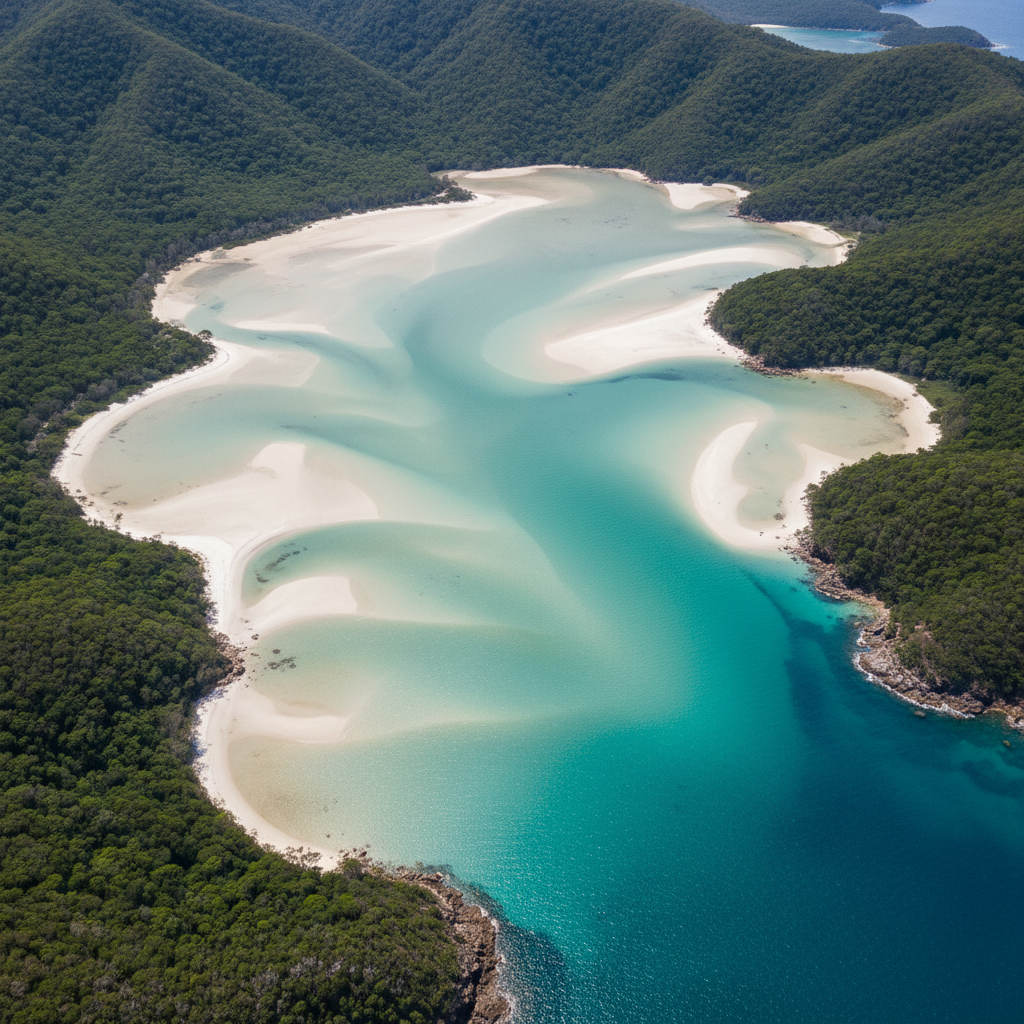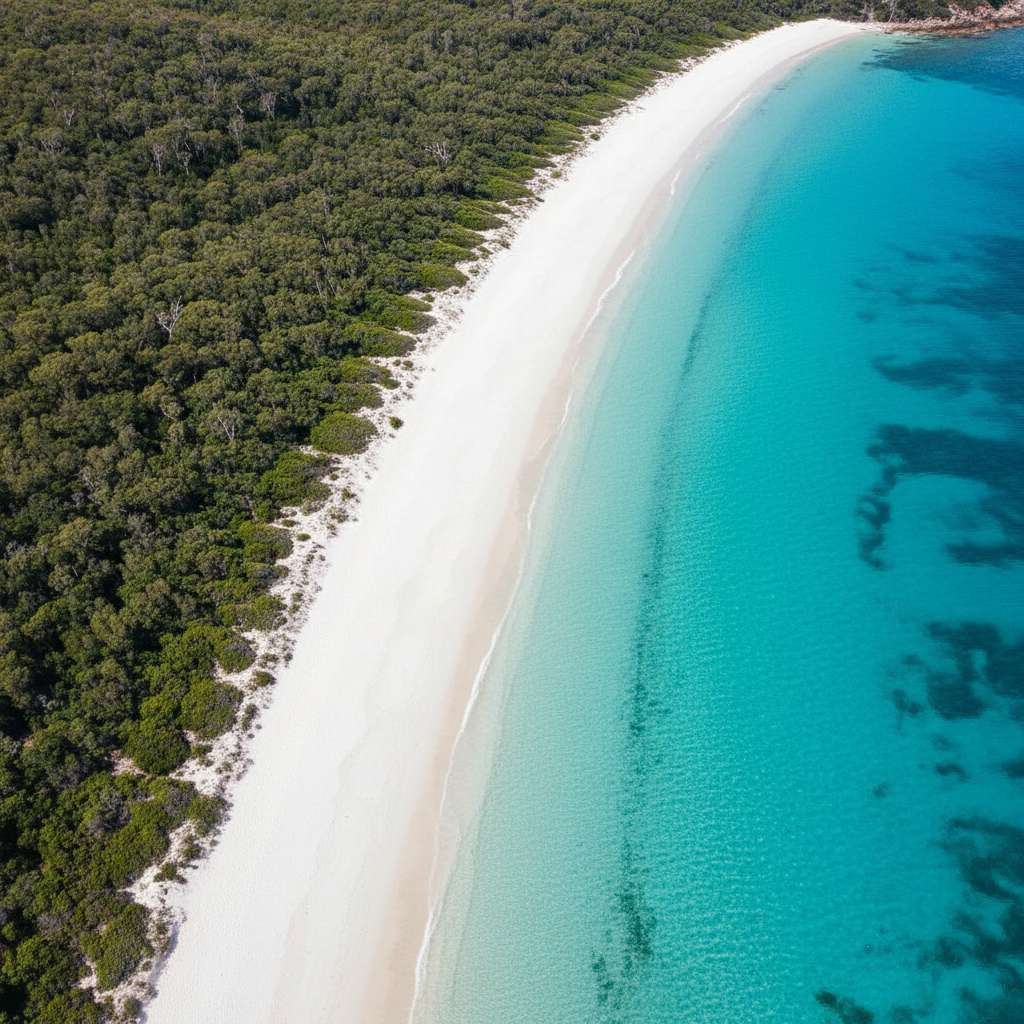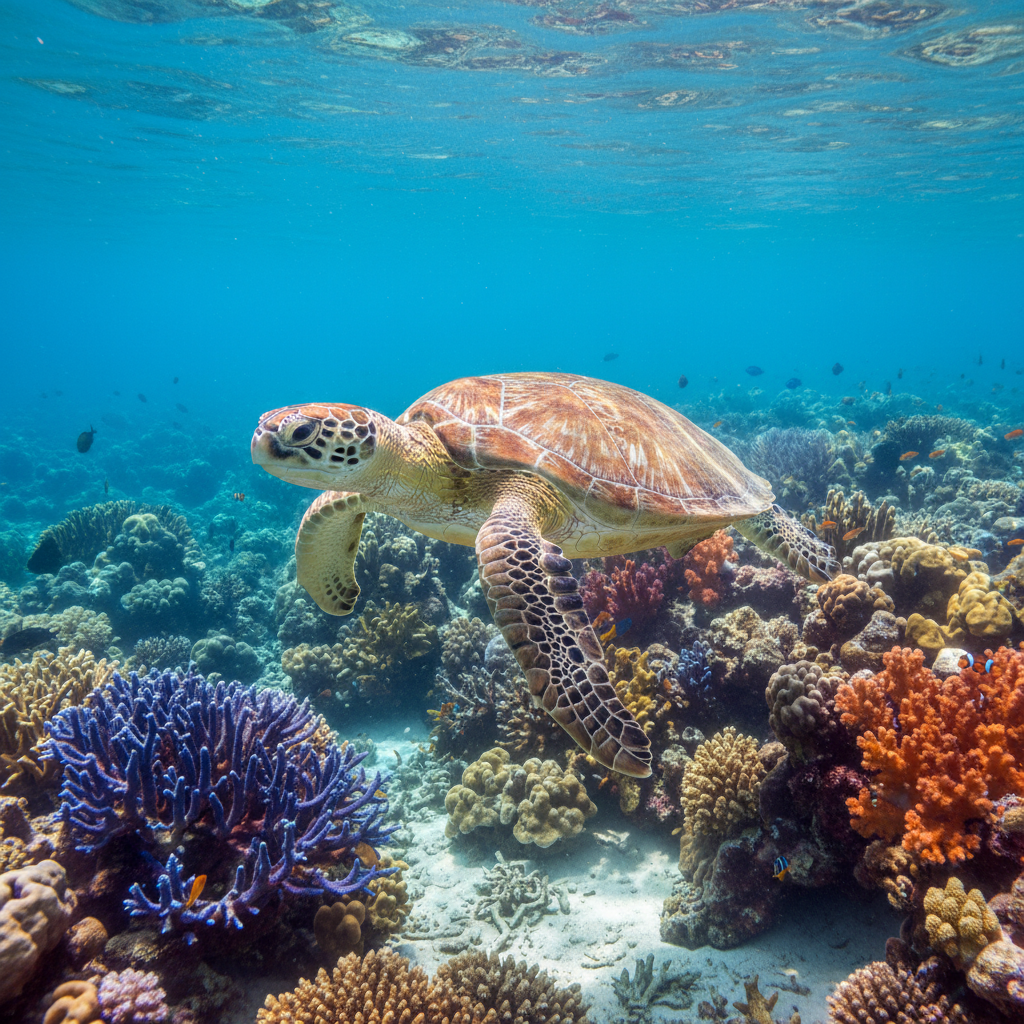
Planning a swim at Whitehaven Beach or a snorkeling adventure on the Great Barrier Reef? Water temperature makes all the difference between a comfortable dip and a teeth-chattering experience. The Whitsundays sit in tropical waters that rarely drop below comfortable swimming temperatures, but there's definitely a rhythm to the seasons that every visitor should understand.
From the balmy 29°C peaks of summer to the refreshing 22°C lows of winter, these coral sea waters offer year-round swimming opportunities — though your wetsuit requirements and comfort levels will vary dramatically depending on when you visit. Let's dive into exactly what you can expect each month.
What are the average water temperatures in the Whitsundays throughout the year?
Whitsundays water temperatures range from 22°C in July-August to 29°C in February-March. The warmest months are December through April (26-29°C), while the coolest period is June through September (22-25°C).
The Coral Sea surrounding the Whitsunday Islands maintains remarkably stable temperatures due to its tropical latitude of 20°S. Unlike temperate waters that can swing 15-20 degrees seasonally, the Whitsundays experience only a 7-degree variation between winter and summer.
Here's the month-by-month breakdown:
- January: 28°C - Peak summer warmth, perfect for extended swimming
- February: 29°C - Warmest month, ideal for all water activities
- March: 28°C - Still tropical warm, excellent visibility
- April: 27°C - Comfortable for hours in the water
- May: 25°C - Mild and pleasant, light wetsuit optional
- June: 23°C - Beginning of cooler season
- July: 22°C - Coolest month, wetsuit recommended
- August: 22°C - Cool but still swimmable
- September: 24°C - Water warming up again
- October: 25°C - Very comfortable temperature returning
- November: 27°C - Warm and inviting
- December: 28°C - Summer heat building
When is the water warmest in the Whitsundays?
February typically records the warmest water temperatures at 29°C, followed by January and March at 28°C. This peak warmth coincides with Australia's summer season from December through March.
During these peak months, you'll find water temperatures that feel like a warm bath. Many visitors describe February's 29°C waters as almost too warm — you can comfortably spend hours snorkeling at places like Hardy Reef or Blue Pearl Bay without any thermal protection.
The summer warmth creates ideal conditions for:
- Extended snorkeling sessions (2-3 hours without discomfort)
- All-day sailing adventures with multiple swim stops
- Dawn and dusk swimming when air temperatures cool
- Underwater photography without hand tremors from cold
- Learning to snorkel or dive (warm water builds confidence)
However, these warmest months also bring higher humidity (80-85%), afternoon storms, and peak tourist crowds. Expect tour prices to be 20-30% higher during January-March compared to winter months.
What's the coldest water temperature in the Whitsundays?
July and August record the coolest water temperatures at 22°C. While still warm enough for swimming, most visitors find these temperatures require a wetsuit for extended water activities.
At 22°C, the water feels refreshing rather than warm — similar to a heated swimming pool. You'll notice the difference immediately when entering the water, and after 30-45 minutes of swimming or snorkeling, most people start feeling the chill.
During the winter months, tour operators typically provide:
- 3mm wetsuits for snorkeling activities
- Lycra stinger suits with added thermal properties
- Hot showers and warm towels on larger vessels
- Warm beverages served immediately after water activities
The cooler water temperatures coincide with the dry season's clear skies and calm winds, creating excellent underwater visibility often exceeding 30 meters. This makes winter an exceptional time for underwater photography and spotting marine life, despite the wetsuit requirement.
Do you need a wetsuit in the Whitsundays?
Wetsuits are recommended from May through September when water temperatures drop to 22-25°C. During October through April, thermal protection is optional unless you're spending extended periods snorkeling.
The wetsuit decision depends on several factors beyond just temperature:
Wetsuit recommended (May-September):
- Water temperatures below 25°C
- Snorkeling sessions longer than 45 minutes
- Multiple water entries throughout the day
- Early morning or late afternoon activities
- Individuals who feel cold easily
Wetsuit optional (October-April):
- Water temperatures above 26°C
- Short swimming sessions (under 30 minutes)
- Midday activities when air temperatures are warmest
- Individuals comfortable in cooler water
Most tour operators include wetsuit hire in their pricing, typically 3mm shorty wetsuits that provide core warmth while maintaining arm and leg mobility. Premium tours often offer full-length 3mm suits for maximum comfort.
When do you need stinger suits in the Whitsundays?
Stinger suits are mandatory from October through May during jellyfish season. All tour operators provide lycra stinger suits free of charge to protect against potentially dangerous box jellyfish and Irukandji.
The stinger season coincides with warmer water temperatures, creating an interesting paradox — when the water feels most inviting, protective clothing becomes essential. The marine stingers arrive with warmer currents and reproduce in the shallow, heated waters around the continental shelf.
Stinger suit requirements by month:
- October-December: Stinger suits strongly recommended, becoming mandatory
- January-April: Stinger suits absolutely mandatory on all tours
- May: Stinger suits recommended, some operators still require them
- June-September: Stinger-free season, suits not required
Modern stinger suits are made from lycra or thin neoprene, providing minimal thermal protection but complete coverage from neck to wrists to ankles. They're surprisingly comfortable and don't significantly impact your swimming or snorkeling experience.
What months offer the best water conditions for swimming?
April, May, October and November provide optimal water conditions with temperatures of 25-27°C, excellent visibility, calm seas, and either minimal or ending stinger presence.
These shoulder season months represent the sweet spot for Whitsundays water activities:
April advantages:
- Water temperature: 27°C (very comfortable)
- Stinger season ending (reduced risk)
- Post-wet season clarity improving
- Crowds beginning to thin out
- Tour prices starting to drop 10-15%
May advantages:
- Water temperature: 25°C (pleasant, wetsuit optional)
- Stinger season officially ended
- Excellent underwater visibility (25-30m)
- Dry season reliability beginning
- Significantly lower accommodation rates
October advantages:
- Water temperature: 25°C (comfortable for most)
- Peak dry season conditions
- Stinger season just beginning (low risk)
- Whale watching season ending
- Spring weather stability
November advantages:
- Water temperature: 27°C (very pleasant)
- Stinger suits becoming necessary
- Pre-summer crowds and pricing
- Excellent weather reliability
- Long daylight hours for activities
How do water temperatures affect marine life visibility?
Cooler winter waters (22-24°C) from June through August provide the clearest visibility, often exceeding 30 meters, while warmer summer waters can reduce visibility due to increased plankton and algae growth.
The relationship between temperature and underwater visibility is complex but predictable:
Winter clarity (June-August):
- Water temperature: 22-24°C
- Visibility: 25-35 meters typically
- Plankton levels: Minimal
- Photography conditions: Exceptional
- Marine life: Fish aggregations more predictable
Summer conditions (December-March):
- Water temperature: 27-29°C
- Visibility: 15-25 meters average
- Plankton levels: Higher (food chain active)
- Photography conditions: Good but variable
- Marine life: More active but dispersed
Warmer waters support more diverse marine life but can create challenging photography conditions. The increased biological activity means more fish, rays, and turtles, but also more particles in the water column. Professional underwater photographers often prefer the crystal-clear winter waters despite the wetsuit requirement.
What should you pack for different water temperature seasons?
Summer visits (December-March) require minimal thermal protection, sun protection, and lightweight quick-dry clothing. Winter visits (June-September) need thermal layers, windproof jackets, and warm clothes for boat travel.
Warm water months packing list (December-March):
- Rashguard or long-sleeve swim top (sun protection)
- Board shorts or bikini
- Reef-safe sunscreen SPF 50+
- Quick-dry towel
- Lightweight cover-up for boat travel
- Waterproof phone case
- Hat with chin strap
- Flip flops with heel strap
Cool water months packing list (June-September):
- Warm fleece or hoodie for boat travel
- Long pants for morning/evening
- Thermal base layer if you feel cold easily
- Waterproof jacket for spray and wind
- Beanie or warm hat
- Closed shoes with grip
- Personal wetsuit if you have specific thermal needs
- Warm socks for after swimming
Most tour operators provide all necessary safety and thermal equipment, but personal comfort items can significantly improve your experience during cooler months.
How do school holidays affect water activities and pricing?
Australian school holidays coincide with warmer water temperatures, creating peak demand during December-January, April, July, and September-October. Expect 25-40% higher tour prices and advance booking requirements of 2-4 weeks.
The timing creates interesting patterns:
Summer holidays (mid-December to late January):
- Water temperature: 28-29°C (perfect)
- Price premium: 30-40% above off-peak
- Booking window: 4-6 weeks advance
- Crowd levels: Maximum
- Weather risk: Higher (storm season)
Easter holidays (March/April):
- Water temperature: 27-28°C (excellent)
- Price premium: 20-25% above off-peak
- Booking window: 3-4 weeks advance
- Crowd levels: High
- Weather: Generally stable
Winter holidays (July):
- Water temperature: 22°C (coolest but clear)
- Price premium: 25-30% above off-peak
- Booking window: 2-3 weeks advance
- Crowd levels: Moderate-high
- Weather: Most reliable
The sweet spot for value-conscious travelers falls in May, June, August, and early September — when water temperatures remain comfortable but school holiday premiums don't apply.
Which tour types work best in different water temperatures?
Full-day sailing tours excel in warm water months (December-April) when multiple swim stops are comfortable. Half-day reef tours suit cooler months (June-September) when shorter water time prevents chilling.
Warm water tour recommendations (25-29°C):
Full-day sailing adventures: With water temperatures above 25°C, you can comfortably enjoy 3-4 swim stops throughout the day. Popular options include Whitehaven Beach and snorkeling combinations that might involve 2-3 hours total water time.
Multi-day sailing expeditions: Warm waters make overnight sailing trips particularly appealing. You can swim off the boat at sunset, enjoy night swimming under stars, and wake up for dawn swims without thermal discomfort.
Learn-to-dive experiences: Warm water builds confidence for nervous beginners. Many dive schools report higher success rates during December-April when students aren't distracted by cold.
Cool water tour adaptations (22-25°C):
Scenic flights with swim stops: Helicopter or seaplane tours work well in winter because you spend less time in water but still enjoy the key experience of Whitehaven Beach.
Half-day reef tours: Shorter snorkeling sessions (30-45 minutes) prevent the chill factor while still providing excellent reef experiences during peak visibility months.
Whale watching combinations: June through September whale season coincides with cooler water, making combined tours ideal — watch humpbacks migrate then enjoy shorter snorkel sessions.
Ready to experience the Whitsundays' perfect waters? Whether you're planning a warm-water summer adventure or a crystal-clear winter escape, Airlie to Whitehaven has carefully selected tours that work with every season's conditions. Our local operators know exactly when to provide wetsuits, where to find the clearest water, and how to make your aquatic adventure comfortable year-round. Browse our seasonal tour recommendations and book with confidence knowing you'll get the right experience for your travel dates.