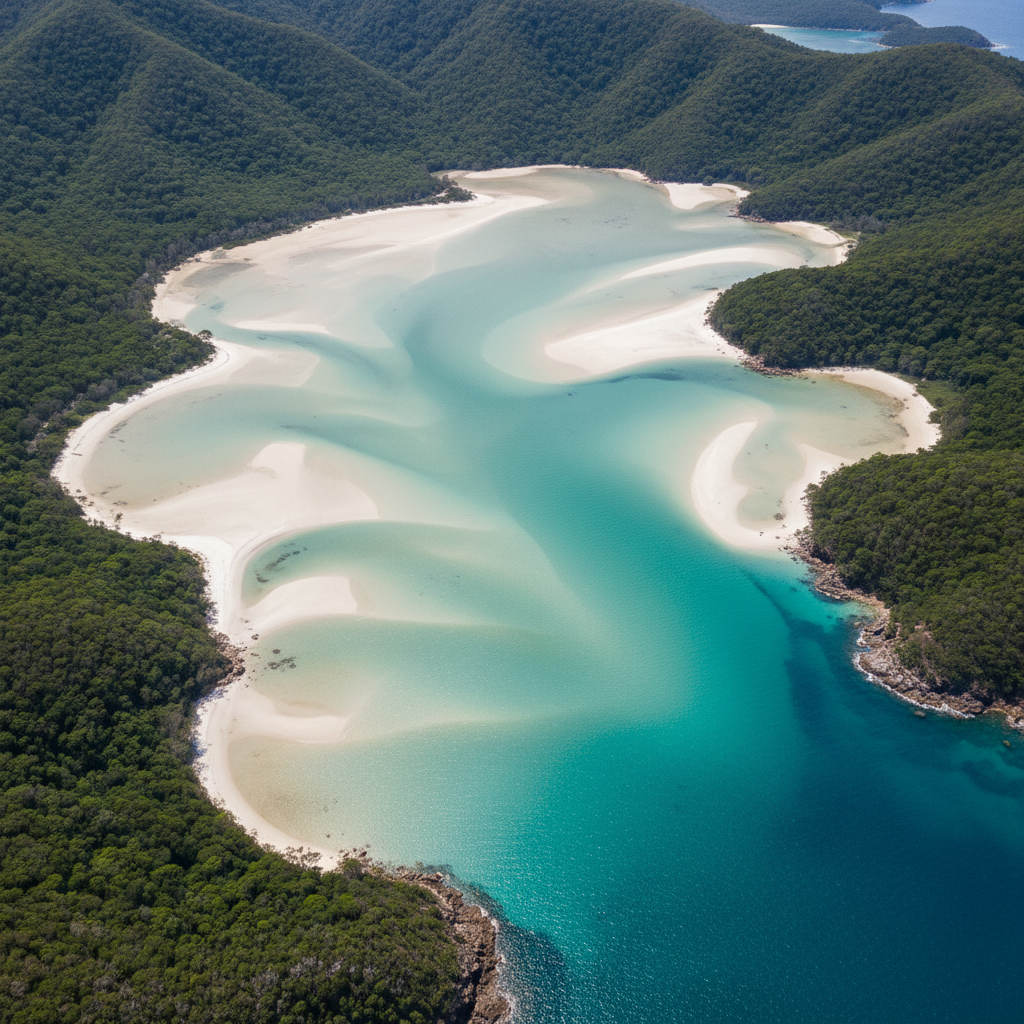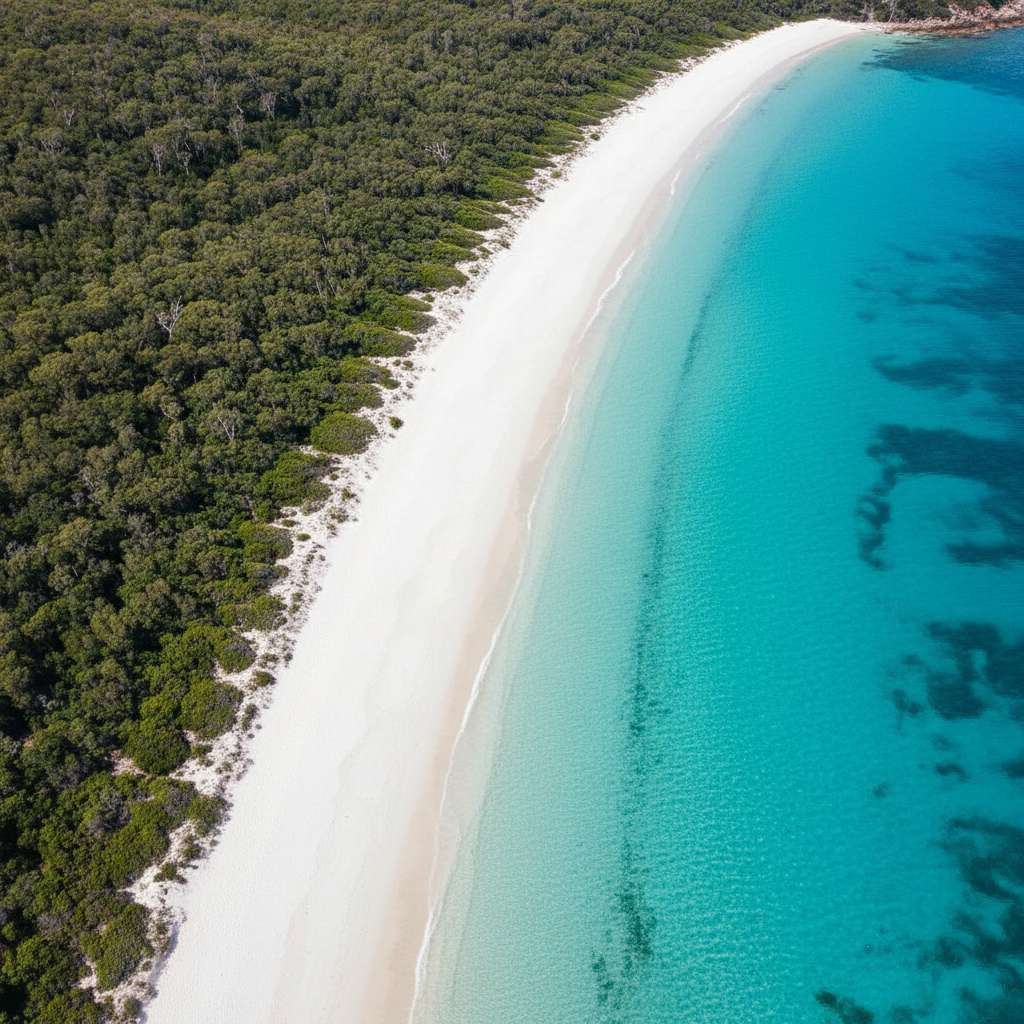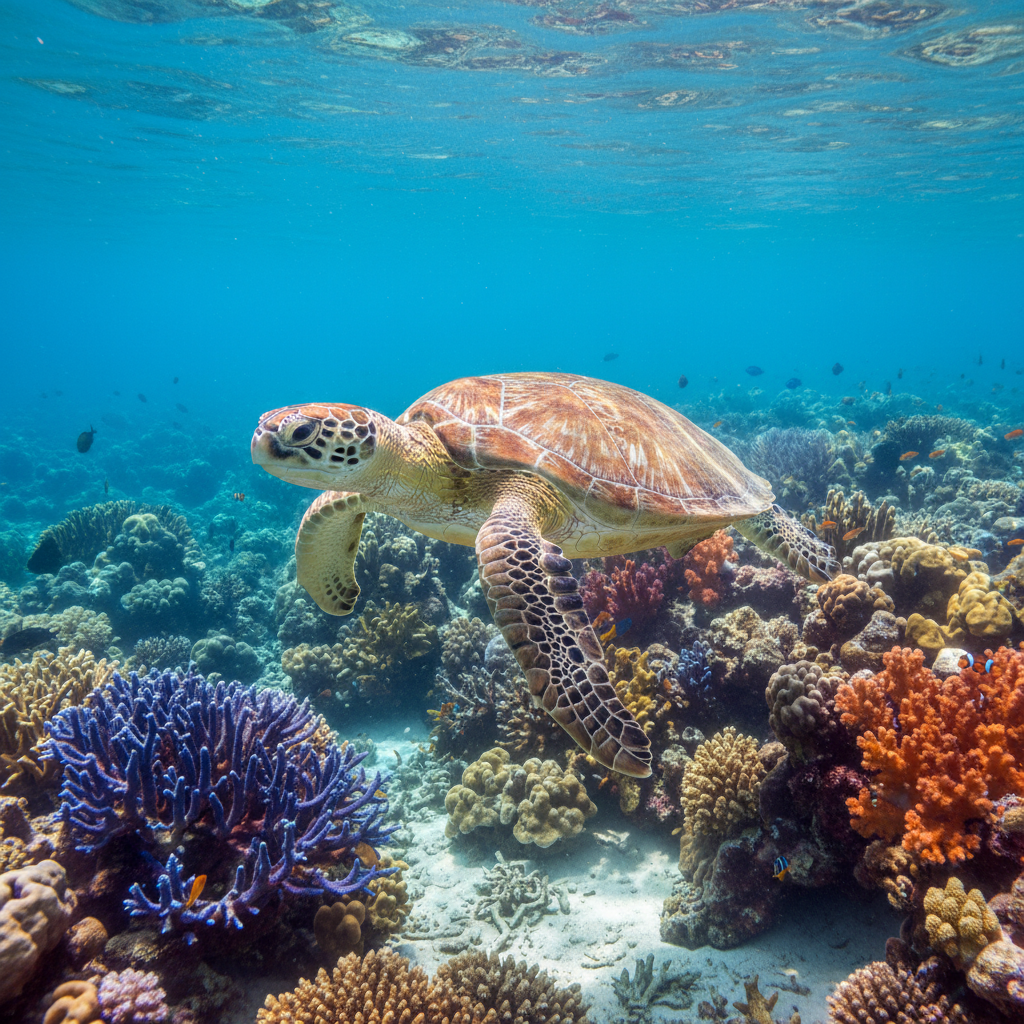
The Whitsundays transforms into a magical underwater nursery during turtle nesting season, when ancient sea turtles return to their birthplace to lay eggs. From November through March, these magnificent creatures emerge from the depths to continue a ritual that's remained unchanged for millions of years. While the Whitsundays' 74 islands don't host major nesting beaches, the surrounding waters become a highway for pregnant females and feeding grounds for various turtle species year-round.
When is turtle nesting season in the Whitsundays?
Turtle nesting season in the Whitsundays runs from November to March, with peak activity occurring between December and February when water temperatures reach 26-29°C and females come ashore to lay eggs on nearby mainland beaches.
The timing coincides perfectly with the warmer months when water temperatures create ideal conditions for egg development. Green turtles typically nest between November and March, while hawksbill turtles prefer December through February. Loggerhead turtles extend their season slightly longer, from October through April, though they're less common in Whitsunday waters.
During this period, water visibility averages 20-25 metres, making it excellent for spotting turtles while snorkelling or diving. The trade winds are lighter, creating calmer seas perfect for turtle watching tours. However, this is also stinger season, so all reputable tour operators provide stinger suits for water activities.
Where do turtles nest near the Whitsundays?
Turtles primarily nest on mainland beaches north and south of Airlie Beach, including Mon Repos near Bundaberg (280km south) and Milman Island near Mackay (150km north), rather than on Whitsunday Island beaches themselves.
The closest significant nesting sites include beaches around Cape Conway National Park, just 20 minutes south of Airlie Beach. Turtle Bay on the mainland coast sees occasional nesting activity, particularly from green turtles. However, the majority of nesting occurs on protected beaches further afield.
Mon Repos Conservation Park, while requiring a 3-hour drive south, remains Australia's most accessible turtle nesting experience. Here, visitors can witness loggerhead turtles laying eggs between November and February, with guided tours running nightly at $14.95 for adults and $7.45 for children during peak season.
Within the Whitsundays marine park, turtles use shallow seagrass beds around islands like Hamilton Island, Daydream Island, and Long Island as crucial feeding areas during nesting season. These areas become prime spots for turtle encounters during dedicated turtle watching tours.
What types of sea turtles visit the Whitsundays during nesting season?
Six turtle species inhabit Whitsunday waters during nesting season: green turtles (most common), hawksbill turtles, loggerhead turtles, olive ridley turtles, leatherback turtles, and flatback turtles, each with distinct characteristics and behaviours.
Green turtles dominate local waters, measuring 80-120cm and weighing 65-130kg when fully grown. They're herbivores, feeding on seagrass beds that flourish in the warm summer waters. Their shells display beautiful brown and yellow patterns, making them easily recognizable during snorkelling encounters.
Hawksbill turtles, smaller at 60-90cm, are distinguished by their pointed beaks and stunning shell patterns. They prefer coral reef environments, feeding on sponges and algae. During nesting season, they're often spotted around Bait Reef and Hardy Reef, approximately 70km northeast of Airlie Beach.
Loggerhead turtles, the largest visitors at up to 120cm, have massive heads and powerful jaws designed for crushing shellfish. They're less common in Whitsunday waters but occasionally appear during migration periods. Olive ridley, leatherback, and flatback turtles are rare visitors, typically spotted during deeper water excursions to the outer reef.
How does nesting season weather affect Whitsundays tours?
Nesting season coincides with the wet season, bringing average temperatures of 24-30°C, 60-70% humidity, and afternoon thunderstorms that can impact tour schedules and require flexible planning for optimal turtle viewing experiences.
December through February sees the highest rainfall, averaging 200-300mm monthly compared to 20-40mm during the dry season. Morning tours typically experience calmer conditions, with afternoon thunderstorms rolling in around 2-4pm. Tour operators adjust schedules accordingly, often departing earlier at 7:30am instead of the usual 9:00am.
Water temperatures during nesting season range from 26-29°C, perfect for extended snorkelling sessions without wetsuits. However, stinger season overlaps completely with turtle nesting season, making stinger suits mandatory for all water activities. Marine stingers, including potentially deadly box jellyfish, are active from November through May.
Cyclone season runs from November through April, with January and February presenting the highest risk. While cyclones rarely hit the Whitsundays directly, tour cancellations can occur during severe weather warnings. Most operators offer full refunds or rebooking options during weather-related cancellations.
What should visitors wear and bring during turtle nesting season?
Essential items include stinger suits (provided by tour operators), reef-safe sunscreen SPF 50+, lightweight rain jacket, underwater camera, and quick-dry clothing suitable for temperatures ranging from 24-30°C with high humidity.
Stinger suits are non-negotiable during this period. Quality tour operators provide full-body lycra suits that protect against marine stingers while allowing comfortable swimming. Bring reef-safe sunscreen, as regular sunscreen damages coral reefs where turtles feed. Zinc-based formulas work best.
Pack lightweight, quick-dry clothing in neutral colours. Bright colours can stress marine life during close encounters. A waterproof phone case or underwater camera captures turtle interactions, though maintain respectful distances. Wide-brimmed hats and sunglasses provide essential sun protection on boat decks.
Bring a light rain jacket or poncho for afternoon storms. Reef shoes protect feet on coral rubble beaches, though most turtle viewing occurs in water. A small backpack keeps items dry during boat transfers between islands.
Which tours offer the best turtle viewing during nesting season?
Full-day sailing tours and specialized marine life excursions provide optimal turtle encounters during nesting season, with morning departures offering calmer seas and higher turtle activity before afternoon storms arrive.
Ocean Rafting's Northern Exposure tour visits prime turtle habitat around Hook Island and Border Island, where seagrass beds attract feeding turtles. These high-speed tours cover more ground, increasing encounter chances. Prices start at $169 for adults during peak season.
Slower sailing tours like those aboard Providence V or Camira allow longer observation periods when turtles are spotted. The relaxed pace means less disturbance to wildlife, and experienced crew members position boats for optimal viewing angles. Full-day sailing tours range from $185-220 during nesting season.
Reef tours to Hardy Reef and Bait Reef, while primarily focused on coral viewing, often encounter hawksbill turtles around reef edges. These tours include guided snorkelling with marine biologists who can identify turtle species and explain nesting behaviours. Prices range from $240-280 including lunch and equipment.
For dedicated turtle experiences, consider the specialized marine life tours that focus specifically on turtle habitats and feeding areas around the islands.
How do school holidays impact turtle season tours?
School holidays dramatically increase demand during turtle nesting season, with Christmas holidays (December 20-January 31) and Easter break creating peak pricing periods requiring bookings 4-6 weeks in advance for guaranteed availability.
Summer school holidays align perfectly with peak turtle nesting activity, creating the year's busiest tourism period. Tour prices increase 15-25% during this time, with premium tours reaching $300+ compared to off-peak rates of $240. Popular tours sell out weeks in advance.
Family-friendly tours adapt to school holiday crowds by adding extra departure times and larger vessels. However, this means busier snorkelling sites and less intimate wildlife encounters. For quieter experiences, book tours departing mid-week rather than weekends.
Queensland school holidays in January create particularly heavy demand, as local families combine turtle viewing with summer beach holidays. Interstate visitors from southern states escape winter, further increasing competition for tour spots.
Consider visiting during the shoulder season periods in early November or late March for better availability and pricing while still catching turtle activity.
What turtle behaviours can visitors observe during nesting season?
Visitors commonly observe feeding behaviour in seagrass beds, courtship activities, surface breathing patterns, and occasional mating displays, though actual nesting occurs on mainland beaches rather than popular Whitsunday tour destinations.
Feeding behaviour provides the most frequent turtle encounters. Green turtles graze methodically on seagrass beds, particularly in shallow bays around Long Island and Hamilton Island. They surface every 5-10 minutes to breathe, creating predictable viewing opportunities for patient observers.
Courtship activities intensify during peak nesting season. Multiple males may pursue a single female, creating spectacular underwater displays. These interactions occur in deeper waters, often spotted during reef tours or while travelling between islands.
Hawksbill turtles demonstrate different feeding patterns, using their pointed beaks to extract sponges from coral crevices. This behaviour is best observed at pristine coral sites like Bait Reef, where healthy coral systems support diverse marine life.
While nesting itself occurs on mainland beaches, pregnant females passing through Whitsunday waters display distinctive surface breathing patterns as they navigate between feeding areas and nesting beaches. Their slower, more frequent surfacing makes identification easier for tour guides.
How can visitors watch turtles responsibly during nesting season?
Responsible turtle watching requires maintaining 4-metre distances, avoiding flash photography, never touching or chasing turtles, using reef-safe sunscreen, and following certified tour operators who adhere to Great Barrier Reef Marine Park Authority guidelines.
The Great Barrier Reef Marine Park Authority enforces strict wildlife interaction rules. Direct contact with turtles carries fines up to $2,200 for individuals. Certified tour operators educate passengers on proper behaviour and maintain appropriate distances during encounters.
Swimming parallel to turtles rather than directly toward them reduces stress. Turtles are naturally curious but easily startled by sudden movements or loud noises. Experienced guides position snorkellers for optimal viewing while respecting turtle space.
Flash photography can disorient turtles, particularly during feeding or breathing activities. Use natural light settings on underwater cameras. Many tour operators provide professional photography services that capture encounters without disturbing wildlife.
Choose operators with Advanced Ecotourism Australia certification or Marine Tourism certification. These operators contribute to turtle research and conservation programs while ensuring sustainable viewing practices. Their guides undergo specialized training in turtle behaviour and marine park regulations.
What conservation efforts protect nesting turtles in the Whitsundays region?
Conservation efforts include Great Barrier Reef Marine Park zoning protecting critical habitats, turtle exclusion devices on commercial fishing boats, beach lighting regulations on nesting beaches, and citizen science programs monitoring turtle populations throughout the region.
The Great Barrier Reef Marine Park Authority designates critical turtle habitats as Green Zones, prohibiting extractive activities like fishing or collecting. These zones encompass major seagrass beds and coral reefs where turtles feed during nesting season.
Turtle Exclusion Devices (TEDs) are mandatory on commercial fishing vessels operating in turtle habitat areas. These devices allow turtles to escape from fishing nets, dramatically reducing bycatch mortality. Compliance monitoring occurs through regular vessel inspections.
Lighting ordinances protect nearby nesting beaches from artificial lights that disorient emerging hatchlings. Coastal developments must use turtle-friendly lighting that directs illumination downward rather than seaward.
Eye on the Reef program encourages tour operators and recreational users to report turtle sightings, injuries, or unusual behaviours. This citizen science data helps researchers track population trends and identify emerging threats to turtle populations.
Experience the wonder of turtle nesting season in the Whitsundays through Airlie to Whitehaven's carefully selected tour operators. Our platform connects you with certified tours that prioritize both incredible wildlife encounters and responsible tourism practices. Book your turtle watching adventure today and witness these ancient mariners in their pristine island home, knowing your visit supports ongoing conservation efforts in one of the world's most important marine ecosystems.