Skydiving over Hamilton Island delivers arguably the most spectacular views in Australia — plummeting from 15,000 feet above the Whitsunday Islands, Heart Reef, and pristine turquoise waters stretching to the horizon. This complete guide covers everything you need to know about tandem skydiving on Hamilton Island, from pricing and jump heights to booking tips and what to expect on the day.
What makes Hamilton Island skydiving so spectacular?
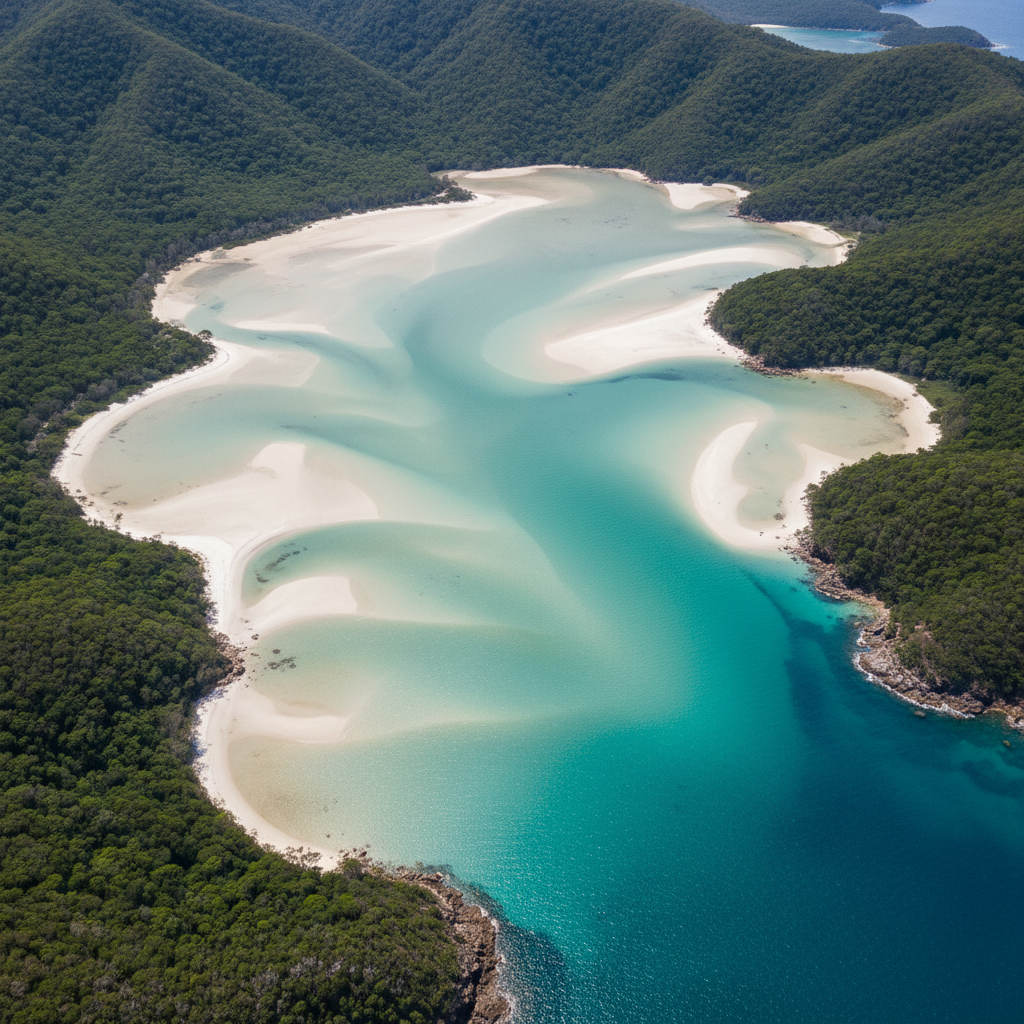
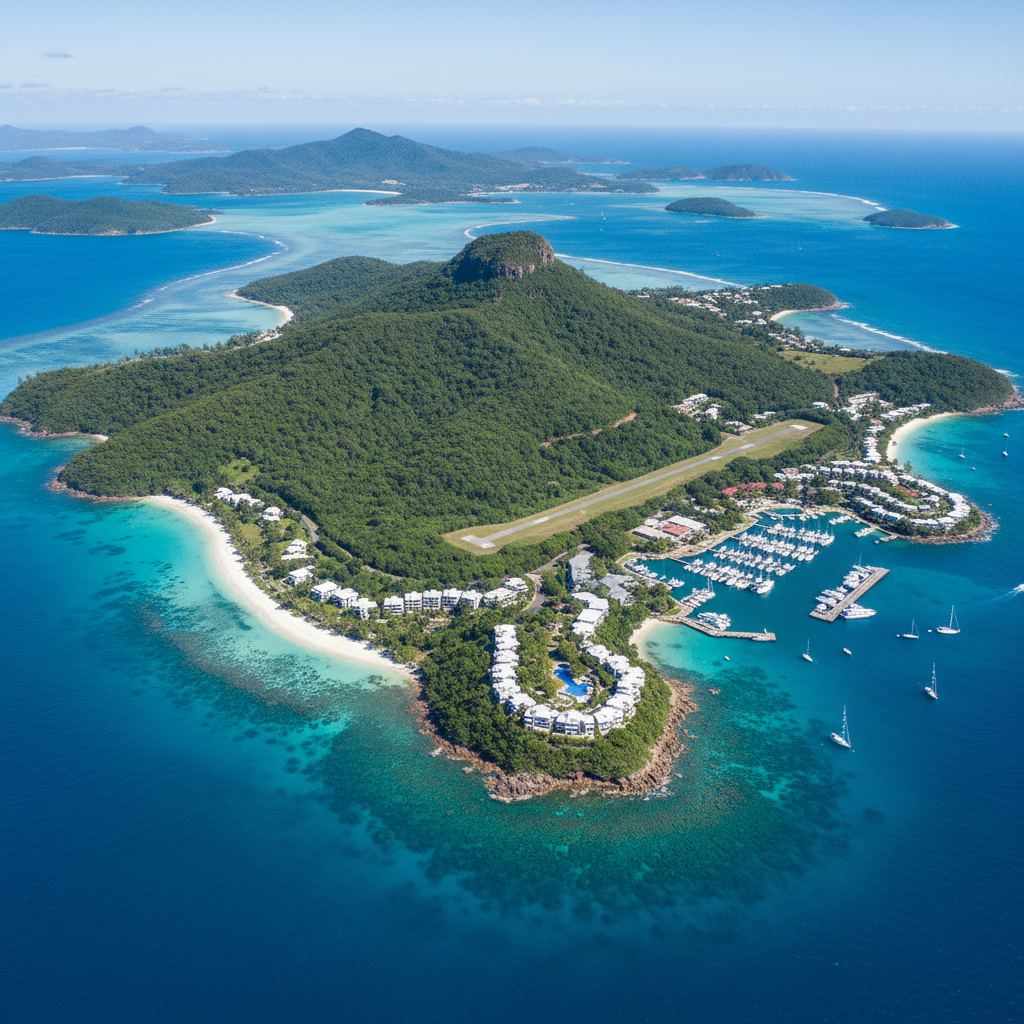
Hamilton Island skydiving offers unmatched aerial views of 74 tropical islands, Heart Reef, Whitehaven Beach, and the Great Barrier Reef Marine Park from up to 15,000 feet above sea level.
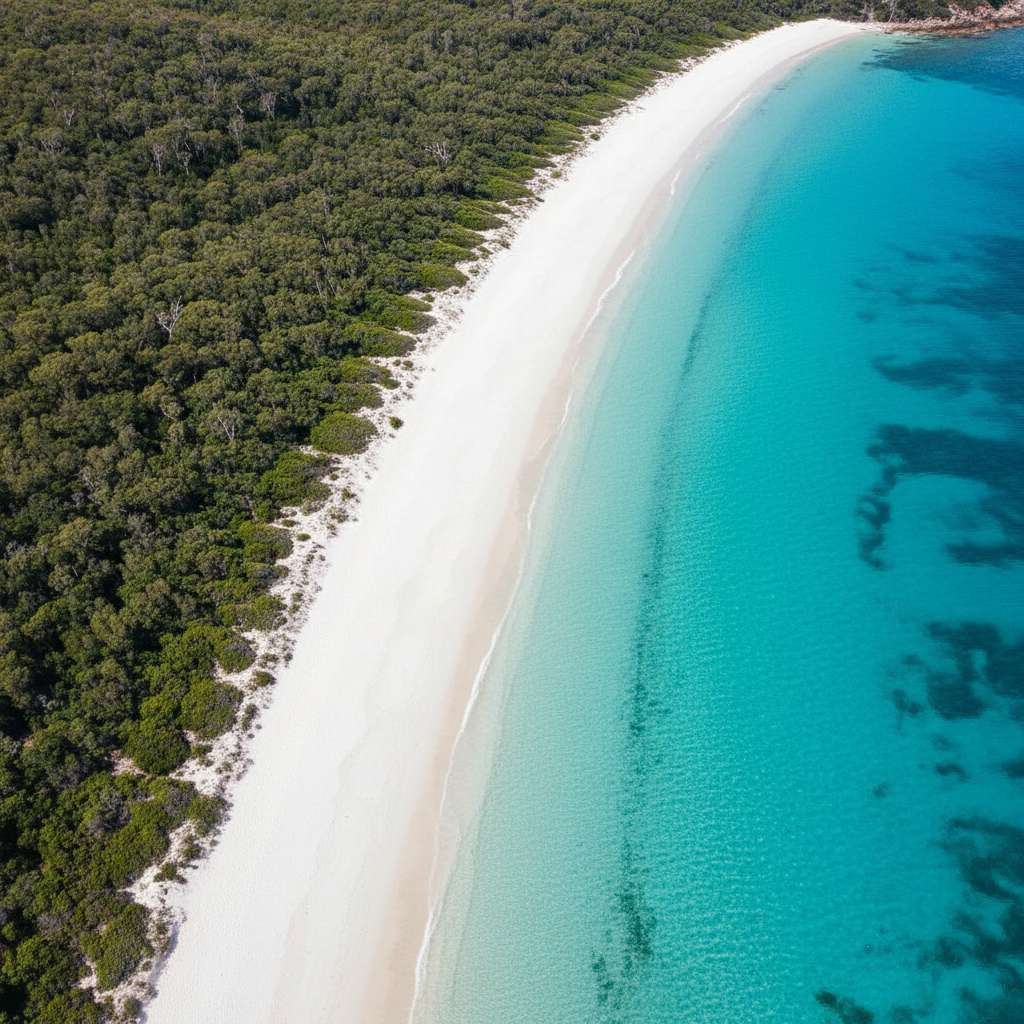
The unique geography of the Whitsundays creates a skydiving experience unlike anywhere else in the world. From your aircraft, you'll see the famous heart-shaped reef formation, the swirling white sands of Hill Inlet, and countless uninhabited islands dotting the Coral Sea. The contrast between the deep blue ocean, brilliant white beaches, and lush green islands creates a patchwork that's absolutely breathtaking from altitude.
Skydive Airlie Beach operates the Hamilton Island jumps, with aircraft departing from Hamilton Island Airport (HTI). The company has been operating in the Whitsundays since 1999, completing over 50,000 jumps with an impeccable safety record. Their experienced tandem instructors are certified by the Australian Parachute Federation and undergo regular training updates.
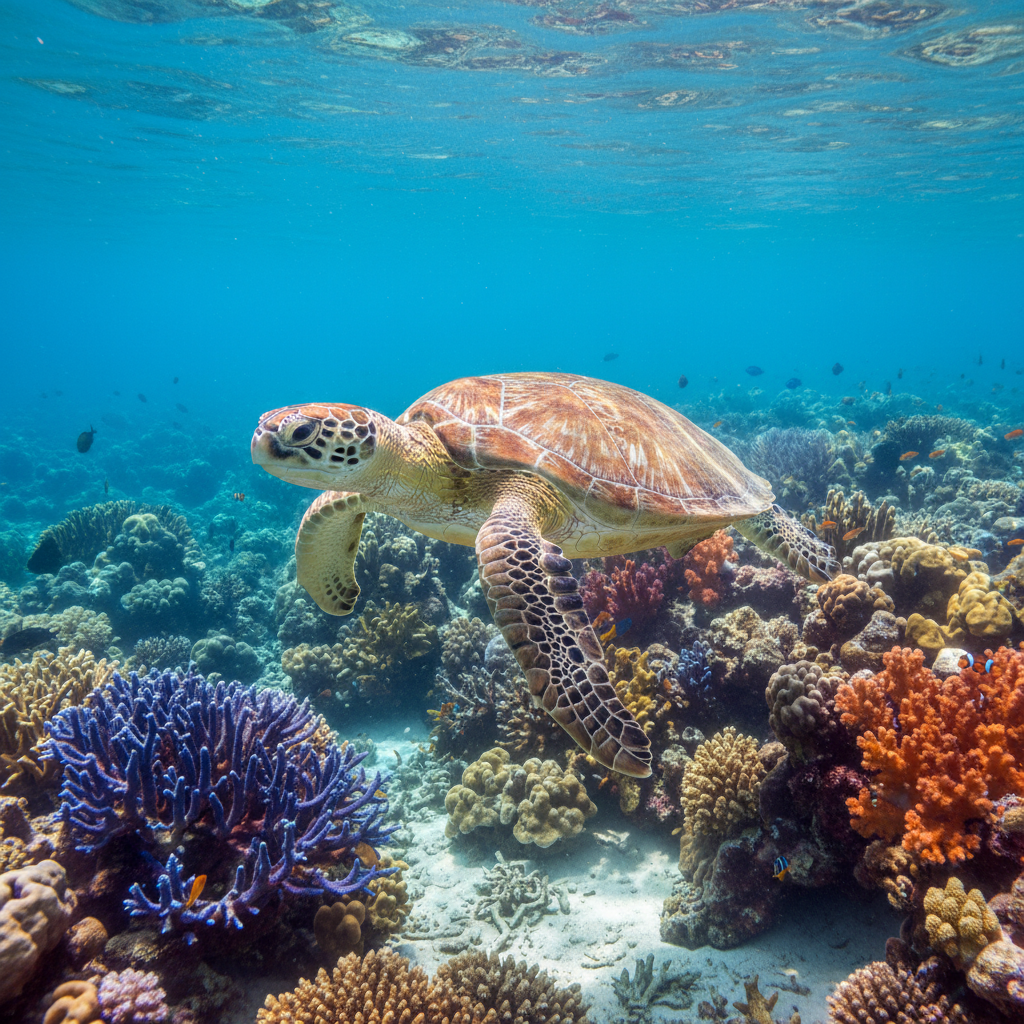
The drop zone itself is positioned to maximise scenic value — you'll freefall over the islands before your parachute opens, then enjoy a 5-7 minute canopy ride with 360-degree views of the region. Many jumpers say the canopy ride is almost as thrilling as the freefall, offering time to absorb the landscape and spot marine life like whales (during migration season) and manta rays.
How much does skydiving on Hamilton Island cost?
Tandem skydiving on Hamilton Island costs $429 AUD for 10,000 feet, $499 AUD for 14,000 feet, or $579 AUD for 15,000 feet, with photos and video packages available from $169 AUD.
The pricing structure breaks down as follows:
- 10,000 feet: $429 AUD (approximately 30 seconds freefall)
- 14,000 feet: $499 AUD (approximately 60 seconds freefall)
- 15,000 feet: $579 AUD (approximately 66 seconds freefall)
Photo and video packages are essential for capturing the experience:
- Photo package: $169 AUD (digital photos)
- Video package: $229 AUD (edited video)
- Photo + Video combo: $299 AUD (best value option)
Group discounts apply for 4+ people, typically offering $20-30 AUD per person savings. Student discounts are available with valid ID, reducing costs by approximately 10%. Payment plans can be arranged for larger groups, with a deposit securing your booking and the balance due on the day.
Additional costs to consider include transport to Hamilton Island (if staying elsewhere in the Whitsundays) and potential weather delay fees. The operator provides all safety equipment, training, and certification at no extra charge.
What jump heights are available and which should you choose?
Jump heights range from 10,000 to 15,000 feet, with 14,000 feet offering the best balance of freefall time (60 seconds) and value at $499 AUD for first-time skydivers.
Each height offers a different experience:
10,000 feet ($429 AUD): Budget-friendly option with 30 seconds of freefall. You'll still experience the adrenaline rush and incredible views, but less time to process the experience. Good for nervous first-timers or those on a tight budget. The aircraft reaches altitude in approximately 8 minutes, making the total experience about 45 minutes from check-in to landing.
14,000 feet ($499 AUD): The sweet spot for most jumpers. Sixty seconds of freefall provides enough time to overcome initial shock and actually enjoy the sensation. The extra altitude offers significantly better views of the outer reef and islands. Most instructors recommend this height for first-timers who want the full experience without the premium price.
15,000 feet ($579 AUD): Maximum height available, offering 66 seconds of freefall and the most comprehensive aerial views. You'll see further out to sea and capture more of the Great Barrier Reef Marine Park. The additional altitude costs $80 more than 14,000 feet for just 6 extra seconds of freefall, making it worthwhile mainly for photography enthusiasts or repeat jumpers.
Weather conditions can affect maximum jump height, particularly during the wet season (December to March) when cloud cover may limit visibility above 12,000 feet.
When is the best time to skydive on Hamilton Island?
The best time for skydiving on Hamilton Island is April to November during the dry season, offering clear skies, minimal rainfall, and optimal visibility for reef and island views.
Seasonal considerations include:
Dry Season (April-November): Ideal conditions with trade winds, low humidity, and clear visibility. Morning jumps (8am-10am) offer the calmest conditions and best photographic light. Temperatures range from 20-26°C, perfect for the post-jump adrenaline cool-down. This period coincides with whale migration season (June-September), potentially offering aerial whale spotting opportunities.
Wet Season (December-March): Higher chance of weather delays due to afternoon storms and reduced visibility. However, the landscape is most lush and green during this period. Morning jumps are still highly reliable, with most weather developing after 2pm. Temperatures reach 28-32°C with higher humidity.
Daily timing recommendations: First flights of the day (8am-9am) offer the calmest air conditions and best visibility. Avoid late afternoon jumps during any season, as thermal activity can create turbulence and afternoon storms are common year-round in tropical Queensland.
The lunar calendar affects tides and reef visibility — new moon periods offer the darkest nights for stargazing but slightly reduced contrast for aerial photography. Full moon periods provide excellent natural lighting but may increase tourist crowds.
What's included in a Hamilton Island skydiving experience?
Hamilton Island skydiving includes professional tandem instructor, all safety equipment, 20-minute scenic flight, comprehensive ground training, landing, and transfer back to Hamilton Island Airport at no additional cost.
Your complete experience includes:
Pre-jump preparation (30 minutes): Registration, safety briefing, equipment fitting, and aircraft boarding. You'll watch a safety video, sign waivers, and receive instruction on body positioning during freefall and landing procedures. The tandem harness fitting takes 5-10 minutes with multiple safety checks.
Scenic flight (15-20 minutes): The aircraft climbs to your chosen altitude while you enjoy panoramic views through large windows. Your instructor will point out key landmarks and prepare you for exit procedures. This is often when nerves peak, but instructors are experienced in managing first-timer anxiety.
Freefall experience: Duration varies by altitude choice (30-66 seconds). Initial acceleration reaches 200km/h within 10 seconds before terminal velocity. The instructor controls all aspects of the jump, allowing you to focus entirely on the experience and views.
Canopy ride (5-7 minutes): Once the parachute deploys at approximately 5,000 feet, you'll enjoy a gentle descent with time for conversation and 360-degree sightseeing. Many jumpers find this portion equally thrilling as the freefall, offering time to process the experience and spot details like reef formations and marine life.
Landing and debrief: Soft landing on Hamilton Island with instructor guidance. You'll receive a completion certificate and have opportunity to purchase photos/videos if not pre-ordered.
Do you need any prior experience or training?
No prior skydiving experience is required for tandem jumps on Hamilton Island. Comprehensive ground training covers all necessary techniques, with your instructor controlling the entire jump from exit to landing.
The training process is designed for complete beginners:
Ground school (15-20 minutes): Covers aircraft safety, exit procedures, body positioning during freefall, and landing techniques. You'll practice the "banana" position (arched back, bent knees) and learn hand signals used during freefall. The training is conducted in groups of up to 8 people, allowing questions and peer support.
Equipment familiarisation: Your instructor will explain the tandem harness system, goggles, and altimeter readings. Modern tandem equipment includes automatic activation devices (AADs) that deploy the parachute at predetermined altitudes as a backup safety measure.
Physical requirements: Weight limits range from 45kg minimum to 110kg maximum, with some flexibility for muscular builds. Age restrictions require participants to be 12+ years old, with those under 18 needing parental consent. Basic mobility is required — you must be able to walk short distances and lift your legs for landing.
Medical considerations: Recent scuba diving requires a 24-hour waiting period to avoid decompression issues. Heart conditions, recent surgeries, or pregnancy are generally prohibitive. The operator provides detailed medical questionnaires and may require doctor's clearance for certain conditions.
Your tandem instructor handles all technical aspects including aircraft exit timing, freefall stability, parachute deployment, canopy control, and landing accuracy. This allows you to focus entirely on enjoying the experience.
How do weather conditions affect skydiving operations?
Weather delays or cancellations occur in approximately 20% of bookings due to cloud cover, wind speeds above 35km/h, or precipitation affecting visibility and safety standards required for skydiving operations.
Specific weather factors affecting operations:
Wind conditions: Ground winds above 35km/h or upper-level winds exceeding 50km/h result in automatic cancellation. The Whitsundays' island topography creates variable wind patterns, with Hamilton Island's runway orientation particularly sensitive to cross-winds. Morning jumps face fewer wind-related delays.
Cloud cover and visibility: Minimum 2km visibility is required, with cloud ceilings above jump altitude. Low-hanging clouds common during the wet season can delay operations until afternoon clearing occurs. Scattered clouds actually enhance the experience, providing depth perception and dramatic photographic contrasts.
Precipitation: Any rainfall in the jump zone results in immediate suspension. The Whitsundays experiences sudden tropical downpours, particularly during summer months. Most rain events are brief (30-60 minutes) but intense, requiring patience for clearing conditions.
Rescheduling policies: Weather cancellations include full refund or rebooking options with no penalties. The operator monitors conditions from 6am daily and contacts participants by 7am for morning jumps. Alternative dates are prioritised for weather-affected bookings, though availability may be limited during peak seasons.
Backup plans should include flexible accommodation bookings and alternative Hamilton Island activities for weather-affected days. The operator's local weather expertise typically allows accurate same-day predictions by early morning.
What should you wear and bring for your skydive?
Wear comfortable, secure-fitting clothes and closed-toe shoes. Bring sunglasses, sunscreen, and avoid loose jewelry. The operator provides jumpsuits, goggles, gloves, and all safety equipment at no additional charge.
Recommended clothing:
Clothing essentials: Comfortable pants (no shorts), fitted t-shirt or long-sleeve top, and layers for varying altitudes. Temperatures drop approximately 2°C per 1,000 feet of altitude, making 15,000 feet roughly 30°C cooler than ground level. Avoid cotton in humid conditions — synthetic materials wick moisture better.
Footwear requirements: Closed-toe shoes that secure tightly — sneakers, boots, or diving shoes work well. Avoid thongs, sandals, or slip-on shoes that could fall off during freefall. Hiking boots provide excellent ankle support for landing but may be uncomfortably warm in tropical conditions.
What not to wear: Loose jewelry, watches with metal bands, or anything that could become projectiles during freefall. Hair ties should be secure (operator provides extras). Avoid new shoes that haven't been broken in, as post-jump walking may be required.
Personal items to bring: Photo ID is mandatory for all participants. Sunscreen (SPF 30+) for post-jump sun exposure, as adrenaline can make you less aware of UV intensity. Contact solution if wearing contacts — some people experience dry eyes during freefall.
Items to leave behind: Mobile phones, cameras, and loose personal items must be secured or left with ground support. The operator provides secure storage but isn't responsible for lost items.
Professional jumpsuits are provided in all sizes, designed specifically for tandem skydiving with reinforced attachment points and wind-resistant materials.
How do you get to Hamilton Island for skydiving?
Hamilton Island Airport receives direct flights from Sydney, Melbourne, and Brisbane, or reach Hamilton Island by ferry from Shute Harbour (30 minutes) or charter boat from Airlie Beach marinas.
Transportation options:
Direct flights to Hamilton Island (HTI): Jetstar operates daily services from Sydney (2 hours), Melbourne (2.5 hours), and Brisbane (1.5 hours). Virgin Australia offers additional frequencies during peak seasons. Airport transfers on Hamilton Island are included with most accommodation packages, or the complimentary shuttle bus connects to major resorts every 30 minutes.
Fly to Proserpine Airport (PPP): More budget-friendly option with transfers to Shute Harbour (25 minutes) then ferry to Hamilton Island (30 minutes). Total travel time is longer but can save $200+ per person compared to direct Hamilton Island flights. Whitsunday Transit provides regular bus services connecting flights to ferry terminals.
Ferry services from mainland: Cruise Whitsundays operates multiple daily services from Port of Airlie and Shute Harbour. Adult fares are $79 AUD return, with vehicle transport available but generally unnecessary for day trips. Ferry schedules coordinate with major flight arrivals and departures.
Private charter options: Helicopter transfers from Airlie Beach or Proserpine Airport offer scenic routes but cost significantly more ($300-500 AUD per person). Some charter operators combine scenic flights with skydiving packages for photography enthusiasts.
The skydiving operation is located at Hamilton Island Airport, within walking distance of the main resort area and shuttle bus stops. No additional transport is required once on the island.
Can you combine skydiving with other Whitsundays activities?
Yes, skydiving combines excellently with sailing trips, helicopter flights, reef tours, and adrenaline activities in Airlie Beach, creating multi-day adventure packages with complementary perspectives of the region.
Recommended activity combinations:
Same-day options: Morning skydive followed by afternoon sailing to Whitehaven Beach offers aerial and surface perspectives of the same landmarks. Many Whitsundays tours depart from Hamilton Island marina, making logistics seamless. Helicopter scenic flights can complement skydiving by providing closer reef views and controlled photography opportunities.
Multi-day itineraries: Day 1 skydiving provides overview perspective for planning subsequent activities. Day 2-3 sailing or reef tours offer detailed exploration of specific areas spotted during the jump. Day 4 might include heart reef scenic flights for different aerial angles and professional photography.
Adventure activity packages: Combine with jet skiing around Hamilton Island, parasailing for additional aerial thrills, or scuba diving for underwater perspectives. Many operators offer package discounts when booking multiple activities, typically saving 10-15% compared to individual bookings.
Photography-focused combinations: Professional scenic helicopter flights capture different angles and lighting conditions compared to skydiving action cameras. Sunset sailing trips provide golden hour lighting for reef and island photography. Some operators coordinate timing to ensure optimal conditions for each activity.
Package booking through single operators often includes transfer coordination, equipment storage between activities, and group discounts for 4+ people participating in multiple experiences.
What safety measures and certifications should you expect?
Hamilton Island skydiving operations maintain Australian Parachute Federation certification, conduct daily equipment inspections, employ minimum 500-jump-experienced tandem instructors, and maintain comprehensive insurance coverage for all participants.
Safety standards include:
Instructor qualifications: All tandem instructors hold APF Tandem Instructor ratings requiring minimum 500 solo jumps and specific tandem training. Regular recurrency training occurs every 6 months, with emergency procedure practice and equipment updates. International instructors must demonstrate equivalent qualifications and complete Australian conversion requirements.
Equipment standards: Parachute systems undergo mandatory repack cycles every 180 days by certified riggers. Reserve parachutes receive inspection every 6 months regardless of use. Automatic Activation Devices (AADs) provide backup deployment at predetermined altitudes, with calibration checks before each day's operations.
Aircraft maintenance: Daily pre-flight inspections follow Civil Aviation Safety Authority requirements. Aircraft undergo 100-hourly inspections by licensed aircraft maintenance engineers. Emergency equipment including first aid supplies and communication equipment is checked daily.
Weather monitoring: Professional meteorological equipment monitors wind speeds, visibility, and atmospheric conditions continuously. Operations management maintains direct contact with Bureau of Meteorology for updated forecasts. Conservative weather minimums exceed regulatory requirements to ensure optimal safety margins.
Emergency procedures: Comprehensive emergency action plans cover medical incidents, equipment malfunctions, and off-airport landings. Ground support teams maintain radio contact throughout all jumps. Medical evacuation procedures are established with Hamilton Island medical facilities and helicopter services.
Insurance coverage includes public liability and professional indemnity, with participants covered during the entire skydiving experience from check-in to post-landing activities.
What common concerns do first-time skydivers have?
Common first-time concerns include fear of heights, equipment failure anxiety, and motion sickness, all addressed through comprehensive briefings, modern safety systems, and experienced instructor support throughout the experience.
Addressing typical worries:
Fear of heights and falling: Surprisingly, most people find the aircraft more nerve-wracking than actual freefall. The sensation differs completely from standing on tall buildings — there's no reference point for depth perception during freefall, reducing height anxiety. Instructors are trained in anxiety management and use distraction techniques during aircraft climb.
Equipment failure concerns: Modern tandem equipment includes multiple backup systems. Main parachutes have 99.9% successful deployment rates, with reserve parachutes as backup. AADs provide automatic deployment if altitude and speed parameters indicate malfunction. Instructors carry hook knives for emergency line cuts if required.
Motion sickness: The aircraft ride is generally smooth, but some people experience nausea during climb or freefall. Anti-nausea medication can be taken 1 hour before jumping (consult the operator about approved medications). Focus on horizon during aircraft ride and breathe deeply during freefall to minimise symptoms.
Pain or injury during landing: Modern landing techniques and instructor control make injuries extremely rare. Participants are taught to lift legs during landing while instructors absorb impact through proper body positioning. Most landings are gentler than stepping off a curb.
Panic during freefall: Instructors are trained to recognise and manage panic responses. Hand signals and physical reassurance help nervous jumpers. The freefall experience is shorter than most people anticipate, reducing time for panic development.
Pre-jump nerves are completely normal and often enhance the overall experience through increased adrenaline production and memorable intensity.
Ready to experience the ultimate Whitsundays adventure? Airlie to Whitehaven offers comprehensive skydiving packages on Hamilton Island, combining the thrill of freefall with the most spectacular island views in Australia. Our local expertise helps you choose the perfect jump height and combines skydiving with other Whitsundays experiences for the ultimate tropical adventure. Book your Hamilton Island skydiving experience today and see why this ranks among the world's most scenic drop zones.