The Whitsundays isn't just about sailing and snorkelling — it's home to some fantastic shore fishing spots that won't cost you a cent. Whether you're staying in Airlie Beach for a few days or killing time before your island tour, casting a line from the rocks or jetties can be incredibly rewarding. The waters around Airlie Beach teem with tropical species, and you don't need a boat to access quality fishing spots.
From the iconic Airlie Beach Lagoon surrounds to hidden rocky outcrops along the coastline, this region offers diverse fishing opportunities for anglers of all skill levels. The key is knowing where to go, what to target, and when the fish are most active in these tropical waters.
Where are the best free fishing spots around Airlie Beach?
The top shore fishing locations include Airlie Beach foreshore, Shute Harbour jetty, Abel Point Marina walls, Cannonvale Beach rock platforms, and Conway Beach estuary mouth. Each offers different species, fishing conditions, and accessibility for various skill levels.
Airlie Beach Foreshore and Jetty remains the most accessible option, located right in the heart of town. The concrete jetty extends into deeper water where you'll find queenfish, trevally, and the occasional mackerel. Early morning and late afternoon produce the best results here. The jetty offers 24-hour access and has decent lighting for night fishing sessions.
Shute Harbour provides multiple fishing opportunities along its extensive jetty system. The main ferry terminal jetty attracts baitfish, which in turn draws larger predators like barracuda and queenfish. Fish the deeper water off the jetty ends during high tide for best results. Distance from Airlie Beach is approximately 10 kilometres via Shute Harbour Road.
Abel Point Marina offers fishing from the rock walls surrounding the marina entrance. This spot produces coral trout, sweetlip, and various reef species. The rocky structure provides excellent habitat, making it one of the most productive shore-based locations. Access is free, and you'll find parking available near the marina entrance.
Cannonvale Beach features rocky platforms at both ends of the main beach. The northern rocks, near the boat ramp, offer excellent fishing for mangrove jack, bream, and flathead. Wade out carefully during low tide to access deeper pools between the rocks. This location works best during the incoming tide.
Conway Beach sits about 6 kilometres south of Airlie Beach and provides estuary mouth fishing where Conway Creek meets the ocean. This location consistently produces whiting, flathead, and grunter. The sandy bottom and creek mouth structure create ideal feeding areas for these species.
What fish species can you catch from shore in the Whitsundays?
Common shore catches include queenfish, trevally, sweetlip, coral trout, mangrove jack, barracuda, whiting, flathead, bream, and grunter. Seasonal variations bring mackerel, longtail tuna, and larger pelagics within casting range of experienced anglers.
Queenfish represent the most reliable target species around jetties and deeper water structures. These aggressive predators average 40-60 centimetres and readily take lures or live bait. They're most active during dawn and dusk periods, particularly around structure and baitfish schools.
Trevally species including golden trevally and giant trevally frequent the deeper water near jetties and rock walls. Golden trevally typically range 30-50 centimetres, while giant trevally can exceed one metre. Both species respond well to metal lures and fresh bait presentations.
Coral trout inhabit the rocky areas and reef edges accessible from shore at locations like Abel Point Marina. These prized eating fish require precise bait presentation near structure. Target them using live bait or small soft plastics worked close to the rocks.
Mangrove jack lurk around rocky structure and mangrove-lined sections of the foreshore. These powerful fighters average 30-40 centimetres but can grow much larger. They prefer live bait, prawns, or small lures presented near cover during low-light periods.
Flathead inhabit sandy areas and estuary mouths, particularly at Conway Beach and sandy sections of Cannonvale Beach. These bottom-dwellers respond well to soft plastics, live worms, or small baitfish worked along the bottom.
Seasonal species include Spanish mackerel during winter months (June-September), when they move closer to shore chasing baitfish. Longtail tuna occasionally come within casting range during baitfish migrations. Coral trout numbers peak during warmer months (October-April).
What fishing gear and tackle do you need for shore fishing?
Essential gear includes a 7-8 foot medium-action rod, 3000-4000 size spinning reel, 20-30lb braided mainline, fluorocarbon leaders, circle hooks, sinkers, swivels, and a quality tackle box. Live bait and lures significantly improve success rates over basic setups.
Rod selection should prioritise versatility for multiple species and fishing situations. A 7-8 foot medium to medium-heavy spinning rod handles everything from whiting to small trevally. Longer rods provide better casting distance from elevated jetties and rock platforms.
Reel specifications require smooth drag systems and adequate line capacity. A 3000-4000 size spinning reel with sealed bearings handles the saltwater environment and provides sufficient power for larger fish. Ensure regular maintenance due to salt exposure.
Line configuration should consist of 20-30 pound braided mainline connected to fluorocarbon leaders. Braid provides superior casting distance and sensitivity, while fluorocarbon leaders offer abrasion resistance and invisibility underwater. Leader lengths of 1-2 metres work well for most situations.
Terminal tackle must include various hook sizes from #2 to 3/0, depending on target species. Circle hooks reduce gut-hooking and improve fish survival rates. Ball sinkers (20-60 grams) handle most depth and current conditions. Quality swivels prevent line twist during retrieval.
Bait options include live prawns, squid strips, pilchards, and live baitfish when available. Fresh bait significantly outperforms frozen alternatives in tropical waters. Some tackle shops in Airlie Beach sell live bait, or you can catch your own using bait traps or small hooks.
Lure selection should include metal slugs, soft plastics, and small hard-body lures. Metal lures work exceptionally well for queenfish and trevally around jetties. Soft plastics excel for flathead and bottom species. Budget approximately $100-200 AUD for a complete starter setup.
When are the best times to fish from shore in Airlie Beach?
Prime fishing times include dawn and dusk periods, incoming tides, and overcast conditions. Avoid midday heat and strong outgoing tides. Seasonal patterns favour April-November for weather, while specific species peak during different months throughout the year.
Daily timing patterns show peak activity during the first two hours after sunrise and the two hours before sunset. Fish feed more actively during these low-light periods when baitfish are most vulnerable. Night fishing can be productive but requires additional safety precautions around water.
Tidal influences significantly impact fishing success, with incoming tides generally producing better results. The moving water brings fresh oxygen and food sources, triggering feeding behaviour. Fish the top half of the incoming tide and the first hour of the outgoing tide for optimal results.
Weather considerations include wind direction, barometric pressure, and cloud cover. Light winds from the southeast create ideal conditions, while strong northerly winds make fishing difficult. Overcast skies often improve daytime fishing by reducing light penetration and fish spookiness.
Seasonal variations show distinct patterns throughout the year. The dry season (April-November) provides the most consistent weather and fishing conditions. Stinger season (November-May) requires protective clothing but often coincides with increased fish activity due to warmer water temperatures.
Moon phases influence fish behaviour, with new moon periods typically producing better results. The reduced light levels encourage fish to feed more confidently in shallow water. However, full moon periods can also be productive during night fishing sessions.
What are the fishing regulations and licensing requirements?
Queensland requires recreational fishing licenses for residents aged 18 and over fishing in fresh water only. Saltwater fishing requires no license but strict size, bag, and seasonal limits apply. Marine park zones around the Whitsundays have specific regulations.
Licensing requirements distinguish between saltwater and freshwater fishing in Queensland. Shore fishing around Airlie Beach occurs in saltwater, eliminating the need for recreational fishing licenses. However, charter boat fishing may require licenses depending on the operator's arrangements.
Size and bag limits apply to all species caught in Queensland waters. Coral trout must exceed 35 centimetres with a bag limit of 5 fish per person. Queenfish have a minimum size of 40 centimetres with a bag limit of 10 fish. Spanish mackerel must exceed 90 centimetres with a bag limit of 1 fish.
Closed seasons protect breeding populations during critical periods. Coral trout has a closed season from 1 October to 1 February in certain areas. Spanish mackerel has a closed season from 15 September to 31 October. Check current regulations as these dates may change.
Marine park zones within the Great Barrier Reef Marine Park have specific fishing restrictions. Green zones prohibit all fishing, while yellow zones allow limited recreational fishing. Blue zones permit most recreational fishing activities. Download the marine park zoning maps before fishing.
Gear restrictions include maximum hook numbers and line restrictions in certain areas. Shore-based fishing typically allows unlimited hooks, but check specific zone regulations. Some areas prohibit wire traces or require specific hook types to protect vulnerable species.
Where can you buy bait and tackle near Airlie Beach?
Major tackle retailers include BCF Cannonvale, Whitsunday Disposals, and Airlie Beach Bait and Tackle. These stores stock fresh bait, local lures, and provide valuable fishing advice. Prices range from budget options to premium tackle suited for tropical conditions.
BCF Cannonvale operates as the largest fishing retailer in the area, located in the Whitsunday Shopping Centre. This store stocks comprehensive tackle ranges, frozen bait, and basic camping gear. Staff can provide local fishing advice and current regulations information. Operating hours extend until 8 PM on weekdays.
Whitsunday Disposals functions as a local institution, offering military surplus alongside quality fishing gear. The store specialises in heavy-duty tackle suited for tropical conditions. Prices often beat larger retailers, and the staff possess extensive local knowledge. Location is central Airlie Beach within walking distance of accommodation.
Airlie Beach Bait and Tackle operates as a specialist fishing store with fresh local bait and ice. This store maintains better bait quality than larger retailers and often stocks live bait options. The staff consists of local anglers who fish these waters regularly and provide current fishing reports.
Service stations and convenience stores stock basic fishing supplies including hooks, sinkers, and frozen bait. While selection is limited, these options provide emergency supplies outside normal business hours. Prices are typically higher than dedicated tackle stores.
Bait prices range from $8-15 AUD per kilogram for frozen options, while fresh local bait costs $15-25 AUD per kilogram. Live prawns, when available, cost approximately $25-35 AUD per dozen. Factor bait costs into your fishing budget, as fresh bait significantly improves success rates.
What safety considerations apply when shore fishing?
Key safety priorities include wearing appropriate footwear on slippery rocks, checking tide times, informing others of fishing plans, carrying first aid supplies, and understanding stinger season precautions. Weather monitoring prevents dangerous situations from developing.
Rock platform safety requires non-slip footwear and careful movement, especially when wet. Coral and rock cuts can quickly become infected in tropical environments. Carry a basic first aid kit including antiseptic and waterproof bandages. Never fish alone on isolated rock platforms.
Tidal awareness prevents dangerous situations where rising tides cut off escape routes. Download tide charts and plan fishing sessions around safe tide levels. Some rock platforms become completely submerged during high tides, making retreat impossible.
Stinger protection during November-May requires protective clothing when wading or entering water. Irukandji and box jellyfish pose serious health risks in tropical waters. Carry vinegar for initial treatment and know evacuation procedures to medical facilities.
Weather monitoring helps avoid sudden tropical storms and dangerous wind conditions. Download weather radar apps and check marine weather forecasts before fishing trips. Lightning poses a significant risk when holding carbon fishing rods during storms.
Sun protection prevents serious sunburn in tropical conditions. Use SPF 50+ sunscreen, wear protective clothing, and fish during cooler parts of the day when possible. Dehydration occurs rapidly in hot, humid conditions, so carry adequate water supplies.
Communication plans should include informing someone of fishing locations and expected return times. Mobile phone coverage exists around Airlie Beach, but some remote fishing spots may have limited reception. Consider carrying a personal locator beacon for extended fishing trips.
How do you clean and prepare your catch?
Proper fish cleaning requires sharp filleting knives, cutting boards, and immediate icing to maintain freshness. Scale fish before filleting, remove bloodlines, and store cleaned fish on ice. Many accommodation options provide cleaning facilities and cooking equipment.
Cleaning equipment should include a sharp filleting knife, cutting board, and fresh water source for rinsing. Some jetties and boat ramps provide fish cleaning stations with running water and disposal bins. Otherwise, clean fish at your accommodation or designated areas.
Filleting techniques vary by species, but general principles apply to most fish. Make an initial cut behind the gills down to the backbone, then follow the backbone toward the tail with long, smooth strokes. Remove rib bones and bloodlines for better eating quality.
Storage methods require immediate icing or refrigeration to maintain freshness. Clean fish keep for 2-3 days when properly stored on ice. Vacuum sealing extends storage life and prevents freezer burn if planning to take fish home.
Cooking facilities at most Airlie Beach accommodation include basic cooking equipment. Many apartments feature full kitchens suitable for preparing fresh fish. Some hostels provide communal cooking areas with grills and stovetops.
Local restaurants occasionally prepare customer-caught fish for a cooking fee. This option works well for inexperienced cooks or those wanting professional preparation of prized catches like coral trout or mackerel.
Shore fishing around Airlie Beach offers an affordable way to experience the region's incredible marine life while you're exploring other things to do in Airlie Beach. Whether you're targeting a feed of fresh fish or simply enjoying the relaxation of casting a line, these accessible fishing spots provide genuine local experiences. For comprehensive information about fishing opportunities throughout the Whitsundays, including charter options, check out our complete Whitsundays fishing guide. Shore fishing is just one of many free activities available in Airlie Beach that showcase the natural beauty of this tropical destination.
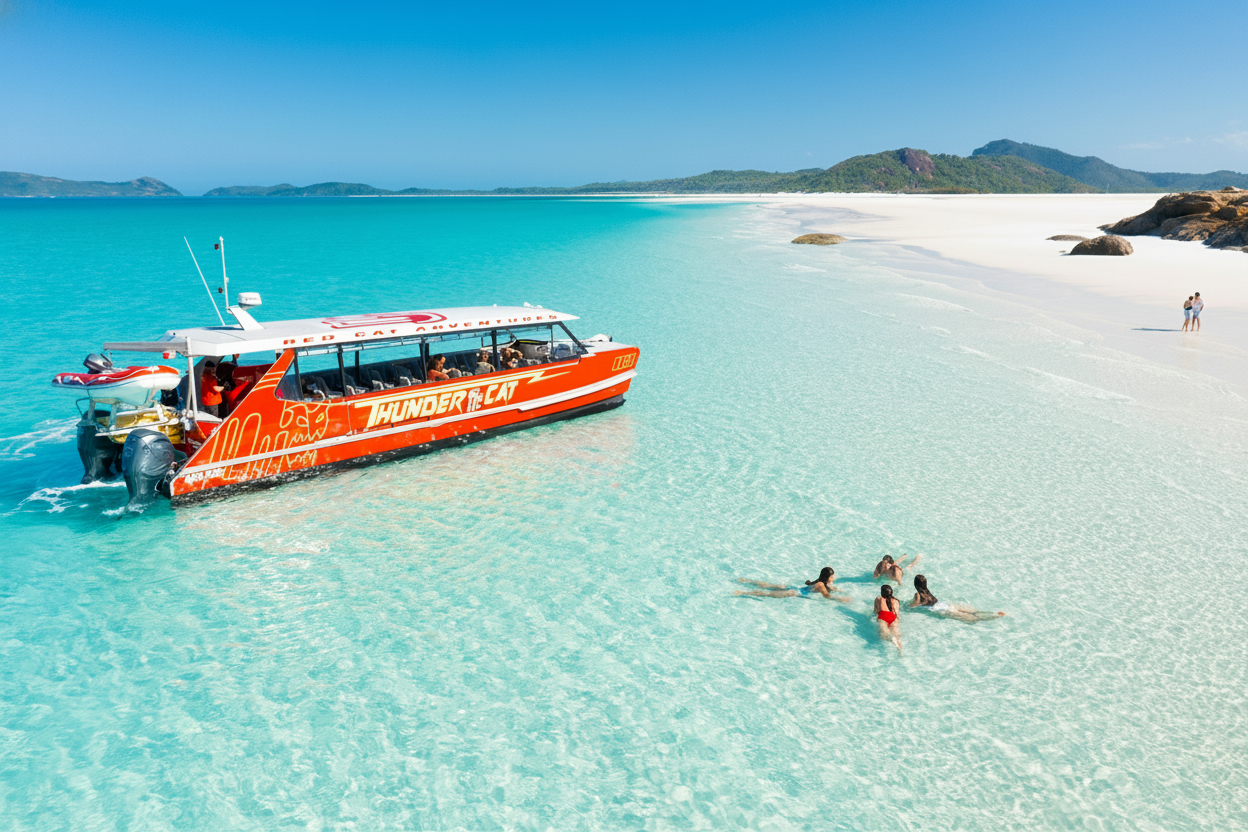
Ready to complement your fishing adventure with the ultimate Whitsundays experience? Book your Whitehaven Beach tour through Airlie to Whitehaven and discover why this pristine paradise is consistently rated as one of the world's best beaches. Our local expertise ensures you'll find the perfect tour to match your Whitsundays adventure.