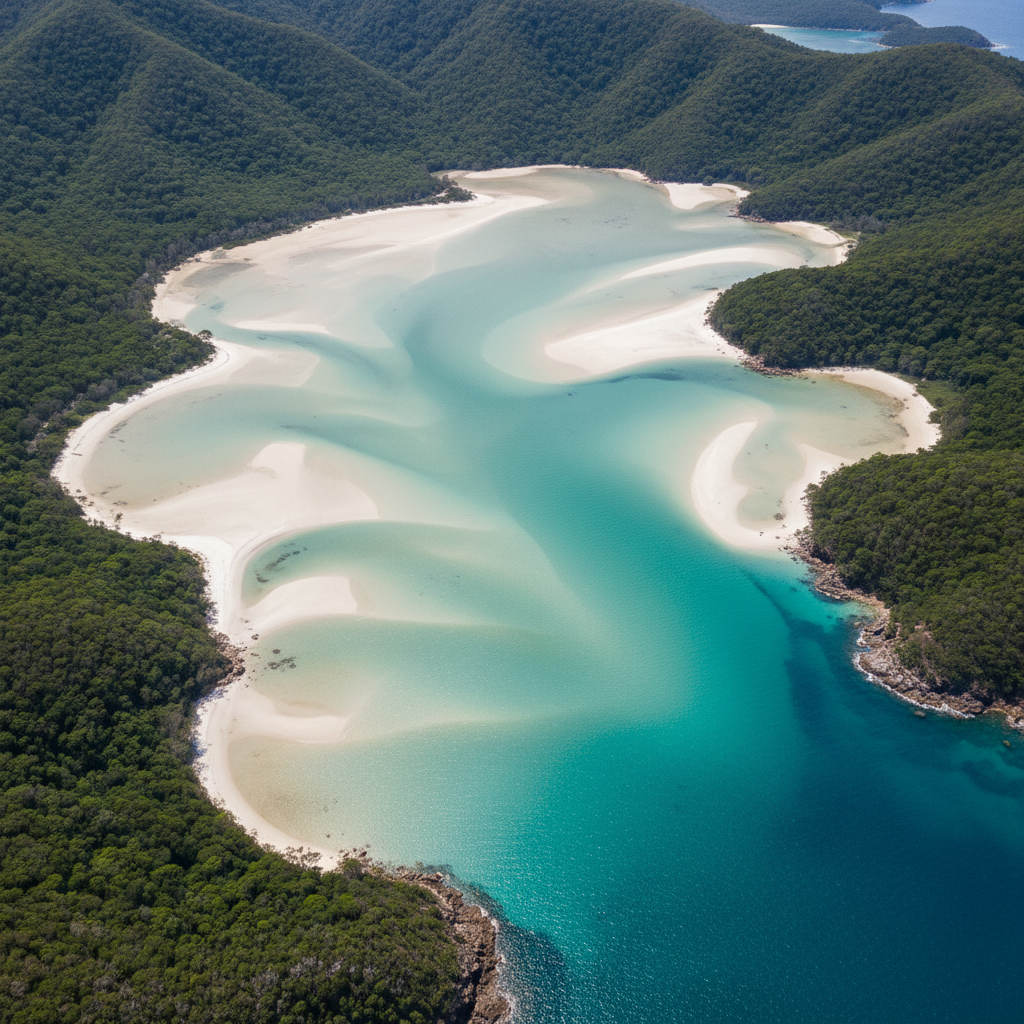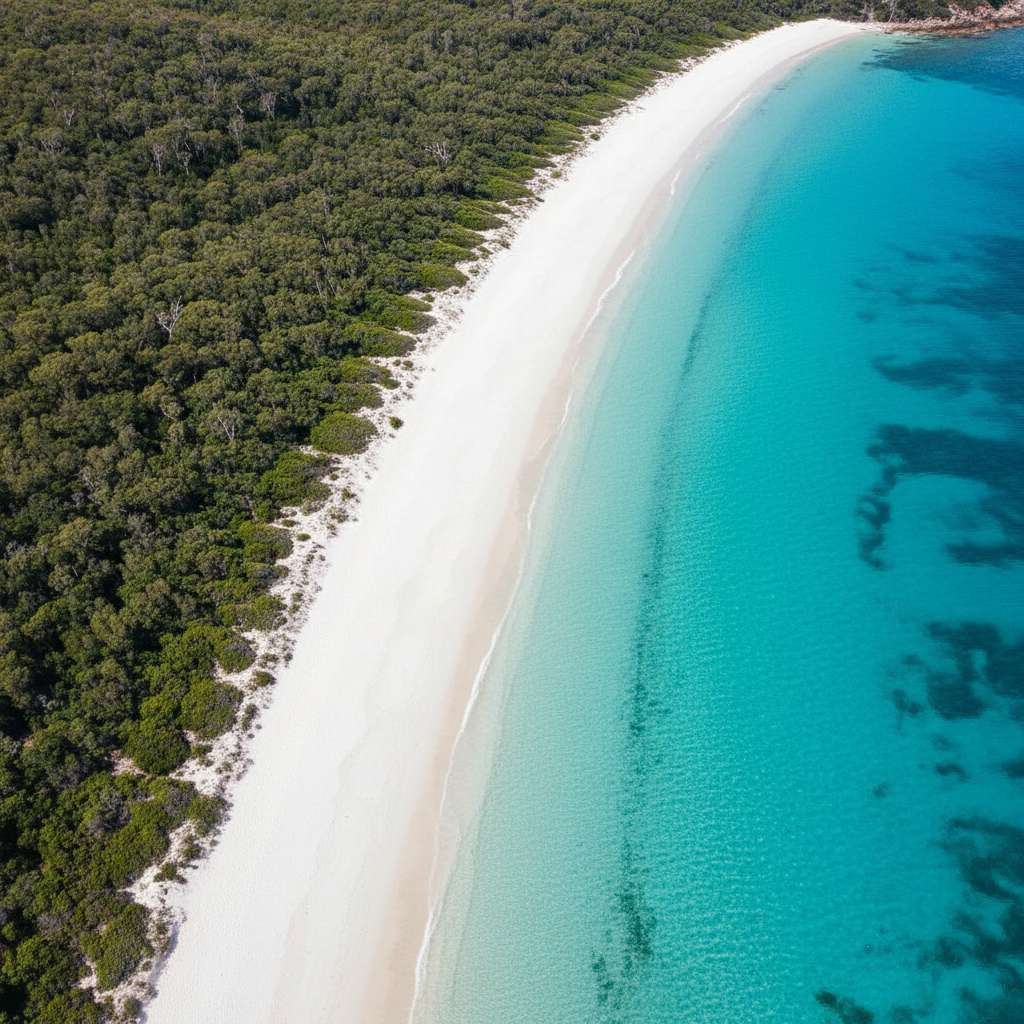
The Great Barrier Reef stretches across 2,300 kilometres of Queensland coastline, and from Airlie Beach, you're positioned perfectly to explore some of its most pristine diving locations. Located approximately 60 kilometres from the outer reef, Airlie Beach serves as the launching point for day trips that take you to world-renowned dive sites like Bait Reef, Hook Reef, and the famous Stepping Stones. Whether you're a complete beginner taking your first breath underwater or a certified diver seeking advanced reef adventures, the Whitsundays region offers diving experiences that showcase the reef's incredible biodiversity, from vibrant coral gardens to encounters with reef sharks, turtles, and tropical fish species.
What scuba diving day trip options are available from Airlie Beach?
Airlie Beach operators offer three main diving experiences: introductory dives for beginners (no certification required), certified diver trips to deeper reef sites, and combination dive-snorkel tours that cater to mixed groups with varying experience levels.
The introductory dive trips are perfect for first-timers, typically including a 30-minute pool or shallow water training session before heading to protected reef sites with maximum depths of 12 metres. These trips usually cost between $180-220 AUD and include all equipment, professional instruction, and often a light lunch.
Certified diver trips target intermediate to advanced divers, visiting deeper reef locations up to 30 metres with more challenging dive profiles. These excursions range from $160-200 AUD for two-tank dives and often include visits to dramatic drop-offs, swim-throughs, and sites known for larger marine life encounters.
Combination tours offer the flexibility for groups with mixed experience levels, allowing non-divers to snorkel while certified divers explore underwater. These trips typically include one or two dive sites plus snorkelling opportunities, priced around $140-180 AUD per person.
Which Great Barrier Reef sites do day trips visit from Airlie Beach?
Popular day trip destinations include Bait Reef (60km northeast), Hook Reef, and the Stepping Stones, each offering distinct underwater topography, coral formations, and marine life encounters suitable for different diving experience levels and weather conditions.
Bait Reef stands as the most frequently visited destination, featuring multiple dive sites including Bait Reef Lagoon, a protected area perfect for beginners with maximum depths of 15 metres and excellent visibility. The reef's outer edge drops to 30+ metres, creating diverse diving opportunities on a single trip.
Hook Reef offers more advanced diving with dramatic wall dives and swim-through formations. The site is renowned for encounters with white-tip reef sharks, eagle rays, and large schools of pelagic fish. Visibility often exceeds 25 metres, making it ideal for underwater photography.
The Stepping Stones provide unique diving across three distinct reef sections connected by coral formations. This site offers excellent macro diving opportunities with colourful soft corals, nudibranchs, and tropical fish species. The protected waters make it suitable for all experience levels.
Weather conditions and seasonal factors influence site selection, with operators choosing locations based on wind direction, wave height, and visibility reports to ensure optimal diving conditions.
How much do scuba diving day trips cost from Airlie Beach?
Scuba diving day trip prices range from $140-220 AUD depending on experience level and inclusions. Introductory dives cost $180-220, certified diver trips $160-200, and combination dive-snorkel tours $140-180 per person including equipment and lunch.
Introductory dive packages represent the highest price point due to the additional instruction time, smaller group sizes, and extended supervision required. These trips typically include pool training, equipment fitting, two guided dives, lunch, and all safety equipment including wetsuits and masks.
Certified diver trips offer better value for experienced divers, with prices reflecting the reduced supervision requirements and ability to accommodate larger groups. Two-tank dive trips include equipment rental, boat transfers, lunch, and access to more challenging dive sites.
Additional costs may include marine park fees ($6.50 AUD per day), optional equipment upgrades like underwater cameras ($40-60 AUD), and gratuities for dive guides. Some operators offer equipment package deals for divers bringing their own gear, reducing costs by $20-30 AUD.
Group discounts are often available for bookings of 4+ people, and many operators offer early bird pricing for advance bookings made 7+ days ahead. Student and backpacker discounts may apply with valid identification.
What's included in a typical scuba diving day trip package?
Standard diving day trips include return boat transfers, all scuba equipment (tanks, BCD, regulator, wetsuit, mask, fins), professional dive guides, safety briefings, lunch, and marine park fees, with most trips lasting 8-9 hours total.
Equipment packages cover everything needed for safe diving: buoyancy control devices sized appropriately, regulators serviced to Australian standards, tanks filled to 200 bar pressure, 3mm wetsuits (5mm available during cooler months), masks with prescription lens options, and fins in all sizes.
Professional services include qualified dive instructors or divemasters holding PADI, SSI, or equivalent certifications, pre-dive safety briefings covering hand signals and emergency procedures, underwater guidance at all times, and surface interval supervision between dives.
Meals typically consist of tropical-style buffet lunches with fresh salads, sandwiches, and fruit, plus morning and afternoon tea service. Cold drinking water is provided throughout the day, with some operators including soft drinks and juices.
Transportation covers return transfers from Abel Point Marina or Shute Harbour to reef sites, usually aboard purpose-built dive vessels with dedicated gear storage, camera washing stations, and comfortable seating areas for surface intervals.
How do introductory dives work for complete beginners?
Introductory dives begin with 30-45 minutes of pool or shallow water training covering breathing techniques, hand signals, and safety procedures, followed by guided underwater tours with professional instructors maintaining constant supervision and support throughout the experience.
Training sessions start in controlled environments, either aboard the vessel in calm conditions or at shallow reef sites with maximum depths of 3-4 metres. Instructors teach essential skills including regulator breathing, mask clearing, buoyancy control, and emergency hand signals using standard PADI or SSI protocols.
Equipment fitting occurs during training, with instructors ensuring proper wetsuit sizing, BCD adjustment, weight belt configuration, and mask seal testing. Beginners practice breathing underwater while holding safety ropes or platform edges, building confidence before moving to open water.
Guided dives typically last 25-35 minutes at depths between 6-12 metres, with instructor-to-student ratios of 1:2 maximum. Instructors maintain physical contact through guide ropes or direct hand-holding, ensuring constant communication and immediate assistance if needed.
Safety protocols include comprehensive surface briefings, continuous depth monitoring, emergency ascent procedures, and surface support teams monitoring all diving activities. Medical questionnaires identify any conditions that might affect diving safety.
What marine life can you expect to see while scuba diving from Airlie Beach?
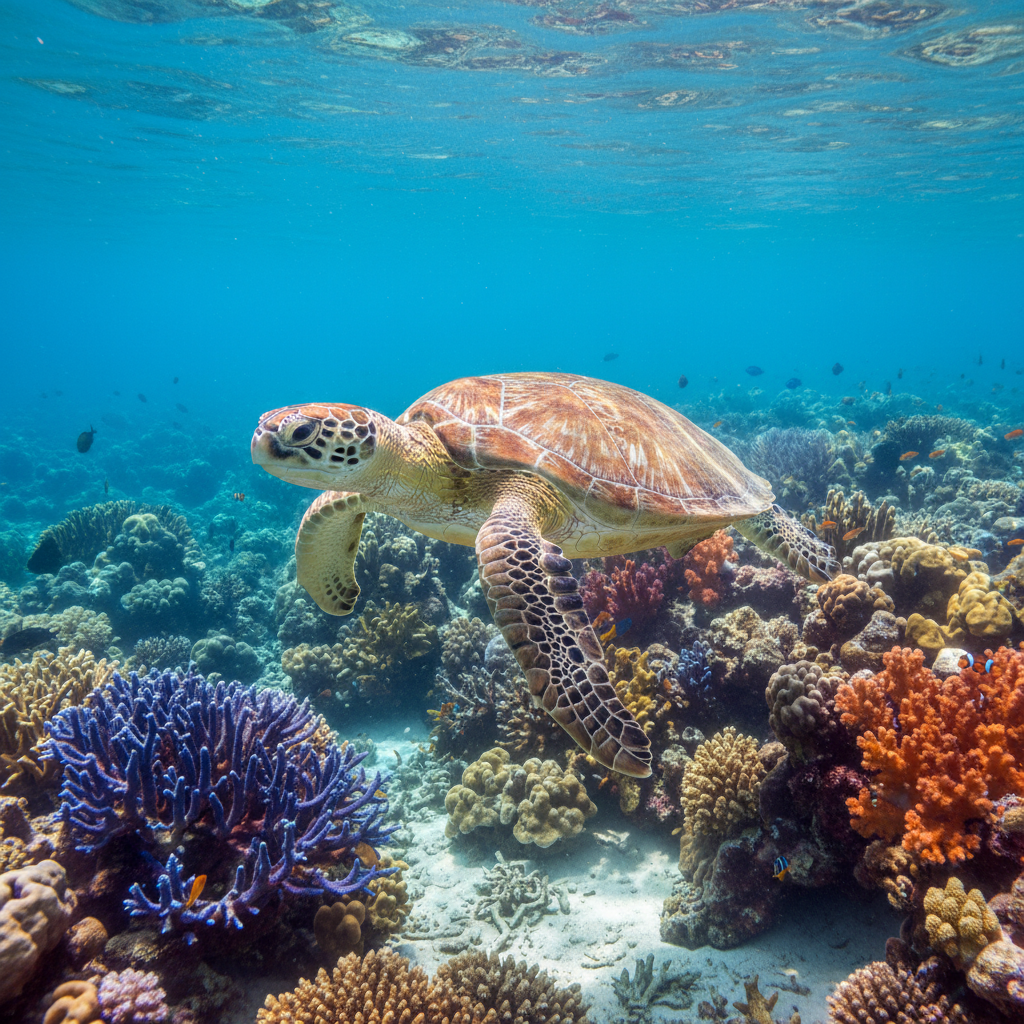
Common marine encounters include green sea turtles, white-tip reef sharks, giant trevally, coral trout, Maori wrasse, schools of barracuda, and over 200 coral species across hard and soft coral formations creating diverse underwater ecosystems.
Turtle encounters occur year-round, with green sea turtles and hawksbill turtles frequently spotted at cleaning stations where smaller fish remove algae from their shells. These gentle creatures often allow close observation, particularly at sites like Bait Reef's turtle cleaning station.
Shark species include harmless white-tip and grey reef sharks, typically seen resting under coral ledges during daylight hours. Eagle rays and stingrays patrol sandy areas between coral formations, while leopard sharks occasionally appear in deeper waters.
Large pelagic fish include schools of barracuda forming silvery tornadoes, giant trevally hunting in coordinated groups, and coral trout displaying vibrant red and blue colouration. Maori wrasse, some weighing over 60 kilograms, approach divers curiously at established feeding sites.
Coral diversity spans staghorn corals forming underwater forests, massive brain corals creating underwater mountains, and delicate soft corals in purple, orange, and pink hues. Macro life includes nudibranchs, christmas tree worms, and colourful crinoids extending from coral crevices.
Seasonal variations bring additional species: whale season (June-September) occasionally features humpback whale songs audible underwater, while summer months see increased tropical fish activity and coral spawning events.
When is the best time for scuba diving day trips from Airlie Beach?
Optimal diving conditions occur during the dry season (April-November) with calmer seas, consistent visibility exceeding 20 metres, and minimal rainfall. Stinger season (November-May) requires protective suits but doesn't prevent diving activities.
Dry season advantages include trade winds creating consistent weather patterns, reduced rainfall maintaining better underwater visibility, calmer sea conditions allowing access to more exposed dive sites, and comfortable air temperatures ranging from 20-27°C making surface intervals pleasant.
Water temperatures remain relatively stable year-round, ranging from 22°C in winter to 28°C in summer. Most divers find 3mm wetsuits sufficient during warmer months (November-April), while 5mm suits provide better comfort during cooler periods (May-October).
Stinger season brings box jellyfish and irukandji presence in shallow waters, requiring full-coverage stinger suits provided by all operators. These protective suits don't significantly impact diving comfort and are mandatory for safety during affected months.
Whale migration season (June-September) offers unique opportunities to hear humpback whale songs during dives, though direct whale encounters while diving remain uncommon due to different habitat preferences.
Weather considerations include occasional tropical storms during summer months (December-March) that may cause trip cancellations, though most operators maintain flexible rebooking policies for weather-affected departures.
Do I need scuba diving certification for day trips from Airlie Beach?
Certification is not required for introductory dive experiences, which include training and supervised diving up to 12 metres depth. Certified divers with Open Water or higher qualifications can access deeper sites and enjoy greater independence underwater.
Introductory programs welcome complete beginners aged 12+ (parental consent required for minors), with no previous experience necessary. These programs follow internationally recognised safety standards, providing comprehensive training before any underwater activities commence.
Medical clearance may be required for certain health conditions, with standard medical questionnaires identifying issues like heart conditions, respiratory problems, or medications that could affect diving safety. Recent medical clearances from diving-qualified physicians may be necessary for some conditions.
Certified diver requirements vary by qualification level: Open Water divers (maximum 18-metre depth), Advanced Open Water divers (maximum 30-metre depth), and Rescue Divers or higher (access to more challenging dive profiles and potential leadership opportunities).
For those interested in obtaining certification, many Airlie Beach operators offer comprehensive learn-to-dive courses combining theory, pool training, and open water certification dives over 3-4 days, providing internationally recognised qualifications for future diving adventures.
Certification cards from all major agencies (PADI, SSI, NAUI, BSAC) are accepted, though divers must present current certification cards and log books demonstrating recent diving activity for advanced dive sites.
What should I expect on a typical scuba diving day trip timeline?
Day trips typically start with 7:30-8:00 AM departure from Abel Point Marina, include 1.5-2 hours travel to reef sites, two diving sessions with surface intervals, lunch service, and return by 4:30-5:00 PM for full-day reef experiences.
Morning departure begins with equipment distribution and safety briefings while travelling to dive sites. The journey to outer reef locations takes 1.5-2 hours depending on weather conditions and chosen destinations, with vessels typically cruising at 20-25 knots.
First dive sessions last 35-45 minutes for certified divers or 25-35 minutes for introductory participants, followed by surface intervals of 45-60 minutes allowing nitrogen levels to reduce between dives. During surface intervals, snorkelling opportunities are available for non-divers.
Lunch service occurs between diving sessions, typically featuring buffet-style meals with fresh local ingredients. Afternoon tea and refreshments are served throughout the day, with plenty of fresh water available for hydration.
Second dive sessions mirror the first in duration, often at different sites showcasing varied underwater topography and marine life. Some operators offer optional third dives for certified divers, though additional costs typically apply.
Return journeys provide opportunities for wildlife spotting, equipment rinsing and storage, and relaxation after diving activities. Afternoon arrivals allow time for equipment collection and onward travel arrangements.
How do dive and snorkel combination tours work from Airlie Beach?
Combination tours accommodate mixed groups by visiting multiple reef sites where certified divers explore underwater while others snorkel surface areas, creating inclusive experiences for families and groups with varying experience levels and comfort in water.
Site selection prioritises locations offering quality experiences both above and below surface, such as Bait Reef's lagoon area where divers explore coral formations at 12-18 metres while snorkellers enjoy vibrant shallow reef sections teeming with tropical fish.
Diving participants typically complete two guided dives with qualified instructors, exploring different sections of the reef system. Meanwhile, snorkelling groups receive separate guidance, flotation aids if needed, and access to protected areas perfect for surface observation.
Equipment provision covers both activities comprehensively: full scuba gear for certified divers, introductory equipment for beginners, plus masks, snorkels, and fins for surface participants. Flotation devices and swimming aids accommodate varying swimming abilities.
Group dynamics work well when dive and snorkel activities occur simultaneously, with dedicated staff supervising each group. This arrangement allows couples or families with different comfort levels to share the reef experience together.
Pricing structures typically favour snorkel participants, with diving supplements adding $40-60 AUD to base tour costs. This approach makes combination tours economical for mixed groups while maintaining quality experiences for all participants.
For comprehensive options covering both scuba diving adventures and broader reef exploration, Airlie to Whitehaven offers carefully selected day trips that showcase the Great Barrier Reef's incredible diversity. Our platform connects you with reputable operators providing safe, professional diving experiences suitable for all levels, from complete beginners to advanced divers seeking world-class underwater adventures.