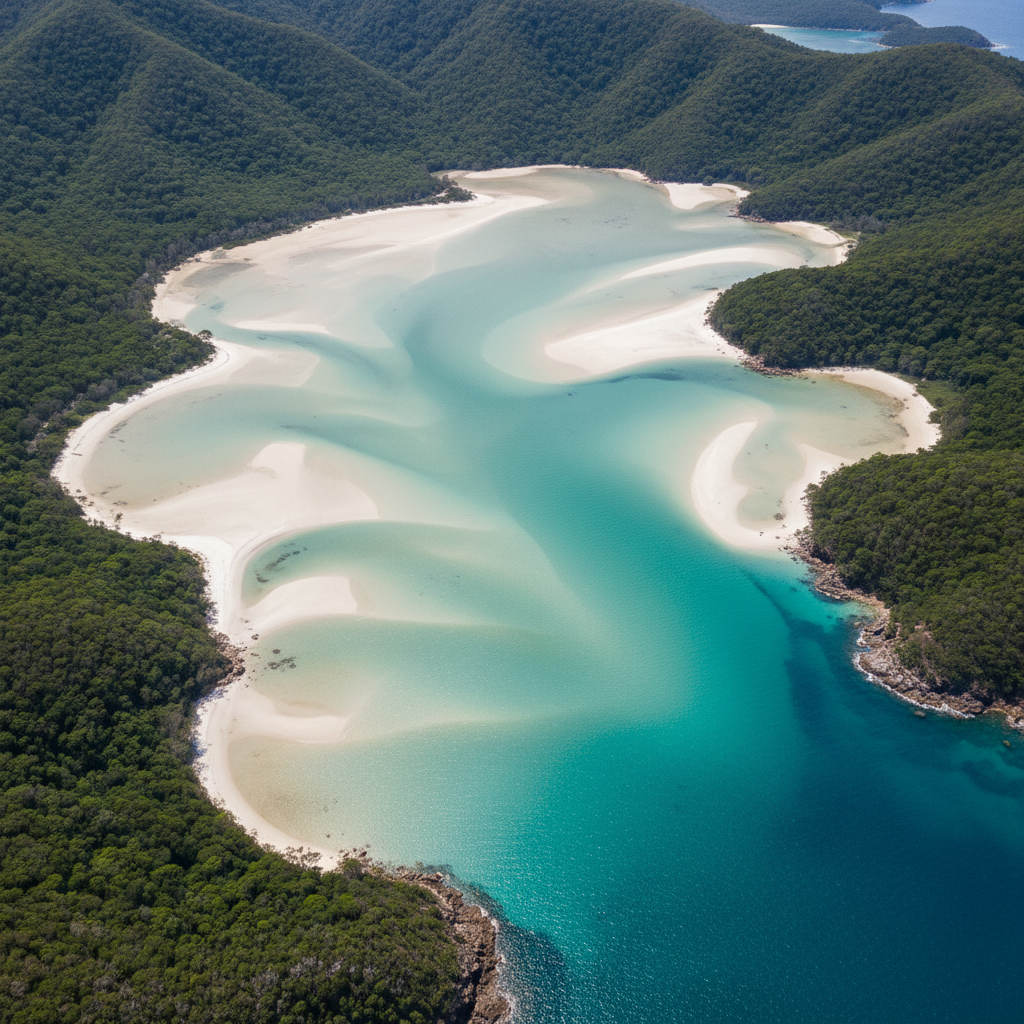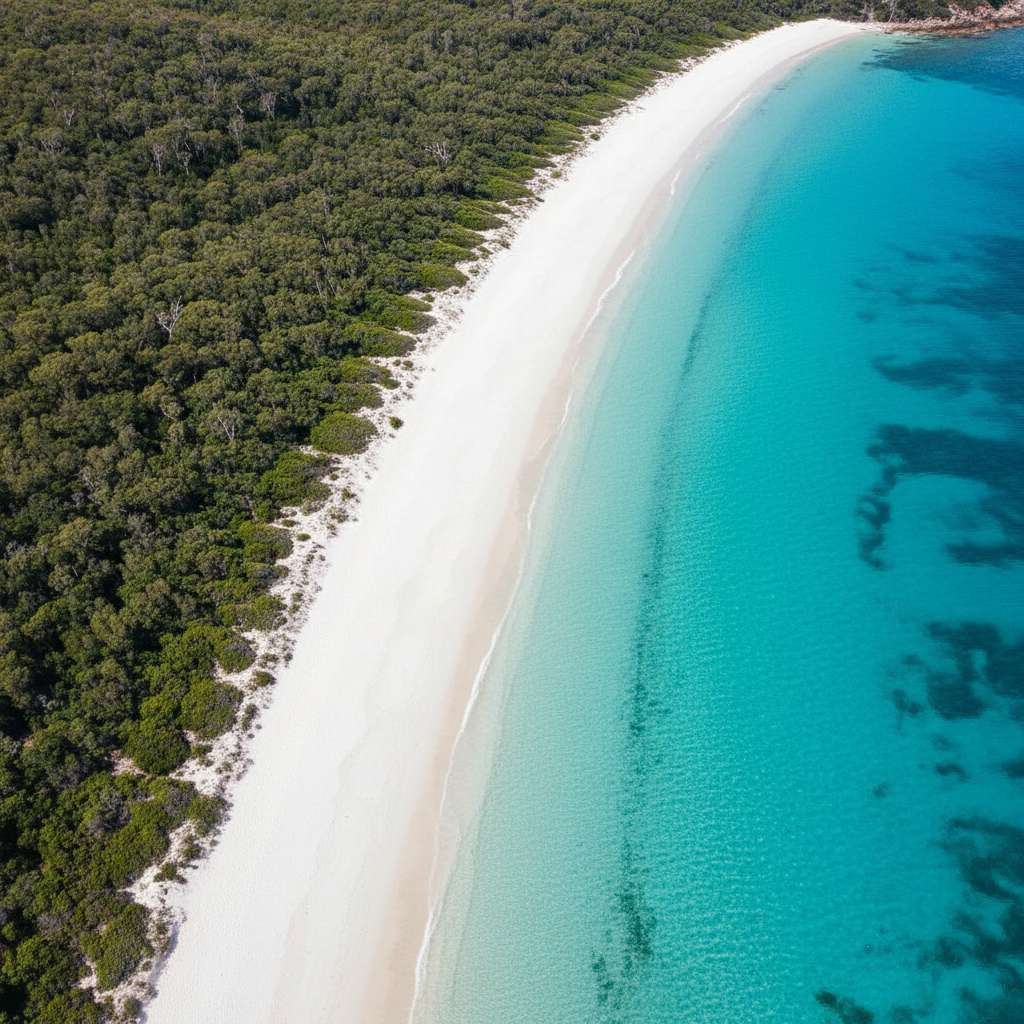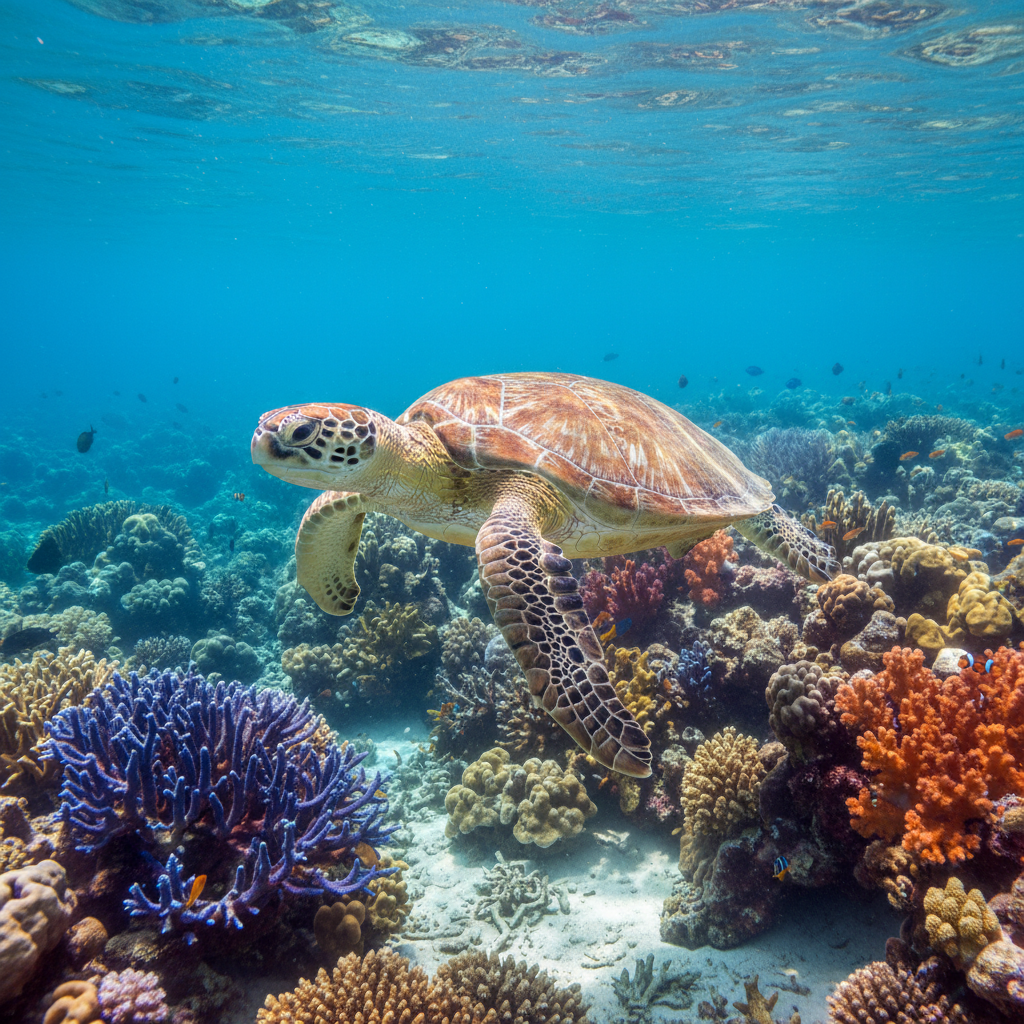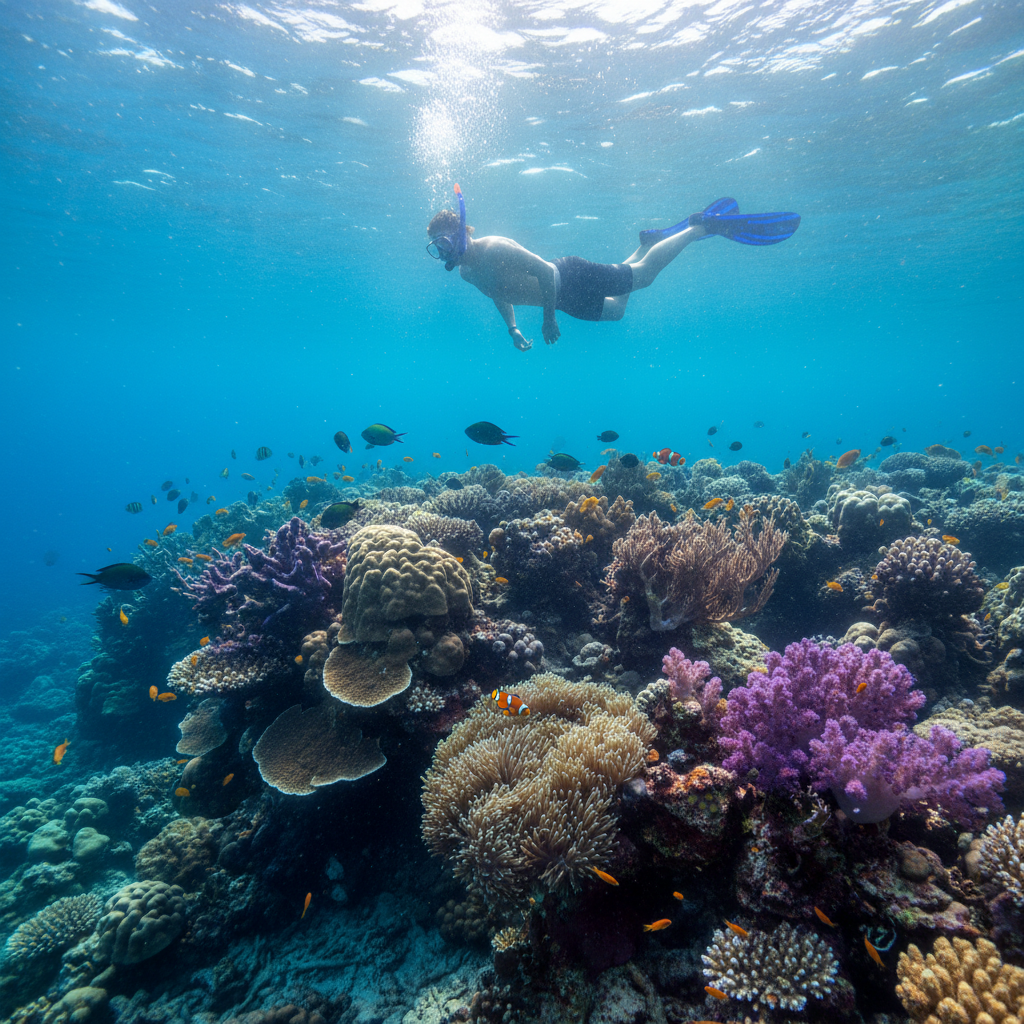
The Whitsundays offers two distinctly different snorkelling experiences that leave visitors torn between choices. You can venture 60 kilometres offshore to the pristine outer Great Barrier Reef, where untouched coral gardens teem with tropical fish, or explore the accessible fringing reefs around the 74 Whitsunday Islands, where convenience meets decent coral coverage and marine life encounters.
Both options deliver memorable underwater adventures, but they cater to different priorities, budgets, and time constraints. Understanding these differences helps you choose the perfect snorkelling experience for your Whitsundays holiday.
What's the difference between outer reef and island snorkelling in the Whitsundays?
Outer reef snorkelling visits pristine Great Barrier Reef sites 60km offshore with 95% live coral coverage, while island snorkelling explores fringing reefs around Whitsunday Islands with 60-70% coral coverage but easier access and shorter travel times.
The Great Barrier Reef versus fringing reef debate centres on coral quality versus accessibility. Outer reef sites like Hardy Reef and Hook Reef showcase the Great Barrier Reef at its most spectacular - think vibrant staghorn corals, massive table corals, and pristine coral bommies that rise from the seafloor like underwater mountains.
Island fringing reefs, found around locations like Hook Island, Hayman Island, and Border Island, developed along the shorelines of continental islands. While they don't match the outer reef's coral density, they offer easier access, calmer waters, and the flexibility to combine snorkelling with beach visits and island exploration.
The outer reef maintains consistent water temperatures between 24-28°C year-round, while island waters can fluctuate more dramatically with seasonal weather patterns and tidal movements.
How far offshore are the outer reef snorkelling sites?
Outer Great Barrier Reef snorkelling sites sit approximately 60 kilometres northeast of Airlie Beach, requiring 1.5-2 hours travel time each way by fast catamaran across open ocean waters.
Hardy Reef, the most popular outer reef destination, lies 65 kilometres from Abel Point Marina. High-speed catamarans like those operated by Cruise Whitsundays and Reef World maintain cruising speeds of 25-30 knots, delivering passengers to the reef edge in roughly 90 minutes under normal weather conditions.
The journey crosses the Whitsunday Passage, then ventures into deeper Coral Sea waters where the continental shelf drops away dramatically. Passengers experience a noticeable change in water colour from the turquoise shallows around the islands to the deep blue of outer reef waters.
Weather significantly impacts travel times and comfort levels. During southeast trade wind seasons (May to September), seas remain relatively calm with 1-2 metre swells. However, summer months can bring 2-4 metre swells that extend travel times and test passengers' sea legs.
Where are the main island snorkelling locations?
Primary island snorkelling sites include Luncheon Bay (Hook Island), Blue Pearl Bay (Hayman Island), Butterfly Bay (Hook Island), and Mantaray Bay (Hook Island), all within 30 kilometres of Airlie Beach with 20-45 minute boat transfers.
Hook Island dominates the island snorkelling scene with multiple protected bays offering varied underwater experiences. Luncheon Bay features a shallow coral garden perfect for beginners, while Maureen's Cove on the island's northern tip delivers more dramatic coral formations and deeper water encounters.
Hayman Island's Blue Pearl Bay combines stunning beach scenery with decent fringing reef snorkelling. The bay's protected aspect creates calm conditions ideal for families, while the coral diversity attracts tropical fish species including parrotfish, angelfish, and occasionally reef sharks.
Border Island, positioned between Hook Island and Whitsunday Island, offers pristine fringing reef experiences with minimal boat traffic. The site's isolation preserves coral health while maintaining easy access from Airlie Beach departure points.
What marine life can you expect at each location type?
Outer reef sites host 400+ fish species including Maori wrasse, reef sharks, turtles, and giant clams, while island reefs typically showcase 150-200 species with reliable sightings of tropical fish, stingrays, and seasonal turtle encounters.
The biodiversity difference reflects habitat complexity and coral health variations. Outer reef locations support massive Maori wrasse weighing up to 180 kilograms, white-tip and grey reef sharks, green and hawksbill turtles, and occasionally manta rays during cleaning station visits.
Hardy Reef's famous Heart Reef vicinity delivers encounters with humphead Maori wrasse, coral trout, red emperor, and schools of barracuda. The pristine coral provides habitat for smaller reef fish including fairy basslets, cleaner wrasse, and vibrant parrotfish varieties.
Island fringing reefs excel at delivering reliable encounters with approachable marine life. Luncheon Bay's resident stingrays glide through shallow waters, while schools of sergeant major damselfish create colourful displays around coral bommies. Turtle encounters occur regularly, particularly around Blue Pearl Bay and Butterfly Bay where seagrass beds attract feeding green turtles.
How do coral quality and visibility compare?
Outer reef sites maintain 95% live coral coverage with 25-40 metre visibility, while island fringing reefs average 60-70% coral coverage with 10-25 metre visibility depending on tidal conditions and recent weather patterns.
The Great Barrier Reef's outer edge benefits from constant ocean currents that deliver nutrients while flushing away sediments. This creates crystal-clear water conditions with visibility often exceeding 30 metres, allowing snorkellers to appreciate the reef's full three-dimensional structure.
Coral health at outer reef sites remains exceptional due to minimal human impact and optimal growing conditions. Staghorn corals create underwater forests, while massive brain corals and table corals provide dramatic underwater landscapes that photographers dream about capturing.
Island fringing reefs face greater environmental pressures from runoff, boat traffic, and temperature fluctuations. However, protected bays like those around Hook Island maintain healthy coral communities with adequate fish populations. Visibility ranges from 15-25 metres on clear days but can drop to 8-10 metres following heavy rainfall or strong wind events that stir up sediments.
What are the typical costs for each snorkelling option?
Outer reef snorkelling tours cost AUD $180-280 per adult for full-day experiences, while island snorkelling tours range from AUD $89-160 per adult for half-day trips with shorter travel times and lower operational costs.
Great Barrier Reef day trips command premium pricing due to fuel costs, longer tour durations, and exclusive reef access. Cruise Whitsundays' outer reef adventures typically cost AUD $235 for adults, including breakfast, lunch, and snorkelling equipment. Premium operators charge up to AUD $280 for smaller group experiences with additional activities like scenic helicopter flights.
Island snorkelling represents excellent value with Airlie Beach snorkelling half-day tours starting around AUD $89 for basic experiences. Full-day island tours combining multiple snorkelling sites with beach visits range from AUD $140-160, including lunch and equipment.
Additional costs include stinger suits (AUD $5-10 rental), underwater cameras (AUD $25-40), and prescription mask rentals (AUD $10-15). Many operators include these in package deals, particularly for outer reef experiences where margins support inclusive pricing.
Which experience suits different skill levels and age groups?
Island snorkelling suits beginners, families with young children, and nervous swimmers due to calmer waters and shallow depths, while outer reef experiences better serve confident swimmers seeking pristine coral and diverse marine encounters.
Fringing reef sites around the Whitsunday Islands provide ideal learning environments. Luncheon Bay's maximum depth of 4-5 metres allows beginners to practice snorkelling skills without intimidation, while the bay's protection from ocean swells creates pool-like conditions perfect for children and anxious swimmers.
Outer reef sites demand greater swimming confidence and comfort in deeper, more dynamic water conditions. Ocean swells, stronger currents, and 10-15 metre depths require participants to maintain calm composure while snorkelling above dramatic coral drop-offs.
Age considerations favour island snorkelling for families with children under 12. The ability to stand up in shallow sections, shorter boat transfers reducing seasickness risk, and easier supervision in confined bay areas make island tours more family-friendly. However, confident teenage snorkellers often prefer outer reef adventures for the enhanced marine life encounters and bragging rights.
How do weather conditions affect each option?
Outer reef tours cancel during 25+ knot winds or 3+ metre swells, while island snorkelling continues in most weather conditions due to protected bay locations and shorter open-water crossings requiring less stable seas.
The Great Barrier Reef's offshore location exposes tours to full ocean weather conditions. Southeast trade winds during dry season (April-November) create manageable 15-20 knot conditions, but occasional weather systems can generate 3-4 metre swells that make outer reef access impossible.
Summer months (December-March) bring increased weather volatility with afternoon thunderstorms and potential cyclone activity affecting outer reef operations. Tour operators maintain strict safety protocols, cancelling trips when conditions exceed safe parameters.
Island snorkelling benefits from natural wind protection provided by the Whitsunday Islands themselves. Hook Island's multiple bays allow operators to select the most protected location based on wind direction. Even during 25-knot southeast winds, the northern bays remain relatively calm and suitable for snorkelling activities.
What's the best time of year for each snorkelling type?
Outer reef snorkelling peaks during April-November dry season with calm seas and optimal visibility, while island snorkelling remains excellent year-round due to protected locations, though stinger season (November-May) requires protective suits.
The dry season delivers the most consistent outer reef access with trade winds creating predictable 15-20 knot conditions from the southeast. Visibility reaches peak levels during July-October when minimal rainfall reduces runoff and sediment levels.
Whale season (June-September) adds excitement to outer reef experiences as humpback whales migrate through Whitsunday waters. Lucky snorkellers occasionally hear whale songs underwater, while boat transfers may include whale watching opportunities.
Island snorkelling maintains quality throughout the year, though each season offers different advantages. Stinger season requires protective suits but delivers warmer water temperatures (26-28°C) and calmer wind conditions. The wet season's afternoon thunderstorms create dramatic backdrops while rarely disrupting morning snorkelling activities in protected bays.
Can you combine both experiences in one trip?
Multi-day packages combine outer reef and island snorkelling experiences, with 3-day itineraries typically including one full-day Great Barrier Reef trip and one-day island hopping with multiple fringing reef snorkelling stops.
Smart trip planning maximizes both experiences by scheduling outer reef tours during optimal weather windows while using island snorkelling as backup options during marginal conditions. Many visitors book outer reef tours early in their stay, then explore island options based on weather forecasts and personal preferences.
Package deals combining both experiences often deliver better value than booking separately. Some operators offer 2-day packages including outer reef access plus island exploration for AUD $350-450 per person, representing savings of AUD $50-80 compared to individual bookings.
The contrast between experiences enhances overall appreciation. After snorkelling pristine outer reef sites, visitors better understand fringing reef ecology and conservation challenges. Conversely, starting with accessible island reefs builds confidence for outer reef adventures while teaching fundamental snorkelling skills in forgiving conditions.
Which provides better value for money?
Island snorkelling offers superior cost-per-hour value with AUD $15-25 hourly rates for water activities, while outer reef experiences provide better marine diversity value despite AUD $30-40 hourly costs including premium coral and fish encounters.
Value assessment depends on individual priorities and expectations. Budget-conscious travelers seeking coral encounters and tropical fish sightings find excellent value in island snorkelling experiences. Half-day tours deliver 2-3 hours of water time plus scenic boat transfers for under AUD $100.
Outer reef experiences justify premium pricing through exclusive access to World Heritage marine environments. The opportunity to snorkel pristine Great Barrier Reef locations unavailable to casual visitors represents once-in-a-lifetime experiences worth the additional investment.
Photography enthusiasts consistently rate outer reef experiences as better value due to superior coral formations, crystal-clear visibility, and diverse marine life creating postcard-worthy underwater images. The dramatic coral landscapes and confident fish behaviour deliver professional-quality photo opportunities justifying higher tour costs.
Ready to explore the underwater wonders of the Whitsundays? Whether you choose the pristine outer Great Barrier Reef or the accessible island fringing reefs, Airlie to Whitehaven connects you with the best snorkelling spots in the Whitsundays. Our carefully selected tour operators ensure safe, memorable experiences that match your skill level, budget, and adventure preferences. Book your snorkelling adventure today and discover why the Whitsundays remains Australia's premier tropical snorkelling destination.