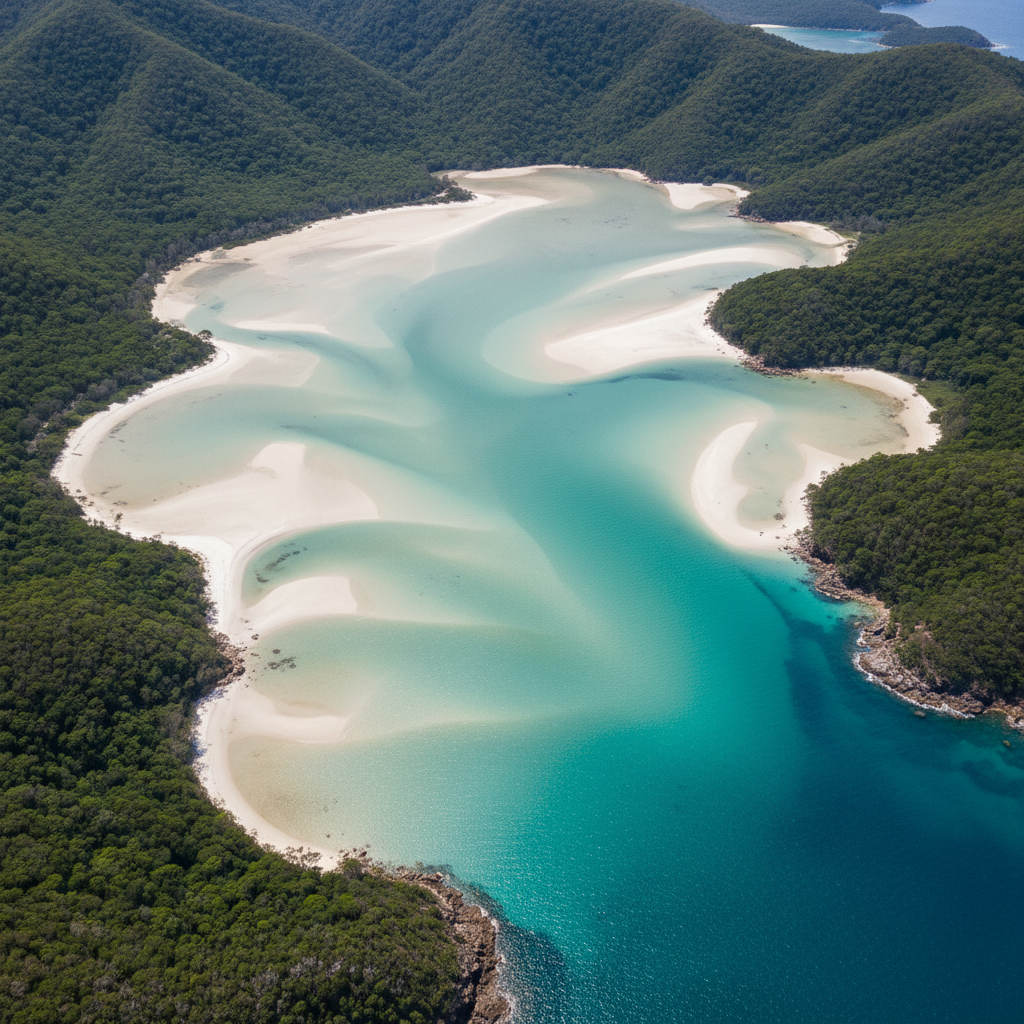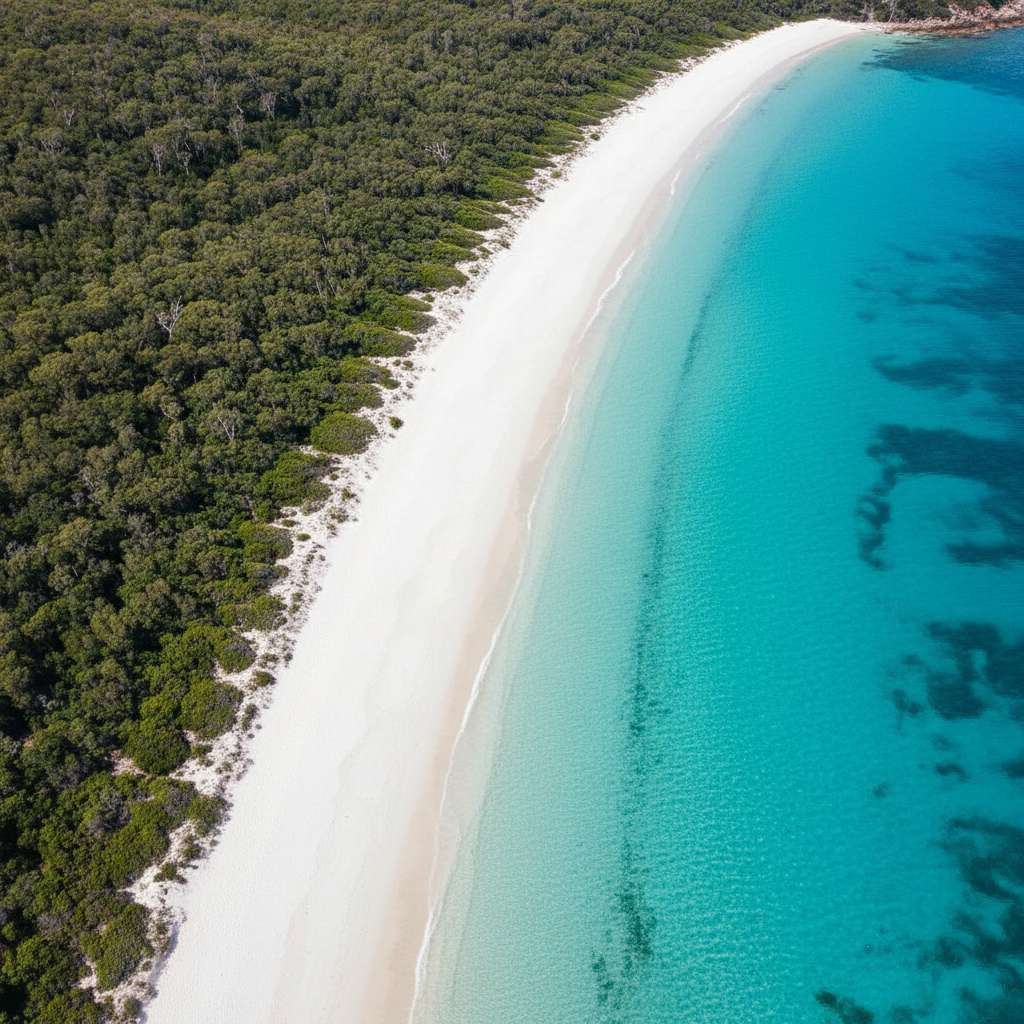
The Great Barrier Reef beckons from Airlie Beach's doorstep, offering some of Australia's most spectacular underwater experiences just two hours from shore. From floating pontoons anchored over pristine coral gardens to intimate snorkelling adventures in crystal-clear lagoons, reef cruises from Airlie Beach deliver world-class marine encounters that showcase the reef's incredible biodiversity and natural beauty.
What reef cruise options are available from Airlie Beach?
Three main reef cruise types operate from Airlie Beach: full-day pontoon cruises to outer reef locations like Hardy Reef, half-day snorkelling trips to fringing reefs, and luxury sailing experiences combining reef visits with Whitsunday Island exploration.
The most popular option is the full-day pontoon cruise, typically departing at 8:00 AM and returning around 5:30 PM. These cruises transport passengers via high-speed catamaran to permanent pontoons anchored over pristine reef sections. Hardy Reef pontoon experiences are particularly renowned, featuring underwater observatories, helicopter landing pads, and multiple snorkelling sites.
Half-day reef cruises focus on closer fringing reefs, offering 3-4 hours of snorkelling time with morning or afternoon departure options. These trips suit families with young children or travellers with limited time, typically costing $180-240 per adult.
Luxury sailing reef cruises combine the best of both worlds, visiting reef locations while incorporating scenic sailing through the Whitsunday Passage. These premium experiences often include gourmet meals, smaller passenger numbers (12-20 guests), and personalised attention from marine biologists.
How long does it take to reach the Great Barrier Reef from Airlie Beach?
The journey to outer Great Barrier Reef locations takes approximately 2 hours each way from Airlie Beach, covering 60-80 kilometres depending on weather conditions and the specific reef destination chosen.
Most reef cruises depart from Abel Point Marina or Shute Harbour, with vessels travelling northeast through the Whitsunday Passage before reaching the continental shelf edge where the reef begins. High-speed catamarans maintain cruising speeds of 25-30 knots, ensuring efficient transit times while providing comfortable seating and onboard facilities.
Hardy Reef, one of the most visited outer reef sites, sits approximately 65 kilometres from Airlie Beach. The journey showcases stunning coastal scenery, with passengers often spotting dolphins, sea turtles, and seasonal humpback whales during the transit. Weather conditions significantly impact travel times, with rough seas potentially extending the journey to 2.5 hours.
Closer fringing reefs around Hook Island and Border Island can be reached within 45-60 minutes, making them ideal for half-day excursions. These locations offer excellent snorkelling opportunities while requiring less travel time, perfect for families or those prone to seasickness.
What's included in a typical reef cruise from Airlie Beach?
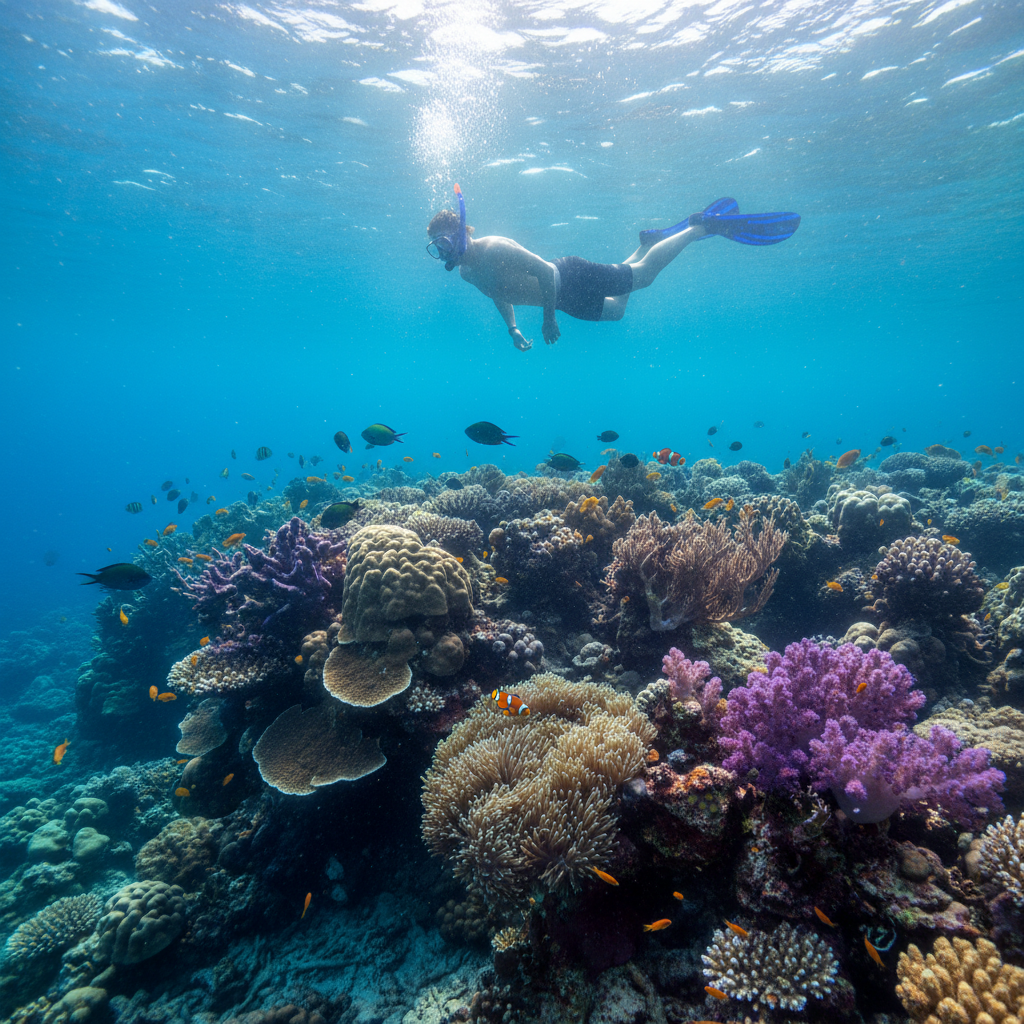
Standard reef cruise packages include return boat transfers, snorkelling equipment, stinger suits, marine biologist presentations, buffet lunch, and access to pontoon facilities including underwater observatories and semi-submersible tours.
Most full-day reef cruises provide comprehensive snorkelling gear including masks, snorkels, fins, and flotation devices. High-quality equipment ensures comfortable underwater exploration, with prescription masks available for guests requiring vision correction. Stinger suits are mandatory during stinger season (November to May) and provided free of charge.
Onboard facilities typically include freshwater showers, change rooms, sun decks, and air-conditioned indoor areas. Professional marine biologists deliver educational presentations about reef ecology, fish identification, and conservation efforts, enhancing the underwater experience with scientific insights.
Buffet lunch menus cater to various dietary requirements, featuring fresh seafood, salads, hot dishes, and tropical fruits. Some operators include morning and afternoon tea service, plus complimentary tea and coffee throughout the day.
Additional activities often included are semi-submersible coral viewing tours, underwater observatory access, and fish feeding demonstrations. These alternatives suit non-swimmers or those preferring to stay dry while experiencing the reef's beauty.
Which reef locations can you visit on cruises from Airlie Beach?
Popular reef destinations include Hardy Reef (famous for Heart Reef flyovers), Hook Reef, Bait Reef, and Border Island, each offering unique coral formations, marine life encounters, and varying snorkelling difficulty levels.
Hardy Reef stands out as the premier destination, featuring extensive coral gardens, diverse fish populations, and the iconic Heart Reef formation visible during helicopter flights. The reef's shallow lagoons provide sheltered snorkelling areas perfect for beginners, while deeper drop-offs challenge experienced snorkellers with dramatic coral walls and larger marine species.
Hook Reef offers excellent coral diversity with over 200 fish species documented in its waters. The reef's proximity to deep ocean channels attracts larger marine life including reef sharks, rays, and seasonal whale migrations. Multiple snorkelling sites around Hook Reef cater to different skill levels and interests.
Border Island's fringing reefs provide accessible snorkelling in protected waters, ideal for families and nervous swimmers. The coral gardens here showcase vibrant soft corals, sea fans, and abundant tropical fish populations in relatively shallow depths of 2-8 metres.
Bait Reef features pristine coral formations with minimal bleaching damage, offering some of the healthiest coral viewing in the region. The reef's clear waters provide excellent visibility, often exceeding 25 metres, perfect for underwater photography and detailed coral observation.
What marine life can you expect to see on Airlie Beach reef cruises?
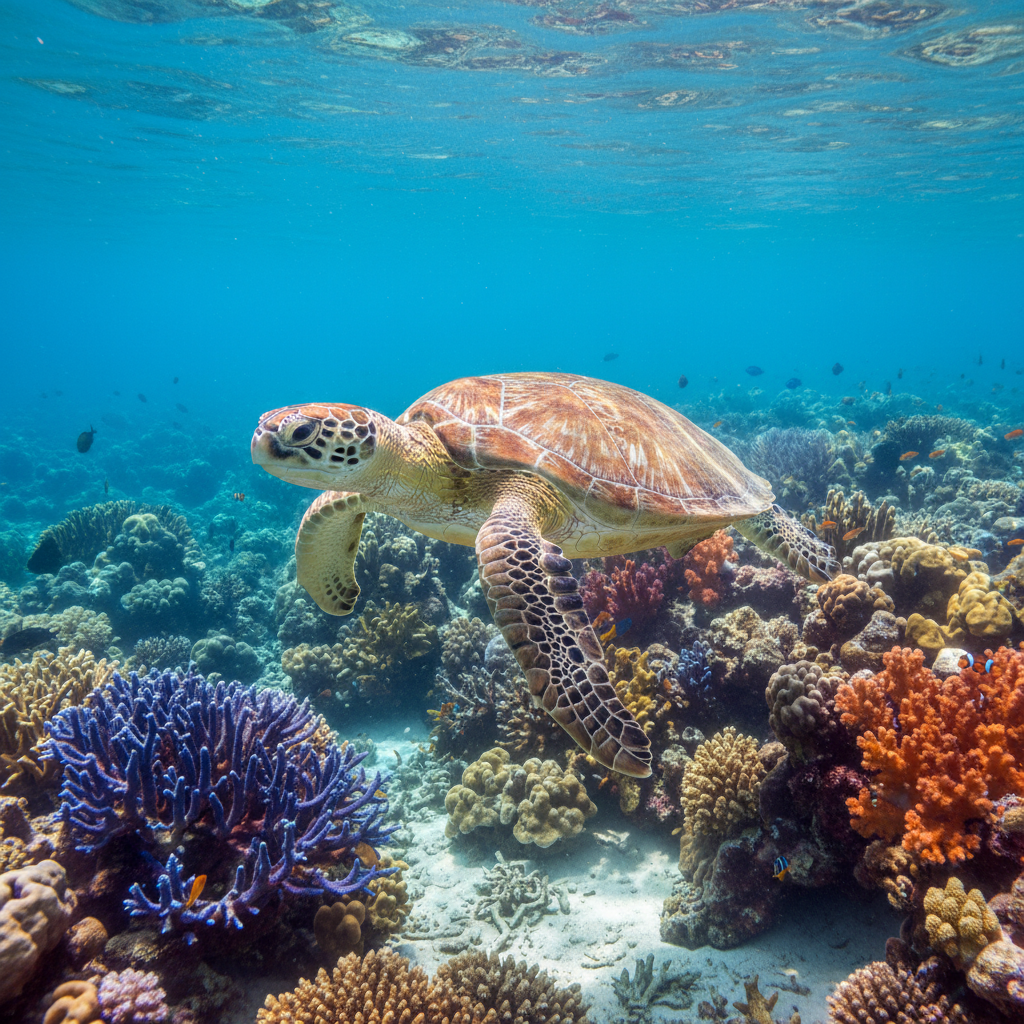
Common marine encounters include over 200 tropical fish species, green sea turtles, reef sharks, stingrays, giant clams, and vibrant hard and soft coral formations spanning hundreds of species across the reef ecosystem.
The reef ecosystem supports incredible biodiversity, with parrotfish, angelfish, butterflyfish, and wrasse forming colourful schools around coral bommies. Larger species regularly sighted include white-tip reef sharks, leopard rays, and majestic manta rays during seasonal migrations.
Green sea turtles frequently visit reef locations, often allowing close underwater observation as they graze on algae and rest in coral crevices. Hawksbill turtles, though less common, also inhabit these waters, distinguished by their pointed beaks and beautifully patterned shells.
Coral diversity includes massive brain corals, delicate staghorn formations, and vibrant soft corals in rainbow hues. Giant clams, some over 100 years old, display brilliant blue and purple mantles while filtering nutrients from the water column.
Seasonal variations bring different marine life opportunities. Whale season (June to September) offers chances to spot humpback whales during surface intervals, while summer months feature increased ray activity and coral spawning events that create underwater snowstorms of marine reproduction.
How much do reef cruises from Airlie Beach cost?
Full-day reef cruise prices range from $240-350 per adult, with half-day trips costing $180-240. Premium luxury cruises and helicopter packages can reach $400-800, while children typically receive 50% discounts.
Budget-conscious travellers can find basic reef day trips from $240 per adult, including boat transfers, snorkelling equipment, and lunch. These cruises typically visit closer reef locations with fewer additional activities but still provide excellent snorkelling opportunities and marine life encounters.
Mid-range options ($280-320) offer enhanced experiences with better facilities, multiple reef sites, helicopter scenic flights, and premium catering. These cruises often feature smaller passenger numbers, ensuring more personalised attention and less crowded snorkelling areas.
Luxury reef experiences ($400-800) include sailing yacht charters, private helicopter transfers, gourmet dining, and exclusive reef access. Some packages combine reef tours with Whitsunday Island visits, creating multi-day adventures with overnight accommodation.
Children's pricing typically offers 50% discounts for ages 4-14, with infants under 4 often travelling free. Family packages provide additional savings for groups of four or more, while pensioner and student discounts are available with valid identification.
Optional extras include underwater cameras ($40-60), prescription masks ($15-25), and wet suits ($25-35) for cooler months. Helicopter scenic flights over Heart Reef add $165-195 per person to the total cruise cost.
When is the best time for reef cruises from Airlie Beach?
Optimal reef cruise conditions occur during dry season (April to November) with calm seas, excellent visibility, and minimal stinger risk, while avoiding cyclone season and heavy rainfall periods that reduce underwater visibility.
April through June represents peak reef cruise season, featuring calm seas, water temperatures around 24-26°C, and exceptional underwater visibility often exceeding 25 metres. These months avoid both stinger season restrictions and summer heat, creating ideal conditions for extended snorkelling sessions.
July through September brings cooler air temperatures but maintains excellent water conditions, with the added benefit of humpback whale migrations. Snorkelling conditions remain superb, though wet suits become more comfortable for extended water time.
October and November offer warming weather with continued excellent visibility before stinger season begins. These shoulder months provide good value pricing while maintaining optimal reef conditions and comfortable temperatures.
December through March brings stinger season, requiring protective suits and potentially limiting swimming areas. However, water visibility remains good on calm days, and coral spawning events during summer months create unique underwater spectacles for experienced snorkellers.
Weather patterns significantly impact reef cruise operations, with cyclone season (November to April) occasionally causing cruise cancellations. Booking flexibility becomes important during these months, with operators offering alternative dates or full refunds for weather-related cancellations.
What should you bring on a reef cruise from Airlie Beach?
Essential items include reef-safe sunscreen, towels, cameras, water bottles, and casual clothing. Operators provide snorkelling equipment, stinger suits, and meals, but personal items enhance comfort and capture memories throughout the day.
Reef-safe sunscreen (zinc-based, no oxybenzone or octinoxate) protects both skin and coral ecosystems. Regular sunscreens can damage coral polyps, so environmentally conscious products are essential. Waterproof varieties ensure protection during multiple swimming sessions.
Underwater cameras capture incredible marine life encounters, with waterproof disposable cameras available onboard for $25-35. Many operators offer camera rental services, though bringing personal equipment allows unlimited photo opportunities and higher image quality.
Comfortable clothing suitable for boat travel includes quick-dry shorts, t-shirts, and light jackets for air-conditioned indoor areas. Flip-flops or reef shoes protect feet on pontoons, while hats and sunglasses provide additional sun protection during boat transfers.
Personal water bottles reduce plastic waste and ensure adequate hydration throughout the day. Most operators provide filtered water refill stations, encouraging environmental responsibility while maintaining passenger comfort.
Cash for gratuities, optional activities, and souvenir purchases enhances the experience, as remote reef locations don't offer EFTPOS facilities. Credit cards are accepted for major purchases, but small denomination cash proves useful for crew tips and incidental expenses.
Are reef cruises suitable for non-swimmers and beginners?
Yes, reef cruises accommodate non-swimmers through floating pontoons with underwater observatories, semi-submersible tours, glass-bottom boat rides, and comprehensive safety equipment including life jackets and flotation devices for nervous beginners.
Floating pontoons provide stable platforms allowing reef exploration without swimming skills. Underwater observatories feature large viewing windows showcasing coral gardens and marine life from completely dry environments. These facilities accommodate wheelchair access and mobility-impaired guests.
Semi-submersible tours offer close reef encounters while remaining above water, featuring large windows providing panoramic underwater views. Professional guides narrate the journey, identifying marine species and explaining coral formations during 30-45 minute tours.
Beginner snorkelling instruction includes equipment familiarisation, breathing techniques, and safety procedures delivered by qualified instructors. Shallow reef areas provide protected environments for first-time snorkellers to build confidence before exploring deeper waters.
Safety equipment includes multiple flotation device options, from traditional life jackets to comfortable pool noodles and foam flotation belts. Professional lifeguards and marine biologists provide constant supervision, ensuring safety while encouraging marine exploration.
Alternative viewing options include glass-bottom boat tours, reef interpretation centres, and marine touch tanks featuring harmless reef creatures. These activities ensure all passengers experience the reef's wonder regardless of swimming ability or water confidence levels.
Ready to explore the Great Barrier Reef's underwater paradise? Book your reef cruise adventure through Airlie to Whitehaven, where we've carefully selected the best operators offering exceptional value, safety standards, and unforgettable marine encounters. Our local expertise ensures you'll find the perfect reef experience matching your interests, budget, and comfort level for an incredible day discovering Australia's natural wonder.