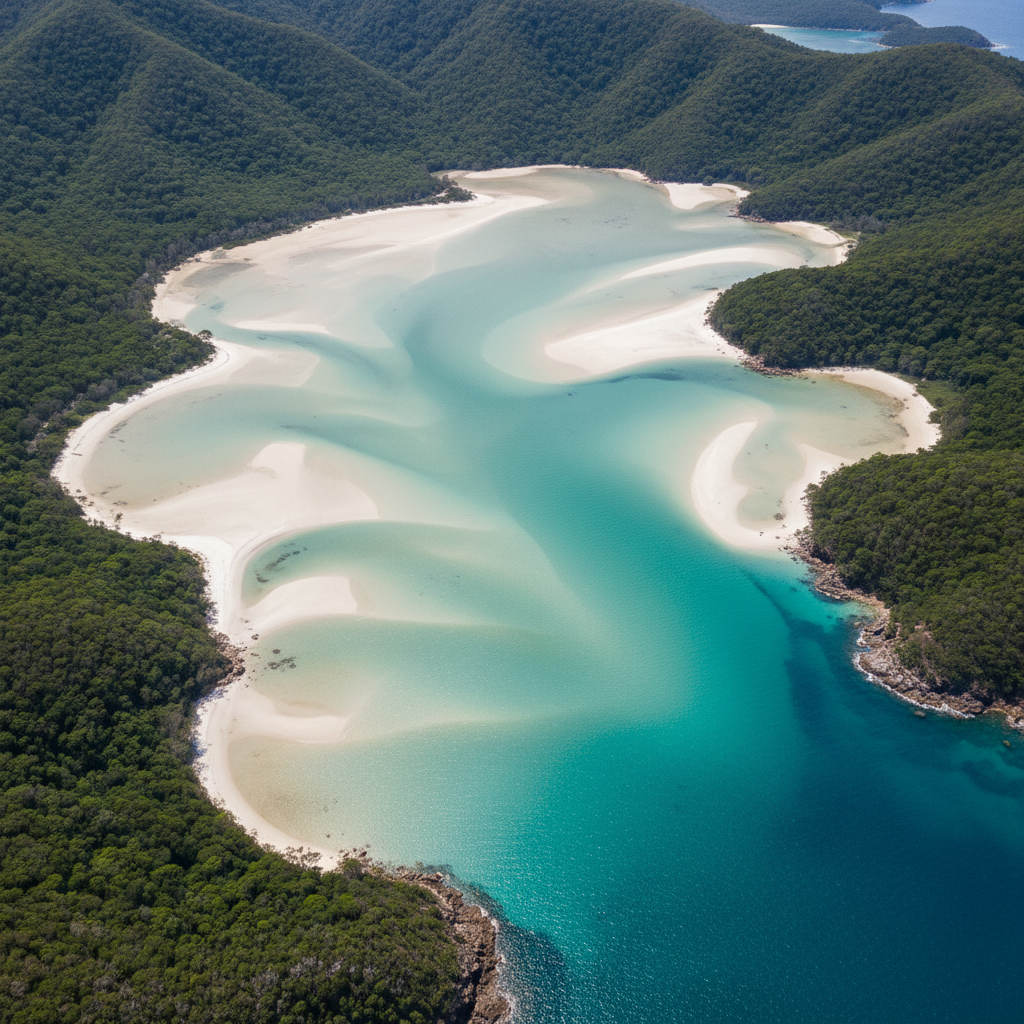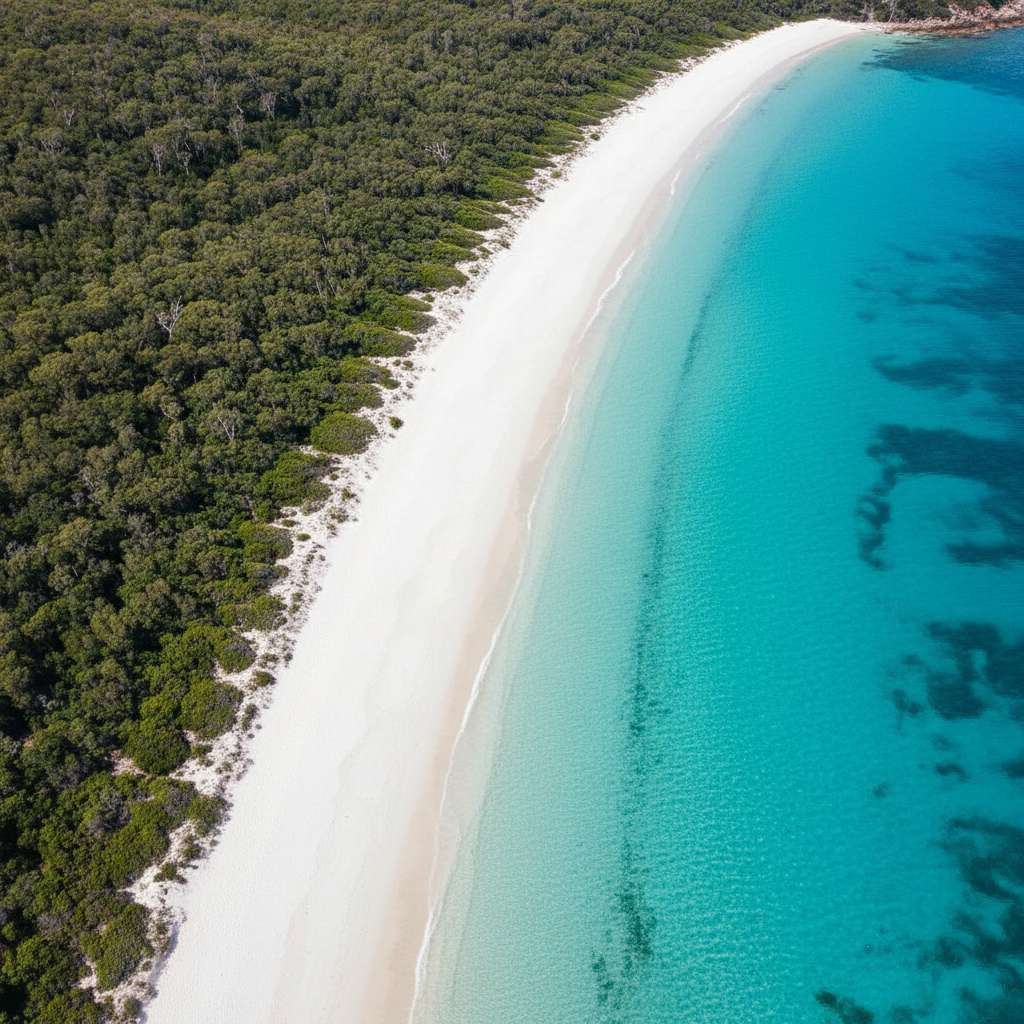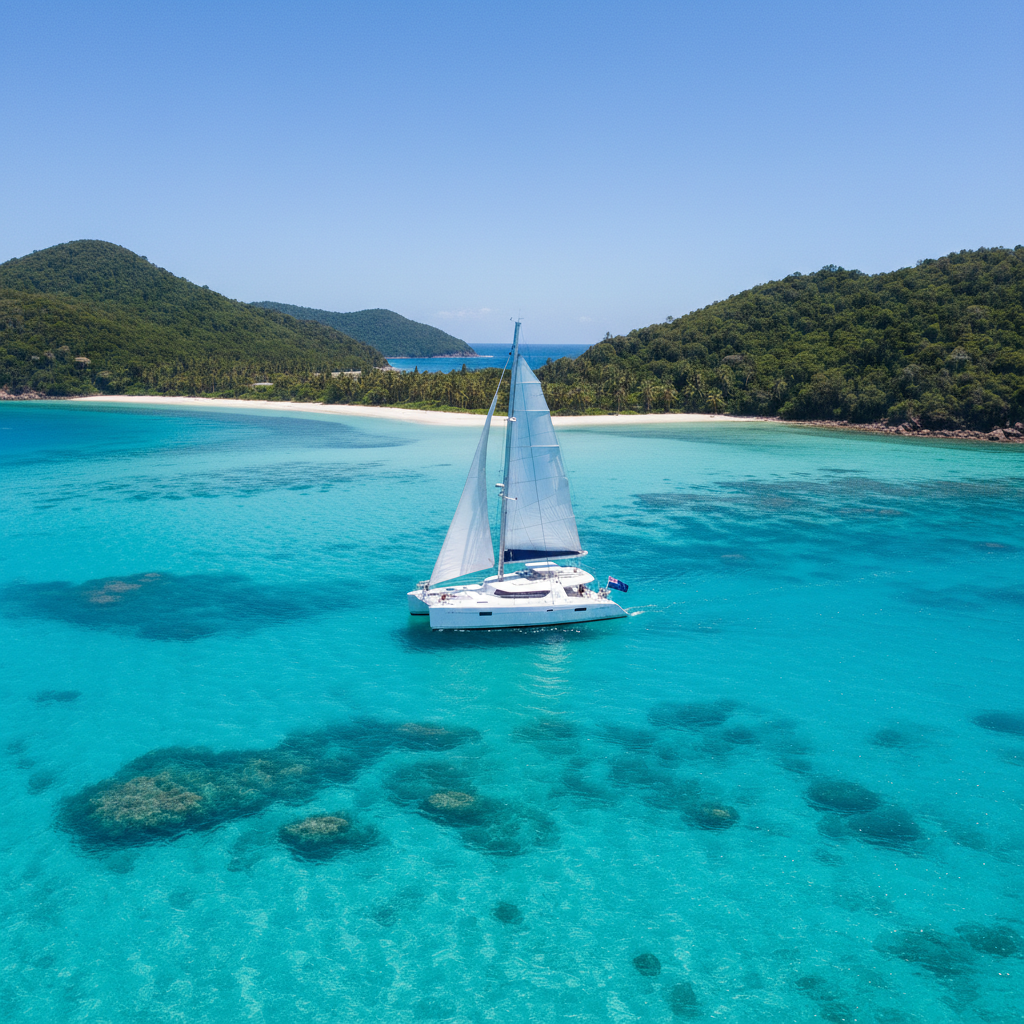
Chartering your own private catamaran in the Whitsundays offers the ultimate freedom to explore 74 tropical islands at your own pace. Unlike crowded day tours, a private charter means you choose where to sail, how long to stay, and which pristine beaches to discover. Your crew handles the navigation while you relax on spacious decks, swim in secluded bays, and create unforgettable memories with your group.
What does private catamaran hire include in the Whitsundays?
Private catamaran hire typically includes a fully crewed vessel, fuel, snorkelling gear, stinger suits during stinger season, and towels. Most charters also provide lunch, beverages, and transfers from Airlie Beach or Hamilton Island, with crew handling all navigation and safety requirements.
Your private charter comes complete with everything needed for a perfect day on the water. The crew consists of a qualified skipper and often a deckhand who doubles as your tour guide, sharing local knowledge about the best snorkelling spots and secluded anchorages. All safety equipment is included and regularly maintained to maritime standards.
Food and beverage packages vary by operator but typically feature fresh seafood, tropical fruits, and premium beverages. Many charters offer customisable menus to accommodate dietary requirements or special celebrations. Snorkelling equipment includes masks, fins, and snorkels for all passengers, plus pool noodles for less confident swimmers.
During stinger season (November to May), full-body stinger suits are provided in various sizes. Quality towels, sunscreen, and often underwater cameras are included. Some luxury charters add extras like paddleboards, fishing equipment, or even spa treatments onboard.
How much does private catamaran hire cost in the Whitsundays?
Private catamaran hire ranges from $2,500-$4,000 for half-day charters (4-6 hours) and $4,500-$8,000 for full-day experiences (8-9 hours). Luxury catamarans with premium inclusions can cost $10,000+ per day, with prices varying by vessel size, season, and group requirements.
Half-day private charters (typically 4-6 hours) start around $2,500 for smaller catamarans accommodating 12-20 passengers. Mid-range vessels suitable for 20-30 guests cost $3,200-$4,000 for half-day experiences. These shorter charters usually visit 2-3 destinations, perfect for families with young children or groups wanting a taste of the Whitsundays.
Full-day private charters (8-9 hours) provide better value for larger groups, starting around $4,500 for smaller catamarans and reaching $6,500-$8,000 for premium vessels. These extended charters allow time to visit Whitehaven Beach, Hill Inlet Lookout, and multiple snorkelling locations without feeling rushed.
Ultra-luxury catamarans with features like spas, gourmet dining, and premium beverages command $10,000-$15,000 for full-day charters. Peak season (June-September) attracts 15-25% higher rates, while shoulder seasons offer better value. Group size significantly impacts per-person costs — a $6,000 charter split between 25 guests costs $240 per person.
Which catamaran size works best for different group sizes?
Small groups (2-12 people) suit 50-60 foot catamarans offering intimacy and personalised service. Medium groups (12-25) need 60-75 foot vessels with multiple deck areas. Large groups (25-40) require 75-90+ foot catamarans with spacious seating, dining areas, and bathroom facilities.
For couples or small families (2-8 guests), a 50-55 foot catamaran provides an intimate experience with personalised attention from crew. These vessels offer comfortable seating areas, shaded deck space, and easy water access. The smaller size means quicker movement between locations and access to more secluded anchorages.
Groups of 12-20 people work well on 60-70 foot catamarans that balance space with intimacy. These vessels typically feature forward trampolines, rear deck seating, and elevated viewing areas. Multiple bathroom facilities prevent queuing, while larger galleys accommodate better catering options.
Corporate groups or large families (20-35 guests) require 75-85 foot catamarans with distinct zones for different activities. These vessels feature multiple deck levels, spacious dining areas, and often include amenities like sound systems for presentations or celebrations. Some include air-conditioned interior areas for escaping the sun.
The largest private charters (35-40+ guests) need purpose-built tourism catamarans over 85 feet long. These vessels feature restaurant-style seating, multiple bathroom facilities, large shade areas, and storage for extensive catering. However, they may have restricted access to smaller bays and beaches.
What are the best destinations for private catamaran charters?
Popular private charter destinations include Whitehaven Beach for its pristine silica sand, Hill Inlet Lookout for panoramic views, Langford Island sandbar, and protected snorkelling spots like Blue Pearl Bay and Butterfly Bay offering diverse marine life and coral formations.
Whitehaven Beach remains the crown jewel of private charter itineraries, featuring 7 kilometres of 98.9% pure silica sand that stays cool underfoot even on hot days. The beach's southern end provides the most space and privacy for larger groups, while the northern end offers easier tender access. Swimming conditions are generally excellent year-round.
Hill Inlet Lookout requires a 20-minute bushwalk but rewards visitors with spectacular views of swirling sand patterns where freshwater meets saltwater. The lookout works best during mid-tide when sand patterns are most defined. Private charter flexibility allows timing visits for optimal photography conditions.
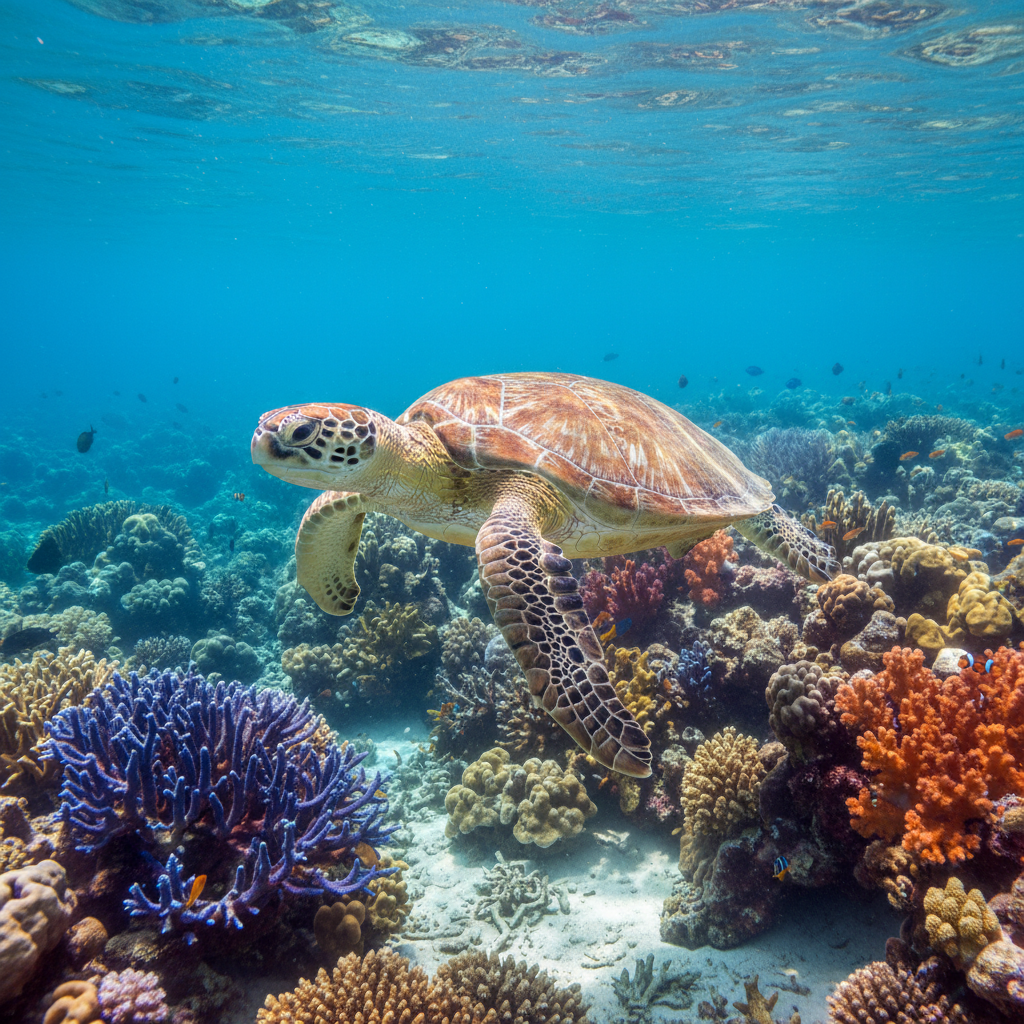
Langford Island offers a unique sandbar experience where guests can walk completely around the island at low tide. The coral gardens surrounding the island provide excellent snorkelling for beginners, with green turtles frequently spotted in shallow waters. The island's small size makes it perfect for shorter stops.
Blue Pearl Bay on Hayman Island features protected waters ideal for snorkelling, with hard and soft corals plus tropical fish species. The bay's orientation provides shelter from prevailing trade winds, ensuring comfortable swimming conditions. Nearby Butterfly Bay offers similar protection with additional reef diversity.
When is the best time to charter a private catamaran?
The optimal time for private catamaran charters is April to November during the dry season, with May-September offering the most comfortable conditions. Trade winds provide natural cooling, rainfall is minimal, and visibility for snorkelling reaches 30+ metres in protected bays.
April and May mark the transition from wet to dry season, offering warm water temperatures (24-26°C) with decreasing humidity and rainfall. These shoulder months provide excellent value with fewer crowds and still-pleasant conditions. Stinger risk begins decreasing, though stinger suits remain recommended.
June through August represents peak season with perfect sailing conditions. Southeast trade winds averaging 15-20 knots provide ideal sailing weather, while temperatures range from 20-26°C. Water visibility reaches its annual peak during these months, making snorkelling spectacular. However, this period commands premium pricing.
September to November extends the dry season with warming temperatures and light winds. Water temperatures climb to 26-28°C, perfect for extended swimming and snorkelling sessions. This period offers the best compromise between excellent conditions and reasonable pricing, particularly in November as tourist numbers decrease.
December through March brings higher temperatures, humidity, and rainfall. While water temperatures peak at 28-30°C, afternoon thunderstorms can affect charter schedules. Stinger season requires full-body suits for swimming. However, charter availability increases and prices drop significantly, especially January-February.
How do you choose between crewed and skippered private charters?
Crewed charters include a professional skipper and crew who handle all sailing, navigation, and service duties, allowing guests to relax completely. Skippered charters provide just a qualified captain, requiring guests to assist with basic sailing tasks and provide their own food and beverages.
Fully crewed private charters offer the ultimate luxury experience with 2-3 crew members handling every detail. The skipper focuses solely on navigation and safety while deckhands serve meals, assist with snorkelling, and maintain the vessel. This option suits groups wanting to celebrate special occasions or entertain clients without any responsibilities.
Crewed charters typically include gourmet catering, premium beverages, and personalised service. Crew members act as local guides, sharing knowledge about marine life, island history, and optimal photo opportunities. They handle anchor operations, tender services to beaches, and ensure guest safety during all water activities.
Skippered charters provide a qualified captain while guests participate in sailing activities and bring their own provisions. This option appeals to sailing enthusiasts who want to learn while maintaining safety standards. Skippers often welcome guest participation in sail trimming, navigation, and anchoring procedures.
The choice depends on your group's sailing experience and desired level of service. First-time visitors or celebration groups benefit from full crew service, while experienced sailors might prefer the hands-on approach and cost savings of skippered charters. Most operators offer catamaran hire options in both configurations.
What safety standards apply to private catamaran charters?
Private catamarans must meet Commercial Vessel Safety standards with annual surveys, certified skippers holding Coxswain qualifications, comprehensive insurance, emergency equipment including EPIRBs and life rafts, plus detailed safety briefings covering emergency procedures and equipment locations before departure.
All commercial charter vessels undergo rigorous annual safety surveys by qualified marine surveyors. These inspections cover hull integrity, engine maintenance, safety equipment, and electrical systems. Vessels must carry current safety certificates and comply with National Standard for Commercial Vessels regulations.
Skippers hold minimum Coxswain Grade 1 Marine qualifications with additional commercial endorsements. Many captains possess Master Class qualifications with extensive local knowledge and years of Whitsundays experience. All crew members complete regular safety training and first aid certifications.
Emergency equipment includes Emergency Position Indicating Radio Beacons (EPIRBs), life rafts sized for maximum passenger capacity, marine VHF radios, and comprehensive first aid kits. Vessels carry flares, torches, and emergency water supplies. GPS navigation systems include backup units and paper chart redundancy.
Pre-departure safety briefings cover life jacket locations, emergency procedures, and vessel-specific safety features. Guests receive instruction on proper snorkelling techniques, stinger suit usage during season, and tender boarding procedures. Weather monitoring continues throughout charters with contingency plans for changing conditions.
Can private catamarans access all Whitsunday destinations?
Most private catamarans can access popular destinations like Whitehaven Beach, Hill Inlet, and major snorkelling sites. However, larger vessels may face restrictions in shallow bays, narrow passages, or protected areas, while smaller catamarans offer greater flexibility for secluded anchorages and beach access.
Whitehaven Beach accommodates vessels of all sizes, with multiple anchoring zones and tender access points. The beach's 7-kilometre length provides space for numerous vessels, though southern areas offer more privacy for private charters. Depth allows anchoring from 200 metres to 1 kilometre offshore depending on vessel size.
Hill Inlet Lookout requires tender access regardless of vessel size, as no vessels can anchor directly adjacent to the walking track. The tender journey takes 10-15 minutes from typical anchoring positions. Timing becomes crucial during busy periods when tender queues can form at the beach landing.
Smaller bays like Butterfly Bay and Blue Pearl Bay favour vessels under 70 feet for optimal anchoring positions. Larger catamarans must anchor further offshore, requiring longer tender journeys and potentially less stable anchoring in exposed conditions. Some operators use luxury boat hire options with multiple tender facilities.
Exclusive destinations like secluded beaches on uninhabited islands often suit smaller vessels best. These locations offer pristine experiences but require careful navigation and local knowledge. Your charter operator's experience becomes crucial for accessing these hidden gems safely while respecting environmental protection zones.
What special occasions work well for private catamaran charters?
Private catamaran charters excel for weddings, corporate events, birthday celebrations, anniversaries, and family reunions. The vessels provide elegant settings for ceremonies, spacious areas for entertaining, stunning backdrops for photography, and memorable experiences that traditional venues cannot match.
Wedding ceremonies aboard private catamarans create unforgettable experiences with the Whitsunday Islands as backdrops. Many vessels feature bow areas perfect for exchanging vows, while guests enjoy panoramic views from multiple deck levels. Marriage celebrants can conduct ceremonies at anchor or during sailing, with reception spaces accommodating 20-50 guests depending on vessel size.
Corporate events benefit from private charter exclusivity and natural networking environments. Team building activities include snorkelling instruction, sailing participation, and group challenges at destinations like Langford Island sandbar. Presentation equipment and catering facilities support business objectives while providing unique client entertainment options.
Milestone birthdays and anniversaries gain special significance when celebrated surrounded by pristine waters and tropical islands. Personalised decorations, custom catering, and surprise elements like helicopter arrivals or private beach picnics create lasting memories. Some operators coordinate with private boat charter services for multi-vessel celebrations.
Family reunions accommodate multiple generations with varied activity options. Shallow swimming areas suit young children while snorkelling excites teenagers and adults. Spacious deck areas allow socialising while quiet zones provide rest options. Extended family groups often book overnight charters for maximum bonding time.
How far in advance should you book private catamaran hire?
Book private catamaran charters 2-3 months ahead for peak season (June-September) and special occasions, 4-6 weeks for shoulder seasons, and 2-4 weeks during quieter periods. Popular vessels and dates fill quickly, especially for weekends, holidays, and wedding seasons.
Peak season bookings (June through September) require the longest lead times due to perfect weather conditions and school holiday periods. Premium vessels often sell out 3-4 months ahead, particularly for weekend departures. Corporate groups planning team building events should book even earlier to secure preferred dates and vessel types.
Shoulder seasons (April-May and October-November) offer more flexibility with 4-6 weeks typically sufficient for most vessels. These periods provide excellent weather with reduced demand, allowing better vessel selection and potentially negotiable rates for longer charters or larger groups.
Wedding charters require 6-12 months advance booking to coordinate with other wedding vendors and ensure vessel availability. Many couples book during initial Whitsundays visits, allowing time to plan complementary services like photography, celebrants, and accommodation for guests.
Last-minute bookings (under 2 weeks) occasionally succeed during quieter periods or for smaller vessels, but options become limited. Wet season periods (December-March) offer the best last-minute availability, though weather conditions require flexibility with departure times and itineraries.
What should you bring on a private catamaran charter?
Essential items include reef-safe sunscreen, wide-brimmed hats, swimwear, light cover-ups, and non-slip footwear. Personal medications, cameras in waterproof cases, and comfortable clothing for changing weather conditions ensure comfort and capture memories of your exclusive Whitsundays experience.
Sun protection becomes critical during extended water exposure, with reef-safe sunscreen protecting both your skin and marine environments. SPF 30+ formulations without oxybenzone or octinoxate prevent coral bleaching while providing adequate protection. Wide-brimmed hats and UV-protective clothing offer additional coverage during peak sun hours (10am-3pm).
Footwear should include non-slip boat shoes for deck safety and reef shoes for beach walking and snorkelling. Avoid black-soled shoes that mark deck surfaces. Thongs work for beach visits but provide no protection on wet deck areas or coral surfaces.
Photography equipment benefits from waterproof protection, whether through dedicated underwater cameras or protective cases for smartphones. Many charters now offer underwater camera rentals, but personal devices capture unlimited shots throughout your experience.
Personal medications should include seasickness remedies even for calm conditions, as individual susceptibility varies. Motion sickness tablets work best when taken 30-60 minutes before departure. Prescription medications require adequate supplies plus extras in case of extended charters due to weather delays.
Ready to experience the ultimate freedom of exploring the Whitsundays on your own private catamaran? Airlie to Whitehaven connects you with the region's most reputable charter operators, ensuring quality vessels, experienced crews, and unforgettable experiences. Browse our selection of private catamaran charters and start planning your exclusive island adventure today — because some moments deserve your own piece of paradise.