Soaring 400 feet above the crystal-clear waters of the Whitsundays while tethered to a speedboat is pure magic. Parasailing here offers unmatched views of 74 tropical islands, pristine beaches, and coral reefs that stretch to the horizon. Whether you're seeking an adrenaline rush or a peaceful aerial tour, the Whitsundays delivers one of Australia's most spectacular parasailing experiences with perfect wind conditions year-round.
What makes parasailing in the Whitsundays special?
The Whitsundays offers parasailing over protected waters with 360-degree views of 74 islands, Whitehaven Beach, and the Great Barrier Reef. Consistent trade winds, calm seas, and world-class scenery create ideal conditions for both beginners and experienced parasailers seeking Australia's most spectacular aerial adventure.
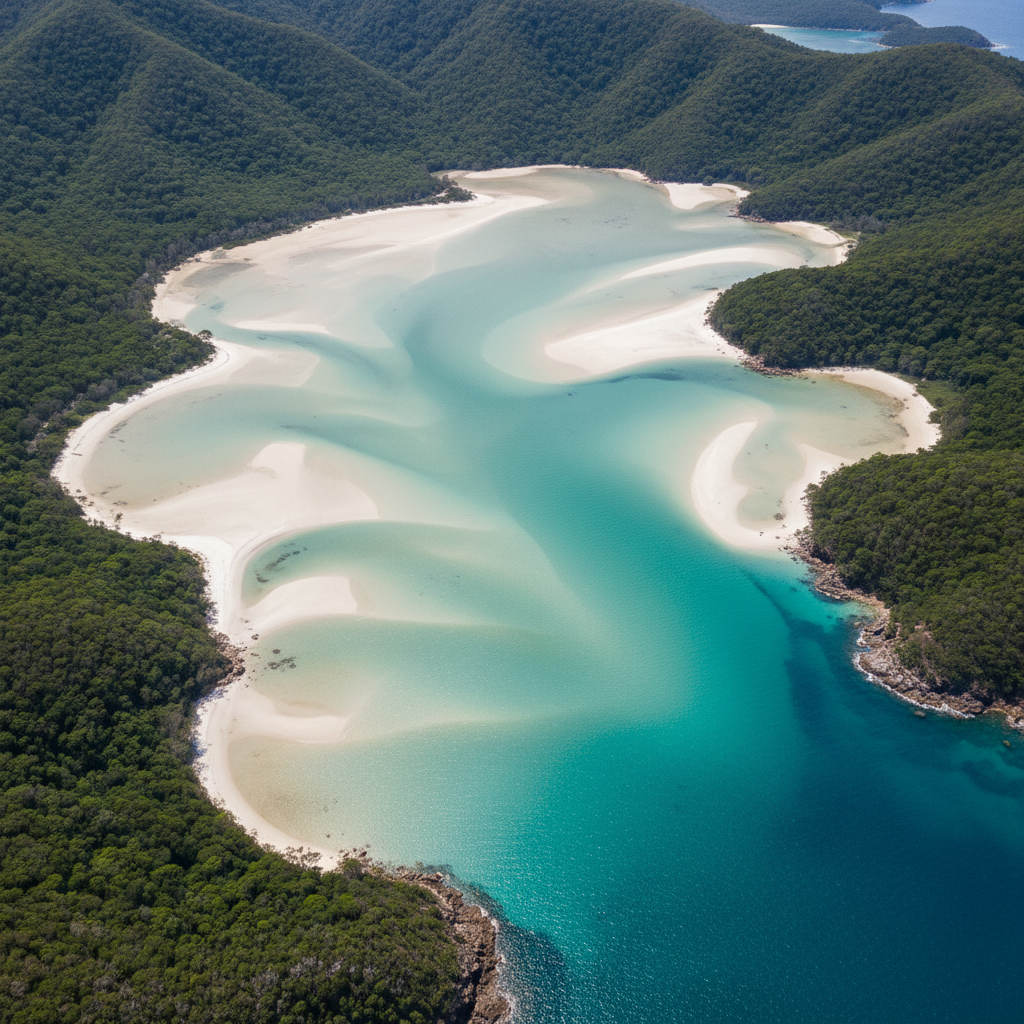
The geography here is absolutely perfect for parasailing. The sheltered waters between the islands provide consistent wind patterns without the choppy seas you'll find in open ocean locations. You'll glide peacefully above Hart Lagoon, catch glimpses of Whitehaven Beach's swirling sands, and spot marine life like turtles, rays, and dolphins from your elevated perch.
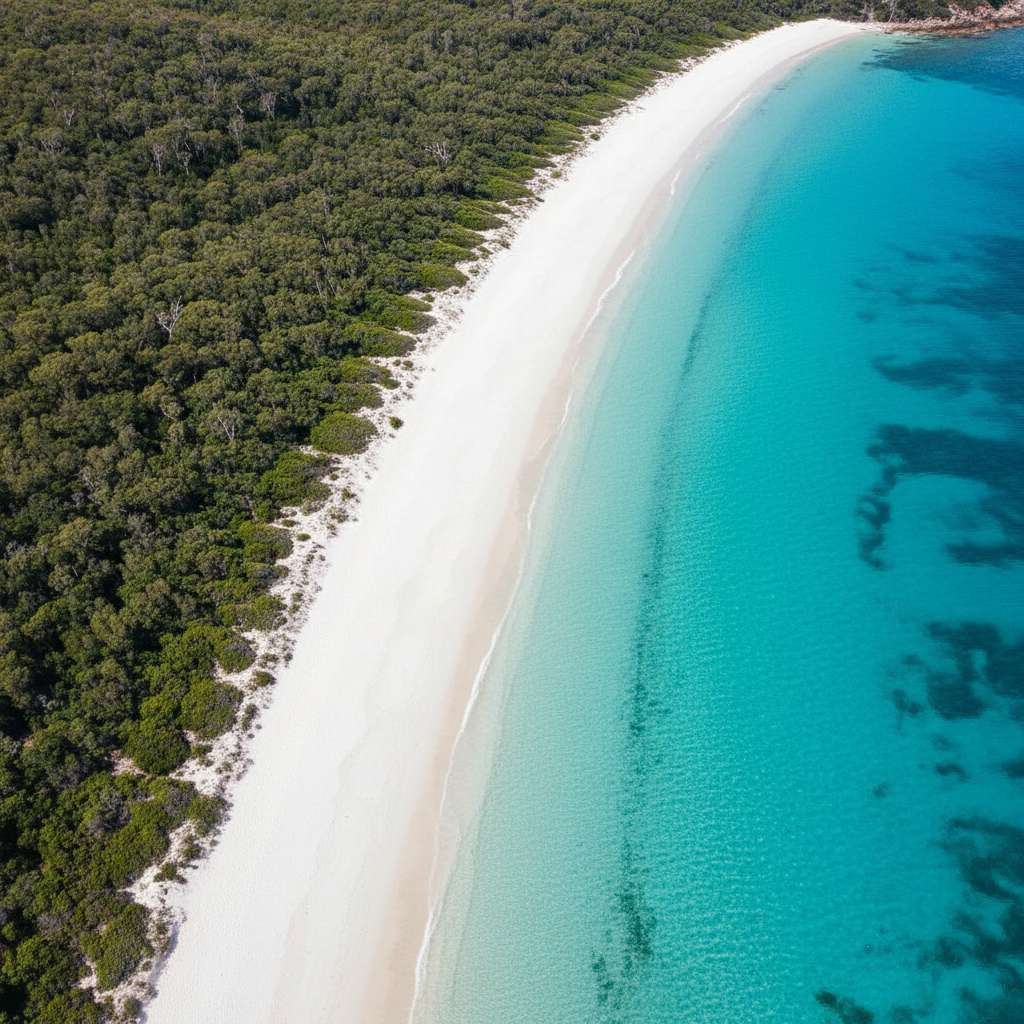
The visual feast is unmatched anywhere else in Australia. The contrast between the pure white silica sand beaches, turquoise lagoons, and emerald rainforest creates a kaleidoscope effect that's particularly stunning from 300-400 feet above sea level. On clear days, you can see all the way to the outer Great Barrier Reef, approximately 60 kilometres offshore.
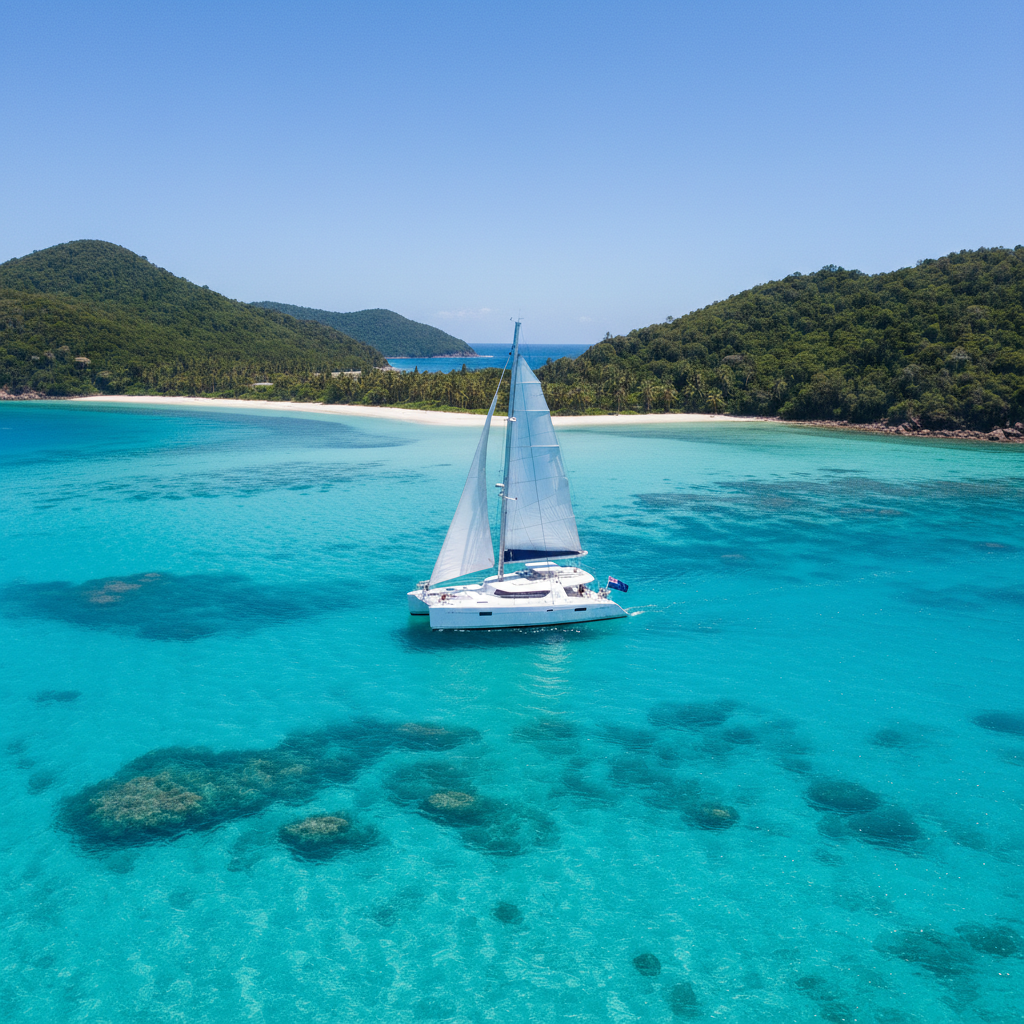
What sets Whitsundays parasailing apart is the variety of landscapes visible in a single flight. You'll see uninhabited islands, luxury resorts, secluded beaches, coral gardens, and deep blue ocean channels all within a 10-15 minute flight. The water clarity often exceeds 30 metres visibility, making it possible to spot coral formations and marine life from your parasail.
How much does parasailing cost in the Whitsundays?
Parasailing in the Whitsundays typically costs $120-180 AUD per person for a single flight, with tandem flights priced at $200-280 AUD for two people. Prices vary based on flight duration, boat operator, and whether it's included in multi-activity packages or standalone experiences.
Solo parasailing flights generally range from $120-150 AUD for a 10-12 minute airborne experience. Premium operators offering longer flights (15+ minutes) or newer equipment charge up to $180 AUD per person. Tandem flights, where two people share one parasail, cost $200-250 AUD total, making them more economical for couples or friends.
Many operators offer package deals that include parasailing with other water sports activities. These combo packages can provide better value, especially if you're planning multiple activities. For example, a half-day package including parasailing, jet skiing, and snorkelling might cost $280-350 AUD per person compared to booking separately.
Group discounts are available for 4+ people, typically offering 10-15% savings. Some operators provide seasonal pricing with slightly lower rates during the shoulder months (March-May, September-November). Peak season (June-August) and holiday periods command premium pricing, sometimes 20-30% higher than standard rates.
Additional costs to consider include photos and videos of your flight, usually priced at $30-50 AUD for digital packages. Transport to departure points is sometimes included, but budget an extra $15-25 AUD for transfers if staying outside central Airlie Beach.
Where do parasailing tours depart from in the Whitsundays?
Most parasailing tours depart from Abel Point Marina in Airlie Beach, with some operators using Shute Harbour as their base. Both locations offer easy access, parking, and facilities, with Abel Point Marina being more convenient for accommodation in central Airlie Beach.
Abel Point Marina serves as the primary departure point for most parasailing operators. Located just 2 kilometres from central Airlie Beach, it's easily accessible by foot, courtesy shuttle, or rideshare. The marina offers ample parking ($5-10 AUD per day), cafes, and clean facilities including toilets and changing rooms.
Shute Harbour, approximately 10 kilometres from Airlie Beach, is used by operators running combined day trips that include parasailing with island visits or reef tours. While slightly less convenient, Shute Harbour offers larger vessels and often better value multi-activity packages. Free parking is available, and shuttle services typically operate from major Airlie Beach accommodations.
Some high-end operators offer pickup from Hamilton Island Marina for guests staying at luxury resorts. This premium service typically adds $50-100 AUD per person but provides seamless transfers and often includes additional amenities like refreshments and professional photography.
Departure times vary by operator but typically run from 9:00 AM to 4:00 PM, with most popular slots being 10:00 AM and 2:00 PM. Early morning departures often offer calmer conditions and better visibility, while afternoon sessions may encounter slightly more wind, providing longer airborne time.
What height do you reach when parasailing in the Whitsundays?
Parasailing heights in the Whitsundays range from 300-400 feet (90-120 metres) above sea level. Most operators fly at 350 feet, providing optimal views while maintaining safety standards. Height can be adjusted based on wind conditions, passenger comfort levels, and visibility requirements.
The standard operating height of 350 feet strikes the perfect balance between spectacular views and safety. At this altitude, you'll have panoramic visibility spanning 15-20 kilometres, encompassing multiple islands while remaining well within controlled airspace and emergency response capabilities.
Wind conditions significantly influence flying height. During stronger trade wind periods (15-25 knots), operators may fly slightly lower at 300 feet to ensure passenger comfort and safety. Conversely, on calmer days with lighter winds (8-15 knots), heights up to 400 feet are achievable, offering even more expansive views.
Advanced passengers or those specifically requesting higher altitude experiences may reach 450 feet under ideal conditions. However, this requires perfect weather, experienced crew, and is typically only offered by premium operators with specialized equipment and additional safety certifications.
The ascent and descent are gradual, taking 2-3 minutes each way. You'll spend 8-12 minutes at peak altitude, with total flight time including takeoff and landing procedures lasting 12-18 minutes. The smooth rise allows your ears to adjust naturally without the pressure changes experienced in aircraft.
What's the best time of day for parasailing in the Whitsundays?
Early morning (8:00-11:00 AM) offers the best parasailing conditions in the Whitsundays with calmer winds, clearer visibility, and softer lighting. Afternoon sessions (2:00-4:00 PM) provide stronger winds for longer flights but may encounter occasional thermal turbulence and harsher lighting conditions.
Morning parasailing benefits from overnight wind patterns that settle into consistent, gentle breezes perfect for smooth flights. Water visibility is typically at its peak before afternoon thermal activity stirs up the surface, and you'll often spot more marine life during their active feeding periods.
The lighting conditions in early morning create ideal photography opportunities. The sun's angle produces vibrant blues in the water and minimizes harsh shadows, while the air is typically clearer before thermal haze develops. Morning sessions also avoid the peak UV intensity of midday sun.
Afternoon parasailing appeals to those seeking more dynamic conditions. Stronger thermal winds can extend flight times and provide a more exhilarating experience for adrenaline seekers. However, conditions can become less predictable, and the harsh overhead sun may create challenging visibility and photography conditions.
Late afternoon sessions (3:00-5:00 PM) offer a compromise with stable conditions returning as thermal activity subsides. The golden hour lighting creates stunning photo opportunities, though availability is limited due to daylight restrictions and marine park regulations.
Is parasailing safe for beginners in the Whitsundays?
Parasailing in the Whitsundays is extremely safe for beginners, with operators maintaining perfect safety records through strict equipment maintenance, certified crew, and ideal flying conditions. Comprehensive safety briefings, modern equipment, and professional instruction ensure first-time parasailers feel confident and secure throughout their experience.
All Whitsundays parasailing operators must hold Australian Maritime Safety Authority certifications and undergo regular safety audits. Equipment inspections occur before each flight, with parasails, harnesses, and tow ropes replaced according to strict manufacturer guidelines and flight hour limitations.
The protected waters between the Whitsunday Islands provide ideal learning conditions with minimal wave action and consistent wind patterns. Emergency procedures include quick-release mechanisms, backup safety equipment, and trained rescue personnel on every vessel.
Safety briefings cover takeoff and landing procedures, hand signals, and emergency protocols. Passengers wear Coast Guard-approved life jackets regardless of swimming ability, and all flights include radio communication between the boat crew and parasail platform.
Age restrictions typically apply to children under 8 years, with weight limits ranging from 45-150 kilograms depending on equipment specifications. Tandem flights allow nervous beginners to share the experience with a friend or family member, providing additional comfort and support.
Medical restrictions include recent surgery, pregnancy, or severe heart conditions. However, parasailing requires no special skills or physical fitness, making it accessible to most ages and abilities. The gentle takeoff and landing from the boat's platform eliminates the need for beach runs or water starts.
What should you wear for parasailing in the Whitsundays?
Wear comfortable swimwear, reef-safe sunscreen, and secure footwear that can get wet. Bring a hat with a chin strap, sunglasses with a safety cord, and avoid loose clothing or jewelry. Most operators provide life jackets and safety equipment as part of the experience.
Swimwear forms the foundation of appropriate parasailing attire since takeoff and landing occur from the boat's platform where splashing is common. Board shorts or swim trunks for men and one-piece suits or secure bikinis for women work best. Avoid loose-fitting clothing that could catch wind or interfere with safety equipment.
Footwear should be secure and water-friendly. Reef shoes, water sandals with heel straps, or neoprene booties provide the best combination of protection and security. Flip-flops or slip-on shoes risk falling off during takeoff or landing and aren't recommended.
Sun protection is crucial when suspended 350 feet above reflective water. Reef-safe sunscreen (SPF 50+) should be applied generously 30 minutes before departure. Zinc-based sunscreens work best and won't harm marine ecosystems if you enter the water.
Secure accessories include hats with chin straps and sunglasses with safety cords. The wind speed at altitude can reach 25+ knots, easily removing unsecured items. Most operators provide secure storage for phones, wallets, and loose items that cannot be worn during flight.
Avoid jewelry, loose scarves, or flowing cover-ups that could tangle with equipment or become projectiles. Long hair should be tied back securely. Some operators provide windbreakers for cooler morning departures or sensitive passengers concerned about wind chill at altitude.
Can you parasail in all weather conditions in the Whitsundays?
Parasailing operates year-round in the Whitsundays but requires specific wind and visibility conditions for safety. Operations typically cancel in winds exceeding 25 knots, during storms, or when visibility drops below 5 kilometres. Stinger season (November-May) requires protective clothing but doesn't prevent parasailing.
Optimal parasailing conditions include winds between 8-20 knots, clear skies, and unlimited visibility. These conditions occur approximately 280 days per year in the Whitsundays, making it one of the world's most reliable parasailing destinations. Trade wind patterns provide consistent conditions from April through November.
During stinger season (November-May), operators provide stinger suits for water entry but parasailing activities continue normally since most of the experience occurs airborne. Marine stingers don't affect aerial activities, and protective suits are provided free of charge during this period.
Tropical weather systems occasionally impact operations between December and March. Operators monitor weather radar and marine forecasts closely, typically making cancellation decisions 2-4 hours before departure. Full refunds or rescheduling options are standard for weather-related cancellations.
Morning sea breezes often provide the most stable conditions, while afternoon thermal winds can become gusty and unpredictable. Professional operators err on the side of caution, prioritizing passenger safety over completing every scheduled flight. Rain doesn't automatically cancel operations unless accompanied by lightning or dangerous winds.
Seasonal variations affect scheduling more than cancellations. Winter months (June-August) offer the most consistent conditions with southeast trade winds, while summer months may see more variable weather patterns requiring flexible scheduling.
How long does a parasailing experience last in the Whitsundays?
A complete parasailing experience in the Whitsundays lasts 1.5-2 hours total, including boat travel, safety briefing, and multiple passenger flights. Individual airborne time ranges from 10-15 minutes, with premium operators offering up to 20 minutes of flight time per person.
The typical timeline begins with a 15-20 minute safety briefing and equipment fitting at the marina. Boat travel to parasailing areas takes 10-15 minutes, depending on wind conditions and the day's designated flying zone. Most operators choose locations between Hook Island and Daydream Island for optimal conditions.
Individual flight time averages 12-15 minutes airborne, including 2-3 minutes each for takeoff and landing procedures. Premium experiences or single-passenger boats may extend this to 18-20 minutes, while busy periods with multiple passengers might reduce individual flight time to 10-12 minutes.
Group experiences involve waiting periods between flights as each passenger or tandem pair takes their turn. Boats typically accommodate 8-12 passengers with 2-3 people flying simultaneously. Waiting passengers enjoy marine wildlife viewing, photography opportunities, and refreshments while others fly.
Half-day packages that combine parasailing with other adrenaline activities extend the total experience to 3-4 hours. These often include island visits, snorkelling stops, or water sports rotations that maximize time on the water while providing multiple adventure experiences.
Return transit to the marina takes 10-15 minutes, with total dock-to-dock time ranging from 90-120 minutes for standalone parasailing experiences. Operators typically schedule 30-45 minutes between departures to account for varying conditions and group sizes.
What views can you expect while parasailing over the Whitsundays?
Parasailing over the Whitsundays provides 360-degree views spanning Whitehaven Beach, 74 tropical islands, coral reefs, and the Great Barrier Reef Marine Park. At 350 feet altitude, visibility extends 15-20 kilometres, encompassing pristine beaches, turquoise lagoons, rainforest-covered peaks, and diverse marine life beneath crystal-clear waters.
Whitehaven Beach dominates the southern vista, its 7-kilometre stretch of 98.9% pure silica sand creating brilliant white curves against turquoise waters. From altitude, the famous Hill Inlet swirling sands create mesmerizing patterns that shift with tidal movements, offering a perspective impossible to achieve from ground level.
The island panorama reveals the diverse geology of the Whitsunday archipelago. Hamilton Island's resort developments contrast sharply with uninhabited islands like Henning and Teague, while the mountainous peaks of Whitsunday and Hook Islands showcase the region's continental island origins rising 400+ metres from sea level.
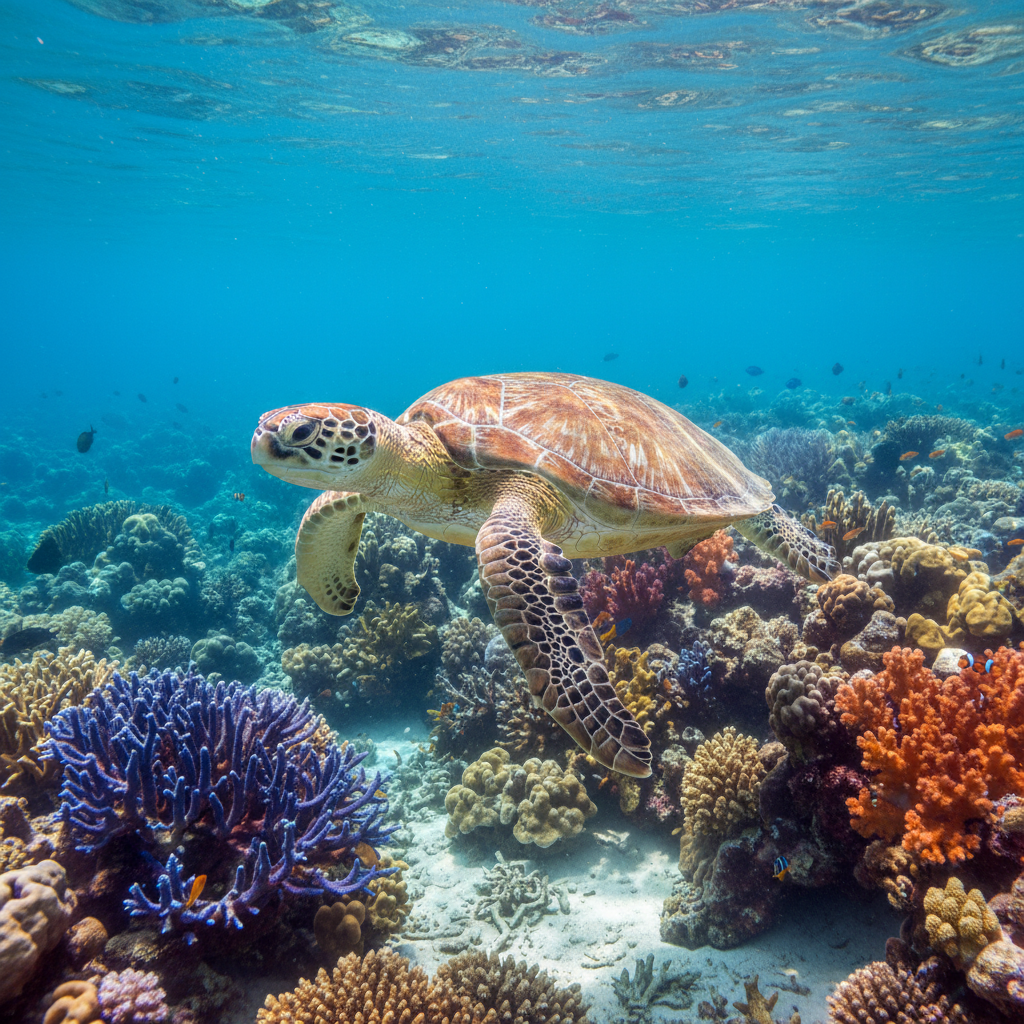
Marine visibility often exceeds 30 metres, allowing parasailers to spot coral gardens, sand channels, and marine life from their elevated position. Green sea turtles, eagle rays, and reef sharks are commonly visible in the clear waters below, while dolphin pods frequently surface near the boat operations.
The outer reef systems become visible on clear days, with the coral formations of Hardy Reef and the famous Heart Reef appearing as darker patches approximately 60 kilometres offshore. These protected coral systems within the Great Barrier Reef Marine Park create a stunning backdrop extending to the horizon.
Seasonal variations add unique elements to the aerial perspective. Humpback whale migrations (June-September) provide opportunities to spot whale pods from above, while the wet season (December-March) creates dramatic cloud formations and enhanced green vegetation across the islands.
Are there age or weight restrictions for parasailing in the Whitsundays?
Most Whitsundays parasailing operators require participants to be 8+ years old and weigh between 45-150 kilograms. Children under 12 must fly tandem with adults, while solo flights are available for those meeting weight and maturity requirements. Some operators offer specialized equipment for different weight ranges.
Minimum age restrictions exist primarily for safety and comprehension reasons rather than physical capabilities. Eight-year-olds can typically understand and follow safety instructions, though individual maturity levels vary. Children under 8 may be accommodated on some operators' boats as observers but cannot participate in actual parasailing.
Weight restrictions relate directly to equipment specifications and wind conditions. Passengers under 45 kilograms may not generate sufficient weight to maintain stable flight in light winds, while those exceeding 150 kilograms require specialized equipment that's not universally available among operators.
Tandem flight requirements ensure proper supervision for younger participants and allow nervous flyers to share the experience. The combined weight limit for tandem flights typically ranges from 140-180 kilograms, depending on operator equipment and prevailing wind conditions.
Physical fitness requirements are minimal, but participants must be able to wear safety harnesses comfortably and follow basic instructions. Previous back, neck, or heart conditions should be disclosed during booking, and operators reserve the right to exclude participants for safety reasons.
Pregnancy restrictions apply regardless of trimester due to harness pressure and potential water entry during takeoff or landing. Recent surgery, severe mobility limitations, or inability to wear life jackets also disqualify participants from parasailing activities.
Some premium operators offer extended weight ranges (35-180 kilograms) using specialized equipment and modified procedures. These services typically require advance booking and may incur additional charges for equipment modifications or specialized crew requirements.
How do you book parasailing in the Whitsundays?
Book parasailing in the Whitsundays through licensed tour operators, accommodation concierge services, or comprehensive booking platforms. Advanced booking (24-48 hours) is recommended during peak season (June-October), while same-day availability often exists during shoulder periods. Group bookings require longer advance notice.
Direct operator booking typically provides the best rates and most flexible cancellation policies. Established operators include multiple daily departures and can accommodate special requests like extended flight times or photography packages. Direct booking also ensures clear communication about weather policies and equipment specifications.
Accommodation concierge services often secure group discounts and can coordinate parasailing with other activities in Airlie Beach for seamless itinerary planning. Resort packages sometimes include parasailing credits or discounted rates as part of activity bundles.
Online booking platforms provide comparison shopping and instant confirmation, though terms and conditions may be less flexible than direct bookings. Always verify operator credentials, safety certifications, and recent customer reviews before confirming reservations through third-party platforms.
Seasonal booking strategies vary significantly. Peak season (June-October) and school holidays require 48-72 hours advance booking, particularly for morning departures and weekend slots. Shoulder seasons (March-May, November) often accommodate same-day bookings, while wet season (December-February) provides maximum flexibility.
Group bookings (6+ people) should be arranged 7-14 days in advance to ensure availability and secure potential discounts. Corporate groups or special occasions may require custom scheduling and specialized equipment arrangements that need extended planning periods.
Payment policies vary by operator but typically require 20-50% deposits for advance bookings, with full payment due at departure. Credit card processing fees, cancellation insurance, and transfer services represent additional costs that should be clarified during the booking process.
Ready to soar above the spectacular Whitsundays? Book your parasailing adventure through Airlie to Whitehaven, your trusted platform for authentic Whitsundays experiences. Our carefully selected operators prioritize safety, deliver exceptional service, and provide the aerial perspective that makes the Whitsundays unforgettable. Compare options, read genuine reviews, and secure your spot with flexible booking terms designed for travelers who demand the best of Queensland's island paradise.