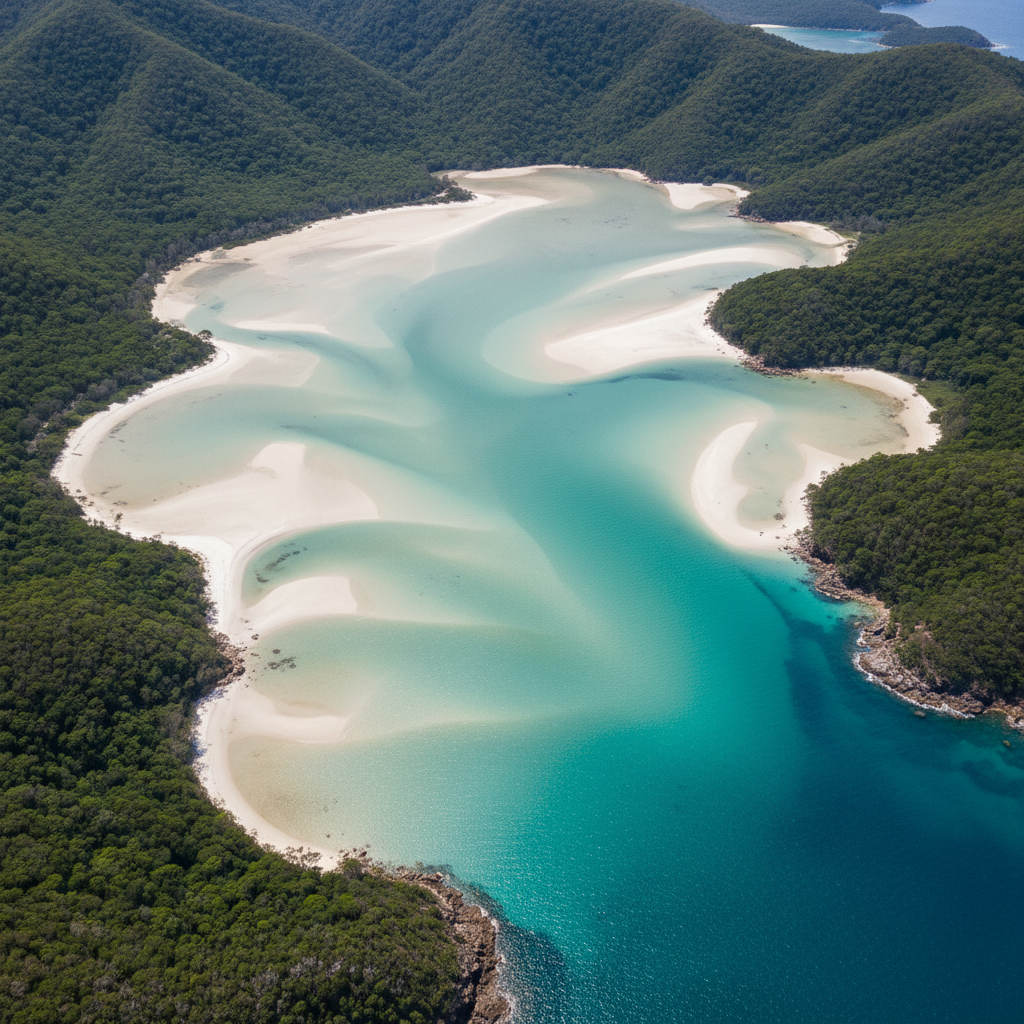
Tucked away in the northern reaches of the Whitsundays, Long Island offers a refreshingly wild alternative to the more visited destinations. This mountainous island, stretching 9 kilometres north to south, provides untouched bushland, pristine beaches, and some of the best walking trails in the archipelago. While most visitors flock to Whitehaven Beach and Hamilton Island, Long Island remains a hidden gem where you can experience the Whitsundays' natural beauty without the crowds.
Where exactly is Long Island located in the Whitsundays?
Long Island sits in the northern Whitsunday Passage, approximately 15 kilometres northeast of Airlie Beach and 8 kilometres west of Hamilton Island. The island measures 9 kilometres long and 1.5 kilometres wide, making it the eighth-largest island in the Whitsunday group with an area of 12.3 square kilometres.
The island's strategic position places it directly between the mainland and the outer Whitsunday islands. Its elongated shape runs roughly north-south, with the Conway Range on the mainland visible to the west and Whitsunday Island looming large to the east. Long Island forms part of the Whitsunday Islands National Park, ensuring its pristine wilderness remains protected.
Key geographical features include Mount Jeffreys, the island's highest point at 219 metres, and several protected bays along the western coastline. The island's eastern shore faces the prevailing trade winds and can be quite rough, while the western bays offer calm, sheltered waters perfect for swimming and snorkelling.
How do you get to Long Island from Airlie Beach?
Long Island is accessible only by boat, helicopter, or seaplane from Airlie Beach. Most visitors join day tours departing Abel Point Marina or Shute Harbour, with journey times ranging from 45 minutes by sailing catamaran to 15 minutes by speedboat.
Several tour operators include Long Island in their Whitsundays tours, typically combining it with other destinations like Daydream Island or Whitehaven Beach. Full-day sailing trips often stop at Long Island's South Long Island Beach for swimming, snorkelling, and bushwalking.
Private boat charters offer the most flexibility, allowing you to explore multiple beaches and hiking trails at your own pace. Helicopter transfers take just 8 minutes from Airlie Beach but are significantly more expensive, typically costing $200-400 per person for transfers alone.
For those seeking overnight accommodation, Long Island Resort operates a ferry service for resort guests, though this historic property has faced periodic closures. Always check current operational status before planning accommodation-based visits.
What walking trails and bushwalking opportunities exist on Long Island?
Long Island features three main walking trails totalling approximately 8 kilometres. The Mount Jeffreys Summit Trail offers the most challenging 3-kilometre return hike, reaching 219 metres elevation with panoramic Whitsundays views, taking 2-3 hours to complete with moderate-to-difficult terrain.
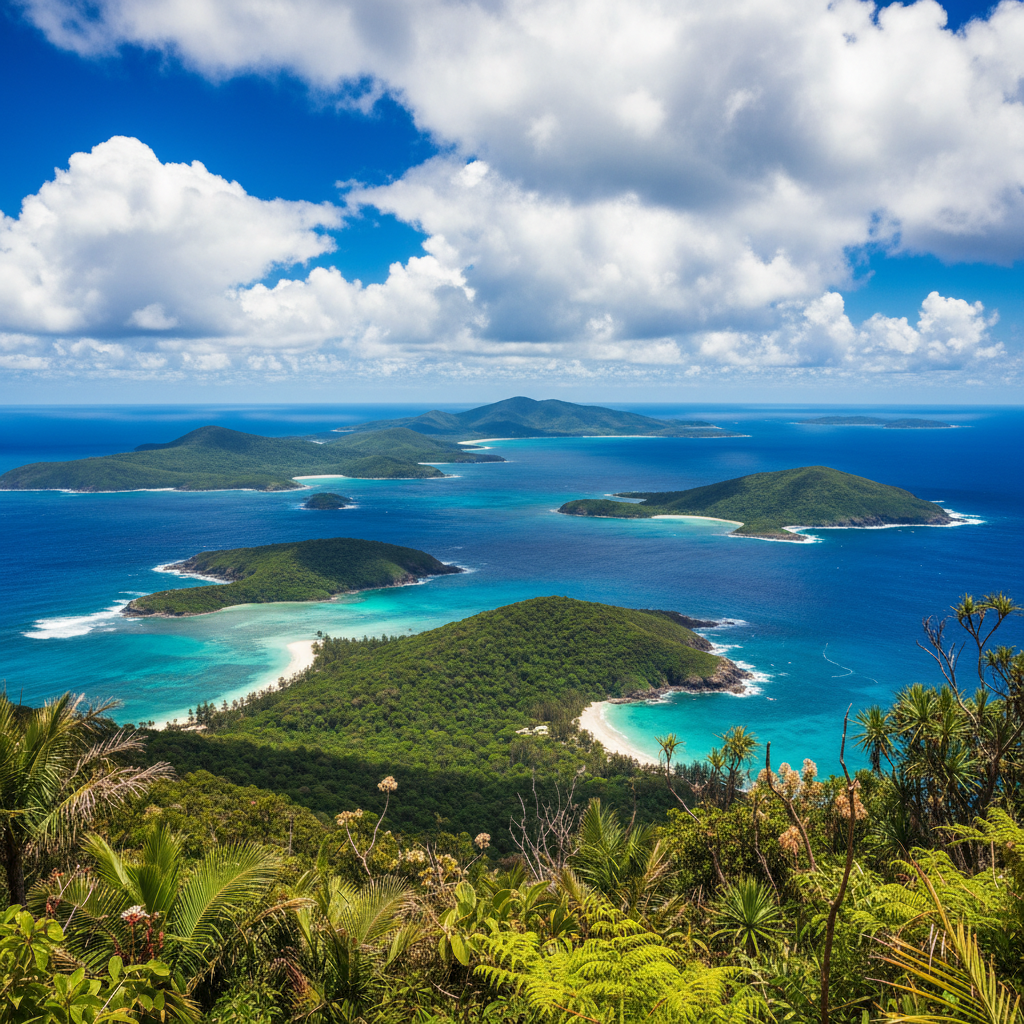
The Summit Trail begins near South Long Island Beach, climbing through dense rainforest and eucalyptus woodland. The track is unmarked in sections, requiring basic navigation skills and sturdy hiking boots. The reward at the summit includes 360-degree views encompassing Hamilton Island, Whitsunday Island, and the mainland Conway Range.
The Beach Circuit Walk provides a gentler 2-kilometre option, connecting South Long Island Beach with Happy Bay via well-maintained tracks through coastal forest. This moderate walk takes 45-60 minutes and offers multiple beach access points and excellent wildlife spotting opportunities.
The Rainforest Loop represents the easiest option – a 30-minute, 1.5-kilometre circuit through Long Island's diverse ecosystems. This trail showcases native flora including scribbly gums, bloodwoods, and pandanus palms, with interpretive signs explaining the island's ecological significance.
Which beaches on Long Island are worth visiting?
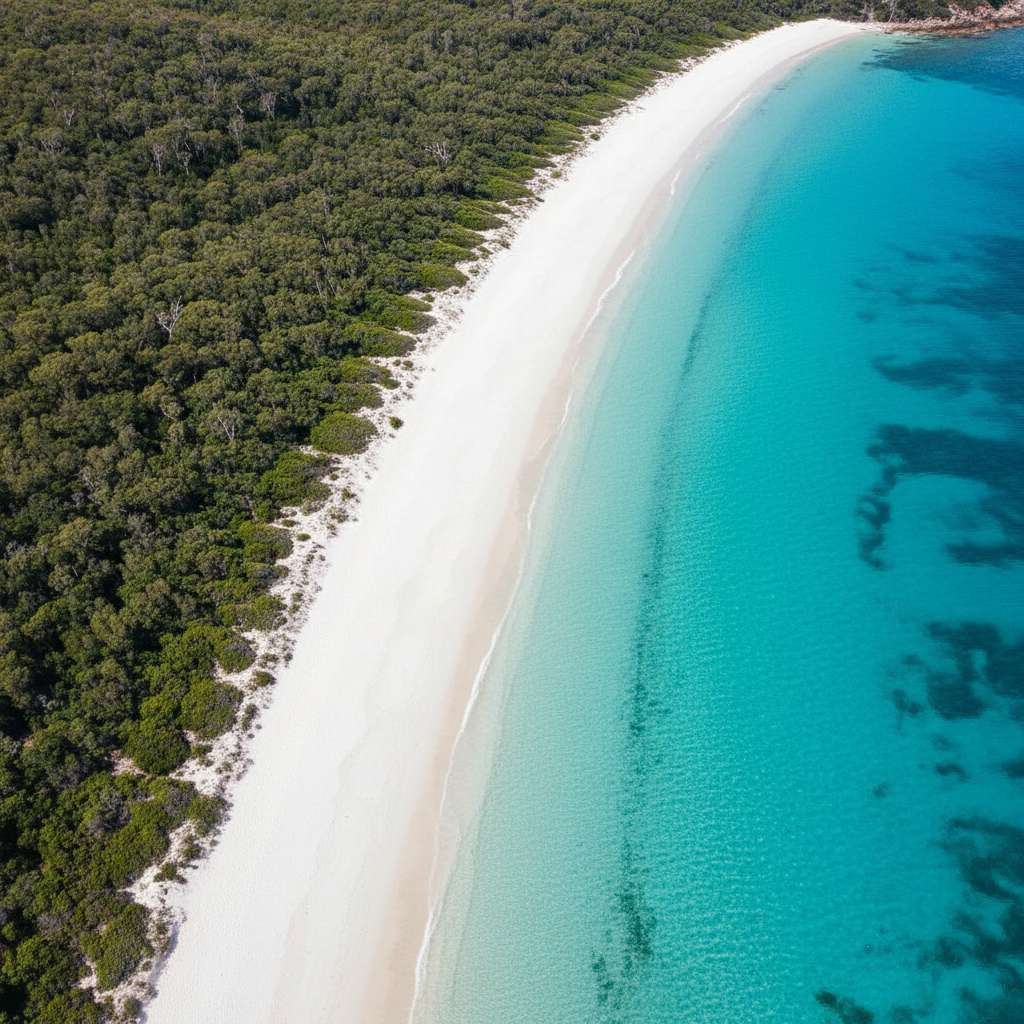
South Long Island Beach serves as the main arrival point, featuring 800 metres of white sand, excellent snorkelling, and picnic facilities. Happy Bay on the island's northern tip offers secluded swimming in crystal-clear waters, while Sandy Bay provides a quieter alternative with good coral viewing opportunities.
South Long Island Beach offers the most facilities and activities. Its protected western orientation ensures calm waters ideal for swimming year-round. The beach features natural shade from casuarina trees, basic toilet facilities, and several picnic tables. Snorkelling off the beach's northern end reveals healthy coral gardens and diverse marine life.
Happy Bay requires a 30-minute walk from South Long Island Beach but rewards visitors with complete seclusion. This horseshoe-shaped bay features pure white sand and turquoise waters, surrounded by pristine bushland. The bay's northern aspect provides excellent morning swimming conditions and stunning sunrise photography opportunities.
Sandy Bay, accessible via a shorter 15-minute walk, offers the best coral viewing directly off the beach. The bay's eastern position can be windy during trade wind season (May-September), but this creates excellent conditions for spotting larger marine life including rays and reef sharks in deeper waters.
When is the best time to visit Long Island?
April through November represents the optimal visiting period, offering dry conditions, comfortable temperatures (20-27°C), and minimal stinger risk. May to September provides the most reliable weather for bushwalking, with lower humidity and steady southeasterly trade winds creating pleasant hiking conditions.
The dry season (April-November) ensures hiking trails remain accessible and well-defined. During wet season months (December-March), heavy rainfall can make trails slippery and potentially dangerous, while increased humidity makes bushwalking uncomfortable. Stinger season (November-May) requires protective swimming attire in marine areas.
Whale watching season (June-September) adds extra appeal to Long Island visits, with humpback whales frequently visible from the island's elevated viewpoints during their annual migration. The Summit Trail provides excellent whale spotting opportunities during this period.
Trade wind season (May-September) creates ideal conditions for sailing to Long Island, though eastern beaches may experience choppy conditions. During doldrums periods (October-April), sailing times increase but western bays become even more protected and calm.
What tour options include Long Island in their itineraries?
Several Airlie Beach day trips incorporate Long Island stops. Full-day sailing tours typically spend 2-3 hours on the island, allowing time for bushwalking and beach activities. Small group adventure tours focus specifically on Long Island's hiking trails and secluded beaches.
Sailing catamarans including Camira, Ocean Rafting, and Red Cat Adventures regularly visit South Long Island Beach as part of their full-day Whitsundays itineraries. These tours typically provide 1.5-2 hours on the island, sufficient time for the Beach Circuit Walk and snorkelling.
Specialised hiking tours operate 2-3 times weekly, focusing exclusively on Long Island's walking trails. These small-group experiences (maximum 12 passengers) include guided summit climbs, detailed flora and fauna interpretation, and extended beach time for swimming and snorkelling.
Whitsunday island hopping tours often combine Long Island with Hamilton Island and Daydream Island, creating diverse full-day experiences. Private charter boats offer the ultimate flexibility, allowing customised itineraries based on weather conditions and group preferences.
What facilities and amenities are available on Long Island?
Long Island offers basic facilities including composting toilets near South Long Island Beach, several picnic tables with bench seating, and natural shade from casuarina trees. No fresh water, food services, or equipment rental facilities exist, requiring visitors to bring all necessary supplies.
The island's limited infrastructure reflects its wilderness status within Whitsunday Islands National Park. Visitors must practice "leave no trace" principles, carrying out all rubbish and bringing sufficient drinking water (minimum 2 litres per person for bushwalking activities).
Natural shade exists around South Long Island Beach and along major walking trails, but hikers should bring sun protection for exposed summit sections. Mobile phone coverage is limited to areas with direct line-of-sight to Hamilton Island or the mainland.
Emergency services access requires marine radio contact through tour operators or private vessels. No resident ranger or first aid facilities exist on the island, making appropriate preparation and risk assessment essential for all activities.
What photography opportunities and viewpoints shouldn't be missed?
Mount Jeffreys Summit provides the ultimate photography location, offering 360-degree panoramic views encompassing Hamilton Island Airport, Whitsunday Passage, and the mainland Conway Range. Sunrise shots from Happy Bay capture stunning golden light reflecting off calm waters against pristine beach settings.
The summit viewpoint showcases the Whitsundays' geographical complexity, with multiple islands, channels, and reef systems visible in a single frame. Morning light (7-9am) provides optimal conditions, with soft shadows defining island contours and minimal atmospheric haze obscuring distant features.
Happy Bay's north-facing aspect creates perfect sunrise photography conditions, with the beach's curved shoreline leading the eye toward Hayman Island and the outer reef. The bay's isolation ensures no human structures appear in photographs, maintaining the wilderness aesthetic.
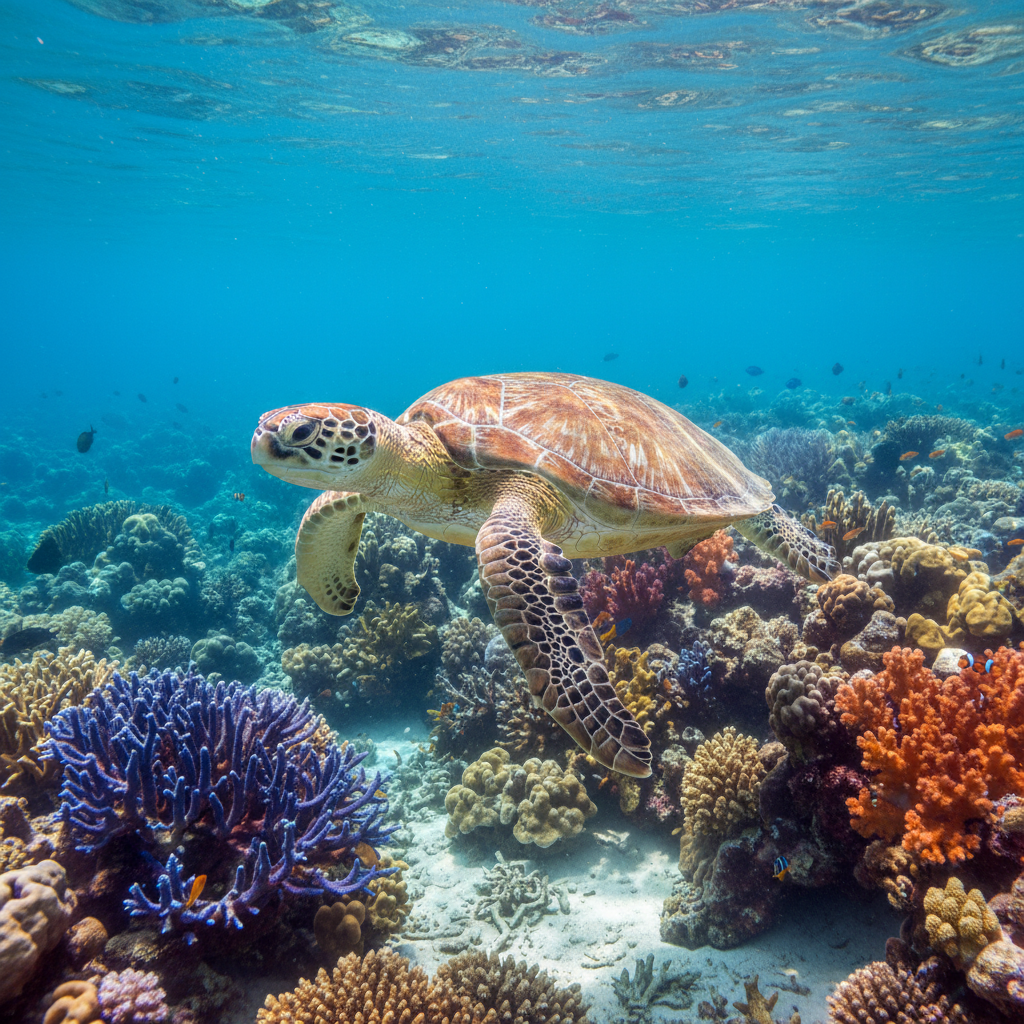
Underwater photography opportunities abound off South Long Island Beach, where healthy coral gardens host diverse marine life including parrotfish, angelfish, and occasionally green sea turtles. The beach's northern end offers the clearest water and most abundant coral coverage.
Macro photography enthusiasts will appreciate Long Island's diverse flora along walking trails, including native orchids, scribbly gum bark patterns, and seasonal wildflower displays during spring months (September-November).
What practical tips ensure a successful Long Island visit?
Bring minimum 2 litres of drinking water per person, sturdy hiking boots, sun protection, and reef-safe sunscreen. Pack all food and snacks, as no facilities exist on the island. Wear or bring stinger suits during November-May period for safe swimming.
Essential items include: waterproof bag for electronics, basic first aid supplies, insect repellent (especially during wet season), and emergency whistle for bushwalking activities. Lightweight, quick-dry clothing suits the tropical climate and humid conditions on hiking trails.
Check weather forecasts and sea conditions before travelling, as rough seas can make landings dangerous or impossible. Tour operators may substitute alternative destinations during adverse weather, so maintain flexible expectations.
Inform others of your planned activities and expected return times, especially if hiking to the summit independently. Mobile coverage is spotty, making communication during emergencies potentially difficult.
Respect wildlife by maintaining safe distances from native animals, particularly goannas and sea eagles commonly encountered on trails. Never feed wildlife, as this alters natural behaviours and creates dangerous situations for both animals and future visitors.
Ready to explore Long Island's pristine wilderness and walking trails? Airlie to Whitehaven offers carefully selected tours featuring Long Island's best experiences, from guided summit hikes to relaxing beach stops. Browse our collection of Long Island tours and discover why this hidden gem represents the Whitsundays at its most natural and unspoiled.