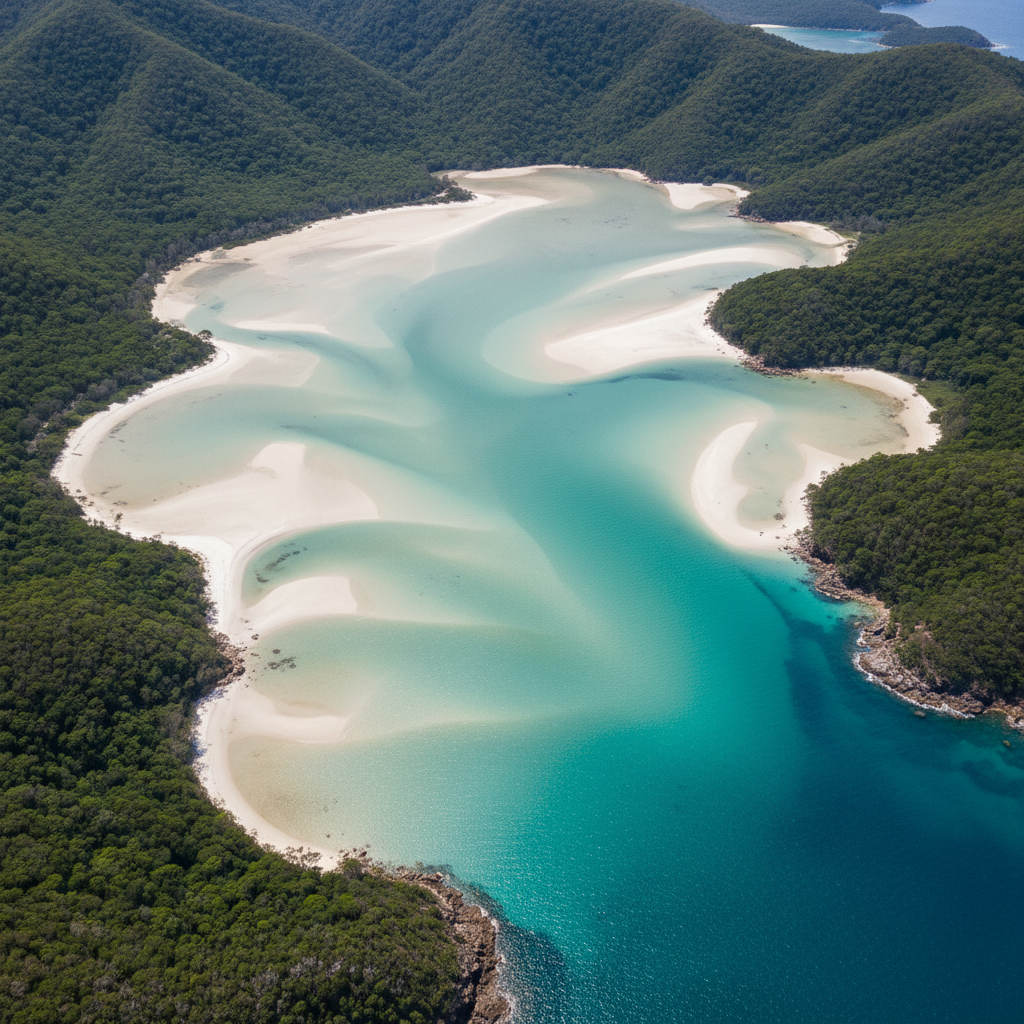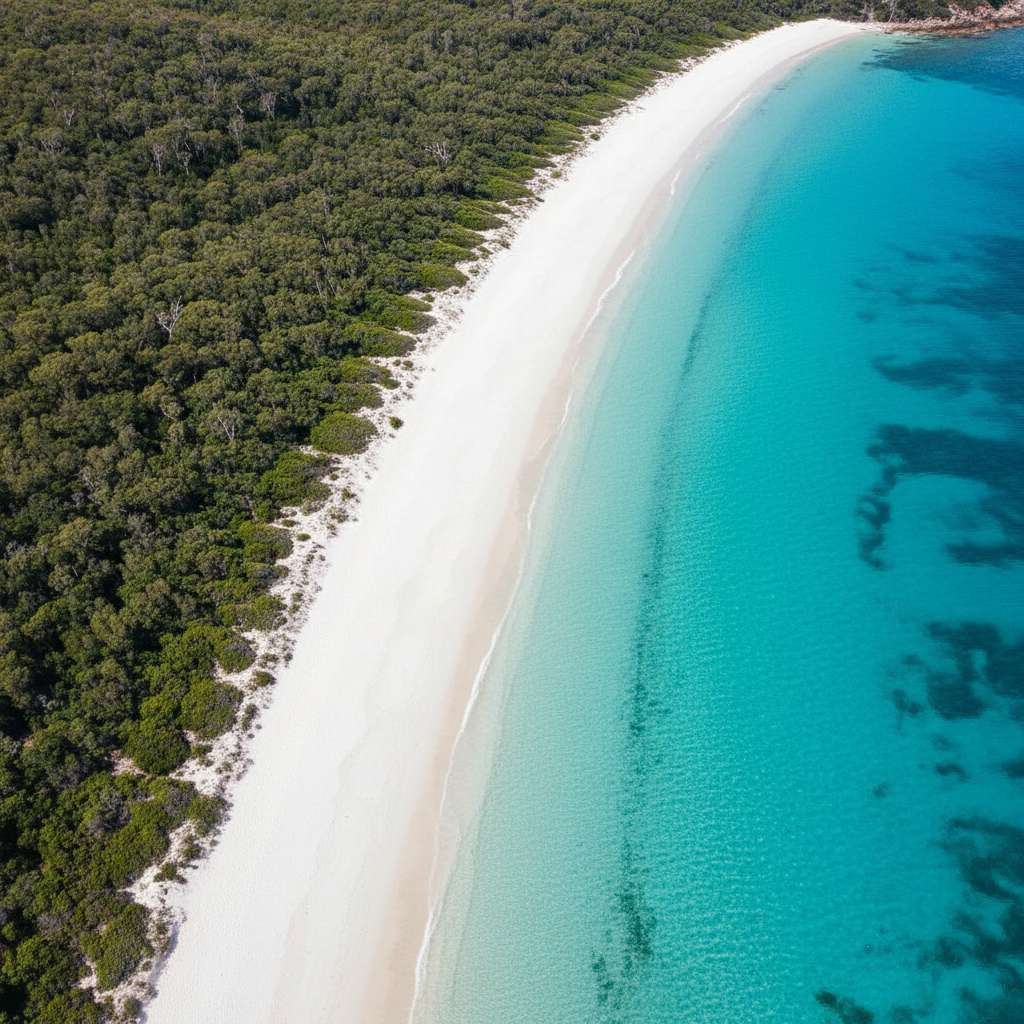
Langford Island sits in the heart of the Whitsundays, offering one of the most spectacular sand spits in Queensland. This tiny coral cay transforms throughout the day as tides reveal and conceal its famous sandbar, creating a natural runway into crystal-clear waters perfect for snorkelling and swimming. Located just 7 nautical miles from Hamilton Island and 12 nautical miles from Airlie Beach, Langford Island delivers the quintessential tropical paradise experience that makes the Whitsundays world-famous.
Where exactly is Langford Island located in the Whitsundays?
Langford Island is positioned at coordinates 20°17'S, 148°57'E, situated between Hamilton Island and Hook Island in the central Whitsunday Passage. The island lies approximately 12 nautical miles northeast of Airlie Beach and 7 nautical miles northwest of Hamilton Island, making it easily accessible from both major departure points.
This small coral cay measures roughly 200 metres in length and sits within the Whitsunday Islands National Park. The island's most distinctive feature is its ever-changing sand spit that extends into the surrounding reef lagoon, creating different configurations depending on tidal conditions. At low tide, the sandbar can extend up to 150 metres from the main island, while at high tide it may be completely submerged.
The island sits on the western edge of Langford Reef, a large coral bommie system that provides excellent protection from prevailing southeast trade winds. This sheltered location makes Langford Island waters typically calm and ideal for swimming and snorkelling, even when other exposed areas of the Whitsundays experience choppy conditions.
How do you get to Langford Island from Airlie Beach?
Access to Langford Island is exclusively by boat, helicopter, or seaplane, with journey times ranging from 45 minutes to 2 hours depending on your chosen vessel and departure point from Airlie Beach.
Most visitors reach Langford Island via day tours departing from Abel Point Marina or Shute Harbour in Airlie Beach. High-speed catamarans typically take 45-60 minutes to reach the island, while sailing vessels require 1.5-2 hours depending on wind conditions. Tour operators commonly include Langford Island as part of multi-stop itineraries that also visit other premier snorkelling locations throughout the Whitsundays.
Private charter options offer more flexibility, with motor yachts covering the 12-nautical-mile journey in 45-90 minutes depending on vessel speed and sea conditions. Helicopter transfers from Airlie Beach take approximately 15 minutes and provide spectacular aerial views of the island's sand spit formation.
For visitors staying on Hamilton Island, the journey is considerably shorter at just 7 nautical miles, typically taking 30-45 minutes by boat. Several Hamilton Island-based operators offer specific Langford Island excursions, making it an easy day trip option.
What activities can you do at Langford Island?
Langford Island offers exceptional snorkelling, swimming, beach walking, and photography opportunities, with the surrounding reef system supporting diverse marine life including turtles, rays, and tropical fish species in pristine coral gardens.
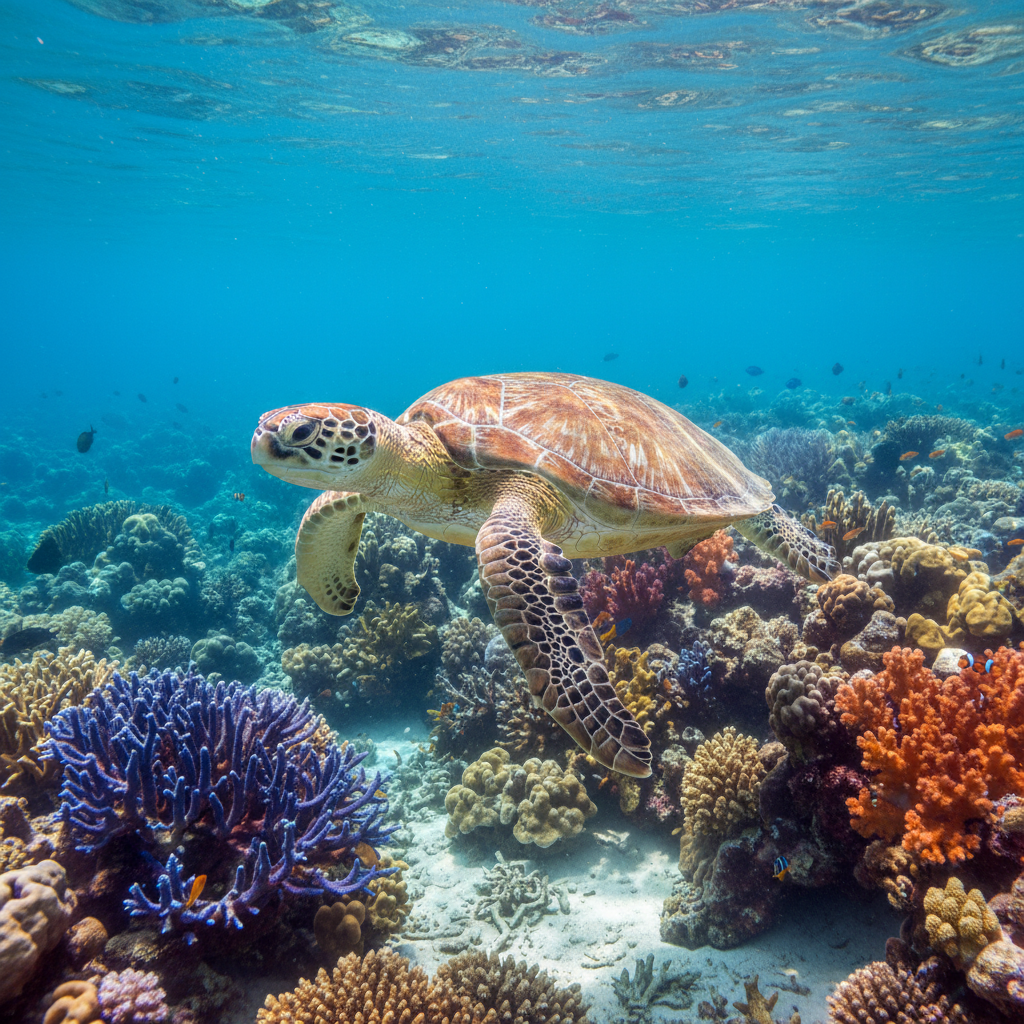
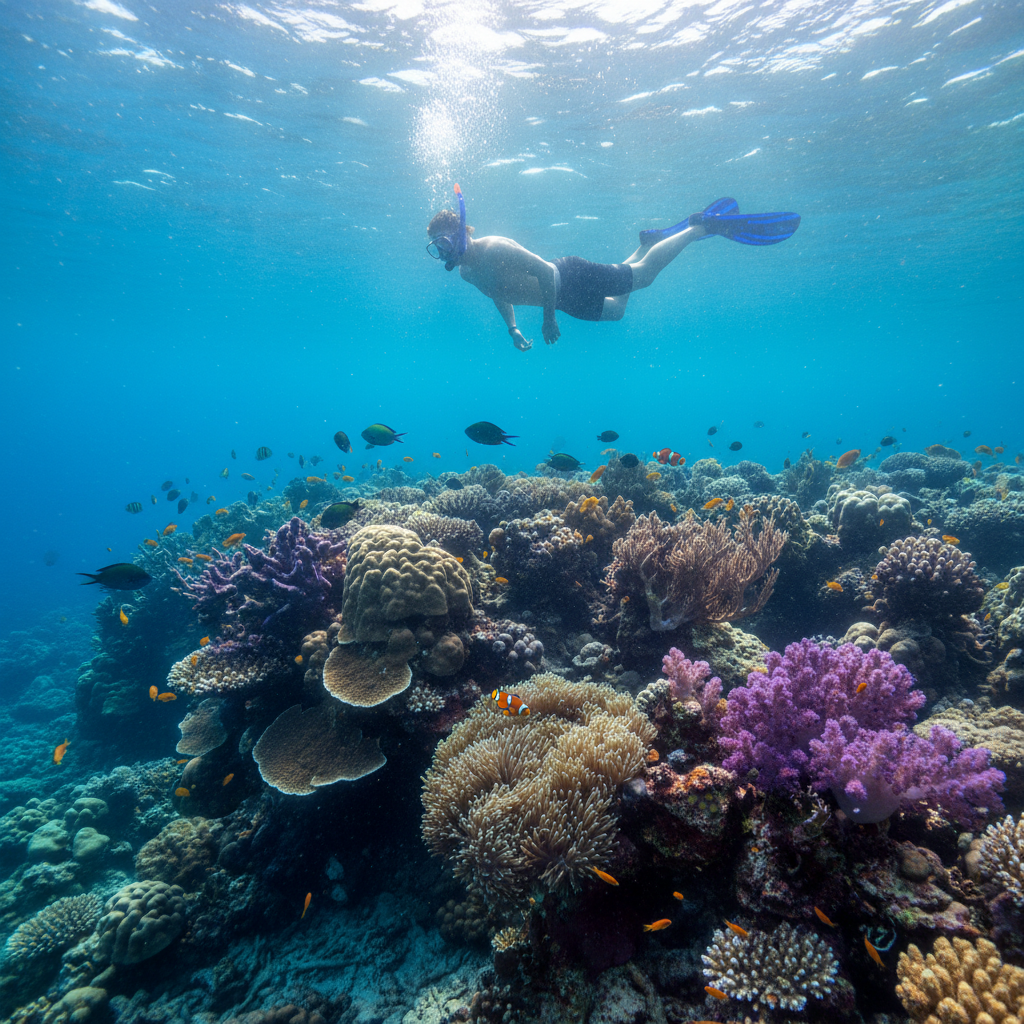
The island's primary attraction is snorkelling around Langford Reef, which encircles the island with coral formations in 2-8 metres of water. The reef supports over 200 species of tropical fish, including parrotfish, angelfish, butterflyfish, and wrasse. Green sea turtles and hawksbill turtles frequently graze on the seagrass beds adjacent to the reef, while stingrays often rest in the sandy channels between coral bommies.
The famous sand spit provides excellent swimming conditions, with calm, clear water typically reaching 26-28°C year-round. The sandbar creates natural swimming pools at various tide levels, offering safe areas for non-confident swimmers and children. Beach combing along the sand spit often reveals shells, coral fragments, and occasionally sea glass.
Photography opportunities abound, particularly aerial shots of the sand spit's changing formation and underwater photography in the surrounding reef. The island's small size makes it perfect for 360-degree panoramic shots capturing the entire Whitsunday seascape. Drone photography is permitted with appropriate licenses and adherence to national park regulations.
When is the best time to visit Langford Island?
The optimal time to visit Langford Island is during the dry season from May to October, when southeast trade winds are lighter and visibility underwater reaches 20-25 metres with minimal rainfall and stable weather patterns.
Water temperature remains comfortable year-round, ranging from 22°C in winter (July-August) to 29°C in summer (December-February). However, the wet season (November-April) brings increased rainfall, stronger winds, and reduced underwater visibility, sometimes dropping to 10-15 metres due to runoff and plankton blooms.
Tidal considerations significantly impact the Langford Island experience. Low tide reveals the maximum extent of the sand spit, creating the most dramatic visual effect and largest beach area. High tide covers portions of the sandbar but provides easier access for snorkelling directly from the beach. Most tour operators time visits to coincide with mid-to-low tide periods for optimal sandbar exposure.
Stinger season (November-May) requires protective clothing while swimming, though most tour operators provide stinger suits. Wind conditions are generally calmest in the morning, making early departures preferable for comfortable boat travel and clearer underwater visibility.
Which tours include Langford Island in their itinerary?
Multiple Whitsundays day tours feature Langford Island, including full-day reef and island combinations, snorkel-focused trips, and scenic helicopter tours, with prices ranging from $180-$450 per person depending on vessel type and inclusions.
Full-day catamaran tours commonly combine Langford Island with Whitehaven Beach, creating comprehensive Whitsundays experiences. These tours typically depart Airlie Beach at 8:00 AM, spend 1.5-2 hours at Langford Island for snorkelling and beach time, then continue to Whitehaven Beach for lunch and relaxation. Prices range from $180-$250 per person including equipment, lunch, and transfers.
Dedicated snorkel tours focus specifically on reef locations including Langford Island, Border Island, and Blue Pearl Bay. These smaller group tours (maximum 20-30 passengers) provide extended snorkel time and expert marine life interpretation, typically costing $220-$280 per person with professional snorkel equipment included.
Sailing tours offer a more relaxed approach, with overnight and day sailing options that may anchor at Langford Island for extended periods. Multi-day sailing adventures allow flexibility to visit the island at optimal tide times and often include sunset viewing from the sandbar.
Helicopter and seaplane scenic flights provide aerial perspectives of Langford Island's distinctive sand spit formation, with 30-60 minute flights ranging from $300-$600 per person. Some helicopter tours include beach landings for snorkelling and exploration.
What facilities are available at Langford Island?
Langford Island has no permanent facilities, freshwater, toilets, or shade structures, requiring visitors to bring all supplies including water, food, sun protection, and waste management as per national park regulations.
The island operates under Whitsunday Islands National Park management, meaning no development or permanent infrastructure exists. All tour operators must carry portable facilities and remove all waste. Day tour participants should expect basic beach facilities only - the sand spit itself and surrounding waters.
Natural shade is extremely limited, consisting only of occasional pieces of driftwood or small vegetation on the main island portion. The sand spit itself offers zero natural shade, making sun protection essential. Most tour operators provide shade umbrellas or pop-up shelters, but these depend on wind conditions for effective use.
Fresh water is not available on the island, so adequate hydration supplies are critical, particularly during warmer months. Tour operators typically provide drinking water, but independent visitors must carry sufficient supplies for their entire stay. The nearest facilities are at Hamilton Island Resort (7 nautical miles) or back at Airlie Beach (12 nautical miles).
Mobile phone coverage is generally good from Telstra and Optus networks due to proximity to Hamilton Island towers, but Vodafone coverage may be limited or absent.
What are the best photography spots at Langford Island?
The sand spit's northern tip offers the most iconic photography angle, capturing the sandbar's full extension into turquoise waters with surrounding islands as backdrop, best shot during mid-morning for optimal lighting conditions.
Aerial photography produces the most dramatic results, whether from helicopter, drone (with permits), or elevated positions on nearby tour vessels. The contrast between the white sand spit, turquoise shallow waters, and deeper blue ocean creates striking compositions. The sand spit's shape changes throughout the day, offering different photographic opportunities as tides shift.
Underwater photography thrives around the reef's eastern and northern sides, where coral diversity is highest and marine life most abundant. Early morning offers the best underwater visibility before increased boat traffic stirs sediment. Macro photography opportunities include cleaning stations where fish gather and coral formations rich in smaller marine life.
Sunset photography works well from the western side of the island, with Hamilton Island and the mainland ranges providing dramatic silhouettes. However, most day tours depart before sunset, making this opportunity available primarily to overnight sailing or charter guests.
For smartphone photography, polarizing filters significantly improve water clarity and colour saturation. The island's compact size allows for panoramic shots encompassing the entire formation from elevated positions on tour vessels during approach and departure.
What marine life can you expect to see at Langford Reef?
Langford Reef supports over 200 fish species, regular turtle sightings, stingrays, and pristine hard coral formations, with visibility typically ranging from 15-25 metres depending on season and weather conditions for optimal marine life viewing.
Green sea turtles are commonly encountered grazing on seagrass beds adjacent to the reef, particularly in the morning hours when they're most active. Hawksbill turtles also frequent the area, though less predictably than greens. Turtle encounters occur year-round, with slightly higher activity during warmer months (October-April).
The reef structure includes plate corals, staghorn corals, brain corals, and numerous soft coral species creating diverse habitats. Fish species commonly observed include Maori wrasse, parrotfish, angelfish, butterflyfish, damselfish, and various species of rays including blue-spotted stingrays and occasional eagle rays in deeper water.
Cleaning stations throughout the reef attract larger fish species seeking parasite removal from smaller cleaner fish. These areas often provide the best opportunities for observing fish behavior and larger species interactions. The reef's relatively shallow depth (2-8 metres) makes marine life easily observable for snorkellers of all experience levels.
Seasonal variations affect marine life activity, with warmer months bringing increased fish activity and spawning behaviors, while cooler months often provide better visibility and more comfortable snorkelling conditions. The reef's sheltered location protects it from strong currents, maintaining stable conditions for marine life year-round.
How should you prepare for a visit to Langford Island?
Essential preparation includes reef-safe sunscreen, protective swimming gear, adequate hydration, and appropriate footwear for walking on sand and coral rubble, with most tour operators providing snorkeling equipment and basic safety briefings.
Sun protection is critical due to minimal natural shade and reflected sunlight from white sand and water. SPF 50+ reef-safe sunscreen should be applied generously and reapplied frequently. Long-sleeved rashguards, wide-brimmed hats, and sunglasses provide additional protection. During stinger season (November-May), full-body stinger suits are essential and typically provided by tour operators.
Footwear considerations include reef shoes or aqua shoes for protection from coral, shells, and potential stonefish while walking in shallow water. The sand spit itself is soft white sand safe for barefoot walking, but the transition areas and reef edges require foot protection.
Snorkelling preparation should include basic swimming ability and comfort in open water. While the reef offers shallow areas suitable for beginners, stronger swimmers can explore deeper sections and coral formations. Tour operators provide masks, snorkels, fins, and flotation devices, but personal equipment ensures better fit and comfort.
Photography equipment should be waterproof or housed in appropriate cases. Many visitors use action cameras or waterproof phone cases for underwater shots, while professional underwater photography requires dedicated equipment and experience.
Ready to experience the magic of Langford Island and its pristine sand spit? Whether you're drawn to the exceptional snorkelling opportunities or simply want to relax on one of the Whitsundays' most photogenic beaches, Airlie to Whitehaven makes booking your perfect island adventure effortless. Browse our carefully selected tours that include Langford Island, read genuine reviews from fellow travelers, and secure your spot on this unforgettable tropical experience with confidence.