The crystal-clear waters around the Whitsundays offer some of Australia's most spectacular kayaking and paddleboarding experiences. From protected bays perfect for beginners to challenging open-water adventures for experienced paddlers, these 74 tropical islands provide endless opportunities to explore at your own pace. Whether you're gliding through turquoise lagoons, discovering hidden beaches, or paddling alongside marine life, the Whitsundays delivers unforgettable water-based adventures.
Where are the best kayaking spots in the Whitsundays?
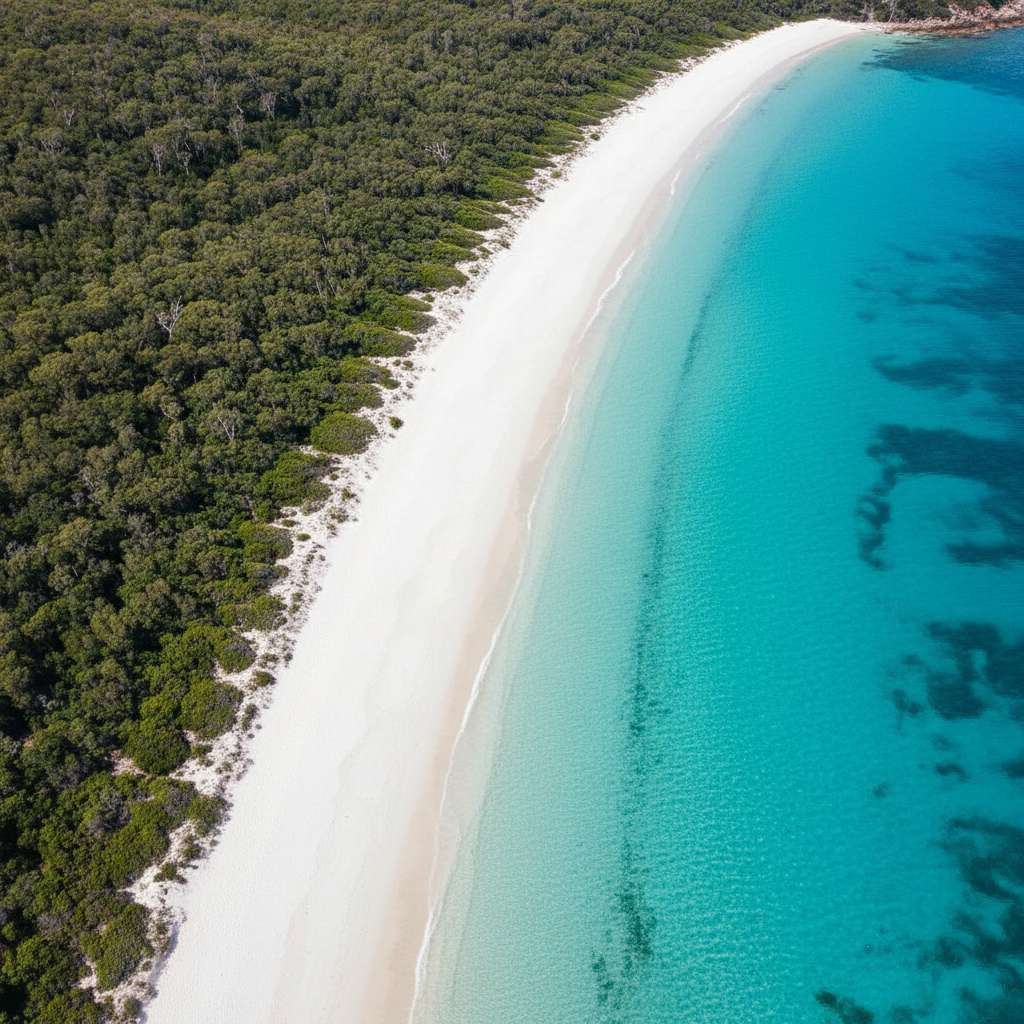
The best kayaking spots include Whitehaven Beach's Hill Inlet (protected waters, perfect for beginners), Catseye Beach on Hamilton Island (calm conditions year-round), Airlie Beach Lagoon (ideal for practice), and Tongue Bay on Whitsunday Island (experienced paddlers only due to open-water conditions).
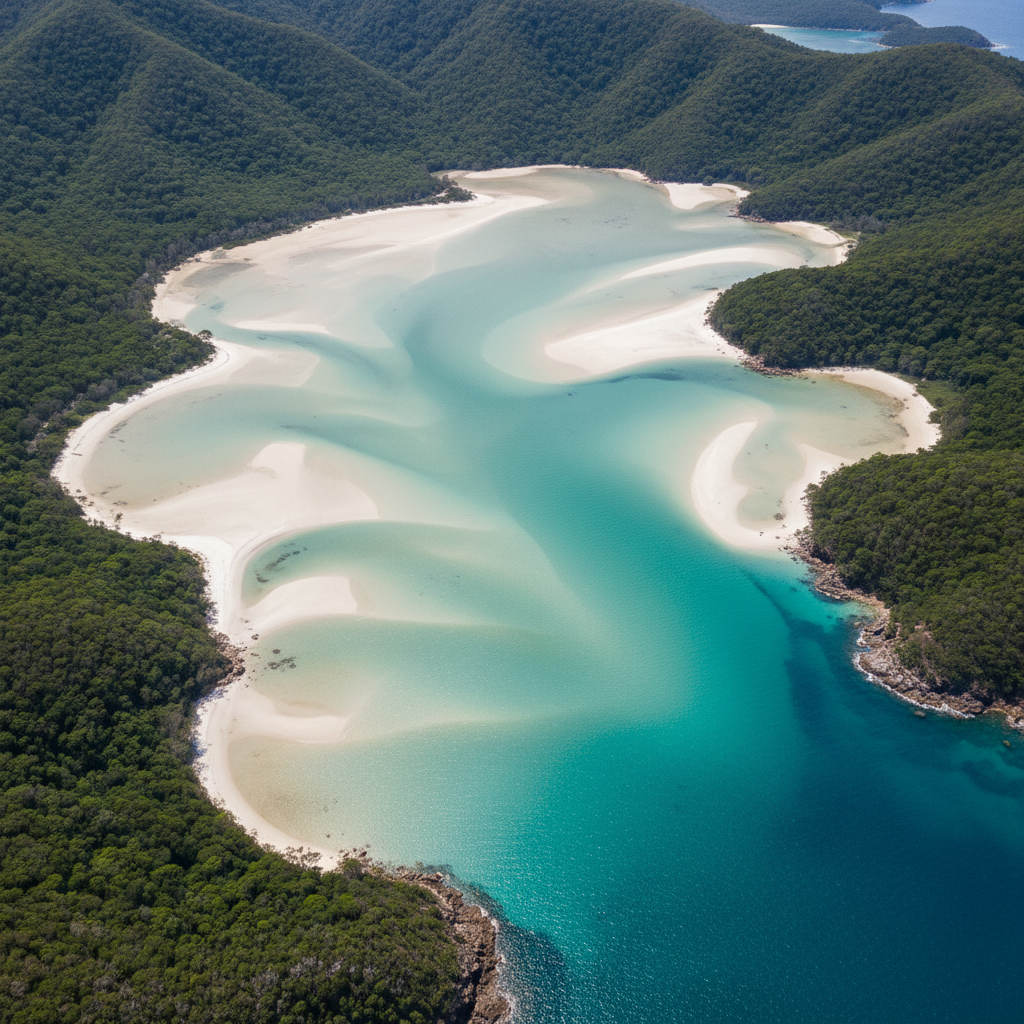
Hill Inlet at Whitehaven Beach stands out as the crown jewel for kayaking. The shallow, protected waters create perfect conditions for paddlers of all skill levels, while the swirling sands and turquoise colours provide a backdrop that's simply breathtaking. The inlet's depth ranges from 0.5 to 3 metres, making it safe for beginners while still offering enough space for experienced kayakers to explore.
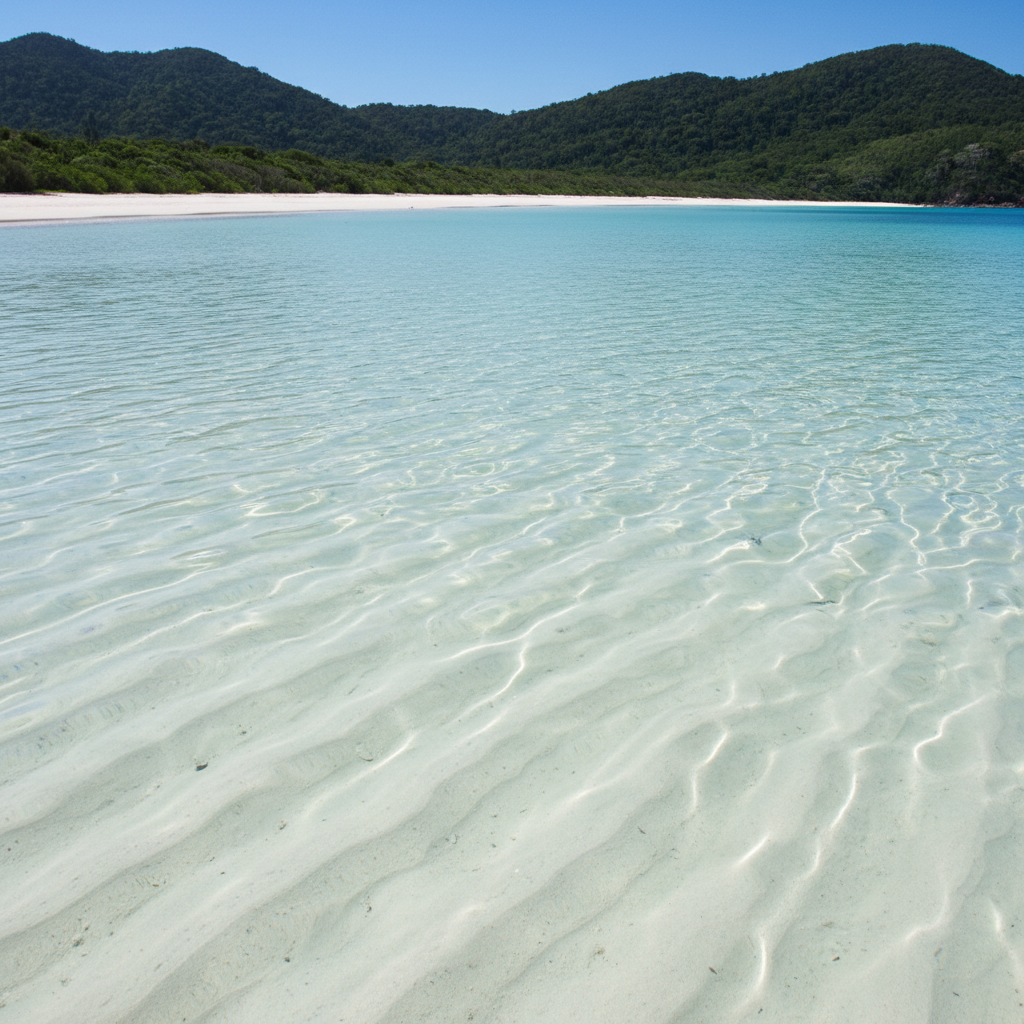
Catseye Beach on Hamilton Island offers another exceptional kayaking destination. The beach's western orientation provides natural protection from the prevailing southeast trade winds, creating consistently calm conditions. The water temperature here averages 24°C in winter and 28°C in summer, making it comfortable for extended paddling sessions without wetsuits.
For those staying in Airlie Beach, the town's artificial lagoon serves as an excellent practice area. While not technically part of the island experience, this 4,800 square metre saltwater pool allows beginners to build confidence before venturing into open waters. It's also a great spot for SUP yoga sessions.
Tongue Bay on Whitsunday Island challenges experienced paddlers with its open-water conditions. The bay's exposure to ocean swells and potential for strong currents makes it suitable only for confident kayakers. However, the rewards include access to pristine beaches and excellent snorkelling spots with minimal crowds.
What types of kayaking tours are available in the Whitsundays?
Tour options include half-day guided paddles (4-5 hours, $145-185), full-day island-hopping adventures (8 hours, $220-280), multi-day camping expeditions (2-7 days, $350-1,200), and specialized wildlife tours focusing on turtle and dugong spotting in protected marine areas.
Half-day tours typically depart from Abel Point Marina at 8:30 AM or 1:00 PM, covering 8-12 kilometres of paddling with stops for swimming and snorkelling. These tours suit most fitness levels and include all equipment, safety briefings, and often morning tea or afternoon refreshments.
Full-day adventures combine kayaking with other activities like bushwalking to Hill Inlet Lookout or extended snorkelling sessions. Most include lunch on a secluded beach and cover 15-20 kilometres of paddling across multiple locations.
Multi-day camping expeditions offer the ultimate Whitsundays kayaking experience. These tours typically visit 3-5 different islands, with nights spent camping on designated beaches. Participants paddle 20-35 kilometres daily, depending on weather conditions and group fitness levels. All camping equipment, meals, and safety gear are provided, though participants need to bring personal items and clothing.
Wildlife-focused tours concentrate on areas known for marine life encounters, particularly around the northern islands where dugongs feed in seagrass beds. These specialized tours often use sit-on-top kayaks for easier wildlife viewing and may include hydrophones for listening to whale songs during migration season (June to September).
Can beginners safely kayak in the Whitsundays?
Yes, beginners can safely kayak with proper instruction and suitable conditions. Most tour operators provide comprehensive safety briefings, use stable sit-on-top kayaks, and choose protected areas like Hill Inlet where maximum wave heights rarely exceed 0.5 metres during calm weather periods.
Tour operators prioritise beginner safety through several measures. All participants receive 30-45 minute safety briefings covering paddle techniques, rescue procedures, and marine hazard awareness. Tours use double kayaks (tandem) for nervous beginners, pairing them with experienced paddlers or guides.
Weather monitoring plays a crucial role in beginner safety. Tours cancel or relocate when wind speeds exceed 15 knots or wave heights reach 1 metre. Most operators maintain real-time weather monitoring equipment and communicate with marine safety authorities before each departure.
Equipment standards ensure beginner safety. All kayaks meet Australian Maritime Safety Authority requirements, featuring sealed storage compartments, safety grab lines, and high-visibility colours. Life jackets are mandatory and properly fitted to each participant's weight and size.
Guide-to-participant ratios never exceed 1:8 for beginners, with most operators maintaining 1:6 ratios. Guides hold current first aid certificates, bronze medallion qualifications, and specific training in open-water rescue techniques.
What's the difference between kayaking and paddleboarding in the Whitsundays?
Kayaking offers greater stability and distance capability, ideal for exploring multiple locations and carrying gear. Paddleboarding provides a full-body workout and better wildlife viewing but requires more balance and is limited to shorter distances in calmer conditions.
Kayaks excel in versatility and comfort for longer journeys. The seated position reduces fatigue, allowing paddlers to cover 15-25 kilometres comfortably in a day. Storage compartments accommodate snorkelling gear, lunch, and personal items, making them perfect for island-hopping adventures.
Stand-up paddleboards (SUPs) offer unique advantages for wildlife encounters. The elevated position provides superior visibility for spotting turtles, rays, and fish in shallow waters. The quiet approach of SUP paddling causes less disturbance to marine life compared to kayaks.
Weather tolerance differs significantly between the two activities. Kayaks handle wind and small waves more effectively, operating safely in conditions up to 20 knots. SUP boards become challenging in winds exceeding 10-12 knots, limiting optimal conditions to early morning and late afternoon periods.
Physical demands vary considerably. Kayaking primarily uses upper body and core muscles, while SUP boarding engages the entire body for balance and propulsion. First-time SUP users typically need 30-45 minutes to develop basic balance, whereas kayak paddling can be learned in 10-15 minutes.
Cost differences reflect equipment complexity. SUP hire rates range from $40-60 per day, while single kayaks cost $60-80 daily. Guided SUP tours typically cost $80-120 for half-day experiences, compared to $145-185 for equivalent kayak tours due to the additional safety requirements in open water.
When are the best conditions for paddling in the Whitsundays?
Optimal paddling conditions occur during the dry season (April to November) with consistent southeast trade winds of 5-15 knots, calm morning waters before 10 AM, and minimal rainfall. Avoid December to March due to higher winds, regular storms, and stinger season requirements.
Morning sessions between 6:30 and 10:30 AM provide the calmest conditions year-round. During this period, thermal winds haven't developed, and overnight cooling creates glassy water surfaces ideal for photography and wildlife viewing. Afternoon conditions become more challenging as trade winds strengthen, typically peaking between 2-4 PM.
Seasonal variations significantly impact paddling conditions. The dry season (April-November) offers consistent weather patterns with average wind speeds of 10-15 knots and minimal rainfall. Water temperatures remain comfortable at 22-26°C, eliminating the need for wetsuits.
The wet season (December-March) presents multiple challenges including higher wind speeds (often 20+ knots), frequent afternoon thunderstorms, and the presence of potentially dangerous marine stingers. However, experienced paddlers can find excellent conditions during brief weather windows, particularly in early morning periods.
Tidal considerations affect certain locations more than others. Hill Inlet experiences significant tidal movement (up to 4 metres), creating strong currents during tide changes. Low tide exposes sand bars and shallow areas, while high tide provides access to hidden channels and lagoons.
What wildlife might you encounter while kayaking?
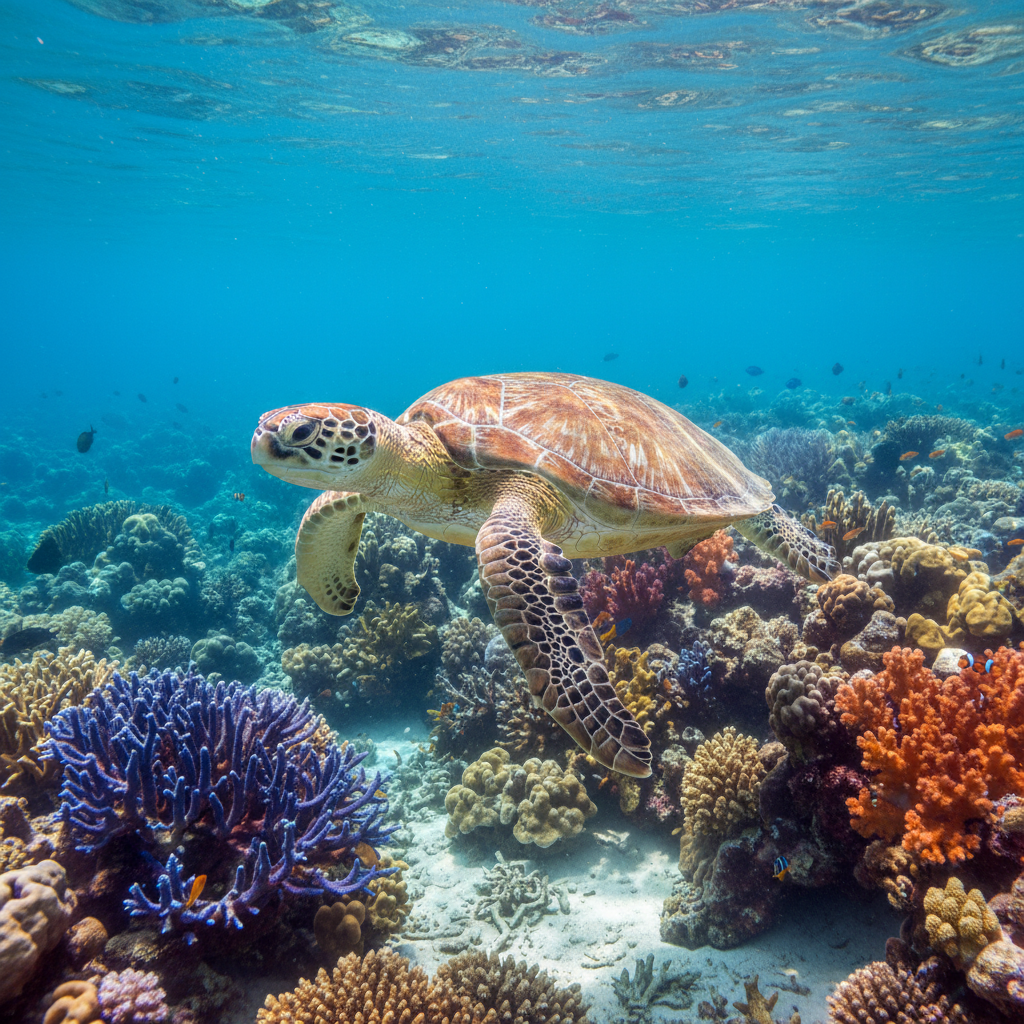
Common wildlife includes green sea turtles (year-round in shallow bays), tropical fish species like parrotfish and angelfish, stingrays in sandy areas, humpback whales during migration (June-September), and various seabirds including white-bellied sea eagles and rainbow lorikeets.
Sea turtles represent the most reliable wildlife encounter. Green turtles feed on seagrass beds throughout the Whitsundays, with highest concentrations around Tongue Bay, Catseye Beach, and the northern shores of Hook Island. These gentle creatures often surface near kayaks, particularly in early morning when water disturbance is minimal.
The coral reefs surrounding the islands host diverse fish populations. Paddlers frequently observe schools of sergeant major damselfish, bright yellow butterflyfish, and large Maori wrasse in deeper waters near reef edges. Coral trout and red emperor occasionally appear in channels between islands.
Ray encounters occur regularly in sandy bay areas. Both stingrays and shovel-nose rays prefer shallow, sandy bottoms where they hunt for small crustaceans. These encounters are generally safe, as rays typically move away when approached slowly and quietly.
Seasonal whale watching opportunities peak between July and September when humpback whales migrate through the region. While maintaining required 300-metre distances, kayakers often hear whale songs and observe distant breaching behaviour. Some operators offer specialized whale-watching kayak tours during peak migration periods.
Birdlife varies by habitat and season. Coastal areas host white-bellied sea eagles, ospreys, and various tern species. Island interiors support rainbow lorikeets, sulphur-crested cockatoos, and honeyeaters. Early morning and late afternoon provide optimal bird watching opportunities when species are most active.
How much does kayaking equipment hire cost?
Single kayak hire ranges from $60-80 per day, double kayaks cost $90-120 daily, and SUP boards rent for $40-60. Weekly rates offer 20-30% discounts. Premium operators include safety equipment, dry bags, and basic instruction in their hire rates.
Half-day rates (4 hours) typically cost 60-70% of full-day prices, making them economical for shorter adventures. Most hire companies operate from Abel Point Marina and Shute Harbour, with some Hamilton Island operators offering delivery services to accommodation for an additional $20-30 fee.
Additional equipment costs include life jackets ($10-15 daily if not included), waterproof phone cases ($5-8), and snorkelling gear packages ($15-25). Many operators bundle these items at discounted rates, particularly for multi-day hires.
Security deposits range from $200-500, typically held on credit cards and released upon safe return of equipment. Some operators offer damage waiver insurance for $10-20 daily, reducing excess liability to $100-200.
Guided tour packages often provide better value than independent hire for beginners. Half-day guided experiences include equipment, instruction, and safety support for $145-185 compared to $60-80 for equipment hire alone, plus the added value of local knowledge and safety oversight.
Multi-day packages offer significant savings. Three-day kayak hire typically costs $150-200 compared to $240-360 at daily rates. Seven-day packages range from $300-450, representing savings of 30-40% over daily pricing.
What safety equipment is required for paddling?
Mandatory safety equipment includes properly fitted life jackets (Type 1 or 2), distress beacons or emergency whistles, and communication devices for groups venturing beyond 2 nautical miles. Additional recommended gear includes sun protection, first aid supplies, and emergency food and water.
Life jacket regulations require all paddlers to wear approved flotation devices when more than 400 metres from shore. Type 1 life jackets provide superior flotation (150+ newtons) and self-righting capabilities, while Type 2 jackets (70+ newtons) suit confident swimmers in protected waters.
Communication equipment becomes crucial for safety in remote areas. Most tour operators carry marine VHF radios, satellite phones, or emergency position indicating radio beacons (EPIRBs) for groups travelling beyond cellular coverage. Personal locator beacons (PLBs) provide additional security for independent paddlers.
Sun protection requirements in tropical conditions include broad-spectrum sunscreen (SPF 30+), protective clothing, and wide-brimmed hats. The combination of direct sunlight and water reflection can cause severe sunburn within 30 minutes during peak UV periods (10 AM to 3 PM).
Navigation equipment helps prevent disorientation in island environments where landmarks appear similar. Waterproof maps, compasses, or GPS devices provide backup navigation capability if weather conditions deteriorate or paddlers become separated from guides.
Emergency supplies for day trips should include extra water (1 litre per person minimum), high-energy snacks, basic first aid supplies, and emergency shelter materials. Multi-day expeditions require comprehensive emergency kits including signalling devices, repair materials, and extended food supplies.
Experience the magic of paddling through the Whitsundays' pristine waters with confidence and ease. Whether you're seeking a gentle introduction to kayaking or an epic multi-day adventure, our carefully selected tour operators ensure your safety while delivering unforgettable experiences. From guided wildlife encounters to equipment hire for independent exploration, Airlie to Whitehaven connects you with the Whitsundays' premier paddling experiences. Browse our comprehensive tour options and discover why these tropical waters provide Australia's ultimate kayaking and paddleboarding destination. Book your aquatic adventure today and create memories that will last a lifetime in this UNESCO World Heritage marine paradise.