If you're craving an adrenaline rush in the Whitsundays, jet boat rides in Airlie Beach deliver pure, high-octane excitement that'll leave your heart pounding and your clothes soaked. These purpose-built speed machines combine raw power with acrobatic manoeuvres, creating an unforgettable aquatic thrill ride through the pristine waters of Pioneer Bay and beyond. Unlike conventional boat tours, jet boats are designed for one thing: maximum excitement through high-speed spins, sudden stops, and gravity-defying turns that showcase both the stunning Whitsunday scenery and the captain's daredevil skills.
What exactly happens during a jet boat ride in Airlie Beach?
Jet boat rides feature high-speed navigation, 360-degree spins, sudden stops, and sharp turns while travelling at speeds up to 80km/h through Airlie Beach waters, combining thrills with scenic coastal views over approximately 30-45 minutes of pure adrenaline-fueled excitement.
Your jet boat adventure begins at Abel Point Marina, where you'll board a sleek, purpose-built vessel equipped with powerful jet propulsion systems. These boats can accelerate from 0 to 80 kilometres per hour in just seconds, thanks to their lightweight design and high-performance engines that draw water through an intake and expel it at tremendous pressure.
The signature move of any jet boat experience is the famous 360-degree spin. Your skilled captain will suddenly cut the wheel, sending the boat into a full rotation while maintaining forward momentum. The centrifugal force pins you to your seat as water sprays dramatically around the vessel. These spins often happen without warning, adding to the excitement and ensuring genuine surprise reactions.
Between the high-speed manoeuvres, you'll race past Airlie Beach's waterfront, around Cannonvale Beach, and through the channel towards the outer islands. The contrast between moments of intense acceleration and periods of scenic cruising creates a perfect balance of thrills and sightseeing. Many operators also include beach stops or snorkelling opportunities, transforming your adrenaline adventure into a multi-faceted Whitsundays experience.
How fast do jet boats go in Airlie Beach waters?
Jet boats in Airlie Beach typically reach speeds of 60-80 kilometres per hour, with some high-performance vessels capable of exceeding 90km/h during straight-line runs across Pioneer Bay's open waters before executing dramatic high-speed turns and spins.
The speed varies depending on water conditions, weather, and the specific manoeuvre being performed. During acceleration phases, you'll experience the full power of the jet propulsion system as the boat launches forward with incredible force. The shallow draft design allows these vessels to operate in areas where traditional propeller boats cannot venture, meaning you can experience high speeds even in relatively shallow coastal waters.
Speed alone isn't what creates the thrill – it's the sudden changes in direction and momentum. A jet boat travelling at 70km/h can execute a complete 180-degree turn in just a few boat lengths, creating G-forces that rival theme park rides. The combination of speed and manoeuvrability makes jet boats uniquely exciting compared to other adrenaline activities available in the region.
Water conditions significantly impact maximum speeds. On calm days with minimal wind, operators can safely reach top speeds and perform more aggressive manoeuvres. During rougher conditions, speeds are moderated to ensure passenger safety while still delivering an exciting experience. Professional captains are trained to read water conditions and adjust the ride intensity accordingly.
What should I wear on a jet boat ride?
Wear quick-dry clothes, secure footwear, and bring a waterproof bag for valuables. Operators provide safety equipment and waterproof jackets, but expect to get wet from spray and splashes during high-speed manoeuvres and spins throughout the experience.
Clothing choice is crucial for comfort during your ride. Avoid cotton materials that stay wet and heavy – instead, opt for synthetic fabrics or swimwear that dries quickly. Many passengers wear board shorts or quick-dry pants with a rashguard or synthetic t-shirt. Thongs or sandals that can easily slip off are not recommended; instead, wear sneakers with good grip or water shoes that will stay secure during sudden movements.
Most operators provide waterproof jackets and safety equipment, including life jackets that are mandatory for all passengers. However, these jackets won't keep you completely dry – they're designed for safety first, protection from spray second. The waterproof jackets help reduce the initial shock of cold water but expect some water to find its way inside during particularly aggressive spins.
Protect your valuables by bringing a waterproof bag or case for your phone, wallet, and keys. Many jet boat operators provide waterproof storage areas, but securing your own items gives extra peace of mind. Sunglasses with a secure strap are highly recommended, as regular glasses can easily be lost during sudden manoeuvres. Apply waterproof sunscreen generously, as the combination of water spray and Queensland sun can lead to unexpected burns.
How much do jet boat rides cost in Airlie Beach?
Jet boat ride prices in Airlie Beach range from $65-120 AUD per adult for 30-45 minute experiences, with premium tours including snorkelling or beach visits costing $150-250 AUD, while children typically receive 20-30% discounts on adult pricing.
Basic thrill rides focusing purely on high-speed excitement and spins typically cost between $65-85 AUD per adult for a 30-minute experience. These tours concentrate on maximum adrenaline with minimal stops, perfect for visitors seeking pure excitement without additional activities.
Extended jet boat adventures that combine thrills with snorkelling, beach visits, or reef exploration cost $120-180 AUD per adult for 2-3 hour experiences. These tours often include equipment, light refreshments, and multiple stops, offering better value for visitors wanting a comprehensive day out rather than just the adrenaline rush.
Premium jet boat experiences that include helicopter transfers, private vessel hire, or exclusive small-group tours can cost $250-500 AUD per person. These high-end options often feature luxury amenities, gourmet catering, and personalised itineraries that combine jet boat thrills with other Whitsundays highlights.
Children's pricing typically represents a 20-30% discount from adult rates, with most operators accepting children from 4-6 years old depending on the specific tour's intensity level. Family packages and group discounts are commonly available, making jet boat rides an accessible option for various budgets when exploring things to do in Airlie Beach.
Are jet boat rides safe for children and older adults?
Jet boat rides are generally safe for children 4+ and healthy older adults, with professional captains adjusting intensity based on passenger demographics, though pregnant women and people with back problems should avoid due to sudden jarring movements.
Age restrictions vary by operator, but most accept children from 4-6 years old for standard tours. Children must be able to sit independently and follow safety instructions. Many operators offer family-friendly versions with reduced speed and gentler manoeuvres, ensuring younger passengers enjoy the experience without excessive intensity. Life jackets in children's sizes are always provided and mandatory.
Older adults in good health regularly enjoy jet boat rides, though the sudden stops and direction changes can be jarring. Passengers with back problems, neck injuries, heart conditions, or recent surgeries should consult their doctor before booking. The physical demands are similar to riding a roller coaster – if you can handle theme park rides, you'll likely manage a jet boat experience comfortably.
Pregnant women are generally advised against jet boat rides due to the unpredictable movements and potential for sudden jolts. The combination of high speeds and sharp turns creates forces that could be uncomfortable or potentially harmful during pregnancy. Most operators have clear policies excluding pregnant passengers for safety reasons.
Professional captains are trained in safety protocols and constantly assess passenger comfort during rides. They can moderate the experience based on the group's demographics, reducing speed and intensity when carrying younger children or older adults while still delivering excitement appropriate for the passenger mix.
What's the difference between jet boats and regular speedboats?
Jet boats use water jet propulsion instead of propellers, enabling operation in shallow waters, instant direction changes, and signature 360-degree spins impossible with traditional speedboats, while offering superior manoeuvrability and acceleration in confined spaces like harbours.
The fundamental difference lies in propulsion systems. Traditional speedboats use external propellers that require minimum water depth and can be damaged by shallow reefs or debris. Jet boats draw water into an internal impeller system and expel it through a directional nozzle, eliminating external moving parts and allowing operation in water as shallow as 10 centimetres.
This design difference creates dramatically different capabilities. Jet boats can stop almost instantly by reversing the water jet direction, while traditional boats require distance to slow down due to propeller momentum. The jet system also enables the famous 360-degree spins that define the jet boat experience – impossible with conventional propeller systems due to steering limitations.
Acceleration characteristics also differ significantly. Jet boats achieve impressive acceleration rates because the entire engine power translates directly to water propulsion without the efficiency losses associated with propeller systems. This immediate power delivery creates the thrilling launch sensation that passengers experience during takeoff.
From a safety perspective, jet boats eliminate the propeller strike risk entirely, making them safer around swimmers and in areas with marine life. This safety advantage allows operators to venture closer to beaches and reefs while maintaining passenger safety, expanding the potential tour routes beyond what's possible with traditional speedboat designs.
When is the best time of year for jet boat rides?
The optimal period for jet boat rides is April to November during the dry season, offering calmer waters, minimal rainfall, and pleasant temperatures ranging 20-28°C, while avoiding the December-March wet season's rough seas and afternoon storms.
April through June represents peak conditions for jet boat adventures. Water temperatures remain warm from summer while air temperatures moderate to comfortable levels around 22-26°C. Southeast trade winds are typically gentle and consistent, creating ideal water conditions for high-speed manoeuvres without excessive chop or spray.
July through September brings the coolest and driest weather, with average temperatures of 20-25°C and minimal rainfall. While mornings can be slightly cool, the calm water conditions are perfect for jet boat operations. This period coincides with humpback whale migration, potentially adding whale sightings to your high-speed adventure.
October and November offer a sweet spot with warming temperatures, calm seas, and the shoulder season pricing advantages. Water visibility is often at its peak during these months, enhancing any snorkelling components included in extended jet boat tours.
The wet season (December-March) presents challenges for jet boat operations. Afternoon thunderstorms frequently disrupt tours, while higher winds create rougher water conditions that can make high-speed manoeuvres uncomfortable. However, this period offers the warmest water temperatures and occasional periods of perfect conditions between weather systems.
Can jet boats access areas other boats cannot reach?
Jet boats can navigate extremely shallow waters, tight channels, and reef areas inaccessible to propeller boats, reaching secluded beaches and hidden coves throughout the Whitsundays while maintaining high speeds in confined spaces traditional vessels cannot safely enter.
The shallow draft capability of jet boats opens access to numerous locations around Airlie Beach that remain off-limits to conventional vessels. These include the shallow waters behind Daydream Island, the narrow channels between smaller uninhabited islands, and beach approaches where traditional boats would risk propeller damage from sand or coral.
This accessibility advantage significantly expands potential tour routes and destinations. Jet boat operators can include stops at secluded beaches accessible only during high tide to other vessels, explore the shallow lagoons behind reef systems, and navigate the intricate waterways between mangrove areas that showcase the region's diverse marine ecosystems.
The ability to operate safely in shallow reef areas also creates unique snorkelling opportunities. Jet boats can position directly over coral formations in water too shallow for other tour vessels, providing access to pristine reef sections with minimal boat traffic and undisturbed marine life.
Rocky coastlines and cliff approaches that present anchoring challenges for traditional boats become accessible viewing platforms for jet boats. The precise manoeuvrability allows captains to position the vessel for optimal photo opportunities of dramatic rock formations, hidden beaches, and coastal wildlife without the anchoring requirements of larger vessels.
Do jet boat tours include stops for swimming or snorkelling?
Many jet boat tours include swimming and snorkelling stops at pristine locations like Blue Pearl Bay or secluded beaches, combining high-speed thrills with underwater exploration, though pure adrenaline tours focus exclusively on speed and spins without aquatic stops.
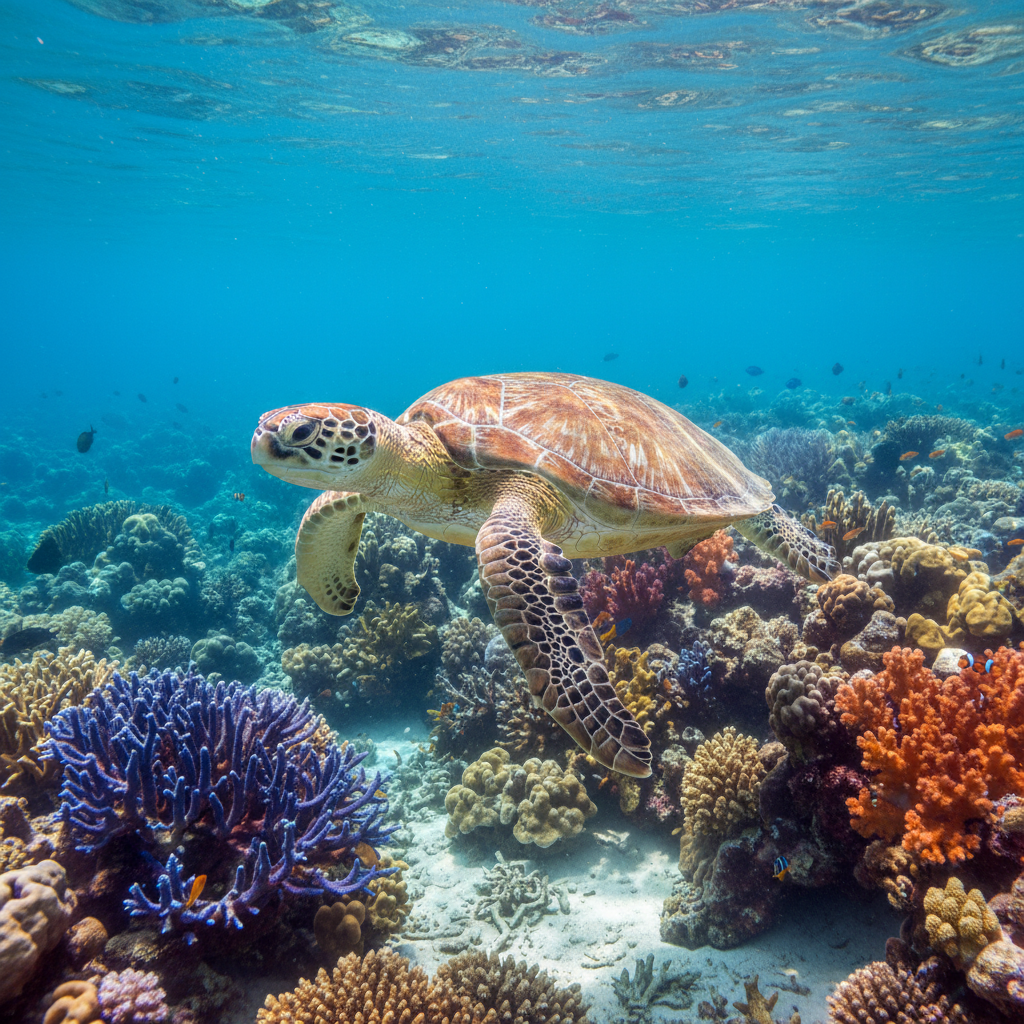
Extended jet boat experiences typically include 45-60 minutes of snorkelling time at carefully selected reef locations. Popular stops include Luncheon Bay on Hook Island, Blue Pearl Bay, or lesser-known coral gardens accessible only to shallow-draft vessels. These tours provide snorkelling equipment including masks, fins, and stinger suits during stinger season (November-May).
Beach stops are common on half-day jet boat adventures, often featuring pristine locations like Catseye Beach on Hamilton Island or secluded coves on uninhabited islands. These stops allow passengers to recover from the adrenaline rush while exploring tropical beaches, taking photos, and enjoying refreshments provided by many operators.
The combination creates a unique contrast between high-energy excitement and peaceful underwater exploration. After experiencing heart-pounding spins and speeds, floating weightlessly among colourful coral formations provides the perfect counterbalance. Many passengers report this variety makes jet boat tours among the most satisfying Airlie Beach tour options available.
Pure thrill tours focusing exclusively on speed and spins typically last 30-45 minutes without stops, maximising water time for adrenaline activities. These options suit visitors with limited time who prioritise excitement over sightseeing, or those planning separate snorkelling adventures on different tours.
What safety equipment and briefings are provided?
All passengers receive mandatory life jackets, waterproof safety jackets, and comprehensive safety briefings covering hand signals, seating positions, and emergency procedures before departure, with professional captains maintaining constant communication throughout the high-speed adventure experience.
Safety briefings typically last 10-15 minutes and cover essential information including proper seating positions, how to brace for sudden movements, and hand signals used for communication over engine noise. Captains explain what to expect during spins and sudden stops, helping passengers prepare mentally and physically for the experience.
Life jackets are mandatory for all passengers regardless of swimming ability, with properly fitted jackets provided in all sizes from toddler to extra-large adult. These are automatic inflation types or foam-filled designs depending on the operator, all meeting Australian maritime safety standards. Waterproof safety jackets provide additional protection from spray while maintaining buoyancy assistance.
Professional captains maintain radio contact with base operations throughout tours and carry comprehensive safety equipment including first aid kits, emergency flares, emergency radio beacons, and emergency water and provisions. All jet boat operators must meet stringent Australian Maritime Safety Authority requirements for commercial vessel operations.
Regular safety checks ensure all equipment remains in perfect working condition. Jet boats undergo daily pre-departure inspections covering engine systems, safety equipment, communication devices, and hull integrity. This rigorous maintenance schedule ensures consistent safety standards across all operations.
Ready to experience the ultimate aquatic adrenaline rush? Book your jet boat adventure through Airlie to Whitehaven, your trusted platform for authentic Whitsundays experiences. We partner with the region's most reputable jet boat operators to ensure your high-speed adventure meets the highest safety standards while delivering maximum excitement. Whether you're seeking pure thrills or a combination experience with snorkelling and beach exploration, our local expertise helps you choose the perfect jet boat tour for your Whitsundays adventure.