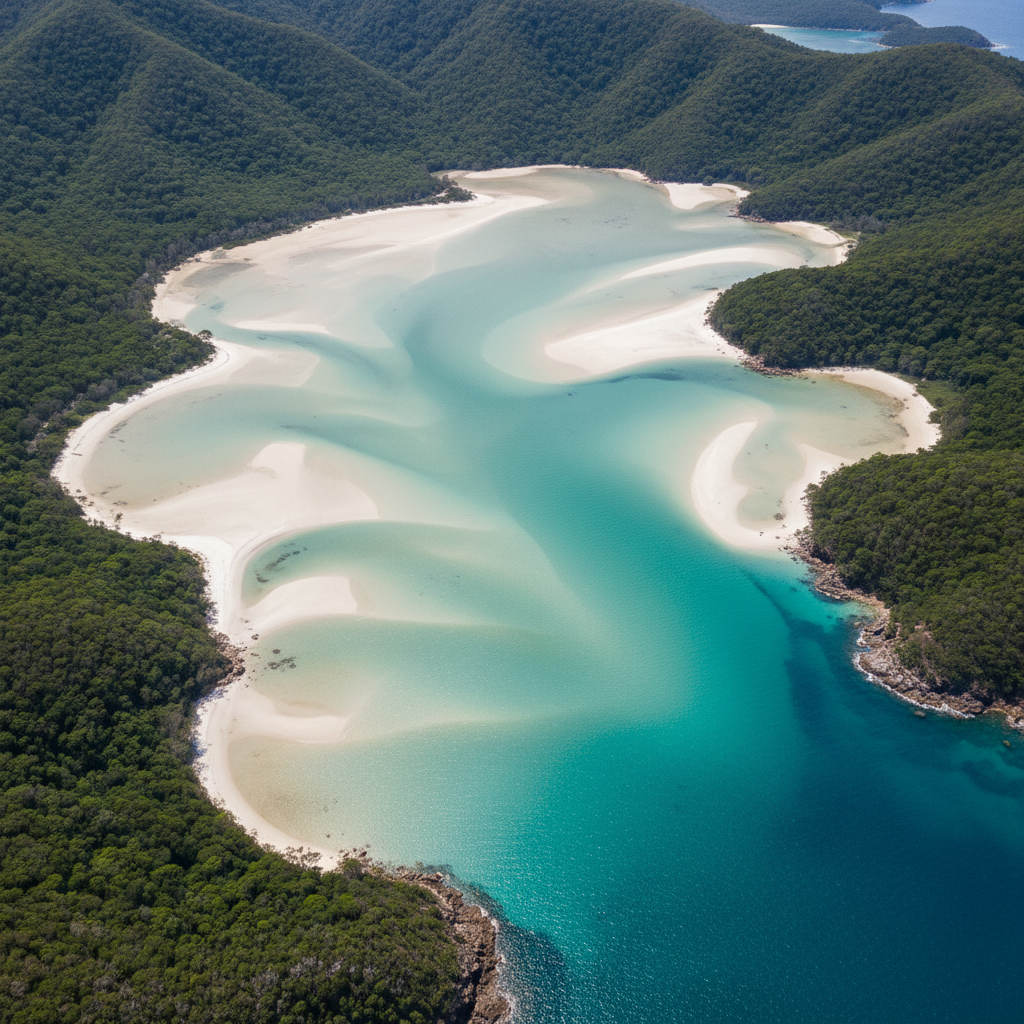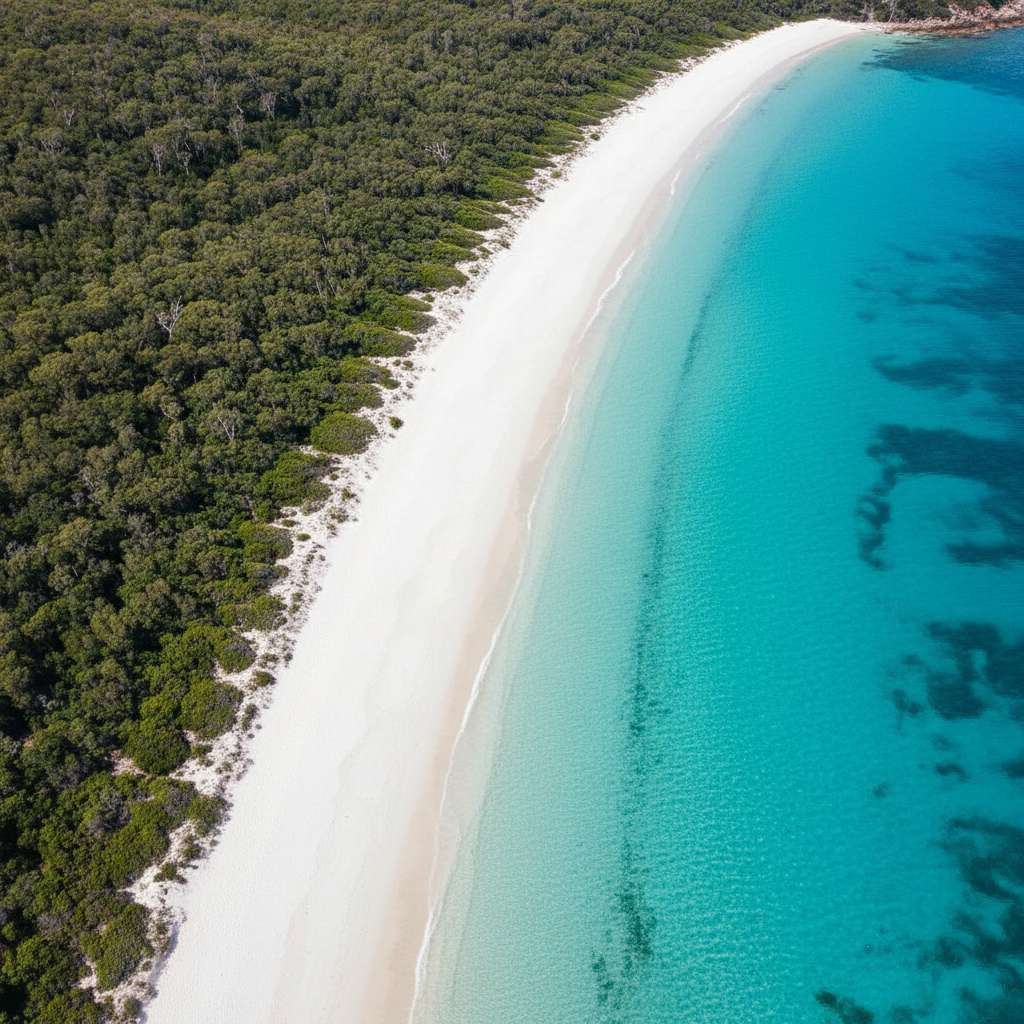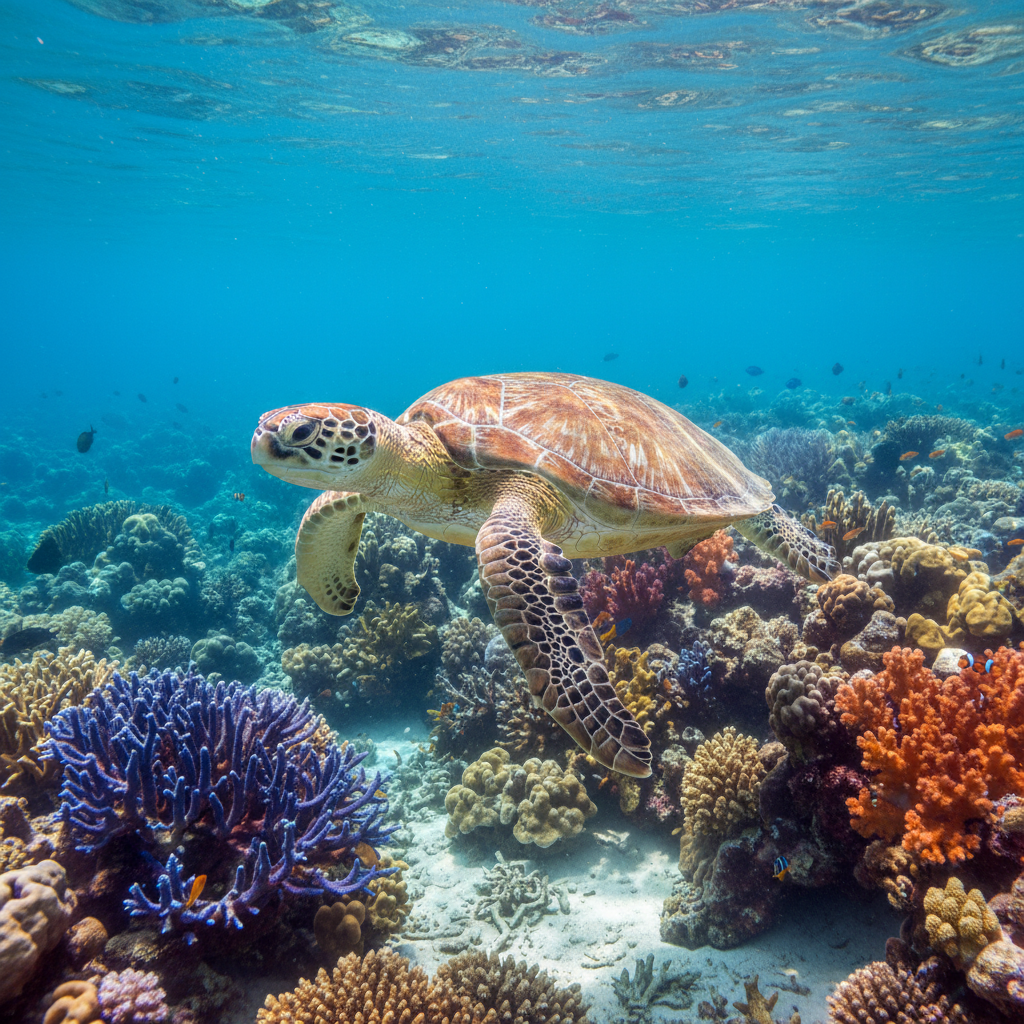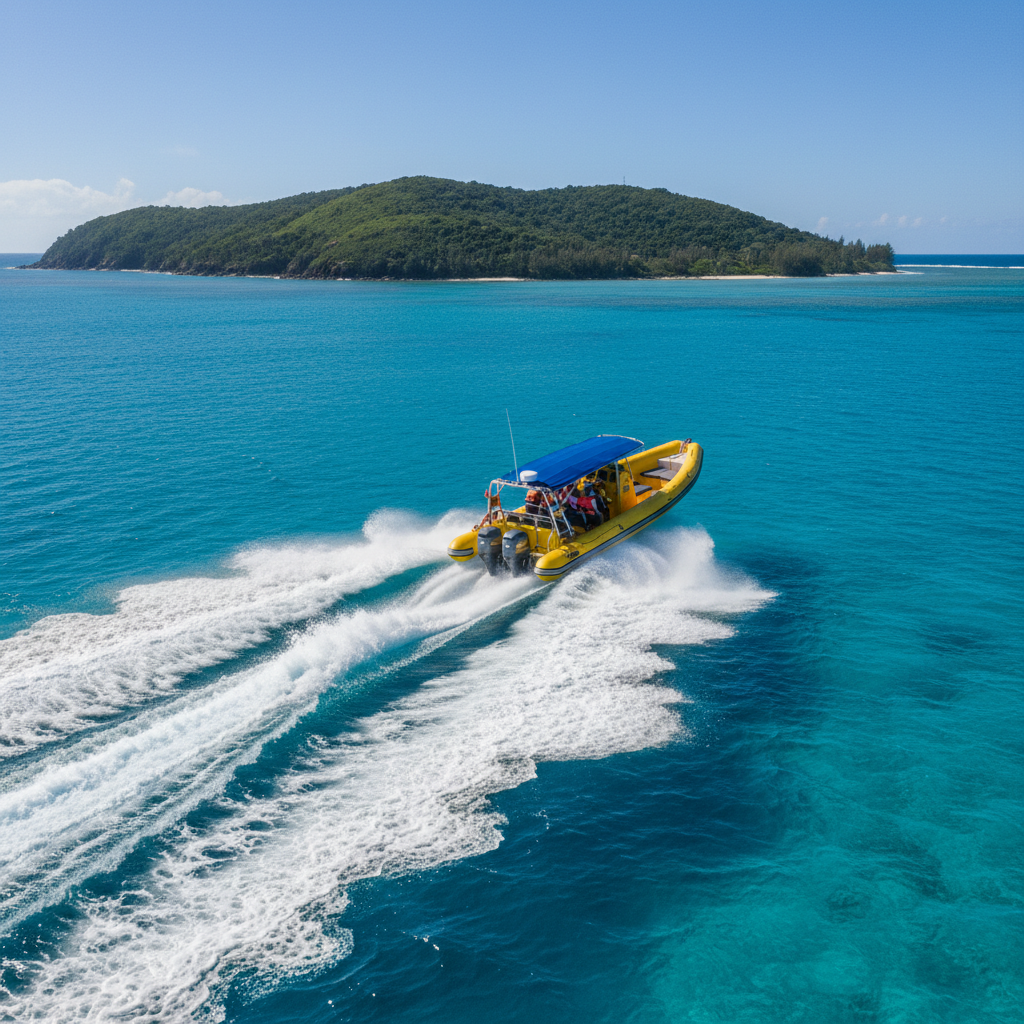
Imagine waking up to crystal-clear waters lapping at your bedroom window, with uninhabited islands dotting the horizon and the freedom to explore 74 tropical islands at your own pace. Houseboat hire in the Whitsundays offers this unique floating holiday experience, combining the comfort of self-contained accommodation with the adventure of island-hopping through one of Australia's most spectacular marine playgrounds.
What is a houseboat and how does it work in the Whitsundays?
A houseboat is a floating accommodation vessel with bedrooms, bathrooms, kitchen, and living areas that you can navigate yourself through the Whitsundays' protected waters. Most houseboats are motorised pontoon-style vessels designed for comfort rather than speed, featuring shallow drafts perfect for anchoring in secluded bays.
Whitsundays houseboats typically range from 35 to 60 feet in length, accommodating 4 to 12 guests across multiple cabins. These floating homes come fully equipped with cooking facilities, refrigeration, fresh water tanks, and marine toilets. The shallow draft design allows you to explore areas larger vessels cannot reach, including the famous Hill Inlet lookout anchorage and secluded beaches around Hook Island and Border Island.
Most operators provide a comprehensive briefing covering navigation, anchoring, and marine park regulations before departure. The boats feature simple controls and GPS navigation systems, making them accessible even for those with limited boating experience. You'll receive detailed charts marking safe anchorages, fuel stops, and restricted areas within the Great Barrier Reef Marine Park.
How much does houseboat hire cost in the Whitsundays?
Houseboat hire prices range from $1,800 to $4,500 for a three-night charter, depending on vessel size, season, and inclusions. Peak season rates apply during Australian school holidays and dry season months from May to September.
Budget houseboats sleeping 4-6 people typically cost $1,800-2,400 for three nights during off-peak periods, rising to $2,400-3,200 during peak season. Mid-range vessels accommodating 6-8 guests range from $2,800-3,800 off-peak and $3,500-4,200 during busy periods. Luxury houseboats sleeping 8-12 people command $4,000-4,500 for three nights, with minimal seasonal variation due to consistent demand.
Additional costs include fuel (typically $200-400 depending on distance travelled), provisions, and optional extras like fishing equipment ($50/day), kayaks ($40/day), or snorkelling gear ($25/day per person). Most operators require a security bond of $2,000-3,000, refundable upon return in good condition. Seven-night charters offer better value, typically costing 1.8 times the three-night rate rather than double.
Do I need a boat licence to operate a Whitsundays houseboat?
No boat licence is required for most Whitsundays houseboats, as they operate under recreational hire vessel regulations with comprehensive operator briefings and safety equipment included. However, you must be over 21 years old to be the nominated skipper.
Houseboat operators provide detailed instruction covering boat handling, navigation, anchoring procedures, and emergency protocols. The briefing typically lasts 2-3 hours and includes practical on-water training before departure. GPS navigation systems and detailed charts mark safe passages, anchorages, and hazards throughout the islands.
While no licence is needed, operators assess your experience and confidence level during the briefing. Those with previous boating experience may receive shorter instruction, while newcomers get extended training. The boats feature simple controls with bow thrusters and shallow drafts that make handling relatively straightforward in the Whitsundays' protected waters.
Where can I take a houseboat in the Whitsundays?
Houseboats can access most areas within the Whitsunday Islands Marine Park, including popular destinations like Whitehaven Beach, Hook Island, Border Island, and Hamilton Island, with some restrictions around sensitive reef areas and national park zones.
Whitehaven Beach remains the most popular destination, accessible via the southern end where houseboats can anchor in Whitehaven Bay. The famous Hill Inlet lookout requires a dinghy trip ashore, as houseboats cannot navigate the shallow entrance. Hook Island offers excellent snorkelling at Luncheon Bay and Butterfly Bay, with protected anchorages and walking tracks to scenic lookouts.
Border Island provides secluded beaches perfect for swimming and fishing, while Cid Harbour offers fuel and supplies at Hamilton Island Marina. Tongue Bay on Whitsunday Island delivers pristine beaches without crowds, and Nara Inlet features ancient Aboriginal cave paintings accessible by dinghy. Most operators provide suggested itineraries based on weather conditions and your experience level.
Green zones within the Marine Park allow anchoring but prohibit fishing, while yellow zones permit recreational fishing with bag limits. Red zones are strictly no-go areas around sensitive coral reefs. Your operator's briefing includes current zone maps and seasonal restrictions that may affect your chosen route.
What facilities and equipment come with houseboat hire?
Standard houseboat equipment includes fully equipped kitchens, marine toilets, hot water systems, deck furniture, safety equipment, GPS navigation, and tender dinghies for shore access. Most boats also provide snorkelling gear, fishing rods, and basic provisions.
Kitchen facilities feature gas stoves, microwaves, refrigerators, and comprehensive cookware including plates, cutlery, and cooking utensils. Fresh water tanks provide 400-600 litres capacity, with additional water available at Hamilton Island and Abel Point marinas. Hot water systems ensure comfortable showers after swimming or snorkelling activities.
Safety equipment includes life jackets for all passengers, emergency beacons, first aid kits, fire extinguishers, and marine radios for emergency communication. Navigation systems feature GPS chartplotters with detailed reef maps and hazard warnings. Most boats include fishing tackle suitable for reef fishing, with operators providing advice on productive spots and legal requirements.
Recreational equipment typically includes snorkelling masks and fins, basic fishing gear, and tender dinghies with outboard motors for beach access. Some operators provide kayaks, stand-up paddleboards, or floating mats for additional water activities. Bedding, towels, and basic provisions like coffee and tea are usually included.
When is the best time to hire a houseboat in the Whitsundays?
The best time for houseboat hire is April to September during the dry season, offering calm seas, minimal rainfall, and comfortable temperatures averaging 20-26°C. Stinger season from November to May requires protective clothing when swimming.
May through August provides the most stable weather conditions with consistent southeast trade winds averaging 10-15 knots and minimal rainfall. These months offer the clearest water visibility for snorkelling and comfortable sleeping temperatures. However, this period coincides with peak tourist season, resulting in higher prices and busier anchorages.
April and September represent shoulder seasons with excellent weather conditions and moderate pricing. October through December brings increasing humidity and afternoon thunderstorms, though morning conditions often remain pleasant. The wet season from January to March features higher rainfall, stronger winds, and potential cyclone activity.
Stinger season requires full-body stinger suits when swimming, provided by most operators. Marine stinger nets protect some beaches, but open water swimming requires protection. Whale watching opportunities peak from June to September during humpback migration, adding wildlife viewing to your houseboat experience.
What should I pack for a Whitsundays houseboat trip?
Essential items include sun protection (SPF 50+, hats, sunglasses), comfortable clothing, swimwear, reef-safe sunscreen, personal toiletries, and any prescription medications. Soft-sided luggage is preferred due to limited storage space.
Clothing should include lightweight, quick-dry fabrics suitable for tropical conditions. Pack multiple swimwear sets, long-sleeved shirts for sun protection, comfortable shorts, and lightweight pants for evening. A light rain jacket or windbreaker handles sudden weather changes. Non-slip deck shoes and sandals suitable for rocky shores are essential.
Food and beverages require planning, as storage space is limited. Many operators offer provisioning services or you can stock up at Airlie Beach before departure. Consider the number of meals needed, cooking facilities available, and ice availability for keeping items fresh. Most boats have gas barbecues perfect for cooking fresh fish or meat.
Entertainment items might include books, cards, music devices, and camera equipment with extra batteries. Waterproof phone cases protect devices during water activities. Personal items should include any required medications, contact lens supplies, and familiar toiletries, as marine stores have limited selections.
How do I book and what's included in the price?
Houseboat booking requires advance reservations, especially during peak season, with most operators accepting online bookings 3-12 months ahead. Standard inclusions cover vessel hire, safety equipment, navigation systems, and comprehensive briefings, while fuel and provisions cost extra.
Booking typically requires a deposit of 20-30% of the total charter cost, with final payment due 30 days before departure. Cancellation policies vary but generally allow full refunds for bookings cancelled more than 30 days ahead, reducing to 50% for 14-30 days notice. Weather-related cancellations usually receive full refunds or rescheduling options.
Standard inclusions cover the vessel, safety equipment, GPS navigation, dinghy with outboard motor, basic fishing gear, snorkelling equipment, and comprehensive briefing. Most operators include bed linen, towels, and basic provisions like tea, coffee, and condiments. Fuel costs extra and depends on your travel distance and engine usage.
If you're looking for a more structured experience with less planning required, consider exploring our Whitsundays tours which include professional skippers and all meals. For those preferring land-based accommodation, check out our guide to where to stay in Airlie Beach for convenient options near departure points.
What are the safety considerations and requirements?
Safety requirements include mandatory safety briefings, life jacket provision for all passengers, emergency communication equipment, and adherence to weather restrictions. Operators monitor conditions and may restrict departures during adverse weather or high wind warnings.
Pre-departure briefings cover emergency procedures, radio protocols, navigation hazards, and weather recognition. All passengers must demonstrate life jacket fitting, and children require appropriately sized safety equipment. Emergency position indicating radio beacons (EPIRBs) provide satellite emergency communication when mobile coverage is unavailable.
Weather restrictions typically prevent departures when winds exceed 25 knots or during thunderstorm warnings. Operators maintain radio contact schedules and provide detailed emergency contact procedures. Marine rescue services operate throughout the region, with helicopter evacuation available for serious medical emergencies.
Reef protection requires careful navigation and anchoring procedures. Touching or anchoring on coral results in significant fines and environmental damage. Operators provide detailed reef maps and GPS coordinates for safe anchorages. Marine park rangers patrol the area and can assist with emergencies or provide navigation advice.
For comprehensive information about all boating options in the region, including bareboat charters and skippered vessels, visit our detailed boat hire guide for the Whitsundays to compare different vessel types and operators.
Ready to experience the freedom of your own floating accommodation in paradise? Browse our carefully selected houseboat operators and book your Whitsundays adventure through Airlie to Whitehaven. We work directly with reputable operators to ensure you receive the best vessels, competitive pricing, and comprehensive support for your houseboat holiday. Start planning your self-drive island adventure today and create memories that will last a lifetime.