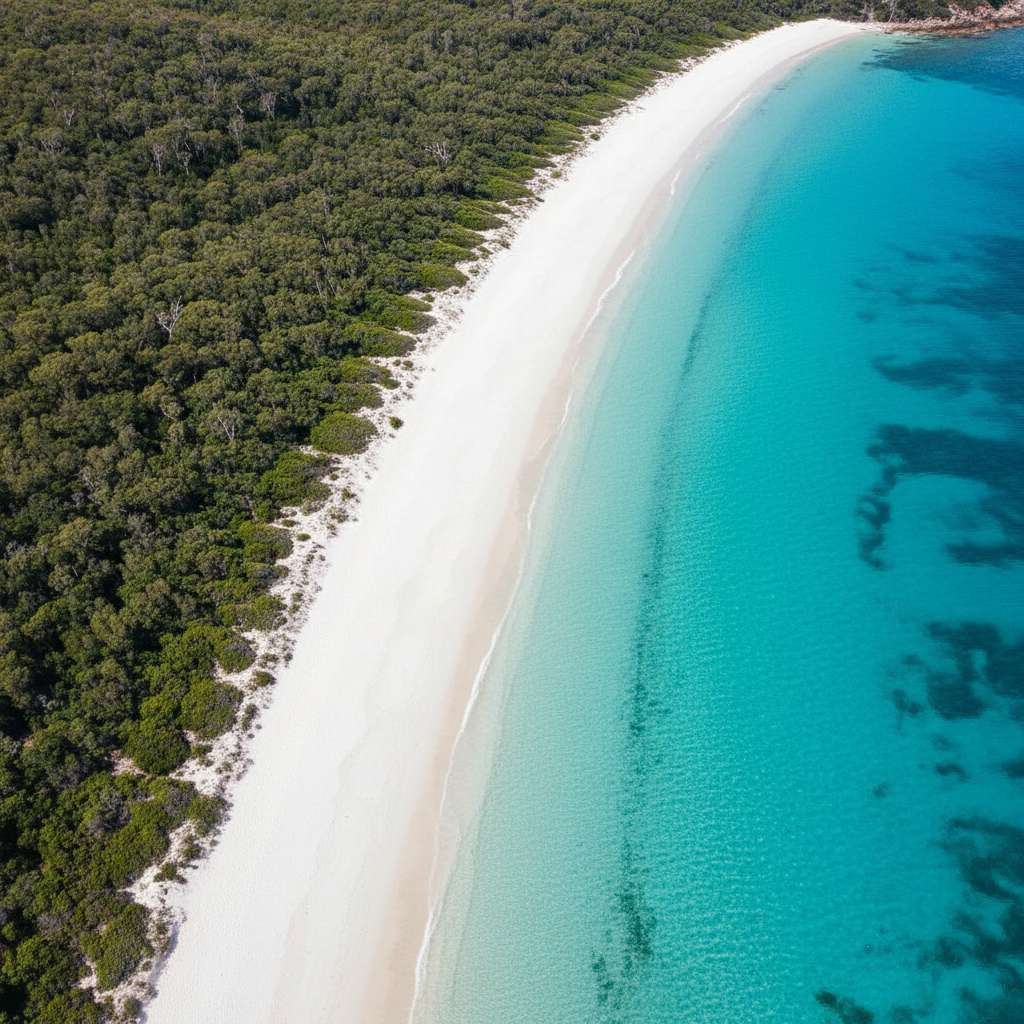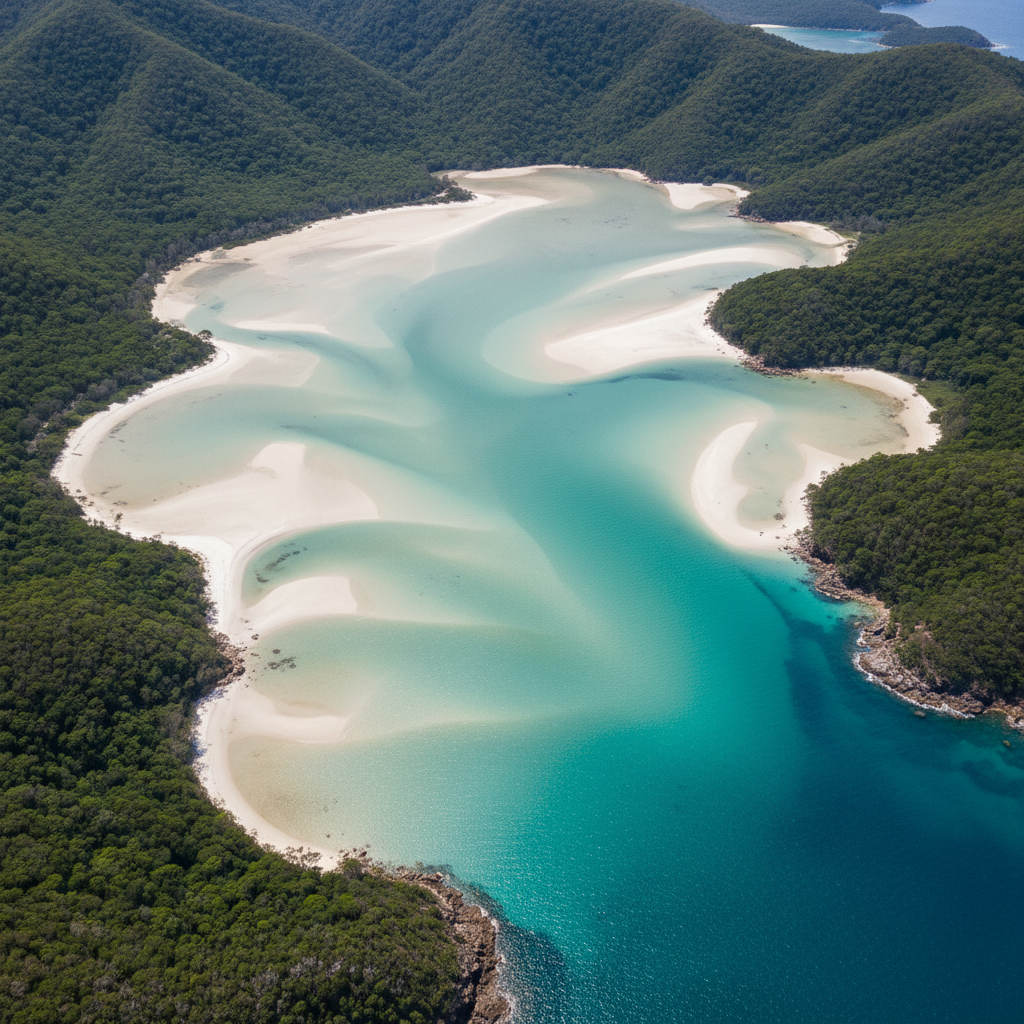
Half-day tours to Hill Inlet offer the perfect taste of the Whitsundays' most photographed view without sacrificing your entire day. These efficient excursions from Airlie Beach pack the iconic swirling sands lookout, pristine Whitehaven Beach, and stunning reef scenery into just 4-6 hours — making them ideal for cruise passengers, families with young children, or travellers wanting to experience multiple activities during their Whitsundays stay.
What exactly is included in a Hill Inlet half-day tour?
Hill Inlet half-day tours typically include boat transfers from Airlie Beach, guided bushwalk to the lookout, swimming time at Whitehaven Beach, snorkeling gear, light refreshments, and reef tax. Tours run 4-6 hours with morning or afternoon departure options.
Most operators include return transfers from Airlie Beach accommodation, though some require you to meet at Abel Point Marina or Shute Harbour. The boat journey to Whitsunday Island takes approximately 45-60 minutes each way, depending on weather conditions and vessel speed.
Your tour package covers the essential Hill Inlet experience: a guided 20-30 minute bushwalk through native melaleuca forest to reach the famous lookout platform. Here, you'll witness the swirling patterns of white silica sand and turquoise water that shift with each tide cycle — the signature shot that appears on virtually every Whitsundays brochure.
Following the lookout visit, tours descend to the northern end of Whitehaven Beach for swimming and relaxation. Quality snorkeling equipment is provided for exploring the fringing reef areas, though the main snorkeling action happens at dedicated reef sites on full-day tours. Light refreshments typically include fresh fruit, sandwiches, and cold drinks, though meal quality varies significantly between operators.
The mandatory Marine Park reef tax ($6.50 per adult, $3.25 per child) covers conservation efforts across the Great Barrier Reef Marine Park and is included in most tour prices. Some budget operators charge this separately, so confirm when booking.
Which tour operators offer the best Hill Inlet half-day experiences?
Top Hill Inlet half-day operators include Whitsunday Jetboat Tours ($165), Ocean Rafting ($155), Cruise Whitsundays ($135), and Prosail ($149). Each offers different vessel types, group sizes, and departure times to suit various preferences and budgets.
Whitsunday Jetboat Tours operates purpose-built rigid inflatable boats (RIBs) carrying maximum 36 passengers. Their high-speed vessels complete the journey in 35 minutes, allowing more time at destinations. Tours depart 8:30am and 1:00pm daily, with the afternoon option particularly popular for optimal Hill Inlet photography lighting.
Ocean Rafting uses similar RIB-style vessels with semi-rigid sides, accommodating up to 32 passengers. Their "Southern Lights" half-day tour includes both Hill Inlet and Whitehaven Beach's southern end, plus snorkeling at Border Island. The open-boat design provides excellent photo opportunities but can be bumpy in rough conditions.
Cruise Whitsundays operates larger catamaran vessels accommodating 120+ passengers. While less intimate than smaller boats, their stable platforms suit families with young children or guests prone to seasickness. Tours include complimentary coach transfers from Airlie Beach accommodation and buffet-style refreshments.
Prosail's sailing catamarans offer the most relaxed pace, taking advantage of trade winds when conditions allow. Their half-day tours focus on the sailing experience as much as the destinations, appealing to guests who prefer a gentler approach to exploring the Whitsundays.
Budget-conscious travellers should consider Red Cat Adventures ($99) or Whitehaven Xpress ($120), though these operators often have larger group sizes and more basic refreshment offerings. Premium options like Airlie Beach Jetboat Tours ($185) include additional touches like underwater cameras and premium snorkeling gear.
What's the best time of day to visit Hill Inlet on a half-day tour?
Morning tours (8:30am-1:00pm) offer cooler walking conditions and fewer crowds at Hill Inlet lookout, while afternoon tours (1:00pm-6:00pm) provide superior lighting for photography with dramatic shadows highlighting the swirling sand patterns as the sun moves west.
The Hill Inlet lookout faces northwest, meaning morning light creates flatter, more even illumination across the inlet's famous curves. This lighting works well for wide-angle landscape shots but lacks the dramatic contrast that makes Hill Inlet photos truly spectacular.
Afternoon tours capitalize on the sun's westward movement, creating pronounced shadows that emphasize the three-dimensional curves where white sand meets turquoise water. The golden hour before sunset (5:00pm-6:30pm during winter months) produces the most Instagram-worthy shots, with warm light bringing out the sand's brilliant white color against deep blue water.
Morning departures suit families with young children, as cooler temperatures make the uphill bushwalk more comfortable. The 20-30 minute trek involves some moderate inclines and can be challenging in afternoon heat, particularly during summer months when temperatures regularly exceed 30°C.
Crowd considerations favor morning tours, especially during peak season (July-September) when afternoon tours can encounter multiple vessels at popular anchorages. However, morning tours often rush the Hill Inlet experience to maintain schedule adherence, while afternoon tours typically allow more flexible timing.
Tide timing affects Hill Inlet's appearance more than time of day. The swirling patterns are most pronounced during outgoing tides when water movement creates distinct channels through the sand. Check tide charts when booking, as low tide periods can reveal more sandbar detail regardless of departure time.
How challenging is the Hill Inlet lookout walk for different fitness levels?
The Hill Inlet lookout walk covers 800 meters each way with 120 meters elevation gain over sandy tracks and wooden boardwalks. Moderate fitness levels can complete the 20-30 minute climb comfortably, while limited mobility guests may find the steep sections challenging.
The trail begins at Tongue Bay through native melaleuca forest, following a well-maintained but sandy path that can be soft underfoot. Initial sections remain relatively flat for the first 400 meters before ascending more steeply toward the ridge line.
Wooden boardwalks cover the steepest sections, providing stable footing and handrails where necessary. However, gaps between boards can catch high heels or unsuitable footwear, making closed-toe shoes or sandals with ankle support essential for safety and comfort.
The most challenging section occurs during the final 200 meters, where the path climbs approximately 80 meters elevation through switchbacks and stepped sections. Guests with knee problems or respiratory conditions should take regular breaks at designated rest areas with partial inlet views.
Children aged 6-12 typically handle the walk well with encouragement, though parents should bring extra water and allow additional time. Toddlers in strollers cannot access the lookout, as the track's sandy surface and steps make wheeled transport impossible.
Limited mobility guests can still enjoy partial Hill Inlet views from lower vantage points along the track, though the famous swirling pattern photographs require reaching the main lookout platform. Tour guides can provide walking assistance and carry personal belongings for guests who need support.
Essential items for the walk include water bottles (provided by most operators), sun hats, and reef-safe sunscreen. The forest canopy provides limited shade, and the elevated lookout platform offers no protection from tropical sun or afternoon sea breezes.
What should you bring and wear on a Hill Inlet half-day tour?
Bring reef-safe sunscreen, hat, sunglasses, water bottle, towel, change of clothes, and underwater camera. Wear quick-dry clothing, closed-toe shoes for the bushwalk, and swimwear underneath. Most operators provide snorkeling gear, life jackets, and stinger suits during jellyfish season.
Clothing requirements vary by season and vessel type. Open boats like RIBs expose passengers to sea spray and wind, making quick-dry fabrics essential. Cotton clothing stays wet for hours and becomes uncomfortable during air-conditioned return journeys to Airlie Beach.
Footwear needs careful consideration for multiple activities. The Hill Inlet bushwalk requires closed-toe shoes with good grip for sandy, sometimes slippery tracks. Flip-flops or thongs work for beach time but provide insufficient ankle support for the lookout walk. Water-resistant hiking sandals offer the best compromise.
Reef-safe sunscreen (zinc oxide or titanium dioxide based) protects both your skin and the marine environment. Chemical sunscreens containing oxybenzone or octinoxate damage coral reefs and are increasingly banned in marine parks. SPF 30+ provides adequate protection when reapplied every two hours.
Stinger suits are provided free during jellyfish season (roughly November through May) but can be uncomfortable over regular clothing. Wearing minimal, quick-dry layers underneath reduces bulk and improves mobility for swimming and snorkeling activities.
Personal items should include a waterproof phone case or dry bag for valuables, as boat decks can get wet from waves and cleaning activities. Prescription glasses need securing straps, and contact lens wearers should bring backup glasses in case of water loss.
Most operators provide basic snorkeling equipment (mask, snorkel, fins) but personal gear ensures better fit and hygiene. Prescription mask inserts are available from dive shops in Airlie Beach for guests requiring vision correction underwater.
How do half-day Hill Inlet tours compare to full-day Whitehaven Beach experiences?
Half-day tours focus primarily on Hill Inlet lookout and limited beach time, while full-day tours include extensive Whitehaven Beach exploration, multiple snorkeling sites, and comprehensive reef experiences. Full-day tours cost $50-80 more but offer significantly more activities and destinations.
Time allocation differs dramatically between tour lengths. Half-day tours typically spend 45-60 minutes at Hill Inlet (including the bushwalk) and 60-90 minutes at Whitehaven Beach. Full-day alternatives allow 2-3 hours at Whitehaven's multiple sections plus dedicated snorkeling time at premium reef locations like Border Island or Haselwood Island.
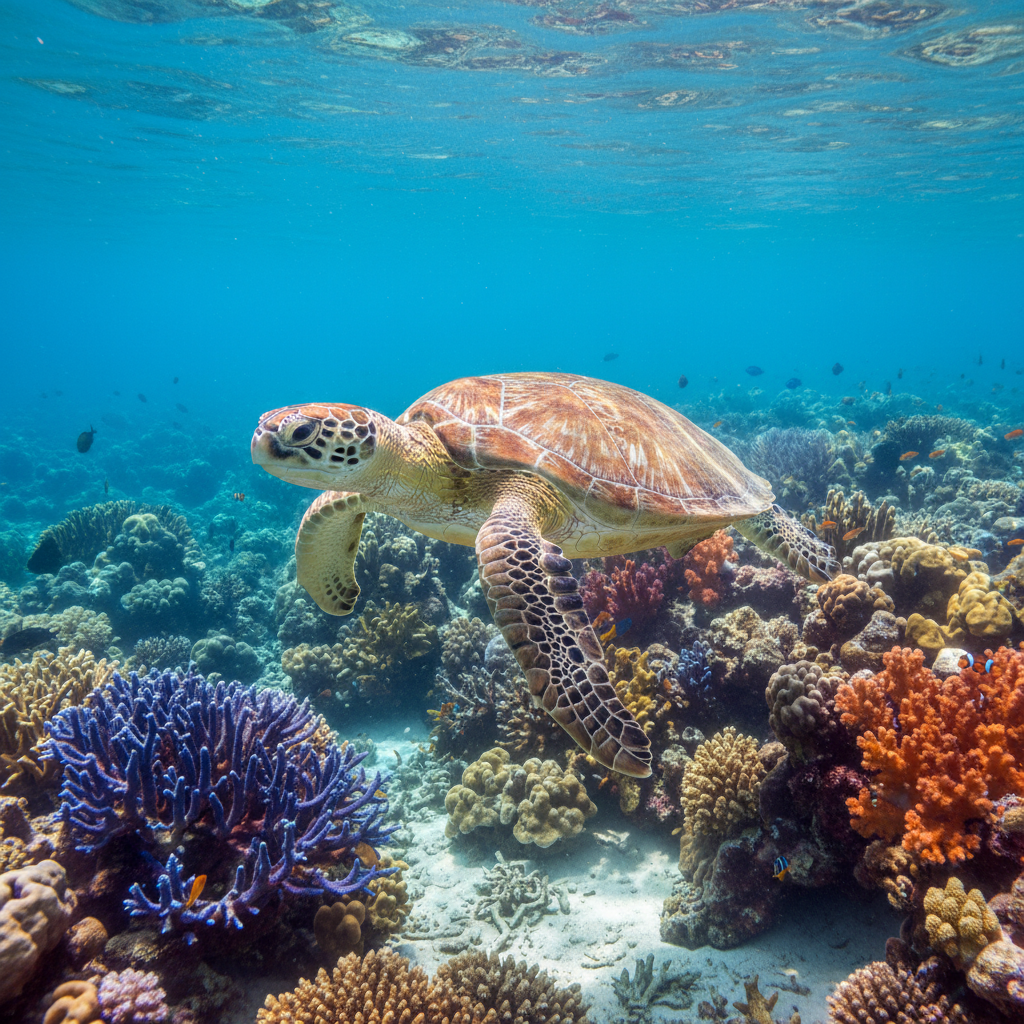
Snorkeling quality varies significantly. Half-day tours offer basic reef exploration near Whitehaven Beach, where coral coverage is limited and fish diversity moderate. Full-day tours visit dedicated snorkeling sites with pristine hard and soft coral gardens, tropical fish species, and potential marine life encounters including rays, sharks, and sea turtles.
Meal inclusions reflect tour duration differences. Half-day packages provide light refreshments (sandwiches, fruit, drinks) while full-day tours feature substantial buffet lunches with hot and cold options, premium beverages, and often morning tea service.
Photography opportunities expand considerably on full-day tours. Beyond Hill Inlet, longer excursions visit Whitehaven's southern end with different perspective angles, plus various uninhabited islands offering diverse landscape shots. Multiple stops allow flexibility to revisit photogenic locations under different lighting conditions.
Cost-per-hour analysis often favors full-day tours for value-conscious travelers. Half-day tours average $25-30 per hour, while full-day experiences typically cost $20-25 per hour when including additional activities, meals, and destinations.
Group dynamics can influence tour choice. Half-day tours suit cruise passengers with limited shore time, families with young children who tire easily, or travelers combining multiple activities during their Whitsundays stay. Full-day tours appeal to dedicated photographers, snorkeling enthusiasts, and guests wanting comprehensive island experiences.
What photography tips will help capture the best Hill Inlet shots?
Use a wide-angle lens or panoramic mode, shoot during golden hour for warm lighting, include foreground elements like native vegetation, and capture multiple angles from different lookout positions. Polarizing filters reduce water glare and enhance color contrast between sand and sea.
The Hill Inlet lookout platform offers several vantage points for varied compositions. The main viewing area provides the classic postcard angle showcasing the inlet's full S-curve pattern. Moving north along the platform reveals tighter compositions emphasizing the sand's texture and water color gradations.
Foreground elements add depth and context to Hill Inlet photographs. Native melaleuca trees, pandanus palms, or weathered driftwood create natural frames that draw viewers into the scene. These elements work particularly well when positioned in the bottom third of your composition following the rule of thirds.
Tide timing dramatically affects Hill Inlet's appearance. Outgoing tides create the most pronounced swirling patterns as water carves channels through exposed sand bars. High tides submerge these patterns, creating a more uniform blue expanse that lacks the distinctive curves that make Hill Inlet famous.
Polarizing filters prove invaluable for Hill Inlet photography, reducing surface glare and revealing underwater sand patterns invisible to the naked eye. Circular polarizers work best with modern digital cameras, allowing fine adjustment of the polarizing effect while maintaining autofocus functionality.
Smartphone photographers should use HDR mode to capture the extreme contrast between bright white sand and deep blue water. Manual exposure adjustment helps prevent the camera from overexposing the sand while maintaining water color saturation.
Drone photography requires permits within the Great Barrier Reef Marine Park, and many tour operators prohibit personal drone use due to safety and regulation compliance. Professional aerial shots are often available for purchase from tour operators who hold appropriate commercial permits.
How do weather conditions affect Hill Inlet half-day tours?
Tours operate year-round except during severe weather warnings, but wind conditions significantly impact comfort levels. Southeast trade winds create choppy seas during winter months, while summer storms can cause afternoon tour cancellations. Operators provide weather protection and alternative itineraries when possible.
Dry season (April-November) offers the most reliable conditions for Hill Inlet tours, with consistent southeast trade winds averaging 15-20 knots. These winds create moderate sea conditions that smaller vessels handle well, though passengers should expect some movement during the 45-60 minute journey to Whitsunday Island.
Wet season (December-March) brings afternoon thunderstorms that frequently impact tour operations. Most operators monitor weather radar and may adjust departure times or destinations to avoid severe conditions. Tropical cyclones, though rare, can disrupt operations for several days when they occur.
Wind direction affects Hill Inlet's appearance and accessibility. Strong easterly winds can create whitecaps across the inlet, reducing the contrast that makes the swirling sand patterns visible in photographs. Westerly winds, though less common, provide the calmest conditions for both photography and swimming.
Temperature variations between seasons influence comfort levels during the Hill Inlet bushwalk. Summer temperatures regularly exceed 32°C with high humidity, making the uphill trek more challenging. Winter temperatures of 20-25°C provide ideal walking conditions, though morning tours can feel cool during boat transfers.
Rainfall creates temporary challenges for the Hill Inlet lookout track, as sandy sections become slippery when wet. Wooden boardwalks can become particularly hazardous, requiring extra caution and appropriate footwear. Most operators continue tours during light rain but may cancel during heavy downpours.
Visibility conditions affect photography quality and safety considerations. Thick morning mist occasionally obscures Hill Inlet views, though these conditions typically clear within 1-2 hours of sunrise. Tour operators monitor visibility and may delay departures rather than risk disappointing guests with poor viewing conditions.
What marine life might you encounter during Hill Inlet half-day tours?
Hill Inlet tours commonly feature green sea turtles, reef sharks, stingrays, and tropical fish species during snorkeling portions. Whale watching opportunities exist during humpback migration season (June-September), while bird life includes sea eagles, osprey, and various seabird species around Whitsunday Island.
Green sea turtles frequent the seagrass beds surrounding Whitehaven Beach, particularly near the northern end where most half-day tours anchor. These ancient mariners can reach 1.5 meters in length and often show little fear of snorkelers, allowing close observation of their graceful underwater movements.
Reef sharks, primarily whitetip and blacktip species, patrol the fringing reefs around Whitsunday Island. These harmless sharks rarely exceed 1.5 meters and typically maintain distance from snorkelers. Their presence indicates healthy reef ecosystems and provides thrilling wildlife encounters for underwater photographers.
Stingray species include blue-spotted fantail rays and cowtail stingrays, often found in sandy areas between coral patches. These graceful creatures pose no threat when left undisturbed but can deliver painful stings if accidentally stepped on. Shuffle your feet when walking in shallow sandy areas.
Tropical fish diversity includes parrotfish, angelfish, butterflyfish, and wrasse species common throughout the Great Barrier Reef. Snorkeling sites near Whitehaven Beach feature moderate coral coverage supporting these colorful reef residents, though diversity is higher at dedicated reef sites on full-day tours.
Humpback whale migrations create spectacular wildlife viewing opportunities during winter months. These 40-ton giants travel between Antarctic feeding grounds and tropical breeding areas, often resting in Whitsunday waters. Tour operators adjust routes during whale season to maximize encounter opportunities while maintaining legal distances.
Bird life includes white-bellied sea eagles, Australia's largest raptor species, often spotted soaring above Whitsunday Island's peaks. Osprey, reef herons, and various tern species frequent coastal areas, while rainbow lorikeets and honeyeaters inhabit the island's interior forests visited during Hill Inlet bushwalks.
How far in advance should you book Hill Inlet half-day tours?
Book Hill Inlet half-day tours 2-7 days in advance during off-peak periods, but 2-3 weeks ahead during school holidays and peak season (July-September). Popular operators and preferred departure times fill quickly, especially for smaller boat tours with limited passenger capacity.
Peak season booking windows require extended planning due to high demand from domestic and international visitors. July through September coincides with Australian school holidays, dry weather conditions, and optimal whale watching opportunities, creating maximum competition for available tour spots.
Shoulder seasons (April-June and October-November) offer more booking flexibility, with 3-5 days advance notice typically sufficient for most operators. These periods provide excellent weather conditions with fewer crowds and often discounted pricing compared to peak season rates.
Cruise ship passengers face unique booking challenges due to port scheduling and passenger volume. Ships carrying 2,000+ passengers can overwhelm tour availability, making advance booking essential. Some cruise lines offer pre-booking options through shore excursion desks before departure.
Last-minute bookings (same day or next day) occasionally succeed during off-peak periods when weather cancellations create availability. However, relying on last-minute booking risks disappointment, particularly for specific departure times or preferred operators.
Group bookings (6+ passengers) require extended lead times and often secure volume discounts. Most operators offer group rates for 10+ passengers, making advance coordination worthwhile for families or friend groups traveling together.
Flexible booking policies vary between operators, with some offering free cancellations up to 24-48 hours before departure. Premium operators often provide more generous cancellation terms, while budget operators typically enforce stricter policies to maintain low pricing.
What happens if weather cancels your Hill Inlet half-day tour?
Tour operators offer full refunds or rebooking options when weather cancellations occur for safety reasons. Most provide 24-hour notice when possible, though sudden weather changes may require same-day cancellations. Alternative indoor activities or different tour destinations may be offered as substitutes.
Safety protocols require cancellation when wind speeds exceed 25-30 knots, wave heights reach dangerous levels, or severe weather warnings are issued by the Bureau of Meteorology. These decisions prioritize passenger safety over commercial considerations, though they can disrupt carefully planned itineraries.
Refund policies typically favor customers during weather cancellations, with full refunds processed within 3-5 business days for credit card payments. Some operators offer bonus credits or discounts for rebooking alternative dates, providing incentives to reschedule rather than cancel completely.
Alternative activities may include scenic helicopter flights when sea conditions are rough but visibility remains good. Great Barrier Reef snorkeling tours can substitute for Whitehaven Beach tours when outer reef conditions are calmer than inner reef areas affected by wind protection.
Rescheduling flexibility depends on your remaining time in the Whitsundays and operator availability. Guests staying 3-4 days have better rebooking options than those on tight cruise schedules or brief holiday visits. Consider booking early in your stay to allow rescheduling opportunities.
Partial tour modifications may occur when specific destinations become inaccessible while others remain safe. Operators might substitute Hill Inlet visits with alternative viewpoints or extend time at accessible beaches to maintain tour value despite itinerary changes.
Travel insurance covering weather-related trip disruptions provides additional protection for non-refundable accommodations or connecting flights affected by tour cancellations. Many policies specifically exclude routine weather delays, making coverage terms important to understand before traveling.
Ready to experience the breathtaking beauty of Hill Inlet on your next Whitsundays adventure? Whether you choose a morning departure for optimal walking conditions or an afternoon tour for spectacular photography lighting, half-day Hill Inlet tours offer an unforgettable taste of this world-renowned destination. Browse our comprehensive selection of Whitehaven Beach half-day tours and full-day Whitehaven experiences to find the perfect tour for your schedule and interests. For detailed information about the famous lookout that awaits you, check out our complete Hill Inlet lookout guide. Book your Hill Inlet adventure today with Airlie to Whitehaven — your trusted platform for authentic Whitsundays experiences that create memories to last a lifetime.