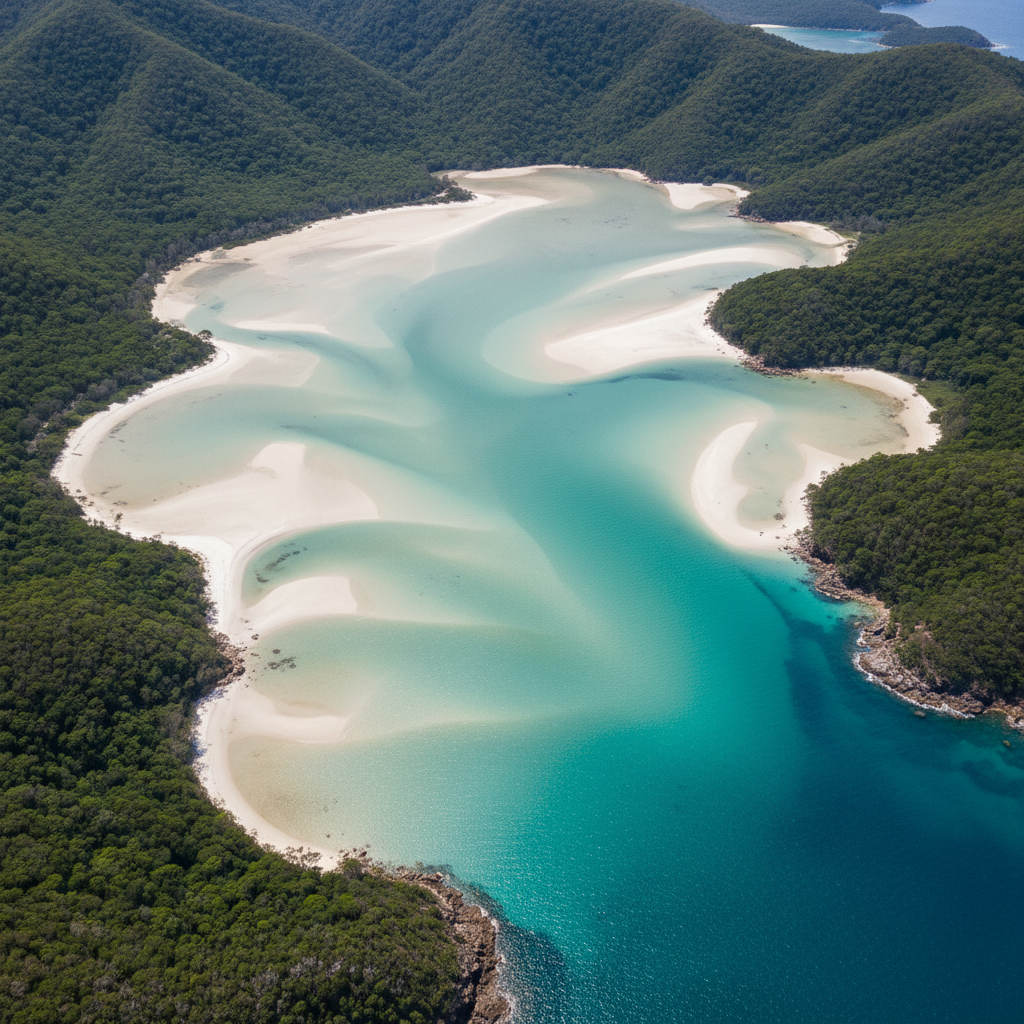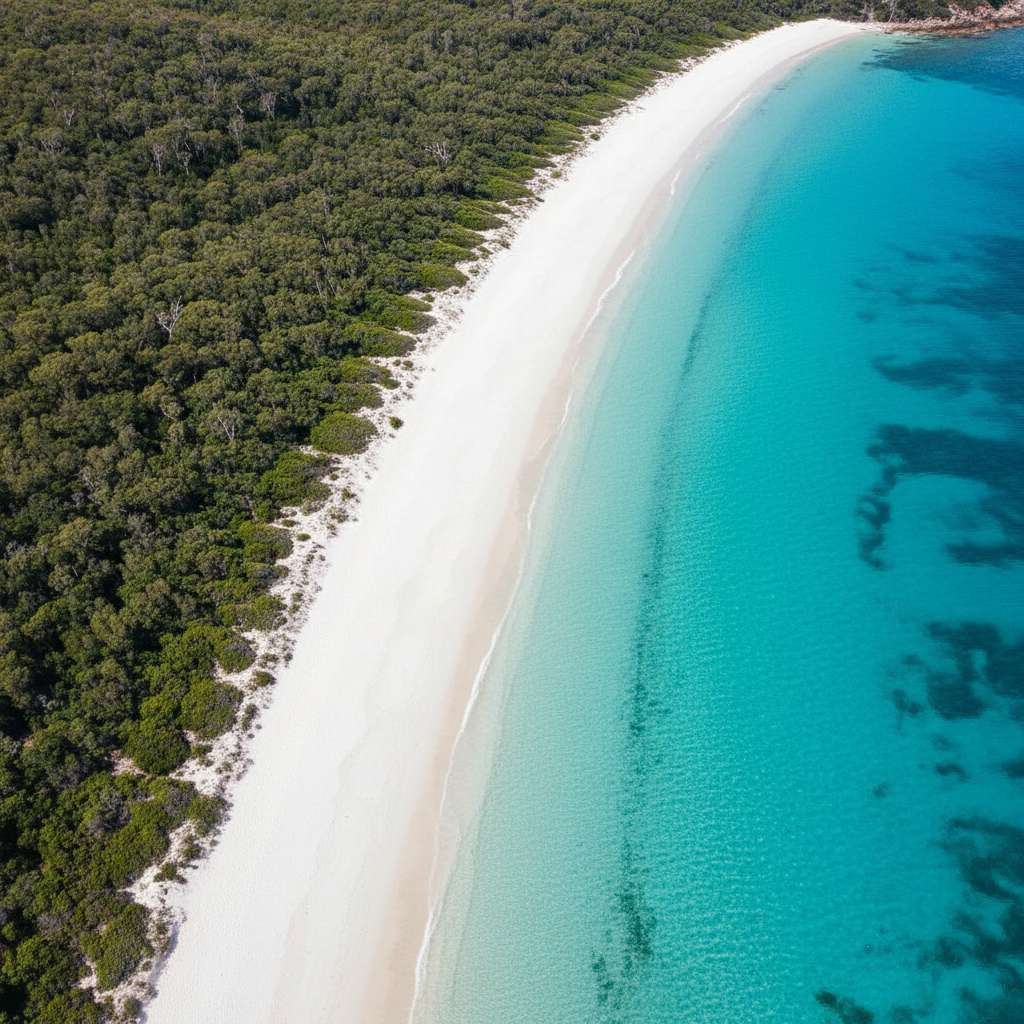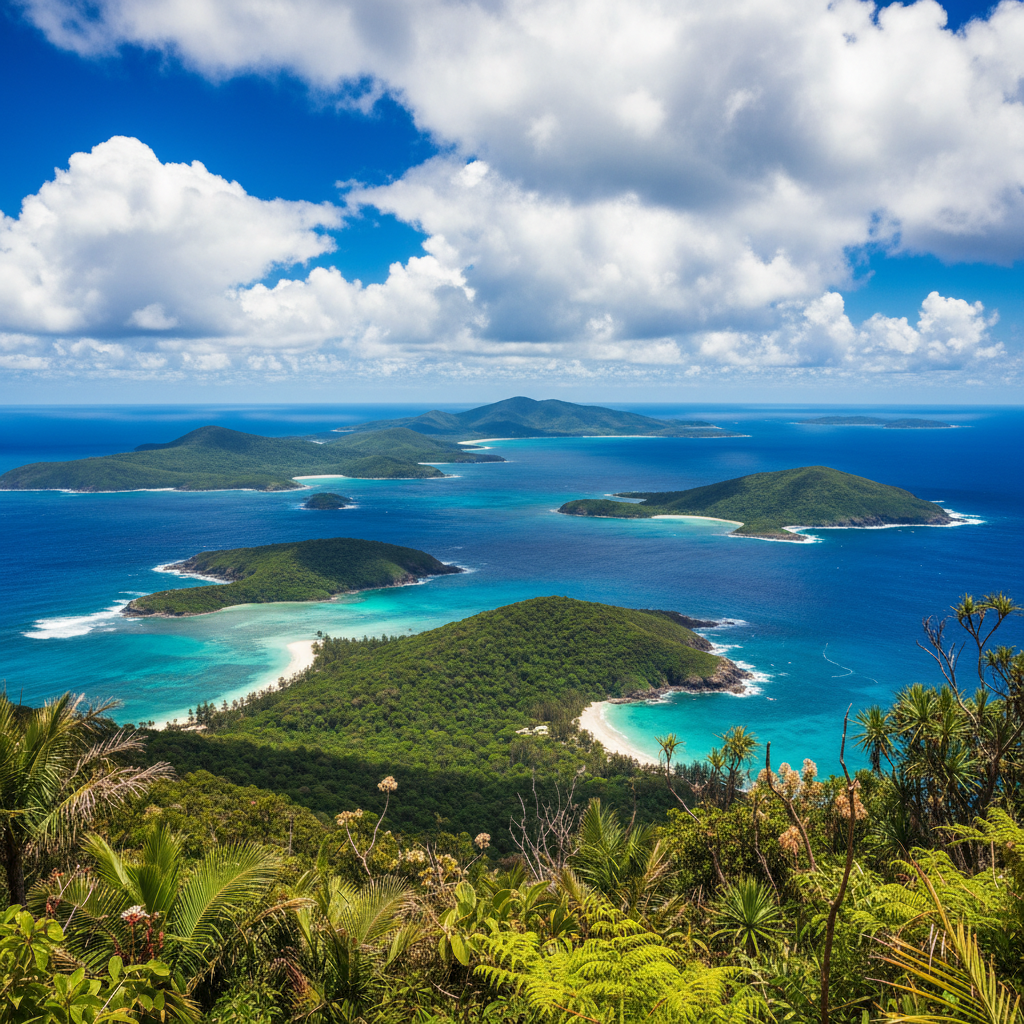
Hayman Island sits at the northern tip of the Whitsunday Islands, just 32 kilometres northeast of Airlie Beach. Once home to Australia's most exclusive resort, this pristine island now offers day visitors access to some of the most spectacular beaches, coral reefs, and rainforest walks in the Whitsundays. With crystal-clear lagoons, world-class snorkelling at Blue Pearl Bay, and untouched bushland trails, Hayman Island provides an unforgettable escape from the mainland.
Where exactly is Hayman Island located in the Whitsundays?
Hayman Island is the northernmost island of the Whitsunday group, positioned 32 kilometres northeast of Airlie Beach and covering 294 hectares. The island sits adjacent to Hook Island's northern coast, with Blue Pearl Bay located on its western shoreline facing the mainland.
The island's strategic location places it at the outer edge of the Whitsunday Islands, making it a gateway to the Great Barrier Reef Marine Park. Hayman Island measures approximately 4 kilometres long and 1.5 kilometres wide at its broadest point, with a highest elevation of 250 metres at Radio Hill. The island's coordinates are 20°03′S 148°53′E, positioning it in the heart of the Coral Sea.
From Airlie Beach, Hayman Island lies directly northeast across the Whitsunday Passage. The island is surrounded by coral reefs and deep blue waters, with the famous Blue Pearl Bay creating a protected anchorage on the western side. This positioning provides calm waters perfect for swimming, snorkelling, and water sports activities.
How do you get to Hayman Island from Airlie Beach?
Day trips to Hayman Island from Airlie Beach typically involve boat transfers that take 45-90 minutes depending on vessel type and sea conditions. Most tours depart from Abel Point Marina or Shute Harbour between 8:00-9:00 AM.
High-speed catamarans offer the fastest option, covering the 32-kilometre journey in approximately 45 minutes with comfortable seating and onboard facilities. These vessels typically carry 50-100 passengers and provide commentary about the Whitsunday Islands during transit. Sailing catamarans take longer at 75-90 minutes but offer a more relaxed experience with morning tea and spectacular views.
Private boat charters provide flexible departure times and can anchor at multiple locations around Hayman Island. Charter boats range from 8-metre sports cruisers accommodating 6-8 people to luxury catamarans hosting up to 35 guests. Helicopter transfers are available for premium experiences, taking just 15 minutes from Airlie Beach to Hayman Island's designated landing areas.
Seaplane services operate scenic flights that combine transport with aerial sightseeing, landing in Blue Pearl Bay or other protected waters around the island. These flights take approximately 20 minutes each way and provide unmatched photography opportunities of the Whitsundays from above.
What can you see and do on a Hayman Island day trip?
Hayman Island offers world-class snorkelling at Blue Pearl Bay, pristine beaches, bushwalking trails through 11 distinct vegetation communities, and spectacular viewpoints from Radio Hill summit. The island features both resort areas and untouched wilderness zones.
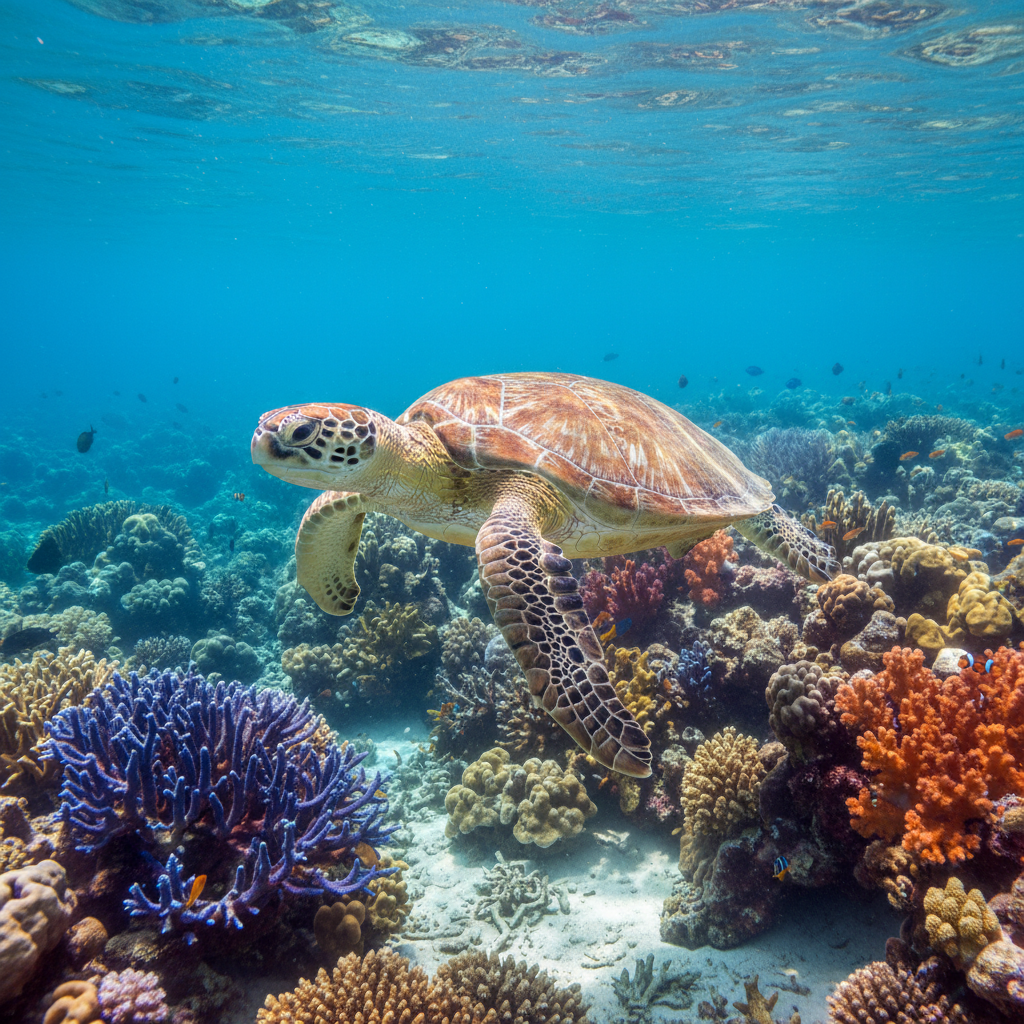
Blue Pearl Bay dominates most day trip itineraries with its pristine coral gardens and abundant marine life. The bay's protected waters host green sea turtles, reef sharks, tropical fish, and vibrant hard and soft corals. Snorkelling gear is typically provided on day tours, with underwater visibility often exceeding 20 metres during calm conditions.
The island's beaches include the main resort beach with soft white sand and calm waters, plus secluded coves accessible via short walks. Langford Beach on the southern coast offers excellent swimming and beachcombing opportunities, while the northern beaches provide more adventurous exploration for confident walkers.
Bushwalking trails wind through diverse ecosystems including rainforest, eucalyptus woodland, and coastal heath. The Radio Hill track leads to panoramic viewpoints overlooking the entire Whitsunday group, with the 2.5-kilometre return walk taking approximately 90 minutes. Other trails explore mangrove areas, bird watching spots, and historical sites from the island's resort era.
For those interested in exploring beyond Hayman Island, many island hopping tours combine visits to multiple destinations in a single day trip.
When is the best time to visit Hayman Island?
The optimal time for Hayman Island day trips is April through November during the dry season, offering minimal rainfall, comfortable temperatures averaging 24°C, and excellent visibility for snorkelling activities. Trade winds provide natural cooling during these months.
April to June represents the sweet spot with warm but not hot temperatures, calm seas, and crystal-clear water perfect for underwater activities. Daytime temperatures range from 22-28°C with minimal humidity and virtually no rainfall. This period also coincides with whale migration season, offering potential humpback whale sightings during transit.
July through September brings the coolest and driest conditions with average temperatures of 20-25°C. While perfect for bushwalking and outdoor activities, water temperatures drop to around 22°C, making wetsuits comfortable for extended snorkelling sessions. This period offers the most stable weather patterns and reliable tour operations.
October and November see increasing temperatures and humidity but remain excellent for day trips. Water temperatures rise to comfortable 25°C levels, and marine life activity increases as tropical waters warm. Occasional afternoon thunderstorms may develop but rarely impact morning departure schedules.
December through March represents the wet season with higher temperatures, humidity, and rainfall. Marine stingers become present in coastal waters, requiring protective stinger suits for swimming and snorkelling. However, this period often provides the calmest sea conditions and warmest water temperatures exceeding 28°C.
Which tours include Hayman Island in their itinerary?
Full-day Whitsunday tours starting from $189 AUD frequently include Hayman Island stops, particularly focusing on Blue Pearl Bay for snorkelling and swimming activities. These tours typically combine 2-3 island destinations.
Ocean Rafting operates high-speed tours that reach Hayman Island's Blue Pearl Bay in approximately 45 minutes, offering 1.5-2 hours of snorkelling and beach time. Their tours cost around $189 AUD for adults and include snorkelling gear, stinger suits, and guided reef talks. The rigid inflatable boats provide an adventurous journey with close-to-water experiences.
Sailing catamaran day trips include Hayman Island as part of broader Whitsunday exploration, typically priced from $169-$219 AUD depending on vessel and inclusions. These tours provide 6-8 hours on the water with morning tea, lunch, and afternoon snacks included. Popular operators include Cruise Whitsundays, Wings Sailing, and Whitsunday Blue.
Premium yacht charters offer personalised Hayman Island experiences starting from $2,500 AUD for full-day private hire. These luxury options provide flexible itineraries, gourmet catering, premium beverages, and exclusive access to secluded beaches around the island. Charter groups typically range from 10-35 passengers.
Helicopter and seaplane tours combine scenic flights with Hayman Island visits, priced from $450-$650 AUD per person for half-day experiences. These premium options include aerial photography opportunities, champagne beach picnics, and guided snorkelling at remote locations inaccessible to larger vessels.
Many visitors combine Hayman Island with other popular destinations through comprehensive day trip packages that showcase multiple Whitsunday highlights.
What facilities and amenities are available on Hayman Island?
Hayman Island currently offers limited public facilities following resort closure, with basic amenities including designated day visitor areas, toilet facilities, fresh water taps, and shaded picnic spots. Most day trippers rely on tour operator provisions.
The main beach area provides the most developed facilities with concrete pathways, established shade trees, and maintained grass areas suitable for picnicking. Fresh water taps are available for rinsing salt water and refilling bottles, though visitors should bring adequate drinking water for extended stays. Basic toilet facilities operate near the former resort jetty area.
Shaded areas include both natural tree cover and some remaining built structures from the resort era. The beachfront offers extensive shade under mature palm trees and native vegetation, providing relief during midday heat. Some covered areas remain from resort infrastructure, though access may be restricted.
No commercial food services operate on the island, making packed lunches essential for day visitors. Many tours include lunch as part of their package, typically featuring fresh salads, sandwiches, and tropical fruits. BBQ facilities may be available through charter tour arrangements, but visitors cannot assume access without prior confirmation.
Snorkelling gear storage and rinse stations are provided by most tour operators at their designated areas. First aid facilities are limited to what tour guides carry, emphasising the importance of choosing reputable operators with appropriate safety equipment and trained staff.
Where are the best photography spots on Hayman Island?
Blue Pearl Bay's turquoise waters against white sand beaches create the most photographed location, while Radio Hill summit provides panoramic Whitsunday views. Early morning and late afternoon offer optimal lighting conditions for both underwater and landscape photography.
Blue Pearl Bay delivers classic tropical paradise shots with its curved beach, crystal-clear water, and surrounding coral reefs. The best angles come from elevated positions along the beach edges or from boats anchored in the bay. Underwater photography thrives here with excellent visibility often exceeding 20 metres and abundant marine life including sea turtles, tropical fish, and coral formations.
Radio Hill's 250-metre summit requires a challenging 2.5-kilometre hike but rewards photographers with 360-degree views across the entire Whitsunday group. The track passes through diverse vegetation zones, offering macro photography opportunities with native flowers, birds, and insects. Summit shots capture Hook Island, Whitsunday Island, and the distant mainland in single frames.
The main resort beach area provides beautiful foreground elements with palm trees framing views across to Hook Island and the mainland. Golden hour shots work particularly well here, with soft sand reflecting warm light and creating leading lines toward the water. Drone photography (where permitted) captures the island's heart shape and surrounding reef systems.
Secluded coves around the island's perimeter offer intimate beach scenes without crowds. These locations require boat access or longer walks but provide unique perspectives of untouched coastline. Macro photographers find excellent subjects in rock pools, coastal vegetation, and the diverse marine life visible from shore.
How much time should you spend on Hayman Island?
A minimum of 4-5 hours allows adequate time for swimming, snorkelling, beach relaxation, and short bushwalks, while 6-8 hours enables full exploration including Radio Hill hiking and multiple beach visits.
Half-day visits (4-5 hours) suit most day trippers focusing on Blue Pearl Bay activities. This timeframe allows 2 hours for snorkelling and swimming, 1 hour for beach relaxation and lunch, 1 hour for short coastal walks, and 30 minutes for photography and exploration. The remaining time accommodates boat transfers and equipment setup.
Full-day experiences (6-8 hours) enable comprehensive island exploration including the challenging Radio Hill hike. This extended timeframe allows visitors to experience multiple beaches, complete longer bushwalking trails, enjoy extended snorkelling sessions, and fully appreciate the island's diverse ecosystems without feeling rushed.
The Radio Hill hike alone requires 2.5-3 hours including photography stops and summit time, making it suitable only for full-day visits. Serious hikers and nature enthusiasts benefit from the extended timeframe to explore the island's 11 distinct vegetation communities and spot native wildlife including wallabies, echidnas, and diverse bird species.
Charter boat visitors enjoy flexible timing options, potentially staying overnight at anchor with appropriate permits. However, most day visitors find 6-8 hours provides complete island exploration while allowing comfortable return to Airlie Beach before sunset.
What should you bring on a Hayman Island day trip?
Essential items include reef-safe sunscreen, wide-brimmed hat, water bottle, swimwear, towel, and closed-toe shoes for bushwalking. Optional extras include underwater camera, snorkelling gear, and light rain jacket.
Sun protection takes highest priority with SPF50+ reef-safe sunscreen, wide-brimmed hat, UV-protective clothing, and quality sunglasses. The tropical sun reflects intensely off white sand and water, creating extreme exposure conditions. Long-sleeved rashies provide excellent protection for extended water activities while preventing jellyfish contact during stinger season.
Footwear requirements include both water shoes for coral protection and closed-toe hiking shoes for bushwalking. The coral around Blue Pearl Bay can be sharp, while inland trails feature rocky sections, root systems, and uneven terrain. Flip-flops work for basic beach activities but aren't suitable for serious exploration.
Hydration needs increase significantly in tropical conditions, making multiple water bottles essential. While some tours provide water, bringing extra ensures adequate hydration throughout the day. Electrolyte supplements help maintain energy levels during extended outdoor activities in heat and humidity.
Photography equipment benefits from waterproof protection including dry bags for cameras, extra batteries, and memory cards. Underwater cameras or waterproof housings capture the exceptional marine life at Blue Pearl Bay. Portable phone chargers ensure devices remain functional for emergency communication and navigation.
Personal medications, seasickness prevention, and first aid basics should accompany any island visit. While tour operators carry safety equipment, personal medical needs require individual preparation. Cash for tips and optional extras isn't necessary on most tours but can be appreciated for exceptional service.
What wildlife might you encounter on Hayman Island?
Hayman Island hosts diverse wildlife including green sea turtles, reef sharks, tropical fish species, wallabies, echidnas, and over 50 bird species. Marine life concentrates around Blue Pearl Bay's coral reefs and coastal areas.
Marine wildlife dominates visitor experiences with Blue Pearl Bay hosting resident green sea turtles, white-tip reef sharks, stingrays, and hundreds of tropical fish species. The coral gardens support parrotfish, angelfish, wrasse, and butterfly fish in remarkable diversity. During cooler months, leopard sharks and guitarfish frequent the sandy areas between coral bommies.
Terrestrial fauna includes eastern grey kangaroos and wallabies that graze in clearings during early morning and late afternoon. Short-beaked echidnas forage through leaf litter and can be spotted on quiet trails, particularly around dawn and dusk. These unique monotremes represent one of Australia's most distinctive wildlife encounters.
Bird life flourishes across the island's diverse habitats with over 50 recorded species including rainbow lorikeets, honeyeaters, kingfishers, and sea eagles. The varied vegetation zones support different species, from coastal mangrove areas hosting egrets and herons to rainforest sections sheltering scrub turkeys and brush turkeys.
Seasonal wildlife includes humpback whales during June-September migration periods, when these magnificent mammals pass through Whitsunday waters. Manta rays occasionally visit coral cleaning stations around the island's deeper waters, while seasonal fish migrations bring schools of trevally, mackerel, and other pelagic species.
Reptiles include various skink species, pythons, and occasionally saltwater crocodiles in mangrove areas, though crocodile sightings are extremely rare. Visitors should maintain respectful distances from all wildlife and avoid feeding any animals to preserve natural behaviours.
To discover more about Hayman Island's unique features and attractions, explore our comprehensive Hayman Island guide for detailed information about this remarkable destination.
Ready to experience Hayman Island's pristine beaches, world-class snorkelling, and diverse wildlife for yourself? Browse our carefully selected day trip options at Airlie to Whitehaven, where we connect you with the region's most reputable tour operators offering unforgettable Hayman Island experiences. From high-speed catamaran adventures to luxury yacht charters, find your perfect Whitsunday escape and book with confidence knowing you're getting the best value and service for your tropical island getaway.