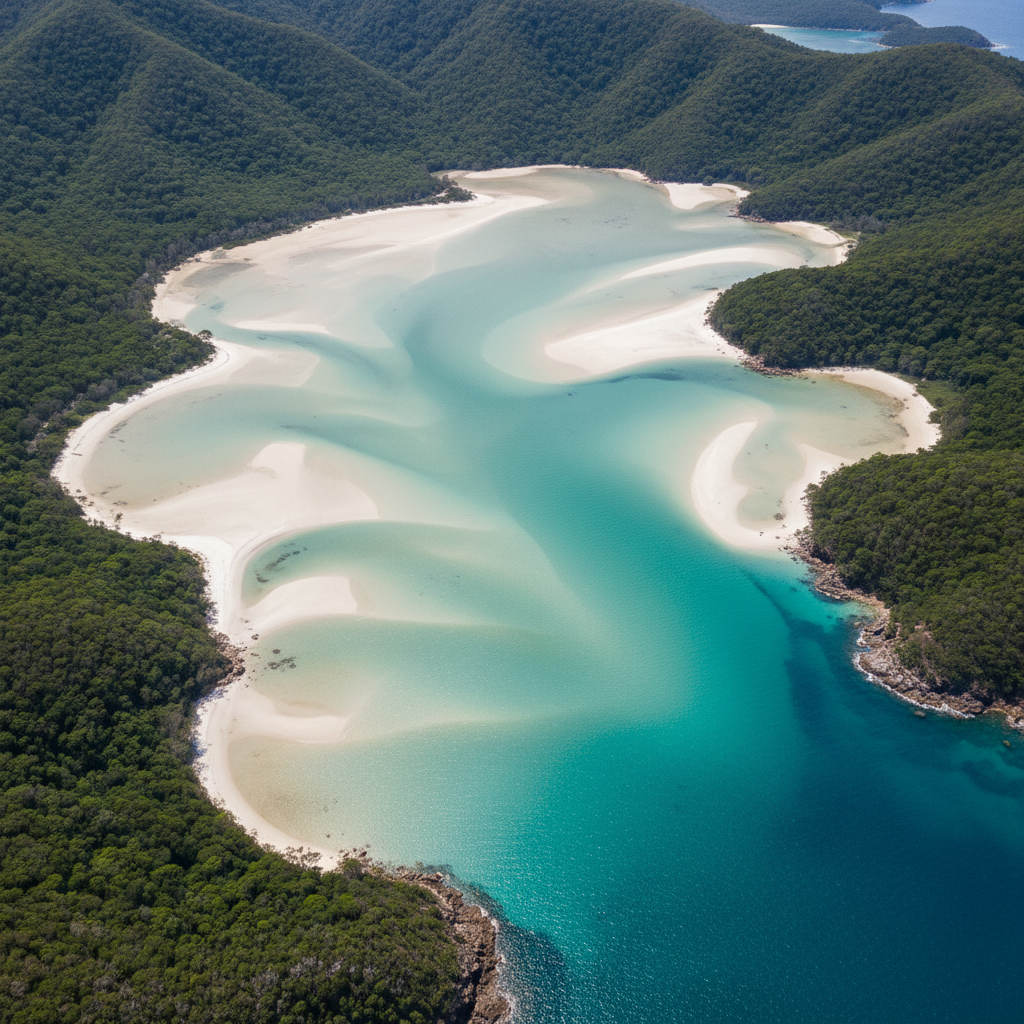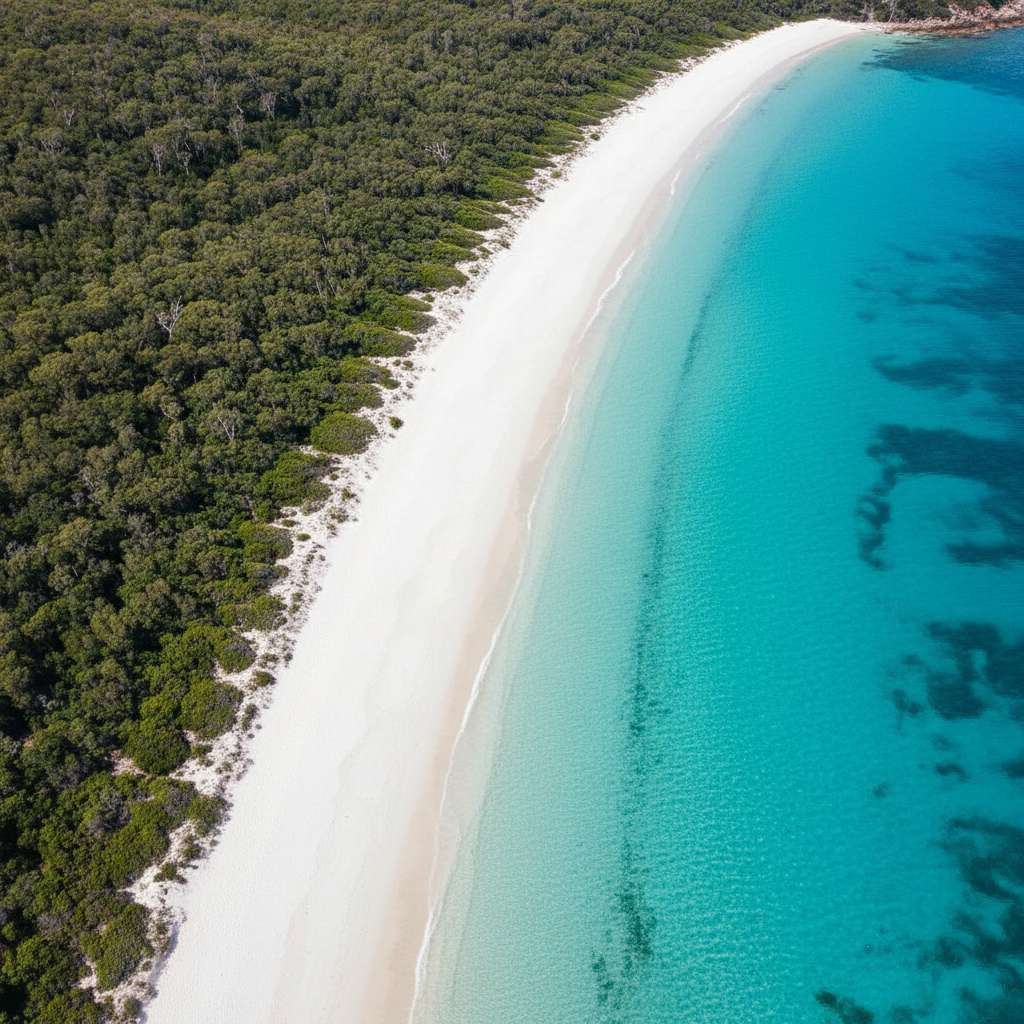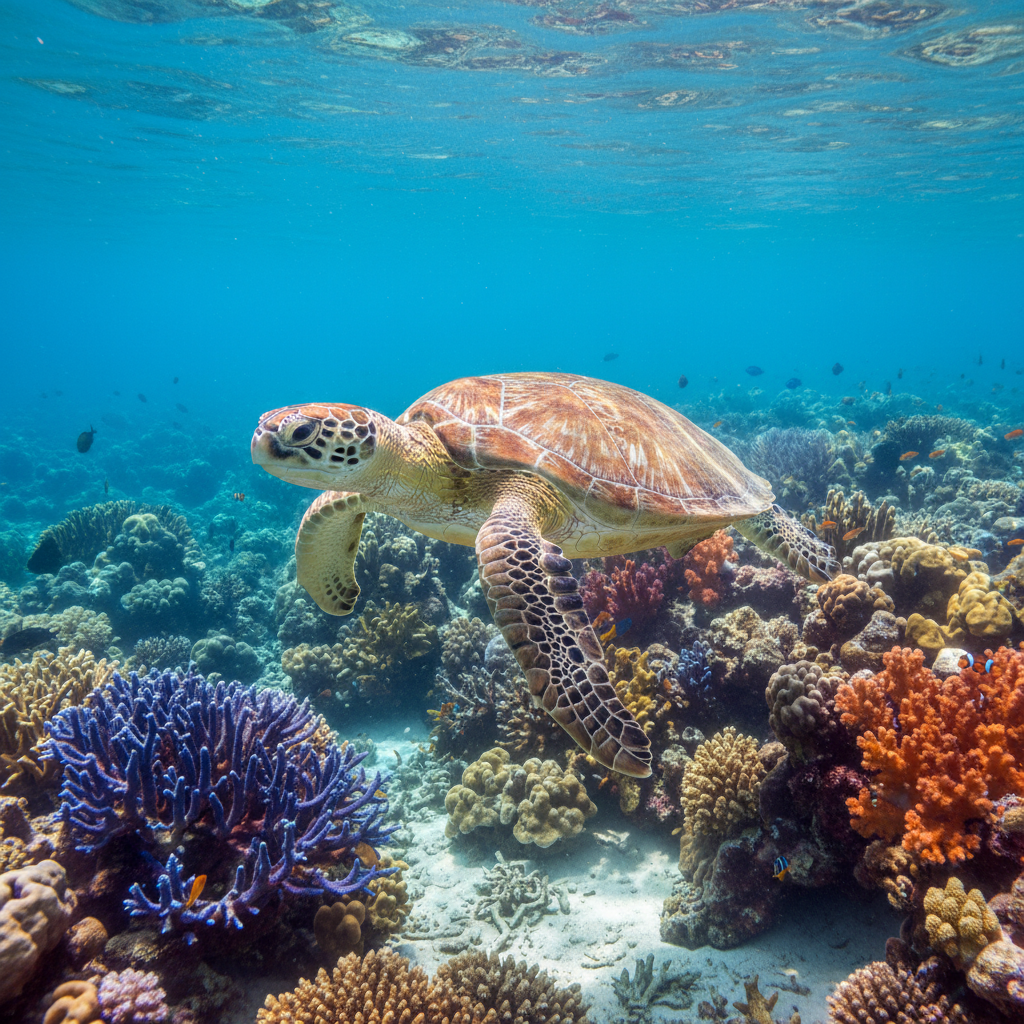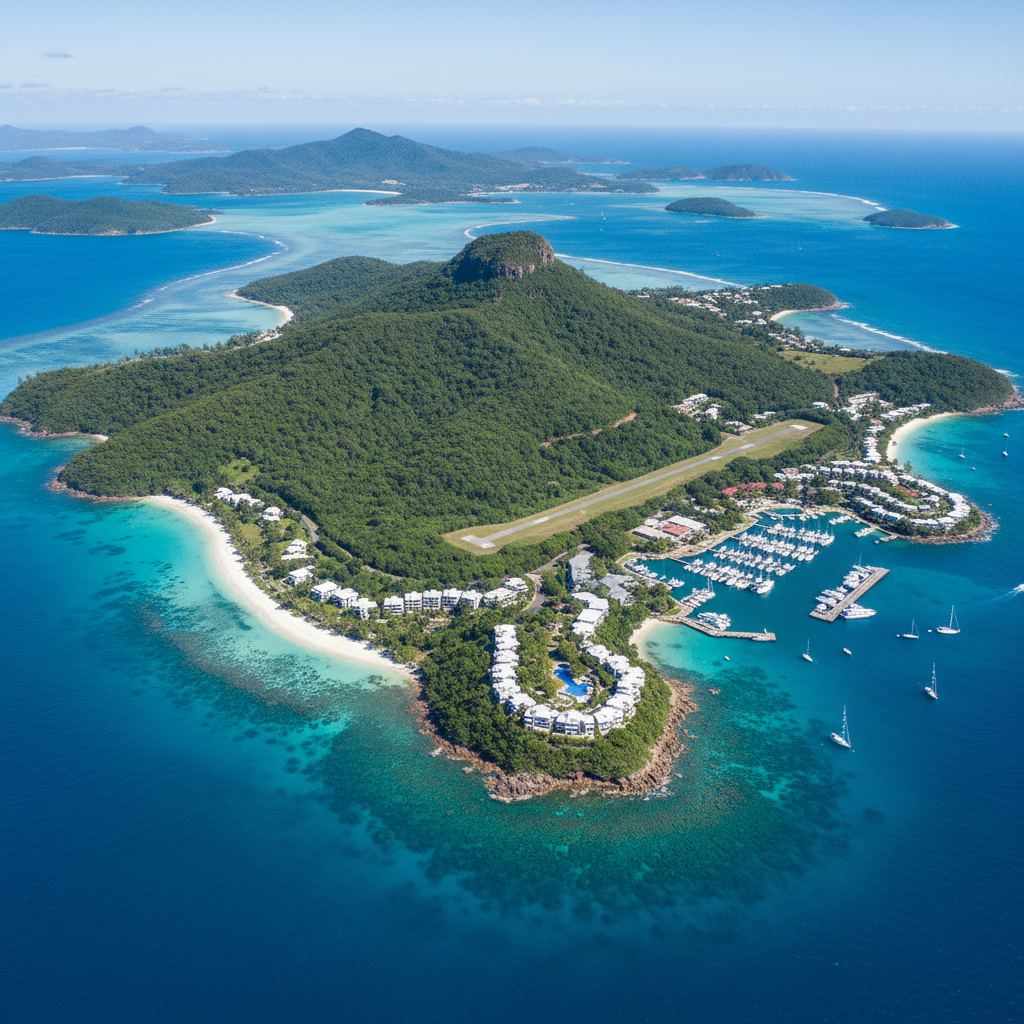
Hamilton Island's half-day snorkelling tours offer the perfect introduction to the Great Barrier Reef without committing to a full day on the water. These compact adventures typically run 3-4 hours, departing from Hamilton Island Marina and visiting pristine reef sites like Bait Reef or Hook Reef, where visibility often exceeds 20 metres and water temperatures hover around 24-26°C year-round.
What makes Hamilton Island half-day snorkel tours different from full-day options?
Hamilton Island half-day snorkel tours typically visit 1-2 reef sites over 3-4 hours, focusing on easily accessible coral gardens perfect for beginners, while full-day tours explore 3-4 sites including deeper outer reef locations with more diverse marine life.
The key difference lies in the reef locations accessed. Half-day tours from Hamilton Island primarily visit inner reef sites like Bait Reef (45 minutes from the marina) and Hook Reef (35 minutes away), which offer excellent snorkelling in protected waters with depths ranging from 2-8 metres. These sites feature vibrant coral gardens, schools of tropical fish, and occasional reef sharks in calm, clear conditions perfect for first-time snorkellers.
Full-day excursions venture to outer reef sites like Heart Reef and Hardy Reef, requiring 90-120 minutes travel time each way. While these locations boast more pristine coral formations and greater marine biodiversity, the additional travel time and rougher seas make them less suitable for families with young children or those prone to seasickness.
Half-day tours typically include 60-90 minutes of actual snorkelling time across two sites, allowing you to experience different underwater environments without fatigue. Most operators provide comprehensive snorkelling guidance including safety briefings, equipment fitting, and in-water supervision for nervous swimmers.
Which reef sites do Hamilton Island half-day tours typically visit?
Most Hamilton Island half-day snorkel tours visit Bait Reef and Hook Reef, located 20-45 minutes from the marina. These protected sites feature coral gardens in 3-8 metre depths with excellent visibility and abundant marine life including parrotfish, angelfish, and Maori wrasse.
Bait Reef stands out as the most frequently visited destination, featuring extensive coral bommies (isolated coral formations) rising from sandy bottoms at depths of 4-6 metres. The site's protected location means minimal current, making it ideal for beginners. Marine life includes giant trevally, coral trout, sweetlip emperor, and occasional green sea turtles. Water temperature remains consistently warm at 24-26°C, with visibility typically ranging from 15-25 metres.
Hook Reef offers slightly more advanced snorkelling with coral gardens extending from 2-10 metres depth. The reef's hook-shaped formation creates diverse underwater landscapes including coral walls, swim-throughs, and sandy channels. Notable marine encounters include schools of sergeant major fish, red emperor, and during winter months (June-September), occasional dwarf minke whales passing through deeper waters nearby.
Some operators also include Blue Pearl Bay on Hayman Island, particularly during rougher weather when outer reef sites become inaccessible. This sheltered bay features coral outcrops in 3-5 metre depths, perfect for families and nervous snorkellers. While not technically part of the Great Barrier Reef, Blue Pearl Bay offers excellent coral viewing with the added benefit of a beautiful beach for surface intervals.
How much do Hamilton Island half-day snorkel tours cost?
Hamilton Island half-day snorkel tours typically range from $135-$195 per adult, with children (4-14 years) priced at $85-$125. Premium operators offering smaller group sizes or additional inclusions like underwater photography charge $220-$280 per person.
Standard half-day tours averaging $155 per adult include snorkelling equipment (mask, snorkel, fins, stinger suit), safety briefing, reef interpretation, morning or afternoon tea, and transfers from Hamilton Island accommodation. Most tours accommodate 20-40 passengers on purpose-built vessels with shaded areas, freshwater showers, and onboard toilets.
Premium small-group tours (maximum 12 passengers) cost $220-$280 per adult but offer personalised instruction, higher staff-to-guest ratios, and often include underwater cameras or professional photography services. These tours frequently visit less crowded reef sites and provide more detailed marine biology interpretation.
Family packages offer significant savings, with most operators providing children's rates for ages 4-14 years. Some tours offer infant rates (under 4 years) at $25-$45, though actual snorkelling participation depends on swimming ability. Many operators include complimentary stinger suits for all passengers during stinger season (November-May), adding value to the overall package.
Additional costs may include underwater camera rentals ($35-$50), professional photography packages ($75-$120), and optional extras like prescription mask inserts ($15-$25). Most tours include light refreshments, but lunch isn't typically provided on half-day excursions.
What's included in a typical Hamilton Island half-day snorkel tour package?
Standard Hamilton Island half-day snorkel packages include mask, snorkel, fins, stinger suit, safety briefing, reef interpretation by marine biologist, morning/afternoon tea, and return transfers from Hamilton Island accommodation. Premium tours add underwater cameras and smaller group sizes.
Essential equipment provided includes properly fitted masks with anti-fog treatment, dry snorkels with purge valves, and adjustable fins in sizes from children's 10 to adult 14. Full-body stinger suits (lycra suits providing protection against marine stingers) are mandatory during stinger season and included year-round for sun protection. All equipment undergoes thorough sanitisation between uses.
Safety equipment includes flotation noodles, life jackets for non-swimmers, and emergency oxygen on board. Qualified dive instructors or marine biologists provide comprehensive safety briefings covering entry/exit techniques, hand signals, and marine life interaction guidelines. First aid equipment and emergency communication devices ensure passenger safety throughout the tour.
Educational components feature pre-snorkel briefings about coral reef ecosystems, fish identification cards, and in-water guidance from marine biologists. Many tours include laminated fish identification guides and encourage questions about marine life encountered during snorkelling sessions.
Refreshments typically include morning or afternoon tea with biscuits, fresh fruit, and unlimited water, tea, and coffee. Some premium operators provide light lunch on longer half-day tours extending beyond four hours. Most vessels feature shaded areas, freshwater rinse stations, and onboard toilets for passenger comfort.
What marine life can you expect to see on Hamilton Island half-day snorkel tours?
Hamilton Island half-day snorkel tours commonly encounter parrotfish, angelfish, butterflyfish, coral trout, giant trevally, and green sea turtles. Coral formations include staghorn coral, table coral, and massive brain coral. Marine life varies seasonally with turtle nesting season (November-February) offering increased sightings.
Tropical fish species dominate the underwater landscape with humphead Maori wrasse (up to 2 metres long) frequently approaching snorkellers at Bait Reef. Schools of sergeant major fish, yellow-tailed fusiliers, and red emperor create vibrant underwater displays. Larger predatory fish include coral trout, red throat emperor, and occasional grey reef sharks patrolling deeper waters.
Coral diversity spans hard coral species including staghorn coral (Acropora cervicornis), table coral (Acropora hyacinthus), and brain coral (Diploria labyrinthiformis). Soft corals add colour variations with purple sea fans, orange tree corals, and red whip corals swaying in gentle currents. Coral health at these inner reef sites remains good despite climate pressures, with recent recovery evident in many areas.
Seasonal variations significantly impact marine encounters. Turtle nesting season (November-February) brings increased green sea turtle and hawksbill turtle sightings as they move between feeding and nesting areas. Winter months (June-September) coincide with humpback whale migration, with occasional surface sightings during boat transfers, though whales rarely venture into snorkelling areas.
Unique Great Barrier Reef species include sweetlip emperor with their distinctive thick lips, clownfish (Nemo) living in anemone gardens, and cleaner wrasse operating "cleaning stations" where larger fish queue for parasite removal. Night parrotfish create sand through coral consumption, contributing to the region's famous white sand beaches.
Are Hamilton Island half-day snorkel tours suitable for beginners and non-swimmers?
Hamilton Island half-day snorkel tours cater excellently to beginners and nervous swimmers with shallow reef sites (2-6 metres), comprehensive instruction, flotation aids, and qualified instructors providing in-water guidance. Non-swimmers can participate using life jackets and staying close to boat platforms.
Beginner-friendly features include pre-departure equipment fitting sessions where instructors ensure proper mask seals and explain breathing techniques. Practice sessions in shallow water allow nervous swimmers to build confidence before venturing to deeper areas. Most reef sites visited feature gradual depth changes from 2-8 metres, allowing progressive skill development during the tour.
Safety measures for non-swimmers include mandatory life jacket provision, flotation noodles for additional buoyancy, and designated shallow areas near boat platforms where participants can stand if needed. Qualified instructors remain in the water throughout snorkelling sessions, maintaining visual contact with all participants and providing immediate assistance when required.
Age restrictions typically start at 4 years old, with children under 12 requiring adult supervision in the water. Most operators provide children's equipment in smaller sizes and offer modified snorkelling experiences for very young participants, including glass-bottom boat viewing and beach time at protected bays.
Alternative viewing options for those who prefer not to enter the water include underwater observatories (on select vessels), glass-bottom boat sections, and surface viewing from boat platforms. Many tours visit locations with beautiful beaches like Blue Pearl Bay, allowing non-snorkellers to enjoy the marine environment from shore.
When is the best time to book Hamilton Island half-day snorkel tours?
The optimal time for Hamilton Island half-day snorkel tours is April to November during dry season, offering calmer seas, better visibility (20-30 metres), and comfortable temperatures. Morning tours (8:30-12:30) typically feature calmer conditions and better underwater visibility than afternoon departures.
Dry season (April-November) provides the most reliable conditions with southeast trade winds averaging 15-20 knots, creating manageable sea conditions for half-day excursions. Water temperatures remain comfortable at 22-26°C, while air temperatures range from 20-28°C with minimal rainfall. Visibility underwater consistently exceeds 20 metres during these months.
Wet season (December-March) brings afternoon thunderstorms, higher humidity, and occasional cyclone activity that can disrupt tour operations. However, this period offers warmer water temperatures (26-29°C), increased marine life activity, and fewer crowds. Stinger season overlaps with wet season, requiring full-body stinger suits for safety.
Daily timing preferences favour morning departures (typically 8:30-12:30) when seas remain calmer from overnight settling and marine life appears most active during feeding periods. Afternoon tours (1:00-5:00) can experience choppier conditions due to increased wind activity but offer excellent photographic opportunities with afternoon lighting.
Seasonal wildlife variations include humpback whale migration (June-September) creating opportunities for surface sightings during boat transfers, turtle nesting season (November-February) increasing turtle encounters, and coral spawning (October-December) offering unique underwater spectacles for lucky participants.
Booking timing recommendations suggest securing spots 2-3 days in advance during peak season (July-September) and school holidays. Off-peak periods often allow same-day bookings, though popular operators may still fill early. Weather-related cancellations are rare but more likely during wet season.
How do Hamilton Island half-day snorkel tours compare to other Whitsundays snorkel options?
Hamilton Island half-day tours offer convenient reef access without overnight travel, while Airlie Beach departures provide longer reef exploration and often lower prices. Hamilton Island tours excel in luxury vessel standards and premium service but typically cost $30-50 more per person.
Geographical advantages of Hamilton Island departures include proximity to quality reef sites (35-45 minutes travel time) compared to Airlie Beach tours requiring 60-90 minutes each way to reach similar locations. This efficiency allows more snorkelling time within the half-day timeframe and reduces seasickness exposure during rougher conditions.
Vessel quality from Hamilton Island typically features newer, purpose-built catamarans with superior stability, larger deck spaces, and premium amenities including freshwater showers, shaded seating areas, and professional sound systems for briefings. Many Hamilton Island operators cater to resort guests with higher service expectations and comfort standards.
Pricing comparisons show Hamilton Island tours averaging $155-195 per adult versus Airlie Beach equivalents at $125-165 per adult. The premium reflects shorter travel times, higher vessel standards, and often smaller group sizes. However, Hamilton Island's comprehensive snorkelling options justify the additional cost through enhanced convenience and comfort.
Group size variations see Hamilton Island tours typically accommodating 20-35 passengers versus Airlie Beach tours often carrying 40-60 participants. Smaller groups enable more personalised instruction, better marine life spotting opportunities, and reduced crowding at snorkel sites.
Reef site access differs slightly, with Hamilton Island tours favouring closer inner reef locations perfect for half-day exploration, while Airlie Beach full-day tours can reach more remote outer reef sites. For half-day snorkelling specifically, Hamilton Island's proximity advantage makes it the superior choice for reef quality versus travel time balance.
What should you bring on a Hamilton Island half-day snorkel tour?
Bring reef-safe sunscreen, towel, hat, water bottle, underwater camera, and change of clothes. Optional items include prescription mask inserts, seasickness medication, and waterproof phone case. Most essential snorkelling equipment is provided including masks, snorkels, fins, and stinger suits.
Sun protection essentials include broad-spectrum SPF 50+ reef-safe sunscreen (zinc-based formulations that won't damage coral), wide-brimmed hat for boat travel, and UV-protective clothing for post-snorkel periods. Reef-safe sunscreen brands recommended include Blue Lizard, Badger, and Stream2Sea, available at Hamilton Island pharmacies and resort shops.
Personal comfort items should include quick-dry towel, change of clothes (including underwear), and waterproof bag for electronics. Many participants appreciate bringing their own water bottle despite onboard refreshments being provided, particularly during warmer months when dehydration risk increases.
Photography equipment options range from disposable waterproof cameras ($25-35) to underwater action cameras like GoPro models. Many tours offer camera rental services, but bringing your own ensures familiarity with controls and unlimited shooting. Waterproof phone cases provide backup photography options but shouldn't be solely relied upon for precious memories.
Medical considerations include seasickness prevention medication (taken 1-2 hours before departure), prescription medications in waterproof containers, and any emergency medications like EpiPens. Inform tour operators of medical conditions during booking to ensure appropriate safety measures.
Optional comfort items include small dry bag for valuables, extra hair ties for long hair, and contact lens solution if wearing contacts during snorkelling. Most tours provide fresh water rinse facilities, but bringing saline solution helps remove salt water from eyes after snorkelling sessions.
Ready to experience the magic of the Great Barrier Reef on a Hamilton Island half-day snorkel adventure? Airlie to Whitehaven makes booking simple with real-time availability, instant confirmation, and expert local recommendations. Compare all Hamilton Island activities and secure your underwater adventure today – because life's too short to miss swimming with tropical fish in one of the world's most spectacular marine environments.