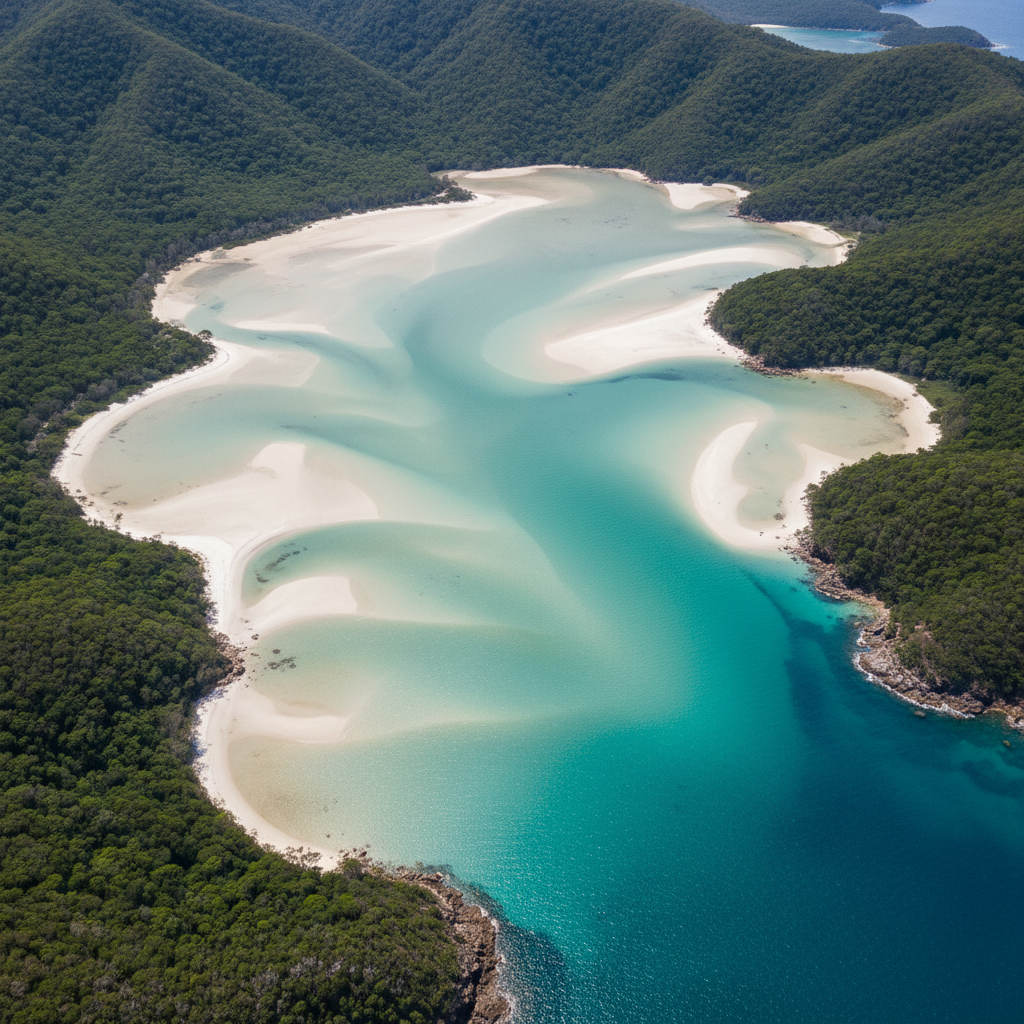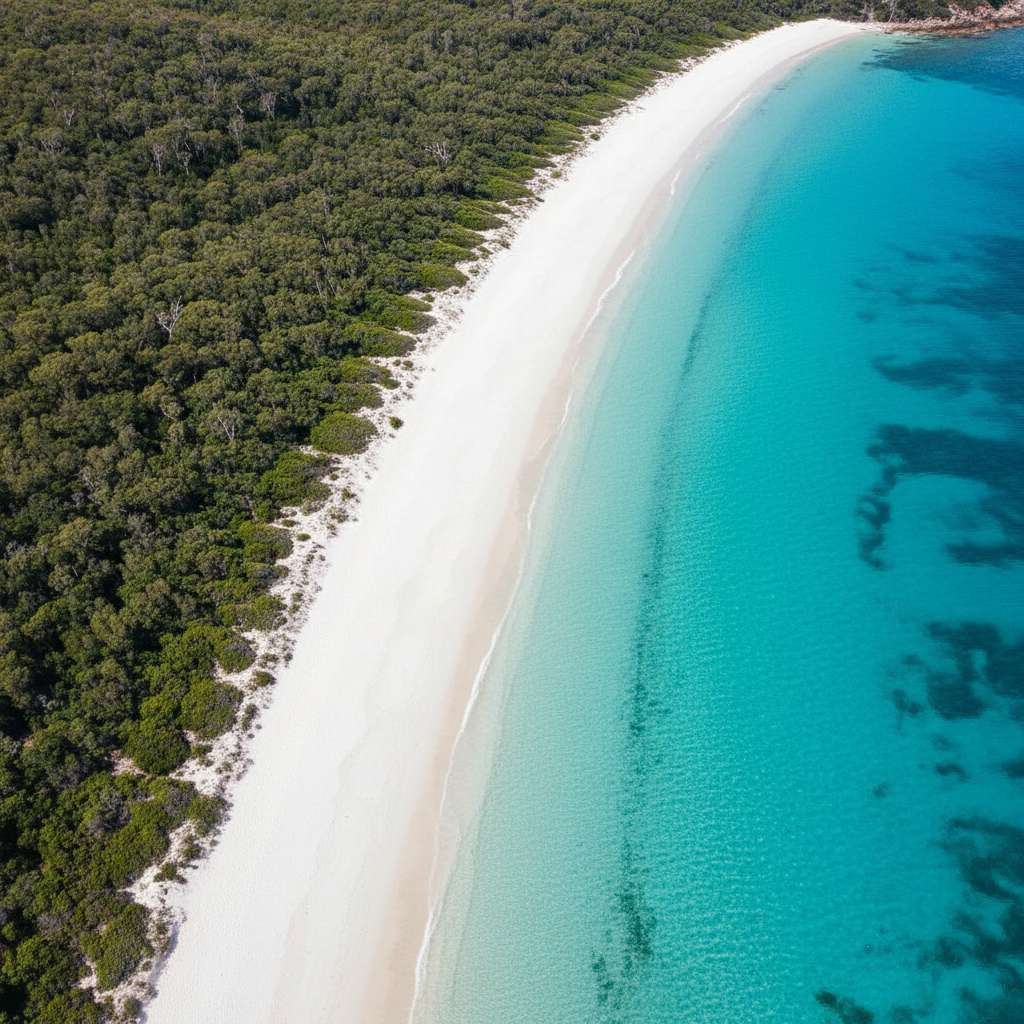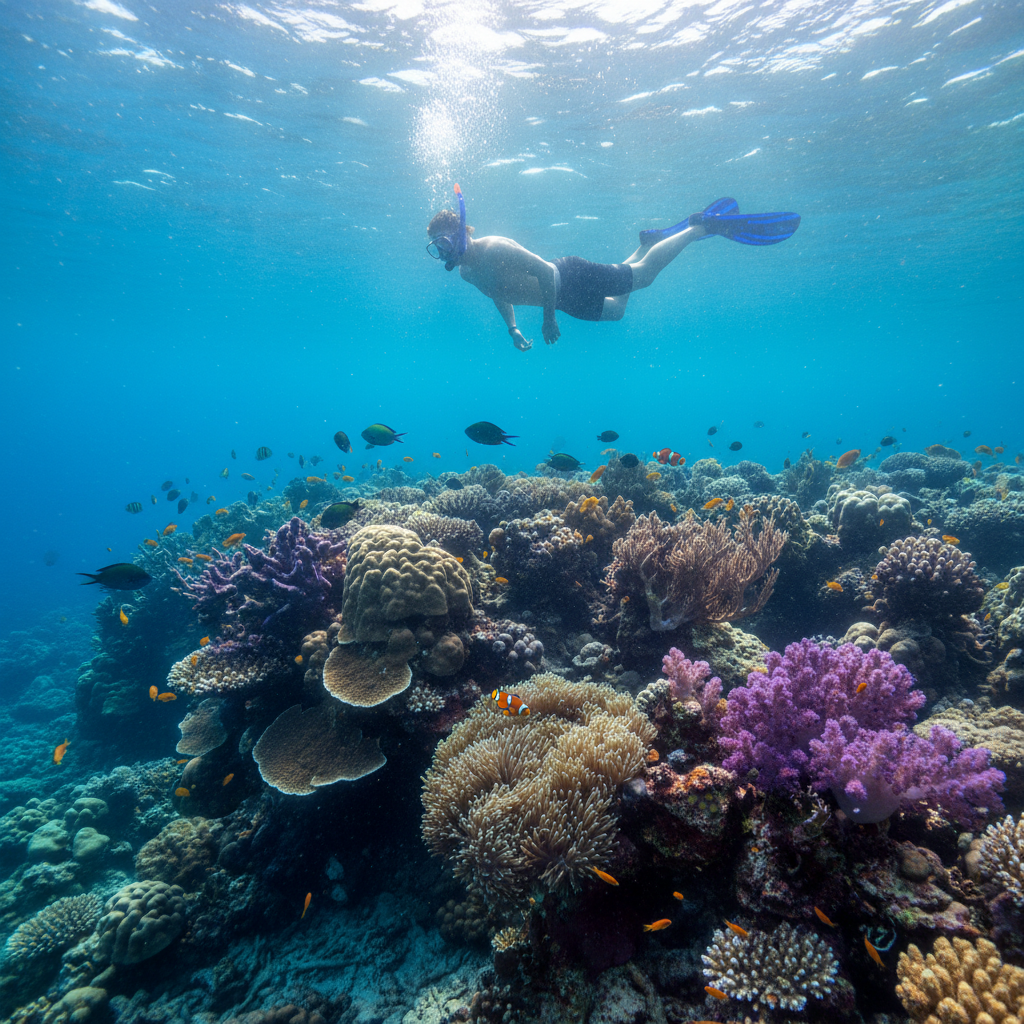
The Great Barrier Reef stretches over 2,300 kilometres, but from Airlie Beach, you're perfectly positioned to access some of its most pristine snorkelling sites. While many visitors come for Whitehaven Beach, the reef's underwater world offers equally spectacular experiences just two hours offshore. Whether you're a complete beginner or an experienced snorkeller, dedicated reef tours from Airlie Beach provide access to vibrant coral gardens, tropical fish species, and some of the clearest waters in the world.
What makes Great Barrier Reef snorkelling tours from Airlie Beach special?
Great Barrier Reef snorkelling tours from Airlie Beach access pristine outer reef sites with 30+ metre visibility, diverse marine life including reef sharks, rays, and 1,500+ fish species, plus professional guides ensuring safe, memorable underwater experiences for all skill levels.
The reef sites accessible from Airlie Beach sit within the heart of the Great Barrier Reef Marine Park, offering some of the healthiest coral systems in the region. The outer reef locations, typically 35-40 kilometres from shore, feature dramatic coral walls, expansive coral gardens, and an incredible diversity of marine life. Water temperatures range from 22°C in winter to 29°C in summer, making year-round snorkelling comfortable with appropriate gear.
Unlike reef tours from other gateways, Airlie Beach operators specialise in small-group experiences that prioritise snorkelling quality over quantity. Most tours limit passenger numbers to 35-60 people, ensuring personalised attention and uncrowded snorkel sites. The journey to the reef typically takes 1.5-2 hours each way, allowing time to spot dolphins, whales (June-September), and sea turtles en route.
Which reef sites do snorkelling tours visit from Airlie Beach?
Tours primarily visit Bait Reef, Hook Reef, and Hardy Reef - pristine outer reef locations featuring coral gardens, drop-offs, and lagoons. Sites are selected daily based on weather conditions, ensuring optimal visibility and marine life encounters for snorkellers.
Bait Reef spans approximately 15 square kilometres and features shallow coral gardens perfect for beginners, alongside deeper drop-offs for experienced snorkellers. The reef hosts over 200 coral species, including massive table corals, staghorn formations, and vibrant soft corals. Marine life includes Maori wrasse, reef sharks, giant trevally, and seasonal visits from manta rays.
Hook Reef offers diverse snorkelling environments, from protected lagoons to exposed reef walls. The site features extensive hard coral formations, underwater swim-throughs, and cleaning stations where larger marine life congregates. Visibility often exceeds 30 metres, and the reef structure provides excellent opportunities for underwater photography.
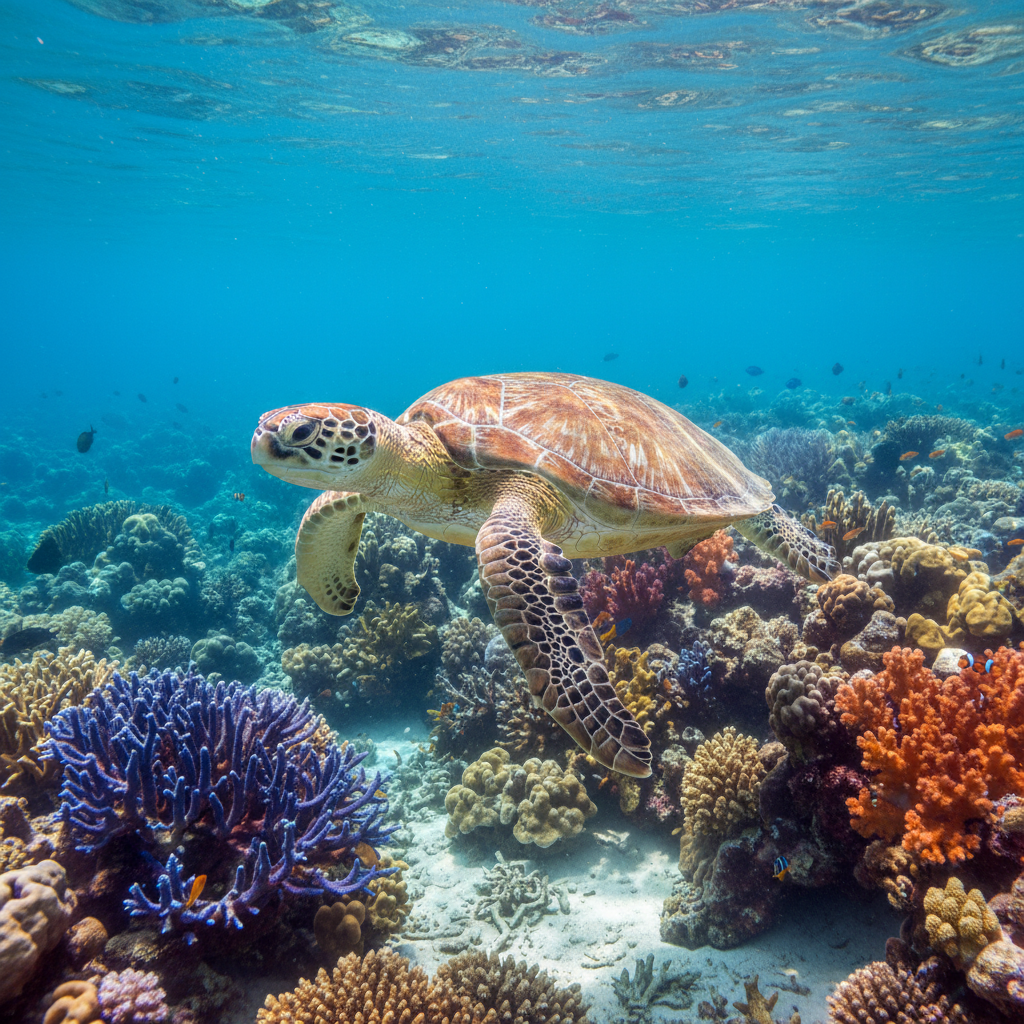
Hardy Reef includes the famous Heart Reef (viewed from helicopter tours) and surrounding coral systems. The snorkel sites feature pristine coral walls, abundant fish life, and regular sightings of green sea turtles, eagle rays, and white-tip reef sharks. The reef's protected lagoon areas provide calm conditions for nervous snorkellers.
What types of Great Barrier Reef snorkelling tours are available?
Options include full-day reef tours with 4-5 hours snorkelling time, luxury catamaran experiences with gourmet meals, and combo tours combining reef snorkelling with scenic helicopter flights. Tours range from $180-$450 per person depending on vessel and inclusions.
Full-day reef tours typically operate from 7:30am to 5:30pm, featuring high-speed catamaran transport, buffet lunch, and snorkelling at 2-3 reef sites. Vessels include Reef Encounter ($229), Ocean Dynamics ($199), and Premium Adventures ($189). All tours include snorkelling equipment, stinger suits, and professional marine biologist guides.
Luxury reef experiences offer smaller group sizes (maximum 35 passengers), premium vessels with air-conditioning, and gourmet dining options. Operators like Cruise Whitsundays ($385) and Red Cat Adventures ($299) provide elevated service levels, underwater viewing chambers, and extended reef time. These tours often include complimentary beverages and reef interpretation programs.
Helicopter and reef combinations start from $449 and include scenic flights over the reef, Heart Reef viewing, and dedicated snorkelling time. The aerial perspective provides context for the reef's massive scale before experiencing its underwater wonders firsthand. Flight times range from 10-30 minutes depending on the package selected.
How much do Great Barrier Reef snorkelling tours cost?
Prices range from $180-$450 per person for full-day tours. Budget options start at $180, premium experiences cost $280-$350, and luxury helicopter combinations reach $450+. Children aged 4-14 typically receive 20-30% discounts on adult pricing.
Budget-conscious travellers can access quality reef experiences through operators like Premium Adventures ($189) and Fantasea Adventure Cruising ($199). These tours include snorkelling equipment, buffet lunch, and reef access but may feature larger passenger numbers and basic vessel amenities.
Mid-range options ($250-$320) include Red Cat Adventures, Ocean Dynamics, and Reef Encounter, offering enhanced comfort, smaller group sizes, and additional activities like guided snorkel tours or underwater viewing chambers. These tours often include reef interpretation talks and marine biologist presentations.
Premium experiences ($350+) feature luxury catamarans, gourmet dining, complimentary beverages, and personalised service. Some operators include underwater photography services, professional reef guides, and access to exclusive reef sites away from larger tour groups.
What marine life can you expect to see while snorkelling?
Regular sightings include green sea turtles, reef sharks, giant Maori wrasse, eagle rays, and over 200 tropical fish species. Seasonal highlights feature humpback whales (June-September), manta rays (May-August), and coral spawning events (October-December) creating unique underwater spectacles.
Fish species commonly encountered include parrotfish, angelfish, butterflyfish, surgeonfish, and schools of fusiliers. Larger species like coral trout, Spanish mackerel, and giant trevally frequent cleaning stations. Clownfish (Nemo) inhabit anemone gardens throughout the reef sites, particularly around coral bommies and protected lagoon areas.
Marine megafauna sightings include green and hawksbill sea turtles year-round, with peak numbers during nesting season (November-February). White-tip and grey reef sharks patrol reef edges, while eagle rays and stingrays frequent sandy areas between coral formations. Occasional visits from dwarf minke whales (June-July) provide extraordinary snorkelling encounters.
Coral diversity includes over 400 hard coral species, from massive table corals spanning 3+ metres to delicate branching staghorns. Soft corals create colourful underwater gardens, while brain corals, plate corals, and elkhorn formations provide habitat for countless fish species. Coral health remains excellent at outer reef sites, with minimal bleaching impact.
When is the best time for reef snorkelling from Airlie Beach?
April to November offers optimal conditions with 25+ metre visibility, calm seas, and minimal rainfall. June-September provides the calmest weather plus humpback whale encounters. December-March features warmer waters but increased rainfall and potential stinger presence requiring protective suits.
Dry season advantages (April-November) include consistent trade winds creating calm reef conditions, minimal rainfall ensuring clear water, and comfortable air temperatures ranging from 20-28°C. Visibility often exceeds 30 metres, and reef access is rarely cancelled due to weather conditions. This period also coincides with humpback whale migration (June-September).
Wet season considerations (December-March) bring increased water temperatures (27-29°C) but higher rainfall potentially reducing visibility. Stinger season requires full-body protection, though all tours provide quality stinger suits at no additional cost. Cyclone activity (rare) may occasionally impact tour operations between January-March.
Seasonal highlights include coral spawning events (October-December) when corals simultaneously release eggs and sperm, creating underwater snowstorm effects. Manta ray encounters peak during May-August when plankton blooms attract these gentle giants to cleaning stations. Turtle nesting season (November-February) increases turtle encounter opportunities.
What's included in Great Barrier Reef snorkelling tour packages?
Standard inclusions cover return transfers, snorkelling equipment (mask, snorkel, fins), stinger suits, buffet lunch, reef access, and marine park fees. Premium tours add guided snorkel tours, underwater viewing chambers, refreshments, and professional reef interpretation by marine biologists.
Essential equipment provided includes properly fitted masks, snorkels with splash guards, adjustable fins in multiple sizes, and full-body stinger suits during stinger season (November-May). Prescription masks are available for vision-impaired snorkellers, and flotation devices accommodate nervous swimmers. All equipment undergoes regular sanitisation and maintenance.
Food and beverages typically include substantial buffet lunches featuring fresh seafood, salads, tropical fruits, and hot dishes. Premium tours may offer barista-made coffee, complimentary beverages, and gourmet dining options. Dietary requirements (vegetarian, vegan, gluten-free) are accommodated with advance notice.
Additional services on premium tours include professional underwater photography (additional cost), guided snorkel tours with marine biologists, glass-bottom boat viewing for non-swimmers, and educational reef talks. Some operators provide underwater cameras for rent ($30-50) and offer photo packages capturing your reef experience.
How do weather conditions affect reef snorkelling tours?
Tours operate year-round with weather-dependent site selection ensuring safe snorkelling conditions. Strong winds may redirect tours to protected reef areas, while heavy rain can reduce visibility. Cancellations are rare, occurring only during extreme weather events or unsafe sea conditions.
Wind impact primarily affects vessel comfort rather than snorkelling quality, as operators select lee-side reef locations providing protection from prevailing conditions. Trade winds (10-20 knots) actually improve conditions by creating surface chop that oxygenates water and attracts marine life. Winds exceeding 25 knots may prompt site changes to more protected areas.
Rain effects on snorkelling are minimal once underwater, though heavy rainfall can create temporary visibility reduction near the surface. Reef tours continue during light rain, and underwater visibility typically remains excellent below 2-3 metres depth. Extended rainfall may cause river runoff reducing coastal water clarity, but outer reef sites remain unaffected.
Safety protocols include daily weather monitoring, alternative site preparation, and constant communication with marine rescue services. Experienced skippers assess conditions hourly and adjust itineraries accordingly. Tours may return early if conditions deteriorate, with partial refunds offered for significantly shortened experiences.
What snorkelling experience level is required for reef tours?
No prior snorkelling experience required - tours cater to complete beginners through advanced snorkellers. Professional staff provide equipment fitting, water confidence instruction, and guided snorkel tours. Flotation devices and close supervision ensure safe, enjoyable experiences for all swimming abilities.
Beginner support includes comprehensive safety briefings, equipment demonstrations, and in-water instruction before reaching reef sites. Staff assist with mask fitting, fin adjustment, and breathing techniques. Nervous snorkellers receive one-on-one attention and can use pool noodles or flotation vests for additional confidence.
Advanced snorkellers enjoy freedom to explore independently within designated areas, often accessing deeper reef sections and swim-through opportunities. Experienced guides point out rare marine life, optimal photography locations, and lesser-known reef features. Advanced snorkellers may request extended time at preferred sites.
Non-swimmers can participate through glass-bottom boat viewing, semi-submersible experiences, and shallow water activities in protected lagoon areas. Flotation devices allow non-swimmers to experience surface snorkelling with constant supervision. Many discover snorkelling confidence during their reef visit and graduate to independent exploration.
How do Great Barrier Reef tours compare to Whitsundays snorkelling?
Great Barrier Reef tours focus exclusively on outer reef sites with pristine coral and marine diversity, while Whitsundays snorkelling combines fringing reef exploration with island visits. Reef tours offer superior coral health and visibility, while island tours provide beach access and varied experiences.
Dedicated Great Barrier Reef tours travel 35-40 kilometres to access outer reef locations featuring 95%+ hard coral cover, 30+ metre visibility, and minimal human impact. These sites host greater species diversity, larger marine life, and more dramatic underwater topography including coral walls and extensive bommie systems.
Whitsundays snorkelling occurs at fringing reefs surrounding the 74 islands, offering convenient access combined with beach visits and island exploration. While coral cover varies (60-80%), these sites provide excellent beginner snorkelling opportunities and the chance to experience both underwater and above-water attractions in single tours.
The choice depends on priorities: pure snorkelling enthusiasts should select dedicated reef tours, while those wanting diverse experiences including beaches, hiking, and varied snorkel sites should consider combination island and reef tours. Many visitors choose both options during extended Whitsundays stays to experience the region's full marine diversity.
Ready to explore the Great Barrier Reef's underwater wonders? Airlie to Whitehaven makes booking your perfect reef snorkelling adventure simple and secure. Browse our comprehensive selection of reef tours, read genuine reviews from fellow travellers, and book with confidence knowing you're accessing the best snorkelling experiences the Great Barrier Reef has to offer. Your underwater adventure awaits - start planning your reef discovery today.