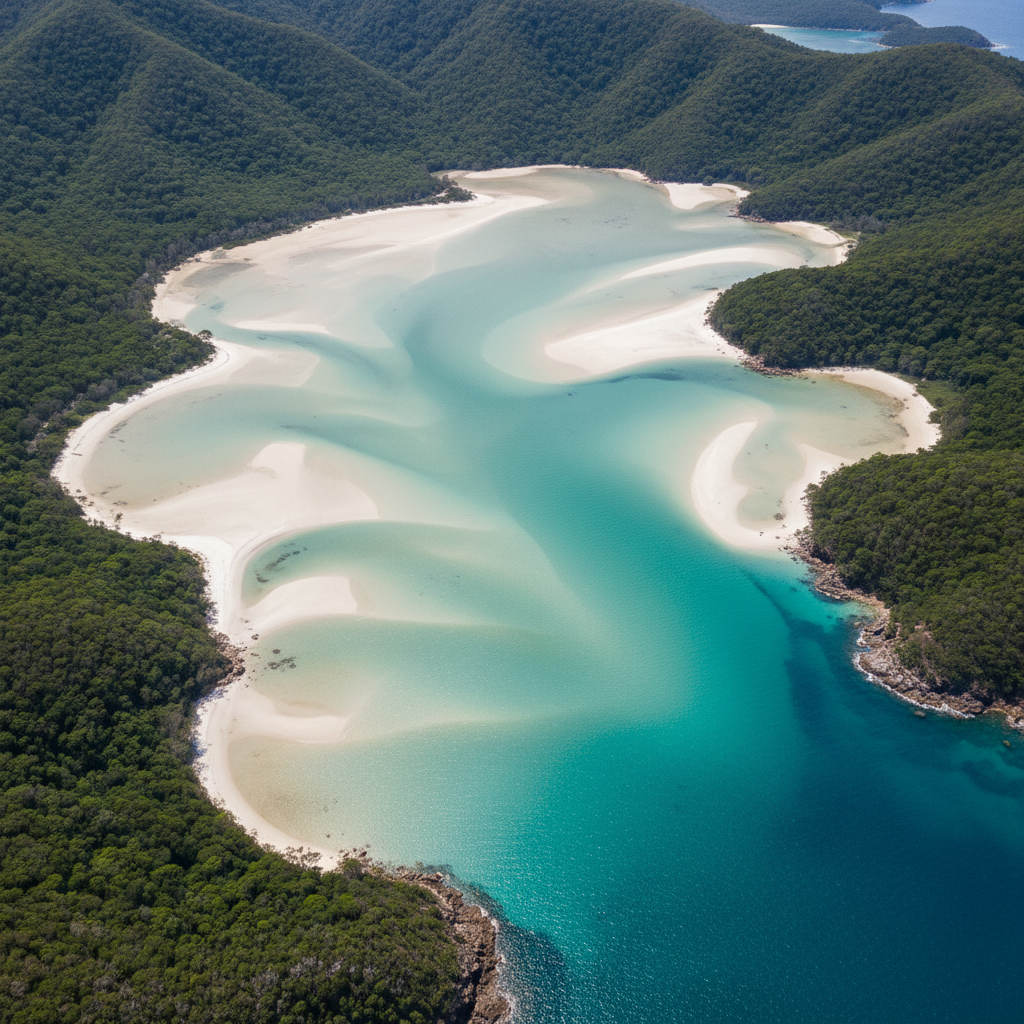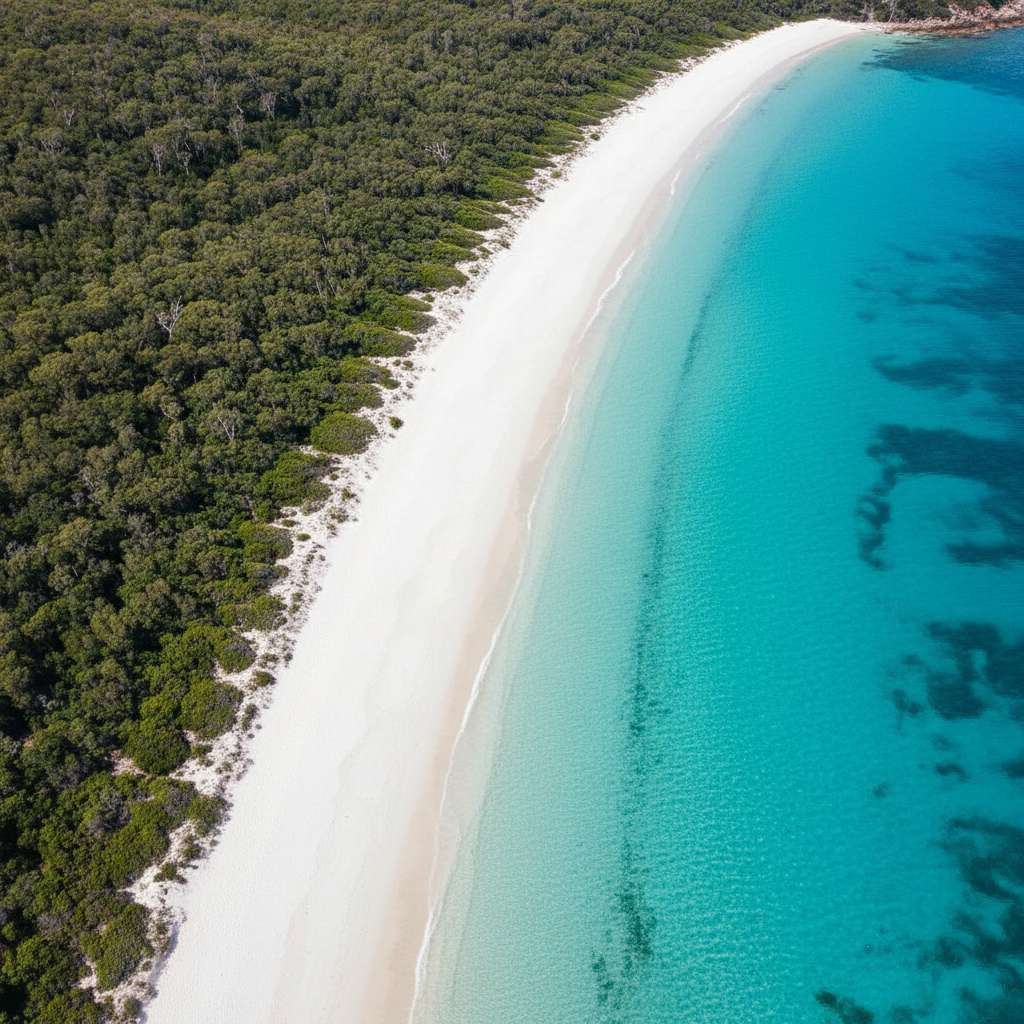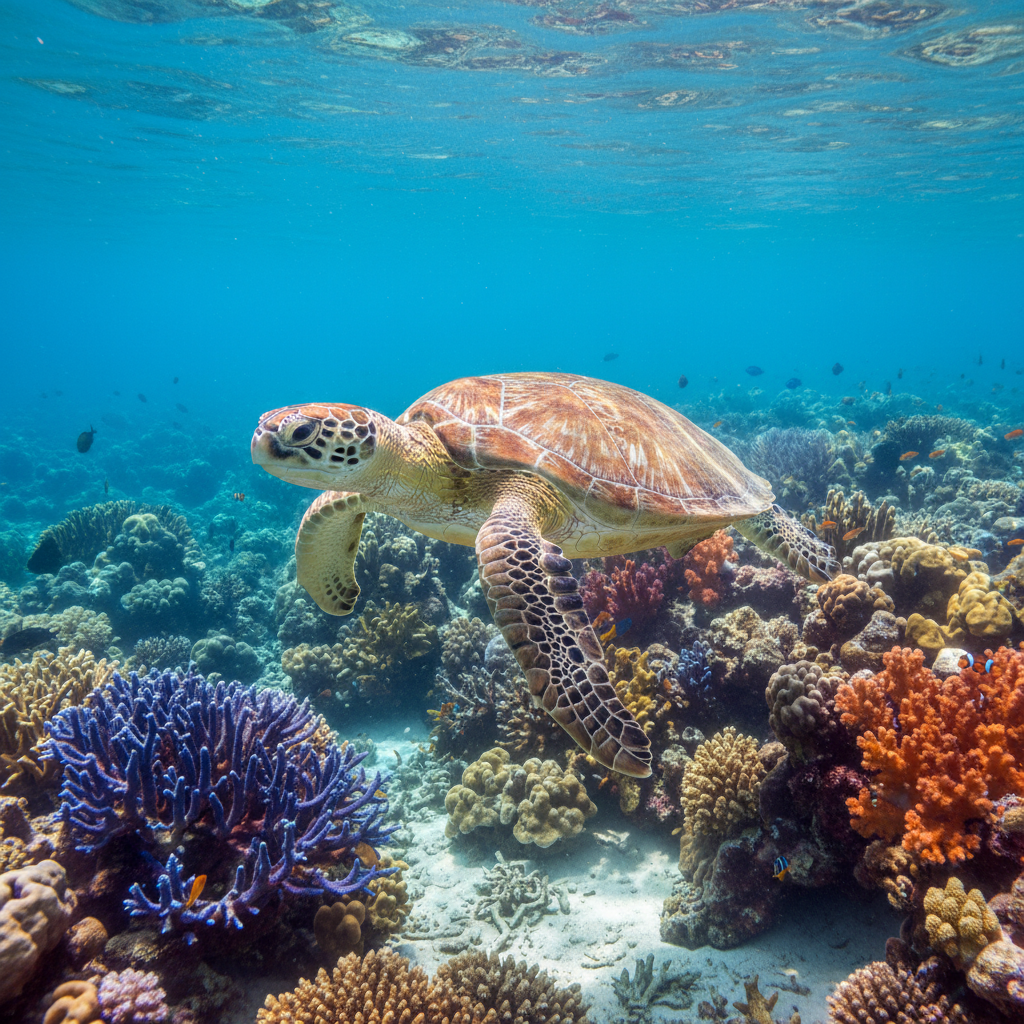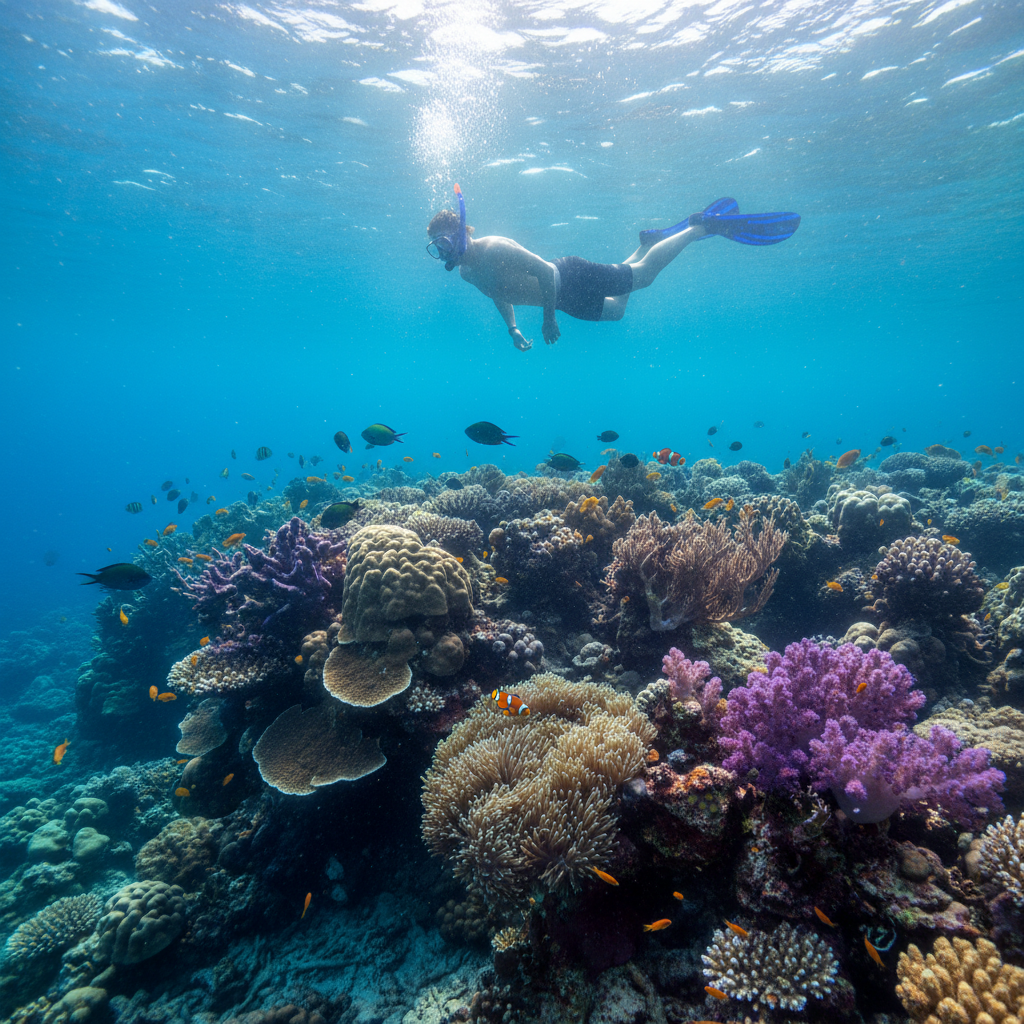
Soaring above the world's largest coral reef system in a helicopter is hands-down one of the most spectacular ways to experience the Great Barrier Reef from Airlie Beach. These aerial adventures offer perspectives you simply can't get from ground level – sweeping views of coral gardens, turquoise lagoons, and the meeting point where reef meets ocean. Whether you're after a scenic flight, reef landing, or snorkel combo, helicopter tours from Airlie Beach deliver memories that'll last a lifetime.
What helicopter tour options are available for the Great Barrier Reef from Airlie Beach?
Three main helicopter tour types operate from Airlie Beach: 60-minute scenic flights over Heart Reef ($495-695), reef landing tours with snorkeling ($895-1,295), and combo packages including Whitehaven Beach visits ($1,195-1,695). Tours depart from Airlie Beach Airport or Hamilton Island.
The most popular option is the Heart Reef scenic flight, which takes you directly to this world-famous naturally formed heart-shaped coral formation in Hardy Reef. These 60-minute tours typically cost between $495-695 per person and include flyovers of Hill Inlet, Whitehaven Beach, and multiple reef systems.
For a more immersive experience, reef landing tours combine helicopter flights with snorkeling opportunities at pristine reef locations. These full-day adventures range from $895-1,295 and include equipment, lunch, and underwater time at carefully selected coral sites.
Premium combo packages merge the best of both worlds – aerial views and multiple destinations. Expect to pay $1,195-1,695 for tours that might include Whitehaven Beach, Heart Reef, and reef snorkeling in a single epic day out.
How long does a helicopter tour to the Great Barrier Reef take?
Great Barrier Reef helicopter tours from Airlie Beach range from 60 minutes for scenic flights to 8 hours for full-day reef landing experiences. Flight time to Heart Reef is approximately 35 minutes each way from Airlie Beach.
Scenic flight options typically include:
- 60-minute Heart Reef tour: 35 minutes each way plus viewing time
- 90-minute extended reef tour: covers multiple reef systems and Whitsunday Islands
- 2-hour premium flight: includes low-level passes and photography stops
Reef landing tours extend significantly longer due to water activities:
- Half-day reef landing: 4-5 hours including 2 hours on the reef
- Full-day combo tours: 6-8 hours with multiple stops and activities
- Luxury reef experiences: up to 10 hours with gourmet dining and extended snorkel time
Weather conditions can affect flight times, with tours occasionally extended or shortened based on wind patterns and visibility. Most operators build buffer time into their schedules to accommodate these natural variations.
What will I see during a Great Barrier Reef helicopter flight?
Helicopter flights showcase Heart Reef's perfect heart shape, Hardy Reef's coral gardens, Bait Reef's blue holes, and Hook Reef's massive coral formations. You'll also see pristine coral cays, diverse marine life, and the dramatic color contrast between deep ocean and shallow reef waters.
The star attraction is undoubtedly Heart Reef – this naturally formed heart-shaped coral formation sits within Hardy Reef and measures approximately 17 meters across. From the air, its perfect symmetry and vibrant colors create one of the most photographed natural wonders in the world.
Hardy Reef extends far beyond Heart Reef, featuring extensive coral gardens, lagoons, and channels that create an intricate maze of aquamarine waters. The reef system covers approximately 35 square kilometers and supports an incredible diversity of marine life visible from above.
Bait Reef showcases dramatic blue holes – deep circular formations that appear as dark blue circles surrounded by lighter coral shallows. These geological features can reach depths of 35 meters and create stunning visual contrasts from helicopter altitude.
Hook Reef presents massive coral formations and pristine coral cays where turtles, rays, and reef sharks are often spotted from the air. The reef's outer edge meets deep Pacific waters, creating a spectacular color gradient from crystal clear shallows to deep navy blue.
Where do Great Barrier Reef helicopter tours depart from?
Most Great Barrier Reef helicopter tours depart from Airlie Beach Airport, located 8 kilometers from Airlie Beach town center, or Hamilton Island Airport. Some operators also offer pickups from Shute Harbour helipad for convenience.
Airlie Beach Airport serves as the primary departure point for mainland-based helicopter operators. The facility is easily accessible by rental car (10-minute drive), taxi ($25-35), or courtesy shuttle services provided by some tour operators. Free parking is available for guests driving themselves.
Hamilton Island Airport offers an alternative departure point, particularly convenient for guests staying on Hamilton Island or arriving via direct flights from major Australian cities. The helicopter terminal is separate from the main airport terminal and easily walkable from Hamilton Island accommodation.
Shute Harbour, located 10 kilometers east of Airlie Beach, features a dedicated helipad used by select operators. This departure point offers the advantage of closer proximity to the reef, reducing overall flight time and potentially lowering costs.
All departure locations provide safety briefings, weighing procedures, and equipment fitting before flights. Most operators request arrival 30 minutes prior to scheduled departure for check-in procedures.
What's included in a Great Barrier Reef helicopter tour package?
Standard helicopter reef tours include return flights, safety equipment, pilot commentary, and photography opportunities. Reef landing packages add snorkeling gear, marine biologist guides, lunch, and typically 2-3 hours of underwater exploration time.
Scenic flight packages typically provide:
- Return helicopter transportation
- Professional pilot with reef commentary
- Safety briefing and equipment
- Window seats for optimal photography
- Complimentary souvenir photos (some operators)
Reef landing experiences expand significantly:
- All scenic flight inclusions
- High-quality snorkeling equipment (masks, fins, snorkels)
- Stinger suits during stinger season (November-May)
- Marine biologist or certified dive guide
- Gourmet lunch and refreshments
- Reef interpretation and education
- Optional scuba diving upgrades
Premium packages might include additional amenities like champagne service, extended reef time, multiple snorkel sites, underwater cameras, or exclusive access to private reef platforms.
How much do helicopter tours to the Great Barrier Reef cost?
Great Barrier Reef helicopter tour prices range from $495 for 60-minute scenic flights to $1,695 for premium full-day reef landing experiences. Prices vary based on tour length, inclusions, departure location, and seasonal demand.
Scenic flight pricing breaks down as follows:
- 60-minute Heart Reef flight: $495-595 per person
- 90-minute extended reef tour: $695-795 per person
- 2-hour premium scenic flight: $895-995 per person
Reef landing tours command higher prices due to additional inclusions:
- Half-day reef landing: $895-1,095 per person
- Full-day reef snorkel combo: $1,195-1,395 per person
- Premium reef landing experience: $1,495-1,695 per person
Several factors influence pricing including departure location (Hamilton Island tours often cost $100-200 more), group size (private charters start around $3,500 for up to 6 passengers), and seasonal variations (peak season surcharges of 10-15% apply June-September).
Many operators offer package deals when combining helicopter tours with other activities through flight and tour combinations, potentially saving 15-20% compared to booking separately.
What's the best time of year for Great Barrier Reef helicopter tours?
April through November offers optimal conditions for Great Barrier Reef helicopter tours, with clear skies, calm winds, and excellent visibility. June through September provides the best weather but highest prices due to peak tourist season.
The dry season (April-November) delivers consistently excellent flying conditions:
- Minimal rainfall and cloud cover
- Calm wind conditions for stable flights
- Crystal clear visibility for photography
- Comfortable temperatures in helicopters
Peak season (June-September) coincides with whale migration season, offering the added bonus of spotting humpback whales during flights. However, this period also brings:
- Higher tour prices (10-20% premium)
- Advance booking requirements (2-4 weeks recommended)
- Busier reef locations
- Increased demand for premium time slots
Shoulder seasons (April-May and October-November) provide excellent value with great weather, lower prices, and smaller crowds. These months offer ideal conditions for both scenic flights and reef landing experiences.
The wet season (December-March) presents challenges including afternoon thunderstorms, reduced visibility, and potential tour cancellations. However, this period offers significantly lower prices and the opportunity to see the reef during its most vibrant growth period.
Can helicopter tours land directly on the Great Barrier Reef?
Yes, specialized helicopters can land on designated reef platforms and pontoons, allowing direct access to pristine snorkeling sites. These reef landing tours operate under strict environmental permits and visit carefully selected locations to minimize ecological impact.
Reef landing operations utilize several approved locations:
Hardy Reef features permanent pontoons operated by cruise companies, with designated helicopter landing zones. These platforms provide immediate access to Heart Reef area snorkeling and often include underwater observatories and semi-submersible tours.
Private reef platforms offer more exclusive experiences with smaller groups and personalized service. These floating platforms are positioned over prime coral sites and include facilities like changing rooms, equipment storage, and shaded rest areas.
Selected coral cays provide beach landings during low tide conditions. These temporary stops allow for beach exploration, turtle spotting, and snorkeling directly from pristine sandy beaches surrounded by coral.
Environmental regulations strictly govern helicopter reef landings, with operators required to follow specific approach routes, noise minimization procedures, and visitor impact guidelines. All landing sites are chosen for their resilience to minimal tourism impact while providing exceptional snorkeling opportunities.
How do I choose between different helicopter tour operators?
Choose helicopter operators based on safety records, aircraft age, pilot experience, route options, and customer reviews. Look for operators with CASA certification, modern helicopters (less than 10 years old), and comprehensive insurance coverage.
Safety should be your primary consideration when selecting an operator:
- Current CASA (Civil Aviation Safety Authority) certification
- Aircraft maintenance records and age (prefer helicopters under 10 years)
- Pilot qualifications and local experience
- Comprehensive safety briefings and emergency procedures
- Weather policy and cancellation procedures
Evaluate tour quality factors including:
- Route variety and reef locations covered
- Group sizes (smaller groups offer better experiences)
- Commentary quality and pilot knowledge
- Photography policies and window clarity
- Departure punctuality and schedule reliability
Consider value-added services such as complimentary photos, reef education, marine biologist guides (on landing tours), and pickup/drop-off services. Read recent customer reviews focusing on safety, service quality, and value for money rather than just price comparisons.
For the best selection of helicopter tour options in the Whitsundays, compare multiple operators to find the perfect match for your budget and interests.
What should I bring on a Great Barrier Reef helicopter tour?
Bring sunglasses, sunscreen, camera with secure strap, comfortable clothing, and reef-safe sunscreen. Avoid loose items, wear secure footwear, and dress in layers as helicopter cabins can be cool while reef locations are warm.
Essential items for all helicopter tours:
- Sunglasses with secure strap (helicopters have large windows)
- Camera or phone with wrist strap for safety
- Reef-safe sunscreen (protect both you and the reef)
- Light jacket (helicopter cabins are air-conditioned)
- Secure, closed-toe footwear
Additional items for reef landing tours:
- Swimwear (wear under clothes for quick changes)
- Towel (some operators provide these)
- Waterproof phone case or underwater camera
- Personal medications (motion sickness if prone)
- Cash for optional extras or souvenirs
What to avoid bringing:
- Loose hats or scarves (will blow away)
- Large bags or backpacks (limited cabin space)
- Jewelry or valuable items (risk of loss over water)
- Glass items (safety regulations)
- Regular sunscreen (harmful to coral – use reef-safe alternatives)
Most operators provide safety briefings covering specific gear requirements and restrictions. Some offer lockers for valuables during reef landing activities.
Are there any restrictions or safety considerations for helicopter reef tours?
Weight restrictions typically limit passengers to 120-130kg per person, with total aircraft weight limits affecting group composition. Medical conditions like heart problems, recent surgeries, or pregnancy may restrict participation. Age minimums usually start at 4 years old.
Weight and size restrictions are strictly enforced for safety:
- Individual passenger weight limits: 120-130kg depending on aircraft type
- Total passenger weight affects seating arrangements and fuel calculations
- Very tall passengers (over 195cm) may experience comfort issues
- Accurate weights must be provided at booking and confirmed before flight
Medical restrictions for safety reasons:
- Pregnancy (especially after 20 weeks)
- Recent major surgery or medical procedures
- Serious heart conditions or blood pressure issues
- Severe motion sickness or vertigo
- Recent scuba diving (24-48 hour restriction)
Age considerations include minimum ages (typically 4 years) for insurance and safety reasons, with children requiring adult supervision throughout the experience. Some operators offer family-specific tours with additional safety measures.
Weather-related restrictions include wind speeds over 25 knots, low visibility conditions, and thunderstorm activity. Tours may be postponed or cancelled for safety, with operators typically offering reschedule options or full refunds for weather cancellations.
For comprehensive information about all Great Barrier Reef tour options from Airlie Beach, including boat tours and snorkel trips, explore the full range of reef experiences available.
Ready to experience the Great Barrier Reef from an unforgettable aerial perspective? Airlie to Whitehaven offers the complete range of helicopter tours to suit every budget and adventure level. From scenic Heart Reef flights to full-day reef landing experiences, we'll help you choose the perfect helicopter tour and handle all the booking details. Compare options, check availability, and secure your spot on this once-in-a-lifetime aerial adventure over one of the world's most spectacular natural wonders.