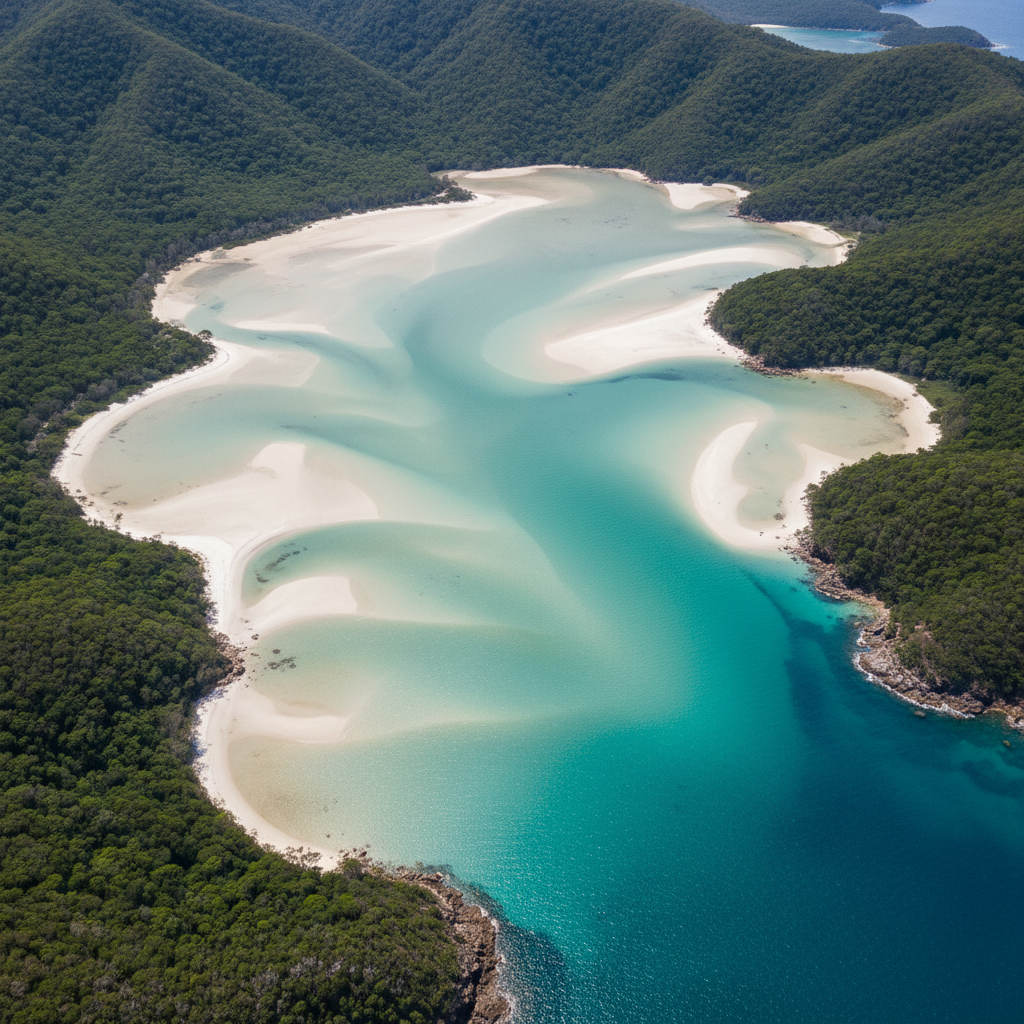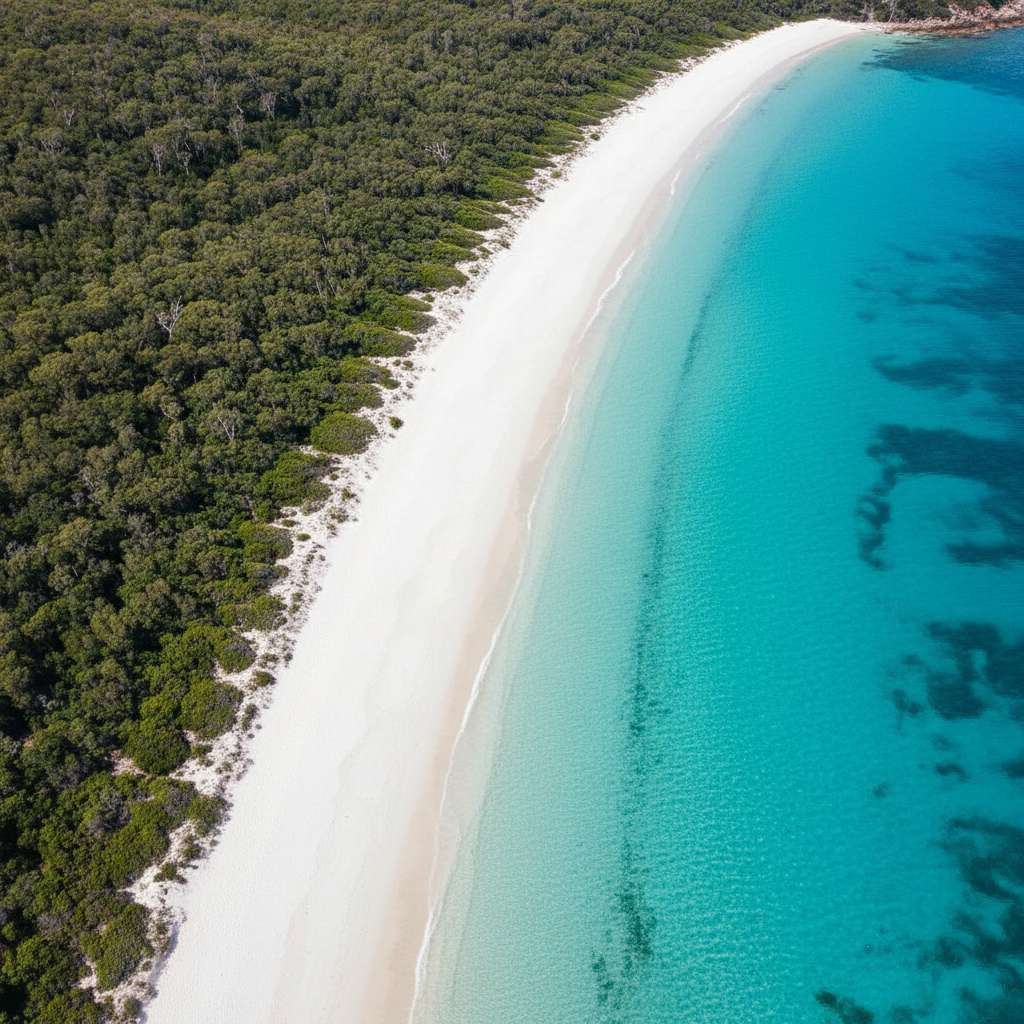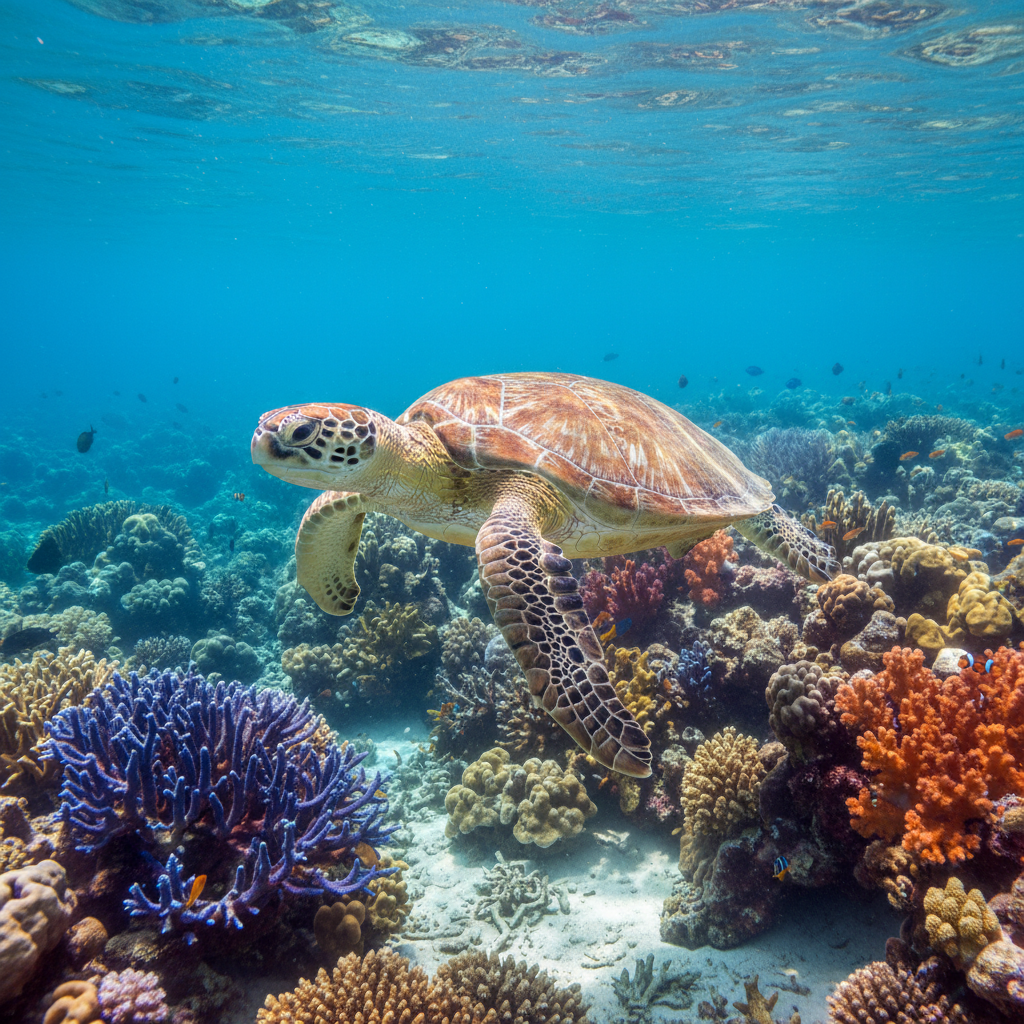
The Whitsunday Islands are home to some of Australia's most playful marine residents – dolphins. These intelligent creatures grace the waters around Airlie Beach year-round, offering visitors unforgettable encounters while sailing between pristine islands. From the acrobatic spinner dolphins to the curious bottlenose dolphins that often approach boats, the Whitsundays provide exceptional opportunities to observe these magnificent mammals in their natural habitat.
What species of dolphins live in the Whitsundays?
Four main dolphin species inhabit Whitsunday waters: bottlenose dolphins (most common), spinner dolphins, spotted dolphins, and occasional orcas (technically the largest dolphin species). Each species displays distinct behaviors and physical characteristics for identification.
The bottlenose dolphin (Tursiops truncatus) dominates local waters, reaching 3-4 meters in length with distinctive grey coloring and prominent dorsal fins. These intelligent creatures live in pods of 10-30 individuals and demonstrate remarkable curiosity toward boats, often surfing bow waves and performing aerial displays.
Spinner dolphins (Stenella longirostris) earn their name from spectacular spinning jumps, rotating up to seven times in the air. Smaller than bottlenose dolphins at 1.8-2.1 meters, they display darker grey backs with lighter bellies and travel in larger pods of 50-200 individuals.
Spotted dolphins (Stenella attenuata) feature distinctive white spotting that develops with age. Adults measure 1.7-2.6 meters and prefer deeper offshore waters, making them less frequently encountered near the islands but occasionally spotted during reef trips.
Orcas visit Whitsunday waters sporadically, typically during winter months (June-September) when following whale migration routes. These apex predators reach 6-8 meters and display unmistakable black and white coloring with towering dorsal fins.
Where are the best spots to see dolphins in the Whitsundays?
Dolphins frequent waters around Hamilton Island, between Whitsunday and Hook Islands, and near Daydream Island. Prime locations include Catseye Beach, the Solway Passage, and areas where reef meets deeper channels.
The Whitsunday Passage between islands creates ideal dolphin habitat with depths ranging from 20-60 meters and abundant fish populations. Morning departures from Abel Point Marina often encounter dolphins within 15-20 minutes of leaving Airlie Beach, particularly near the northern tip of Long Island.
Hamilton Island vicinity ranks among the most reliable spotting locations, with resident bottlenose populations frequently observed from Catseye Beach and Resort Marina. The combination of protected bays and open water creates perfect conditions for dolphin activity.
Hook Island's eastern shores provide excellent sighting opportunities, especially around Macona Inlet and Nara Inlet. These deeper channels attract dolphins hunting for fish and offer spectacular viewing with mountainous island backdrops.
The Solway Passage between Whitsunday and Hamilton Islands serves as a marine highway for dolphins traveling between feeding and resting areas. Charter boats frequently report encounters here, particularly during early morning and late afternoon periods.
Daydream Island surrounds host regular dolphin visits, with the deeper waters off the island's eastern side providing hunting grounds. The resort's jetty area occasionally welcomes curious individuals approaching close to shore.
When is the best time to spot dolphins in the Whitsundays?
Early morning (7-10am) and late afternoon (3-6pm) offer peak dolphin activity when waters are calmer and fish are most active. Year-round sightings occur, with slightly higher activity during autumn and winter months.
Daily activity patterns show dolphins are most active during feeding times when schools of fish rise to hunt. Morning departures coincide with dolphins beginning their daily foraging, while afternoon encounters often feature more playful behavior as groups socialize.
Seasonal variations influence dolphin distribution, with autumn (March-May) and winter (June-August) generally providing the most consistent sightings. During these months, calmer seas and increased fish activity create optimal viewing conditions.
Weather considerations significantly impact dolphin spotting success. Calm seas with minimal wind allow better visibility and photography opportunities. Following storms or rough weather, dolphins may remain in deeper, more protected waters for 24-48 hours.
Tide influences affect dolphin behavior, with incoming tides often bringing increased fish activity and subsequently more dolphin sightings. Many experienced operators time departures to coincide with optimal tidal conditions.
Moon phases correlate with fish behavior, potentially influencing dolphin activity. Full moon periods often produce excellent night fishing for dolphins, leading to more relaxed daytime behavior and increased surface activity.
How can I increase my chances of seeing dolphins?
Choose tours with experienced operators who know dolphin hotspots, travel during calm weather conditions, and select full-day sailing trips over short excursions. Smaller group tours provide better positioning and viewing opportunities.
Tour selection significantly impacts dolphin encounter probability. Full-day sailing adventures cover more territory and spend extended time in prime dolphin habitat compared to brief scenic flights or short boat trips.
Vessel type matters for dolphin interactions. Sailing catamarans move quietly through water, reducing noise pollution that might deter dolphins. Their stable platforms also provide excellent viewing and photography opportunities compared to smaller speedboats.
Group size affects success rates, with smaller groups (under 25 people) allowing more flexibility to follow dolphin pods and position for optimal viewing. Larger tour boats may struggle to maneuver quickly when dolphins are spotted.
Operator experience proves crucial for successful encounters. Local operators who've spent years navigating Whitsunday waters understand dolphin behavior patterns and know when and where to look for active pods.
Weather timing influences both dolphin activity and viewing conditions. Book tours during calm weather periods (winds under 15 knots) for the best combination of dolphin activity and comfortable viewing conditions.
Multiple day trips dramatically increase encounter probability. Travelers staying 3-4 days and taking multiple boat trips report 85-90% dolphin sighting success rates compared to 60-70% for single-day visitors.
What behaviors can I expect to see from dolphins?
Dolphins display bow-riding, jumping, tail-slapping, and social interactions including play fighting and cooperative hunting. Spinner dolphins perform spectacular aerial displays while bottlenose dolphins often approach boats showing curiosity toward humans.
Bow-riding represents the most common dolphin-boat interaction, where individuals surf the pressure wave created by moving vessels. This behavior appears purely recreational, with dolphins frequently maintaining position for 10-15 minutes while passengers observe from deck railings.
Aerial displays vary significantly between species. Spinner dolphins execute their namesake spinning jumps, clearing water completely and rotating multiple times. Bottlenose dolphins perform more varied acrobatics including tail walks, somersaults, and coordinated group jumping.
Social behaviors include complex communication through clicking sounds, body language, and synchronized swimming. Pod members often engage in gentle physical contact, with adults teaching younger dolphins hunting and navigation skills.
Feeding strategies showcase dolphin intelligence and cooperation. Groups coordinate to herd fish schools, with individuals taking turns driving through concentrated prey. This behavior creates surface disturbance visible from considerable distances.
Play behavior frequently involves interaction with floating objects, seaweed, or other dolphins. Young dolphins especially engage in chase games and mock fighting that serves important developmental functions for adult life.
Resting patterns see dolphins logging at the surface, floating motionless while maintaining breathing consciousness. During these periods, pods often form tight groups with minimal movement, appearing almost statue-like.
Are there any conservation concerns for Whitsunday dolphins?
Boat strikes, pollution, noise disturbance, and habitat degradation pose primary threats to local dolphin populations. The Great Barrier Reef Marine Park Authority implements strict regulations to protect these marine mammals.
Vessel traffic creates significant risks through propeller strikes and noise pollution. The Whitsundays' popularity means hundreds of recreational and commercial vessels operate daily, requiring careful navigation and speed restrictions in dolphin habitat areas.
Marine pollution affects dolphins through plastic ingestion, chemical contamination, and habitat degradation. Microplastics concentrate in fish that dolphins consume, while larger debris poses entanglement and ingestion risks.
Noise pollution from boat engines, sonar, and underwater construction disrupts dolphin echolocation and communication. These acoustic disturbances can force dolphins to abandon preferred feeding or resting areas.
Climate change impacts include rising sea temperatures affecting fish distribution, ocean acidification damaging food webs, and increased storm intensity disrupting normal behavior patterns.
Tourism pressure creates both opportunities and challenges. While eco-tourism generates funds for conservation, increased boat traffic and poorly managed dolphin watching can stress animals and alter natural behaviors.
The Great Barrier Reef Marine Park Authority enforces protective regulations including no-take zones, speed restrictions in dolphin areas, and prohibited approaches within 100 meters of marine mammals. Tour operators require permits and regular compliance monitoring.
What are the rules for interacting with dolphins?
Australian law requires maintaining 100 meters distance from dolphins, prohibits swimming with or feeding them, and mandates slow speeds in marine mammal areas. Violations carry fines up to $12,600 for individuals.
Distance regulations mandate vessels remain at least 100 meters from dolphins, with closer approaches only permitted if dolphins voluntarily approach boats. Aircraft must maintain 500-meter horizontal distances and avoid flying directly overhead.
Swimming prohibitions strictly forbid entering water to swim with dolphins, regardless of their apparent friendliness. This regulation protects both human safety and dolphin welfare, preventing stress and potential disease transmission.
Feeding restrictions absolutely prohibit offering food to dolphins. Human food disrupts natural hunting behaviors, creates dependency, and can cause serious health problems including malnutrition and aggressive behavior toward humans.
Speed limitations require vessels to travel at 6 knots or slower when within 300 meters of dolphins. Sudden speed changes or erratic movements can stress animals and increase strike risks.
Approach guidelines specify traveling parallel to dolphin pods rather than directly toward them, allowing animals to control interaction levels. If dolphins choose to approach boats, engines should be placed in neutral to prevent propeller injuries.
Duration limits restrict viewing time to 30 minutes per encounter, preventing exhaustion of animals through prolonged pursuit. Multiple boats must coordinate to avoid overwhelming individual pods.
How do dolphins fit into the Whitsunday ecosystem?
Dolphins serve as apex predators maintaining fish population balance while indicating ecosystem health through their presence. They contribute to nutrient cycling and support the broader marine life network spanning coral reefs to open ocean.
Predatory role sees dolphins controlling fish populations, particularly schooling species like mackerel, sardines, and herring. This top-down pressure maintains species diversity and prevents any single fish species from dominating local ecosystems.
Ecosystem indicators make dolphins valuable for monitoring environmental health. Their presence suggests healthy fish stocks, clean water, and functioning food webs, while population changes often signal broader ecosystem problems.
Nutrient distribution occurs through dolphin movement patterns, transporting nutrients between different habitat zones. Their waste products fertilize waters and support phytoplankton growth that forms the base of marine food chains.
Reef connections link dolphin populations to coral reef systems where they hunt among bommies and feed on reef-associated fish species. Healthy reefs support diverse fish communities that sustain dolphin populations.
Pelagic relationships connect Whitsunday dolphins to broader oceanic ecosystems through their feeding on migratory fish species and occasional interactions with visiting whale populations during winter months.
Habitat requirements encompass shallow bays for resting, deeper channels for hunting, and varied seafloor topography supporting diverse prey species. This habitat complexity makes the Whitsundays ideal for sustained dolphin populations.
Can I photograph dolphins effectively from tour boats?
Telephoto lenses (200-400mm), fast shutter speeds (1/1000s minimum), and continuous autofocus modes produce best results. Anticipate dolphin movements, shoot in burst mode, and use image stabilization for sharp photos from moving boats.
Equipment recommendations include cameras with fast autofocus systems and telephoto lenses allowing safe distance photography. Full-frame sensors perform better in varying light conditions common during marine photography.
Camera settings should prioritize fast shutter speeds (1/1000 second or faster) to freeze dolphin movement and boat motion. Continuous autofocus tracking helps maintain sharp focus on moving subjects.
Positioning strategies involve anticipating dolphin movement patterns and pre-focusing on areas where animals are likely to surface. Bow-riding dolphins often maintain predictable positions relative to boats.
Lighting considerations vary throughout the day, with early morning and late afternoon providing warm, directional light. Overcast conditions create even lighting that reduces harsh shadows on dolphin skin.
Composition techniques include capturing environmental context showing dolphins in their Whitsunday habitat, using burst mode for action sequences, and focusing on behavioral moments rather than just dorsal fin shots.
Ethical photography maintains respectful distances, avoids using flash which may disturb animals, and never attempts to direct dolphin behavior for better shots. Natural behavior documentation provides more authentic and valuable images.
The Whitsundays offer world-class dolphin watching opportunities year-round, with experienced operators maximizing your chances of memorable encounters while respecting these incredible marine mammals. Whether you're hoping to witness spinner dolphins' acrobatic displays or share a magical bow-riding experience with bottlenose dolphins, professional tours provide the expertise and positioning essential for unforgettable wildlife encounters. Book your dolphin watching adventure through Airlie to Whitehaven to secure spots with the most experienced operators who understand both dolphin behavior and the pristine waters these magnificent creatures call home.