The Conway National Park wetlands, just 30 minutes from Airlie Beach, harbour some of Australia's most impressive saltwater crocodiles. These guided safari tours offer your best chance to spot massive estuarine crocodiles in their natural habitat, along with an incredible array of wetland wildlife including jabirus, sea eagles, and freshwater turtles. It's a completely different experience from the marine adventures the Whitsundays are famous for — and one that showcases the incredible biodiversity of tropical North Queensland.
What animals will I see on a crocodile safari near Airlie Beach?
Crocodile safaris typically spot saltwater crocodiles (Crocodylus porosus), jabiru storks, whistling kites, sea eagles, freshwater turtles, water pythons, and over 200 bird species across Conway National Park's pristine wetlands and mangrove systems.
The star attraction is definitely the saltwater crocodile — the apex predator of these waterways. Adult males can reach lengths of 6-7 metres and weigh over 1,000 kilograms. These ancient reptiles are perfectly adapted to the estuarine environment, capable of holding their breath for up to an hour and remaining motionless for extended periods.
Birdlife is spectacular throughout the wetlands. The jabiru (Ephippiorhynchus asiaticus), Australia's only stork, stands nearly 1.5 metres tall with distinctive black and white plumage and a glossy black head. Whistling kites (Haliastur sphenurus) are commonly seen soaring overhead, while white-bellied sea eagles (Haliaeetus leucogaster) patrol the waterways with their impressive 2.2-metre wingspan.
Freshwater turtles, particularly the northern snapping turtle (Elseya dentata), are frequently observed basking on logs. Water pythons (Liasis fuscus) occasionally make appearances, though they're more elusive. The diverse ecosystem also supports agile wallabies, flying foxes, and numerous species of frogs and lizards.
How long does a crocodile safari tour take?
Most crocodile safari tours near Airlie Beach run for 2.5 to 3 hours total, including approximately 1.5 hours on the water exploring Conway National Park wetlands, plus travel time from pickup locations around Airlie Beach.
The tour structure typically includes 30 minutes of travel each way from Airlie Beach to the wetlands, followed by 90 minutes of guided exploration through the Conway River system and associated creeks. Some operators offer extended 4-hour experiences that include additional wildlife spotting areas and lunch.
Morning tours generally depart around 8:30am, while afternoon tours leave at 1:30pm. The actual time on the water allows for thorough exploration of multiple creek systems where crocodiles are known to inhabit. Your experienced guide will navigate slowly through prime habitat areas, using their knowledge of crocodile behaviour and preferred basking spots to maximise wildlife encounters.
Weather conditions can occasionally extend tour times, particularly during the wet season (December to March) when water levels are higher and wildlife may be more dispersed throughout the expanded wetland areas.
What's the best time of day to spot crocodiles?
Early morning tours (8:30am-11:30am) offer the highest crocodile sighting rates as these reptiles are most active during cooler temperatures, often basking on riverbanks or floating motionless near the surface before the day heats up.
Crocodile behaviour follows predictable patterns based on temperature regulation. As ectothermic animals, they rely on external heat sources to maintain optimal body temperature. During morning hours, they position themselves strategically to absorb warming sunlight, making them easier to spot from tour boats.
Afternoon tours still provide excellent wildlife viewing opportunities, though crocodiles may retreat to deeper, shadier waters during peak heat (1pm-3pm). However, afternoon tours often coincide with increased bird activity as many species become more active in preparation for evening feeding.
During cooler months (May to August), crocodiles remain active throughout the day as temperatures are more moderate. The wet season (December to March) can actually provide some of the best viewing opportunities as higher water levels bring crocodiles closer to tour routes, though weather may occasionally impact tour operations.
How much do crocodile safari tours cost?
Crocodile safari tours near Airlie Beach typically cost between $89-$139 AUD for adults, with children (4-14 years) priced at $69-$99 AUD. Premium tours with smaller group sizes or additional inclusions range from $150-$199 AUD per person.
Standard tour pricing includes expert guide commentary, safety equipment, and pickup/drop-off from most Airlie Beach accommodation. Budget operators may charge around $89 AUD for basic tours, while premium experiences featuring smaller boats (maximum 12 passengers), morning tea, and extended wildlife areas command higher prices.
Family packages often provide better value, with some operators offering "2 adults + 2 children" deals for $300-$350 AUD. Infants under 4 years typically travel free but must be declared at booking time. Group discounts may apply for 8+ passengers when booking directly with operators.
Additional costs might include lunch on extended tours ($15-$25 AUD) and professional photography packages ($30-$50 AUD). Most operators include comprehensive insurance coverage in their base pricing. Booking through platforms may include small booking fees, though this varies by operator.
Where exactly do the crocodile tours go?
Crocodile safari tours primarily explore the Conway River system within Conway National Park, approximately 25 kilometres south of Airlie Beach. Key areas include Conway Creek, Sandy Creek, and the extensive mangrove networks surrounding Shute Harbour Road wetlands.
The Conway River system encompasses over 50 kilometres of interconnected waterways, creating diverse habitat zones that support different wildlife species. Tours typically begin at boat ramps near Wilson Beach or Cannonvale, then travel through the lower Conway River before entering the designated national park boundaries.
Conway Creek is renowned for consistent crocodile sightings, particularly in the upper reaches where freshwater meets saltwater. This brackish environment provides optimal conditions for estuarine crocodiles while supporting extensive birdlife. Sandy Creek offers excellent opportunities for spotting jabirus and sea eagles, especially during low tide when mudflats are exposed.
The mangrove forests throughout the system serve as critical nursery areas for numerous species. Tour boats navigate carefully marked channels to minimise environmental impact while accessing prime viewing locations. Some tours may also include brief stops at Gloucester Island's eastern shores, though this depends on weather conditions and tidal access.
Is it safe to go on a crocodile safari?
Crocodile safari tours are extremely safe when operated by licensed tour companies using purpose-built boats with experienced guides. Strict safety protocols, including minimum boat heights and emergency procedures, ensure passenger safety while observing these apex predators.
All commercial tour operators must comply with rigorous Queensland Government safety standards. Tour boats feature high sides (minimum 60cm freeboard) and are specifically designed for crocodile viewing. Experienced guides maintain safe distances from all wildlife — typically 5-10 metres from crocodiles — and possess extensive knowledge of animal behaviour patterns.
Safety briefings cover emergency procedures, proper seating positions, and wildlife interaction protocols. Life jackets are provided for all passengers, and boats carry comprehensive first aid equipment plus emergency communication devices. Tour operators maintain insurance coverage and undergo regular safety audits.
The biggest safety consideration is actually sun exposure rather than crocodiles. Tours provide shade structures, but passengers should bring sun protection, hats, and plenty of water. Motion sickness can occasionally affect passengers on smaller boats, though the calm wetland waters minimise this risk compared to open ocean tours.
Can I see crocodiles year-round in the Whitsundays region?
Yes, saltwater crocodiles inhabit Whitsundays waterways year-round, though sighting frequencies vary seasonally. Wet season (December-March) often provides the best viewing opportunities as higher water levels concentrate crocodiles in accessible viewing areas near tour routes.
Crocodile populations in the Conway River system remain stable throughout the year, with an estimated 15-20 individual crocodiles regularly observed on tour routes. During the dry season (April-November), receding water levels may push some crocodiles into deeper pools or more remote creek systems, though experienced guides know these seasonal hiding spots.
Breeding season occurs during the wet season, when males become more territorial and active. This increased activity can actually improve sighting rates, though safety distances remain paramount. Nesting typically occurs between November and January, with females constructing mound nests in dense vegetation near water edges.
Weather impacts should be considered year-round. Wet season tours may face occasional cancellations due to flooding or severe weather, while dry season tours benefit from more predictable conditions. Water temperature variations also influence crocodile activity levels, with moderate temperatures (25-30°C) promoting optimal activity patterns for viewing.
For comprehensive information about crocodiles in the Whitsundays region, including safety guidelines and conservation efforts, understanding these magnificent predators enhances your safari experience significantly.
What should I bring on a crocodile safari?
Essential items include sun protection (hat, sunscreen, sunglasses), comfortable clothes, closed-toe shoes, water bottle, camera with zoom lens, and light jacket for early morning tours. Avoid bright colours that might disturb wildlife behaviour during viewing.
Sun protection is crucial as tours spend extended time on open water with reflected UV rays. SPF 50+ sunscreen should be applied 30 minutes before departure and reapplied during longer tours. Wide-brimmed hats provide better coverage than caps, while polarised sunglasses reduce glare and improve wildlife spotting ability.
Camera equipment deserves special consideration. Digital cameras with optical zoom (minimum 10x) capture better wildlife photos than smartphone cameras. Binoculars enhance the viewing experience for distant animals, though most tour boats position passengers within reasonable viewing distance of major sightings. Extra batteries and memory cards are wise additions.
Clothing should prioritise comfort and protection over fashion. Long-sleeved shirts and pants protect against sun exposure and insects, particularly during early morning tours when mosquitoes may be active. Closed-toe shoes prevent injury and provide better stability on potentially wet boat surfaces. A light jacket is recommended for early morning departures when temperatures can be 5-10 degrees cooler than midday.
How do crocodile safaris support conservation?
Crocodile safari tours contribute directly to conservation through operator licensing fees, habitat monitoring data collection, educational programmes promoting crocodile protection, and economic incentives that support wetland preservation over development in the Conway National Park system.
Licensed tour operators pay substantial annual fees to Queensland Parks and Wildlife Service, funds that directly support wetland management, research programmes, and conservation infrastructure. Many operators also participate in citizen science initiatives, recording crocodile locations, sizes, and behaviour patterns that assist ongoing population monitoring efforts.
Educational components of tours play crucial roles in changing public perceptions about crocodiles. Guides provide accurate information about crocodile ecology, their importance in wetland ecosystems, and historical persecution that led to severe population declines. This education helps visitors understand why protection measures are essential for ecosystem health.
Economic benefits from wildlife tourism create powerful incentives for habitat preservation. Local communities benefit from employment opportunities while landowners recognise financial advantages of maintaining natural wetlands rather than converting them for agriculture or development. This economic model has proven successful throughout northern Australia for protecting crocodile habitat.
Tour operators often support additional conservation initiatives including wetland restoration projects, invasive species control programmes, and research partnerships with James Cook University and other institutions studying crocodilian ecology.
What other wildlife tours are available from Airlie Beach?
Airlie Beach offers diverse wildlife experiences including Great Barrier Reef snorkelling tours, whale watching expeditions (June-September), bird watching in Conway National Park, nocturnal spotlighting tours, and turtle monitoring programmes, complementing the region's famous island-hopping adventures.
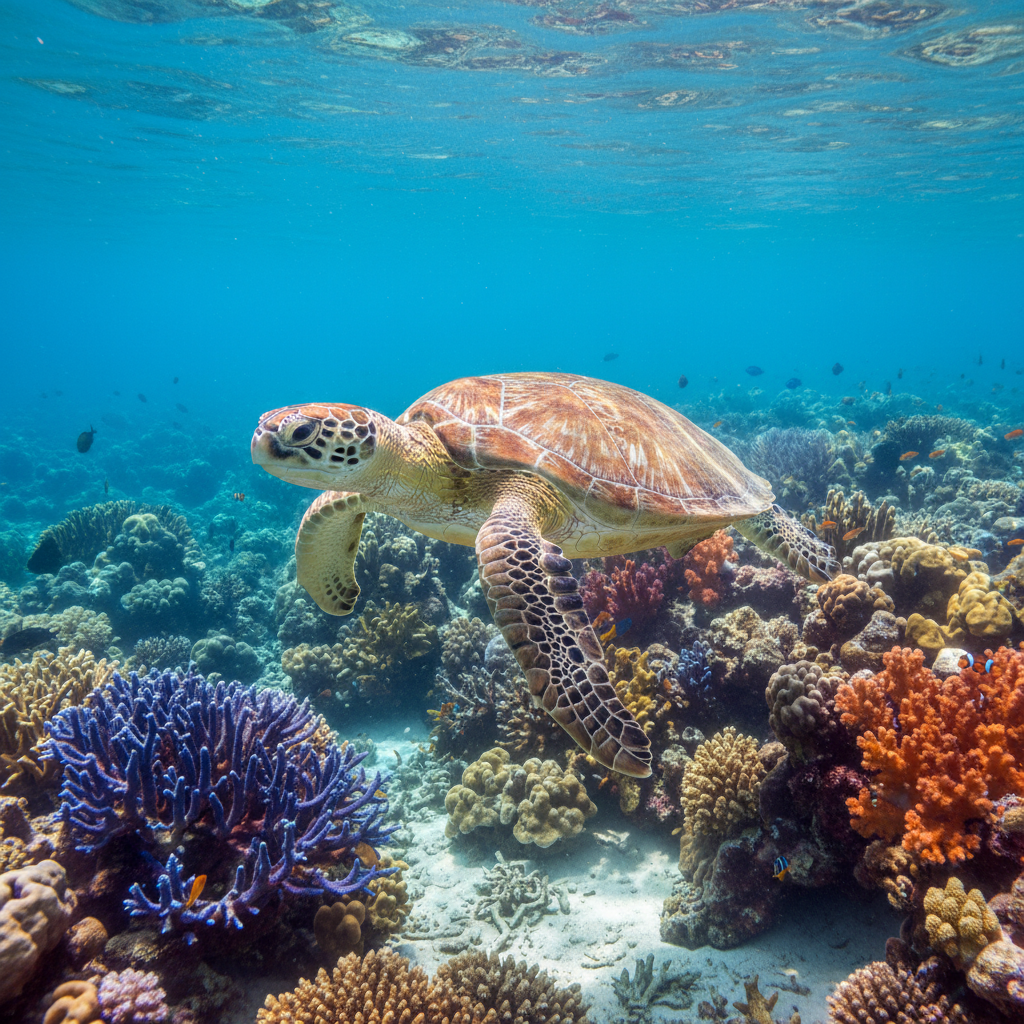
Marine wildlife tours dominate the local offerings, with numerous activities available from Airlie Beach that showcase the incredible biodiversity of the Coral Sea. Great Barrier Reef day trips provide opportunities to encounter green sea turtles, reef sharks, giant clams, and thousands of tropical fish species among pristine coral formations.
Whale watching seasons (June to September) coincide with humpback whale migration patterns, when these magnificent marine mammals travel along Queensland's coast between Antarctic feeding grounds and tropical breeding areas. Tour operators report sighting rates exceeding 95% during peak migration periods, with opportunities to observe breaching, tail slapping, and other spectacular behaviours.
Nocturnal spotlighting tours reveal an entirely different aspect of local wildlife, targeting sugar gliders, powerful owls, northern bettongs, and various species of possums and gliders. These tours operate in Conway National Park and surrounding state forests, using red-filtered lights to minimise wildlife disturbance.
Bird watching expeditions target the region's 300+ recorded species, including endangered mahogany gliders, cassowaries (occasionally), and numerous migratory shorebirds. Specialised tours for the best crocodile experiences from Airlie Beach can be combined with bird watching for comprehensive wetland wildlife encounters.
Ready to experience the raw power and ancient majesty of saltwater crocodiles in their natural habitat? Book your crocodile safari adventure through Airlie to Whitehaven and discover why these incredible predators have survived virtually unchanged for over 200 million years. Our carefully selected tour operators provide safe, educational, and unforgettable wildlife encounters that showcase the remarkable biodiversity that makes the Whitsundays region truly special. From spotting massive estuarine crocodiles to learning about wetland conservation, your crocodile safari will add an exciting terrestrial dimension to your tropical Queensland adventure.