Tucked into the southern shore of Hook Island, Coral Bay stands as one of the Whitsundays' most pristine underwater environments. This protected anchorage delivers world-class snorkelling with vibrant coral gardens just metres from the beach, making it the perfect introduction to the Great Barrier Reef ecosystem without venturing hours offshore.
Where exactly is Coral Bay and how do I get there from Airlie Beach?
Coral Bay sits on Hook Island's southern coast, 23 nautical miles northeast of Airlie Beach. You can only reach this secluded bay by boat, seaplane, or helicopter, with most visitors arriving on day tours departing Abel Point Marina.
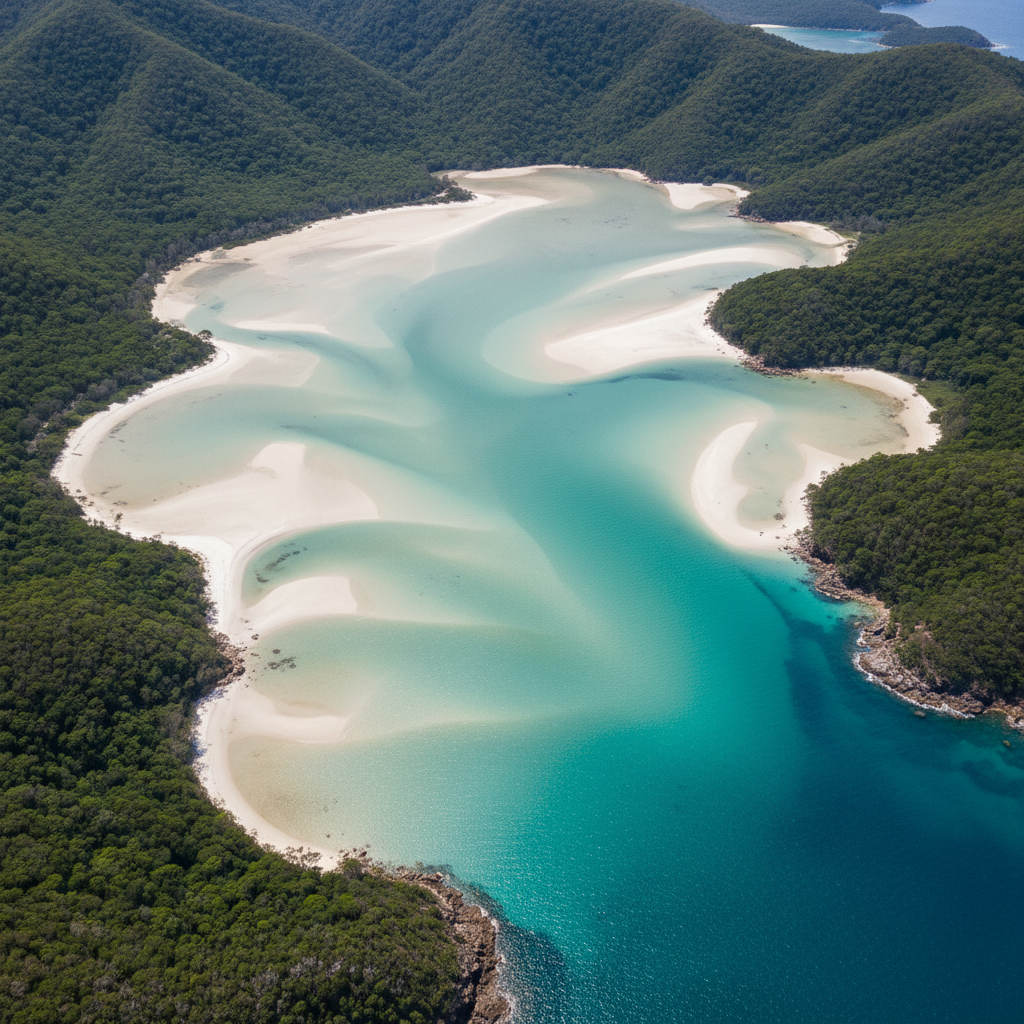
Hook Island ranks as the second-largest island in the Whitsunday chain, stretching 53 square kilometres of rugged mountainous terrain. Hook Island rises 458 metres above sea level at its highest point, creating the dramatic backdrop that makes Coral Bay so photogenic. The bay itself forms a natural amphitheatre, with steep forested hills plunging directly into crystal-clear waters.
Most day tours from Airlie Beach take 45-60 minutes to reach Coral Bay, depending on sea conditions and vessel type. Sailing catamarans typically take longer than motor vessels, but many visitors prefer the scenic journey. The approach to Coral Bay reveals why it's considered a jewel – the water shifts from deep ocean blue to brilliant turquoise as you enter the protected anchorage.
What makes the snorkelling at Coral Bay so special?
Coral Bay features extensive fringing reef systems starting just 10 metres from shore, with coral coverage reaching 85% in optimal viewing areas. Water visibility typically ranges 15-25 metres, allowing clear views of over 60 tropical fish species year-round.
The bay's unique geography creates perfect snorkelling conditions. The surrounding hills provide shelter from trade winds, keeping waters calm even when nearby areas experience choppy conditions. This protection allows the coral gardens to flourish in shallow water – you'll find healthy coral formations in depths of just 2-5 metres.
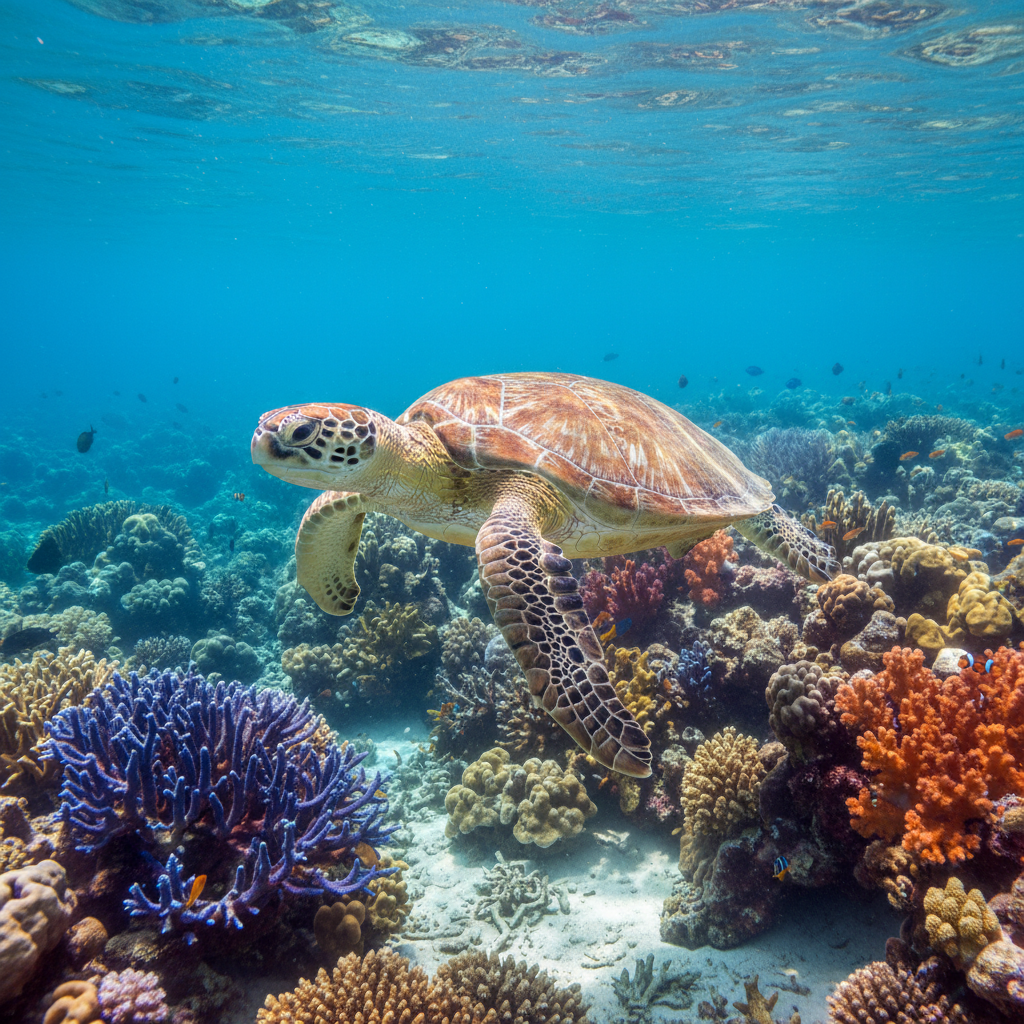
Marine life diversity rivals many outer reef locations. Expect to encounter angelfish, parrotfish, wrasse, and butterflyfish as permanent residents. During warmer months (October to April), you might spot green sea turtles grazing on seagrass beds in the deeper sections. Giant trevally patrol the bay's edges, while smaller reef fish create living kaleidoscopes around the coral bommies.
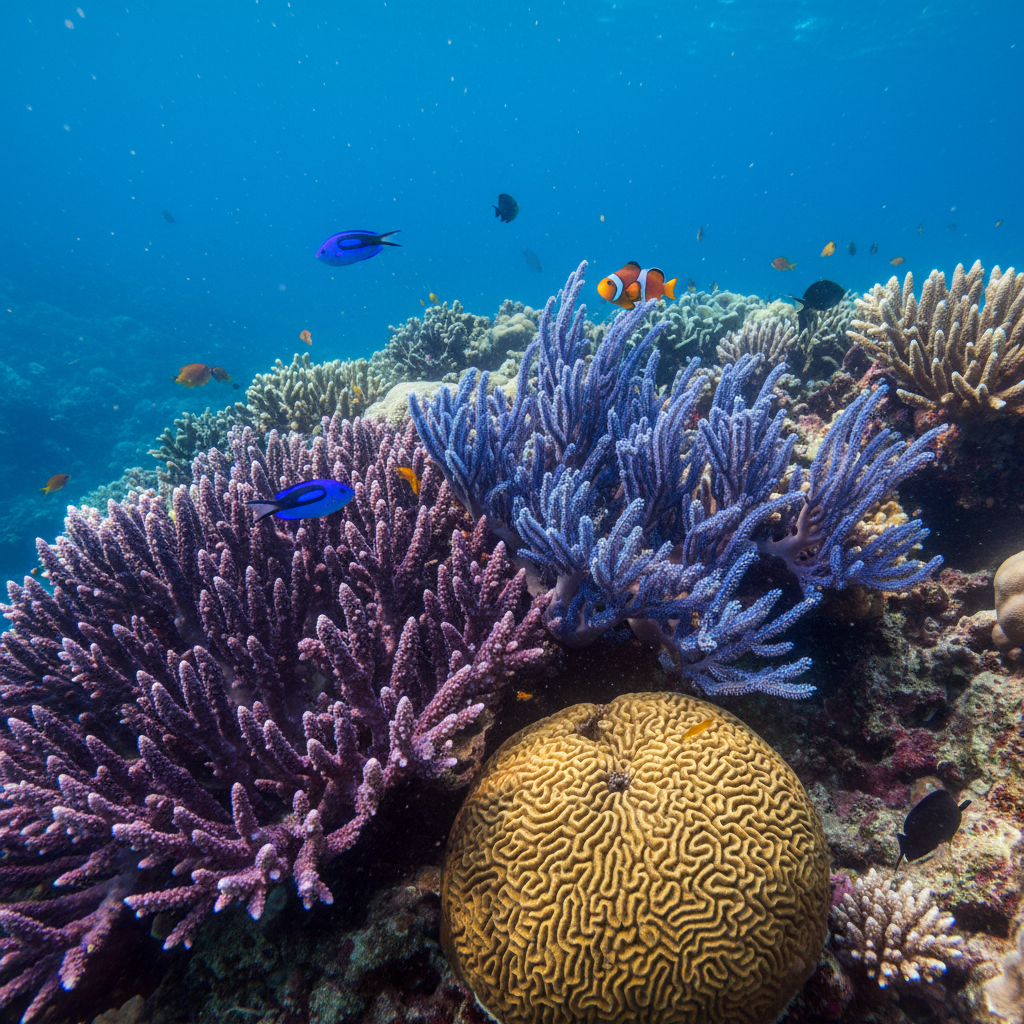
The coral formations themselves tell an impressive story. Staghorn corals dominate the shallow areas, creating intricate branching structures that house countless small fish. Brain corals and plate corals populate the slightly deeper sections, with some formations estimated to be over 100 years old. Soft corals add splashes of pink, orange, and purple to the underwater landscape.
When is the best time to visit Coral Bay?
April through November offers optimal conditions with southeast trade winds providing comfortable temperatures, minimal rainfall, and water visibility exceeding 20 metres. Stinger season (November-May) requires protective clothing but doesn't prevent snorkelling activities.
Water temperature remains comfortable year-round, ranging from 22°C in winter months to 29°C during summer. The best snorkelling conditions typically occur during morning hours when winds are lightest and underwater visibility peaks.
Seasonal considerations shape your Coral Bay experience significantly. Dry season months (May through October) deliver consistent southeast trade winds averaging 10-15 knots, creating perfect conditions for sailing to the bay. Water visibility during this period regularly exceeds 25 metres, making it prime time for underwater photography.
Wet season visits (November through April) bring their own rewards despite occasional afternoon thunderstorms. Water temperatures peak during these months, and marine life activity increases dramatically. However, box jellyfish and irukandji presence requires full-body stinger suits, which all reputable tour operators provide as standard equipment.
Whale watching season (June through September) adds another dimension to Coral Bay visits. Humpback whales frequently pass through deeper waters surrounding Hook Island during their southern migration, with some tours combining snorkelling with whale watching opportunities.
What tour options include Coral Bay in their itinerary?
Half-day snorkelling tours start from AUD $89 per adult, while full-day sailing adventures including Coral Bay range AUD $165-285. Premium options combine helicopter transfers, gourmet dining, and guided snorkelling experiences for AUD $450-650 per person.
Popular tour formats cater to different interests and budgets. Fast boat snorkelling tours typically spend 90 minutes at Coral Bay, providing maximum underwater time with professional snorkelling guides. These tours often combine Coral Bay with nearby Butterfly Bay or Maureen's Cove for variety.
Sailing catamarans offer a more relaxed approach, anchoring in Coral Bay for extended periods while serving lunch onboard. The journey becomes part of the experience, with opportunities to spot dolphins, sea eagles, and other marine wildlife during the scenic sail from Airlie Beach.
Dedicated snorkelling tours focus exclusively on underwater experiences, providing high-quality gear, expert guidance, and small group sizes for personalised attention. These tours typically visit 2-3 snorkelling locations, with Coral Bay serving as either the main attraction or a complementary stop.
Helicopter and seaplane options provide aerial perspectives of Coral Bay before landing nearby for snorkelling activities. These premium experiences showcase the bay's position within the broader Whitsunday landscape, highlighting the contrast between dense rainforest and pristine coral reefs.
What facilities and amenities are available at Coral Bay?
Coral Bay offers no permanent facilities – visitors must bring all supplies including drinking water, food, and sun protection. The beach provides limited natural shade under pandanus trees, making pop-up shelters essential for extended visits during peak sun hours.
The absence of development keeps Coral Bay pristine but requires careful planning. Most tour operators provide fresh water for rinsing after snorkelling, along with temporary shade structures for comfort during lunch breaks. Some boats carry camping chairs and beach umbrellas to create comfortable base camps on the white sand.
Toilet facilities exist only aboard visiting vessels, emphasising the importance of choosing tours with adequate amenities. Freshwater showers for removing salt and sand are typically available on larger catamarans and motor vessels, while smaller boats may only offer rinse buckets.
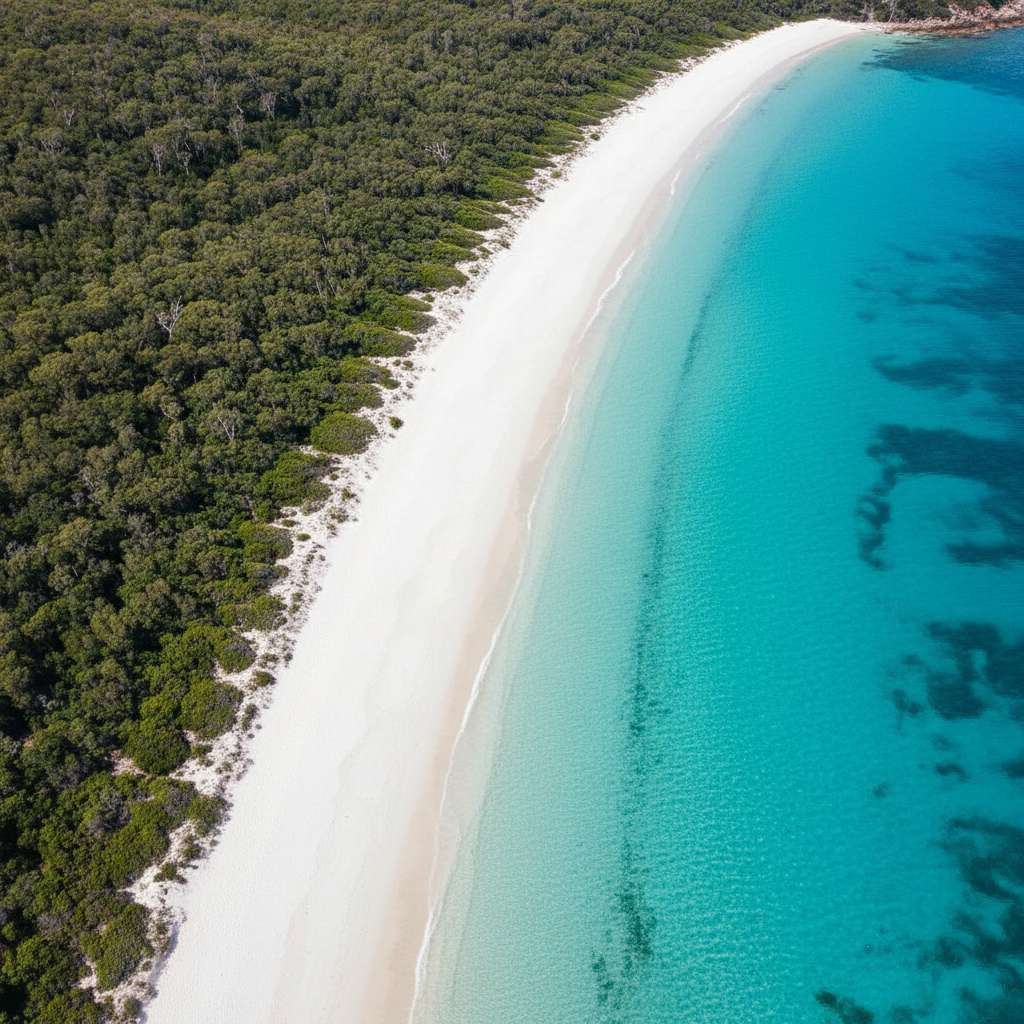
The beach itself stretches approximately 200 metres, composed of coarse coral sand and rock fragments. Walking barefoot requires caution due to occasional coral debris, making reef shoes or sturdy sandals essential. The shoreline drops relatively quickly to snorkelling depth, eliminating the need for long walks into deeper water.
Where are the best photography spots and viewpoints at Coral Bay?
Underwater photography excels in the shallow coral gardens near the bay's eastern shore, where morning light penetrates 3-5 metres of crystal-clear water. Above water, the best landscape shots capture the bay from elevated positions on visiting vessels during approach.
The eastern section of Coral Bay provides optimal underwater photography conditions during morning hours. Sunlight filters through the shallow water column, illuminating the coral gardens in brilliant natural colours. Macro photography enthusiasts find endless subjects among the coral branches, from tiny gobies to juvenile angelfish.
Wide-angle underwater shots work best in the slightly deeper sections where larger coral formations create dramatic backgrounds. The contrast between vibrant corals and the deep blue water beyond the reef edge produces compelling compositions, especially with snorkellers included for scale.
Aerial perspectives from helicopter or seaplane tours showcase Coral Bay's position within Hook Island's dramatic landscape. These elevated views capture the bay's horseshoe shape, the colour transitions from deep ocean blue to shallow turquoise, and the surrounding rainforest-covered peaks.
Sunset photography from the bay itself rarely works due to the surrounding hills blocking direct evening light. However, the golden hour creates beautiful side-lighting on the forested slopes, reflecting warm colours in the calm water surface.
What should I know about marine life and coral at Coral Bay?
Over 60 tropical fish species inhabit Coral Bay's reefs year-round, including angelfish, parrotfish, and butterflyfish. Coral coverage reaches 85% in prime areas, featuring staghorn, brain, and plate corals, with some formations over 100 years old.
The bay's marine ecosystem thrives due to its protected location and proximity to deeper water channels. Resident fish populations remain stable throughout the year, making wildlife encounters predictable for visitors. Schools of sergeant major damselfish create animated displays around the coral bommies, while larger wrasse patrol territorial boundaries.
Coral health at Coral Bay exceeds many other Whitsunday locations due to reduced boat traffic and natural protection from storms. The diverse coral species create complex three-dimensional structures that support incredible biodiversity. Soft corals add seasonal colour variations, with peak vibrancy occurring during warmer months when polyp activity increases.
Seasonal marine life variations add excitement to repeat visits. Green sea turtles appear more frequently during summer months when seagrass growth peaks in deeper sections. Juvenile fish populations explode during spring months (September-November) when many species complete their breeding cycles.
Conservation efforts focus on minimising human impact while maintaining access for educational tourism. Visitors must use reef-safe sunscreen and avoid touching or standing on coral formations. Tour guides emphasise observation-only interactions, helping preserve this underwater wonderland for future generations.
How does Coral Bay compare to other Whitsunday snorkelling destinations?
Coral Bay offers superior coral coverage and fish diversity compared to Whitehaven Beach lagoons, while remaining more accessible than outer reef locations requiring 2+ hour boat journeys. Its protected waters provide consistent conditions when other sites experience rough weather.
Unlike the pure silica sands of Whitehaven Beach, Coral Bay prioritises underwater experiences over beach activities. The coral sand beach serves as a launching point for snorkelling rather than a destination in itself. This focus creates one of the Whitsundays' premier snorkelling environments within easy reach of Airlie Beach.
Compared to nearby Butterfly Bay, Coral Bay offers more extensive coral formations and greater marine life diversity. The bay's larger size accommodates more visitors without feeling crowded, while multiple snorkelling zones provide options for different skill levels.
Weather protection sets Coral Bay apart from more exposed locations like Catseye Beach or Hamilton Island's beaches. The surrounding hills create a natural windbreak, maintaining calm conditions when trade winds create choppy seas elsewhere in the island group.
Ready to explore Coral Bay's underwater paradise? Airlie to Whitehaven connects you with the best snorkelling tours departing daily from Airlie Beach. Our local operators provide quality equipment, expert guides, and small group experiences that showcase why Coral Bay ranks among Australia's premier snorkelling destinations. Book your Hook Island adventure today and discover the vibrant coral gardens waiting beneath the crystal-clear waters.