The Whitsundays' 74 tropical islands scattered across pristine turquoise waters create one of Australia's premier boating destinations. Charter boat hire opens up endless possibilities — from day trips to secluded beaches and snorkelling spots to multi-day adventures exploring the outer reef. Whether you're after a bareboat sailing charter, crewed luxury vessel, fishing expedition, or party boat for celebrations, the Whitsundays delivers world-class charter experiences with something for every budget and skill level.
What types of charter boats are available in the Whitsundays?
The Whitsundays offers sailing yachts (32-80ft), motor cruisers (35-100ft), catamarans (38-65ft), fishing boats (25-50ft), and luxury superyachts (80-150ft). Options include bareboat self-drive, skippered charters, or fully crewed vessels with chef and crew.
Sailing yachts remain the most popular choice, ranging from compact 32-foot vessels perfect for couples to spacious 65-foot catamarans accommodating up to 12 guests. Motor cruisers offer speed and comfort for those preferring power over sail, while fishing boats come equipped with professional-grade gear for serious anglers targeting coral trout, mackerel, and pelagic species.
Luxury superyachts represent the premium end, featuring multiple staterooms, professional crew, water toys, and gourmet dining. These vessels typically charter for $15,000-$50,000+ per day depending on size and inclusions.
Party boats and day charter vessels cater to celebrations and group outings, equipped with sound systems, barbecue facilities, and spacious deck areas for entertaining up to 30+ guests.
How much does charter boat hire cost in the Whitsundays?
Charter boat prices range from $400-800 per day for bareboat sailing yachts, $1,200-3,500 for skippered charters, $2,500-8,000 for crewed motor cruisers, and $15,000-50,000+ daily for luxury superyachts. Prices vary by season, vessel size, and inclusions.
Bareboat sailing yacht hire starts around $400 daily for a 32-foot monohull during low season, rising to $800+ for larger vessels in peak periods. Weekly rates offer better value, typically 6-7 times the daily rate.
Skippered charters add $300-500 daily for the skipper's expertise and local knowledge. This option suits those lacking sailing qualifications or preferring to relax while someone else navigates.
Fully crewed charters include skipper, chef, and sometimes additional crew. A 50-foot catamaran with full crew typically costs $2,500-4,500 daily, including meals, fuel, and water sports equipment.
Fishing charter boats range from $800-2,000 for half-day trips to $2,500-5,000 for full-day reef excursions, depending on vessel size and target species.
Additional costs include fuel ($150-400 daily depending on usage), provisioning ($50-150 per person for food and beverages), and optional extras like fishing equipment, stand-up paddleboards, or underwater scooters.
What qualifications do I need for bareboat charter in the Whitsundays?
Bareboat charter requires a boat license or sailing qualification from your home country, plus a charter company briefing and practical assessment. International visitors can use ICC certificates, RYA qualifications, or equivalent recognized credentials.
Australian residents need either a Recreational Marine Driver Licence (boat license) or sailing qualification like Australian Yachting Association certification. The specific requirements depend on vessel size and engine power.
International visitors can charter using International Certificate of Competence (ICC), RYA Day Skipper or higher, ASA certifications, or equivalent qualifications from recognized sailing authorities. Canadian Pleasure Craft Operator Cards and US state boating licenses are generally accepted.
Charter companies conduct mandatory briefings covering navigation, safety equipment, local conditions, and vessel-specific operations. Some operators require a practical assessment, particularly for larger or more complex vessels.
First-time charterers or those with limited experience can opt for a "learn-as-you-go" package where an instructor accompanies the first day to provide hands-on training before leaving you to continue independently.
Group members must nominate a qualified skipper responsible for the vessel throughout the charter period. Additional qualified crew members are recommended for larger vessels or challenging conditions.
Which islands and destinations can I visit on a charter boat?
Charter boats access all 74 Whitsunday Islands including Whitehaven Beach, Hamilton Island, Hayman Island, Hook Island, and numerous secluded anchorages. Popular routes cover Hill Inlet, Nara Inlet, Butterfly Bay, and Catseye Beach within protected waters.
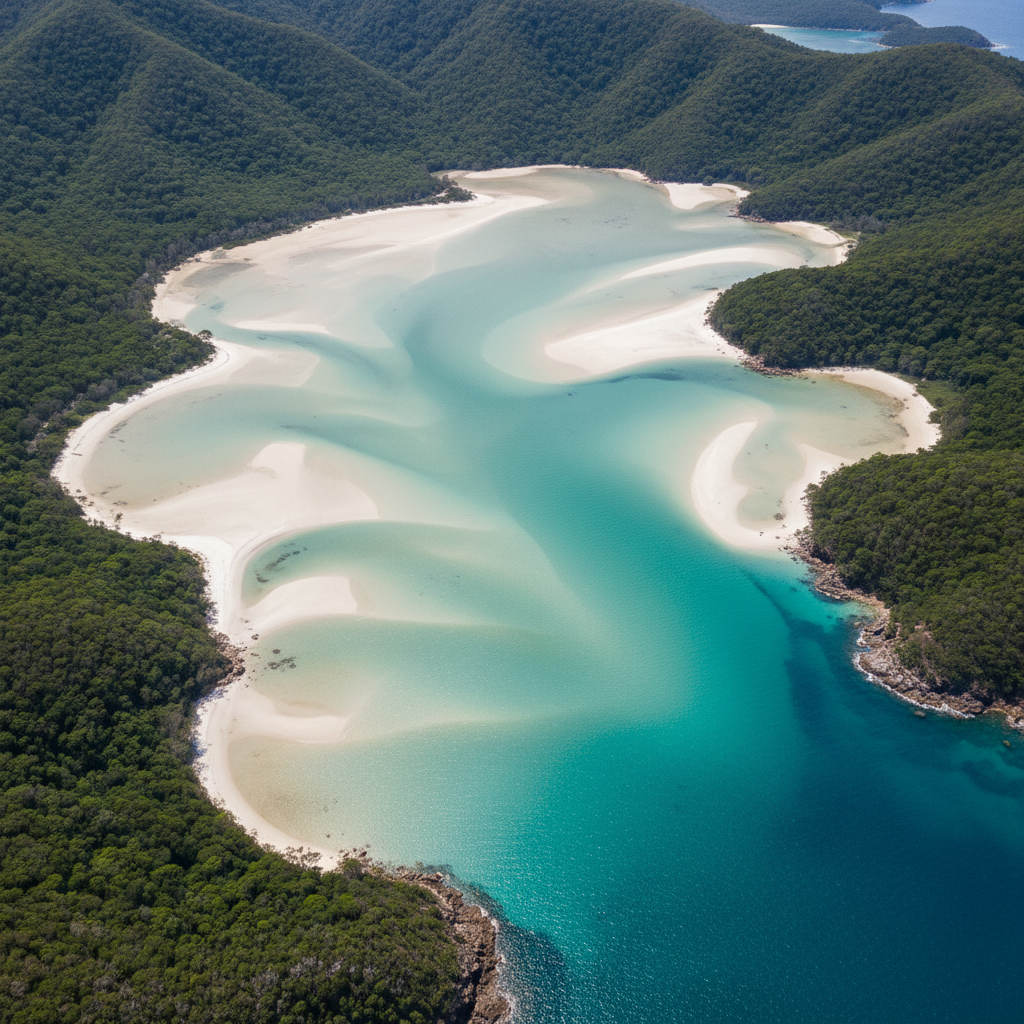
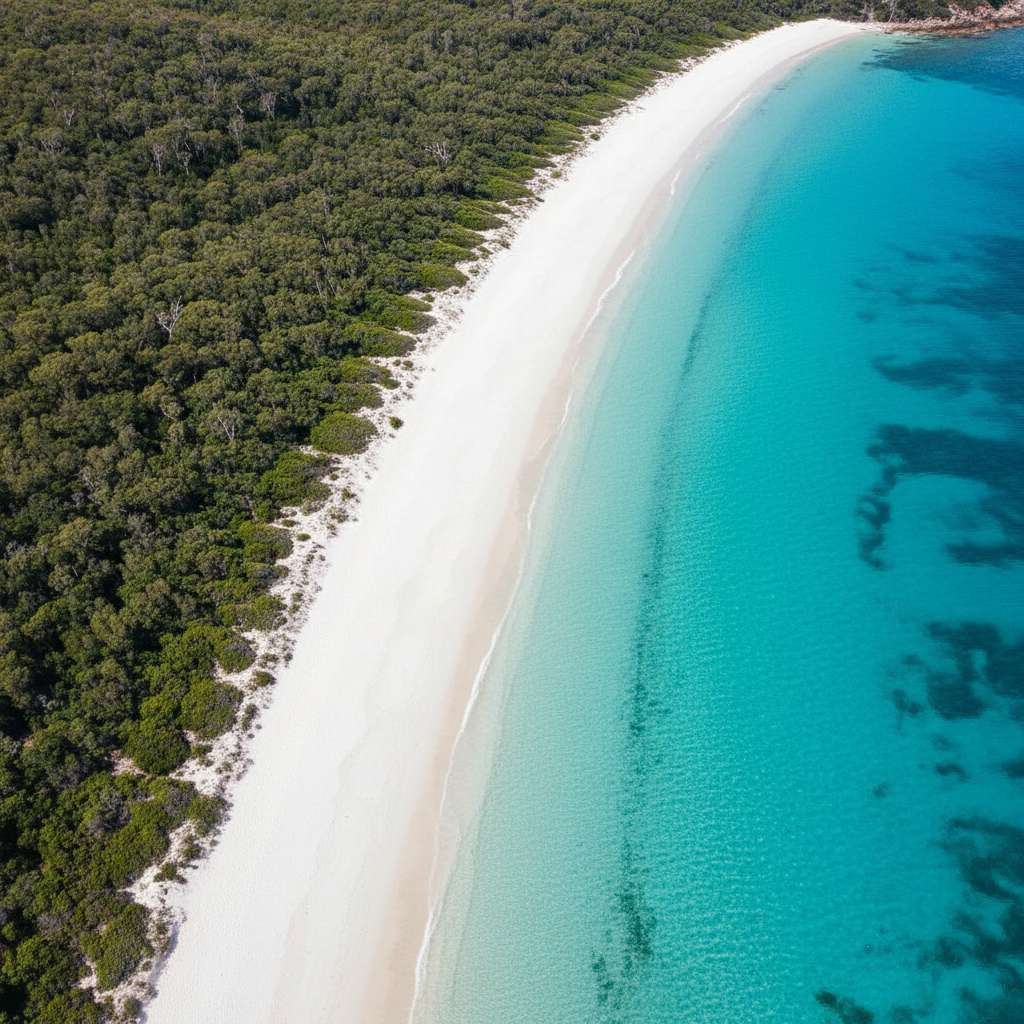
Whitehaven Beach on Whitsunday Island remains the must-visit destination, featuring 7 kilometres of 98.9% pure silica sand. The northern Hill Inlet offers spectacular swirling sand patterns visible from elevated lookouts.
Hamilton Island provides civilization comforts with restaurants, shops, and the famous Hamilton Island Marina. Catseye Beach offers safe swimming and water sports in a sheltered bay.
Hayman Island features luxury resort facilities and pristine beaches, while Hook Island offers excellent snorkelling at sites like Manta Ray Bay and Pinnacle Point.
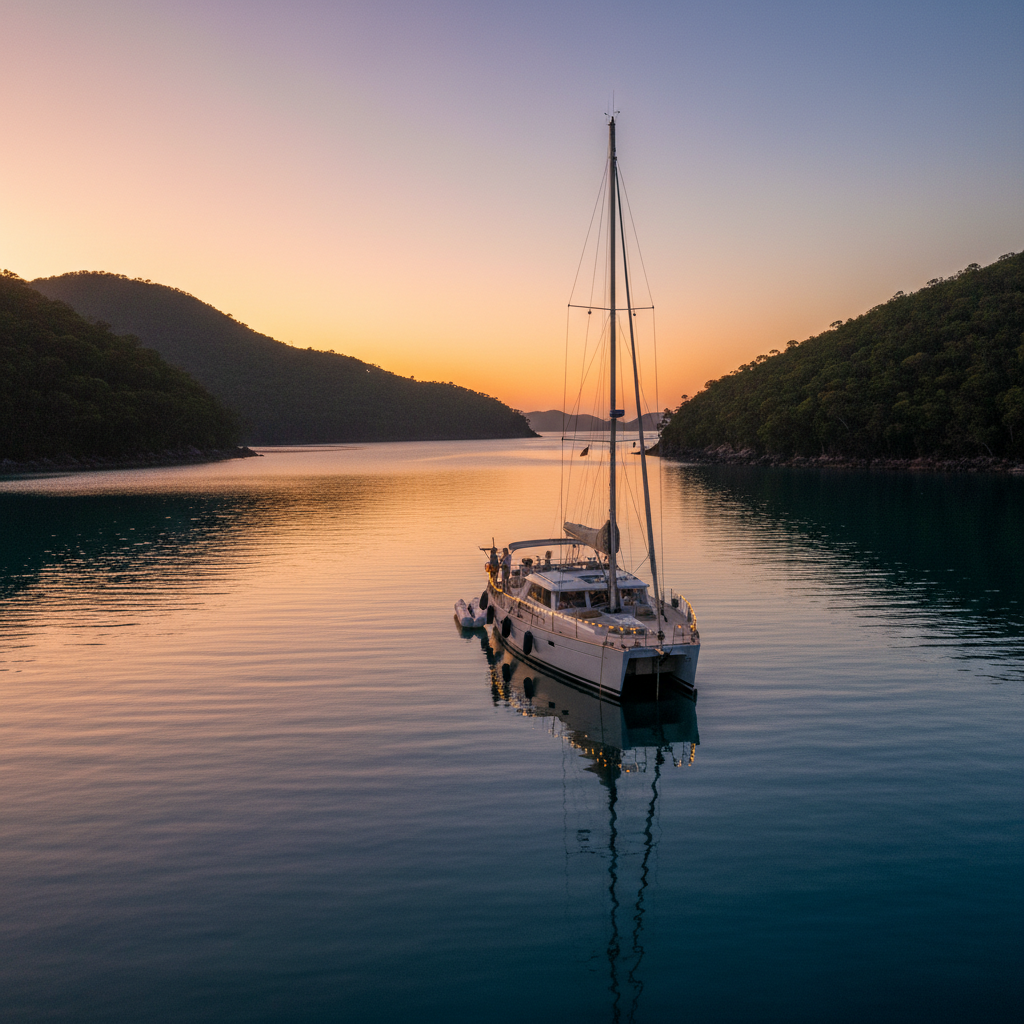
Secluded anchorages include Nara Inlet (perfect for sunset drinks), Butterfly Bay (protected swimming), and Macona Inlet (mangrove exploration). These spots often provide complete privacy and stunning natural settings.
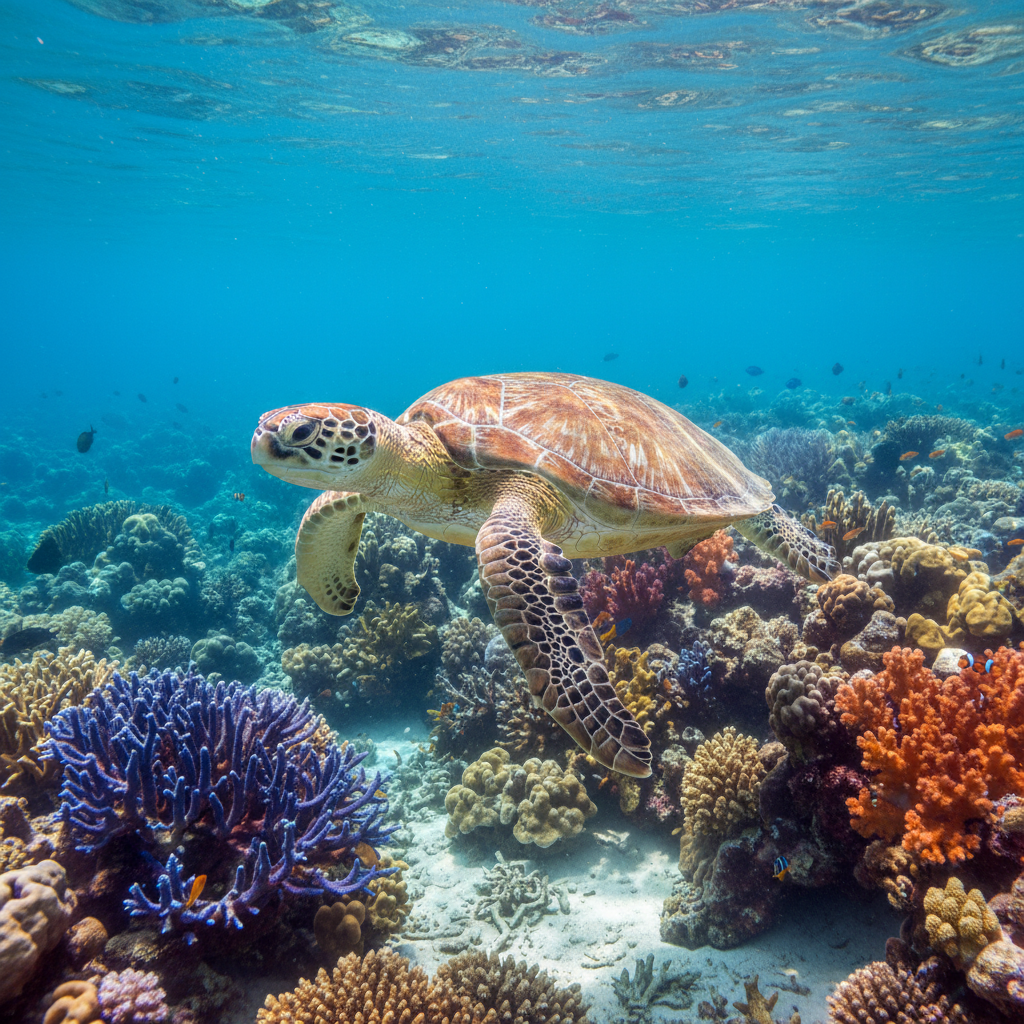
Outer reef destinations like Hardy Reef and Bait Reef offer world-class diving and snorkelling but require larger vessels and favorable weather conditions. These sites feature pristine coral gardens and abundant marine life including reef sharks, turtles, and tropical fish species.
What's included in charter boat hire packages?
Standard charter packages include the vessel, safety equipment, basic navigation equipment, dinghy with outboard, snorkelling gear, and linen. Fuel, food, beverages, crew, and optional extras typically cost additional unless specified in all-inclusive packages.
All charter boats provide mandatory safety equipment including life jackets, flares, EPIRB (emergency beacon), fire extinguisher, and first aid kit. Navigation equipment includes GPS chartplotter, VHF radio, and depth sounder.
Recreational equipment varies by vessel but commonly includes snorkelling masks and fins, fishing rods, stand-up paddleboard, and inflatable tender for beach access.
Linen packages include sheets, towels, and pillows for all berths. Some operators charge separately for linen ($30-80 total) while others include it in base rates.
Fuel consumption depends on vessel type and usage patterns. Sailing yachts use minimal fuel under sail but require engine power for motoring, air conditioning, and generator operation. Budget $20-40 daily for moderate usage.
Provisioning services help stock the vessel with food and beverages before departure. Charter companies often partner with local suppliers offering delivery to the marina at competitive prices.
Insurance coverage protects against accidental damage with security bonds ranging from $2,000-10,000 depending on vessel value. Comprehensive travel insurance is strongly recommended for personal belongings and trip interruption.
When is the best time to charter a boat in the Whitsundays?
The dry season from May to October offers ideal charter conditions with consistent trade winds (15-20 knots), minimal rainfall, and pleasant temperatures (20-26°C). June to September coincides with whale migration season adding wildlife viewing opportunities.
Peak season runs July through September when weather conditions are most stable and comfortable. Expect higher charter rates and advance booking requirements during these months.
Shoulder seasons (April-May and October-November) provide excellent value with good weather but lower demand and reduced rates. April often delivers perfect conditions as the wet season ends.
Stinger season (November to May) requires protective clothing when swimming, though charter boats provide stinger suits. Water temperatures remain warm (24-28°C) year-round making this period suitable for experienced sailors.
Cyclone season (November to April) brings higher rainfall and potential severe weather. While most days remain pleasant, charter companies monitor conditions closely and may restrict sailing during weather warnings.
Trade wind patterns favor sailing from May to October with consistent southeast winds. Summer months can experience lighter, more variable winds requiring more motoring.
Whale watching opportunities peak from June to September when humpback whales migrate through Whitsunday waters, often visible from charter vessels.
How do I choose between bareboat, skippered, or crewed charters?
Choose bareboat if you hold sailing qualifications and want independence, skippered for local expertise without full service, or crewed charters for luxury all-inclusive experiences. Consider your skills, group preferences, and desired level of responsibility.
Bareboat charters suit experienced sailors comfortable with navigation, anchoring, and vessel operations. You control the itinerary, timing, and activities while taking full responsibility for safety and boat handling.
Skippered charters provide professional expertise while maintaining some independence. The skipper handles navigation and boat operations while you participate in sailing and enjoy local knowledge about best anchorages and attractions.
Crewed charters offer complete luxury service with skipper, chef, and sometimes additional crew handling all aspects of the voyage. Guests simply relax and enjoy gourmet meals, water activities, and pristine destinations.
Budget considerations significantly impact the decision. Bareboat rates start lowest, skippered charters add moderate costs, while crewed vessels command premium pricing reflecting the full-service experience.
Group dynamics also influence choice. Experienced sailing groups often prefer bareboat independence, while mixed-experience groups benefit from skippered guidance. Celebration charters typically choose crewed vessels for maximum service and entertainment.
Our comprehensive boat hire guide explores these options in detail, helping you select the perfect charter style for your Whitsundays adventure.
What should I pack for a charter boat holiday?
Pack lightweight clothing, sun protection, swimwear, reef-safe sunscreen, personal toiletries, medications, and soft-sided luggage. Avoid aerosols, glass containers, and hard suitcases. Bring quick-dry clothing, hat, sunglasses, and waterproof phone case.
Clothing requirements favor quick-dry fabrics, lightweight materials, and layers for varying conditions. Pack swimming costumes, shorts, t-shirts, light pants, and a warm jacket for cooler evenings.
Sun protection proves essential in tropical conditions. Bring reef-safe sunscreen (no oxybenzone or octinoxate), wide-brimmed hat, quality sunglasses, and protective clothing for extended sun exposure.
Footwear should include non-slip boat shoes, reef shoes for rocky areas, and comfortable sandals. Avoid black-soled shoes that mark boat decks.
Personal items include prescription medications, toothbrush, toiletries in spill-proof containers, and any special dietary requirements. Charter boats provide basic amenities but personal preferences vary.
Electronics benefit from waterproof protection. Bring waterproof phone cases, portable chargers, and cameras in protective housings. Most charter boats provide USB charging points and 240V outlets.
Prohibited items typically include glass containers, aerosol sprays, excessive alcohol, and fishing spears in marine park areas. Check specific charter company restrictions before packing.
Where do charter boats depart from in the Whitsundays?
Charter boats primarily depart from Abel Point Marina and Shute Harbour near Airlie Beach, plus Hamilton Island Marina. Abel Point handles most bareboat and skippered charters while luxury vessels often use Hamilton Island's premium facilities.
Abel Point Marina, located 5 kilometres east of Airlie Beach, serves as the main charter hub with over 30 charter companies operating from modern facilities. The marina provides secure parking, provisioning services, and easy access to accommodation.
Shute Harbour, 10 kilometres from Airlie Beach, offers another departure point particularly for day charter operations and some longer vessels unable to access Abel Point's berths.
Hamilton Island Marina caters to luxury charters and larger vessels with premium facilities including customs clearance for international arrivals, upscale dining, and resort amenities.
Port of Airlie accommodates some smaller operators and day charter vessels in Airlie Beach's heart, though limited berth availability restricts larger charter operations.
Departure logistics typically include arrival briefings at charter company offices, vessel familiarization tours, safety demonstrations, and provisioning coordination. Most companies recommend arriving the evening before departure for relaxed handover procedures.
Airport transfers connect easily from both Proserpine Airport (35 minutes to Abel Point) and Hamilton Island Airport (direct to marina) with charter companies often arranging transportation services.
Can I take children on charter boat holidays?
Children are welcome on charter boats with appropriate safety measures, child-sized life jackets, and suitable vessel selection. Choose stable catamarans or larger monohulls with safety nets, shallow-draft vessels for beach access, and kid-friendly itineraries.
Safety requirements include properly fitted life jackets for all children, safety nets on catamarans to prevent falls overboard, and constant adult supervision when moving around the vessel.
Vessel selection favors stable platforms with shallow drafts for easy beach access. Catamarans provide excellent stability and deck space for children to move safely, while larger monohulls offer interior space during weather.
Age considerations affect charter suitability. Toddlers require constant supervision and may find boat movement challenging, while school-age children typically adapt quickly and enjoy water activities.
Activity planning should include child-appropriate destinations with calm water swimming, beach exploration, and wildlife viewing opportunities. Whitehaven Beach and protected anchorages provide ideal family environments.
Equipment needs include sun protection clothing, floating toys, snorkelling gear in child sizes, and entertainment for passage times. Many charter companies provide some children's equipment upon request.
Medical considerations include seasickness preparation, adequate sun protection, and ensuring any required medications are available throughout the charter period.
What happens if weather affects my charter booking?
Charter companies monitor weather conditions closely and may modify itineraries, postpone departures, or offer full refunds for dangerous conditions. Most operators provide flexible rebooking options and weather guarantees protecting against severe weather cancellations.
Weather assessment involves professional monitoring of wind speeds, wave heights, and storm systems. Departures may be delayed for safety reasons with companies generally rebooking without penalty fees.
Itinerary modifications commonly occur during marginal conditions where sailing remains safe but original destinations become unsuitable. Experienced skippers suggest alternative routes utilizing wind shadows and protected waters.
Cancellation policies vary by operator but typically offer full refunds for dangerous weather conditions deemed unsafe by harbor masters or charter company management. Minor weather rarely justifies cancellation.
Insurance considerations include comprehensive travel insurance covering trip interruption due to weather. Charter company insurance covers vessel damage but not guest inconvenience or accommodation costs.
Alternative arrangements might include shorter charters, different vessel types, or postponed departures when weather windows open. Flexible booking terms help accommodate weather-related changes.
Communication protocols ensure guests receive timely updates about weather conditions and any necessary itinerary changes. Most companies contact guests 24-48 hours before departure with weather assessments.
Planning your Whitsundays charter boat adventure requires careful consideration of vessel type, charter style, timing, and logistics. Whether you're seeking private luxury experiences or joining group sailing tours, the region offers unmatched boating opportunities among some of the world's most beautiful islands.
Ready to explore the Whitsundays by charter boat? Airlie to Whitehaven connects you with the region's best charter operators, from budget-friendly bareboat adventures to luxury crewed experiences. Browse our carefully selected charter options, compare prices and inclusions, and book your perfect Whitsundays boating holiday with confidence through our secure platform and local expertise.