Cedar Creek Falls, nestled in the Conway National Park just 30 kilometres inland from Airlie Beach, is one of the Whitsundays region's most spectacular freshwater swimming holes. But with Queensland's reputation for crocodile habitats, many visitors wonder about safety at this popular cascade. Understanding the current crocodile situation, safety protocols, and swimming conditions is essential for planning your visit to this stunning natural attraction.
Are there crocodiles at Cedar Creek Falls?
Cedar Creek Falls is considered crocodile-free due to its elevation at 240 metres above sea level and fast-flowing freshwater environment. Queensland Parks and Wildlife Service maintains this classification based on habitat unsuitability for saltwater crocodiles.
The falls sit well above the typical range where saltwater crocodiles (Crocodylus porosus) are found. These apex predators prefer estuarine environments, mangrove systems, and tidal waterways. Cedar Creek's rapid flow, rocky substrate, and elevation create conditions that don't support crocodile populations. The Queensland Government's CrocWise database doesn't list any confirmed sightings at Cedar Creek Falls, and the area falls outside designated crocodile management zones.
However, it's worth noting that saltwater crocodiles are exceptional swimmers and can occasionally venture into unexpected areas during flood events or seasonal movements. While extremely unlikely at Cedar Creek Falls, the Queensland Parks and Wildlife Service recommends maintaining general awareness in all North Queensland waterways.
What safety signs are posted at Cedar Creek Falls?
Queensland Parks and Wildlife Service maintains standard swimming safety signage at Cedar Creek Falls, focusing on water depth hazards, slippery rocks, and flash flood risks rather than crocodile warnings specific to this location.
The main safety signage includes warnings about:
- Varying water depths and submerged rocks
- Slippery surfaces around the falls and swimming holes
- Flash flood potential during heavy rainfall
- No lifeguard services available
- Swimming at your own risk advisories
Unlike coastal waterways and lower river systems in the region, Cedar Creek Falls doesn't display the distinctive yellow "Crocodile Danger" signs that are standard throughout North Queensland's crocodile habitats. This absence reflects the assessed low risk at this elevated freshwater site.
How do Cedar Creek Falls compare to other Whitsunday waterways for crocodile risk?
Cedar Creek Falls presents significantly lower crocodile risk compared to tidal waterways around Airlie Beach, Shute Harbour, and mangrove areas where saltwater crocodiles are regularly sighted and actively managed by authorities.
The risk spectrum across Whitsunday waterways varies dramatically:
High Risk Areas:
- Proserpine River - regular crocodile sightings, active management zone
- Shute Harbour area - estuarine environment, confirmed populations
- Mangrove boardwalks near Airlie Beach - suitable habitat
- Pioneer River (Mackay) - known crocodile territory
Low Risk Areas:
- Cedar Creek Falls - elevated freshwater, no suitable habitat
- Conway Beach rock pools (when isolated from tidal influence)
- Higher elevation streams in Conway National Park
For comprehensive information about crocodiles throughout the Whitsundays region, visitors can access current safety updates and management protocols. Understanding these distinctions helps tourists make informed decisions about water activities across different environments.
What other wildlife might visitors encounter at Cedar Creek Falls?
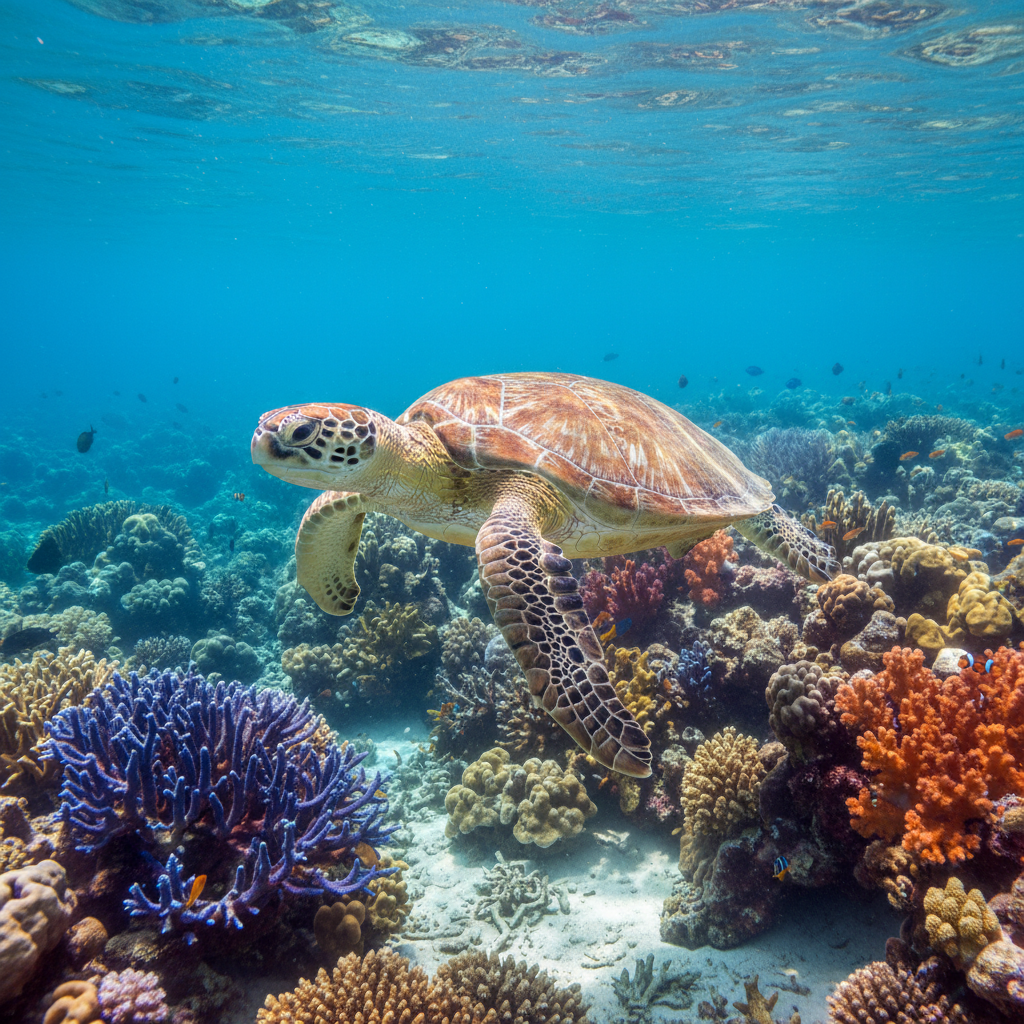
Cedar Creek Falls supports diverse native wildlife including eastern water dragons, carpet pythons, various bird species, and occasionally freshwater turtles, with most animals being harmless and contributing to the area's natural ecosystem.
Common wildlife sightings include:
Reptiles:
- Intellagama lesueurii (Eastern Water Dragon) - large lizards often basking on rocks
- Morelia spilota (Carpet Python) - non-venomous snakes, typically avoid humans
- Various skink species in surrounding forest areas
Birds:
- Dacelo novaeguineae (Laughing Kookaburra) - distinctive calls echo through the gorge
- Alcedinidae species (Sacred Kingfisher) - brilliant blue and white plumage
- Rhipidura leucophrys (Willie Wagtail) - active around water edges
- Various honeyeater species feeding on surrounding eucalyptus flowers
Aquatic Life:
- Native freshwater fish species
- Freshwater turtles (Emydura macquarii) - occasionally visible in deeper pools
- Aquatic insects supporting the ecosystem food chain
Most encounters are observational and enhance the natural experience. Eastern water dragons are particularly common, growing up to 80 centimetres long but remaining completely harmless to humans.
What swimming safety precautions should visitors take?
Safe swimming at Cedar Creek Falls requires checking water levels, wearing appropriate footwear for slippery rocks, never diving into unknown depths, and maintaining awareness of weather conditions and flash flood potential.
Essential safety measures include:
Before Swimming:
- Check Bureau of Meteorology weather forecasts for rainfall warnings
- Assess water clarity and flow rate upon arrival
- Test water depth gradually before full immersion
- Identify exit points and safe areas on surrounding rocks
Equipment and Clothing:
- Grip-soled water shoes or hiking boots for rock navigation
- Sun protection including hat, sunscreen (SPF 50+), and UV shirt
- First aid supplies for minor cuts from rocks
- Waterproof bag for electronics and personal items
During Swimming:
- Avoid jumping or diving from rocks - water depth varies significantly
- Maintain contact with the bottom when entering deeper areas
- Stay within designated swimming areas away from the waterfall's direct impact
- Monitor children continuously - no lifeguard services available
Water temperature at Cedar Creek Falls typically ranges from 18-24°C depending on season, providing refreshing swimming conditions year-round.
When is the best time to visit Cedar Creek Falls safely?
The optimal visiting period for Cedar Creek Falls is April through November during the dry season, when water levels are stable, weather predictable, and access tracks remain in good condition.
Seasonal Considerations:
Dry Season (April-November):
- Consistent water flow without dangerous flood conditions
- Clear, sunny weather ideal for swimming and photography
- Access road conditions remain stable
- Comfortable temperatures ranging 20-28°C
- Lower humidity levels improving hiking comfort
Wet Season (December-March):
- Higher water volumes create spectacular flow but increased danger
- Flash flood potential during afternoon thunderstorms
- Access tracks may become slippery or temporarily closed
- Higher humidity and temperatures reaching 32°C+
- Increased wildlife activity as animals seek water sources
Daily Timing:
- Early morning (7:00-10:00 AM) - cooler temperatures, better wildlife viewing
- Late afternoon (3:00-6:00 PM) - excellent lighting for photography
- Avoid midday visits during summer months due to intense heat
For detailed planning information, consult our comprehensive Cedar Creek Falls guide covering access routes, facilities, and recommended tour options.
How do you access Cedar Creek Falls from Airlie Beach?
Cedar Creek Falls is accessed via a 45-minute drive from Airlie Beach followed by a moderate 1.4-kilometre bushwalk through Conway National Park, requiring standard vehicle clearance and basic hiking fitness levels.
Driving Directions:
- Take Shute Harbour Road west from Airlie Beach for 7 kilometres
- Turn right onto Conway Road and continue for 18 kilometres
- Follow signs to Cedar Creek Falls car park (total driving time: 45 minutes)
- Park in designated areas - no entry fees required for day visits
Walking Track Details:
- Distance: 1.4 kilometres each way (2.8 kilometres return)
- Grade: Moderate with some steep sections and rock scrambling
- Walking time: 30-45 minutes each direction
- Track surface: Natural bush track with rocky sections near the falls
- Markers: Well-signposted with Queensland Parks directional signs
Vehicle Requirements:
- Standard 2WD vehicles suitable for sealed Conway Road
- Car park accommodates approximately 25 vehicles
- Arrive early during peak season (June-September) to secure parking
- No camping or overnight parking permitted
Alternative access includes guided tours from Airlie Beach that combine Cedar Creek Falls with other regional attractions, providing transport and local knowledge.
What should visitors bring for a safe Cedar Creek Falls experience?
Essential items for Cedar Creek Falls include grip-soled footwear, sun protection, drinking water, first aid supplies, and waterproof storage, plus emergency communication devices for remote area safety.
Safety Equipment:
- Non-slip hiking boots or water shoes with ankle support
- First aid kit including bandages, antiseptic, and pain relief
- Emergency whistle for signaling in case of injury
- Fully charged mobile phone (limited reception in some areas)
- Personal locator beacon (PLB) for serious bushwalkers
Sun and Weather Protection:
- Broad-brimmed hat and quality sunglasses
- SPF 50+ sunscreen (reef-safe formulation preferred)
- Quick-dry clothing and spare shirt
- Light rain jacket during wet season visits
Swimming and Comfort Items:
- Swimming costumes and quick-dry towels
- Waterproof bag for electronics and valuables
- Insect repellent containing DEET or picaridin
- Snacks and minimum 2 litres water per person
- Camera with waterproof housing for falls photography
Environmental Considerations:
- Biodegradable soap if planning extended visits
- Rubbish bags - Leave No Trace principles apply
- Reusable water containers to reduce plastic waste
Cedar Creek Falls offers no commercial facilities, so self-sufficiency is essential for safe, comfortable visits.
Are there guided tour options that include Cedar Creek Falls?
Several Airlie Beach operators offer guided Cedar Creek Falls tours, typically combined with other Conway National Park attractions, providing transport, safety equipment, and local ecological knowledge for $85-$150 per person.
Tour Types Available:
Half-Day Tours (4-5 hours):
- Cedar Creek Falls with Conway Beach rock pool exploration
- Price range: $85-$120 per adult, $65-$85 children
- Includes: Transport, guide, basic safety equipment
- Morning departure (8:00 AM) or afternoon (1:00 PM) options
Full-Day Adventure Tours (8 hours):
- Cedar Creek Falls plus Mount Rooper summit hike
- Price range: $130-$180 per adult, includes lunch
- Small groups (maximum 12 participants)
- Enhanced safety equipment and emergency communication
Tour Inclusions:
- Return transport from Airlie Beach accommodation
- Professional guide with first aid certification
- Safety briefing and equipment (helmets for rock areas)
- National park entry fees
- Emergency communication devices
Independent visitors should note that mobile phone reception is limited in parts of Conway National Park, making guided tours attractive for less experienced bushwalkers or those prioritizing safety.
While Cedar Creek Falls remains crocodile-free, exploring this natural wonder safely requires proper preparation and awareness of other environmental factors. Whether you choose independent access or guided tours, this spectacular cascade offers some of the region's best freshwater swimming opportunities.
Ready to discover Cedar Creek Falls and other incredible attractions around Airlie Beach? Airlie to Whitehaven is your trusted platform for booking authentic Whitsundays experiences, from scenic waterfalls to world-famous beach tours. Browse our carefully selected collection of tours and activities to create your perfect tropical adventure, all backed by local expertise and competitive pricing.