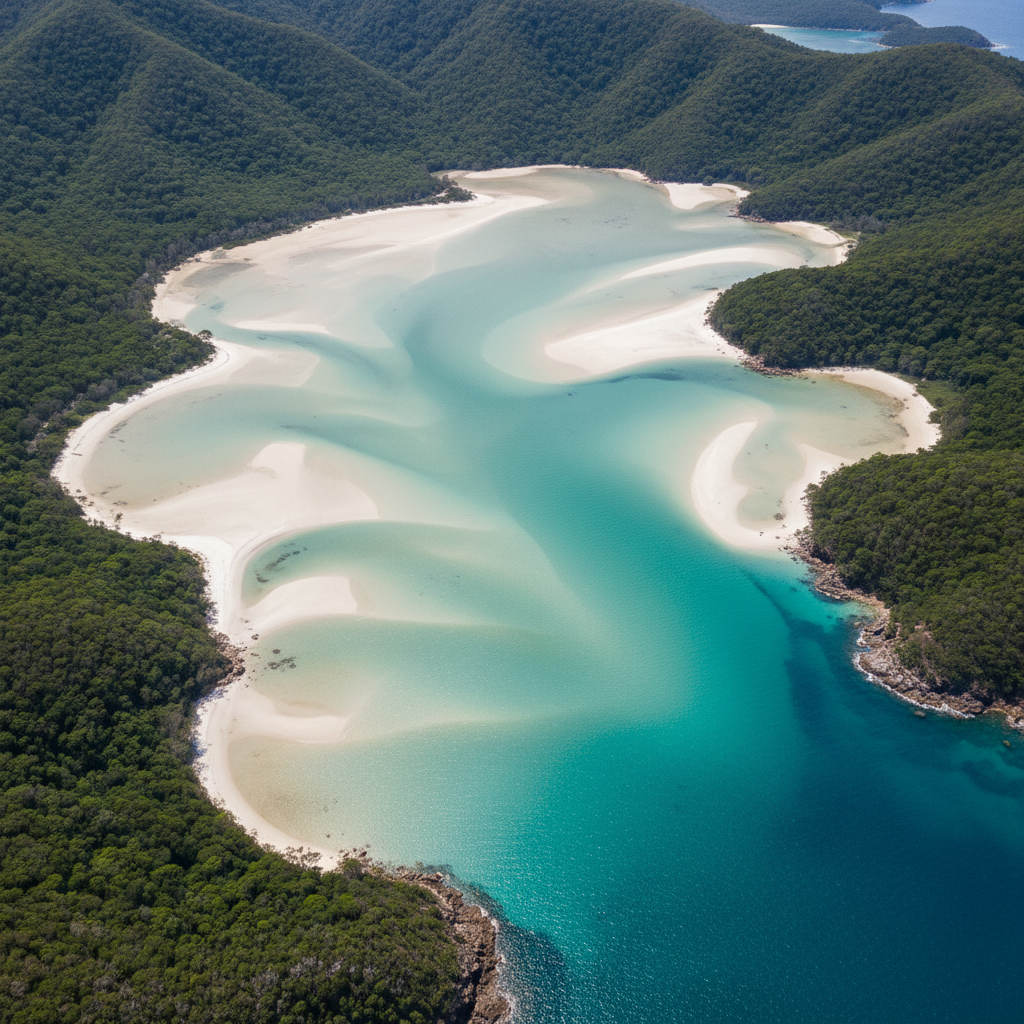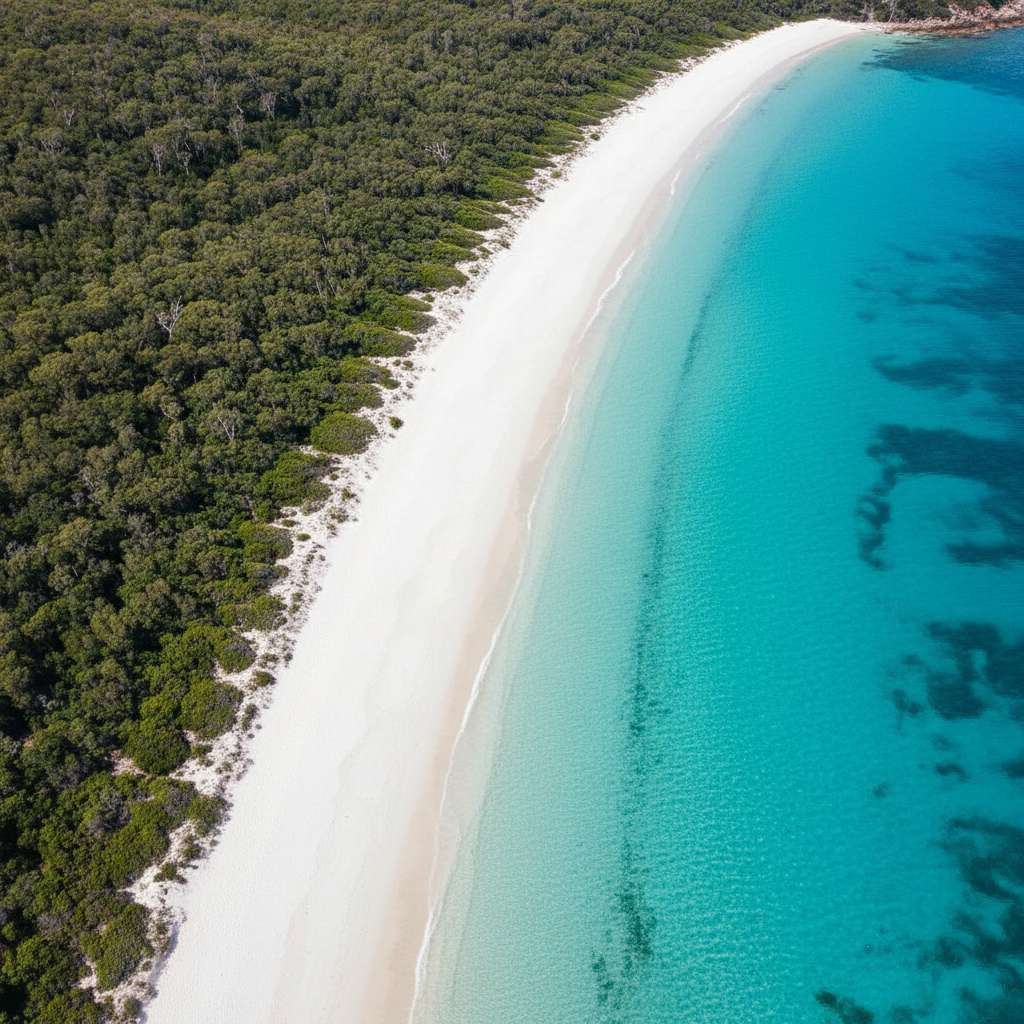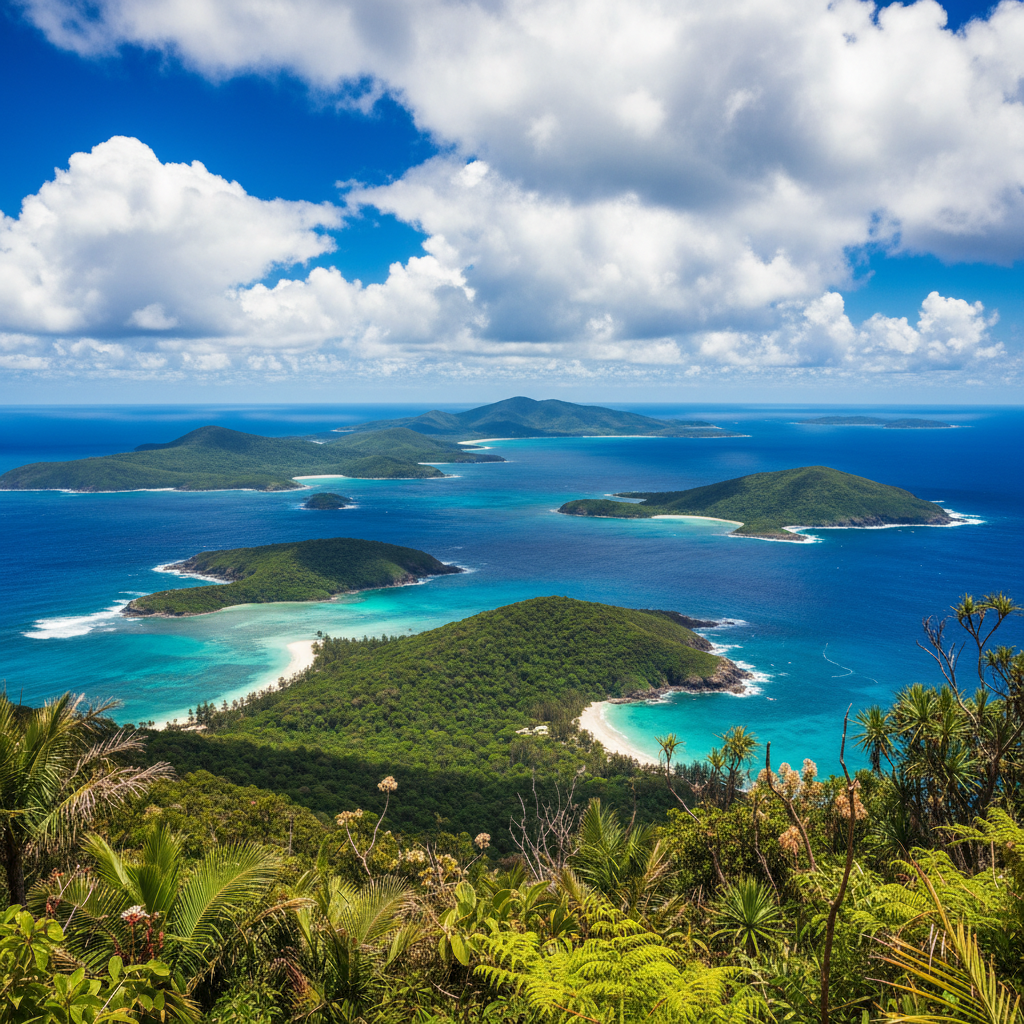
Tucked away on the eastern shores of Hook Island, Butterfly Bay and nearby Nara Inlet represent two of the Whitsundays' most pristine and culturally significant destinations. These sheltered waterways offer crystal-clear snorkelling, ancient Aboriginal rock art galleries, and peaceful anchorages that provide a stark contrast to the bustling crowds at Whitehaven Beach. Located just 45 minutes by boat from Airlie Beach, these hidden gems showcase the Whitsundays' diverse marine ecosystems and rich Indigenous heritage spanning over 9,000 years.
Where exactly are Butterfly Bay and Nara Inlet located?
Butterfly Bay sits on Hook Island's eastern coast, while Nara Inlet cuts deep into the island's southern peninsula. Both locations are approximately 15 nautical miles northeast of Airlie Beach, positioned within the protected waters of the Whitsunday Islands National Park on the edge of the Great Barrier Reef Marine Park.
Hook Island stands as the second-largest island in the Whitsunday group, covering 53 square kilometres of predominantly national park land. Butterfly Bay occupies the island's eastern shoreline at coordinates 20°04'S, 148°57'E, while Nara Inlet extends southward from coordinates 20°06'S, 148°55'E. The inlet stretches approximately 2.5 kilometres inland, creating a narrow fjord-like waterway surrounded by towering cliffs and dense rainforest.
These locations benefit from their position within the Whitsunday Passage, where the prevailing southeast trade winds create natural wind shadows, resulting in consistently calm waters ideal for snorkelling and swimming. The continental shelf drops dramatically just offshore, bringing nutrient-rich waters that support diverse marine life populations.
How do you reach Butterfly Bay and Nara Inlet from Airlie Beach?
Access to Butterfly Bay and Nara Inlet requires boat transport only, with most Whitsundays tours departing from Abel Point Marina or Shute Harbour. The journey takes 45-60 minutes depending on vessel type and sea conditions, covering approximately 15 nautical miles across the protected Whitsunday Passage.
Day tours typically include both locations as part of broader Whitsundays itineraries, departing between 8:00-9:00am and returning by 5:00-6:00pm. Popular vessel types include high-speed catamarans accommodating 30-150 passengers, smaller speedboats for groups of 8-12 people, and traditional sailing vessels ranging from 6-20 passengers.
Overnight sailing tours frequently anchor in these protected bays, offering extended time for snorkelling, bushwalking, and exploring the cultural sites. Multi-day bareboat charters provide the ultimate flexibility, allowing visitors to spend several days exploring both locations at their own pace.
The journey route typically follows the main shipping channel past Daydream Island and Hamilton Island before turning northeast into Hook Passage. Sea conditions remain generally calm year-round due to the protected nature of the Whitsunday Passage, though southeast trade winds between May and September can create moderate chop in exposed areas.
What makes Butterfly Bay special for snorkelling and swimming?
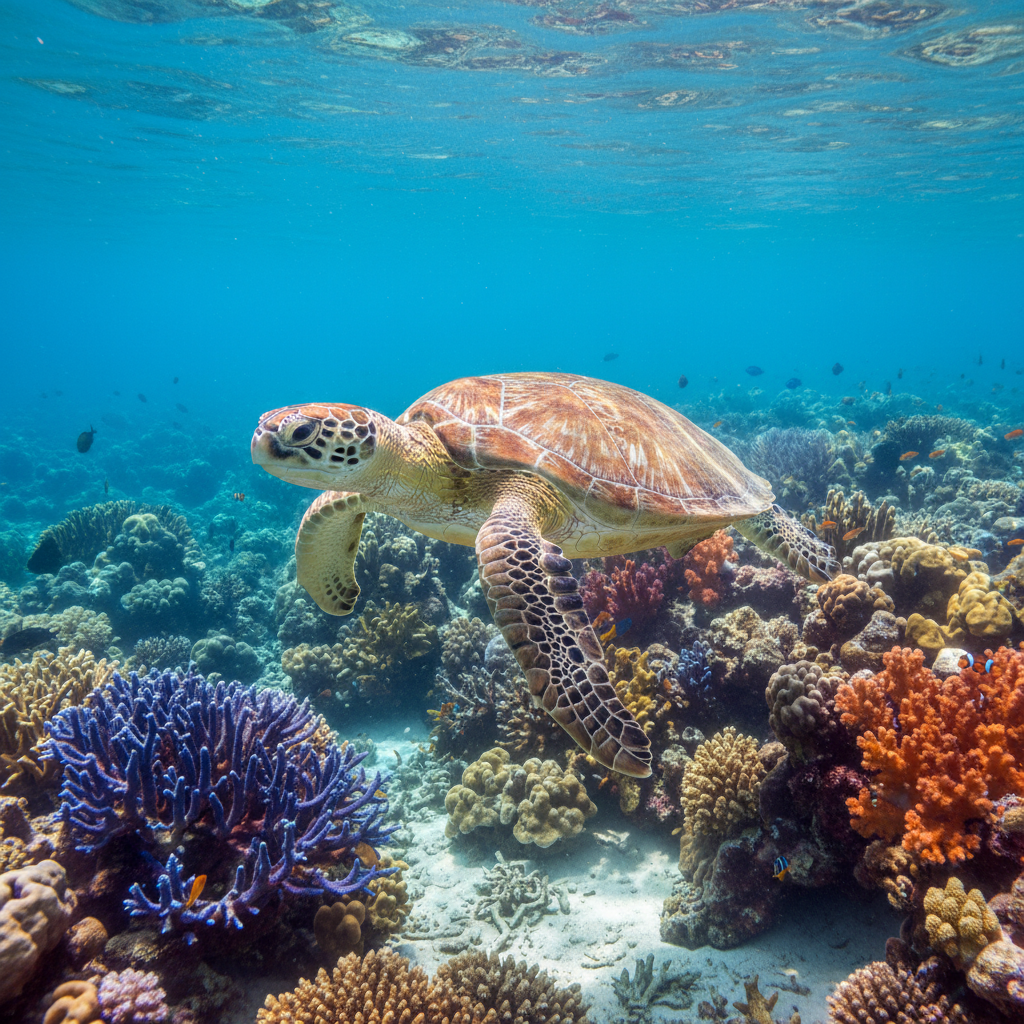
Butterfly Bay features pristine coral gardens in 2-8 metres of water, hosting over 200 fish species including Maori wrasse, coral trout, and schools of tropical reef fish. The bay's sheltered position and sandy bottom create ideal conditions for beginner snorkellers and underwater photography enthusiasts.
The bay's coral formations consist primarily of staghorn, brain, and plate corals, creating diverse microhabitats that support green sea turtles, white-tip reef sharks, and giant clams exceeding one metre in diameter. Water visibility consistently exceeds 15 metres, with temperatures ranging from 22°C in winter to 28°C during summer months.
The northern section of the bay features the most extensive coral coverage, where depths range from 3-6 metres over sandy patches interspersed with bommies (isolated coral outcrops). Marine biologists have documented healthy populations of humphead Maori wrasse, some individuals exceeding 1.5 metres in length and weighing over 100 kilograms.
Snorkelling conditions remain excellent year-round, though visibility peaks during the dry season (April to November) when reduced rainfall minimises sediment runoff. The bay's western orientation provides natural protection from prevailing southeast winds, maintaining calm surface conditions even during Trade Wind season.
What Aboriginal cultural sites can you explore in Nara Inlet?
Nara Inlet contains Australia's most accessible Aboriginal rock art galleries, featuring over 30 documented sites with paintings dating back approximately 9,000 years. The main gallery showcases hand stencils, geometric patterns, and animal figures created by the Ngaro people who inhabited these islands for millennia.
The primary rock art site sits approximately 800 metres from the inlet's mouth, accessible via a marked walking track that takes 15-20 minutes each way. The gallery features red ochre paintings on sandstone overhangs, including distinctive hand stencils created using the blow-pipe technique where ochre was blown around hands pressed against rock surfaces.
Archaeological evidence indicates the Ngaro people established semi-permanent camps throughout Nara Inlet, utilising the freshwater streams and abundant marine resources. Shell middens (ancient garbage dumps) containing oyster, cockle, and cone shell remains provide insight into traditional diets and seasonal occupation patterns.
The inlet's cultural significance extends beyond rock art, as it served as a crucial navigation landmark and resource centre for the Ngaro people's extensive maritime trading networks. Traditional stories describe the inlet as a sacred birthing place where pregnant women would retreat during the final stages of pregnancy, protected by the inlet's spiritual guardians.
When is the best time to visit these locations?
The optimal visiting period spans April through November during the dry season, when rainfall averages below 100mm monthly and southeast trade winds create consistently pleasant conditions. Water temperatures range from 22-26°C, with visibility exceeding 20 metres for snorkelling activities.
Stinger season (November through May) requires protective clothing when swimming, though most tour operators provide full-body lycra suits as standard equipment. Marine stingers include the potentially dangerous box jellyfish and irukandji, though incidents remain rare in these sheltered locations due to regular monitoring and safety protocols.
Humpback whale migration occurs between June and September, with these gentle giants frequently entering the protected waters around Hook Island during their annual journey between Antarctic feeding grounds and tropical breeding areas near the Great Barrier Reef.
Weather patterns favour morning visits when winds typically remain light, before afternoon sea breezes develop around 2:00-3:00pm. Sunrise occurs between 5:30am (summer) and 6:30am (winter), creating spectacular photographic opportunities as morning light illuminates the towering cliffs surrounding both locations.
What tour options include Butterfly Bay and Nara Inlet?
Full-day sailing tours priced from $179 per adult frequently combine both locations, offering 2-3 hours at each site with guided snorkelling instruction, cultural presentations, and gourmet lunch service. Premium small-group tours accommodate 12-20 passengers aboard traditional sailing vessels or modern catamarans.
Multi-day sailing adventures ranging from $450-$850 per person provide overnight anchoring in these protected bays, allowing extended exploration time and stunning sunset/sunrise photography opportunities. These tours typically include all meals, snorkelling equipment, and guided cultural walks through the Nara Inlet rock art sites.
Specialised snorkelling tours focus exclusively on Butterfly Bay's coral gardens, priced from $145 per adult including equipment, instruction, and marine biologist guides. These tours maximise underwater time with minimal travel, perfect for serious snorkellers and underwater photographers.
Private charter options start from $2,200 per day for groups up to 12 people, offering complete itinerary flexibility and personalised service. Bareboat sailing charters for experienced sailors begin around $400 per day, providing ultimate freedom to explore both locations according to personal preferences and weather conditions.
What facilities and amenities are available at these locations?
Both Butterfly Bay and Nara Inlet remain undeveloped wilderness areas with no permanent facilities, toilets, shops, or freshwater sources. Visitors must bring all required supplies including water, food, sun protection, and appropriate footwear for bushwalking activities.
Natural shade exists beneath the forest canopy surrounding both locations, though beach areas remain fully exposed to tropical sun. The rock art walking track in Nara Inlet features minimal infrastructure - just basic track markers and interpretive signage at the main gallery site.
Mobile phone coverage remains patchy to non-existent in both locations due to the surrounding mountainous terrain, making emergency communication challenging. Most tour operators carry satellite communication equipment and comprehensive first aid supplies for safety purposes.
Anchoring is permitted in designated areas within both bays, with maximum vessel length restrictions of 35 metres in Butterfly Bay and 40 metres in Nara Inlet. Mooring facilities do not exist, requiring all vessels to anchor using appropriate equipment for coral protection.
What are the best photography opportunities and viewpoints?
The rim walk above Nara Inlet provides spectacular aerial perspectives of the narrow waterway cutting through Hook Island's interior, accessible via a challenging 45-minute hike from the main anchorage. Early morning light creates dramatic shadows across the inlet's towering sandstone cliffs.
Underwater photography in Butterfly Bay benefits from consistently excellent visibility and diverse marine subjects including sea turtles, reef sharks, and colourful coral formations. The sandy bottom reflects natural light, reducing the need for artificial lighting in shallow water areas.
Sunset photography from vessel decks anchored in either location captures the silhouettes of neighbouring islands including Whitsunday Island and Hamilton Island. The western aspect of both bays provides unobstructed sunset views with dramatic cloud formations during transitional seasons.
The Aboriginal rock art galleries require careful photography techniques to avoid damage while capturing these ancient cultural treasures. Natural lighting works best, though polarising filters help reduce glare from wet rock surfaces during humid conditions.
How much time should you allow for visiting both locations?
A comprehensive visit to both Butterfly Bay and Nara Inlet requires a minimum full day (6-8 hours) including travel time from Airlie Beach. This allows 2-3 hours snorkelling in Butterfly Bay and 2 hours exploring Nara Inlet's cultural sites and bushwalking tracks.
Serious snorkellers and underwater photographers benefit from overnight stays, providing extended underwater time during optimal lighting conditions at dawn and dusk when marine activity peaks. Many fish species exhibit different behaviours during these transitional periods, offering unique photographic opportunities.
The cultural walk through Nara Inlet's rock art sites requires 45-60 minutes including interpretation time, though photographers may want additional time for detailed documentation. The return walk to the rim viewpoint adds another 90 minutes but provides spectacular aerial perspectives worth the challenging climb.
Multi-day visits allow thorough exploration of Hook Island's extensive hiking tracks, additional snorkelling sites around the island's perimeter, and time to fully appreciate the peaceful atmosphere that makes these locations special compared to busier Whitsunday destinations.
Ready to explore these incredible hidden gems? Airlie to Whitehaven makes booking your perfect Whitsundays adventure simple, with carefully selected tours that showcase the best of Butterfly Bay and Nara Inlet. From day sailing trips to multi-day cultural experiences, we'll help you discover the pristine waters and ancient stories that make the Whitsundays truly unforgettable.