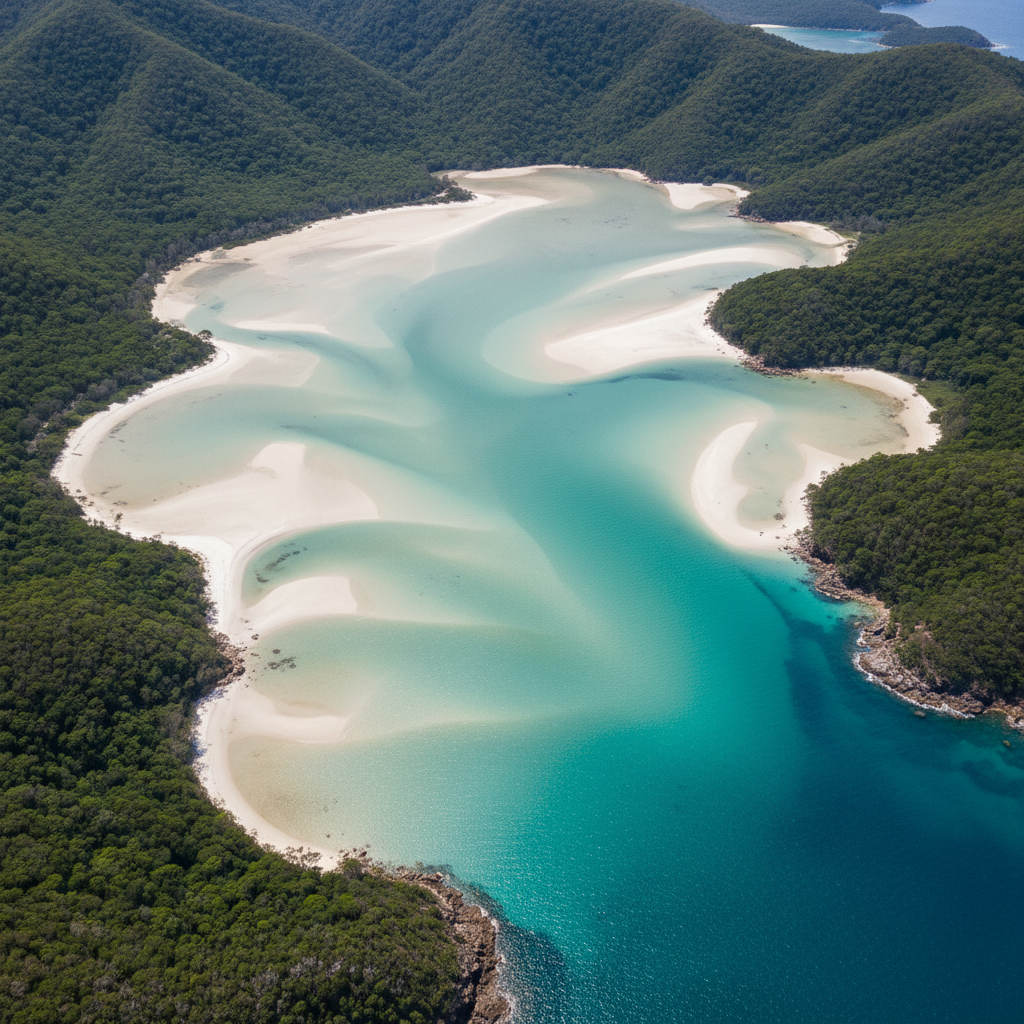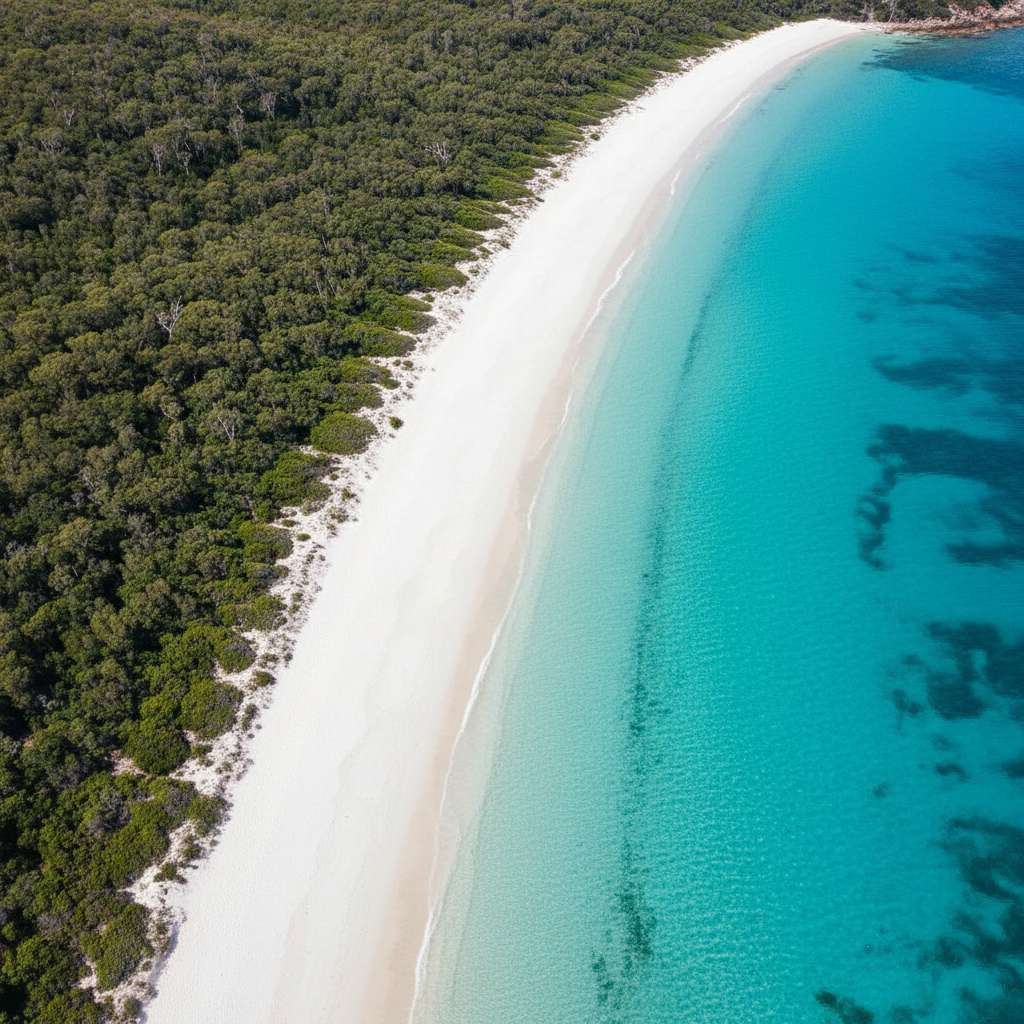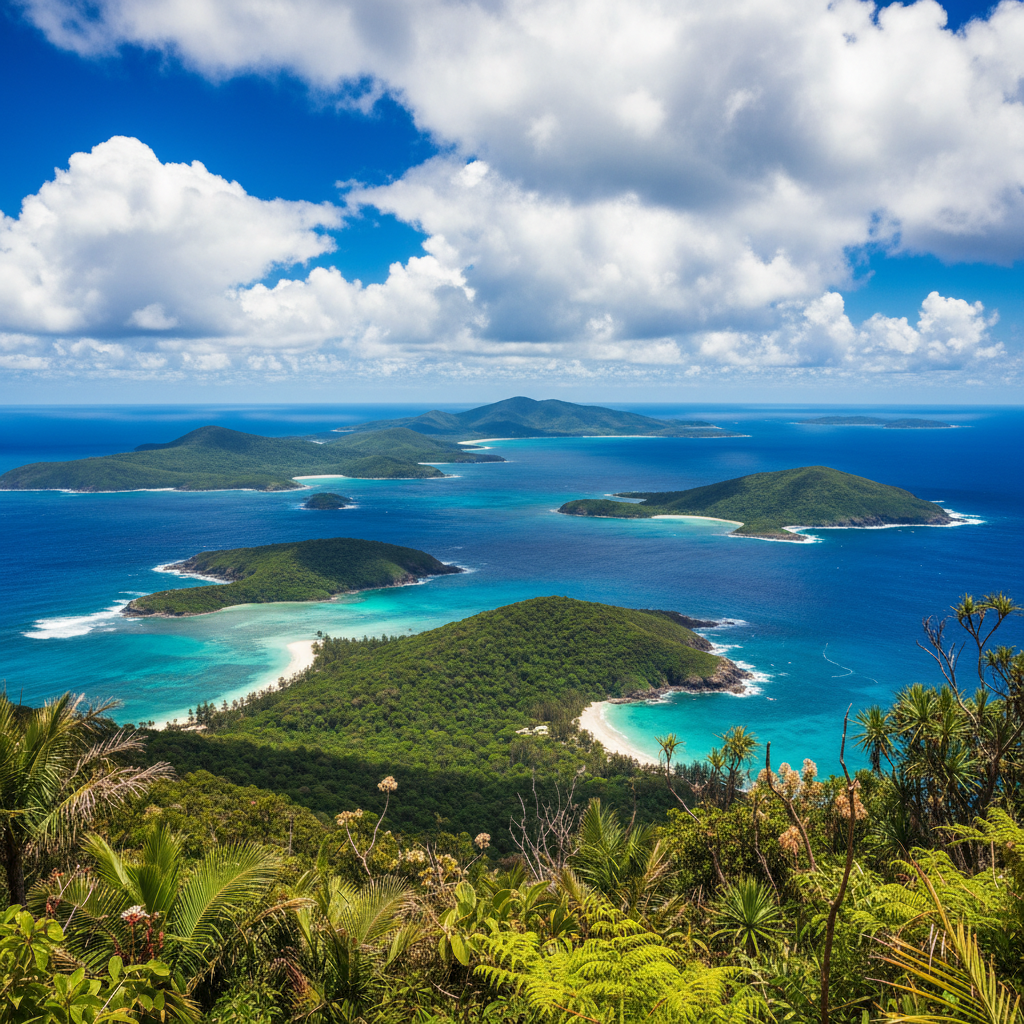
Border Island sits quietly in the northern Whitsundays, offering some of the most pristine fringing reef snorkelling you'll find anywhere. Unlike the crowded tourist hotspots, this protected marine sanctuary delivers world-class underwater experiences with crystal-clear visibility, vibrant coral gardens, and abundant marine life just metres from shore. It's a snorkeller's paradise that many visitors never discover.
Where exactly is Border Island located in the Whitsundays?
Border Island is positioned in the northern Whitsundays between Hook Island and Whitsunday Island, approximately 35 kilometres northeast of Airlie Beach. The island forms part of the Whitsunday Islands National Park and sits on the edge of extensive fringing reef systems that extend into deeper waters.
The island's strategic location places it directly within prime coral reef territory, where the continental shelf meets deeper ocean waters. This positioning creates ideal conditions for marine life diversity, with the shallow fringing reefs providing perfect snorkelling depths of 2-8 metres. The island's coordinates place it at the intersection of several major reef systems, making it a natural gathering point for tropical fish species and coral formations.
Border Island measures roughly 2.5 kilometres in length and sits within the protected waters of the Great Barrier Reef Marine Park. Its northern aspect faces the Coral Sea, while sheltered bays on the western side provide calm anchorage points for visiting boats and tour vessels.
How do you reach Border Island from Airlie Beach?
Border Island is accessible only by boat, helicopter, or seaplane, with the journey from Airlie Beach taking 45-60 minutes by fast catamaran or 35-40 minutes by speedboat. Most tours depart from Abel Point Marina or Shute Harbour, following routes through the Whitsunday Passage.
The boat journey typically follows the main shipping channel north past Daydream Island and Hamilton Island before veering northeast toward the outer reef systems. Fast catamarans cruise at speeds of 25-30 knots, while smaller speedboats can reach 35-40 knots, reducing travel time significantly.
Helicopter transfers offer the quickest access, taking just 15-20 minutes from Airlie Beach helipad. These scenic flights provide spectacular aerial views of the reef systems and islands below, though they come at premium prices starting from $400-500 per person one-way.
Seaplane options are available through certain charter operators, offering a unique perspective during the 25-30 minute flight. These aircraft can land directly in sheltered bays near Border Island, providing exclusive access for smaller groups willing to pay premium rates of $600-800 per person.
What makes Border Island's snorkelling so exceptional?
Border Island features pristine fringing reefs with 98% live coral coverage, water visibility exceeding 25 metres, and over 200 tropical fish species including Maori wrasse, reef sharks, and giant trevally. The protected location ensures minimal current and wave action, creating perfect conditions for snorkelling.
The island's fringing reef system extends 200-300 metres from shore, creating natural snorkelling lagoons with depths ranging from 1-8 metres. These shallow areas allow easy exploration while maintaining the diversity of deeper reef ecosystems. The coral formations include massive plate corals, branching staghorns, and colourful soft corals that create underwater gardens of exceptional beauty.
Marine life abundance sets Border Island apart from other snorkelling destinations throughout the Whitsundays. Regular sightings include large schools of barramundi cod, sweetlip emperors, and coral trout. The protected status means fish populations remain naturally robust, with many species showing little fear of snorkellers.
Water temperature remains consistently warm at 24-28°C year-round, while the protected aspect ensures water clarity rarely drops below 20-metre visibility. The combination of warm water, excellent visibility, and diverse marine life creates world-class snorkelling conditions that rival any tropical destination globally.
When is the best time to visit Border Island?
The optimal visiting period for Border Island runs from April through November, offering calm seas, excellent visibility, and comfortable air temperatures of 22-26°C. Southeast trade winds during this dry season create ideal conditions with minimal rainfall and consistent weather patterns.
April through June represents peak conditions with water visibility often exceeding 30 metres and sea temperatures at comfortable 25-27°C. This period follows the wet season, ensuring coral is at its most vibrant after recent rainfall has delivered nutrients to reef systems.
The winter months of July through September provide consistently calm conditions with minimal wind and wave action. Air temperatures hover around 22-24°C, making this period ideal for extended snorkelling sessions. This is also prime whale watching season, with humpback whales frequently spotted during the journey to Border Island.
October and November offer warming conditions as the region transitions toward summer, with air temperatures rising to 26-28°C and water remaining consistently warm. This period often provides the calmest seas of the year before the wet season arrives.
The wet season from December through March brings higher humidity, afternoon thunderstorms, and rougher seas that can limit access to Border Island. However, this period also brings increased marine life activity as warmer waters attract tropical species from northern ranges.
What marine life can you expect to see at Border Island?
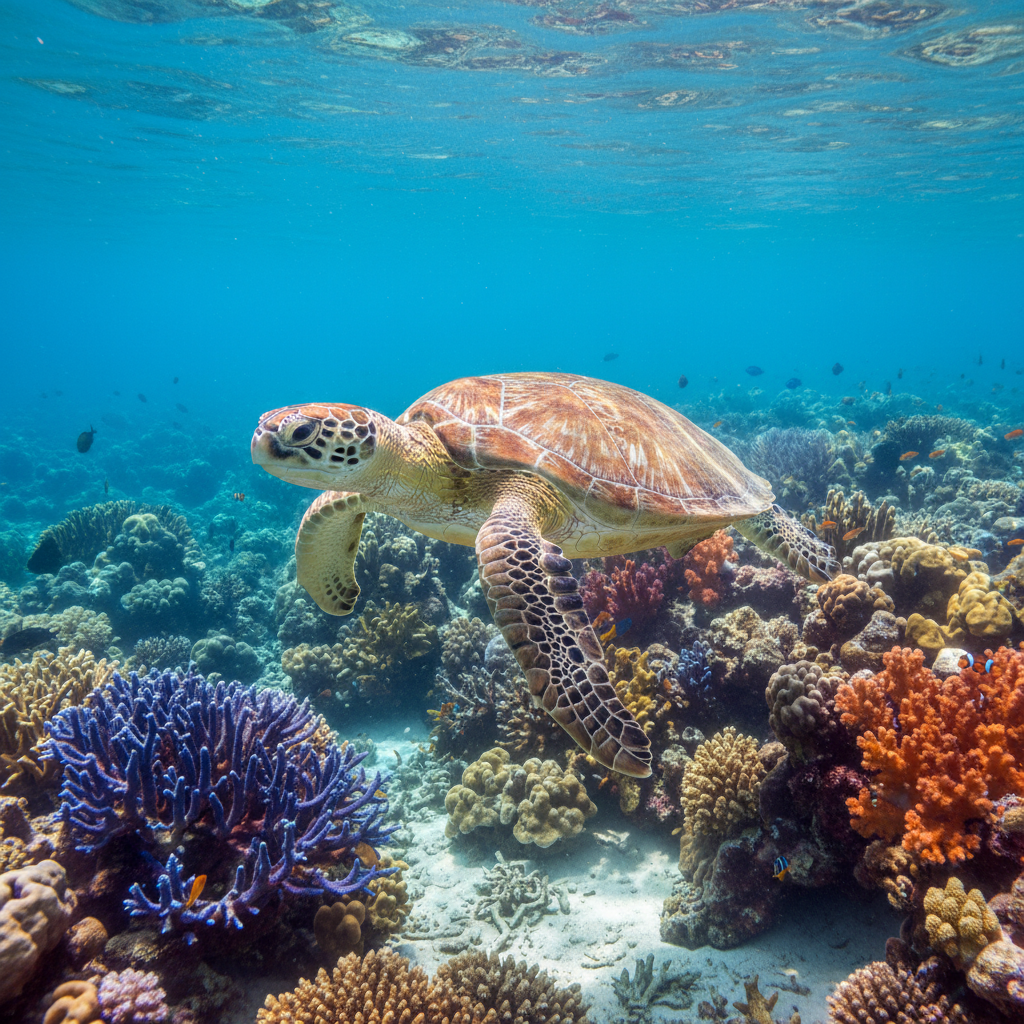
Border Island's protected reefs host over 200 fish species including Maori wrasse up to 1.5 metres long, white-tip and grey reef sharks, giant trevally, coral trout, and massive schools of fusiliers and snappers. Green turtles are commonly sighted, along with occasional hawksbill turtles and eagle rays.
The large Maori wrasse (Napoleon wrasse) that frequent Border Island's reefs are among the most impressive residents, with some individuals weighing over 150 kilograms. These gentle giants often approach snorkellers with curious behaviour, creating memorable underwater encounters. The species is protected throughout the Great Barrier Reef, making Border Island one of the reliable locations for sightings.
Reef shark populations include white-tip reef sharks that rest in coral caves during daylight hours and grey reef sharks that patrol deeper reef edges. These species pose no threat to snorkellers and often ignore human presence entirely, continuing their natural hunting behaviours.
Coral trout populations at Border Island include several species with the common coral trout reaching sizes up to 80 centimetres. These colourful predators hunt smaller reef fish and display territorial behaviours around cleaning stations where cleaner wrasse remove parasites.
Sea turtle populations include resident green turtles that feed on algae growing on coral formations. These reptiles can be observed at close range as they surface for air every 5-10 minutes. Hawksbill turtles, distinguished by their pointed beaks and overlapping shell plates, frequent the area less commonly but provide exciting sightings for lucky visitors.
Which tours include Border Island in their itineraries?
Full-day reef tours from Airlie Beach frequently include Border Island as a premier snorkelling destination, with prices ranging $180-280 per adult. Premium operators offer small group experiences limited to 12-20 passengers, while budget options accommodate 40-60 passengers on larger vessels.
Ocean Rafting operates high-speed boat tours that visit Border Island as part of their "Southern Lights" itinerary, priced at around $189 per adult. These tours typically spend 45-60 minutes at Border Island before continuing to other snorkelling locations and Whitehaven Beach.
Cruise Whitsundays offers full-day catamaran tours that include Border Island stops, with prices starting from $205 per adult including lunch and snorkelling equipment. Their larger vessels provide stable platforms for nervous swimmers and comprehensive facilities including underwater viewing areas.
Premium small-group operators like Prosail and Red Cat Adventures feature Border Island on their exclusive reef exploration tours, with prices ranging $250-350 per person. These tours typically limit group sizes to 12-16 passengers and include marine biologist guides who provide detailed explanations of reef ecosystems.
Multi-day sailing tours often anchor overnight near Border Island, allowing extended snorkelling opportunities during optimal early morning and late afternoon periods. These experiences range from $400-800 per person for 2-3 day packages including meals and accommodation aboard sailing vessels.
What facilities and amenities are available at Border Island?
Border Island is an undeveloped national park island with no facilities, infrastructure, or fresh water supplies. Visitors must bring all necessary provisions including drinking water, food, sun protection, and waste disposal bags as part of Leave No Trace principles for protected marine areas.
The island features several small beaches suitable for boat landing, though these areas are not developed with jetties or permanent mooring infrastructure. Tour operators typically anchor in deeper water and ferry passengers ashore using smaller dinghies or directly from swim platforms.
Natural shade is extremely limited on Border Island's beaches, with sparse vegetation providing minimal protection from tropical sun. Tour operators typically provide shade umbrellas or pop-up shelters for passenger comfort, though these must be securely anchored due to consistent trade winds.
Toilet facilities are non-existent on Border Island, requiring tour boats to provide onboard facilities or plan itineraries that include stops at locations with proper amenities. Most day tours address this by ensuring comfortable facilities are available on departure vessels.
The absence of development preserves Border Island's pristine natural state but requires careful planning for visitor comfort. All tours include comprehensive snorkelling equipment, safety gear, and refreshments as part of their packages.
What are the best photography opportunities at Border Island?
Border Island offers exceptional underwater photography with 25-30 metre visibility, colourful coral formations, and abundant marine life including Maori wrasse, reef sharks, and sea turtles. Above water, the pristine beaches and crystal-clear waters create perfect tropical paradise shots with minimal human impact.
Underwater photography thrives in Border Island's gin-clear waters, with natural lighting penetrating to 15-20 metre depths without artificial illumination. The diverse coral formations provide colourful backgrounds for wide-angle shots, while the abundant fish life offers opportunities for both macro and wide-angle photography.
The large Maori wrasse that frequent the area are particularly photogenic subjects, often approaching photographers with curious behaviour. These massive fish create dramatic subjects against coral backdrops, with their distinctive features and size providing scale reference for underwater compositions.
Aerial photography opportunities from tour boats capture Border Island's pristine setting within the broader Whitsunday seascape. The contrast between deep blue ocean waters and the lighter blue-green of shallow reef areas creates natural leading lines that guide viewers' eyes through compositions.
Early morning and late afternoon lighting provides optimal conditions for both underwater and surface photography. The low angle sunlight during these periods enhances colour saturation in both coral formations and the tropical waters surrounding Border Island.
What should you know before visiting Border Island?
Border Island requires moderate swimming ability and confidence in open water as there are no lifeguards, safety nets, or emergency services on-site. Stinger suits are mandatory during November-May jellyfish season, and all visitors must follow strict environmental protection guidelines for the marine park.
Swimming competency is essential as snorkelling occurs in open ocean conditions with depths reaching 5-8 metres near coral formations. While tour operators provide safety briefings and flotation devices, visitors should be comfortable in water without pool edges or shallow areas for standing.
Stinger season precautions are critical from November through May when potentially dangerous jellyfish species including box jellyfish and Irukandji may be present. All reputable tour operators provide stinger suits during this period and brief passengers on proper usage and safety protocols.
Environmental regulations prohibit touching, standing on, or removing any marine life including coral, shells, or fish. Sunscreen use requires reef-safe formulations without oxybenzone or octinoxate chemicals that damage coral systems. Tour operators typically provide reef-safe alternatives.
Weather dependency means Border Island visits may be cancelled or relocated due to rough seas, poor visibility, or safety concerns. Tour operators typically offer alternative destinations or full refunds when conditions prevent safe access to the island.
Border Island represents one of the Whitsundays' most pristine snorkelling destinations, offering world-class reef experiences in a protected marine sanctuary. Whether you're seeking encounters with massive Maori wrasse, exploring vibrant coral gardens, or simply enjoying crystal-clear tropical waters, this hidden gem delivers unforgettable underwater adventures. Book your Border Island experience through Airlie to Whitehaven to secure your spot on tours that showcase the very best of Whitsundays marine life and reef systems.