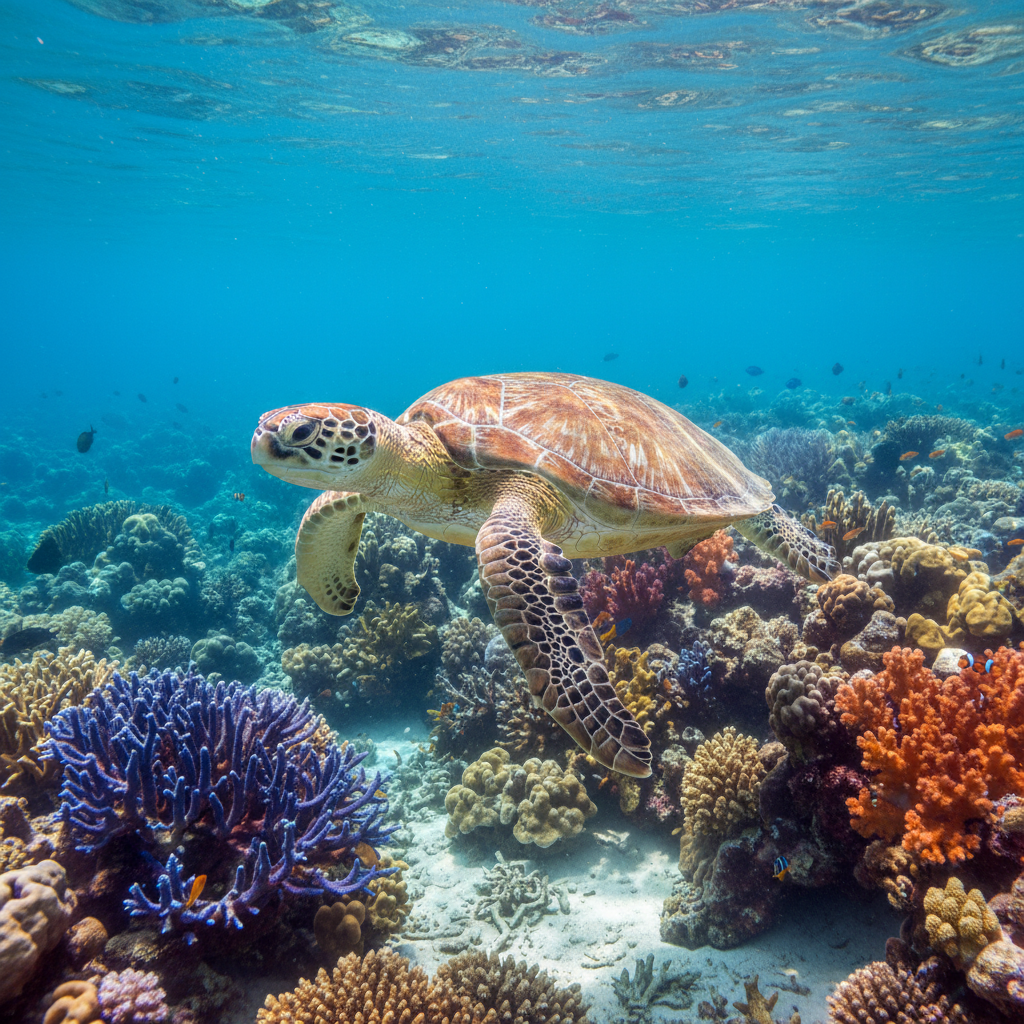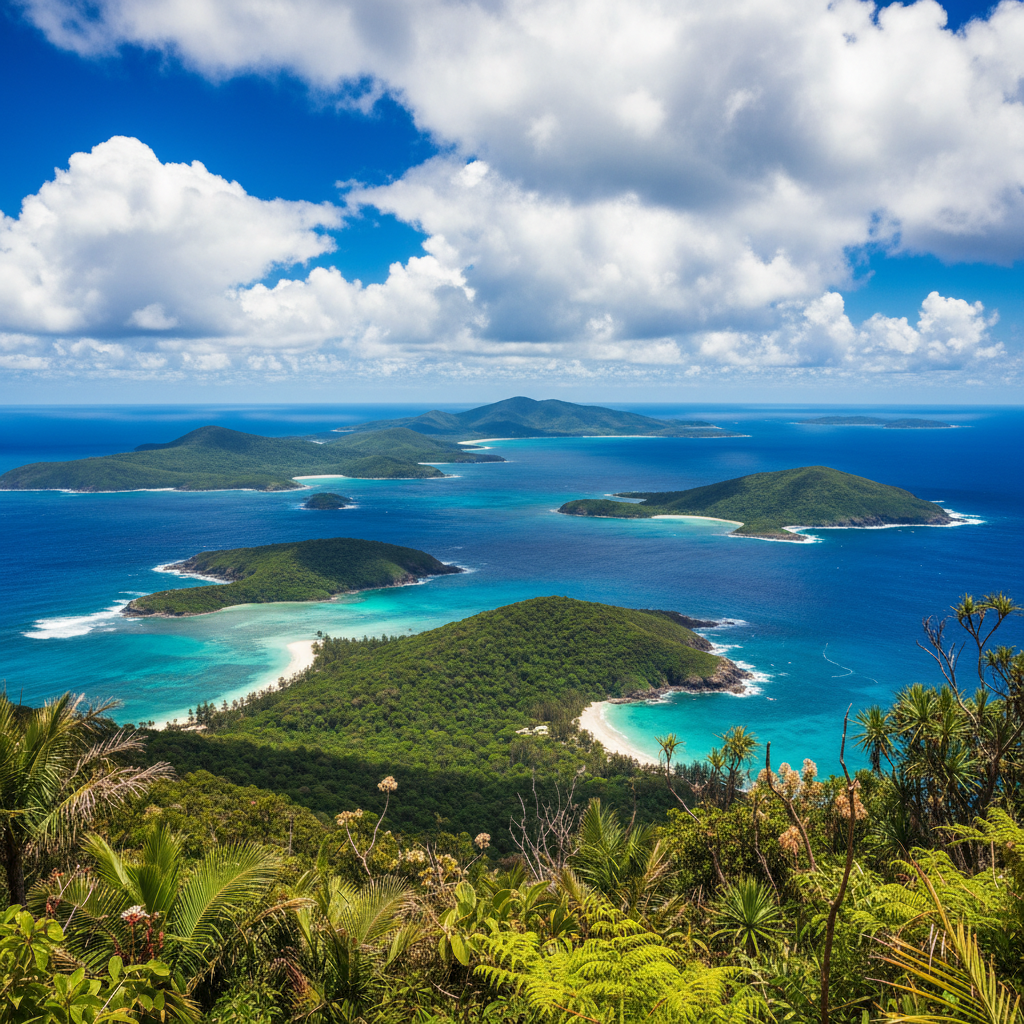
The Whitsunday Islands are home to over 200 bird species, making them one of Queensland's premier birdwatching destinations. From the iconic white-bellied sea eagle soaring above turquoise waters to tiny rainbow lorikeets flashing through coastal mangroves, these 74 islands offer extraordinary diversity for both casual observers and serious ornithologists. The protected status of most islands as national park ensures pristine habitats where native species thrive, while the surrounding Great Barrier Reef Marine Park provides rich feeding grounds for seabirds and migratory species.
What bird species can you see in the Whitsundays?
The Whitsundays host over 200 bird species including white-bellied sea eagles, ospreys, rainbow lorikeets, varied honeyeaters, Torres Strait pigeons, beach stone-curlews, reef egrets, frigatebirds, and seasonal migrants like eastern curlews and bar-tailed godwits visiting mudflats and coastal areas.
The diversity spans five distinct habitats: coastal mangroves, rainforest pockets, open woodlands, rocky shores, and marine environments. Each ecosystem supports different species communities, with some birds moving between habitats throughout the day or season.
Raptors and large birds: White-bellied sea eagles (Haliaeetus leucogaster) are the region's most impressive predators, with wingspans reaching 2.2 metres. These powerful hunters patrol coastlines hunting fish, sea snakes, and water birds. Ospreys (Pandion haliaetus) are equally spectacular, diving feet-first into shallow waters to catch fish. Brahminy kites (Haliastur indus) display distinctive chestnut and white plumage while scavenging along beaches.
Seabirds and coastal species: Silver gulls and crested terns are abundant around marinas and beaches. Great frigatebirds (Fregata minor) occasionally appear during breeding season, their massive black wings and distinctive red throat pouches unmistakable. Little pied cormorants dive for fish in shallow bays, while reef egrets (Egretta sacra) hunt along rocky shorelines in both white and dark colour morphs.
Forest and woodland birds: Rainbow lorikeets create vibrant flashes of colour in flowering trees, their raucous calls echoing across islands. Varied honeyeaters (Gavicalis versicolor) are endemic to northern Australia and common in Whitsunday woodlands. Peaceful doves, figbirds, and metallic starlings add to the forest chorus.
Migratory species: Between September and March, international migrants arrive from Arctic breeding grounds. Eastern curlews (Numenius madagascariensis) probe mudflats with curved bills, while bar-tailed godwits (Limosa lapponica) display remarkable endurance, flying non-stop from Alaska to Australian shores.
Where are the best birdwatching locations in the Whitsundays?
Top birdwatching spots include Conway National Park near Airlie Beach for forest species, Shute Harbour for seabirds, Hamilton Island's walking trails, Whitehaven Beach's northern end for shorebirds, and Hook Island's protected bays for raptors and diverse coastal species.
Conway National Park: This mainland reserve behind Airlie Beach offers 58 kilometres of walking tracks through diverse habitats. The Conway Circuit (4.8km) passes through rainforest gullies where you'll spot varied honeyeaters, figbirds, and occasional cassowaries. Dawn and dusk are optimal for forest species activity. Entry is free, and tracks are well-maintained year-round.
Hamilton Island Resort surrounds: Despite development, Hamilton Island retains significant bird habitat. The resort's golf course attracts curlews and plovers, while native gardens host honeyeaters and lorikeets. The island's walking tracks, particularly around Catseye Beach and Passage Peak, offer excellent raptor viewing. No day visitor fees apply for walking areas.
Shute Harbour and Abel Point Marina: These departure points for island tours provide excellent seabird watching. Ospreys nest on navigation markers, while sea eagles patrol the harbour entrance. Early morning before tour departures offers the calmest conditions and highest bird activity.
Whitehaven Beach northern end: The quieter section of this famous beach, accessible via Hill Inlet Lookout walks, attracts shorebirds including beach stone-curlews and eastern reef egrets. The tidal flats expose feeding areas for plovers and sandpipers. Whitsunday Islands National Park protects this area, requiring visitors to follow designated tracks.
Hook Island's protected bays: Butterfly Bay and Macona Inlet offer sheltered waters attracting diverse species. The ancient Aboriginal rock art sites are surrounded by littoral rainforest hosting Torres Strait pigeons, emerald doves, and occasional channel-billed cuckoos during summer months.
When is the best time for birdwatching in the Whitsundays?
April to September offers optimal birdwatching conditions with dry weather, calm seas, and peak migratory bird activity. Early morning (6-10am) and late afternoon (3-6pm) provide highest bird activity, while whale season (June-September) attracts additional seabirds following marine mammal pods.
Seasonal patterns: The dry season (April to November) provides consistently clear weather for boat-based birdwatching. However, each season offers unique opportunities. Summer's wet season (December to March) brings breeding activity for many resident species, though afternoon storms can interrupt observations.
Migration timing: International shorebird migration peaks between September and November (southbound) and March to May (northbound). Arctic-breeding species like red knots, ruddy turnstones, and sanderlings join year-round residents on mudflats and beaches.
Daily activity patterns: Most species are most active during the first three hours after sunrise and the two hours before sunset. Seabirds often feed during tidal changes, making tide charts valuable planning tools. Raptors utilise thermal updrafts that develop mid-morning over sun-warmed islands.
Weather considerations: Calm conditions are essential for spotting birds on water and hearing forest species calls. Trade winds typically strengthen after 10am, making early morning tours ideal for birdwatching. During stinger season (November to May), protective clothing doesn't impede land-based birdwatching activities.
What identification tips help recognise Whitsunday bird species?
Key identification features include size comparison to common species (pigeon, crow), distinctive flight patterns, habitat preferences, and unique calls. White-bellied sea eagles show distinctive white heads and tails, while ospreys display characteristic fishing dives and platform nest construction on navigation markers.
Size and silhouette: Use familiar birds as size references. White-bellied sea eagles are significantly larger than brahminy kites, with broader, more rectangular wings. Ospreys appear similar-sized to sea eagles but have narrower, more angled wings and distinctive white heads with dark eye-stripes.
Flight patterns: Sea eagles soar with wings held flat, rarely flapping except during takeoff. Ospreys fly with distinctive kinked wings, creating an 'M' shape when viewed from below. Frigatebirds soar effortlessly for hours without wing beats, using their massive wingspan to catch thermals.
Behavioural cues: Ospreys always dive feet-first when fishing, unlike sea eagles that snatch prey from the surface. Rainbow lorikeets feed hanging upside-down on flowering branches, while honeyeaters probe flowers with long, curved beaks. Beach stone-curlews freeze motionless when threatened, relying on cryptic plumage for protection.
Habitat preferences: Reef egrets exclusively hunt along rocky shores, never venturing inland. Torres Strait pigeons prefer fruiting rainforest trees and rarely appear in open areas. Eastern curlews feed only on soft mudflats and sandy beaches, never on rocky surfaces.
Vocalisation patterns: Sea eagles produce distinctive honking calls during territorial displays. Varied honeyeaters create complex melodic phrases unique to each individual. Channel-billed cuckoos announce their presence with loud 'awk-awk-awk' calls that carry across entire islands.
How can you practice responsible birdwatching in marine park waters?
Maintain 500-metre distances from nesting sites, follow designated walking tracks, never feed wildlife, dispose of all rubbish properly, and respect Great Barrier Reef Marine Park zoning regulations. Use binoculars rather than approaching birds closely, and choose tour operators following EcoGuide Australia standards.
Marine park regulations: The Great Barrier Reef Marine Park Authority protects bird nesting sites through specific zoning. Green zones prohibit anchoring near sensitive areas, while some islands have seasonal closure areas during breeding periods. Always check current restrictions before visiting specific locations.
Minimum approach distances: Maintain at least 50 metres from roosting seabirds and 100 metres from active nest sites. Osprey and sea eagle nests require 500-metre buffer zones to prevent abandonment. Use telephoto lenses or binoculars for close observation without disturbance.
Track adherence: Whitsunday Islands National Park designates specific walking tracks to minimise habitat disturbance. Venturing off-track damages fragile vegetation and can disturb ground-nesting species like beach stone-curlews or bush stone-curlews.
Wildlife interaction protocols: Never offer food to wild birds, as this alters natural behaviours and creates dependency. Human food causes malnutrition and aggressive behaviour in seabirds. Report injured wildlife to Queensland Parks and Wildlife Service rather than attempting direct assistance.
Noise management: Keep voices low near nesting areas and roosting sites. Sudden loud noises can cause mass evacuations of seabird colonies, potentially leading to abandoned eggs or chicks. Turn off electronic devices or use silent modes in sensitive areas.
Which tour options include dedicated birdwatching opportunities?
Eco-certified sailing tours, small-group zodiac expeditions, and helicopter flights offer excellent birdwatching platforms. Multi-day sailing trips provide dawn and dusk viewing opportunities, while scenic flights reveal osprey nests on navigation markers and frigatebird soaring patterns above reef systems.
Sailing tour advantages: Full-day and overnight sailing trips position you in prime birdwatching locations during optimal feeding times. Crews experienced in marine life identification can spot and identify species throughout the journey. Silent sailing approaches don't disturb wildlife, unlike motorised vessels.
Small vessel expeditions: Zodiac and small catamaran tours access shallow bays and mangrove creeks where larger vessels cannot venture. These protected environments host diverse species including kingfishers, herons, and forest species coming to drink. Group sizes typically remain under 20 passengers, ensuring personalised experiences.
Aerial perspectives: Helicopter and scenic flights reveal bird behaviour invisible from ground level, including osprey nesting platforms on navigation markers and sea eagle territorial boundaries. Flight timing during early morning or late afternoon maximises bird activity observations.
Specialised eco tours: Some operators offer dedicated wildlife focus trips with qualified naturalist guides. These typically cost $15-30 more than standard tours but provide expert species identification, behavioural interpretation, and optimal positioning for sightings.
Multi-day options: Overnight sailing expeditions capture dawn and dusk activity periods impossible on day trips. Three-day, two-night packages starting from $650 include camping on uninhabited islands, providing extensive birdwatching opportunities alongside other activities.
What photography tips improve bird images in the Whitsundays?
Use telephoto lenses (minimum 300mm), shoot during golden hours for warm lighting, maintain steady positions on boat decks, set fast shutter speeds (1/1000s+) for flight shots, and focus on eyes for sharp portraits while respecting minimum approach distances.
Equipment recommendations: A 70-300mm lens provides versatility for both perched birds and distant subjects. Image stabilisation becomes crucial on moving vessels. Bring extra batteries, as tropical humidity drains power faster than temperate conditions.
Lighting considerations: Early morning and late afternoon light enhances bird colours and reduces harsh shadows. Overcast conditions provide even lighting ideal for forest species photography. Avoid midday shooting when harsh tropical sun creates extreme contrasts.
Composition techniques: Position birds against contrasting backgrounds like blue water or green foliage. Include habitat context to tell environmental stories. Capture action sequences during feeding or flying rather than static perched poses.
Boat-based photography: Brace against railings or use bean bags for camera stability. Anticipate vessel movement and time shots between wave motions. Inform crew about photography intentions so they can position the boat optimally for lighting and backgrounds.
Ethical photography: Never pursue birds for closer shots, particularly near nesting areas. Use silent camera modes to avoid startling subjects. Delete images that required excessive disturbance to obtain, maintaining ethical standards above photograph acquisition.
How do conservation efforts protect Whitsunday bird populations?
National park status protects 70% of islands from development, while Great Barrier Reef Marine Park regulations control vessel access near nesting sites. Habitat restoration projects remove invasive species, and scientific monitoring tracks population trends for vulnerable species like beach stone-curlews.
Protected area network: Most Whitsunday Islands hold national park status under Queensland Parks and Wildlife Service management. This designation prohibits development, mining, and other activities that could degrade bird habitats. Marine park zoning extends protection into surrounding waters.
Invasive species control: Active programs target lantana, prickly pear, and other introduced plants that displace native vegetation. Feral goat removal on several islands has allowed vegetation recovery, particularly benefiting ground-nesting species. Cat eradication programs protect nesting seabirds from predation.
Research and monitoring: Long-term studies track breeding success, population trends, and climate change impacts on bird communities. Citizen science programs encourage tour operators and visitors to report unusual sightings, contributing valuable data to conservation databases.
Nest site protection: Seasonal restrictions limit human access to critical breeding areas. Osprey nesting platforms on navigation aids receive regular monitoring and maintenance. Buffer zones around sea eagle nests prevent disturbance during sensitive breeding periods.
Tourism partnership: EcoGuide Australia certification ensures tour operators follow best practice wildlife viewing guidelines. Revenue from nature-based tourism provides economic incentives for conservation, demonstrating that healthy ecosystems generate sustainable income for local communities.
Whether you're hoping to photograph a majestic white-bellied sea eagle or simply enjoy the dawn chorus of rainbow lorikeets, the Whitsundays offer unforgettable birdwatching experiences. From peaceful sailing approaches to remote island refuges to expert-guided zodiac expeditions through pristine mangrove systems, every tour reveals new species and behaviours. Book your Whitsunday birdwatching adventure through Airlie to Whitehaven and discover why these protected islands rank among Australia's premier wildlife destinations.