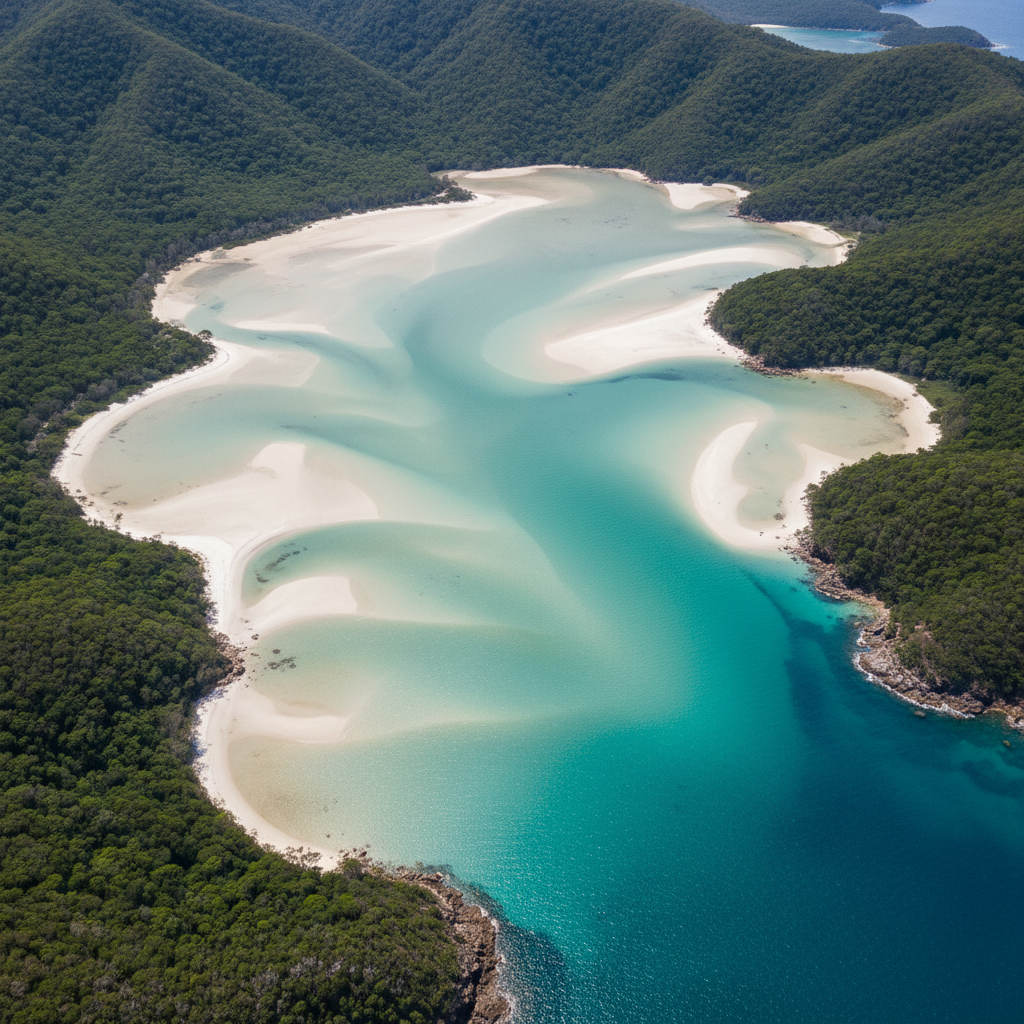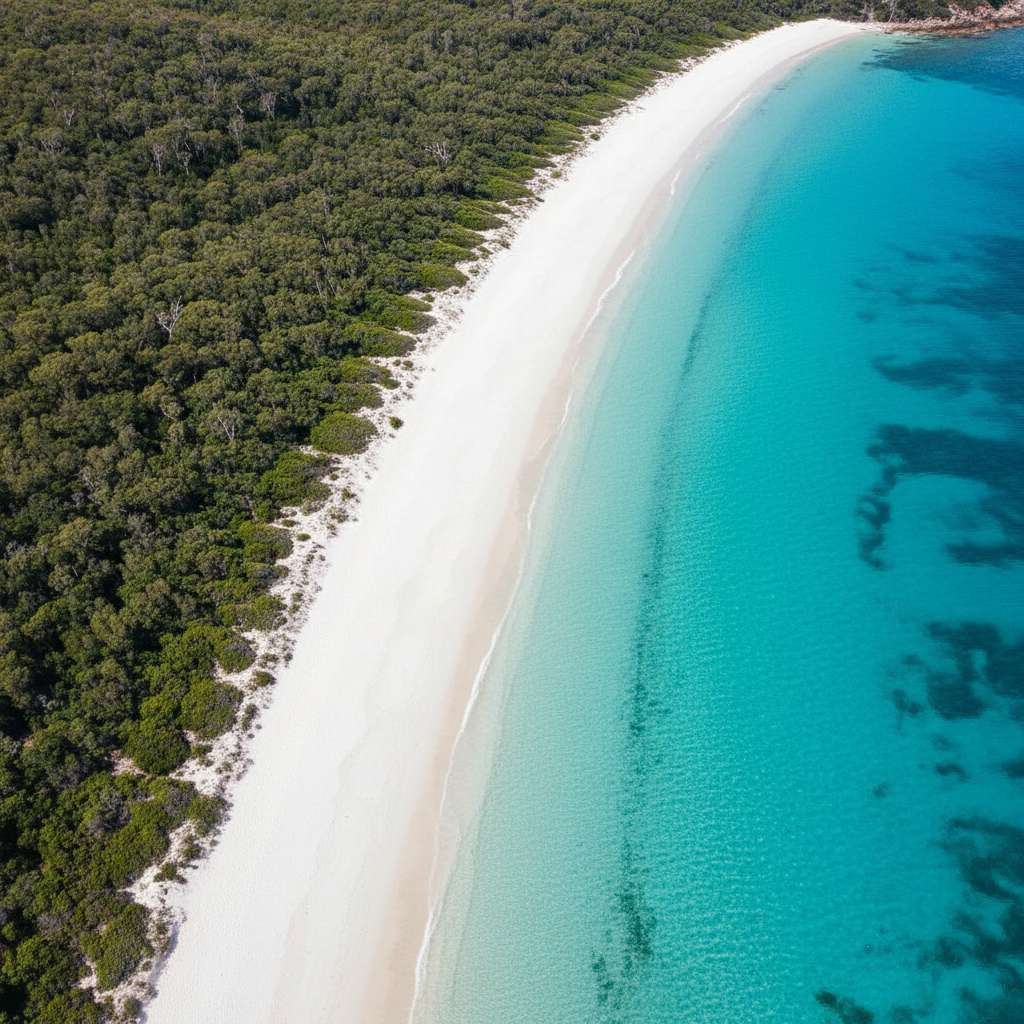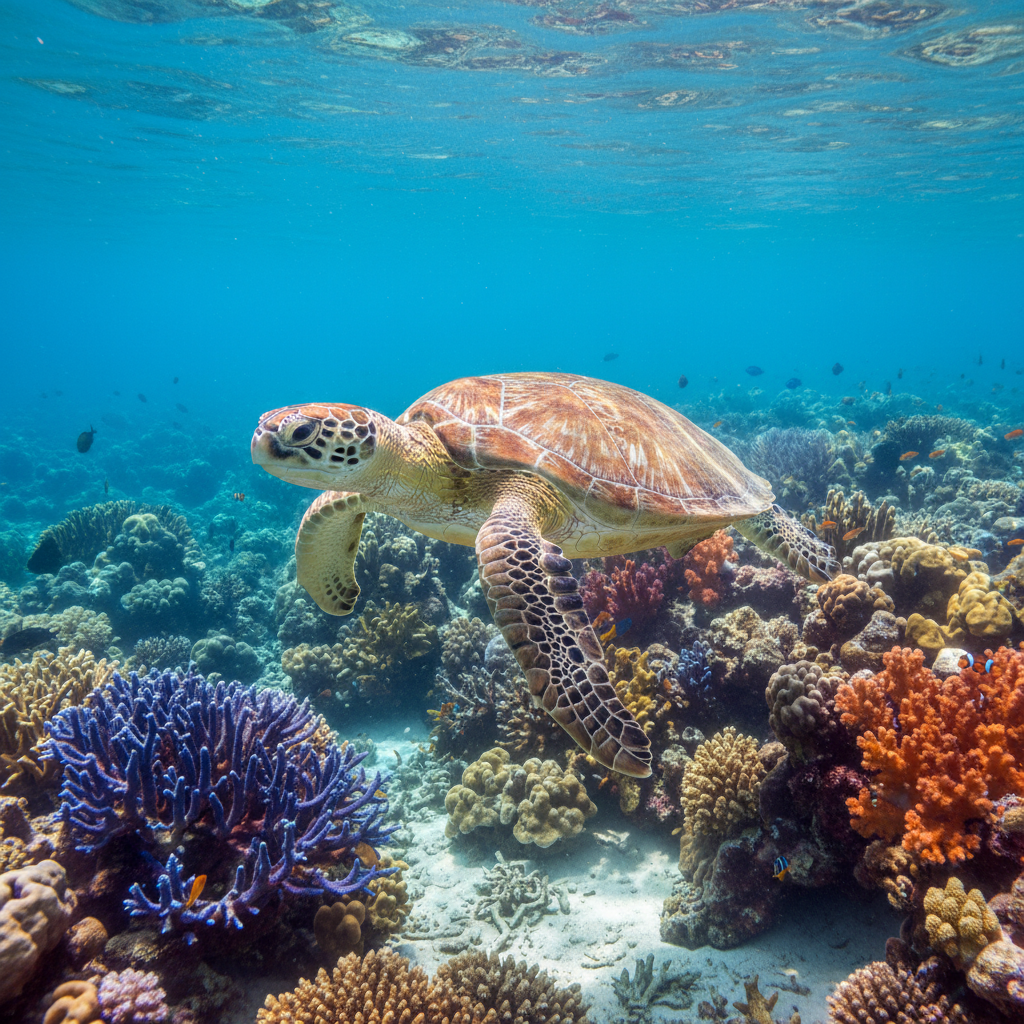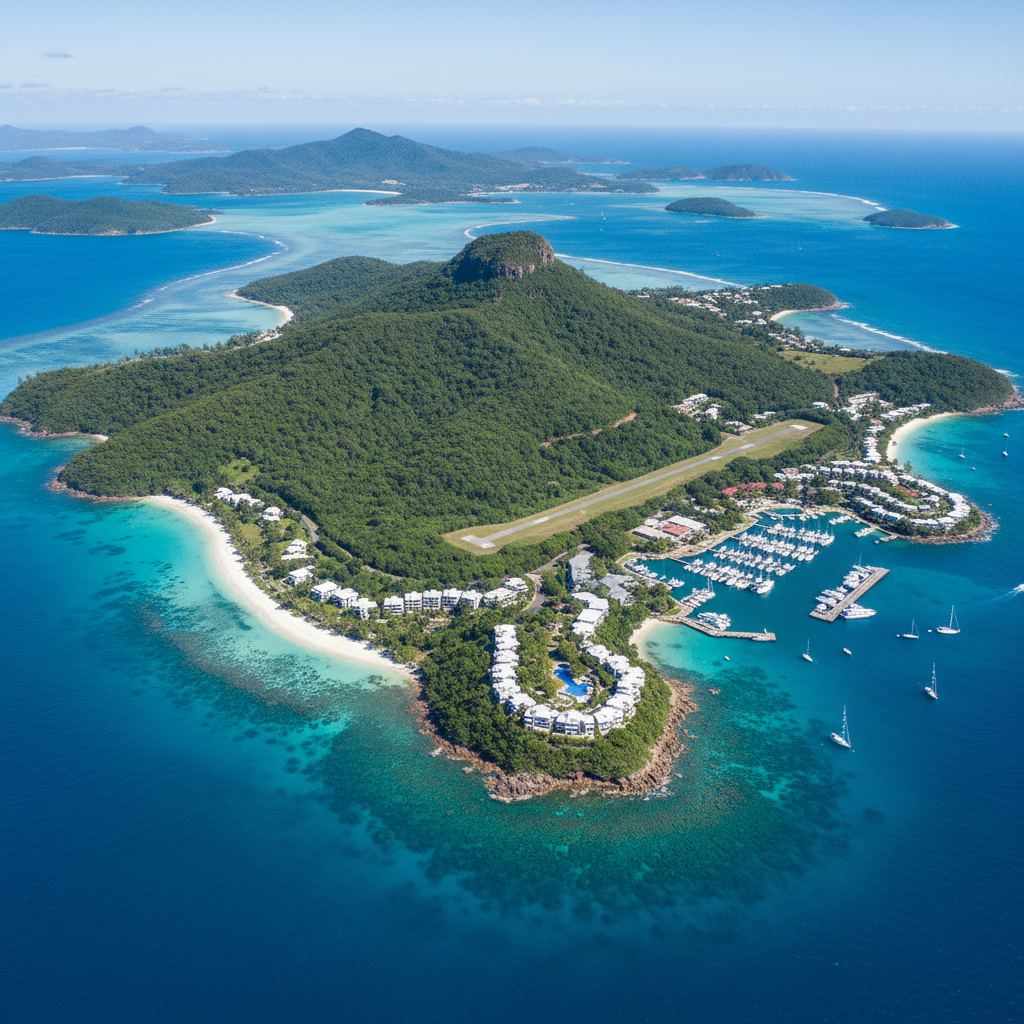
Hamilton Island sits in the heart of the Whitsundays, offering year-round access to pristine beaches, reef adventures, and island luxury. But like any tropical destination, timing can make or break your experience. From stinger season to cyclone risks, whale migrations to school holiday crowds, each month brings distinct advantages and challenges that savvy travellers need to understand.
Whether you're chasing perfect beach weather, hoping to spot migrating whales, or trying to avoid the peak season crowds and prices, this month-by-month breakdown will help you choose the ideal time for your Hamilton Island adventure.
What is the best overall month to visit Hamilton Island?
May through September represents Hamilton Island's sweet spot, offering warm days (22-26°C), minimal rainfall (30-80mm monthly), calm seas, and whale watching opportunities. These dry season months provide optimal conditions for reef trips, beach days, and outdoor dining without stinger concerns or cyclone risks.
The dry season delivers Hamilton Island at its absolute best. Trade winds keep temperatures comfortable, humidity drops to bearable levels, and you can swim freely without stinger suits. Visibility underwater peaks during these months, making it prime time for Hamilton Island activities like snorkelling and diving.
July stands out as the premium month, with average temperatures of 22°C, virtually no rainfall, and humpback whales passing through on their southern migration. However, this perfection comes at a price - accommodation rates surge, and popular tours book out weeks in advance.
How does Hamilton Island weather change throughout the year?
Hamilton Island experiences two distinct seasons: the dry season (April-November) with warm, sunny days and minimal rain, and the wet season (December-March) featuring higher temperatures, humidity, afternoon storms, and potential cyclones. Marine stingers are present November through May.
The island's tropical climate means temperatures rarely drop below 18°C or exceed 32°C. However, humidity and rainfall create dramatically different experiences between seasons. During the dry months, relative humidity averages 60-70%, while wet season humidity often exceeds 80%.
Wind patterns also shift seasonally. The reliable southeast trade winds of the dry season create perfect sailing conditions and keep temperatures comfortable. Wet season winds become more variable, with occasional northerly winds bringing muggy conditions and the potential for severe weather.
Water temperatures remain inviting year-round, ranging from 22°C in July to 29°C in February. However, marine stingers (box jellyfish and irukandji) inhabit coastal waters from November to May, requiring protective stinger suits for swimming and snorkelling.
When should budget-conscious travellers visit Hamilton Island?
February through April offers Hamilton Island's best value, with accommodation rates 30-50% lower than peak season, reduced tour prices, and fewer crowds. While weather includes afternoon storms, morning conditions typically remain excellent for island activities and reef excursions.
These shoulder season months provide significant savings across accommodation, dining, and tours. Resort rooms that cost $600+ per night in July might drop to $300-400 in February. Flight prices from mainland cities also decrease substantially outside school holiday periods.
However, budget timing requires weather awareness. February sits firmly in the wet season with afternoon thunderstorms expected. March and April transition toward the dry season, offering increasingly reliable weather while maintaining lower prices.
Tour operators often run special promotions during these months to attract visitors. Half-day reef trips might cost $150 instead of the peak season $220, and you'll have better access to premium tour times without booking months ahead.
What are the peak season months for Hamilton Island?
June through September represents Hamilton Island's peak season, coinciding with Australian school holidays, perfect weather conditions, and whale migration season. Expect premium pricing, advance booking requirements, and maximum crowds during July, particularly around the Hamilton Island Race Week event.
July emerges as the absolute peak, driven by perfect 22°C days, zero rainfall, and the spectacle of Race Week bringing superyachts and celebrities to the island. Accommodation rates reach their annual maximum, often requiring bookings 6-12 months in advance.
September remains busy due to excellent weather and whale watching opportunities, plus it's when many families take advantage of the last school holiday period before summer. The Hamilton Island Triathlon in late August also draws sports enthusiasts and spectators.
During peak months, popular restaurants require reservations, golf course tee times fill quickly, and Hamilton Island day trips from Airlie Beach become more expensive and harder to secure on short notice.
Which months have the worst weather conditions on Hamilton Island?
January and February present Hamilton Island's most challenging weather, featuring daily temperatures above 30°C, humidity exceeding 80%, frequent afternoon storms, and cyclone season risks. Marine stingers also peak during these months, restricting swimming to stinger-protected areas only.
January typically sees 200-250mm of rainfall, often delivered in intense afternoon downpours. While mornings frequently start clear and beautiful, clouds build throughout the day, leading to spectacular but potentially disruptive thunderstorms.
Cyclone season runs from November through April, with January and February representing the highest risk period. While direct hits remain rare, even distant cyclones can create dangerous sea conditions, cancelling reef trips and water activities for several days.
The heat-humidity combination during these months can be overwhelming for visitors from cooler climates. Stepping outside air-conditioned areas feels like entering a sauna, making outdoor activities best scheduled for early morning or late afternoon.
When is whale watching season around Hamilton Island?
Whale watching peaks from July through September when humpback whales migrate south along the Whitsunday coast. August offers the best combination of whale numbers, calm seas, and clear weather, with pods frequently visible from Hamilton Island's eastern beaches and outlook points.
The migration brings approximately 30,000 humpback whales past the Whitsundays annually. Northbound migration (June-July) sees whales moving quickly toward breeding grounds, while the southbound journey (August-September) features more relaxed behaviour as mothers travel with calves.
Mother and calf pairs often shelter in the protected waters around the Whitsunday Islands, creating incredible viewing opportunities. From Catseye Beach or Resort Lookout, you might spot whales breaching, tail slapping, or simply resting in the turquoise waters.
Dedicated whale watching tours operate from Hamilton Island Marina during peak season, with morning trips typically offering the best conditions. However, you'll also spot whales from many reef and island-hopping tours during this period, adding an unexpected bonus to your Whitsundays adventure.
How do school holidays affect Hamilton Island visit timing?
Australian school holidays dramatically impact Hamilton Island crowds and pricing, particularly during July winter holidays, September/October spring break, and December/January summer holidays. Accommodation costs increase 40-60%, tours book out faster, and family-friendly activities experience peak demand during these periods.
Winter school holidays in July represent the perfect storm of ideal weather and family travel time. Resort pools become crowded with children, restaurants fill with families, and activities like mini golf and go-karting see extended wait times.
The Christmas/New Year period combines school holidays with peak summer heat and humidity. While many international visitors find this timing appealing, domestic Australian families often avoid these months due to uncomfortable weather conditions.
Easter holidays create another busy period, though weather conditions in March/April can be unpredictable. This timing often offers a compromise between reasonable prices and acceptable weather, though stinger season remains a consideration for beach activities.
Travelling during school term time (February-March, May-June, August, October-November) provides the best value and fewer crowds, assuming you can work around your own family commitments.
What should visitors pack for different seasons on Hamilton Island?
Dry season visitors (April-November) need lightweight summer clothes, sun protection, light rain jacket, and closed shoes for reef walking. Wet season travellers require quick-dry clothing, umbrella, mosquito repellent, and waterproof phone protection for sudden tropical downpours and increased humidity.
Year-round essentials include high-SPF sunscreen (30+ minimum), polarised sunglasses, wide-brimmed hat, and reef-safe swimwear. The Australian sun remains intense even on cloudy days, and reef reflection amplifies UV exposure during water activities.
Wet season additions include lightweight, quick-dry fabrics that handle humidity and sudden soaking. A compact umbrella proves invaluable for afternoon storms, while mosquito repellent becomes essential as standing water increases insect activity.
Footwear requires consideration of activities and seasons. Reef shoes are mandatory for Great Barrier Reef visits, while hiking boots help navigate rocky lookout points. Flip-flops work for resort areas, but closed shoes provide better protection during active excursions.
Evening attire varies seasonally. Dry season nights can be surprisingly cool, requiring light jackets or cardigans for outdoor dining. Wet season evenings remain warm and humid, making breathable fabrics essential for comfort.
Which months offer the best value for money on Hamilton Island?
March through May and October through November provide Hamilton Island's best value proposition, combining reasonable weather conditions with off-peak pricing. Accommodation costs drop 20-40% from peak rates, while maintaining good weather for most outdoor activities and reef excursions.
March represents exceptional value for weather-flexible travellers. While afternoon storms occur regularly, mornings often provide perfect conditions for reef trips and beach activities. Accommodation and tour prices reflect the reduced demand, creating significant savings opportunities.
November offers another value sweet spot as the dry season transitions to wet season. Weather remains generally excellent, marine life activity increases with rising water temperatures, and the tourist crowds haven't yet reached peak season levels.
These shoulder seasons also provide better availability for premium experiences. Helicopter tours, sunset sailing trips, and fine dining reservations that require months of advance booking during peak season often have same-day availability during value periods.
For context on broader regional timing considerations, our guide to the best time to visit the Whitsundays provides additional seasonal insights for your tropical Queensland adventure.
Ready to experience Hamilton Island at its best? Airlie to Whitehaven offers carefully curated Hamilton Island tours and Whitsundays experiences timed for optimal weather conditions and maximum enjoyment. From whale watching adventures to reef exploration, our local expertise ensures you visit during the perfect season for your dream island getaway.