The Whitsundays offer some of Australia's most spectacular snorkelling, but timing your visit makes all the difference between crystal-clear underwater adventures and murky disappointments. With water visibility ranging from 5 metres during rough weather to over 30 metres on perfect days, understanding seasonal patterns, marine stinger activity, and weather cycles will transform your reef experience from good to absolutely unforgettable.
What are the best months for snorkelling in the Whitsundays?
The optimal snorkelling months are May through October, offering water visibility of 15-30 metres, comfortable temperatures of 22-26°C, minimal rainfall averaging 40-80mm monthly, and no marine stingers requiring protective suits.
This six-month window represents the Whitsundays' dry season, when southeast trade winds create consistently calm conditions perfect for underwater exploration. Water clarity reaches its peak during these months as reduced rainfall means less sediment runoff from the mainland, while cooler air temperatures prevent the thermal layering that can cloud nearshore waters.
June through August offer the clearest water visibility, often exceeding 25 metres at outer reef sites like Hardy Reef and Hook Reef. These winter months bring average water temperatures of 22-24°C - cool enough to feel refreshing but warm enough for extended snorkelling sessions without thick wetsuits. Rainfall during this period averages just 40-60mm monthly, compared to 200-400mm during peak wet season.
September and October extend the prime snorkelling season with warming water temperatures of 24-26°C and continued excellent visibility. These shoulder months often provide the perfect balance of clear water, comfortable temperatures, and fewer crowds than the peak winter period.
How does water visibility change throughout the year?
Water visibility fluctuates dramatically from 5-10 metres during wet season storms to 30+ metres in calm dry season conditions, influenced by rainfall, wind patterns, tidal movements, and seasonal algae blooms affecting underwater clarity.
The wet season (November through April) brings significant challenges for snorkelling visibility. Heavy rainfall, sometimes exceeding 300mm in a single month, creates substantial freshwater runoff that clouds coastal waters with sediment and organic matter. During major weather events, visibility can drop to just 3-5 metres even at popular sites like Catseye Beach and Blue Pearl Bay.
Cyclone season (December through March) presents the most unpredictable visibility conditions. While direct cyclone impacts are rare, even distant systems generate large swells that stir up sediment along the continental shelf. The days following significant weather events often see visibility improve rapidly as currents clear suspended particles.
Tidal patterns also influence daily visibility fluctuations. Spring tides, occurring around new and full moons, create stronger currents that can reduce visibility by 3-5 metres as they stir bottom sediments. Conversely, neap tides during quarter moon phases often provide the clearest water conditions, particularly when combined with calm weather.
Seasonal algae blooms, typically occurring during warmer months when water temperatures exceed 27°C, can temporarily reduce visibility to 8-12 metres. These natural phenomena usually last 1-2 weeks and affect specific areas rather than the entire region.
When is stinger season and how does it affect snorkelling?
Stinger season runs from November through May, when potentially dangerous marine stingers including box jellyfish and Irukandji are present in Whitsundays waters, requiring protective stinger suits during all snorkelling activities for safety.
The tropical marine stingers that migrate into Whitsundays waters during warmer months pose serious safety concerns that fundamentally change snorkelling protocols. Box jellyfish (Chironex fleckeri) typically arrive in December and remain until April, while the smaller but potentially more dangerous Irukandji (Carukia barnesi) can be present from November through May.
All reputable tour operators provide full-body lycra stinger suits during this period, which cover everything except hands, feet, and face. These lightweight suits don't significantly impact swimming comfort but may feel restrictive for nervous snorkellers. Water temperatures during stinger season range from 26-29°C, making the additional coverage quite comfortable.
The psychological impact of stinger season shouldn't be underestimated. Many visitors feel anxious about entering the water despite protective suits and safety protocols. However, stinger encounters remain extremely rare on guided tours, with professional operators maintaining comprehensive safety procedures including stinger-resistant boat areas and emergency response protocols.
Stinger suits also provide unexpected benefits beyond safety. The lycra material offers sun protection equivalent to SPF50+, prevents chafing from snorkelling gear, and can actually improve buoyancy for less confident swimmers. Many snorkellers find they prefer wearing suits even outside stinger season for these additional benefits.
For detailed information about stinger safety protocols and seasonal variations, our comprehensive stinger season guide provides everything you need to know about safe snorkelling year-round.
What water temperatures can you expect for snorkelling?
Whitsundays water temperatures range from 22°C in winter to 29°C in summer, with the ideal snorkelling range of 24-26°C occurring during May-June and September-October, requiring minimal thermal protection for extended underwater exploration.
Winter temperatures (June-August) of 22-24°C feel surprisingly comfortable given the tropical location, though they represent the coolest water you'll encounter. Most snorkellers find these temperatures refreshing rather than cold, particularly during midday when air temperatures reach 24-26°C. A 2-3mm shorty wetsuit provides adequate warmth for extended sessions, though many people snorkel comfortably in just swimwear and rash guards.
Spring temperatures (September-November) climb steadily from 24°C to 27°C, creating ideal conditions for beginners and those sensitive to cooler water. October often provides the perfect sweet spot at 25-26°C - warm enough for extended sessions without thermal protection, yet cool enough to prevent overheating during surface intervals.
Summer temperatures (December-February) peak at 28-29°C, feeling almost bath-like compared to temperate waters elsewhere in Australia. While these warm temperatures eliminate any concerns about cold, they can contribute to increased fatigue during long snorkelling sessions and may support seasonal algae blooms that reduce visibility.
Autumn temperatures (March-May) gradually cool from 28°C to 24°C, often providing excellent snorkelling conditions as stinger populations decline and water clarity improves. Late April and May particularly offer an excellent combination of warm water, improving visibility, and diminishing stinger risk.
How do weather patterns affect snorkelling conditions?
Weather patterns dramatically impact snorkelling through wind-driven waves, rainfall affecting visibility, seasonal pressure systems creating calm or rough seas, and temperature variations influencing marine life activity and water clarity throughout the year.
The southeast trade winds dominating dry season months (April-October) create consistently excellent snorkelling conditions. These steady winds blow offshore from popular snorkelling sites, creating the calm, protected waters that make the Whitsundays famous. Average wind speeds of 10-20 knots during this period provide enough breeze to keep boats comfortable while maintaining flat water conditions for easy entry and exit.
Wet season weather patterns (November-March) bring significantly more challenging conditions. Northwest winds associated with monsoon activity can create choppy seas and reduced visibility near shore. The Intertropical Convergence Zone's influence during these months generates afternoon thunderstorms that can dramatically change conditions within hours, making morning tours generally more reliable.
High-pressure systems, most common during dry season months, create the pristine conditions that produce those iconic Whitsundays photographs. These systems bring light winds, minimal cloud cover, and glass-calm waters that can extend visibility beyond 30 metres at outer reef locations.
Low-pressure systems and their associated fronts can impact snorkelling for 2-3 days at a time. These weather patterns bring increased rainfall, stronger winds, and reduced visibility, though they often clear quickly in tropical conditions. Experienced operators monitor weather forecasts closely and may adjust itineraries to visit more protected snorkelling sites during marginal conditions.
Seasonal rainfall patterns significantly influence water quality. The dry season's minimal precipitation (averaging 40-80mm monthly) maintains excellent water clarity, while wet season totals can exceed 400mm monthly, creating substantial runoff that clouds nearshore waters for days following major rain events.
What marine life seasonality affects snorkelling experiences?
Marine life activity peaks during different seasons, with coral spawning in October-November, turtle nesting September-January, whale migration June-September, and tropical fish populations highest during warmer months when reef activity reaches maximum diversity.
Coral spawning represents one of nature's most spectacular underwater events, typically occurring 2-5 nights after the October or November full moon when water temperatures reach 26-27°C. During spawning, visibility can temporarily reduce to 5-10 metres as billions of eggs and sperm cloud the water, but the experience of witnessing this massive reproductive event more than compensates for reduced clarity.
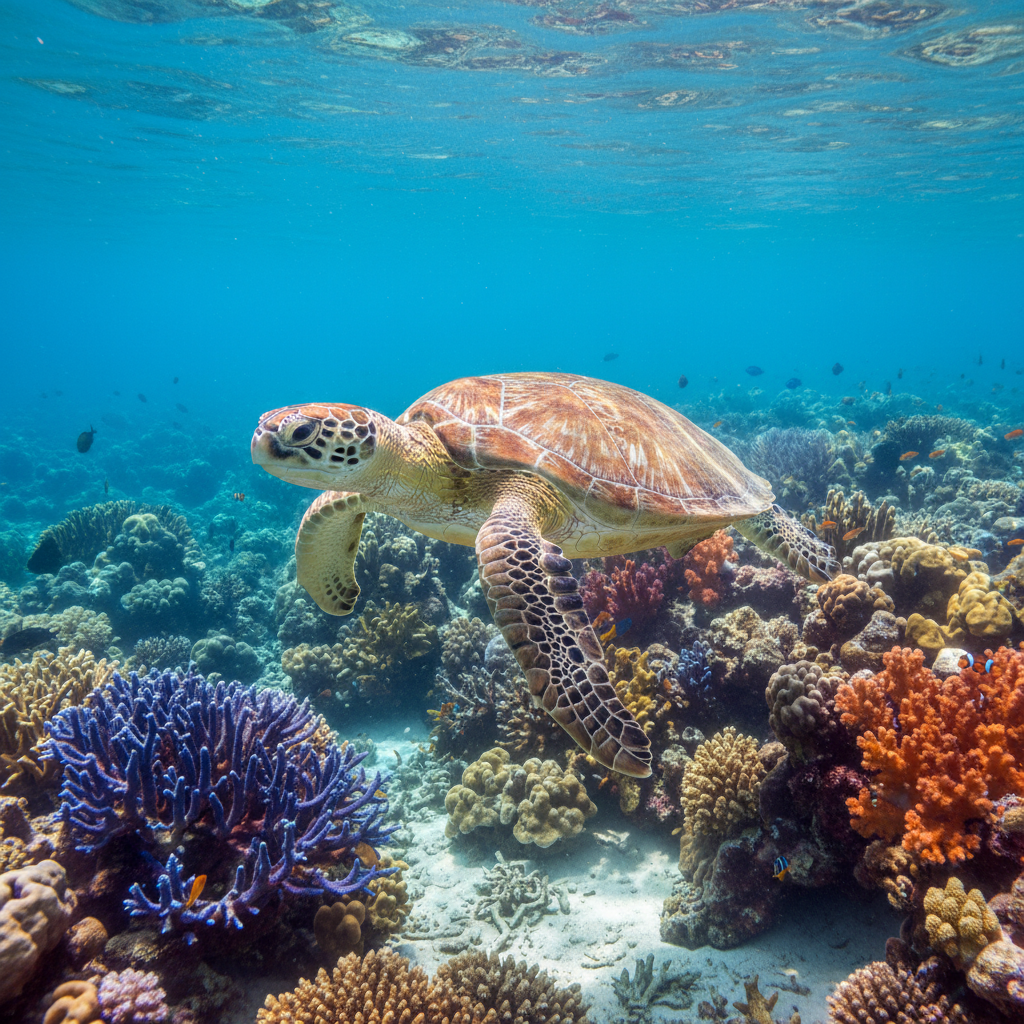
Sea turtle activity varies significantly throughout the year, with green turtles most active during warmer months when they feed extensively on seagrass beds around Hook Island and Haslewood Island. Nesting season (September-January) brings increased turtle numbers to shallow areas, though the actual nesting occurs on beaches rather than snorkelling sites.
The annual humpback whale migration (June-September) creates unique opportunities for whale-watching combined with snorkelling tours. While whales don't affect underwater experiences directly, their presence adds excitement to boat trips and occasionally provides surface encounters that enhance overall tour experiences.
Tropical fish diversity peaks during summer months when warmer water temperatures support maximum metabolic activity. Species like parrotfish, angelfish, and butterflyfish show increased schooling behaviour and brighter colours during December-March, creating more dynamic underwater scenes despite potentially reduced visibility.
Manta ray and reef shark populations remain relatively consistent year-round at outer reef sites, though their behaviour patterns change seasonally. Cooler winter months often see larger aggregations at cleaning stations, while warmer summer temperatures increase individual activity levels and feeding behaviour.
How do school holidays and peak seasons impact snorkelling tours?
School holiday periods bring significantly higher tour prices (often 20-40% increases), reduced availability requiring advance bookings, crowded snorkelling sites with 2-3x normal visitor numbers, and modified tour schedules to accommodate peak demand throughout popular destinations.
Australian school holidays create the most significant impact on tour operations and pricing. The winter holidays (late June-mid July) coincide with peak snorkelling conditions, creating a perfect storm of ideal weather and maximum demand. Tour prices during this period often increase 30-40% above shoulder season rates, with popular half-day snorkelling tours jumping from $120-140 to $160-180 per person.
Christmas holidays (mid-December through January) present unique challenges as peak demand coincides with stinger season and variable weather. Despite these conditions, this remains the busiest period with tour bookings often required 2-3 weeks in advance. Family-friendly tours become particularly popular, with operators adjusting schedules to include more sheltered snorkelling sites suitable for children in stinger suits.
Easter holidays (March-April) often provide excellent value as they occur during the transition from wet to dry season. While stinger suits remain mandatory, improving weather conditions and moderate pricing make this period attractive for budget-conscious travellers. Tour availability improves compared to winter holidays, though advance booking remains recommended.
International visitor patterns also influence peak periods, with European and North American tourists typically visiting during their winter months (June-August), further intensifying demand during already popular periods. Japanese and Chinese visitor peaks during Golden Week (early May) and other Asian holidays can create unexpected busy periods.
Off-peak periods (February, late April-May, November) offer significant advantages including 20-30% lower tour prices, greater flexibility with bookings often available 24-48 hours ahead, and more personalised service with smaller group sizes averaging 15-20 people versus 25-35 during peak times.
What should you pack for snorkelling in different seasons?
Essential snorkelling gear varies seasonally: dry season requires SPF50+ sunscreen, thin rash guards, and reef-safe products; wet season demands stinger suits, quick-dry clothing, waterproof bags, and rain protection for boat travel between sites.
Dry season snorkelling (May-October) requires strong sun protection as clear skies and extended water time create significant UV exposure. SPF50+ zinc sunscreen specifically designed for reef environments prevents coral bleaching while protecting exposed skin around mask and snorkel areas. Reef-safe formulations avoiding oxybenzone and octinoxate are now mandatory in many marine parks.
Lightweight lycra rash guards provide essential protection without overheating during cooler months. Long-sleeved designs prevent sun exposure during long surface swims between coral formations. Quick-dry fabrics work best as they remain comfortable when transitioning between water activities and boat travel.
Wet season preparations (November-April) centre around stinger protection and weather variability. While operators provide stinger suits, bringing personal thin gloves and reef shoes enhances comfort and safety around coral areas. Waterproof bags become essential for protecting electronics, medications, and spare clothing during unpredictable rain squalls.
Anti-fog solutions specifically designed for tropical conditions work better than standard products in the high humidity environment. Biodegradable formulations prevent environmental impact while maintaining effectiveness in warm water conditions.
Reef shoes or booties protect feet year-round but become particularly important during stinger season when full coverage is essential. Thin, flexible soles provide adequate protection while maintaining the foot sensitivity needed for safe reef walking during low tide exploration.
For comprehensive gear recommendations and detailed packing lists, our complete snorkelling guide covers everything from beginner equipment to advanced gear for experienced reef explorers.
Which snorkelling sites are best in different seasons?
Outer reef sites like Hardy Reef and Hook Reef offer superior visibility year-round but require calm conditions, while protected inner sites near Hamilton Island and Haslewood Island provide reliable access during rough weather and stinger season.
Hardy Reef, located 65 kilometres northeast of Airlie Beach, provides the region's most consistent water clarity averaging 20-25 metres visibility throughout the year. This outer reef site benefits from oceanic currents that maintain water quality regardless of mainland weather patterns. However, the 2-hour boat journey becomes uncomfortable during rough weather, making it primarily accessible during calm dry season months.
Hook Reef offers similar outer reef advantages with slightly more protection from southeast swells, making it accessible during marginal weather conditions when Hardy Reef trips might be cancelled. The reef's heart-shaped lagoon provides multiple snorkelling sites with varying depths and coral formations, allowing operators to select optimal locations based on daily conditions.
Blue Pearl Bay on Haslewood Island represents the premium protected site for variable weather conditions. The bay's northwest-facing orientation provides shelter from southeast trade winds while maintaining excellent coral coverage and fish diversity. Visibility typically ranges from 12-20 metres, making it ideal for beginner snorkellers and rough weather days.
Catseye Beach and Stingray Bay around Hamilton Island offer reliable access year-round with particular advantages during stinger season. These sites feature extensive shallow coral gardens perfect for nervous snorkellers, while nearby deep water channels provide more adventurous options. The proximity to Hamilton Island's amenities makes these locations popular for half-day tours and family-friendly operators.
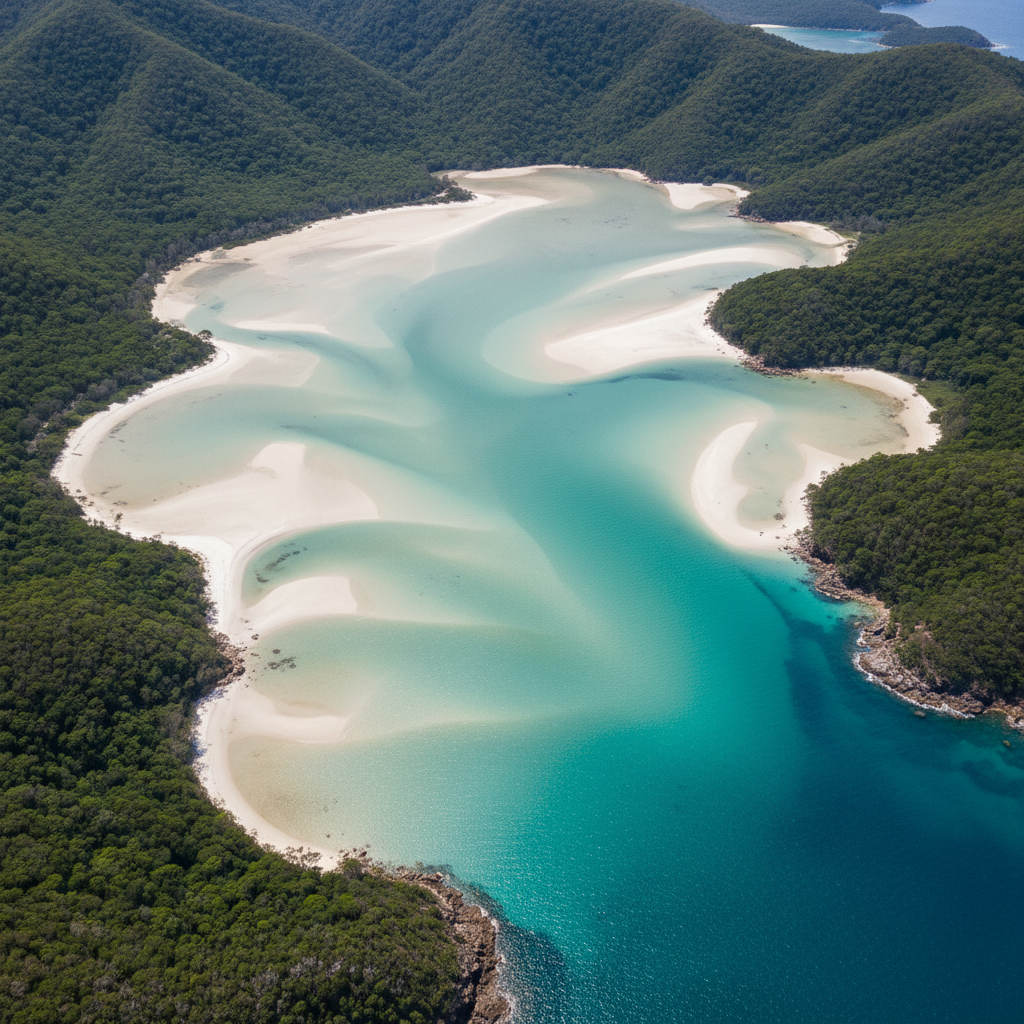
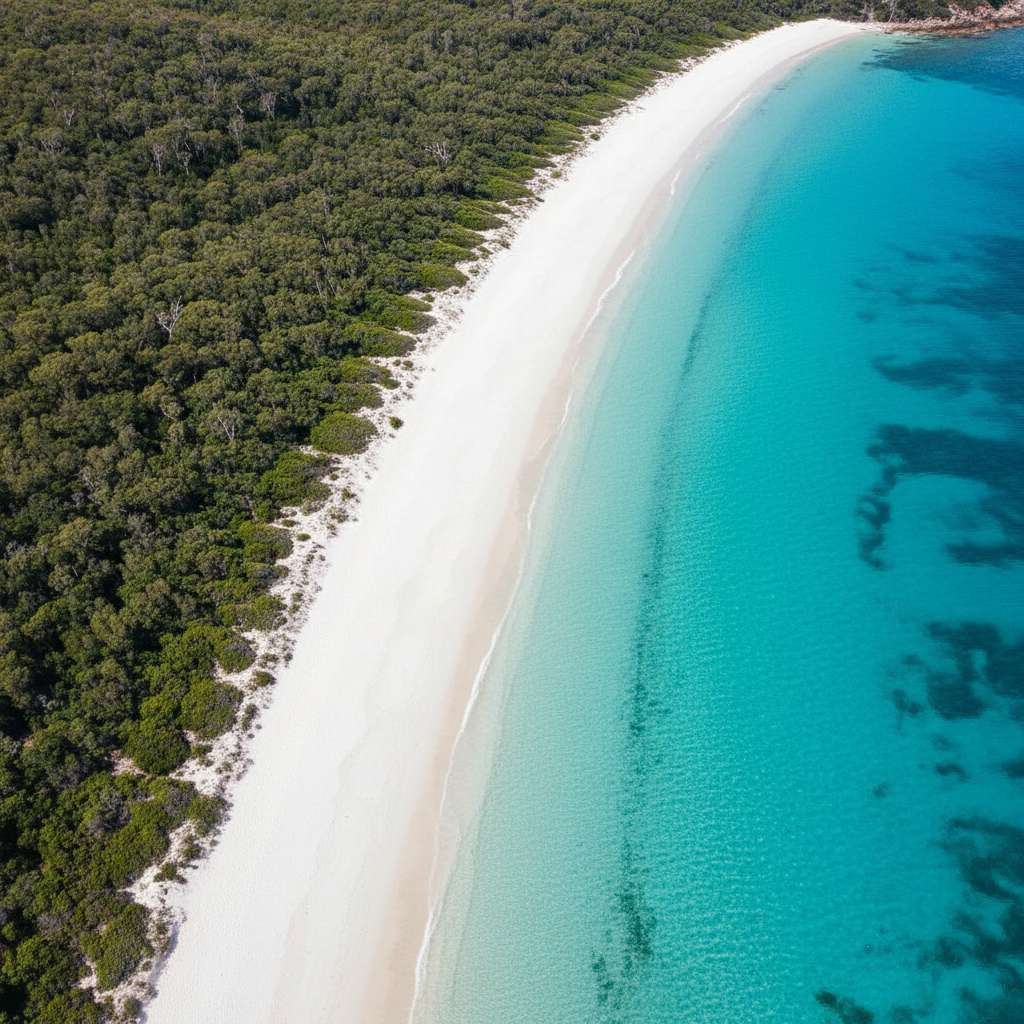
Whitehaven Beach's northern end provides unique snorkelling opportunities combining pristine sand with coral outcrops. While not offering the diversity of dedicated reef sites, the crystal-clear water and iconic setting make it popular for scenic tours. Conditions here depend heavily on wind direction, with north winds creating choppy conditions while south winds provide perfect calm water.
Manta Ray Bay near Hook Island offers seasonal advantages during cooler months when manta ray cleaning stations become more active. This deeper site requires confident swimming abilities but rewards visitors with pelagic marine life encounters rarely seen at shallow reef sites.
Our detailed seasonal planning guide provides month-by-month recommendations for optimal site selection based on weather patterns, marine life activity, and tour availability.
How far in advance should you book snorkelling tours?
Booking requirements vary dramatically by season: peak periods (June-August, December-January) require 2-3 weeks advance booking, while shoulder seasons (April-May, September-November) typically allow 3-7 days, and off-peak periods often accommodate same-day bookings.
Winter school holidays (late June through mid-July) represent the most challenging booking period as perfect weather conditions combine with maximum domestic tourism. Popular full-day tours to outer reef sites often sell out 3-4 weeks in advance, with premium operators like Ocean Rafting and Cruise Whitsundays reaching capacity by early June for July departures.
Christmas and New Year periods create unique booking challenges as international visitors combine with domestic holiday makers despite stinger season conditions. Tours emphasising family-friendly protected sites become particularly sought after, with operators often implementing waiting lists for cancellation opportunities.
Shoulder season booking (April-May, September-October) provides the best balance of availability and conditions. Most tours remain bookable 5-7 days ahead, allowing flexibility for weather-dependent decisions while ensuring preferred departure times and operators. This period often offers the best value for money with excellent conditions and moderate pricing.
Last-minute booking opportunities exist year-round but require flexibility with tour selection and departure times. Operators occasionally offer standby pricing for unsold seats, particularly during off-peak periods or following weather cancellations. These opportunities typically become available 24-48 hours before departure.
Weather-related cancellations can create unexpected availability during otherwise busy periods. Operators usually offer priority rebooking for cancelled guests, but remaining spaces often become available to new bookings. This pattern is most common during wet season months when afternoon thunderstorms can disrupt schedules.
Ready to experience the Whitsundays' incredible snorkelling at the perfect time? Airlie to Whitehaven connects you with the region's most trusted tour operators, offering real-time availability, competitive pricing, and expert local knowledge to ensure your underwater adventure exceeds expectations. Book your snorkelling tour today and discover why timing makes all the difference in one of Australia's most spectacular marine environments.