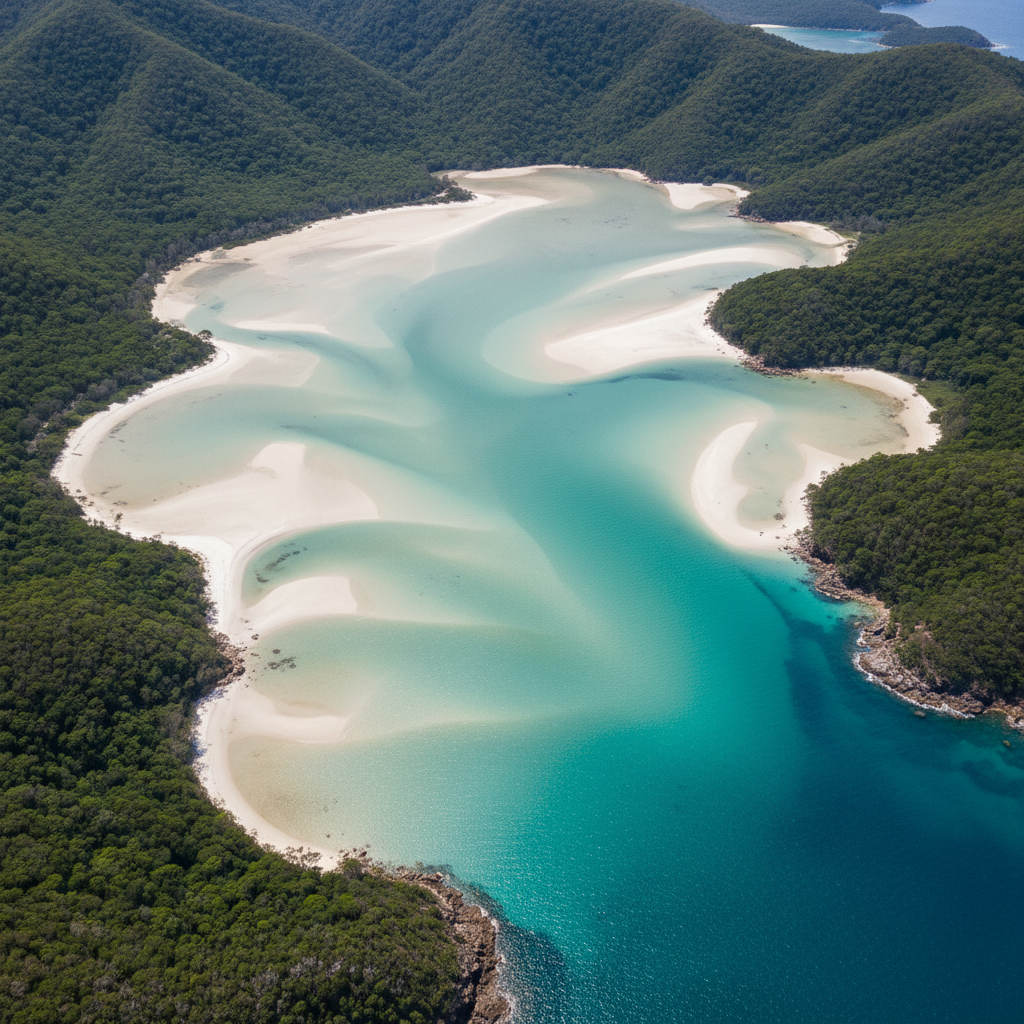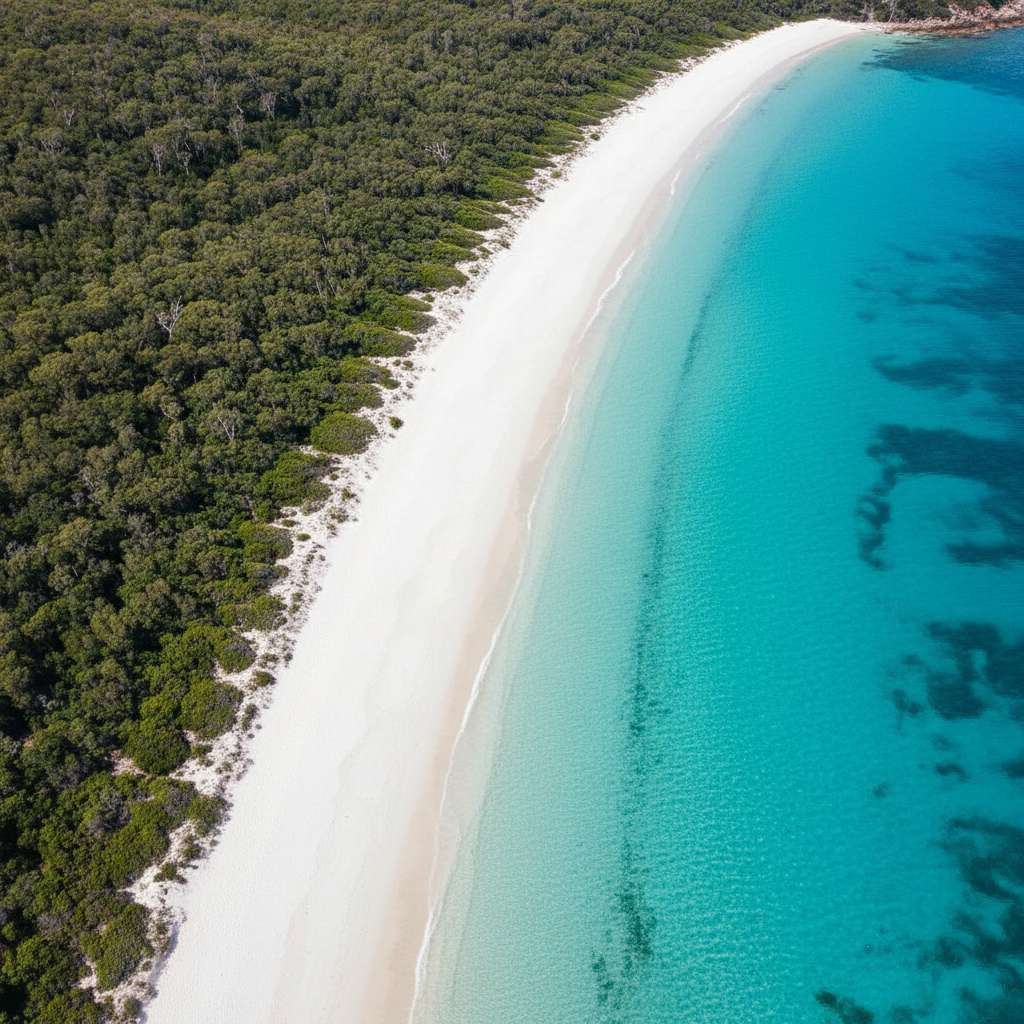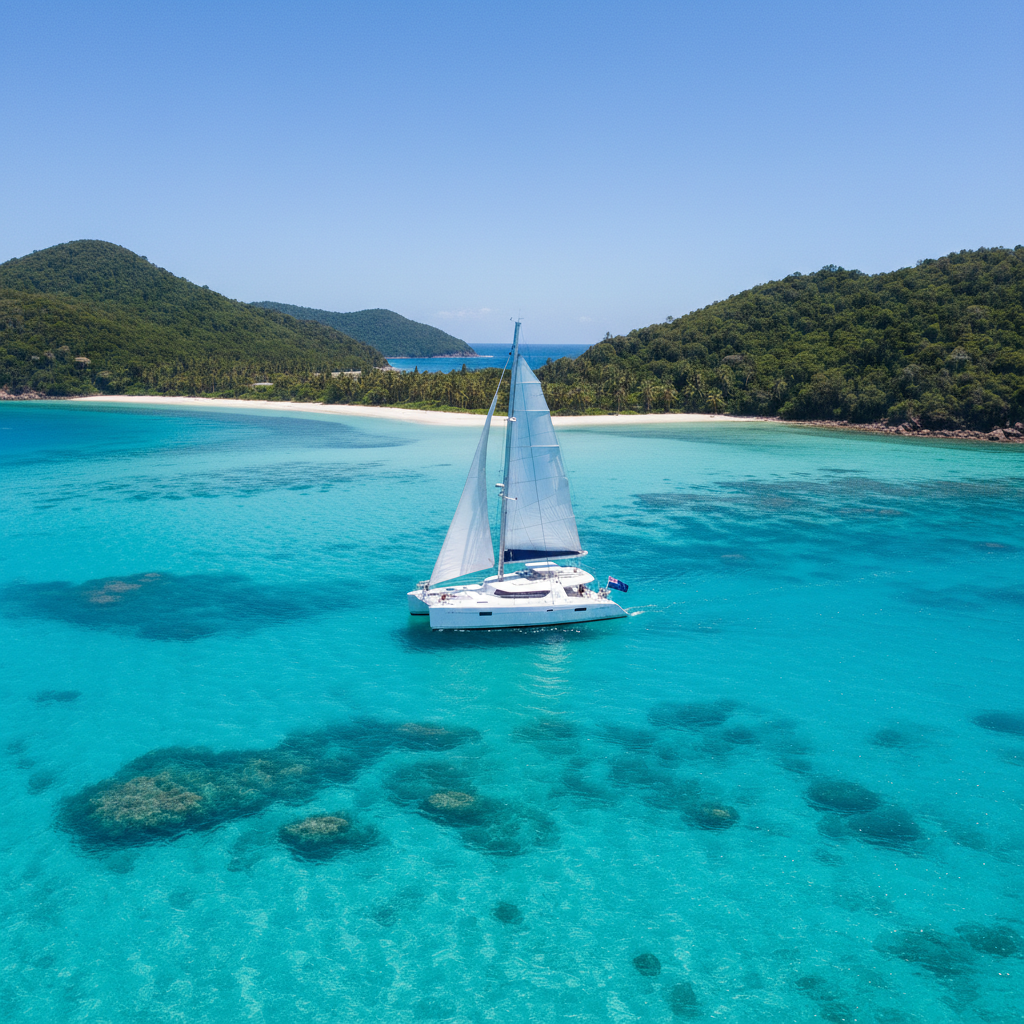
The Whitsundays' sailing conditions change dramatically throughout the year, with trade winds, tropical storms, and calm periods each creating unique experiences on the water. Understanding these patterns means the difference between battling 30-knot winds or gliding across mirror-calm seas to iconic spots like Whitehaven Beach and Hill Inlet Lookout.
When do the trade winds blow strongest in the Whitsundays?
Trade winds blow strongest from May to September, averaging 15-25 knots from the southeast, creating excellent sailing conditions with consistent breezes and minimal rainfall across the 74 islands.
The southeast trade winds are the Whitsundays' sailing sweet spot. During these months, you'll experience steady winds that fill your sails without overwhelming novice sailors. Wind speeds rarely exceed 30 knots, and the direction remains remarkably consistent – perfect for both beginners learning to sail and experienced sailors wanting predictable conditions.
These trade winds create ideal sailing triangles between popular anchorages. The 8-nautical-mile stretch from Airlie Beach to Whitehaven Beach becomes a thrilling reach, while the protected waters around Hamilton Island offer calmer practice areas. Water temperatures during trade wind season range from 22-26°C, comfortable for swimming without wetsuits.
Visibility during trade wind season often exceeds 30 kilometres, giving you crystal-clear views of the entire island chain. The winds also keep temperatures pleasant, with daytime highs averaging 23-27°C and humidity levels 10-15% lower than the wet season.
What are the calmest months for sailing in the Whitsundays?
October to December offer the calmest sailing conditions, with light variable winds averaging 5-15 knots and minimal swell, though this period brings increased humidity and occasional afternoon thunderstorms.
These shoulder months present a different sailing experience altogether. Morning departures often mean motoring through glass-calm waters, with afternoon sea breezes providing just enough wind for gentle sailing. It's particularly suited to photography enthusiasts – the still waters create perfect reflections of the islands and dramatic cloud formations.
Water temperatures peak during this period, reaching 26-28°C, making snorkelling and swimming exceptionally comfortable. However, humidity levels climb to 70-80%, and afternoon thunderstorms become more frequent, typically building around 2-4 PM and lasting 1-2 hours.
Despite the storms, this period offers unique advantages. Tourist numbers drop significantly compared to peak season, meaning popular anchorages like Butterfly Bay and Blue Pearl Bay are less crowded. Sailing charter prices also decrease by 15-25% compared to peak trade wind season.
How does cyclone season affect sailing conditions?
Cyclone season runs January to March, bringing unpredictable weather, frequent cancellations, heavy rainfall averaging 200-400mm monthly, and strong northerly winds that make sailing challenging and potentially dangerous.
The Whitsundays sit within Queensland's cyclone belt, and this period demands serious weather monitoring. Even when cyclones don't directly impact the region, they generate large swells and erratic wind patterns that can persist for days. Northerly winds during this season often exceed 25 knots and can shift direction rapidly.
Rainfall increases dramatically, with January typically receiving 300mm and February around 250mm – compared to just 50mm in July. The combination of rain and high humidity (often 85-90%) creates challenging conditions even when winds are manageable.
Many sailing operators reduce their schedules during this period, with some day tours cancelled 30-40% of the time due to weather. Multi-day sailing charters often require flexible itineraries, as destinations may need to change based on wind direction and intensity.
What sailing conditions should beginners expect each season?
Beginners should sail during May to September when trade winds provide steady 15-20 knot conditions with predictable direction, clear skies, and minimal weather variability that builds confidence and sailing skills progressively.
New sailors benefit enormously from the consistency of trade wind season. The southeast direction means you can practice basic maneuvers like tacking and jibing in predictable conditions. Wind strength builds gradually throughout the morning, starting at 10-12 knots around 9 AM and reaching peak strength by early afternoon.
During this period, sailing schools report their highest success rates for certification courses. The stable conditions allow instructors to focus on technique rather than constantly adjusting for weather changes. Water conditions are also ideal for learning – waves rarely exceed 1 metre in protected areas between islands.
Avoid the transitional months of April and October if you're learning. While not dangerous, the variable wind patterns can be confusing for beginners trying to understand sailing fundamentals. December through March is definitely not recommended for novices due to unpredictable conditions and frequent weather changes.
When is sailing most expensive in the Whitsundays?
Peak pricing occurs June to September, coinciding with Australian school holidays and perfect sailing weather, with charter rates 40-60% higher than off-season and advance booking essential for popular vessels.
School holidays drive the highest demand, particularly during July when southern Australian families escape winter weather. A typical 3-day sailing charter that costs $2,800 in November might reach $4,200 in July. Day sailing tours increase from around $160 off-season to $220 during peak periods.
Easter holidays in March or April also see significant price increases, despite less predictable weather. The Brisbane Show holiday in August creates a particularly busy period, with some operators booked out 6-12 months in advance.
Budget-conscious sailors should target February-March or October-November for the best value. While weather may be less predictable, you'll find accommodation and sailing charters at their lowest rates, sometimes with last-minute availability that's impossible during peak season.
What should you wear sailing in different Whitsundays seasons?
Dry season (April-November) requires sun protection, light layers, and closed shoes, while wet season demands quick-dry clothing, waterproof jacket, non-slip footwear, and stinger suits for swimming protection.
Trade wind season calls for layered dressing. Start with UV-protective rashies or long-sleeved shirts, as reflection off the water intensifies sun exposure by 15-20%. Temperatures can vary 8-10°C between early morning departures and midday sailing, so bring a light windproof jacket.
Footwear needs vary dramatically by season. During dry months, boat shoes or sneakers with good grip suffice. However, wet season sailing requires shoes that perform when wet – many sailors prefer quick-dry water shoes or sailing boots with drainage holes.
Stinger season (November-May) adds another consideration. Even though most operators provide stinger suits, bringing your own ensures proper fit and comfort. Quality stinger suits cost $80-150 but make swimming much more enjoyable during the warmer months.
Sun protection remains critical year-round. The Whitsundays sit at 20°S latitude, where UV levels reach extreme ratings 8 months per year. Broad-brimmed hats, polarized sunglasses, and SPF 50+ sunscreen are non-negotiable regardless of season.
How do wind patterns affect different sailing routes?
Southeast trade winds favor clockwise routes around the islands, making Airlie Beach to Hamilton Island to Whitehaven Beach the optimal direction, while northerly wet season winds reverse this pattern completely.
The classic Whitsundays sailing triangle – Airlie Beach to Hamilton Island to Hook Island and back – works perfectly with trade winds. This 45-nautical-mile route offers reaching and broad reaching angles that maximize sailing enjoyment while minimizing motor time.
Trade winds create specific microclimates around larger islands. The southern sides of Hamilton Island and Whitsunday Island experience accelerated winds as air compresses around landmasses, sometimes adding 5-8 knots to the general wind speed. Experienced sailors use these wind shadows and accelerations to plan faster passages.
During variable wind periods, popular routes change entirely. The protected waters between Long Island and Hamilton Island become more appealing when winds are light, while the more exposed northern passages require careful timing to avoid afternoon thunderstorms.
What wildlife viewing opportunities change with the seasons?
Humpback whale migration peaks June-September with 90% sighting success rates, while turtle nesting occurs October-February, and year-round reef fish populations are most active during warmer months.
Whale watching transforms sailing during winter months. The annual humpback migration brings 35,000+ whales past the Whitsundays, with mothers and calves often resting in sheltered bays. Sailing vessels can observe whales from the required 100-metre distance while under sail, creating magical encounters impossible from motor vessels.
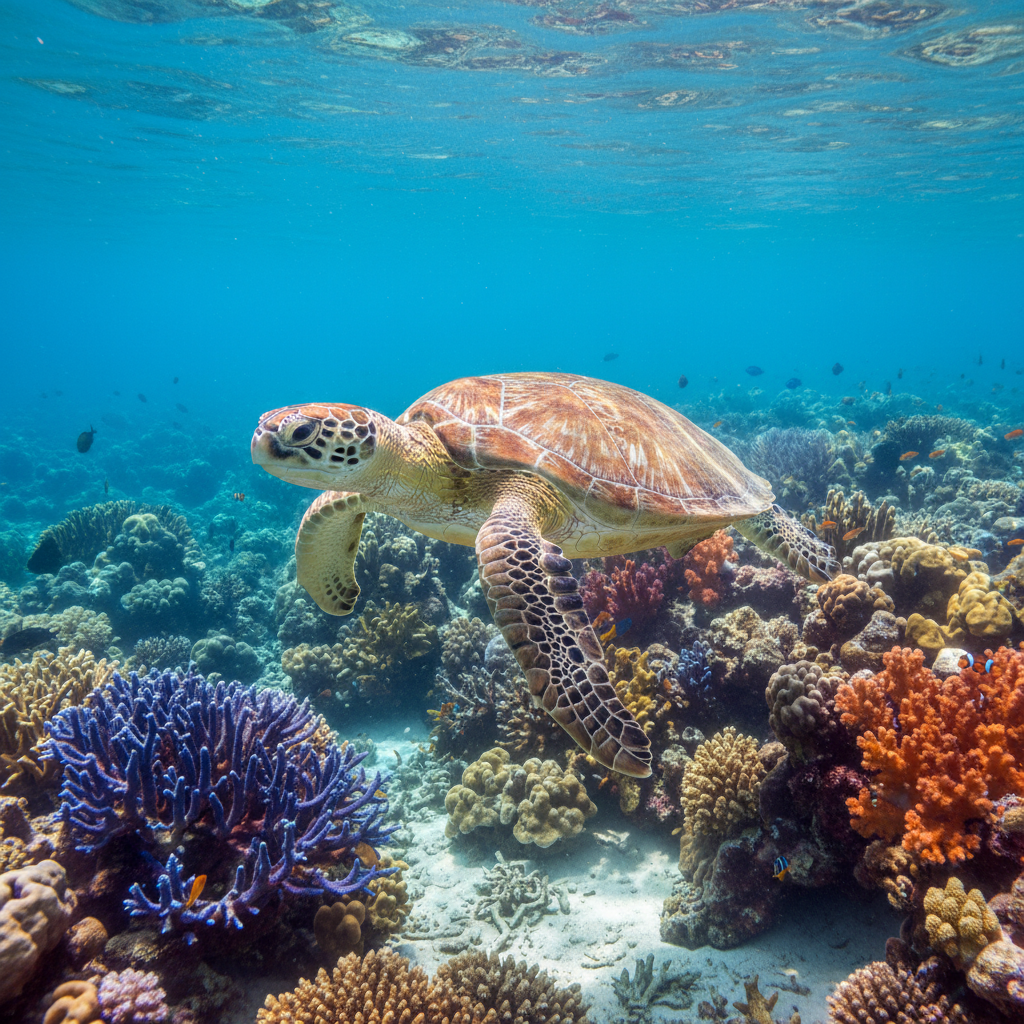
Green turtle populations peak during nesting season (October-February), particularly around Whitehaven Beach and Hamilton Island's eastern shores. Water visibility during this period often exceeds 25 metres, perfect for underwater photography of turtles, rays, and reef sharks.
Seabird activity varies seasonally too. Osprey nesting occurs May-August, while white-bellied sea eagles are most active during trade wind season when fishing conditions are optimal. The diversity of birdlife around the islands makes every anchorage a natural observation platform.
How far in advance should you book sailing tours by season?
Peak season (June-September) requires 3-6 months advance booking for quality vessels, while shoulder seasons need 4-8 weeks, and wet season often allows last-minute availability within days.
School holiday periods demand the earliest booking, particularly for multi-day charters. Popular operators like Whitsunday Rent A Yacht and Cumberland Charter Yachts often have waiting lists during July-August. Day sailing tours book out 2-4 weeks ahead during peak season.
The sweet spot for booking is March-April for winter sailing. You'll have the best selection of vessels and dates while avoiding the premium prices charged for last-minute peak season bookings. Many operators offer early bird discounts of 10-15% for bookings made 90+ days in advance.
Wet season bookings carry weather-related risks. While you might secure great rates booking just days ahead, you'll also face higher cancellation chances due to storms. Most operators offer flexible rescheduling during this period, but it may affect your broader travel plans.
For the ultimate Whitsundays sailing experience, choose your season based on your priorities – reliable trade winds and clear skies from May to September, or budget-friendly options with tropical adventure from November to March. Our comprehensive guide to the best time to visit the Whitsundays covers all seasonal considerations, while our sailing tour options ensure you'll find the perfect vessel and itinerary regardless of when you visit. Book your Whitsundays sailing adventure through Airlie to Whitehaven and experience these pristine waters at their seasonal best.