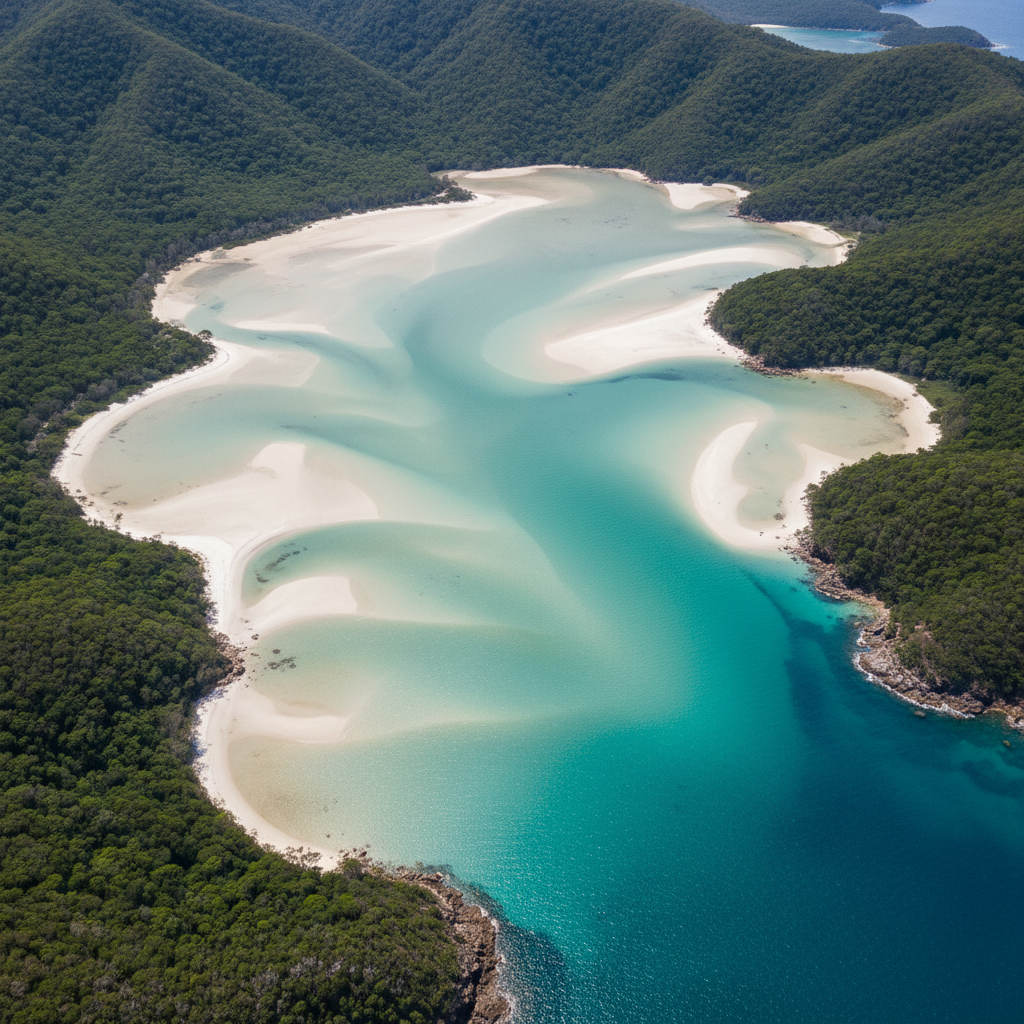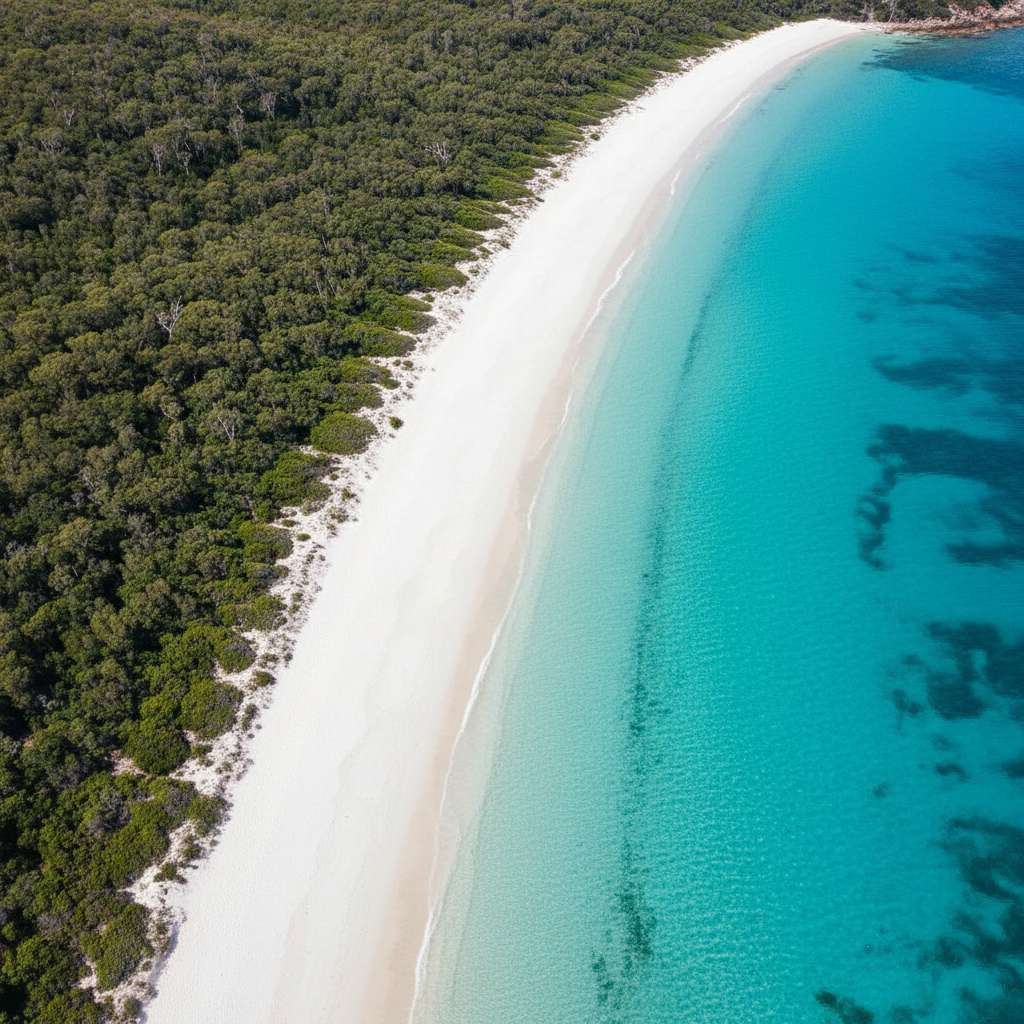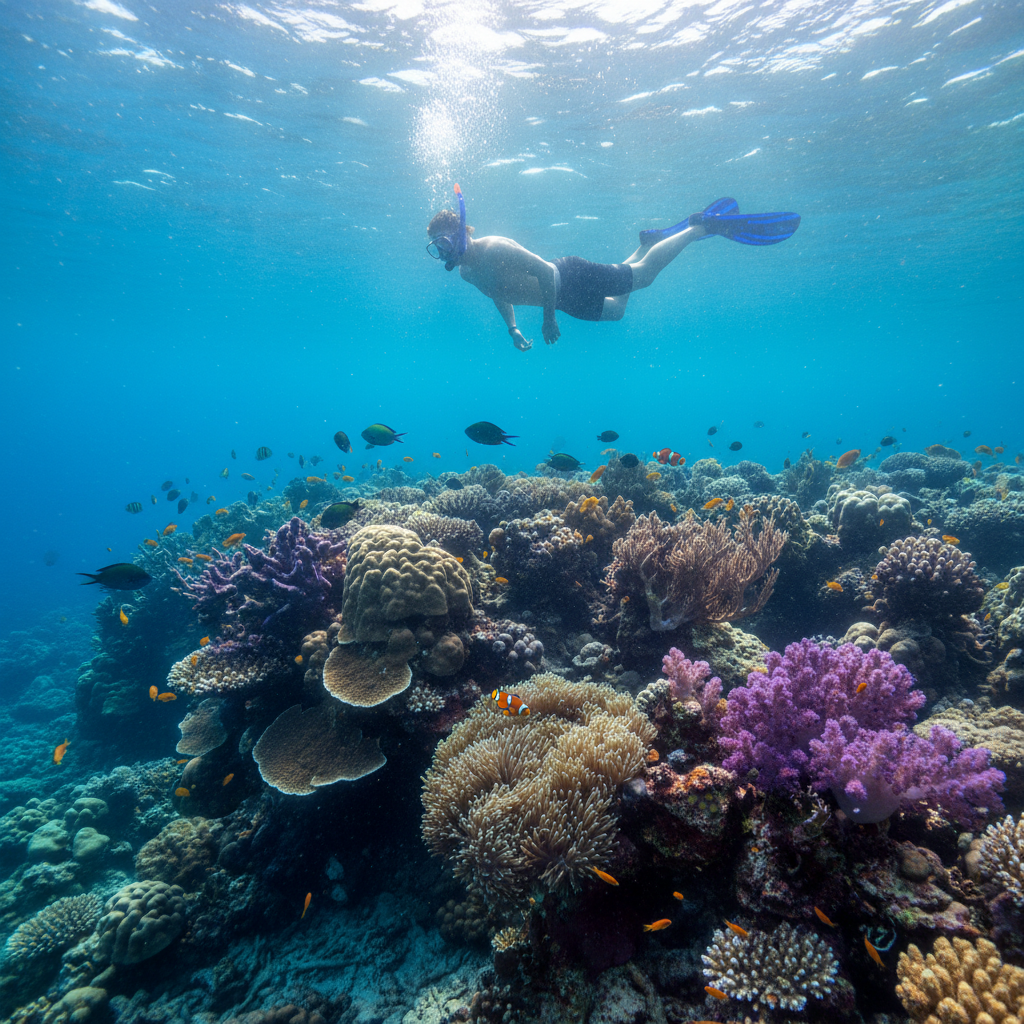
Airlie Beach sits perfectly positioned as your gateway to some of Queensland's most spectacular snorkelling experiences. With the Great Barrier Reef just two hours away and countless coral gardens scattered throughout the Whitsunday Islands, you're spoilt for choice when it comes to underwater adventures. The region offers everything from shallow lagoons perfect for beginners to deeper reef systems where experienced snorkellers can explore vibrant coral cities teeming with tropical fish, rays, and reef sharks.
What are the best snorkelling tours from Airlie Beach?
The top snorkelling tours from Airlie Beach include full-day reef trips to Hardy Lagoon, Bait Reef, and Hook Island with operators like Cruise Whitsundays and Explore Group, featuring multiple snorkel sites, equipment, and lunch from around $220-280 AUD per person.
When it comes to snorkelling tours from Airlie Beach, you've got several excellent options that cater to different experience levels and budgets. The most popular full-day reef tours take you to outer reef locations like Hardy Lagoon, Bait Reef, and various sites around Hook Island. These tours typically depart from Abel Point Marina around 8:30 AM and return by 5:00 PM, giving you plenty of time to explore multiple snorkel sites.
Cruise Whitsundays operates high-speed catamarans that reach the outer reef in about two hours, offering guided snorkel tours at two different locations. Their tours include all snorkelling equipment, stinger suits, flotation devices, and a hot buffet lunch. Prices start from around $230 AUD for adults, with child rates available.
For a more intimate experience, smaller group operators like Explore Group run tours on faster vessels that can access more remote locations. These tours often visit three different snorkel sites and include underwater cameras for rent, professional snorkel instruction, and premium equipment. Expect to pay between $250-280 AUD per person.
If you're after convenience and comprehensive coverage, our Airlie Beach snorkeling guide covers all the major operators and what to expect from each tour type.
Which Whitsunday Islands offer the best snorkelling?
Hook Island and Hayman Island provide the best snorkelling in the Whitsundays, featuring pristine coral gardens, abundant marine life including Maori wrasse, reef sharks, and over 200 fish species in crystal-clear waters with visibility often exceeding 20 meters.
Hook Island stands out as the snorkelling champion of the Whitsundays, particularly around Butterfly Bay, Maureen's Cove, and Stonehaven. The island's fringing reefs remain largely untouched, hosting staghorn corals, brain corals, and massive plate corals that create underwater cities. Water temperatures hover between 22-28°C year-round, making it comfortable for extended snorkelling sessions.
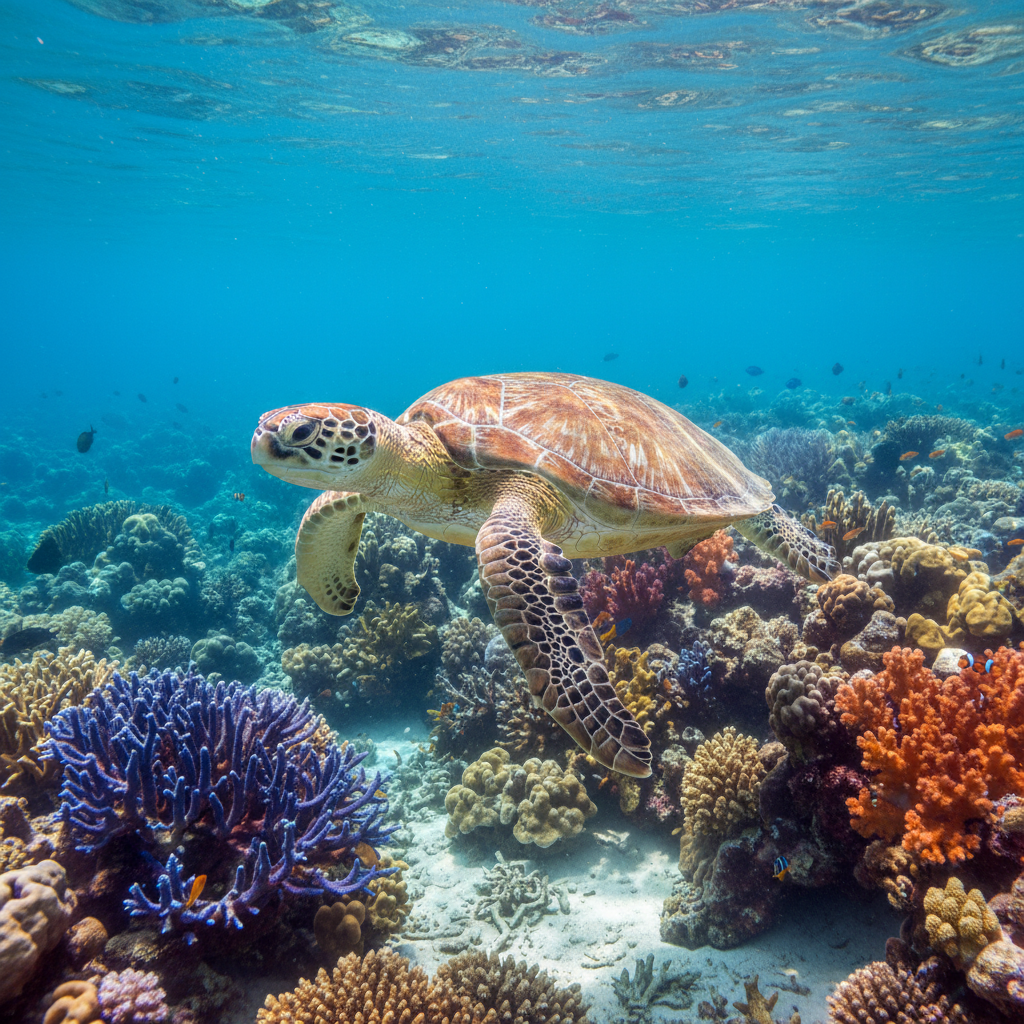
Hayman Island's northern bays offer equally impressive snorkelling, with coral gardens that attract green sea turtles, leopard rays, and schools of parrotfish. The clarity here is exceptional – you'll often enjoy visibility of 25-30 meters, allowing you to spot marine life from the surface before even entering the water.
Border Island and Dumbell Island also deserve mentions for their accessible fringing reefs and diverse marine ecosystems. These smaller islands often feature in half-day tours and provide excellent snorkelling for families with children, as the shallow lagoons offer protection from currents while still hosting vibrant coral communities.
Langford Island's sandy spit creates a unique snorkelling environment where the reef drops away dramatically, creating walls of coral that house larger pelagic species including reef sharks and giant trevally.
Where can I find the best coral and marine life?
Hardy Lagoon and Bait Reef on the outer Great Barrier Reef showcase the most pristine coral formations and diverse marine life, featuring giant clams, reef sharks, rainbow parrotfish, and coral trout in near-pristine conditions approximately 60 kilometers from Airlie Beach.
The outer reef sites accessible from Airlie Beach represent some of the healthiest coral ecosystems you'll find anywhere. Hardy Lagoon, located about two hours by fast catamaran, features massive bommies (isolated coral outcrops) rising from sandy floors to within meters of the surface. These underwater mountains host incredible biodiversity – expect to see schools of sweetlip, coral trout, red emperor, and the occasional reef shark patrolling the deeper edges.
Bait Reef offers equally spectacular snorkelling with its coral gardens extending across several square kilometers. The highlight here is the abundance of giant clams, some measuring over a meter across, nestled among staghorn and table corals. The fish life is phenomenal – rainbow parrotfish, angelfish, butterflyfish, and Maori wrasse create a constantly moving kaleidoscope of color.
Hook Island's fringing reefs, while closer to shore, offer different but equally rewarding experiences. The coral here grows right to the surface in some areas, creating snorkelling highways where you can drift along coral walls. Manta Ray Bay (despite its name, more famous for its coral than rays) features pristine hard corals and an abundance of smaller reef fish.
For comprehensive details on what you'll encounter at each location, check out our guide to the best snorkelling spots in the Whitsundays.
What snorkelling equipment do I need to bring?
Most snorkelling tours provide mask, snorkel, fins, and stinger suits, but bringing your own well-fitting mask ensures comfort and prevents fogging. Consider packing reef-safe sunscreen, underwater camera, and prescription mask if needed for optimal experience.
While tour operators provide all essential snorkelling equipment, the quality and fit can vary significantly. A properly fitting mask is crucial for a comfortable experience – if water constantly leaks in or the mask fogs up, it can ruin your underwater adventure. Many experienced snorkellers prefer to bring their own mask to ensure a perfect seal and clear vision.
Stinger suits are provided on all tours during stinger season (November to May) and are mandatory for safety. These full-body lycra suits protect against jellyfish stings and also provide UV protection and warmth in cooler water. The suits are cleaned and sanitized between uses, but some people prefer to bring their own for hygiene reasons.
Fins provided on tours are typically adjustable strap-on style in various sizes. If you have particularly wide or narrow feet, bringing your own ensures better comfort and performance in the water. Quality fins make swimming easier and more enjoyable, especially if you plan to explore larger areas.
Don't forget reef-safe sunscreen (zinc-based, no oxybenzone or octinoxate) to protect exposed skin and help preserve the coral ecosystem. Many tour operators sell or provide this, but bringing your own ensures you have enough for reapplication throughout the day.
When is the best time for snorkelling conditions?
May through October offers optimal snorkelling conditions with water visibility reaching 30+ meters, minimal rainfall, southeast trade winds creating calm conditions, and water temperatures between 22-26°C providing comfort for extended underwater exploration without wetsuits.
The Australian dry season delivers the most spectacular snorkelling conditions in the Whitsundays. From May through October, you'll enjoy crystal-clear water with exceptional visibility – often exceeding 25 meters and sometimes reaching an incredible 40+ meters on the outer reef sites. This clarity allows you to spot marine life from the surface and creates that magical "floating in an aquarium" sensation.
Water temperatures during this period range from 22°C in the depths of winter (July-August) to 26°C in late spring (October), perfect for comfortable snorkelling without requiring thick wetsuits. The provided stinger suits offer adequate thermal protection for most people, though you might want to add a thin wetsuit for longer sessions during the cooler months.
Southeast trade winds during this period typically create calmer sea conditions, especially on the protected western sides of islands where most snorkelling occurs. This means less wave action disturbing the water surface and making it easier to spot and photograph marine life.
While snorkelling is possible year-round, the wet season (November to April) brings reduced visibility due to increased rainfall and runoff, plus the need for stinger protection. However, this period does offer warmer water temperatures (26-29°C) and can provide excellent snorkelling between weather systems.
Can beginners safely snorkel from Airlie Beach?
Yes, beginners can safely snorkel from Airlie Beach with proper tour selection. Most operators provide flotation devices, professional instruction, shallow-water practice sessions, and guides who stay close to inexperienced snorkellers throughout the experience.
Airlie Beach tours cater excellently to snorkelling beginners, with most operators providing comprehensive safety briefings before entering the water. Professional guides demonstrate proper snorkelling techniques, including how to clear water from your snorkel, equalize pressure when diving down, and communicate underwater using hand signals.
Many tours begin with practice sessions in shallow, protected areas where beginners can get comfortable with their equipment before moving to deeper reef sites. Flotation devices like pool noodles or inflatable vests are readily available for those who need extra buoyancy support while learning.
The Whitsundays' geography works in beginners' favor – most snorkelling occurs in protected bays and lagoons where wave action is minimal and currents are gentle. Water depth at most sites ranges from 2-8 meters, allowing nervous swimmers to see the bottom clearly and feel more secure.
Tour guides maintain close supervision of beginner snorkellers, often staying within arm's reach until confidence builds. Many operators limit group sizes to ensure adequate attention for each participant, and some offer one-on-one instruction for particularly nervous beginners.
Our comprehensive Whitsundays snorkelling guide includes specific tips for first-time snorkellers and what to expect on your first reef tour.
How much do snorkelling tours cost from Airlie Beach?
Snorkelling tour prices from Airlie Beach range from $89 AUD for half-day Whitsunday Island trips to $280 AUD for full-day outer reef experiences, with most quality full-day tours including equipment, lunch, and multiple sites priced between $220-250 AUD per adult.
Pricing varies significantly based on tour length, destinations, and inclusions. Budget half-day tours to nearby Whitsunday Islands start around $89-120 AUD and typically visit 1-2 snorkel sites with basic equipment provided. These tours last 4-6 hours and often combine snorkelling with beach visits.
Mid-range full-day tours focusing on Whitsunday Island locations cost $160-220 AUD and usually include lunch, all equipment, and visits to 2-3 different snorkel sites. These tours might combine popular destinations like Whitehaven Beach with snorkelling at Hook Island or Border Island.
Premium outer reef tours command $230-280 AUD but deliver the best snorkelling experiences with crystal-clear water, pristine coral, and abundant marine life. These tours include high-quality equipment, expert guides, hot buffet lunch, and often underwater viewing chambers for non-swimmers.
Specialty tours like helicopter-boat combinations or luxury catamaran experiences can reach $400-600 AUD but offer unique perspectives and exclusive access to remote sites. Some operators offer multi-day packages that include accommodation and multiple snorkelling excursions at discounted rates.
Children typically receive 25-50% discounts, and family packages often provide additional savings. Most operators include stinger suits, basic snorkel gear, and lunch in their quoted prices, though premium equipment upgrades and underwater cameras usually cost extra.
What marine animals will I see while snorkelling?
Common marine encounters include green sea turtles, reef sharks, stingrays, giant clams, Maori wrasse, coral trout, parrotfish, angelfish, and clownfish. Seasonal visitors like humpback whales (June-September) and manta rays occasionally appear near popular snorkelling sites.
The Whitsundays' diverse marine ecosystem supports over 1,500 fish species and 400 coral species, creating underwater communities that rival any aquarium. Green sea turtles are perhaps the most exciting regular encounters – these ancient mariners cruise the reef edges and are often curious about snorkellers, sometimes approaching within meters.
Reef sharks, primarily white-tip and black-tip species, patrol the deeper reef areas but pose no threat to snorkellers. These graceful predators actually indicate healthy reef systems and add excitement to any snorkelling adventure. Gray reef sharks occasionally appear at outer reef sites.
Giant clams, some over 100 years old and measuring more than a meter across, create spectacular photo opportunities with their vibrant mantles in blues, greens, and purples. These living jewels filter massive amounts of water daily, helping maintain reef health.
The smaller residents create equally impressive displays – schools of yellow snappers, blue-green chromis, and sergeant majors create living clouds above coral bommies. Butterflyfish, angelfish, and wrasse add splashes of color, while cleaning stations attract larger species like Maori wrasse and coral trout.
During winter months (June-September), humpback whale encounters become possible during snorkelling tours, as these massive marine mammals migrate through Whitsunday waters. While not guaranteed, some lucky snorkellers report hearing whale songs underwater.
Are there any snorkelling safety considerations?
Key safety considerations include mandatory stinger suits during jellyfish season (November-May), staying close to guides, avoiding touching coral or marine life, checking weather conditions, and ensuring you're a competent swimmer as some sites have strong currents.
Stinger safety represents the most important consideration for Whitsundays snorkelling. During stinger season (roughly November through May), potentially dangerous jellyfish including Irukandji and box jellyfish inhabit coastal waters. All tour operators provide mandatory full-coverage stinger suits during this period, and swimming without protection is strongly discouraged.
Even experienced swimmers should respect the reef environment and maintain awareness of their surroundings. Coral can cause nasty cuts that are slow to heal and prone to infection, so maintain neutral buoyancy and avoid contact with the reef. Similarly, marine life should be observed but never touched – many species have defensive mechanisms that can cause injury.
Current awareness is crucial at some snorkelling sites, particularly around headlands and channel entrances. Tour guides provide briefings about local conditions, but snorkellers should always stay within designated areas and maintain visual contact with supervisors.
Sun protection becomes critical when spending hours in and around water. The combination of reflection and tropical latitude creates intense UV exposure. Quality reef-safe sunscreen, protective clothing, and regular shade breaks help prevent severe sunburn that can ruin your holiday.
Basic swimming competency is essential – while flotation aids are available, you should be comfortable in deep water and able to tread water for extended periods. Most tour operators require participants to demonstrate basic swimming ability before joining snorkelling activities.
Ready to experience the incredible underwater world of the Whitsundays? Airlie to Whitehaven makes it easy to compare and book the best snorkelling tours from Airlie Beach. Our platform features detailed descriptions, genuine reviews, and competitive prices from all major operators, ensuring you find the perfect underwater adventure that matches your experience level and budget. Book your Whitsundays snorkelling tour today and discover why this region ranks among the world's premier snorkelling destinations.