Soaring above the Whitsundays in a fixed-wing aircraft offers an unmatched perspective of this stunning archipelago. From Airlie Beach, plane tours provide comfortable, weatherproof viewing of Whitehaven Beach, Heart Reef, and the entire island chain spread across turquoise waters. These scenic flights operate year-round and offer excellent value for groups wanting to see multiple islands efficiently.
What fixed-wing aircraft operators fly from Airlie Beach?
Two main operators provide fixed-wing scenic flights from Airlie Beach: GSL Aviation and Air Whitsunday, both operating from Whitsunday Coast Airport (formerly Proserpine Airport) approximately 25 kilometres from Airlie Beach town centre.
GSL Aviation operates modern Cessna aircraft from Whitsunday Coast Airport, focusing primarily on scenic flights and charter services. Their fleet includes Cessna 172 and Cessna 206 aircraft, accommodating 3-5 passengers respectively. The company has operated in the region for over two decades, building extensive local knowledge of optimal flight paths and weather conditions.
Air Whitsunday runs a comprehensive operation from the same airport, offering both scenic flights and passenger transfers to Hamilton Island and other destinations. They operate larger aircraft including Britten-Norman Islander aircraft that seat up to 8 passengers, making them ideal for family groups or small tour parties. Air Whitsunday also provides seaplane services, though their fixed-wing operations focus on longer scenic routes covering greater distances.
Both operators maintain commercial aviation licences and follow strict Civil Aviation Safety Authority (CASA) regulations. Aircraft receive regular maintenance checks, and all pilots hold commercial pilot licences with local area endorsements.
How much do Airlie Beach plane tours cost?
Fixed-wing scenic flights from Airlie Beach typically range from $195-$395 per person, with pricing dependent on flight duration (20-60 minutes), aircraft size, and seasonal demand. Group bookings often receive discounted rates.
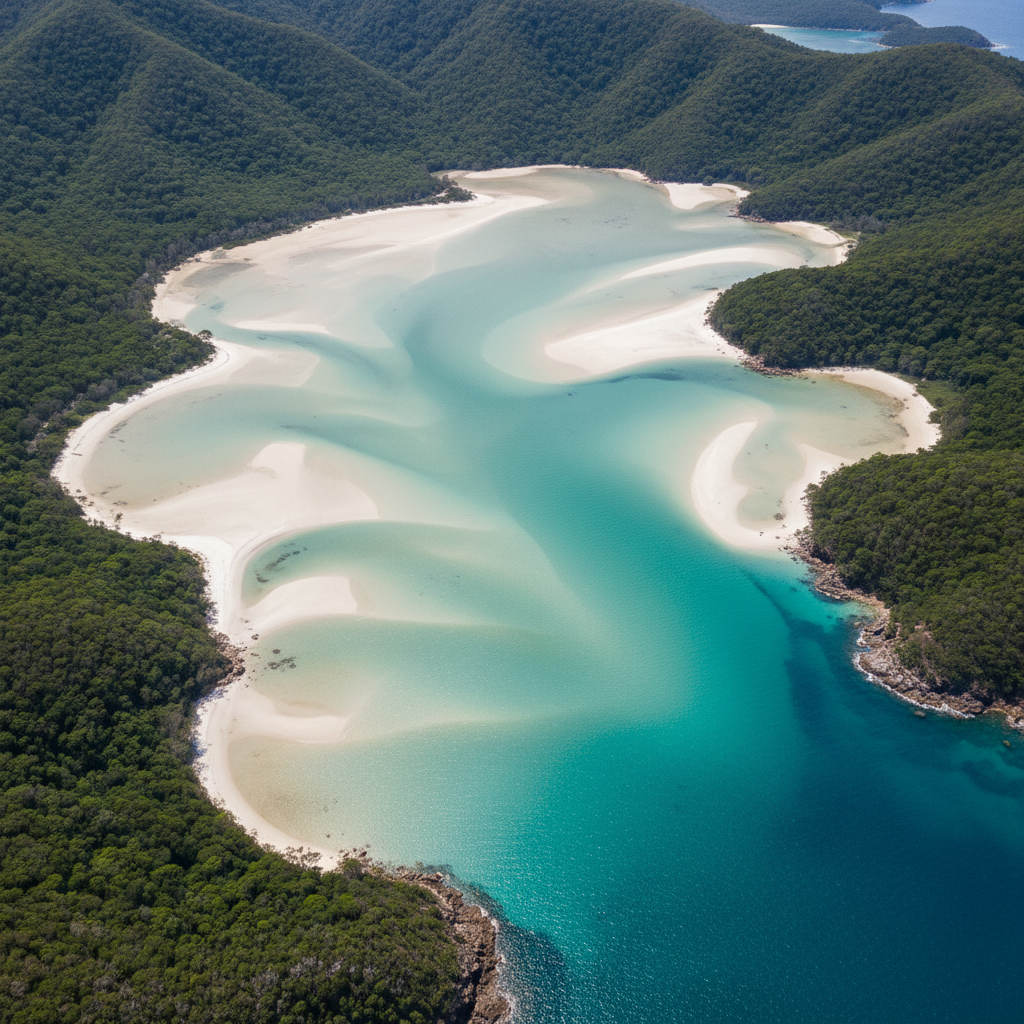
Standard 30-minute scenic flights covering Whitehaven Beach and nearby islands cost approximately $195-$245 per adult. These flights follow the most popular route, circling Whitsunday Island, overflying Whitehaven Beach's silica sands, and providing aerial views of Hill Inlet's swirling sands.
Extended 45-60 minute flights including Heart Reef and outer Great Barrier Reef sections range from $295-$395 per person. These comprehensive tours cover significantly more territory, flying east to the reef edge where Heart Reef sits within Hardy Reef, then returning via different flight paths to maximise viewing opportunities.
Private charter rates vary considerably based on aircraft type and flight duration. A private 3-passenger Cessna 172 for 30 minutes costs approximately $650 total ($217 per person), while larger aircraft accommodating 6-8 passengers range from $1,200-$1,800 for similar durations.
Seasonal pricing applies during peak periods (June-September whale season, December-January summer holidays) when demand increases significantly. Advance booking typically secures better rates, particularly for scenic flights covering the full Whitsundays region.
What route do Airlie Beach plane tours follow?
Most plane tours follow a clockwise circuit departing Whitsunday Coast Airport, flying east over Airlie Beach, then north along the island chain to Whitehaven Beach before returning via Hamilton Island and the Molle Islands group.
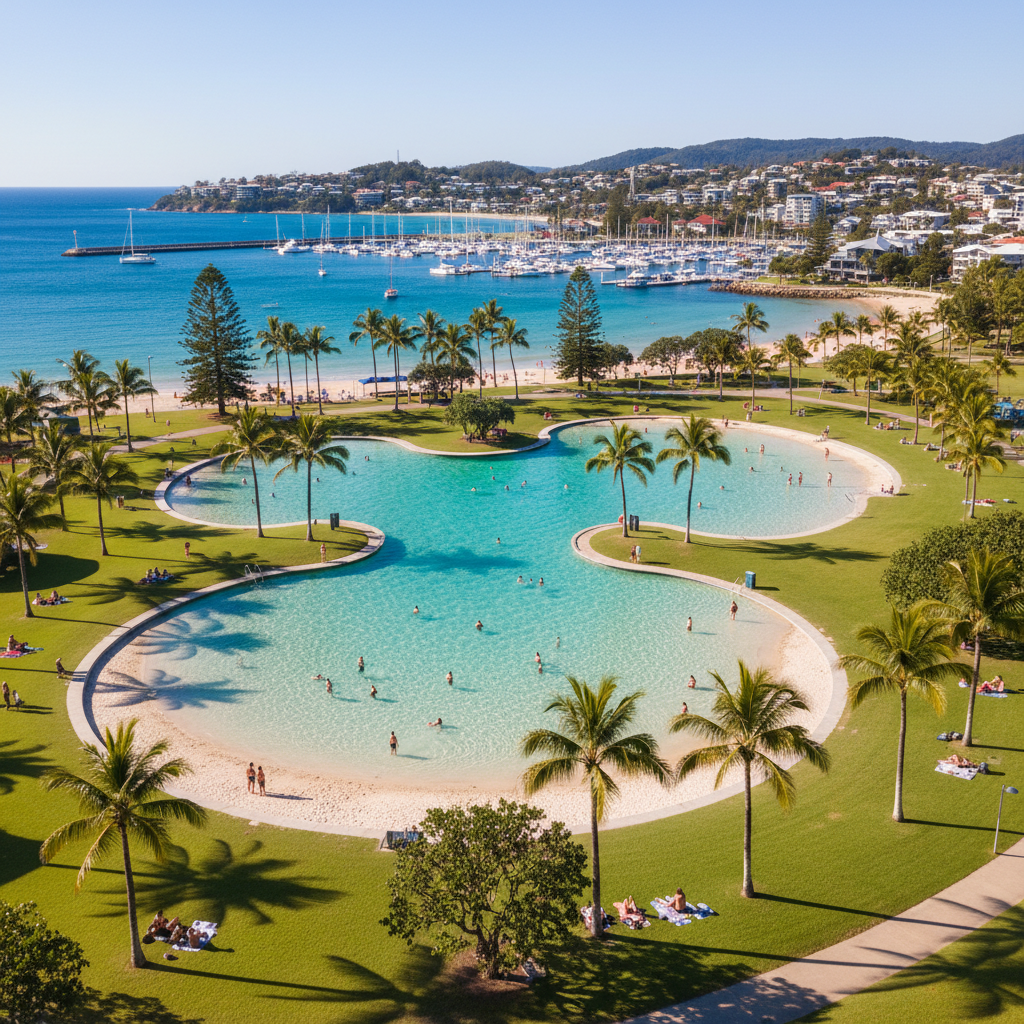
The standard departure involves taking off from Whitsunday Coast Airport's main runway (16/34) and climbing to 1,500-2,000 feet while heading east toward the coastline. Flight paths pass directly over Airlie Beach township, providing excellent photography opportunities of the marina, foreshore, and Coral Sea Marina development.
Aircraft then track northeast across Repulse Bay toward Daydream Island and the Molle Islands group. This section offers clear views of Daydream Island Resort, South Molle Island's hiking trails, and Mid Molle Island's secluded beaches. The flight continues north along the western edge of Whitsunday Island, showcasing the island's mountainous interior and numerous secluded bays.
The highlight occurs approaching Whitehaven Beach from the south, where pilots typically perform a sweeping turn around Hill Inlet to display the famous swirling sand patterns. Aircraft maintain approximately 1,000 feet above ground level during this segment, providing optimal viewing angles while maintaining safety margins.
Return routes vary by operator and weather conditions. Some flights return directly south past Hamilton Island Airport, while others track west toward Shute Harbour before turning south along the mainland coast. Total flight distance covers approximately 120-150 kilometres depending on the specific route chosen.
What can you see from a fixed-wing aircraft over the Whitsundays?
Fixed-wing flights provide comprehensive views of all 74 Whitsunday Islands, Whitehaven Beach's 7-kilometre stretch, Hill Inlet's colour variations, fringing coral reefs, and on clear days, Heart Reef located 60 kilometres northeast within the Great Barrier Reef.
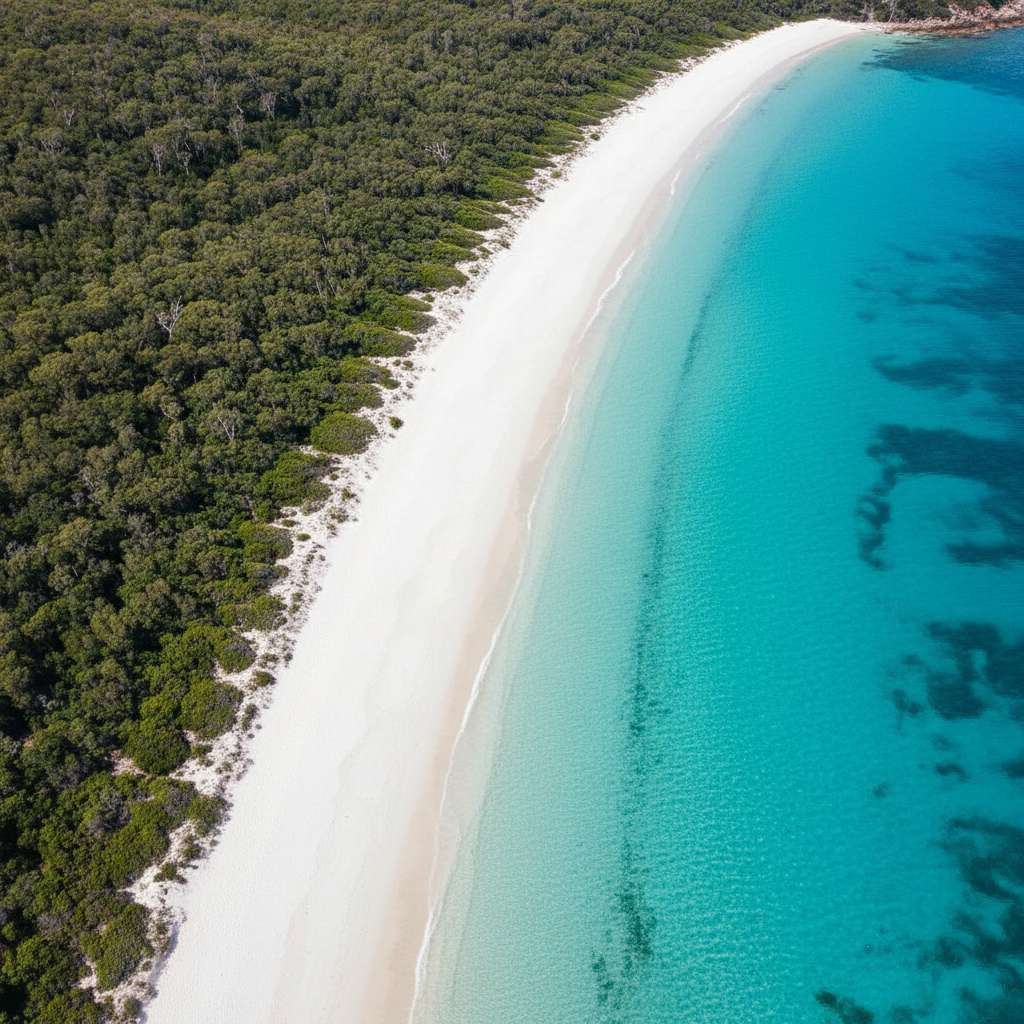
Whitehaven Beach appears spectacular from altitude, with its 98.9% pure silica sand creating stark white contrast against surrounding vegetation and turquoise waters. The beach's 7-kilometre length becomes fully visible, including both northern and southern sections typically accessed separately by boat tours.
Hill Inlet offers constantly changing patterns where tidal movements create swirling sand and water combinations. From above, passengers observe how different tide levels expose varying amounts of sand, creating Instagram-worthy formations that change throughout each flight.
The broader island chain reveals geographical features invisible from sea level. Passage Peak on Hamilton Island stands clearly visible at 230 metres elevation, while Whitsunday Island's interior mountains reach over 400 metres. These elevated perspectives highlight how volcanic origins shaped each island's distinctive profile.
Coral reef systems appear clearly in shallow waters surrounding most islands. Bait Reef, Hardy Reef (containing Heart Reef), and Hook Reef become visible on exceptionally clear days, though Heart Reef viewing requires extended flights reaching the outer reef edge. The reef appears as darker blue patches contrasting against lighter sandy areas.
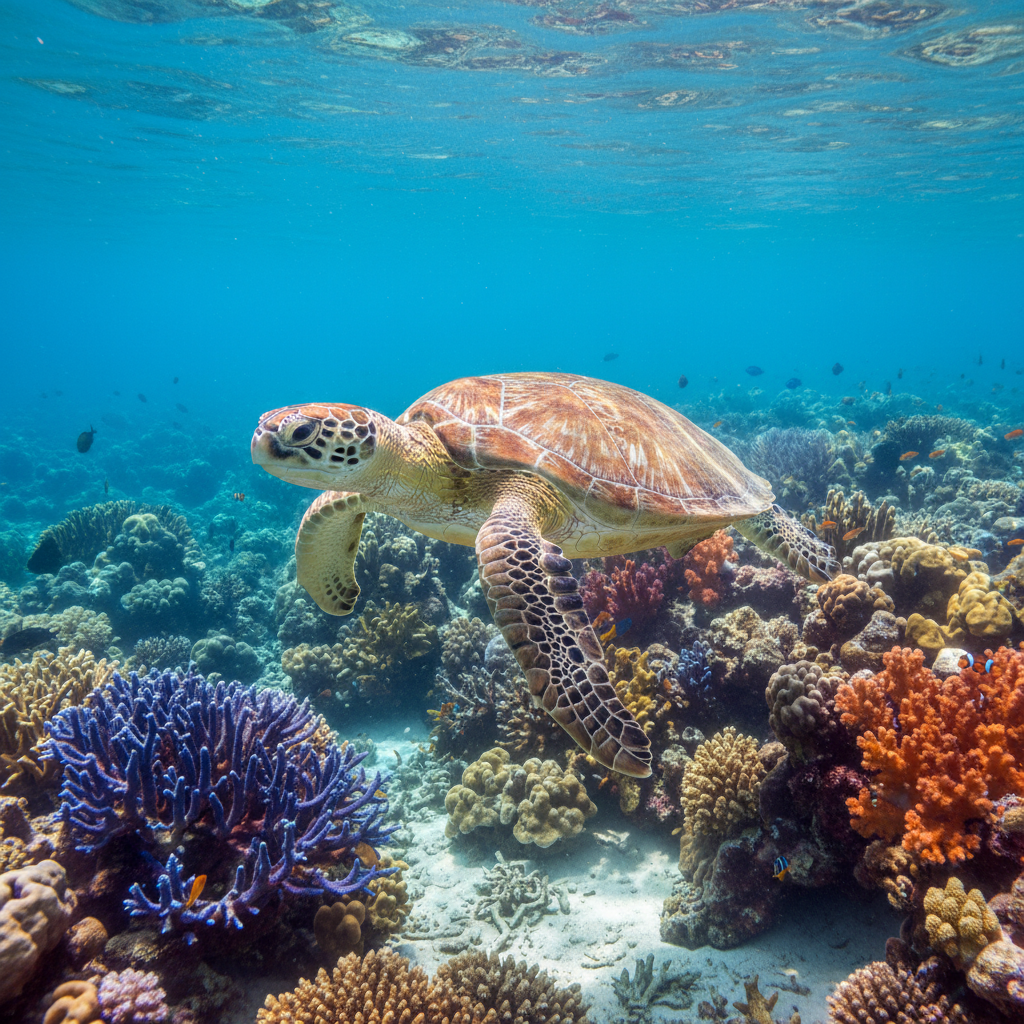
Marine wildlife sightings vary seasonally. During whale migration (June-September), humpback whales frequently appear as dark shapes moving through deeper blue water. Sea turtle populations around Green Island and other locations sometimes become visible when aircraft fly at lower altitudes.
How long do Airlie Beach plane tours take?
Standard plane tours range from 20-60 minutes airtime, with most popular flights lasting 30 minutes covering Whitehaven Beach and nearby islands. Total experience including check-in and transfers spans 90-120 minutes from hotel pickup to return.
The 20-minute "taste" flights focus specifically on Whitehaven Beach and Hill Inlet, departing northeast from the airport and flying directly to Whitsunday Island before returning via Hamilton Island. These shorter flights suit budget-conscious travellers or those with limited time, though they miss outer reef areas and northern islands.
Thirty-minute flights represent the most popular option, providing sufficient time for comprehensive Whitsunday Island coverage while including aerial views of major resort islands like Hamilton Island and Daydream Island. Pilots can adjust routes based on weather conditions while maintaining scheduled flight durations.
Extended 45-60 minute flights allow inclusion of outer reef areas where Heart Reef sits within Hardy Reef. These longer routes often incorporate different return paths, potentially flying south past Lindeman Island or exploring northern islands like Hook Island and Border Island.
Ground time requirements include 30-minute pre-flight check-in at Whitsunday Coast Airport, safety briefings, weight distribution calculations, and post-flight disembarkation. Most operators recommend arriving 30 minutes before scheduled departure times.
Complimentary hotel transfers from Airlie Beach add approximately 25 minutes each way, bringing total experience duration to 90-120 minutes depending on flight length selected. Some operators offer afternoon flights timed for sunset viewing, extending ground time for optimal lighting conditions.
When is the best time for plane tours from Airlie Beach?
Morning flights (8:00-10:00 AM) offer optimal conditions with calmer winds, better visibility, and softer lighting for photography. Dry season months (April-November) provide most reliable weather, while December-March brings afternoon storm possibilities.
Early morning departures capitalise on stable atmospheric conditions before thermal activity develops later in the day. Wind speeds typically remain below 10 knots during morning hours, ensuring smoother flights and better passenger comfort. Photography benefits from golden morning light highlighting sand patterns and reef colours.
Mid-morning flights (10:00 AM-12:00 PM) represent the most popular time slot, balancing good conditions with convenient departure times for travellers staying in Airlie Beach accommodation. Visibility generally remains excellent until early afternoon when haze may develop.
Afternoon flights face increased thermal activity and potential storm development during wet season months (November-April). However, late afternoon flights during dry season offer spectacular sunset lighting, particularly for flights timed to return during golden hour periods.
Seasonal considerations significantly impact flight operations. Dry season months (April-November) provide the most reliable conditions, with consistent trade winds and minimal storm activity. Wet season (December-March) brings higher humidity, afternoon thunderstorms, and occasional cyclone activity requiring flight cancellations.
Whale season (June-September) adds wildlife viewing opportunities, with humpback whales frequently visible during migration periods. Many operators specifically time flights during these months to maximise whale spotting chances.
Stinger season (November-May) doesn't affect aerial tours, unlike marine-based activities, making plane tours an excellent alternative when jellyfish concerns limit swimming options.
What should you expect during check-in and safety briefing?
Check-in procedures include weight verification for aircraft balance, photo identification requirements, safety briefings covering emergency procedures, and seating assignments based on passenger weights and optimal aircraft trim for safe flight operations.
Weight verification represents a critical safety requirement for small aircraft operations. Passengers provide accurate weights during booking, with verification occurring during check-in. Combined passenger and baggage weight affects aircraft performance, fuel requirements, and centre-of-gravity calculations essential for safe flight.
Photo identification requirements follow standard aviation security protocols. Australian residents need driver's licences or photo ID, while international visitors require passports. Some operators accept other government-issued photo identification, though requirements may vary between companies.
Safety briefings cover emergency procedures including evacuation routes, life jacket locations (for flights over water), and communication protocols during flight. Pilots explain aircraft features, door operation, and passenger responsibilities during various flight phases.
Seating assignments balance aircraft weight distribution while considering passenger preferences for window views. Heavier passengers typically sit closer to aircraft centre-of-gravity positions, while couples may be separated to achieve proper balance. Pilots make final seating decisions based on safety requirements.
Weather briefings inform passengers about expected conditions, potential turbulence areas, and backup plans for changed weather. Pilots monitor weather continuously and may adjust routes or delay flights to ensure passenger safety and comfort.
Camera and phone policies vary by operator. Most encourage photography during flight while requesting passengers follow crew instructions regarding electronic device use during critical flight phases. Some aircraft provide noise-cancelling headsets for improved communication and comfort.
How do fixed-wing tours compare to helicopter flights?
Fixed-wing aircraft offer longer flight durations, weather stability, and better value for money compared to helicopters, while helicopters provide lower altitude viewing, hover capabilities, and door-off photography options unavailable in planes.
Flight duration advantages strongly favour fixed-wing aircraft. Standard 30-minute plane tours cover significantly more territory than equivalent helicopter flights, reaching outer reef areas and northern islands typically excluded from helicopter routes due to fuel limitations. Extended 60-minute plane tours explore areas requiring 90+ minutes by helicopter.
Weather stability differs considerably between aircraft types. Fixed-wing aircraft operate in higher wind conditions and maintain better stability during turbulent conditions. Helicopters face more restrictive wind limitations and provide bumpier rides during unstable weather periods.
Cost comparisons clearly favour fixed-wing options. Standard 30-minute plane tours cost $195-$245 per person, while equivalent helicopter flights range from $299-$399. The price differential increases for longer flights, making planes substantially more economical for comprehensive aerial tours.
Viewing perspectives vary significantly between aircraft types. Helicopters fly at lower altitudes (500-800 feet) providing detailed views of beaches, coral formations, and marine life. Fixed-wing aircraft operate at higher altitudes (1,000-2,000 feet) offering broader landscape perspectives and geographical context.
Photography considerations depend on personal preferences. Helicopters often provide door-off flights for unobstructed photography, while planes offer large windows and stable platforms for consistent shots. Wind buffeting in helicopters can challenge camera stability, while plane flights provide smoother shooting conditions.
Passenger capacity favours larger aircraft for group bookings. Most scenic helicopters accommodate 3-4 passengers, while planes handle 6-8 passengers in single aircraft, making planes more suitable for families or small tour groups.
For those wanting to compare all available options, our guide to the best scenic flights in the Whitsundays covers both fixed-wing and helicopter options in detail.
What weather conditions affect plane tour operations?
Fixed-wing scenic flights operate in most weather conditions except thunderstorms, severe turbulence, or visibility below 5 kilometres. Wind limits reach 25-30 knots, significantly higher than helicopter restrictions, making planes more reliable during marginal weather periods.
Visibility requirements mandate minimum 5-kilometre visual range for scenic flight operations. Morning haze during humid periods occasionally reduces visibility below operational limits, typically clearing by mid-morning. Bushfire smoke during dry seasons can also impact visibility, though this occurs infrequently in coastal areas.
Wind limitations for fixed-wing aircraft extend to 25-30 knots depending on aircraft type and pilot experience. Cessna aircraft handle moderate turbulence better than helicopters, allowing operations during trade wind periods that ground rotorcraft. Crosswind landings at Whitsunday Coast Airport pose greater limitations than straight-line flight operations.
Thunderstorm activity during wet season months (November-April) creates the primary operational restriction. Pilots monitor weather radar continuously and delay or cancel flights when electrical activity approaches flight paths. Storm cells typically develop during afternoon hours, making morning flights more reliable during storm season.
Cloud ceiling heights affect flight routing and scenic value. Low cloud cover below 1,500 feet may restrict aircraft to lower altitudes, potentially limiting outer reef access. Broken cloud layers often enhance photography by providing dramatic lighting effects and white cloud contrast against blue water.
Tropical cyclone activity requires complete flight cessation. Cyclone season extends from November through April, with peak activity during January-March. Airlines typically suspend all operations when cyclones approach within 500 kilometres, following Civil Aviation Safety Authority guidelines.
Rainfall doesn't prevent flight operations unless accompanied by thunderstorms or severely reduced visibility. Light to moderate rain often clears during flight duration, providing excellent post-storm photography opportunities with enhanced colour saturation and clarity.
Do you need to book plane tours in advance?
Advanced booking is strongly recommended, particularly during peak seasons (June-September, December-January), with most operators requiring 24-48 hours notice for flight scheduling, aircraft preparation, and weather planning. Same-day bookings depend on availability and weather conditions.
Seasonal booking requirements vary significantly throughout the year. Peak periods during whale season (June-September) and summer holidays (December-January) often book weeks in advance, particularly for preferred morning flight times. Shoulder seasons (March-May, October-November) typically offer more flexibility with 2-3 days advance notice sufficient.
Aircraft capacity limitations create booking constraints independent of seasonal demand. Most scenic aircraft accommodate 6-8 passengers maximum, meaning single aircraft can serve only limited daily passengers. Popular operators may schedule 3-4 flights daily, creating approximately 30 available seats across all departures.
Weather contingency planning requires advance booking to allow flight rescheduling when conditions become unsuitable. Operators typically offer rebooking options when weather forces cancellations, but alternative dates depend on existing booking commitments. Last-minute bookings provide fewer rescheduling options.
Group bookings for families or tour parties especially require advance planning. Coordinating multiple passengers, ground transfers, and preferred seating arrangements takes additional planning time. Some operators offer group discounts for 6+ passengers, though these rates require advance confirmation.
Special requests including sunset flights, photography-focused routes, or celebration flights need advance notice for planning and aircraft scheduling. Standard scenic routes can accommodate most requests, but customised flights require operator approval and may incur additional costs.
Cancellation policies vary between operators but typically allow full refunds for weather-related cancellations and partial refunds for passenger-initiated changes with 24+ hours notice. Travel insurance may cover cancellation costs for medical or emergency situations.
Ready to experience the Whitsundays from above? Airlie to Whitehaven makes booking your scenic flight simple with instant confirmation, competitive prices, and local expertise. We work with all licensed operators to find the perfect aerial tour for your group size, budget, and preferred departure time. Browse our complete range of Whitsundays tours and book your unforgettable flight today.