Sleeping on a boat surrounded by the pristine waters of the Whitsundays sounds magical — and it absolutely is. But before you book that overnight sailing adventure from Airlie Beach, let's talk honestly about what you're actually signing up for. From shared bathrooms to morning swells, here's everything you need to know to set realistic expectations and pack smart for your floating accommodation experience.
What type of boats are used for overnight tours from Airlie Beach?
Overnight tours from Airlie Beach typically use large catamarans (16-30 passengers) or maxi racing yachts (20-40 passengers) with dedicated sleeping quarters, shared bathrooms, and communal dining areas.
Most operators use purpose-built tour vessels rather than luxury yachts. Catamarans like those used by Prosail and Whitsunday Blue offer more stability and space, with twin-hull designs that reduce seasickness. Racing yachts such as the iconic maxi yachts provide a more authentic sailing experience but can feel more cramped.
Typical vessel specifications include 6-12 private or shared cabins, 2-4 shared bathrooms, a galley kitchen, and communal deck space. Boats range from 60-80 feet in length, with most sleeping 20-30 guests maximum. The vessels are inspected regularly by Maritime Safety Queensland and carry full commercial licenses for overnight charters.
Don't expect yacht-club luxury. These are working tour boats designed for safety and practicality first, comfort second. However, they're perfectly adequate for the experience, and you'll spend most of your time on deck anyway enjoying the stunning Whitsunday scenery.
Where do you actually sleep on overnight boat tours?
You'll sleep in small shared cabins with bunk beds, typically 2-4 people per cabin, using provided bedding and pillows in compact quarters designed for basic overnight accommodation.
Cabins are usually about the size of a small train compartment — roughly 2 meters by 1.5 meters for a twin-share setup. Most feature narrow single bunk beds with thin mattresses, small storage cubbies, and sometimes a tiny porthole window. Headroom is limited, especially in lower bunks.
Bedding is provided (sheets, pillows, lightweight blankets), but bring your own if you're particular about cleanliness. The cabins can get stuffy, so most boats have small fans or air vents. However, air conditioning is rare and generators are typically turned off overnight for peaceful sleeping.
Couples often book twin-share cabins, while solo travelers are matched with others of the same gender. If you're claustrophobic or a light sleeper, consider this carefully. Many guests actually prefer sleeping on deck under the stars — it's cooler, more romantic, and surprisingly comfortable on calm nights.
What bathroom facilities are available on overnight tours?
Expect 2-4 shared marine toilets (heads) for 20-30 passengers, featuring compact toilet/shower combinations with basic amenities and strict rules about what can be flushed.
Marine toilets are notoriously finicky. Only toilet paper goes down — no feminine hygiene products, wet wipes, or anything else. The toilet paper provided is special marine-grade that dissolves quickly. Shower facilities are typically combo units where you shower in the same tiny space as the toilet.
Hot water is limited and generated by the engine, so showers are brief (2-3 minutes maximum). Water pressure is low, and you'll need to be considerate of other passengers. Most boats provide basic soap and shampoo, but bring your own toiletries for preference.
Morning queues are common with 30 people sharing 3-4 bathrooms. Pro tip: use the facilities late at night or very early morning to avoid rushes. The bathrooms are cleaned daily but don't expect hotel standards — this is a boat, not a resort.
What meals and drinks are included on overnight tours?
Most overnight tours include all meals (dinner, breakfast, lunch), snacks, tea, coffee, and drinking water, with alcohol typically available for purchase separately at bar prices.
Dinner is usually served around 6-7 PM and ranges from BBQ meat and seafood to pasta dishes, depending on the operator. Breakfast is typically continental style — cereals, toast, fruit, bacon, and eggs. Lunch on day two is often sandwiches or salads before returning to Airlie Beach.
Food quality varies significantly between operators. Premium tours like those offered through our overnight sailing guides often feature better meals, while budget options stick to basic fare. Dietary requirements can usually be accommodated with advance notice.
BYO alcohol policies vary. Some boats allow you to bring wine and beer (no spirits), others have strict no-BYO policies. Onboard bar prices range from $6-12 for beer, $8-15 for wine, $12-18 for cocktails. Some tours include a welcome drink or happy hour specials.
How much do overnight boat tours from Airlie Beach cost?
Overnight boat tours from Airlie Beach typically cost $200-600 per person for 2 days/1 night, with prices varying by boat type, inclusions, and season.
Budget sailing tours start around $200-250 per person in low season (April-May, September-November) for basic accommodation and meals. Mid-range tours cost $300-450 and often include better boats, food, and sometimes snorkel gear. Premium overnight experiences can reach $500-600 with superior vessels and gourmet meals.
Peak season (June-August, school holidays) adds 20-40% to these prices. Christmas/New Year can double normal rates, with some tours reaching $800+ per person. Solo travelers may face single supplement charges of $50-100.
Additional costs to budget for include alcohol ($30-80 per day depending on your habits), optional activities like scenic helicopter flights ($150-300), and tips for crew (optional but appreciated at 10-15% of tour cost). Most tours include snorkel gear, but underwater cameras cost extra ($30-50 per day).
What should you pack for an overnight boat tour?
Pack light in a soft bag: swimwear, reef-safe sunscreen, hat, light layers, medications, and personal toiletries, leaving valuables at your Airlie Beach accommodation.
Essential items include multiple swimsuits (they don't dry overnight), reef-safe sunscreen (zinc-based), wide-brimmed hat, sunglasses with strap, and lightweight long-sleeved shirt for sun protection. A light jacket or hoodie is crucial — it gets surprisingly cold on the water after sunset, even in summer.
Bring your own toiletries including toothbrush, toothpaste, deodorant, and any medications. Pack everything in a waterproof bag or soft duffel — rigid suitcases don't fit in cabin storage. Quick-dry clothes are ideal.
Don't bring: valuables, excessive clothing, hair dryers (no power), glass bottles, or hard luggage. Most boats provide snorkel gear, towels, and bedding. Underwater cameras are worth renting onboard ($30-50) rather than risking your phone. Leave laptops and tablets behind — you'll have limited charging options and patchy signal anyway.
What activities happen during overnight boat tours?
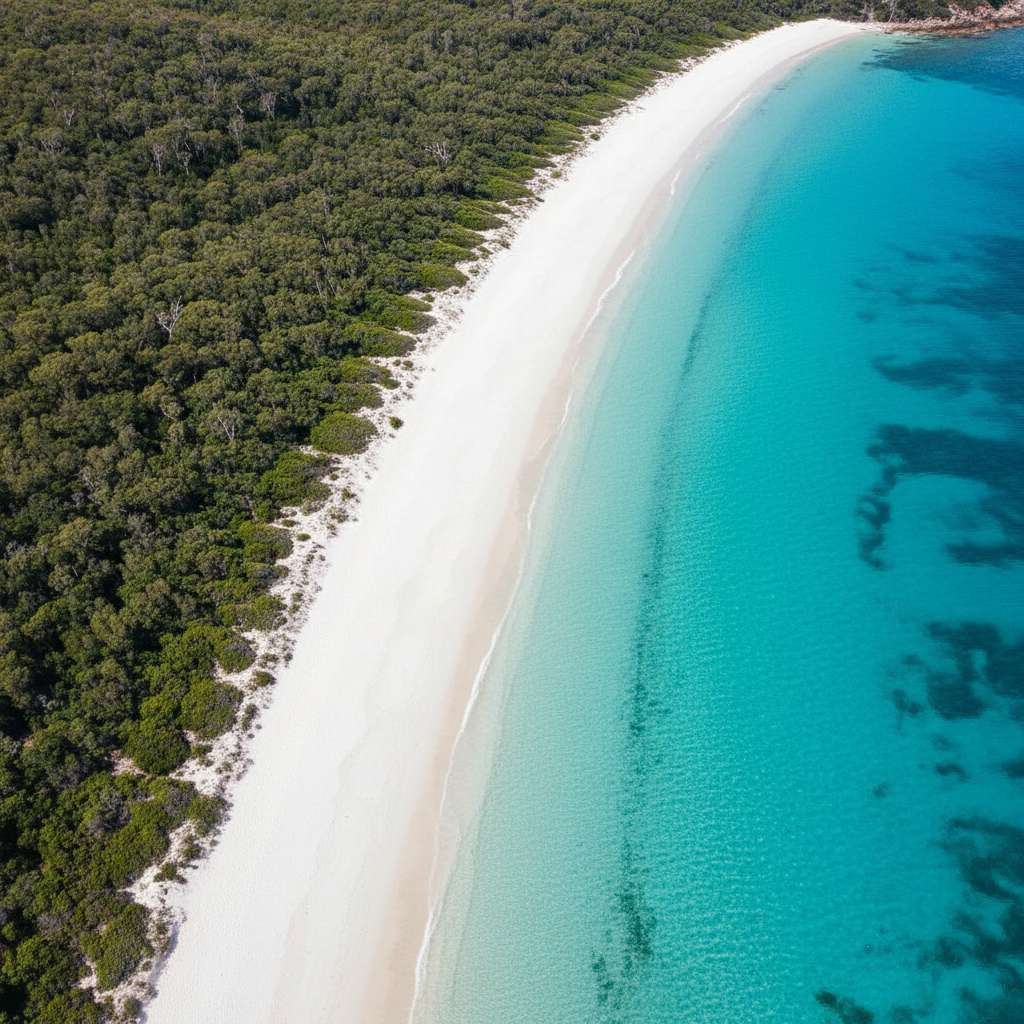
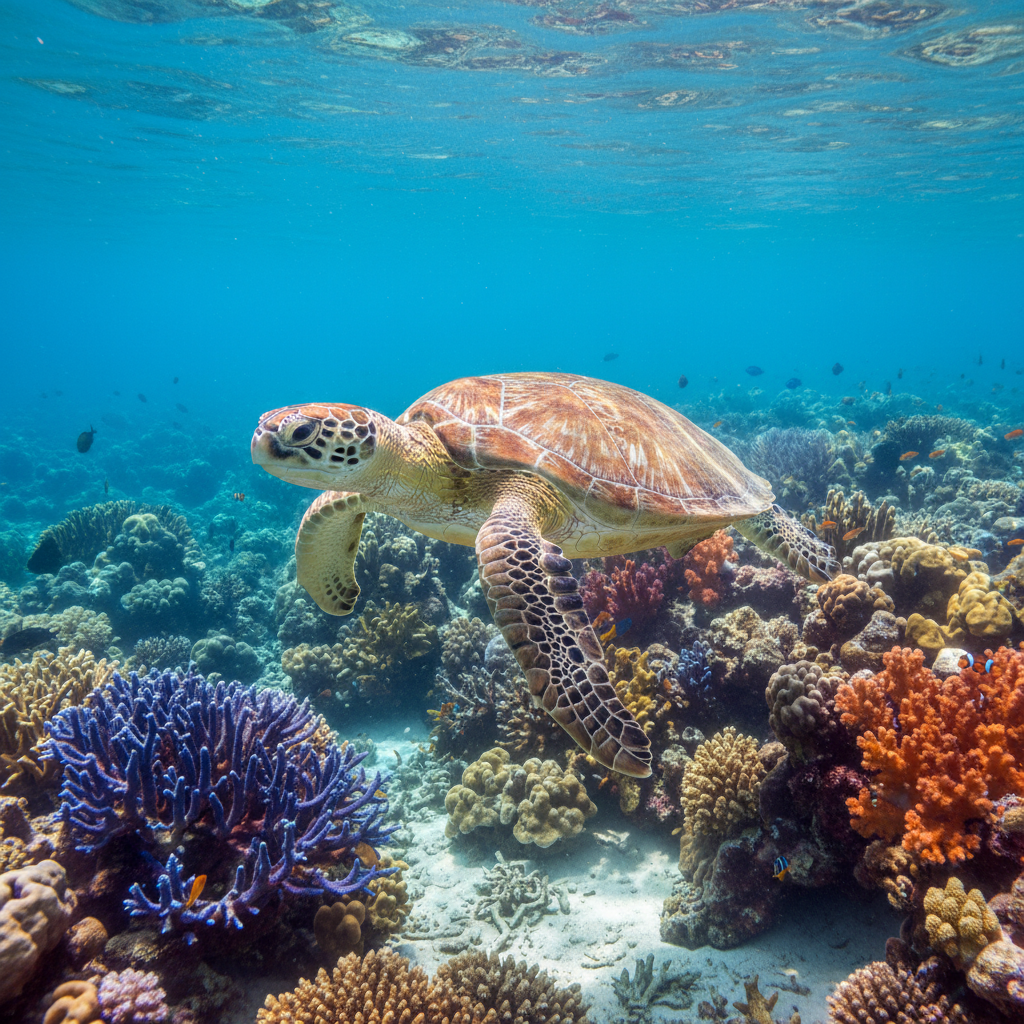
Typical activities include sailing to Whitehaven Beach, snorkeling at various reef locations, swimming, stargazing, and socializing, with most tours visiting 3-4 different anchorages over two days.
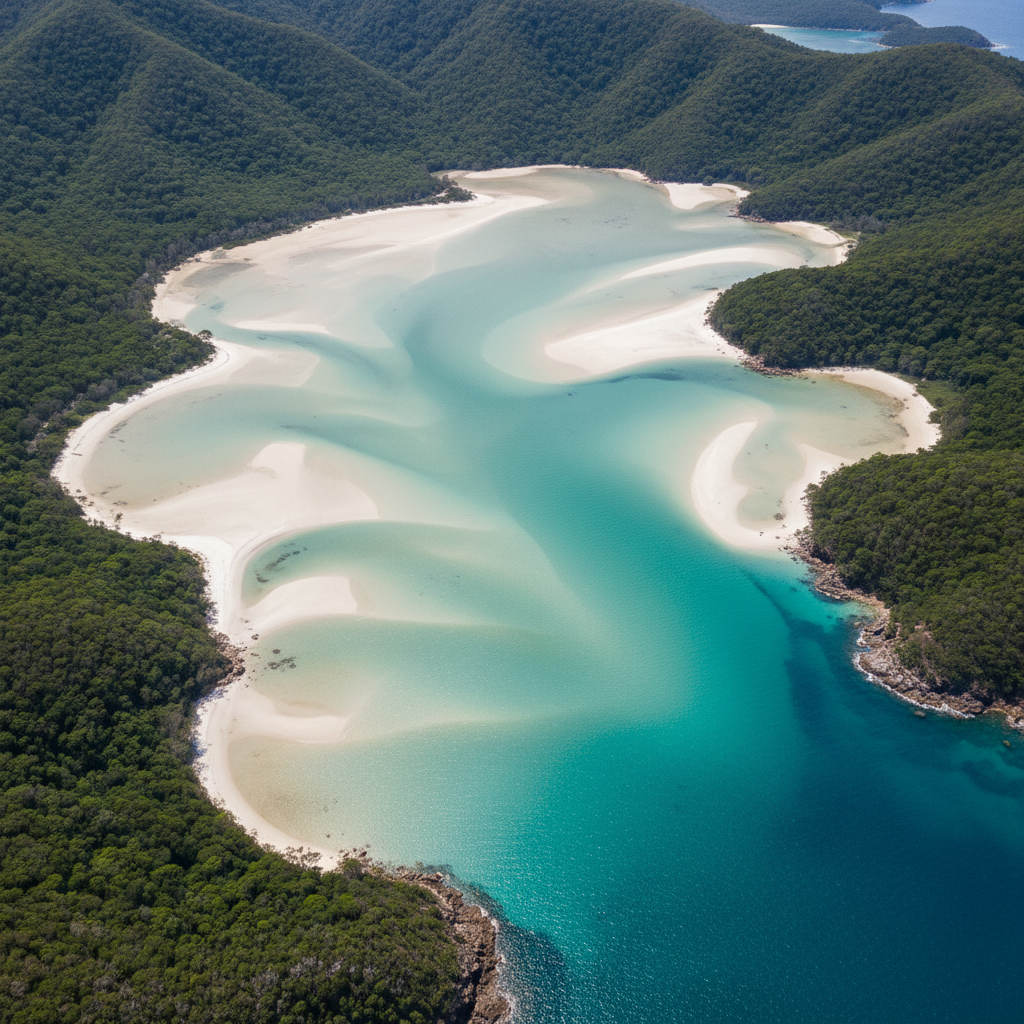
Day one usually involves sailing from Abel Point Marina around 1-2 PM, stopping at Hill Inlet Lookout and Whitehaven Beach (2-3 hours), then moving to a snorkel location like Luncheon Bay or Border Island. Evening activities include swimming, socializing, and dinner while anchored in a protected bay.
Day two typically features morning snorkeling, sailing to another location (often near Hamilton Island or Hayman Island), and return to Airlie Beach by 4-5 PM. Some tours offer optional extras like stand-up paddleboards, fishing lines, or guided bushwalks.
Weather significantly impacts activities. Rough conditions might mean less beach time and more protected bay swimming. Our best overnight tour recommendations include operators known for adapting well to weather changes while maximizing guest experiences.
How rough can the water get on overnight sailing tours?
Water conditions vary from glassy calm to moderate chop, with boats anchoring in protected bays overnight, though sensitive passengers may experience seasickness during sailing segments.
The Whitsundays are generally protected waters, but wind conditions create varying sea states. Trade winds of 15-25 knots are normal and create moderate chop that can affect sensitive stomachs. Boats anchor in sheltered bays overnight, so sleeping is usually peaceful.
Worst conditions typically occur during weather transitions or if southerly winds pick up, creating uncomfortable beam seas. Most operators won't depart in dangerous conditions (winds over 30 knots), but moderate seasickness is possible even in "good" conditions.
If you're prone to motion sickness, take preventive medication before departure — not after feeling queasy. Ginger tablets, sea-sickness bands, or prescription patches work best. Choose a cabin midship and lower down for the least movement. Many guests who worry about seasickness find the experience much better than expected.
What's the best time of year for overnight boat tours?
April to November offers the best weather for overnight tours, with dry conditions, moderate temperatures, and minimal stinger risk, while December to March brings heat, humidity, and marine stinger season.
Peak dry season (June-August) provides the most comfortable conditions — daytime temperatures of 20-25°C, low humidity, minimal rainfall, and cool evenings perfect for deck sleeping. However, this is also peak tourist season with higher prices and crowded boats.
Shoulder seasons (April-May, September-November) offer excellent value with good weather, fewer crowds, and lower prices. Water temperatures remain warm (24-27°C) year-round. Whale watching season (June-September) coincides with dry season, adding humpback whale sightings to your sailing experience.
Wet season (December-March) brings afternoon storms, high humidity, and marine stingers requiring protective suits. However, prices are lowest, and dramatic storm clouds create spectacular photography opportunities. Just be prepared for potential itinerary changes due to weather. Check our sailing tour seasonal guide for detailed monthly breakdowns.
Can you get seasick on overnight boat tours and what should you do?
Seasickness is possible but preventable with proper medication and preparation, affecting roughly 20-30% of passengers to some degree during sailing portions of overnight tours.
Take preventive action before boarding: start motion sickness medication 12-24 hours before departure. Dramamine, Kwells, or prescription scopolamine patches work best when used preventively. Ginger supplements and sea-bands provide natural alternatives.
If you start feeling queasy: get fresh air on deck, focus on the horizon, avoid reading or phone use, stay hydrated with small sips of water, and eat light, bland foods. The crew is experienced with seasick passengers and can provide additional remedies.
Choose your cabin wisely — midship and lower decks experience less motion than bow or stern cabins. Many mildly seasick passengers actually feel better sleeping on deck where they get fresh air and can see the horizon. Most overnight tours anchor in calm bays, so seasickness typically only affects sailing portions between destinations.
Ready to experience the magic of sleeping under Whitsunday stars? Airlie to Whitehaven makes booking your perfect overnight sailing adventure simple, with detailed comparisons of boat types, inclusions, and seasonal availability. Browse our curated selection of overnight tours, read honest reviews from fellow travelers, and secure your floating accommodation with confidence — because the best Whitsunday memories start with choosing the right tour for your comfort level and expectations.