The Whitsunday Islands scattered across the Coral Sea offer some of Australia's most spectacular island escapes, all accessible from the bustling hub of Airlie Beach. With 74 islands to choose from, ranging from pristine uninhabited paradises to resort destinations with world-class facilities, planning your island adventure can feel overwhelming. Each island offers distinct experiences – from the pure silica sands of Whitehaven Beach to the luxury resorts of Hamilton Island, the secluded coves of Hook Island to the walking trails of Whitsunday Island.
Which Whitsunday Islands can you actually visit from Airlie Beach?
From Airlie Beach, you can visit approximately 20 of the 74 Whitsunday Islands via day tours, overnight trips, or resort transfers. The most accessible include Whitsunday Island, Hamilton Island, Daydream Island, Hook Island, Hayman Island, and Long Island, each offering different accommodation levels and activities.
The reality is that while 74 islands make up the Whitsunday group, only a fraction are accessible to tourists. Many remain uninhabited national park land with no facilities or landing permissions. The islands you can visit fall into three main categories: day trip destinations (like Whitsunday Island), resort islands with accommodation (Hamilton, Daydream, Hayman), and camping islands where you can pitch a tent with permits.
Most tours operate from Abel Point Marina or Shute Harbour, both within 10 minutes of Airlie Beach town center. The closest islands like Daydream Island sit just 5 kilometers offshore, while the furthest accessible islands like Whitehaven Beach require 90-minute boat journeys depending on vessel speed and sea conditions.
What's the difference between day trip islands and resort islands?
Day trip islands like Whitsunday Island offer no accommodation but feature pristine beaches and walking tracks, while resort islands provide luxury stays, restaurants, and activities but often charge day visitors hefty fees ranging from $50-150 for basic facilities access.
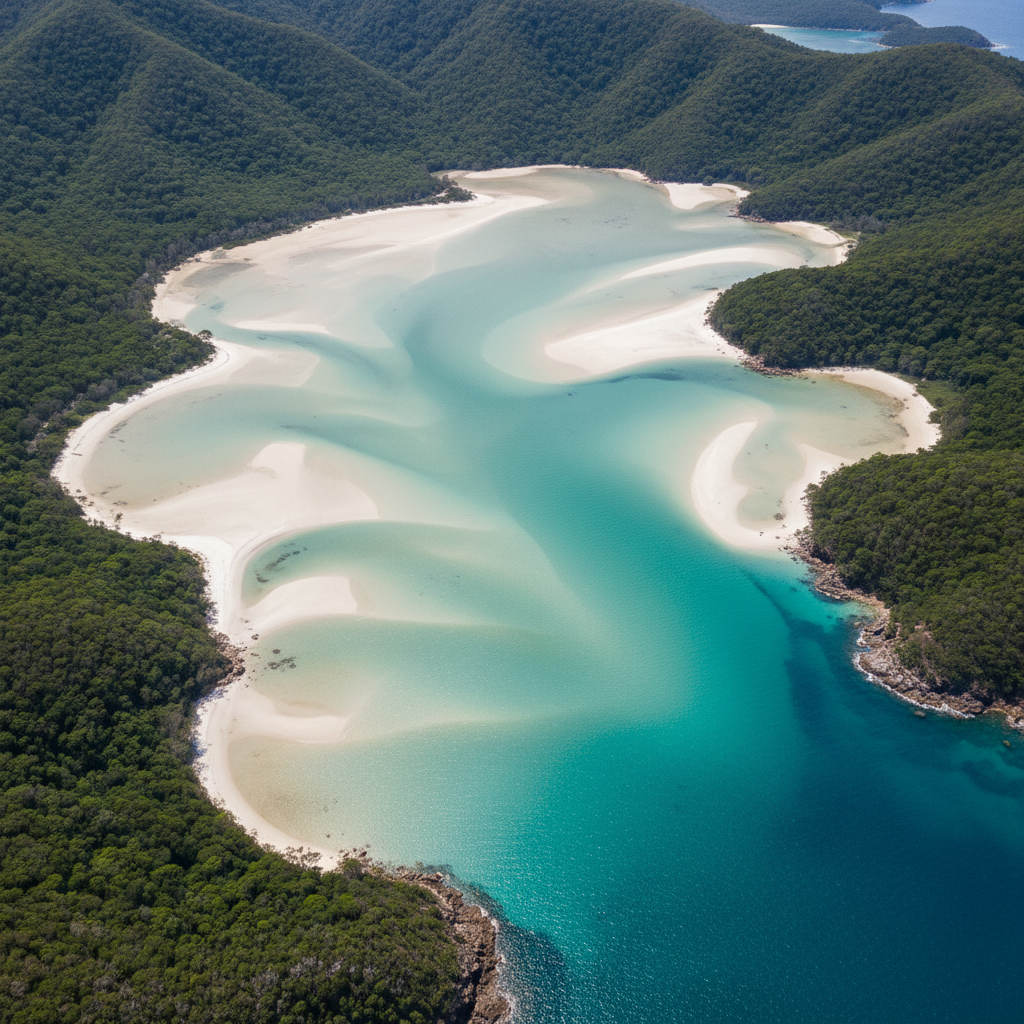
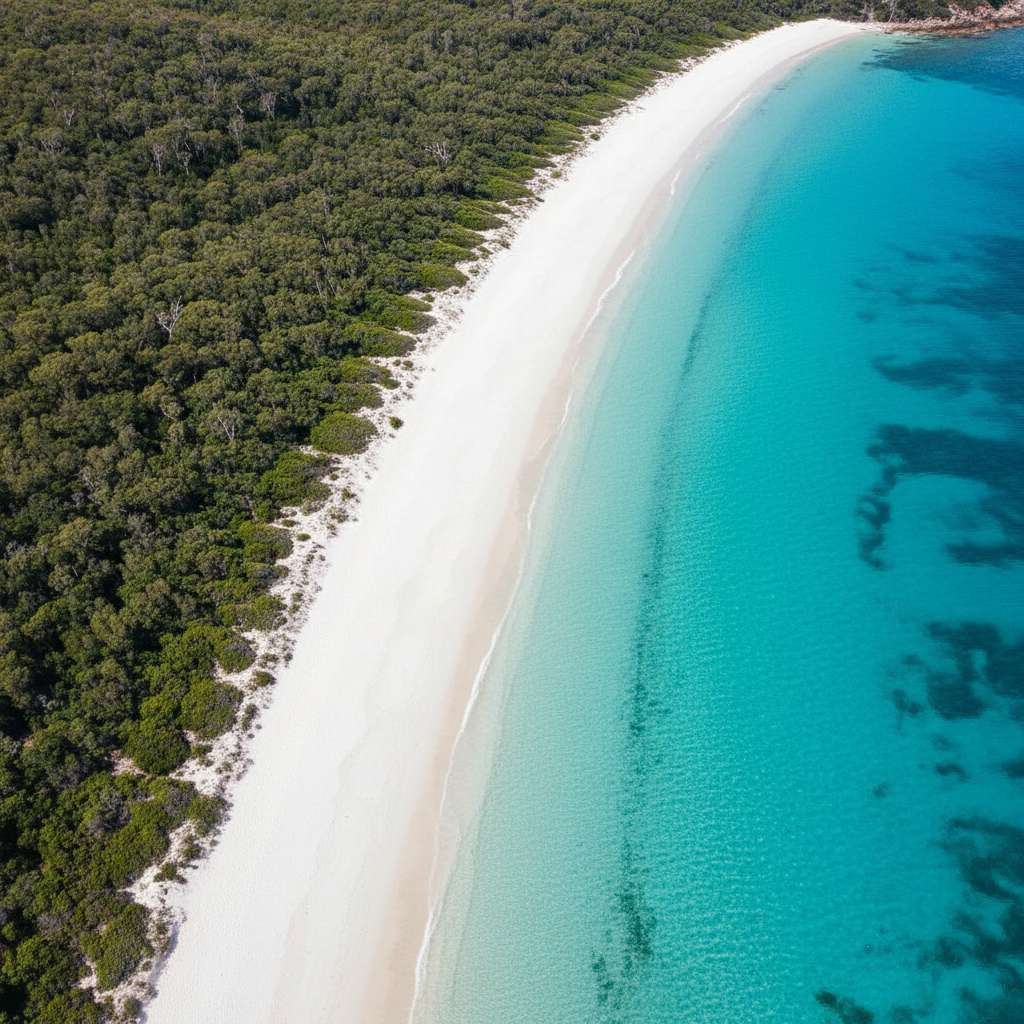
Day trip destinations focus purely on natural experiences. Whitsunday Island, home to Whitehaven Beach, offers 7 kilometers of 98.9% pure silica sand, Hill Inlet Lookout with panoramic views, and bushwalking tracks through native vegetation. These islands have minimal infrastructure – perhaps basic toilet facilities and designated picnic areas, but no shops, restaurants, or accommodation.
Resort islands operate as complete destinations. Hamilton Island features an airport with direct flights from major Australian cities, multiple restaurants, a golf course, marina village with shops, and accommodation ranging from $300-2000+ per night. Daydream Island offers day spa facilities, multiple pools, and direct transfers from Shute Harbour taking just 20 minutes.
The cost difference is significant. Day trips to uninhabited islands typically cost $150-400 including transfers and lunch, while resort island day visits often require facility fees on top of transfer costs. Hamilton Island charges $50 for day visitor access to resort facilities, while Hayman Island restricts day visitors entirely unless staying at the resort.
How do you get to each island from Airlie Beach?
Island access depends on vessel type and destination, with high-speed catamarans reaching most islands in 30-90 minutes, helicopters in 10-20 minutes, and seaplanes offering scenic 15-30 minute flights. Ferry services operate scheduled runs to resort islands daily.
High-speed catamarans serve as the workhorses of Whitsunday tourism, carrying 30-150 passengers to multiple islands daily. These vessels typically cruise at 25-30 knots, reaching Whitehaven Beach in 60-90 minutes depending on departure point and sea conditions. Operators like Cruise Whitsundays run scheduled services to Hamilton Island (35 minutes) and dedicated day trip routes covering multiple islands.
Helicopter transfers offer premium access with spectacular aerial views. Flight times include Whitehaven Beach (15 minutes), Hamilton Island (10 minutes), and Hayman Island (20 minutes). Helicopter day trips cost $400-800 per person but provide unique perspectives impossible from sea level, including aerial shots of Hill Inlet's swirling sands and Heart Reef patterns.
Sailing vessels provide the most authentic Whitsunday experience, though journey times extend significantly. Sailing catamarans take 2-3 hours to reach Whitehaven Beach but allow swimming stops, snorkeling opportunities, and the romance of wind-powered travel. Many island hopping adventures combine sailing with motorized transfers for optimal time management.
Which islands offer the best snorkeling and diving spots?
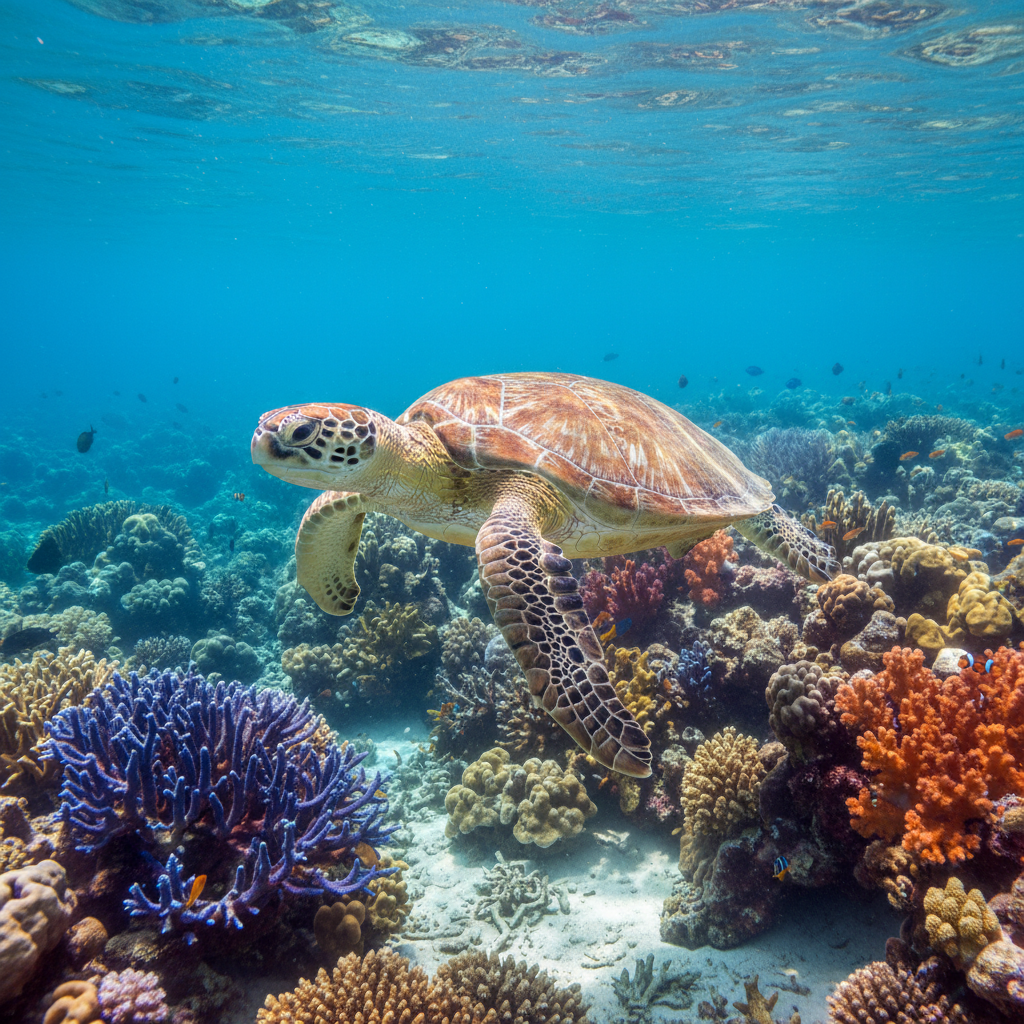
Hook Island provides the Whitsundays' premier snorkeling at Mantaray Bay and Butterfly Bay, featuring coral gardens, tropical fish populations, and manta ray encounters. These protected bays offer calm conditions and visibility reaching 15-20 meters during optimal seasons.
Hook Island's underwater landscape includes fringing coral reefs, swim-through caves, and diverse marine ecosystems. Mantaray Bay lives up to its name with regular manta ray sightings, particularly during plankton blooms between March and May. The bay's maximum depth of 8 meters makes it perfect for snorkelers and beginning divers.
Butterfly Bay on Hook Island's eastern side offers equally impressive snorkeling with giant clams, reef sharks, and schools of tropical fish. The bay's horseshoe shape provides protection from prevailing winds, maintaining calm conditions even during rougher weather periods.
Border Island features underwater caves and swim-throughs accessible to confident snorkelers. The island's northern reef includes table corals, brain corals, and soft coral gardens supporting diverse fish populations including parrotfish, angelfish, and occasionally reef sharks.
Haslewood Island's Chalkie's Beach provides excellent snorkeling for families, with shallow reefs extending 50 meters from shore and maximum depths of 4 meters. The protected location ensures safe conditions for children and nervous swimmers while still offering vibrant coral displays and tropical fish encounters.
What can you do on uninhabited islands versus resort islands?
Uninhabited islands offer pure nature experiences including bushwalking, secluded beaches, and pristine snorkeling, while resort islands provide restaurants, spas, golf courses, organized activities, and luxury amenities but often lack the raw natural beauty of untouched locations.
Uninhabited islands like Whitsunday Island showcase the region's natural state. Activities include hiking the Hill Inlet Lookout track (2.4 kilometers return), exploring hidden beaches accessible only by foot, collecting shells on pristine shores, and spotting native wildlife including goannas, rainbow lorikeets, and sea eagles. These islands offer complete disconnection from modern life – no WiFi, shops, or artificial entertainment.
Resort islands cater to comfort-focused travelers. Hamilton Island features a championship golf course designed by Peter Thomson, multiple swimming pools including adults-only areas, day spas offering reef-inspired treatments, and over 20 restaurants ranging from casual cafes to fine dining establishments. The island also provides organized activities like jet ski tours, parasailing, and scenic helicopter flights.
Daydream Island specializes in relaxation with multiple pool areas, day spa facilities, and organized activities including fish feeding sessions with resident stingrays. The resort offers equipment hire for kayaking, stand-up paddleboarding, and snorkeling, plus evening entertainment and themed dining experiences.
The choice often comes down to personal preference: raw natural beauty with minimal facilities, or comfortable luxury with organized activities and dining options. Many visitors choose combination day trips experiencing both uninhabited islands and resort facilities in single excursions.
Which islands allow camping and how do you book camping permits?
Six Whitsunday Islands permit camping with advance bookings through Queensland Parks and Wildlife Service: Hook Island, Whitsunday Island, Shaw Island, Lindeman Island, Thomas Island, and Scawfell Island. Permits cost $6.75 per person per night and must be booked online.
Hook Island offers the most developed camping facilities with designated sites at Maureen's Cove, Macona Inlet, and Curlew Beach. These sites include composting toilets, picnic tables, and fire rings, though campers must bring all water, food, and equipment. Maximum group size is 12 people, and advance booking is essential, particularly during school holidays and peak season (April to September).
Whitsunday Island provides camping at Dugong Beach on the island's western side, offering stunning sunset views and direct beach access. The site includes basic toilet facilities and designated camping areas, but no water supply or cooking facilities. Campers must coordinate transport arrangements as most tour operators don't provide camping transfers – private water taxis or chartered vessels are typically required.
Permits must be booked through the Queensland Government's online booking system, with fees of $6.75 per person per night plus booking fees. Camping is restricted to designated areas only, and strict carry-in, carry-out waste policies apply. Maximum stay duration is 14 consecutive nights, though most visitors camp for 2-3 nights.
Essential camping equipment includes water storage (minimum 4 liters per person per day), portable stoves (campfires restricted to designated fire rings), reef-safe sunscreen, and comprehensive first aid supplies. Mobile phone coverage is limited or non-existent on most camping islands, making emergency planning crucial.
What's the best way to visit multiple islands in one trip?
Multi-island tours offer the most efficient way to experience several destinations, with full-day trips visiting 2-3 islands for $200-400 per person. Alternatively, 2-3 day sailing adventures provide overnight stays and relaxed exploration of 4-5 islands.
Full-day multi-island tours typically follow set itineraries maximizing variety within time constraints. Popular combinations include Whitehaven Beach and Hill Inlet Lookout on Whitsunday Island, snorkeling at Hook Island's Butterfly Bay, and resort facilities at Hamilton Island. These tours operate aboard high-speed catamarans, allowing 1-2 hours at each destination.
Overnight sailing adventures provide more immersive experiences with 2-3 days exploring the islands. These trips accommodate 6-12 passengers aboard sailing catamarans, offering flexibility to adjust itineraries based on weather conditions and group preferences. Typical routes include Whitehaven Beach, Hook Island snorkeling sites, secluded anchorages for sunset drinks, and potentially Hayman Island or Hamilton Island.
Private charter options allow complete customization for groups of 6-20 people, with costs ranging from $2000-8000 per day depending on vessel size and inclusions. Private charters can access smaller islands and beaches not visited by commercial tours, creating exclusive experiences tailored to specific interests.
The most comprehensive approach involves staying at a resort island as a base for day trips to uninhabited islands. Hamilton Island serves this role perfectly with its airport connections, multiple accommodation options, and daily tour departures to surrounding islands.
When is the best time to visit the Whitsunday Islands?
April to September offers the best island visiting conditions with dry weather, calm seas, moderate temperatures averaging 23-27°C, and minimal rainfall. This period avoids stinger season and cyclone risks while providing optimal visibility for snorkeling and diving.
The dry season from April to November provides the most reliable weather patterns for island exploration. Trade winds during this period typically blow from the southeast at 10-20 knots, creating perfect sailing conditions while keeping temperatures comfortable. Rainfall averages just 40-60mm per month, compared to 200-400mm during the wet season.
Stinger season runs roughly from November to May, when potentially dangerous jellyfish including Irukandji and box jellyfish inhabit coastal waters. While stinger suits are provided on all tours and reduce risk significantly, many visitors prefer avoiding this season entirely. Water temperatures during stinger season reach 28-30°C compared to 22-26°C during cooler months.
Whale watching season from June to September coincides with humpback whale migration along the Queensland coast. During this period, whale spotting becomes a bonus feature of island trips, with sightings possible during transfers between islands. Peak migration occurs in July and August with daily sightings common.
Cyclone season officially runs from November to April, though severe weather events remain relatively rare in the Whitsundays. When cyclones do threaten the region, all marine activities cease for safety, potentially disrupting travel plans. Insurance becomes particularly important for bookings during this period.
How much should you budget for Whitsunday island trips?
Budget $200-400 per person for full-day island tours including lunch and snorkeling equipment. Overnight sailing trips cost $400-800 per person per day, while luxury resort stays range from $500-2000+ per night plus additional costs for activities and dining.
Day trip costs vary significantly based on inclusions and vessel type. Basic tours visiting 1-2 islands start around $150-200, while premium experiences with helicopter transfers, gourmet meals, and small group sizes reach $600-1000 per person. Most mid-range options priced $250-350 include transfers, lunch, snorkeling equipment, and visits to 2-3 destinations.
Accommodation costs span enormous ranges depending on island and luxury level. Budget options include camping permits at $6.75 per night plus equipment and transport costs, potentially totaling $50-100 per person per night including transfers. Mid-range resorts like Daydream Island start around $300-500 per night, while ultra-luxury properties like Hayman Island command $1000-3000+ per night.
Additional expenses often surprise visitors. Resort islands typically charge premium prices for food and beverages – expect $25-40 for casual lunch, $60-120 for dinner, and $8-15 for basic drinks. Activities like spa treatments, golf, or helicopter flights add $100-500+ to daily costs.
Transport represents a significant budget component, particularly for international visitors. Flights to Hamilton Island from Sydney or Melbourne cost $300-800 return depending on season and booking timing. Alternatively, flights to Brisbane plus bus/car transfers to Airlie Beach may prove more economical for budget-conscious travelers.
Smart budgeting strategies include booking package deals combining accommodation, meals, and activities, choosing comprehensive tour packages rather than paying individually for each component, and considering self-catering accommodation to control meal costs.
Ready to explore the incredible diversity of Whitsunday Islands? Airlie to Whitehaven offers carefully curated island experiences ranging from action-packed day trips visiting multiple destinations to leisurely sailing adventures and luxury resort getaways. Our local expertise ensures you choose the perfect island combination matching your interests, budget, and available time, making your Whitsunday island dreams a reality.