The Whitsunday Whirl from Airlie Beach Helicopters delivers exactly what it promises: a heart-stopping 20-minute aerial tour showcasing the region's most iconic landmarks from 500 feet above the crystal-clear waters. Having flown this route multiple times across different seasons, I can confidently say it's the perfect introduction to the Whitsundays' spectacular geography, offering unparalleled views of Heart Reef, Whitehaven Beach, and the sprawling coral gardens that make this UNESCO World Heritage area truly special.
What exactly is the Whitsunday Whirl helicopter tour?
The Whitsunday Whirl is Airlie Beach Helicopters' signature 20-minute scenic flight covering approximately 60 kilometres of the Whitsunday Islands, including Heart Reef, Whitehaven Beach, Hamilton Island, and surrounding coral formations. Priced at $329 per person, it departs from Airlie Beach Airport daily.
This tour represents the sweet spot in helicopter touring options – long enough to see the major highlights without the premium price tag of extended flights. The route takes you northeast from Airlie Beach Airport across the Whitsunday Passage, providing bird's-eye perspectives of all 74 islands in the chain. The helicopter maintains an altitude between 500-1000 feet, offering optimal photography angles while ensuring passenger comfort.
Airlie Beach Helicopters operates modern Eurocopter EC130 aircraft, each seating up to six passengers plus the pilot. The forward-facing seats and large panoramic windows ensure every passenger enjoys unobstructed views. The company has maintained an exemplary safety record since 1995, with all pilots holding commercial licenses and extensive local area knowledge.
Which landmarks does the flight cover during the 20 minutes?
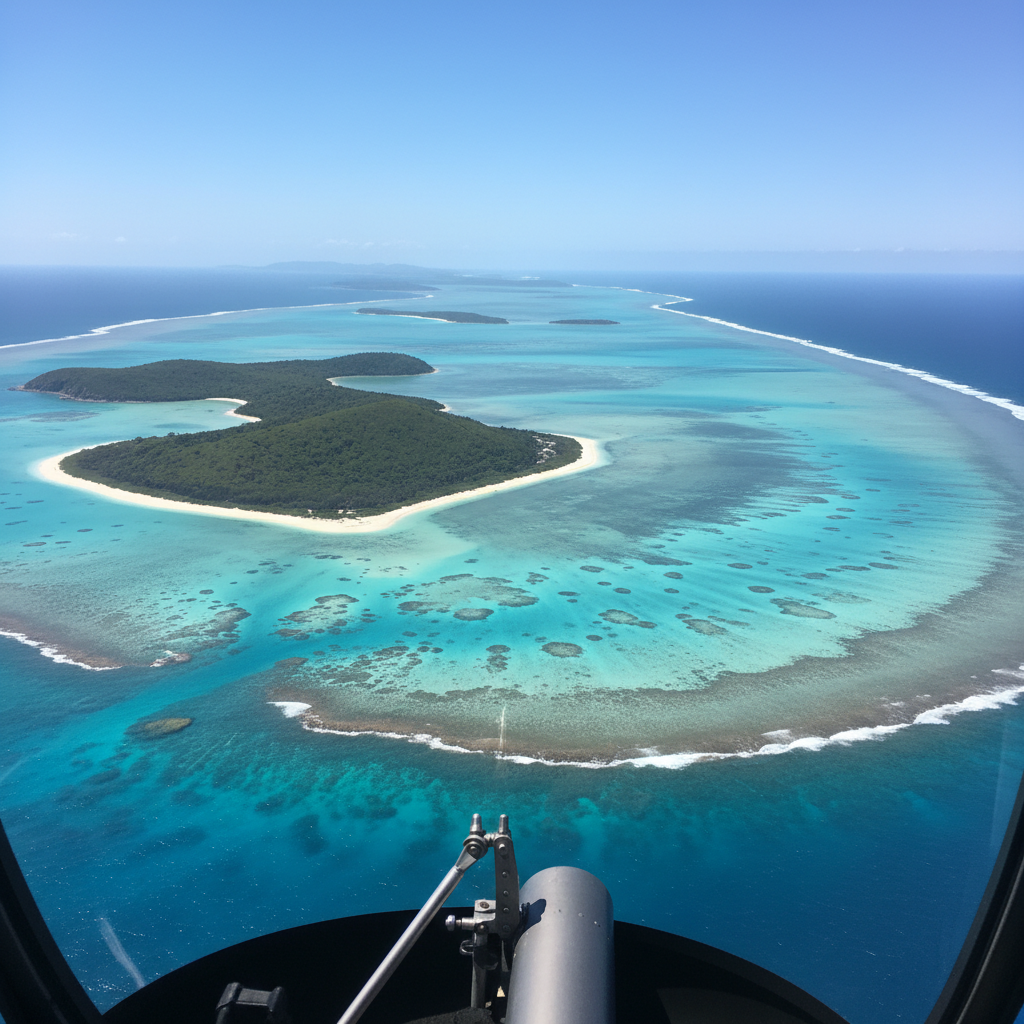
The tour covers Heart Reef (12 kilometres offshore), Whitehaven Beach's 7-kilometre stretch, Hamilton Island Resort, Langford Island, and Border Island's fringing reefs. The flight path maximizes viewing time over these UNESCO World Heritage sites while maintaining efficient fuel consumption and scheduling.
The journey begins with a spectacular takeoff from Airlie Beach Airport, immediately revealing the contrast between the mainland's mountainous terrain and the azure waters dotted with islands. Within five minutes, you're soaring over the outer edge of the Great Barrier Reef, where Heart Reef appears as nature's valentine card – a perfectly formed coral heart measuring approximately 17 metres across.
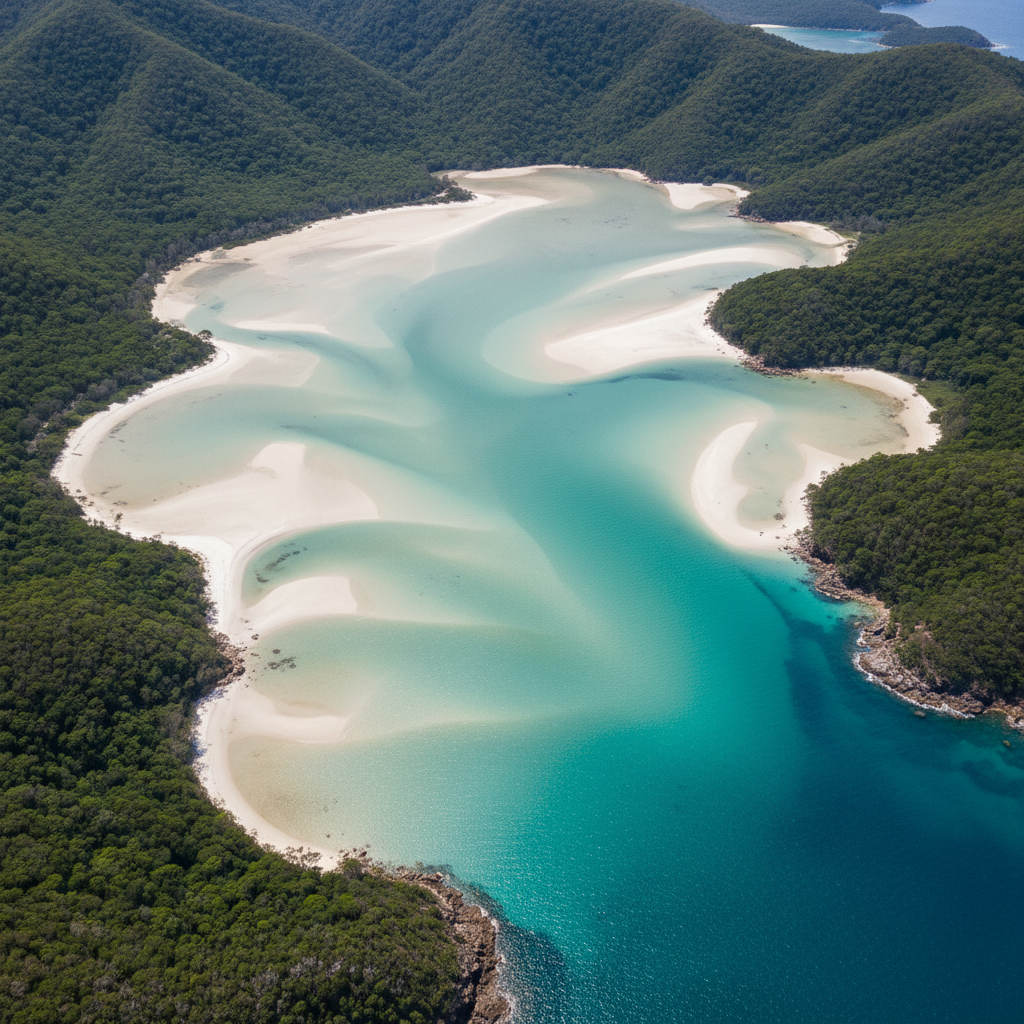
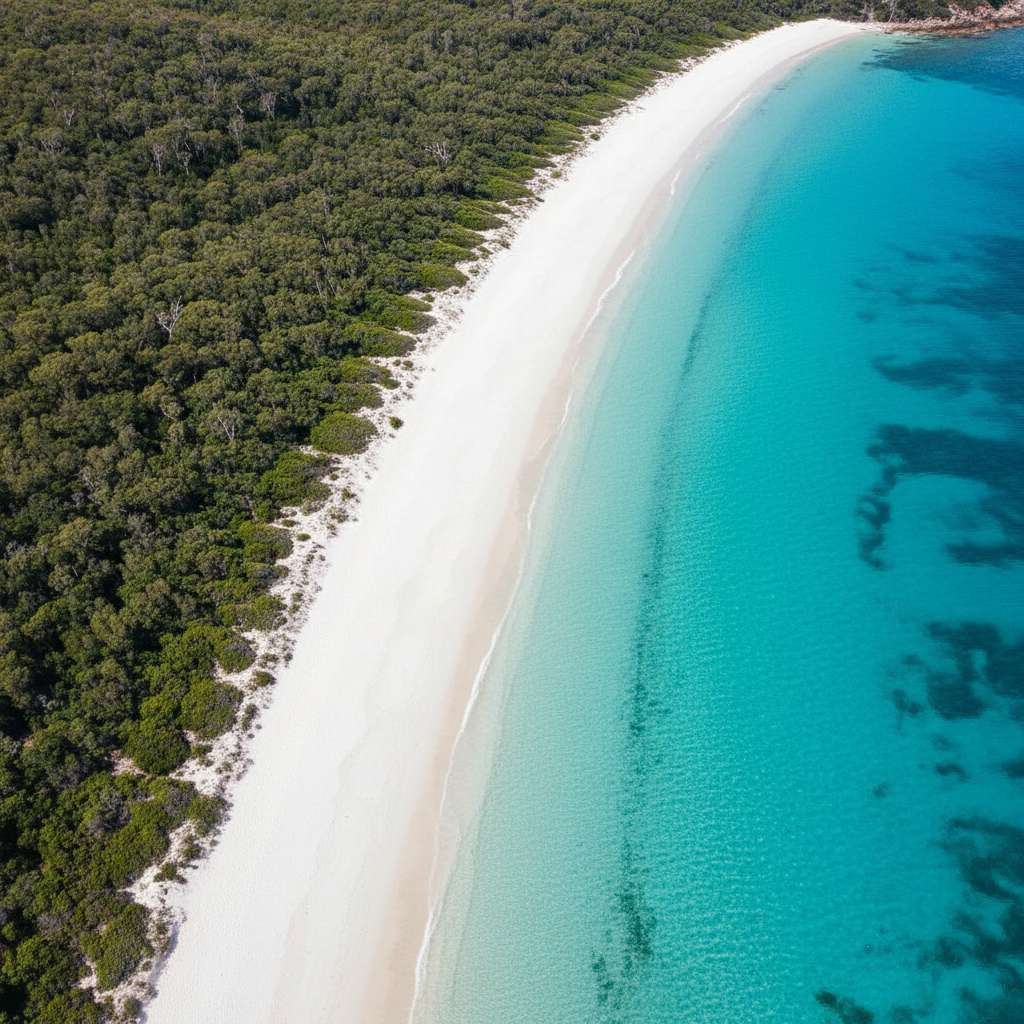
Whitehaven Beach dominates the middle section of the tour, its 98.9% pure silica sand creating a brilliant white ribbon against the emerald waters. The pilot typically circles the northern end where Hill Inlet creates swirling patterns as tidal movements shift the sand and water into constantly changing designs. This natural phenomenon is best appreciated from above, making helicopter tours the optimal viewing method.
Hamilton Island appears as a bustling resort destination with its distinctive marina, golf course, and luxury accommodations clearly visible. The contrast between developed Hamilton Island and untouched wilderness islands provides fascinating perspective on conservation efforts throughout the region.
How does the view quality compare to other scenic flight options?
Helicopter tours provide superior viewing angles compared to seaplanes due to slower speeds (160 km/h vs 200 km/h), ability to hover, and unobstructed 360-degree windows. The lower altitude also delivers more detailed reef and beach imagery than high-altitude scenic flights.
Unlike fixed-wing scenic flights that must maintain forward momentum, helicopters can pause mid-air over particularly stunning locations. This hovering capability proves invaluable when photographing Heart Reef or capturing the perfect shot of Whitehaven Beach's swirling sands. The pilot regularly adjusts position to ensure all passengers receive optimal viewing opportunities.
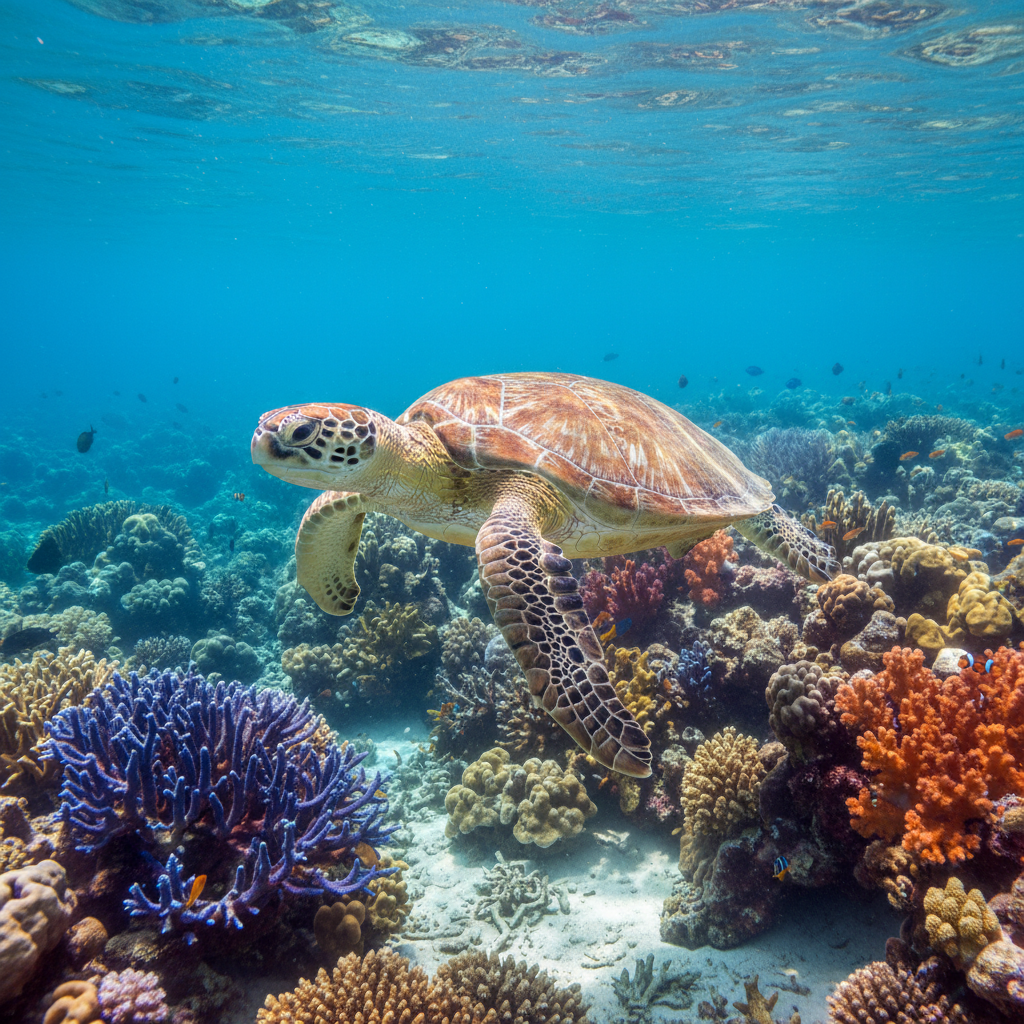
Seaplane tours cover greater distances but sacrifice intimacy for scope. The helicopter's ability to fly at 500 feet altitude means you can clearly distinguish individual coral formations, spot marine life like rays and reef sharks, and appreciate the intricate details of each island's unique characteristics. This proximity creates a more immersive experience than traditional aircraft tours.
Weather conditions significantly impact tour quality. Morning flights typically offer calmer air and better visibility, particularly during the dry season (April to November). Afternoon flights can encounter thermal turbulence and hazy conditions that reduce photographic opportunities, though pilots adjust routes accordingly to maximise viewing potential.
What should passengers expect regarding comfort and safety measures?
Passengers experience minimal turbulence in the modern EC130 helicopters, which feature noise-cancelling headsets, air conditioning, and spacious seating. All passengers receive comprehensive safety briefings covering emergency procedures, and pilots maintain constant communication with air traffic control throughout the 20-minute flight.
The pre-flight safety briefing covers emergency procedures, including water landing protocols and life jacket usage. While helicopter water landings are extremely rare, all aircraft carry emergency flotation devices and emergency locator beacons. Passengers with mobility concerns should note that helicopter boarding requires stepping up approximately 60 centimetres from ground level.
Weight restrictions apply for safety and balance reasons – the maximum weight per passenger is 120 kilograms, with total aircraft weight carefully calculated before each departure. Passengers exceeding weight limits may need to purchase additional seats or consider alternative tour options. The company maintains strict adherence to Civil Aviation Safety Authority regulations.
Motion sensitivity varies among passengers. The helicopter's smooth flight characteristics and pilot's gentle maneuvering typically cause less motion sickness than boat tours, but passengers prone to travel sickness should consider taking preventive medication 30 minutes before departure.
How does the $329 price point compare to similar helicopter experiences?
At $329 per person, the Whitsunday Whirl offers competitive value compared to similar 20-minute helicopter tours across Australia, which typically range from $280-$380. The tour includes all major Whitsunday highlights, making it cost-effective compared to longer flights that may cost $150-200 per additional 10 minutes.
Comparing this pricing to alternative Whitsunday experiences reveals excellent value. A full-day sailing tour to Whitehaven Beach costs $180-220 per person but requires 8-10 hours and depends on weather conditions. The helicopter tour delivers similar visual experiences in 20 minutes, though obviously without the beach landing and swimming opportunities.
Premium helicopter tours extending to 40-60 minutes cost $580-850 per person, offering additional reef locations and potentially including remote beach landings. However, the Whitsunday Whirl captures approximately 80% of the visual highlights for 40% of the premium price, making it ideal for budget-conscious travelers or those with limited time.
Group discounts and package deals occasionally reduce individual costs. Booking multiple experiences through helicopter tour packages can yield savings of 10-15%. Off-season pricing (December to March) sometimes offers reduced rates, though weather conditions may be less favorable during these months.
What photography tips work best for capturing the aerial views?
Use continuous shooting mode, shoot through open windows when possible, maintain fast shutter speeds (minimum 1/250 second), and position polarizing filters to reduce water glare. The pilot announces optimal photo moments, typically spending extra time hovering over Heart Reef and Whitehaven Beach's northern swirls.
Camera equipment considerations include bringing extra batteries, as helicopter vibrations can drain power faster than expected. Lens focal lengths between 24-85mm work best for capturing both wide landscape shots and detailed reef imagery. Avoid using UV filters, which can create unwanted reflections when shooting through helicopter windows.
Smartphone photography produces excellent results with modern devices. Enable airplane mode to preserve battery life and use burst mode during key moments. The helicopter's smooth flight characteristics minimize motion blur, but maintaining steady hands remains important for sharp images.
Timing affects lighting quality significantly. Morning flights (8:00-10:00 AM) provide the best natural lighting for photography, with the sun positioned to illuminate reef colors without creating harsh shadows. Late afternoon flights can produce dramatic golden hour effects but may sacrifice detail visibility in darker water areas.
When are the optimal booking times and weather considerations?
Book morning flights (8:00-10:00 AM) during dry season (April to November) for optimal weather conditions and visibility. Afternoon flights during wet season (December to March) may encounter tropical thunderstorms, though helicopter tours operate year-round with weather-dependent cancellations for passenger safety.
Seasonal weather patterns significantly impact tour quality. The dry season delivers consistent southeast trade winds, clear skies, and excellent visibility extending beyond 50 kilometres. Wet season tours face higher cancellation rates due to afternoon thunderstorms and reduced visibility, though morning flights often proceed as scheduled.
Wind conditions affect helicopter stability and passenger comfort. Pilots monitor wind speeds and may adjust routes or altitude to ensure smooth flights. Trade winds typically strengthen throughout the day, making early morning departures preferable for sensitive passengers.
Advance booking becomes essential during peak seasons (school holidays and winter months June-September). Same-day bookings are often available during quieter periods (February-May, excluding Easter), but weather windows may be limited. Flexible travelers benefit from multiple day availability, allowing rebooking if weather conditions prove unfavorable.
How does this tour work for first-time helicopter passengers?
First-time helicopter passengers find the Whitsunday Whirl ideal due to its moderate 20-minute duration, gentle flight characteristics, and experienced pilots who explain procedures thoroughly. The smooth EC130 aircraft and stunning scenery help nervous flyers overcome initial apprehension quickly.
Pre-flight nerves are completely normal and expected. The pilot's comprehensive safety briefing and calm demeanor help establish confidence before takeoff. The helicopter's takeoff is surprisingly gentle – more like an elevator rising than an airplane's rapid acceleration. Within minutes, the spectacular scenery typically distracts passengers from any initial anxiety.
The 20-minute duration provides adequate helicopter experience without overwhelming newcomers. Longer flights might cause fatigue or motion sensitivity in first-time flyers, while shorter tours (10-15 minutes) feel rushed and don't allow proper acclimatization to the unique perspective.
Motion characteristics differ significantly from fixed-wing aircraft. Helicopters move more smoothly through air turbulence and can adjust course gradually rather than banking sharply. This gentler movement pattern suits passengers who struggle with traditional airplane travel.
Whether you're seeking the perfect introduction to helicopter touring or want to experience the Whitsundays' most spectacular landmarks in minimal time, the Whitsunday Whirl delivers exceptional value and unforgettable memories. Ready to book your aerial adventure? Visit Airlie to Whitehaven to secure your spot on this incredible 20-minute journey above one of the world's most beautiful destinations.