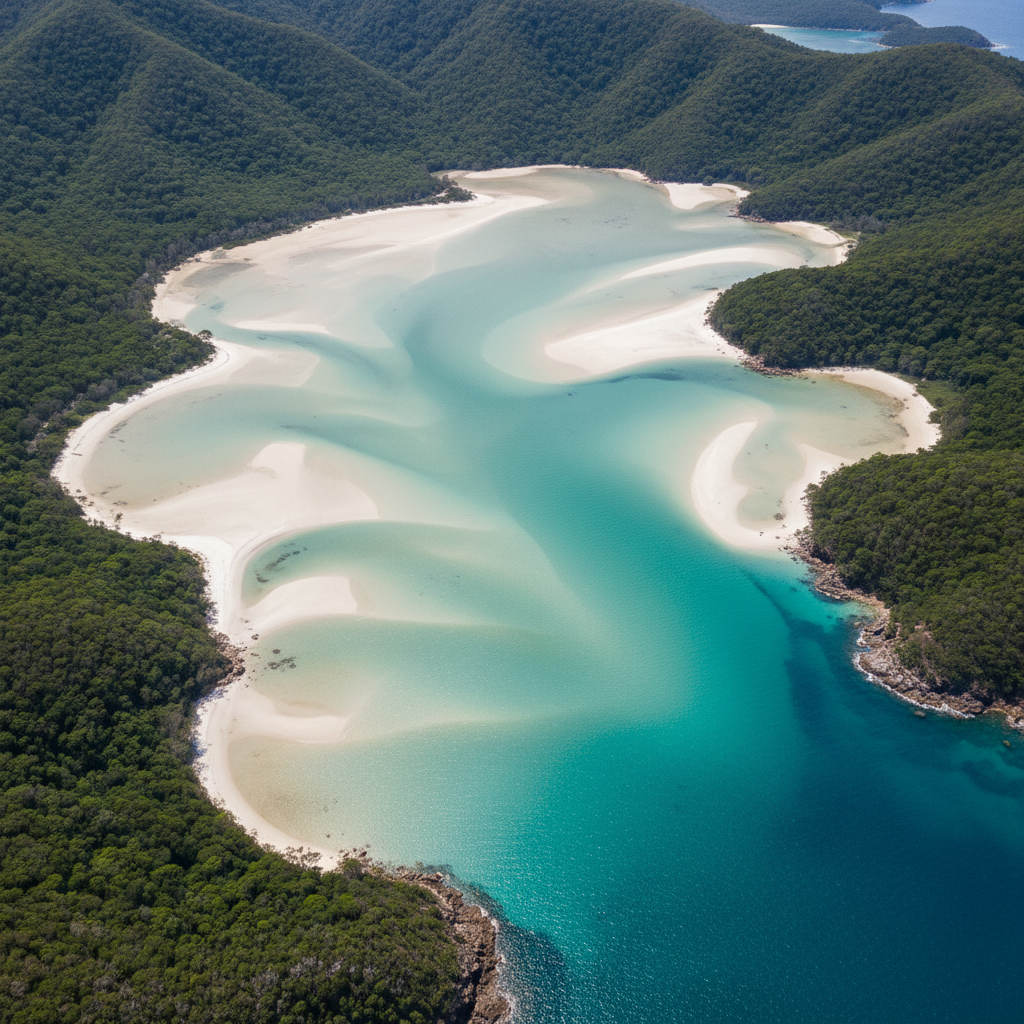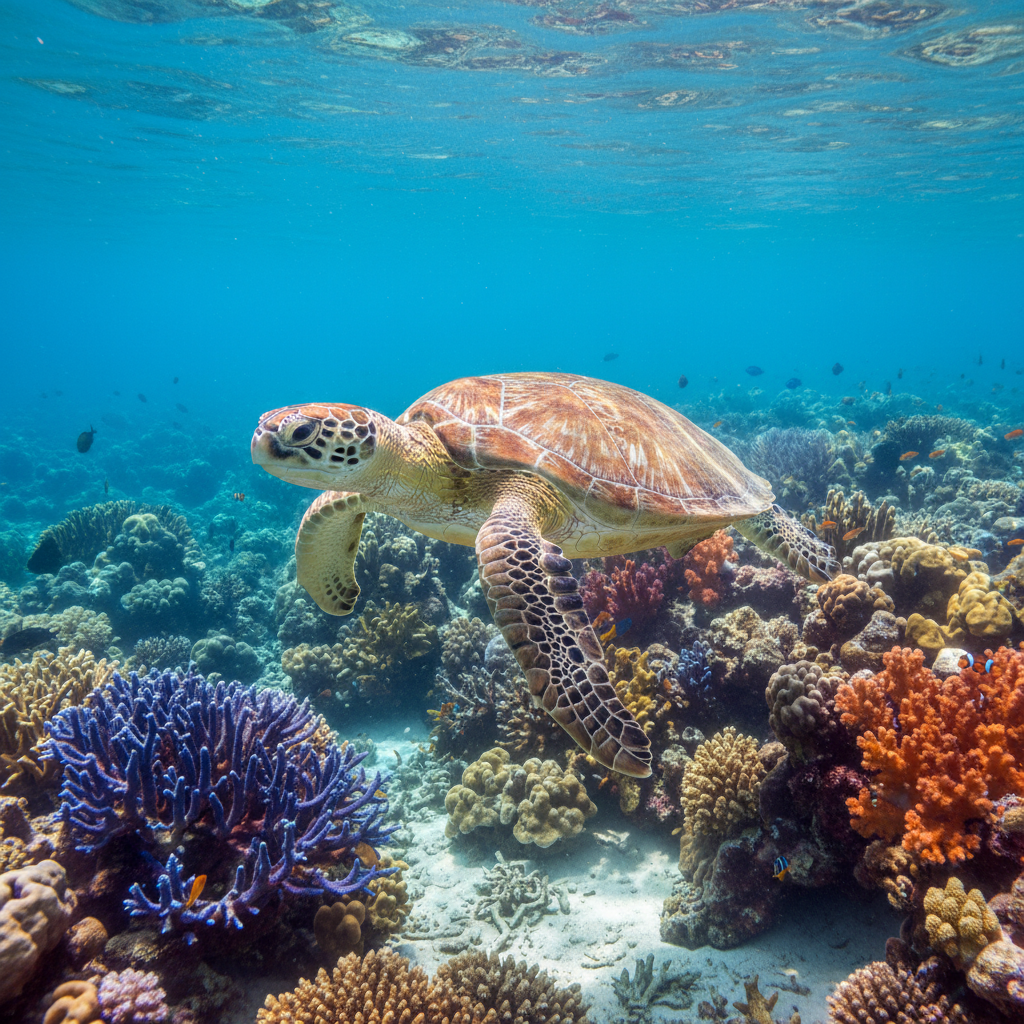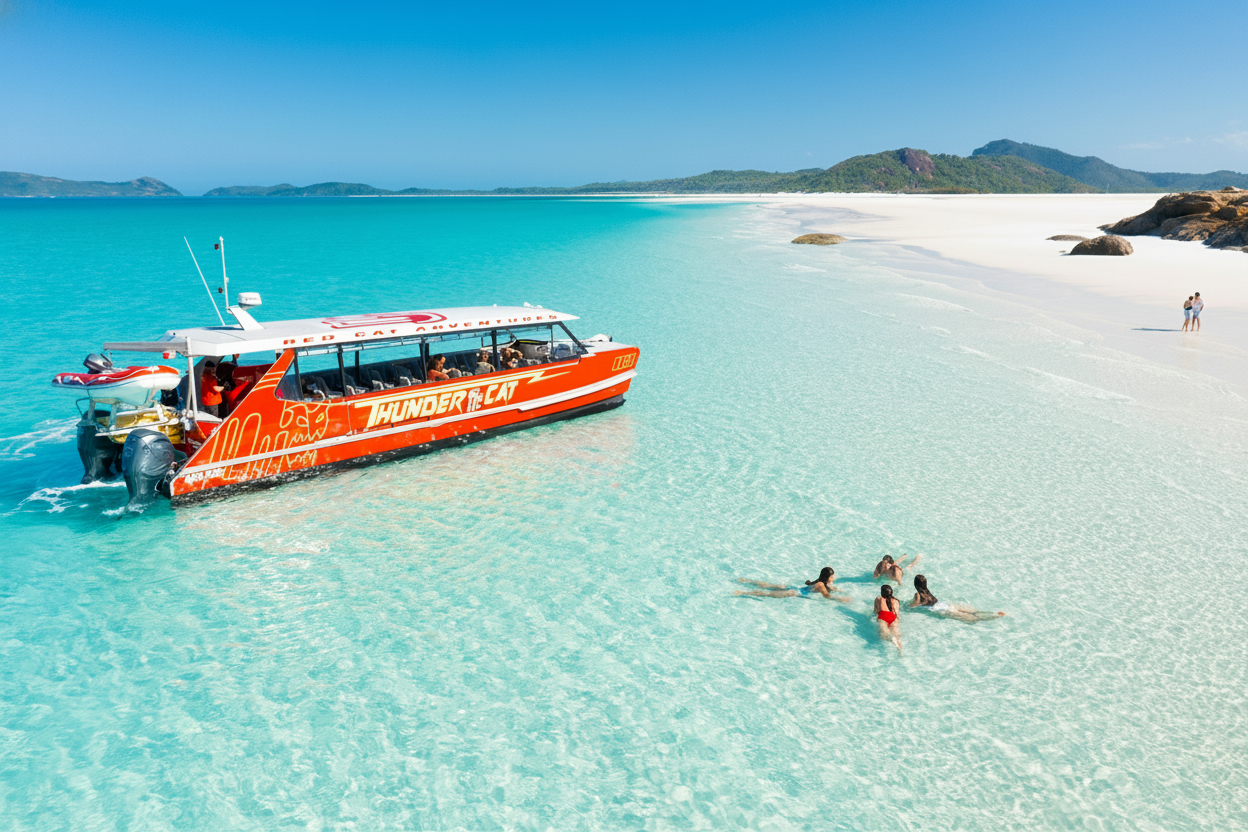
The waters around Airlie Beach offer some of Australia's most exciting deep sea fishing, where the continental shelf drops away just 20 nautical miles offshore into depths exceeding 1,000 metres. These nutrient-rich waters attract massive pelagic species including black marlin, Spanish mackerel, coral trout, and giant trevally, making the Whitsundays a world-class fishing destination. Whether you're chasing your first billfish or targeting trophy-sized reef species, Airlie Beach's professional charter fleet provides access to both shallow reef systems and blue water fishing grounds year-round.
What fish species can you catch on Airlie Beach deep sea fishing charters?
Airlie Beach waters host over 50 targeted species including black marlin (peak December-May), Spanish mackerel, coral trout, red emperor, mangrove jack, giant trevally, queenfish, and mackerel tuna, with seasonal variations affecting availability and size.
The diversity of fishing opportunities around Airlie Beach is remarkable, thanks to the unique geography where shallow coral reefs meet deep oceanic waters. Black marlin are the ultimate prize, with fish ranging from 20kg juveniles to monsters exceeding 300kg. Peak season runs December through May, when water temperatures exceed 26°C and baitfish schools are most abundant.
Spanish mackerel are incredibly popular targets, averaging 8-15kg with specimens over 20kg caught regularly. They're present year-round but most active during the cooler months (April to September). Coral trout varieties include common coral trout, bar-cheeked trout, and the prized red throat emperor, typically caught in 15-60 metre depths around reef edges.
Giant trevally patrol both reef flats and blue water, with fish ranging from 5kg schoolies to 40kg+ giants that test even the heaviest tackle. Red emperor and mangrove jack provide excellent eating, typically caught around structure in 40-100 metre depths. Queenfish and mackerel tuna offer spectacular surface action, especially during bait runs.
Seasonal factors significantly impact target species. The wet season (November-April) brings warmer water temperatures that attract billfish and pelagic species closer to shore. The dry season (May-October) offers calmer conditions ideal for bottom fishing and reef species.
How much do deep sea fishing charters from Airlie Beach cost?
Half-day charters (4-6 hours) cost $180-$350 per person, full-day trips range $350-$600 per person, while private charters cost $1,800-$4,500 depending on boat size, duration, and included services like meals and beverages.
Shared charter pricing varies significantly based on boat quality, group size, and inclusions. Budget half-day options start around $180 per adult for basic 4-hour trips on smaller vessels. Mid-range operators charge $250-$300 for 5-6 hour trips with better equipment and smaller group sizes. Premium shared charters cost $320-$350 but include restaurant-quality meals, premium tackle, and experienced crews.
Full-day shared charters (8-10 hours) typically cost $350-$450 for standard operators, rising to $500-$600 for luxury vessels with gourmet catering. These longer trips access more remote fishing grounds and allow time for multiple fishing styles.
Private charter rates depend heavily on vessel size and specifications. Small private boats (6-8 people) start around $1,800 for half-day trips, while larger vessels (10-12 people) cost $2,500-$3,200. Full-day private charters range from $3,200 for basic boats to $4,500+ for luxury sportfishing vessels with air conditioning, quality sound systems, and premium equipment.
Additional costs include fishing licenses ($48 for Queensland recreational fishing license), tackle hire if not included ($30-$50), and fish cleaning services ($5-$10 per fish). Most operators include basic tackle, bait, and safety equipment, but premium lures and heavy-duty game fishing gear often cost extra.
What's the difference between half-day and full-day fishing charters?
Half-day charters (4-6 hours) focus on nearby reefs and inshore species, while full-day trips (8-10 hours) access distant blue water grounds for billfish and larger pelagics, with more diverse fishing opportunities.
Half-day charters typically depart at 7:00 AM or 1:00 PM, targeting reef species within 10-15 nautical miles of Airlie Beach. These trips excel for coral trout, Spanish mackerel, and smaller pelagics around the inner reef systems. The shorter duration suits families with young children, first-time anglers, or those prone to seasickness. Fishing techniques focus on bottom bouncing, trolling lures, and live baiting around structure.
Full-day adventures usually start between 5:30-6:30 AM, allowing time to reach the continental shelf edge 20-30 nautical miles offshore where black marlin, sailfish, and large Spanish mackerel hunt. These trips often combine multiple fishing styles: early morning trolling for billfish, midday bottom fishing on deep reefs, and afternoon sessions targeting schooling pelagics.
The extended timeframe allows crews to adapt to conditions and fish behavior. If marlin aren't biting in blue water, captains can move to productive reef areas. Full-day trips also provide opportunities for techniques like live baiting with whole fish, deep dropping for large bottom species, and covering more territory to find active fish.
Weather considerations favor full-day charters during stable periods, while half-day options provide flexibility when conditions are marginal. The additional travel time to prime fishing grounds makes full-day trips significantly more productive for serious anglers targeting trophy species.
When is the best time of year for deep sea fishing from Airlie Beach?
April through September offers ideal conditions with minimal rainfall, calmer seas, and excellent fishing for Spanish mackerel and reef species, while December to May provides peak black marlin season despite occasional weather challenges.
The dry season (April-September) represents the most reliable fishing period, with trade winds typically under 20 knots and rainfall averaging less than 100mm monthly. Water temperatures range 22-26°C, perfect for Spanish mackerel, coral trout, and bottom species. Visibility often exceeds 30 metres, making it easier to spot schools and structure.
May through August particularly favors Spanish mackerel fishing, with large schools moving through the area during their winter migration. This period also coincides with whale watching season, allowing combination trips targeting both fishing and marine wildlife observation.
The wet season (October-March) brings higher water temperatures (26-29°C) that attract billfish species, particularly black marlin. December through February marks peak marlin season, with juvenile fish (20-80kg) most common, though larger specimens over 200kg are possible. However, this period also brings afternoon thunderstorms, rough seas, and reduced visibility.
Seasonal targeting strategies vary significantly. Dry season trips focus on Spanish mackerel trolling in early morning, followed by bottom fishing during calmer midday conditions. Wet season charters prioritize early departures to avoid afternoon weather, concentrating on marlin trolling and live baiting techniques.
Moon phases influence fishing success regardless of season. New moon periods typically produce better bottom fishing, while full moon phases can improve surface action for pelagic species. Professional operators adjust departure times and fishing locations based on lunar cycles and seasonal patterns.
What should you bring on an Airlie Beach deep sea fishing charter?
Essential items include sunscreen (30+ SPF), polarized sunglasses, non-slip shoes, hat, water bottle, snacks, seasickness medication, and appropriate clothing for sun protection, with most tackle and safety equipment provided by operators.
Sun protection is absolutely critical on open water where UV reflection intensifies exposure. Pack high-SPF sunscreen (30+ minimum), reapplying every two hours even on cloudy days. Polarized sunglasses reduce glare and help spot fish, while wide-brimmed hats provide facial protection. Long-sleeved UV shirts and pants offer superior protection compared to regular clothing.
Footwear should prioritize safety and comfort. Non-slip boat shoes or deck shoes with good grip prevent slipping on wet surfaces. Avoid thongs, high heels, or shoes with black soles that mark boat decks. Some operators provide specific footwear requirements in pre-trip communications.
Personal items include any prescription medications, especially seasickness remedies if you're prone to motion sickness. Take seasickness medication 30 minutes before departure, even if you normally don't get seasick - open ocean conditions differ significantly from protected waters. Bring extra water beyond what's provided, especially on full-day trips.
What NOT to bring: Avoid glass containers, aerosol sunscreens (spray types), excessive valuables, or dark-soled shoes. Most operators prohibit bananas on board due to fishing superstitions, though this varies by crew. Don't bring your own tackle unless specifically requested - professional gear is provided and maintained to handle large fish safely.
Many operators provide comprehensive equipment lists during booking confirmation. Quality charters include all fishing gear, safety equipment, bait, tackle, and basic refreshments. Some luxury operators provide UV-protective clothing, premium sunscreen, and specialized gear for specific techniques. For more detailed information about fishing preparations and what to expect, check out our comprehensive fishing guide for the Whitsundays.
How do you choose the right deep sea fishing charter operator?
Select operators with experienced local captains, well-maintained vessels, comprehensive safety equipment, positive recent reviews, appropriate licensing, and clear policies on fish keeping, weather cancellations, and group sizes for optimal experience.
Captain experience trumps boat size or flashy marketing. Look for skippers with 5+ years local experience who understand Whitsundays waters, fish behavior, and seasonal patterns. Experienced captains know productive fishing spots, can read weather conditions accurately, and adapt techniques to current conditions. Ask about captain qualifications and local knowledge during inquiries.
Vessel condition and safety are non-negotiable factors. Reputable operators maintain boats to commercial survey standards, with current safety certificates displayed. Check for adequate shade, comfortable seating, clean facilities, and proper safety equipment including EPIRB beacons, life jackets, and first aid supplies. Well-maintained fishing gear indicates professional operation standards.
Group size policies significantly impact fishing quality. Smaller groups (6-8 people) provide more personalized attention, better fishing opportunities, and less crowded conditions. Large groups (15+ people) often struggle with tackle tangles, limited fishing time per person, and reduced success rates.
Transparent policies regarding fish keeping, weather cancellations, and additional charges indicate professional operations. Quality operators provide clear information about what fish you can keep, fillet services, weather cancellation policies (typically 24-48 hours notice), and any extra costs for tackle, licenses, or premium services.
Recent reviews and recommendations provide valuable insights into actual fishing experiences. Look for consistent positive feedback about fish catches, crew knowledge, boat conditions, and overall value. Pay attention to reviews from serious anglers versus casual tourists, as expectations and standards differ significantly.
For detailed comparisons of local operators and their specialties, visit our guide to the best fishing charters in the Whitsundays.
What fishing techniques are most effective in Airlie Beach waters?
Trolling with lures and live bait produces excellent results for pelagic species, while bottom bouncing and jigging work best for reef fish, with technique selection depending on target species, water depth, and seasonal conditions.
Trolling techniques dominate offshore fishing around Airlie Beach. High-speed trolling (8-12 knots) with heavy lures targets Spanish mackerel and tuna, while slower speeds (4-6 knots) work better for black marlin and sailfish. Popular lures include Halco Laser Pro 190, Rapala X-Rap Magnum, and locally-made cedar plugs in blue, white, and pink color combinations.
Live baiting proves deadly for large pelagics when trolling slows down. Common bait includes yakkas (yellowtail scad), slimy mackerel, and small queenfish caught on sabiki rigs. Live baits are fished on circle hooks with minimal weight, allowing natural swimming action that attracts predators.
Bottom fishing techniques target reef species in 15-80 metre depths. Heavy jigs (80-200 grams) work well for coral trout and red emperor around structure. Flasher rigs with multiple hooks and small pieces of squid or pilchard catch mixed reef species effectively. Paternoster rigs prevent tangles when multiple people fish simultaneously.
Jigging methods have gained popularity for their effectiveness and excitement. Vertical jigging with 100-300 gram metal jigs produces spectacular results for giant trevally, coral trout, and mackerel. The technique requires specific rod action and timing but generates aggressive strikes from territorial fish.
Seasonal technique adjustments are crucial for consistent success. Dry season fishing emphasizes bottom techniques and Spanish mackerel trolling, while wet season tactics focus on billfish trolling and live baiting. Professional crews adapt techniques throughout the day based on fish activity and environmental conditions.
Are there any restrictions or regulations for deep sea fishing from Airlie Beach?
Queensland recreational fishing requires valid licenses ($48 annually), follows strict size and bag limits for each species, prohibits fishing in marine park green zones, and mandates circle hooks for some techniques to protect marine ecosystems.
Licensing requirements apply to all recreational fishers over 18 years of age. The Queensland recreational fishing license costs $48 for residents and non-residents, valid for three years from purchase date. Licenses are available online, at fishing shops, or through the Queensland Boating and Fisheries Patrol. Most charter operators assist with licensing requirements but responsibility remains with individual anglers.
Size and bag limits vary by species and are strictly enforced. Coral trout have a 35cm minimum size and 7-fish bag limit. Spanish mackerel require 90cm minimum length with a 1-fish bag limit. Black marlin have no size limit but 1-fish possession limit. Red emperor need 55cm minimum size with 5-fish combined coral reef fin fish limit. These regulations change periodically, so check current rules before fishing.
Marine park zoning significantly impacts fishing locations. Green zones (no-take areas) prohibit all fishing and cover approximately 30% of the Great Barrier Reef Marine Park. Yellow zones allow limited recreational fishing with restrictions. Blue zones permit most recreational activities. Charter operators navigate these zones expertly, but private boat operators must understand current zoning maps.
Gear restrictions include mandatory circle hooks for bottom fishing to reduce deep hooking and fish mortality. Some areas restrict lead sinkers due to environmental concerns. Berley (burley) use is regulated in certain zones to prevent wildlife conditioning. Professional operators provide compliant gear and ensure all techniques meet current regulations.
Enforcement and penalties for fishing violations can be severe, including substantial fines, license suspension, and equipment confiscation. Queensland Boating and Fisheries Patrol officers regularly inspect charter boats and recreational vessels. Ignorance of regulations is not accepted as a legal defense, making pre-trip education essential.
How do weather conditions affect deep sea fishing from Airlie Beach?
Calm conditions (winds under 15 knots) provide optimal fishing with smooth seas and accurate lure presentation, while winds over 25 knots create challenging conditions affecting boat handling, fishing techniques, and passenger comfort levels.
Wind impact on fishing success cannot be overstated. Light winds (5-15 knots) allow precise lure placement, effective bottom fishing, and comfortable conditions for all skill levels. Moderate winds (15-25 knots) create choppy seas that make some techniques difficult but can actually improve fishing by creating water movement that activates baitfish and predators.
Strong wind conditions (25+ knots) significantly limit fishing options. Trolling becomes less effective due to lure action inconsistency, while bottom fishing requires heavier sinkers and shorter lines. Many operators cancel trips when winds exceed 30 knots due to safety concerns and poor fishing conditions.
Swell and wave height affect both fishing success and passenger comfort. Swells under 1.5 metres generally provide good fishing conditions, while larger swells make precise boat positioning difficult and increase seasickness risk. The direction of swell relative to wind creates varying sea states that experienced captains read expertly.
Barometric pressure changes influence fish behavior significantly. Falling pressure often triggers feeding activity as fish sense approaching weather systems. Rising pressure typically slows fishing as fish become less active. Many experienced anglers target the 6-12 hours before weather fronts arrive for peak fishing action.
Seasonal weather patterns help predict fishing conditions. Trade wind season (May-September) provides consistent conditions with predictable daily patterns. Wet season weather is more variable, with afternoon thunderstorms common but mornings often calm. Professional operators monitor multiple weather sources and adjust departure times to maximize fishing time in optimal conditions.
Rain effects on fishing vary by intensity and duration. Light rain often improves fishing by reducing surface glare and cooling water temperatures. Heavy rain reduces visibility, creates surface disturbance that affects lure presentation, and can force fish deeper.
What should beginners know before their first deep sea fishing charter?
First-time deep sea anglers should inform operators of their experience level, take seasickness prevention seriously, learn basic knots and techniques beforehand, follow crew instructions precisely, and maintain realistic expectations about fish catches and physical demands.
Pre-trip preparation significantly impacts first-time experiences. Research basic fishing terminology, practice tying improved clinch knots, and watch online videos about fighting fish techniques. Understanding fundamentals like drag settings, rod handling, and hook-setting reduces learning curve stress during actual fishing.
Seasickness prevention is crucial for enjoyable experiences. Take motion sickness medication 30-60 minutes before departure, even if you rarely get car sick. Ocean conditions differ dramatically from protected waters. Consider natural remedies like ginger tablets, pressure point wristbands, or prescription medications for severe susceptibility. Stay hydrated and avoid alcohol the night before departure.
Physical expectations should be realistic. Fighting large fish requires strength, endurance, and proper technique. Coral trout fights last 2-5 minutes, while big Spanish mackerel can battle for 10-15 minutes. Black marlin fights often exceed 30 minutes and test even experienced anglers. Listen carefully to crew coaching about pumping and winding techniques to avoid exhaustion.
Equipment familiarity helps reduce intimidation. Most charter boats use spinning reels or overhead baitcasters with heavy drag systems. Practice basic operations like engaging drag, understanding rod guides, and proper line handling. Quality operators provide thorough equipment orientation before fishing begins.
Crew interaction determines fishing success. Professional crews possess extensive local knowledge and technical expertise. Ask questions about techniques, target species, and local conditions. Follow instructions precisely regarding safety protocols, fighting techniques, and boat movement. Experienced crews can dramatically improve novice angling success through proper guidance.
Photography and memories are important considerations. Bring waterproof camera protection or designated photography crew member. Many operators provide professional fish photography services. Consider catch-and-release practices for sustainability, especially for large or breeding-size fish. Quality photos provide lasting memories without impacting fish populations.
For comprehensive information about what to expect and how to prepare, browse our selection of Airlie Beach tours including detailed fishing charter descriptions and preparation guides.
How far from shore do Airlie Beach deep sea fishing charters go?
Most half-day charters fish 5-15 nautical miles offshore targeting reefs and inshore species, while full-day trips venture 20-35 nautical miles to reach continental shelf edges and blue water fishing grounds for pelagic species.
Inshore fishing zones (2-8 nautical miles) around the Whitsunday Islands provide excellent opportunities for coral trout, Spanish mackerel, and various reef species. These protected waters offer calm conditions suitable for beginners and families, with numerous coral bombies, drop-offs, and structure that hold fish consistently.
Mid-range fishing areas (8-20 nautical miles) access deeper reefs and the transition zone between inshore and offshore waters. This zone produces larger Spanish mackerel, coral trout, red emperor, and occasional pelagic species. Travel time typically requires 30-45 minutes from Airlie Beach marinas.
Offshore blue water (20-35+ nautical miles) reaches the continental shelf edge where depths drop from 60 metres to over 1,000 metres within short distances. This dramatic underwater topography creates upwellings and current breaks that attract baitfish schools and large pelagics including black marlin, sailfish, and giant trevally.
Distance considerations significantly impact trip planning and fuel costs. Longer distances reduce actual fishing time, requiring earlier departures and longer days to maximize productivity. Weather conditions may limit how far operators can safely travel, with alternative closer fishing areas available when conditions deteriorate.
Fuel costs and group dynamics influence distance decisions. Private charters can choose specific distance/target combinations, while shared charters typically follow predetermined routes that balance travel time with fishing productivity. Quality operators communicate planned fishing areas during pre-trip briefings, adjusting for conditions and group preferences.
Ready to experience world-class deep sea fishing from Airlie Beach? Airlie to Whitehaven connects you with the region's most experienced charter operators, offering everything from half-day reef fishing adventures to full-day billfish expeditions. Our carefully selected partners provide professional equipment, experienced crews, and access to the Whitsundays' most productive fishing grounds. Book your deep sea fishing charter today and discover why these waters consistently produce some of Australia's most exciting fishing experiences.