The Whitsunday Islands offer some of Australia's most spectacular day trip experiences, with 74 tropical islands scattered across crystal-clear waters just off the Queensland coast. From Airlie Beach, you can explore pristine beaches, snorkel over coral gardens, and discover secluded bays that feel like your own private paradise. Whether you're after the famous Whitehaven Beach, want to swim with tropical fish, or prefer sailing through turquoise waters, there's a day trip perfectly suited to your adventure style.
Which Islands Can You Visit on a Day Trip from Airlie Beach?
From Airlie Beach, day trips typically visit Whitehaven Beach on Whitsunday Island, Hamilton Island, Daydream Island, Long Island, and Hook Island, with journey times ranging from 30 minutes to 2 hours depending on vessel type and weather conditions.
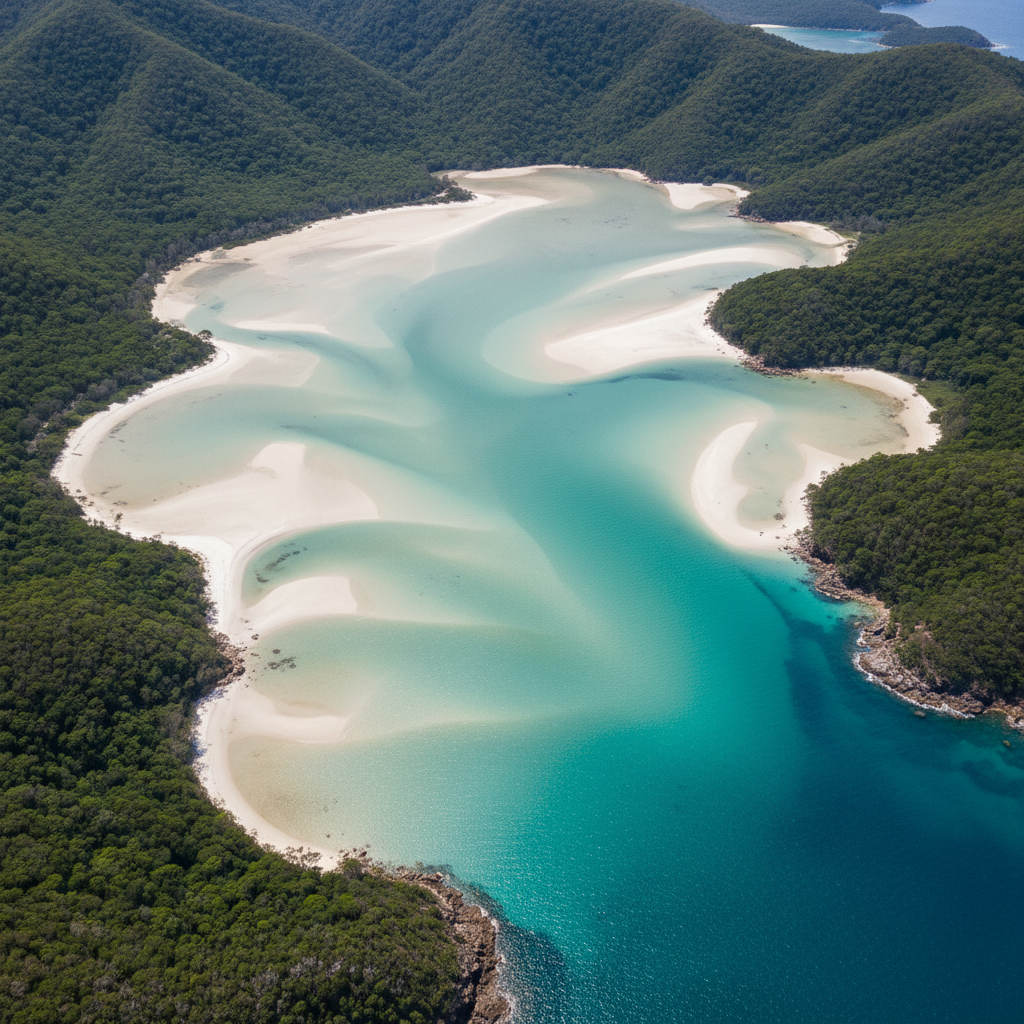
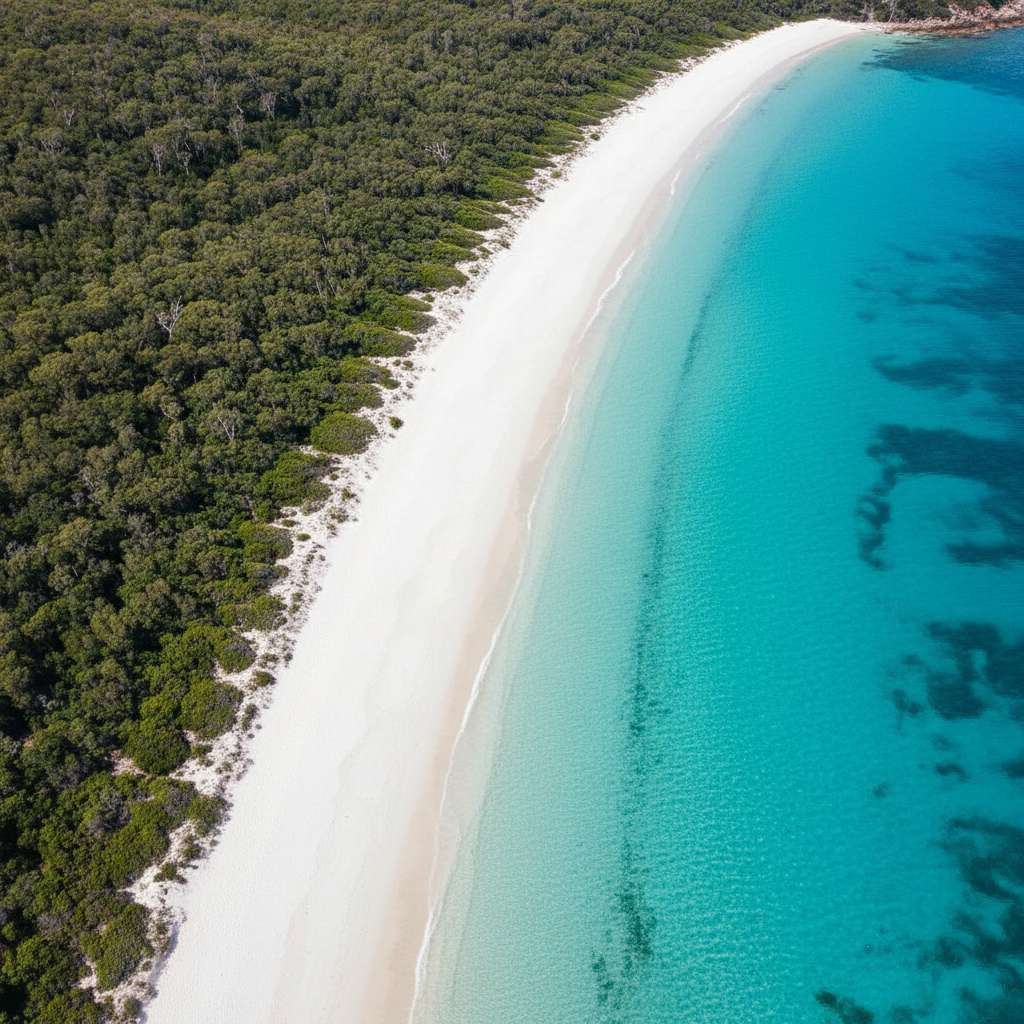
Whitehaven Beach on Whitsunday Island remains the crown jewel, famous for its 98.9% pure silica sand that stays cool underfoot even on scorching days. The 7-kilometre stretch of pristine beach consistently ranks among the world's best, with Hill Inlet offering the iconic swirling sand patterns you've seen in every Whitsundays brochure.
Hamilton Island provides a different experience entirely, featuring a bustling marina village with cafes, shops, and restaurants. You can ride the island's golf buggies, visit the wildlife park to meet koalas and kangaroos, or simply enjoy the resort atmosphere with its manicured beaches and palm-lined walkways.
Hook Island, the largest island in the Whitsundays at 53 square kilometres, offers excellent snorkelling opportunities at Maureen's Cove and Butterfly Bay. The island remains largely undeveloped, providing a more rugged, natural experience with bushwalking tracks and secluded beaches.
Daydream Island appeals to families and couples seeking a resort-style day experience. The island features an outdoor aquarium where you can hand-feed stingrays, plus multiple swimming pools and well-maintained beaches perfect for a relaxing day out.
How Do You Get to the Islands from Airlie Beach?
Day trips depart primarily from Abel Point Marina and Shute Harbour via high-speed catamarans, sailing boats, jet boats, helicopters, and seaplanes, with most tours including hotel transfers from Airlie Beach accommodation within 5 kilometres of the marina.
High-speed catamarans represent the most popular option, carrying 50-150 passengers and reaching speeds of 25-30 knots. These vessels typically take 45-90 minutes to reach Whitehaven Beach, depending on sea conditions and stops along the way. Companies like Cruise Whitsundays and Ocean Rafting operate daily services with comfortable seating, onboard toilets, and weather protection.
Sailing boats offer a more traditional experience, taking 2-3 hours to reach destinations but providing the authentic feeling of sailing through the islands. These trips often include sailing lessons and usually carry smaller groups of 12-30 people, creating a more intimate atmosphere.
Jet boats provide the fastest option for thrill-seekers, reaching Whitehaven Beach in just 30 minutes with high-speed rides that include 360-degree spins and wave jumping. These trips suit adventure lovers but may not be ideal for those prone to seasickness or young children.
Helicopter and seaplane tours offer spectacular aerial views but come with premium pricing, typically starting around $400-600 per person for half-day experiences. These tours provide unparalleled photo opportunities and can access multiple locations quickly.
What's the Best Time to Visit the Islands?
The optimal time for island day trips is during the dry season from April to November, featuring calm seas, minimal rainfall, and temperatures between 18-28°C, while avoiding the stinger season and cyclone period of December to March.
April through June offers arguably the best conditions, with settled weather patterns, calm seas, and comfortable temperatures averaging 23-26°C. This period sees less rainfall and humidity than the summer months, making it ideal for beach activities and snorkelling. Water temperatures remain warm at 24-26°C, perfect for swimming without wetsuits.
July through September brings slightly cooler but still pleasant conditions, with temperatures ranging from 18-25°C. This period coincides with humpback whale migration season, adding the bonus of potential whale sightings during your island adventures. Pack a light jacket for early morning departures and evening returns.
October and November mark the transition back to warmer weather, with temperatures rising to 25-28°C. These months often provide excellent conditions with minimal wind and clear skies, though occasional afternoon thunderstorms may develop.
The wet season from December to March brings higher temperatures (26-32°C), increased humidity, and the risk of tropical cyclones. Marine stingers are also present during this period, requiring protective stinger suits when swimming. While many tours still operate, weather can be unpredictable.
Which Tour Type Suits Different Budgets and Preferences?
Budget options start from $89 for basic sailing trips, mid-range tours cost $150-250 for catamaran experiences with meals, while premium helicopter and luxury sailing options range from $400-800 per person with exclusive access and gourmet inclusions.
For budget-conscious travellers, basic sailing day trips and shared boat transfers offer affordable access to the islands. These typically include transport to one or two destinations, basic refreshments, and snorkelling equipment, but you'll need to bring your own lunch and drinks. Ocean Rafting's half-day tours represent excellent value at around $125-150 per adult.
Mid-range options provide the sweet spot for most visitors, including full-day catamaran tours with buffet lunches, snorkelling equipment, and visits to 2-3 locations. These tours typically cost $180-250 per person and include morning tea, lunch, and afternoon refreshments, plus hotel transfers and professional guide commentary.
Premium experiences offer exclusive access, smaller group sizes, and luxury inclusions. Helicopter tours provide aerial perspectives and quick access to multiple locations but cost significantly more. Luxury sailing catamarans with gourmet meals, premium alcohol, and smaller passenger numbers create an upscale experience for special occasions.
Family packages often provide better value for groups, with children's discounts and family-friendly activities included. Many operators offer infant rates (0-3 years) and child rates (4-14 years) that can reduce overall costs significantly for families travelling together.
What Should You Bring on an Island Day Trip?
Essential items include reef-safe sunscreen (SPF 30+), hat, sunglasses, swimwear, towel, water bottle, and waterproof phone case, while tours typically provide snorkelling equipment, stinger suits during season, and basic refreshments depending on package inclusions.
Sun protection remains absolutely critical in the tropical Queensland climate. Pack broad-spectrum sunscreen with minimum SPF 30+, ensuring it's reef-safe to protect marine environments. A wide-brimmed hat and quality sunglasses provide additional protection, especially important during boat transfers when reflected sunlight intensifies exposure.
Clothing should include quick-dry swimwear, a light cover-up for sun protection, and a waterproof jacket during cooler months. Many visitors underestimate how cool it can get on boats during winter months or early morning departures. Closed-toe shoes with good grip help when boarding boats and walking on potentially slippery surfaces.
Photography equipment benefits from waterproof protection. Underwater cameras or waterproof phone cases allow you to capture snorkelling experiences and beach memories. Many tours visit locations perfect for social media content, so ensure your devices stay protected and charged throughout the day.
Personal items should include any required medications, especially seasickness tablets if you're prone to motion sickness. While most tours provide snorkelling equipment, those with prescription masks or specific preferences might prefer bringing their own gear.
How Do You Choose Between Different Island Destinations?
Choose Whitehaven Beach for iconic photography and pristine sand, Hamilton Island for facilities and activities, Hook Island for snorkelling and natural environments, or combination tours visiting multiple islands for comprehensive experiences within time constraints.
Whitehaven Beach suits visitors prioritising the quintessential Whitsundays experience. The beach offers unparalleled photo opportunities, particularly at Hill Inlet lookout where tidal movements create stunning sand patterns. The silica sand remains cool even on hot days, making it comfortable for extended beach time. Most tours spend 2-3 hours here, allowing time for swimming, walking, and photography.
Hamilton Island appeals to those wanting more than just beach time. The island features boutique shopping, multiple dining options, wildlife encounters, and resort facilities including pools and spas. It's ideal for visitors who prefer some infrastructure and activities beyond swimming and sunbathing. The island also serves as a refuelling stop for many multi-destination tours.
Hook Island provides the best snorkelling opportunities in the Whitsundays, with protected bays featuring diverse coral formations and abundant marine life. Maureen's Cove and Butterfly Bay offer excellent underwater visibility and tropical fish populations. This destination suits active travellers who prioritise marine experiences over beach lounging.
For comprehensive exploration, island hopping tours combine multiple destinations in single-day experiences. These typically include Whitehaven Beach for photographs, plus one or two snorkelling stops, providing varied experiences but shorter time at each location.
What Marine Life Can You Expect to See?
Common sightings include tropical reef fish like parrotfish, angelfish, and coral trout, plus green sea turtles, reef sharks, stingrays, and during June-September, migrating humpback whales passing through the Whitsunday Passage with calves and adults visible from boats.
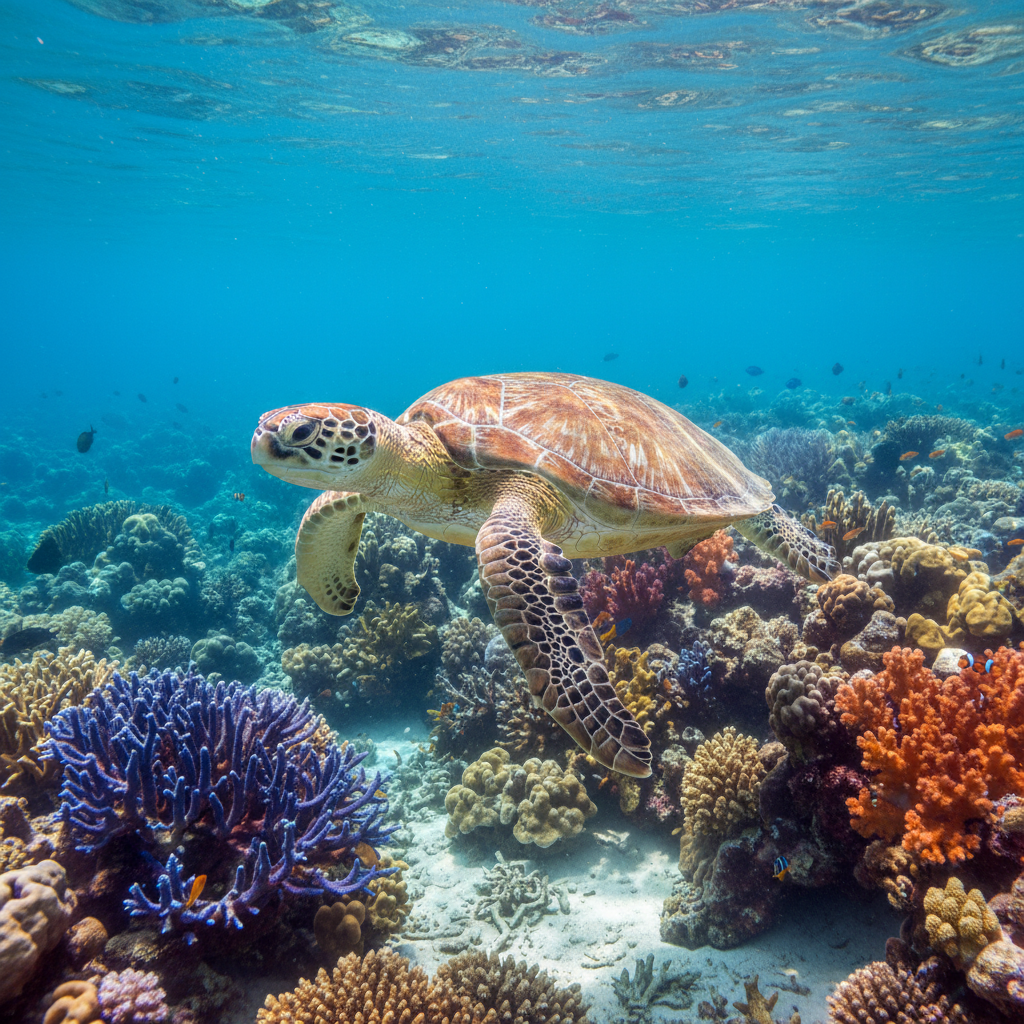
Snorkelling sites around the islands host diverse tropical fish populations. Butterfly Bay and Maureen's Cove on Hook Island feature schools of yellow and blue fusiliers, territorial damselfish, and curious angelfish that often approach snorkellers. Larger species include coral trout, sweetlip emperor, and occasionally small reef sharks that pose no danger to humans.
Sea turtle encounters represent highlights of many trips, with green sea turtles regularly spotted around coral gardens. These ancient mariners often show little fear of snorkellers, allowing close observation as they graze on seagrass or rest near coral formations. Hawksbill turtles appear less frequently but reward patient observers.
Whale season from June through September brings spectacular humpback whale sightings as mothers and calves migrate north from Antarctic feeding grounds to warmer breeding waters. Adult humpbacks reach 15-16 metres in length, with playful behaviours including breaching, tail slapping, and curious approaches to boats. Many tours modify routes during this period to maximise whale watching opportunities.
Stingray encounters often occur in shallow sandy areas, particularly around Daydream Island where visitors can hand-feed these gentle giants under supervised conditions. The resort's outdoor aquarium allows safe interaction with southern stingrays in controlled environments.
Are There Age or Fitness Requirements for Island Tours?
Most tours welcome all ages with infant life jackets provided, though some high-speed boats have minimum age restrictions of 3-4 years, while snorkelling requires basic swimming ability and confidence in water deeper than standing depth.
Family-friendly tours accommodate infants and toddlers with appropriate safety equipment and facilities. Large catamarans typically provide infant life jackets, baby change facilities, and shaded areas suitable for young families. Many operators offer reduced rates for children under 14 and free travel for infants under 3 years.
Physical fitness requirements remain minimal for most tours, with walking limited to beach access and boat boarding. However, some activities require moderate fitness levels. Hill Inlet lookout involves a 20-minute bushwalk over uneven terrain, while some snorkelling sites require swimming in open water with potential currents.
Mobility considerations include boat access via ladders or steps that may challenge visitors with limited mobility. Many operators can accommodate wheelchairs and walking aids, but advance notice ensures appropriate arrangements. Beach access varies by location, with some requiring short walks over sand or rocky areas.
Swimming ability becomes crucial for snorkelling activities. While life jackets are provided, participants should feel comfortable in water over their head and be able to use basic snorkelling equipment effectively. Non-swimmers can still enjoy many aspects of island tours, including beach time, boat rides, and wildlife viewing.
How Do Weather Conditions Affect Island Day Trips?
Tours operate in most conditions but may be cancelled or modified due to strong winds over 25 knots, rough seas exceeding 1.5 metres, or severe weather warnings, with operators offering rescheduling or full refunds for cancellations.
Wind strength significantly impacts tour quality and safety. Conditions under 15 knots provide smooth sailing and comfortable boat rides, while 15-25 knots create moderate chop that may affect sensitive passengers. Winds exceeding 25 knots often result in tour modifications or cancellations, particularly for smaller vessels and helicopter operations.
Sea conditions directly influence passenger comfort and snorkelling quality. Calm seas with wave heights under 1 metre create ideal conditions for all activities, while moderate seas of 1-1.5 metres remain manageable for most tours. Larger swells may restrict access to exposed beaches or snorkelling sites, causing operators to select more sheltered alternatives.
Rain typically doesn't cancel tours unless associated with severe weather systems. Tropical showers often pass quickly, and many boats provide covered areas. However, heavy rain reduces visibility and can make some activities less enjoyable. Winter months generally offer more stable conditions with less chance of weather-related disruptions.
Operators monitor weather forecasts closely and communicate any changes to tour schedules. Most provide flexible rebooking policies for weather cancellations, recognising that conditions can change rapidly in tropical environments. Travel insurance covering weather-related cancellations provides additional peace of mind.
What Photography Tips Work Best for Island Tours?
Shoot during golden hour (early morning/late afternoon) for warm lighting, use polarising filters to reduce water glare, protect equipment with waterproof cases, and capture both wide landscape shots and detailed close-ups of marine life and sand textures.
Timing significantly affects photo quality in tropical environments. Early morning departures provide soft, warm lighting ideal for landscape photography, while harsh midday sun creates strong shadows and washed-out colours. The famous swirling sands at Hill Inlet photograph best during mid-tide when patterns are most defined.
Equipment protection becomes essential in marine environments. Waterproof phone cases allow underwater photography during snorkelling, while dry bags protect cameras during boat transfers. Salt spray can damage electronic equipment, so regular cleaning and proper storage prove crucial for multi-day trips.
Composition techniques help capture the scale and beauty of the Whitsundays. Wide-angle shots showcase expansive beaches and island vistas, while telephoto lenses isolate interesting details like weathered driftwood or coral formations. Drone photography requires permits in many areas, so check regulations before bringing aerial equipment.
Underwater photography benefits from natural light in shallow areas and steady movements to avoid startling marine life. Many tours visit protected bays with excellent visibility, perfect for capturing tropical fish and coral gardens using basic waterproof cameras or phone housings.
Ready to experience the magic of the Whitsunday Islands? Airlie to Whitehaven offers carefully selected day trips that showcase the best of this tropical paradise, from iconic Whitehaven Beach to pristine snorkelling sites and everything in between. Our comprehensive day trip options connect you with experienced operators who know these waters intimately, ensuring you get the most from your island adventure. Browse our collection of tours and find the perfect island experience that matches your style, budget, and sense of adventure.