The Whitsundays' pristine waters are made for catamaran sailing, and Airlie Beach serves as your launchpad to some of Australia's most spectacular day trips. Whether you're drawn to the racing pedigree of Camira, the intimate charm of sailing catamarans, or the stability of motor cats, each vessel offers a distinct way to experience Whitehaven Beach's silica sands and the archipelago's turquoise lagoons.
What catamaran day trip options are available from Airlie Beach?
Three main catamaran types operate from Airlie Beach: sailing catamarans for authentic wind-powered journeys, motor catamarans offering speed and stability, and racing catamarans like Camira providing high-performance sailing experiences to Whitehaven Beach and surrounding islands.
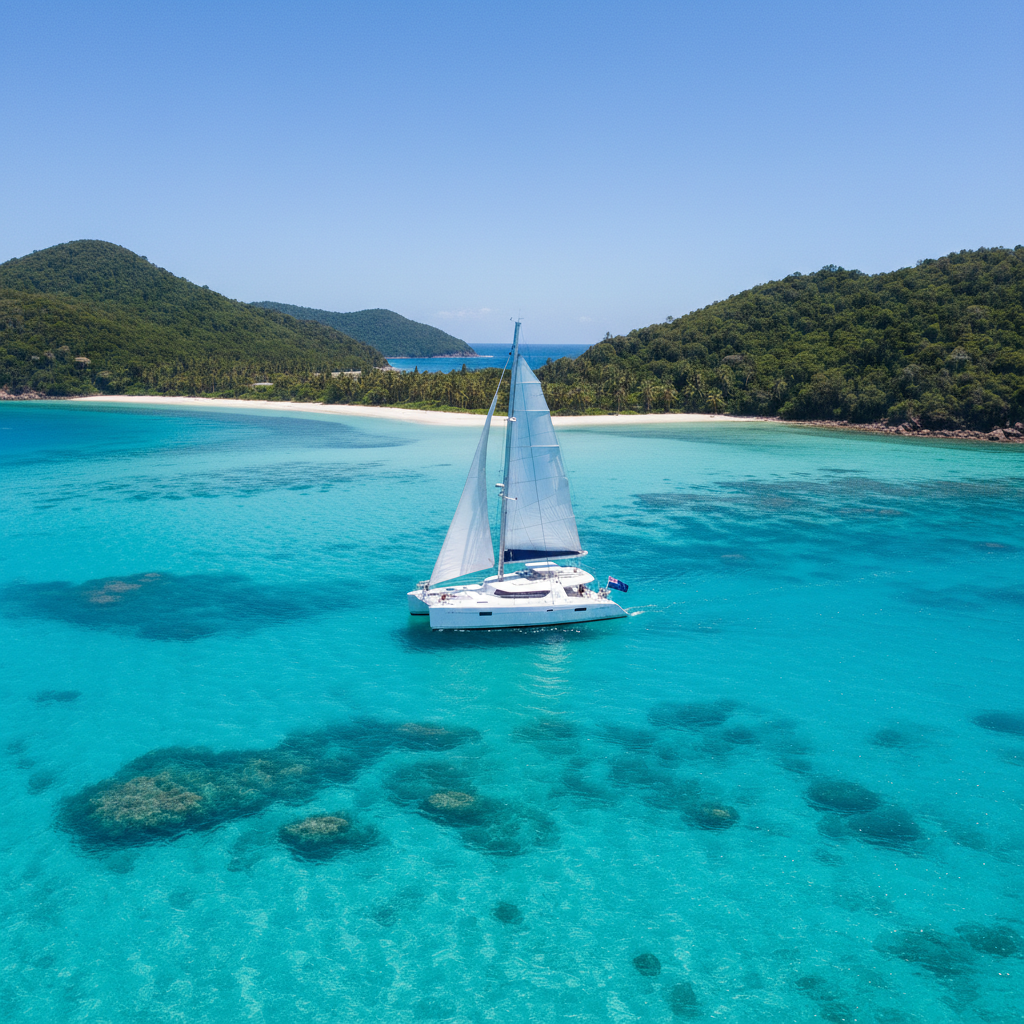
Sailing catamarans typically accommodate 20-30 passengers and harness wind power for a traditional sailing experience. These vessels, such as Solway Lass and Atlantic Clipper, offer a more intimate atmosphere with canvas sails billowing overhead and the gentle heel of the boat as it cuts through the water. Journey times to Whitehaven Beach range from 1.5 to 2 hours depending on wind conditions.
Motor catamarans like Reefworld and Ocean Dynamics prioritise speed and comfort, reaching Whitehaven Beach in 45-60 minutes. These stable platforms feature spacious decks, enclosed cabins for weather protection, and consistent scheduling regardless of wind conditions. Passenger capacity ranges from 35-150 people depending on the vessel.
Racing catamarans represent the premium tier, with Camira being the standout example. This 78-foot performance catamaran was designed for ocean racing and now offers day trips combining speed (reaching 25+ knots) with luxury amenities. The racing hull design provides an exhilarating sailing experience while maintaining comfort for up to 150 passengers.
How much do catamaran day trips from Airlie Beach cost?
Catamaran day trips range from $165-$239 per adult, with sailing catamarans typically priced lower ($165-$189), motor catamarans in the mid-range ($179-$209), and racing catamarans commanding premium prices ($219-$239) due to their performance capabilities and luxury features.
Sailing catamaran prices reflect the smaller group sizes and longer journey times. Full-day trips on vessels like Solway Lass cost around $165-$179 per adult, including lunch, snorkelling gear, and Whitehaven Beach access. These trips often include additional stops at snorkelling locations around Hook Island or the Molle Islands.
Motor catamaran pricing sits in the $179-$209 range, with the higher cost reflecting faster transit times, larger deck spaces, and weather-independent operations. Many motor cats include buffet lunch, complimentary wine on the return journey, and professional snorkelling instruction.
Racing catamarans like Camira charge $219-$239 due to their premium positioning. This includes gourmet lunch prepared onboard, premium bar service, racing sail demonstrations, and the unique experience of sailing on an ex-racing yacht. The higher price reflects both the vessel's pedigree and enhanced service levels.
Child pricing typically ranges from $85-$120 (ages 4-14), with infants under 4 often travelling free. Family packages and group discounts are available on most vessels, potentially reducing per-person costs by 10-15%.
Which departure times work best for catamaran day trips?
Most catamaran day trips depart between 8:00-9:30am from Abel Point Marina or Shute Harbour, returning 4:30-6:00pm. Earlier departures allow more time at destinations but require early hotel pickups, while later departures offer relaxed morning preparation.
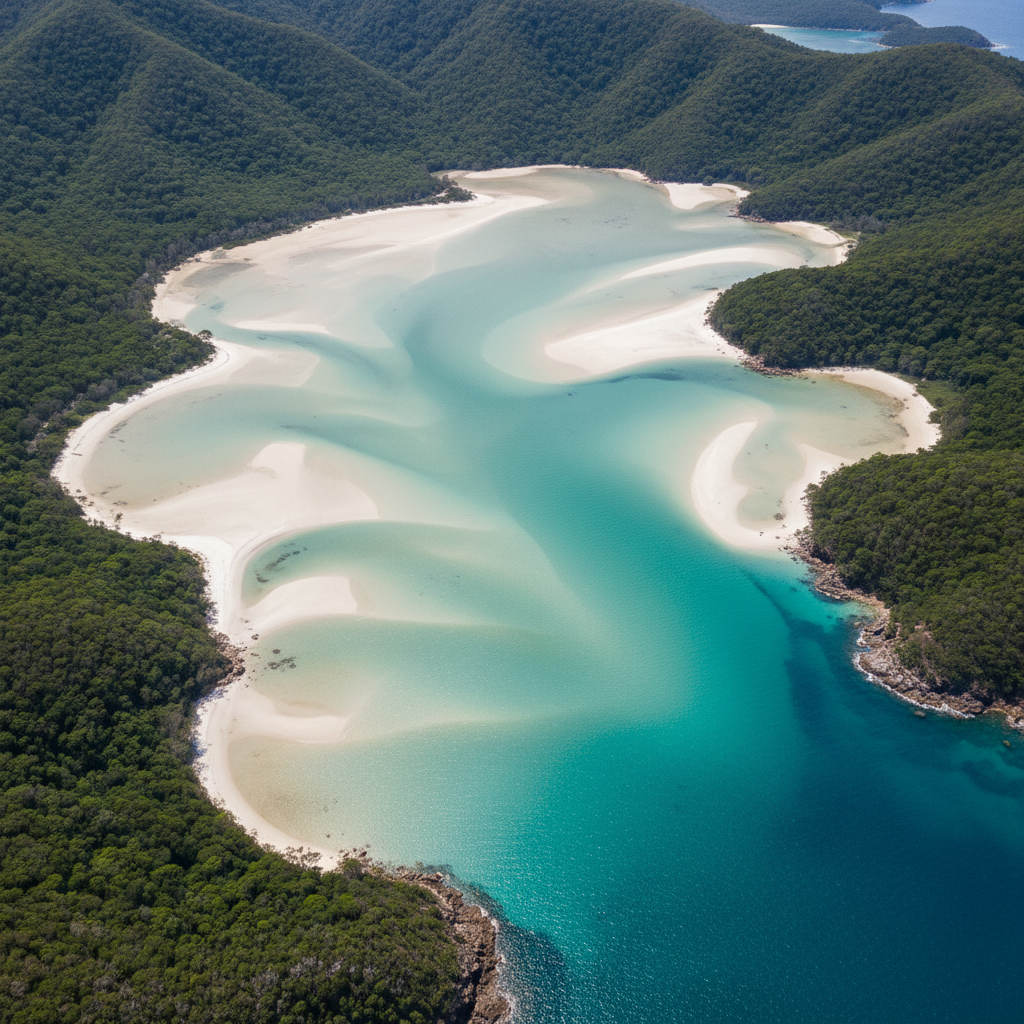
The 8:00am departure time, common for sailing catamarans, maximises destination time but requires 7:15am hotel pickup from central Airlie Beach locations. This timing suits photographers wanting optimal lighting at Whitehaven Beach's Hill Inlet Lookout, where the silica sand creates swirling patterns best captured in morning light.
Motor catamarans often depart 9:00-9:30am, balancing reasonable wake-up times with adequate destination time. The faster transit speeds of motor cats compensate for the later departure, still allowing 2-3 hours at Whitehaven Beach plus snorkelling stops.
Racing catamarans typically depart 9:30am, leveraging their speed advantage to provide full-day experiences despite the later start. Camira's 25-knot capability means reaching Whitehaven Beach by 10:30am, allowing extended time for both beach exploration and the Hill Inlet bushwalk.
Weather considerations influence optimal departure times. During stinger season (November-May), earlier departures help avoid afternoon thermal winds. In winter (June-August), later departures allow morning mist to clear, improving visibility for whale watching opportunities.
What's included in typical catamaran day trip packages?
Standard inclusions are return transfers from Airlie Beach accommodation, lunch, snorkelling equipment, and Whitehaven Beach access. Premium packages add alcoholic beverages, upgraded meals, professional photography, and additional snorkelling locations with marine biologist guides.
All operators provide complimentary hotel transfers within Airlie Beach township (roughly 5km radius from Abel Point Marina). Pickup times are staggered based on accommodation location, with Coral Sea Resort guests collected first due to distance, followed by central Airlie Beach hotels.
Lunch standards vary significantly between operators. Sailing catamarans typically serve buffet-style meals featuring fresh salads, sandwiches, tropical fruits, and hot options like barbecued prawns or chicken. Motor catamarans often upgrade to chef-prepared meals with local seafood and premium ingredients.
Snorkelling equipment (mask, snorkel, fins) is universally included, along with flotation devices for nervous swimmers. Stinger suits are provided during stinger season (November-May), though many operators supply these year-round as sun protection. Prescription mask inserts are available on request for an additional $10-15.
Premium packages often include underwater cameras ($25-35 rental), professional photography services capturing group shots at iconic locations, and marine biologist-guided snorkelling tours explaining reef ecology and fish identification.
How do sailing catamarans compare to motor catamarans for day trips?
Sailing catamarans offer authentic wind-powered journeys with smaller groups (20-30 passengers) and traditional sailing experiences, while motor catamarans provide faster transit times, weather independence, and larger social spaces but lack the romantic appeal of sail power.
Sailing catamarans create intimate atmospheres where passengers can participate in sail handling, feel the boat's response to wind shifts, and experience the meditative quiet of wind-powered travel. Journey times depend on wind conditions – strong trade winds (15-25 knots) can propel sailing cats to Whitehaven Beach in 90 minutes, while light winds may require 2+ hours with engine assistance.
The smaller passenger capacity on sailing catamarans translates to less crowded beach experiences and more personalised service from crew members. Deck space allows passengers to move freely between trampolines, covered seating areas, and the helm, where skippers often welcome questions about navigation and sailing techniques.
Motor catamarans prioritise reliability and comfort over sailing authenticity. Twin diesel engines provide consistent 15-20 knot speeds regardless of weather conditions, ensuring punctual schedules for Whitehaven Beach arrival and departure. This reliability is crucial during calm weather periods when sailing catamarans might struggle to maintain schedule.
Stability differences are significant – motor catamarans' wider beam and lower centre of gravity reduce seasickness risk, particularly important for families with young children or passengers prone to motion sensitivity. The enclosed cabin areas on motor cats provide air-conditioned refuge during hot weather or sudden rain showers.
What should you expect during the journey to Whitehaven Beach?
The journey covers approximately 20 nautical miles through the Whitsunday Passage, featuring panoramic views of 74 islands, potential wildlife encounters including dolphins and sea turtles, and informative commentary about island geology, Aboriginal heritage, and marine conservation efforts throughout the 1-2 hour transit.
Departing Abel Point Marina, catamarans navigate through Pioneer Bay before entering the main Whitsunday Passage between the mainland and island chain. The route passes Daydream Island Resort, visible on the port side approximately 15 minutes into the journey, followed by the southern tip of Hook Island with its distinctive peaked silhouette.
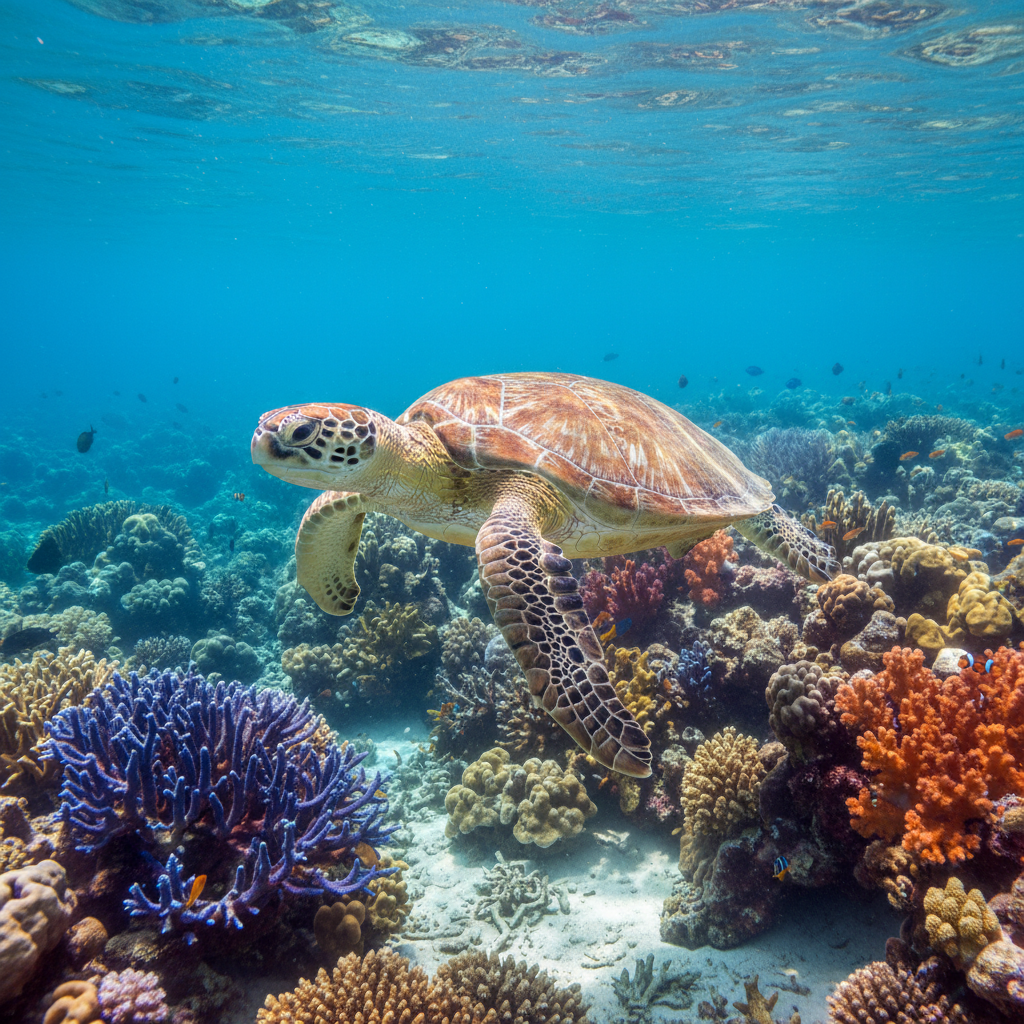
Wildlife spotting opportunities vary seasonally but remain consistent throughout the year. Dolphins frequently approach catamaran bows for playful interactions, while green sea turtles surface near reef edges around Hamilton and Haslewood Islands. During whale season (June-September), humpback whale sightings are common as these mammals migrate along the continental shelf.
Crew commentary covers geological formation of the Whitsunday Islands through volcanic activity 275 million years ago, followed by coral reef development over the past 20,000 years. Aboriginal heritage discussions focus on the Ngaro people who inhabited these islands for over 8,000 years, using bark canoes to navigate between seasonal camps.
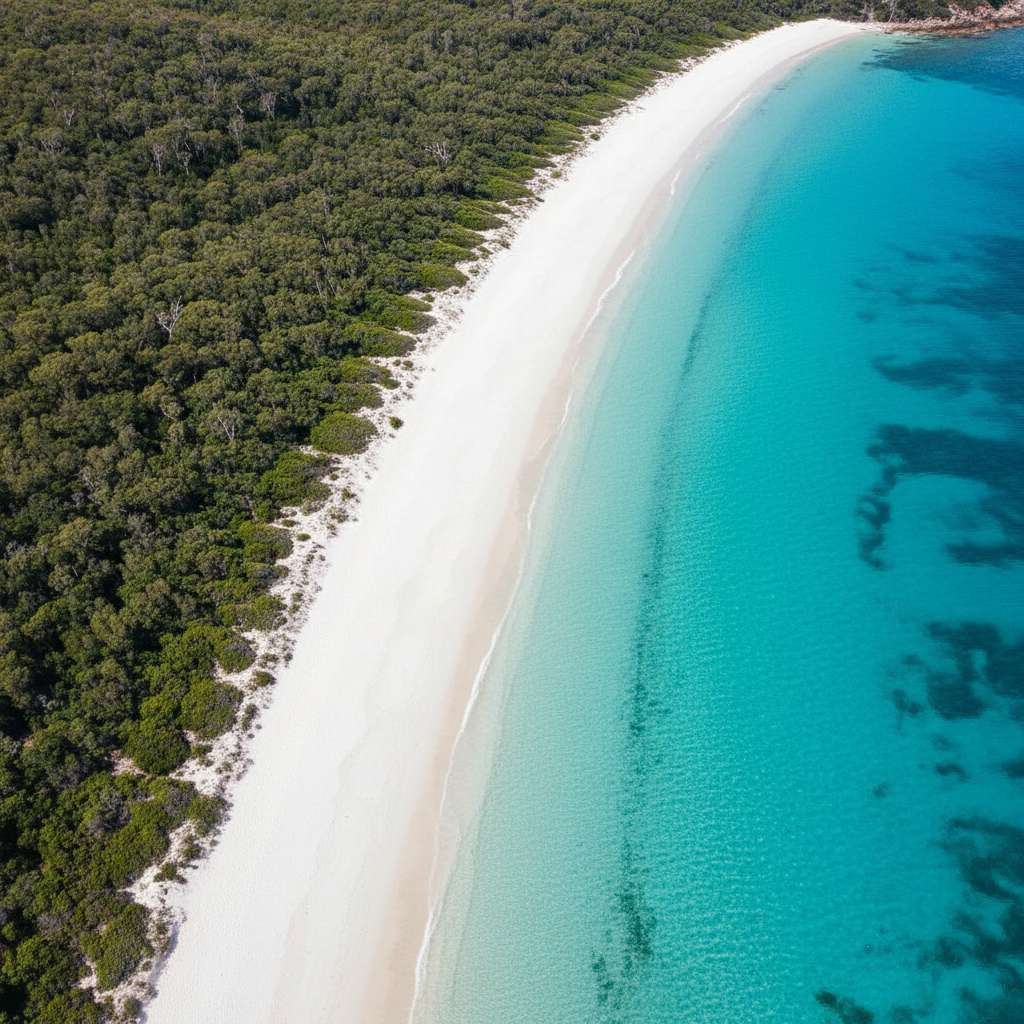
The final approach to Whitehaven Beach reveals the famous 7-kilometre stretch of 98.9% pure silica sand contrasting against turquoise waters. The sand's unique properties – remaining cool underfoot even in direct sunlight and producing a distinctive squeaking sound when walked upon – become apparent as the catamaran anchors in the protected waters off the beach's northern end.
How long do you get to spend at Whitehaven Beach?
Most catamaran day trips allocate 2-3 hours at Whitehaven Beach, including 45-60 minutes for the Hill Inlet bushwalk to the famous lookout viewpoint, 60-90 minutes for beach time, swimming, and relaxation, plus transit time between anchoring point and shore via tender boats.
The Hill Inlet bushwalk requires 45-60 minutes return, including photo stops at multiple viewpoints along the 450-metre track. The trail involves moderate inclines through native vegetation, with wooden boardwalks protecting sensitive dune systems. Peak viewing occurs at the main lookout platform, where the swirling sand and water patterns create Instagram-worthy shots.
Beach time allocation depends on tidal conditions and operator schedules. High tide provides optimal swimming conditions with deeper water closer to shore, while low tide exposes extensive sandbars perfect for walking and shell collecting. The silica sand's heat-reflective properties make barefoot walking comfortable even during midday sun.
Tender boat operations influence total beach time – larger catamarans anchor further offshore, requiring 10-15 minutes each way for tender transfers. Smaller vessels may beach directly on the sand (tide permitting), maximising actual beach time. Weather conditions can extend transfer times if choppy conditions require slower tender speeds for passenger safety.
Photography enthusiasts should note that Hill Inlet's famous swirling patterns are most pronounced during incoming and outgoing tides when water movement reshapes the sand formations. Static high or low tide periods may produce less dramatic visual effects, though the beach remains spectacular regardless of tidal conditions.
What snorkelling opportunities are available on catamaran day trips?
Catamaran day trips typically include 1-2 snorkelling stops at fringing reefs around Hook Island, Haslewood Island, or the Molle Islands, featuring hard and soft coral gardens, tropical fish populations, and protection from open ocean swells for comfortable snorkelling conditions.
Hook Island's eastern coastline offers multiple snorkelling sites with 3-8 metre visibility (conditions permitting) and coral diversity including staghorn, brain, and table corals. Fish populations feature parrotfish, angelfish, wrasse, and occasional reef sharks in deeper waters. The protected bays provide calm conditions suitable for beginners while offering enough interest for experienced snorkellers.
Maureen's Cove and Nara Inlet represent popular Hook Island snorkelling locations, with sandy entries transitioning to coral reef systems. Water temperatures range from 22°C (winter) to 28°C (summer), making thermal protection optional except during cooler months when thin wetsuits enhance comfort during extended snorkelling sessions.
Equipment quality varies between operators – budget trips may provide basic masks and snorkels, while premium operators offer prescription mask inserts, anti-fog treatments, and fins in extended size ranges. Flotation devices (pool noodles or life jackets) are universally available for nervous swimmers or those preferring surface observation without diving.
Marine life encounters depend on seasonal factors and recent weather conditions. Post-storm periods may reduce visibility due to sediment disturbance, while calm weather following several settled days typically produces optimal underwater conditions. Crew members often provide fish identification guides or underwater wildlife charts to enhance the educational experience.
Marine park regulations prohibit touching or collecting any marine life, with heavy fines for violations. Responsible snorkelling practices include maintaining appropriate distances from coral formations and avoiding standing on reef structures. Many operators provide brief environmental education sessions before snorkelling activities commence.
Which catamaran offers the best value for money?
Value depends on priorities: sailing catamarans like Solway Lass offer authentic experiences and smaller groups for $165-179, motor catamarans provide reliability and comfort for $179-209, while Camira delivers premium racing yacht luxury justifying its $219-239 price through unique performance and service standards.
For budget-conscious travellers prioritising Whitehaven Beach access over luxury amenities, sailing catamarans represent optimal value. The $165-179 price point includes all essential elements – transfers, lunch, snorkelling, and beach time – while providing authentic sailing experiences unavailable on motor vessels. The trade-off involves longer journey times and weather dependency.
Families with young children or motion-sensitive passengers may find motor catamarans' $179-209 pricing justified by increased comfort and reliability. The stable platforms, enclosed areas, and punctual schedules often outweigh the modest price premium, particularly during marginal weather conditions when sailing vessels might struggle.
Camira's $219-239 premium pricing targets experience-focused travellers valuing exclusivity and performance over budget considerations. The racing yacht heritage, gourmet dining, premium bar service, and unique sailing demonstrations create memorable experiences justifying the additional cost for special occasions or once-in-a-lifetime holidays.
Hidden costs can affect value calculations – some operators charge extra for alcoholic beverages ($15-25), underwater camera rentals ($25-35), or premium transfers from distant accommodations. Comprehensive packages including these items may offer better overall value despite higher base prices.
Group bookings (8+ people) often unlock discounts of 10-15%, potentially making premium operators more accessible. Birthday and anniversary packages may include complimentary extras like champagne or professional photography, adding value for special celebrations.
What are the weather considerations for catamaran day trips?
Trade winds (15-25 knots) from southeast provide optimal sailing conditions May-September, while November-April brings variable winds, potential storms, and stinger season requiring protective suits. Cancellations occur during severe weather warnings, with operators typically offering full refunds or rebooking options.
The Whitsundays' tropical climate creates distinct seasonal patterns affecting catamaran operations. Dry season (May-October) features consistent southeast trade winds, minimal rainfall, and comfortable temperatures averaging 20-26°C. These conditions favour sailing catamarans, which utilise wind power effectively during this period.
Wet season (November-April) introduces humidity, afternoon thunderstorms, and variable wind patterns that may favour motor catamarans' weather-independent operations. Stinger season coincides with wet season, necessitating protective lycra suits provided by all operators. Despite stinger presence, swimming remains safe with proper protection.
Severe weather protocols include monitoring Bureau of Meteorology warnings for strong wind warnings (26-33 knots), gale warnings (34-47 knots), or tropical cyclone activity. Operators typically cancel trips when sustained winds exceed 25 knots or when thunderstorm activity threatens passenger safety.
Seasickness considerations vary between vessel types – sailing catamarans' heeling motion may affect sensitive passengers, while motor catamarans' stability reduces motion sickness risk. Preventive measures include ginger tablets, seasickness patches, or medications taken 30-60 minutes before departure.
Sun protection becomes critical year-round due to reflection off water and sand surfaces. SPF 30+ sunscreen application every 90 minutes is recommended, along with wide-brimmed hats, UV-protective clothing, and sunglasses. The catamaran's shade structures provide relief during peak UV periods (10am-3pm).
How do you choose between different catamaran operators?
Consider group size preferences, budget constraints, sailing vs motor preferences, departure times, included amenities, and operator reputation. Read recent reviews focusing on crew professionalism, food quality, vessel maintenance, and weather handling to make informed decisions matching your priorities and expectations.
Group size significantly impacts experience quality – sailing catamarans accommodate 20-30 passengers, creating intimate atmospheres with personalised service, while large motor catamarans carrying 100+ passengers offer social environments but less individual attention. Consider your preference for small group intimacy versus larger group energy.
Operator reputation research should focus on recent TripAdvisor, Google, and Facebook reviews spanning the past 6-12 months. Pay attention to recurring themes about punctuality, crew knowledge, food quality, and how operators handle adverse weather conditions. Responses to negative reviews indicate management's commitment to customer service.
Vessel age and maintenance standards become apparent through photos and reviews. Well-maintained catamarans feature fresh paint, clean upholstery, functioning equipment, and modern safety systems. Older vessels may offer character but could compromise comfort or reliability.
Included amenities comparison should encompass meal quality, beverage inclusions, snorkelling equipment condition, transfer coverage area, and additional services like photography or marine biology presentations. Itemise what's included versus optional extras to calculate true cost comparisons.
Departure flexibility matters for accommodation location and personal schedules. Abel Point Marina departures suit central Airlie Beach hotels, while Shute Harbour departures may be more convenient for northern accommodations but typically involve longer transfer times.
Booking timing affects availability and pricing – peak seasons (school holidays, Easter, Christmas) require advance booking and may feature premium pricing. Shoulder seasons often provide better availability and potential discounts while maintaining excellent weather conditions.
Ready to experience the Whitsundays from the deck of a catamaran? Airlie to Whitehaven makes booking your perfect catamaran day trip simple and straightforward. Whether you're drawn to authentic sailing experiences or prefer the comfort of motor catamarans, our comprehensive selection of Airlie Beach day trips ensures you'll find the perfect vessel and itinerary. Browse our Whitsunday sailing tours to compare operators, check real-time availability, and secure your spot on the water with competitive pricing and local expertise backing every booking.