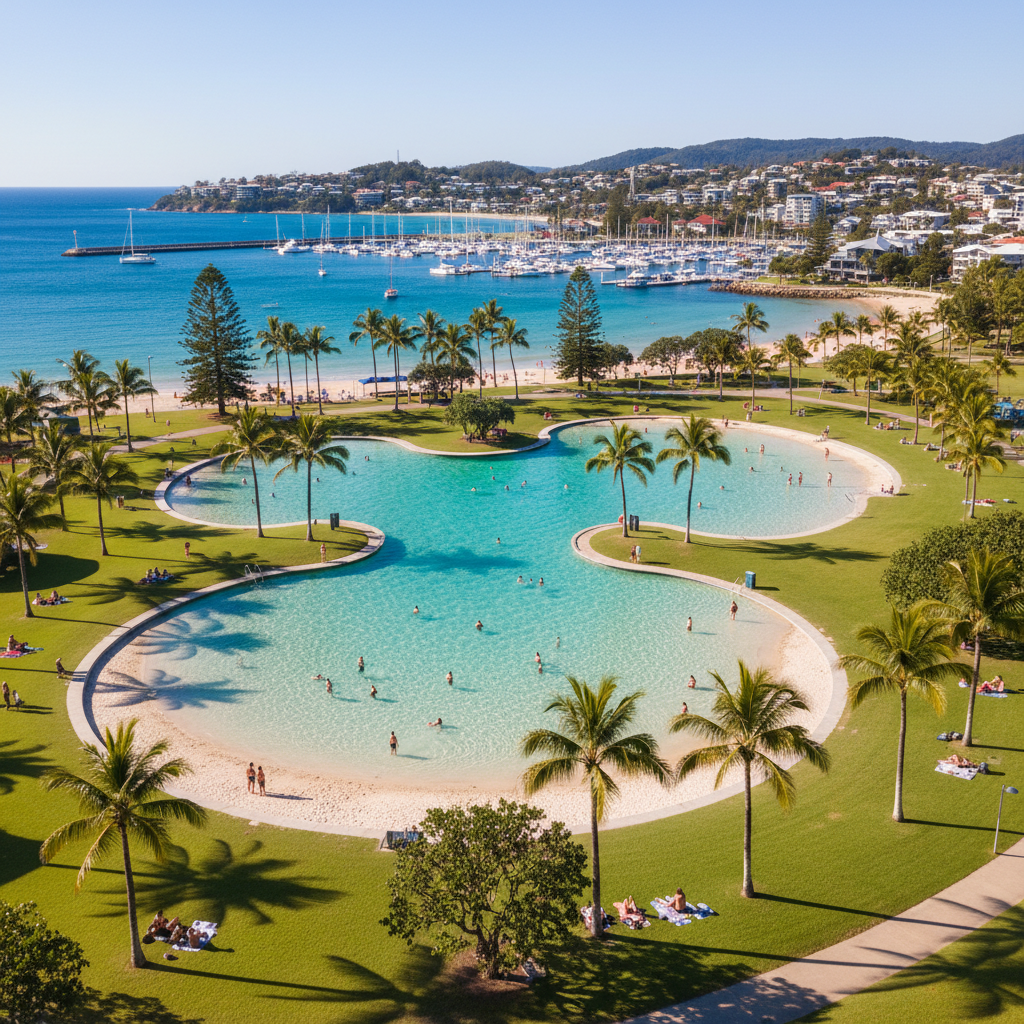
The Whitsundays' crystal-clear waters beckon from Airlie Beach's marina, where sleek catamarans, traditional sailing boats, and speedy motorboats wait to whisk you away on the adventure of a lifetime. A day boat cruise from Airlie Beach isn't just transportation—it's your gateway to pristine beaches, vibrant coral reefs, and secluded coves that can only be reached by water. Whether you're after a budget-friendly sailing adventure or a luxury catamaran experience with gourmet lunch, the options are as diverse as the 74 islands that make up this World Heritage-listed paradise.
What types of boat cruises operate from Airlie Beach?
Airlie Beach offers sailing catamarans, motor cruises, luxury yachts, racing sailboats, and small group vessels. Options range from budget backpacker boats starting at $99 to luxury experiences exceeding $300, with capacities from 12 to 150 passengers depending on vessel type.
The variety of boat cruises from Airlie Beach caters to every budget and preference. Sailing catamarans dominate the fleet, with vessels like Hammer and Tongarra offering spacious decks and stable rides. These typically accommodate 40-60 passengers and feature trampolines, snorkelling gear, and onboard bars.
High-speed catamarans like RedCat and Thunder Cat can reach Whitehaven Beach in just 45 minutes, perfect for maximising your beach time. These vessels carry up to 150 passengers and include air-conditioned interiors, making them popular during stinger season (November to May).
Luxury motor yachts provide intimate experiences with smaller groups (12-20 people), premium food and wine, and personalised service. Vessels like Serendipity and Entice offer gourmet dining and access to secluded anchorages away from crowds.
Racing yachts like Southern Cross Yachting's fleet give you hands-on sailing experience. Passengers can help hoist sails and steer, making these popular with adventure seekers and sailing enthusiasts. These typically cost $120-160 and accommodate 20-30 people.
Bareboat charters allow experienced sailors to captain their own vessel, though you'll need appropriate qualifications and local briefings. Half-day charters start around $400 for smaller boats.
How much do Airlie Beach boat cruises cost?
Day cruise prices range from $99 for budget sailing trips to $350+ for luxury experiences. Full-day Whitehaven Beach tours typically cost $160-220, while half-day snorkelling trips range $120-180. Prices include lunch, snorkelling gear, and stinger suits during season.
Budget-conscious travellers can find excellent backpacker-friendly options starting at $99-130 for full-day sailing adventures. These trips often include basic lunch, snorkelling gear, and access to popular spots like Whitehaven Beach or Blue Pearl Bay.
Mid-range tours ($160-220) represent the sweet spot for most visitors. These include vessels like Atlantic Clipper, Whitsunday Bullet, and Cruise Whitsundays ferries. You'll get quality buffet lunches, professional crew, comfortable seating, and multiple stops including snorkelling sites.
Premium experiences ($250-350) feature smaller group sizes, gourmet food, premium beverages, and access to exclusive locations. Companies like Cruise Whitsundays' Reefworld platform or luxury yacht charters provide champagne, barista coffee, and restaurant-quality meals.
Additional costs to consider include reef tax ($6.50 per person for Great Barrier Reef visits), optional helicopter flights ($199-299), and alcoholic beverages on some vessels. Most operators accept card payments, but bring cash for crew gratuities.
Seasonal pricing varies significantly, with peak season (July-September) commanding premium rates. Book during shoulder seasons (April-June, October-November) for better value without sacrificing weather quality.
What's included in a typical day cruise package?
Standard inclusions are return transfers from Airlie Beach accommodation, buffet or plated lunch, snorkelling equipment, stinger suits (November-May), and island time at Whitehaven Beach or other destinations. Some include reef tax, beverages, and WiFi onboard.
Transportation is universally included, with most operators offering complimentary pickup from Airlie Beach accommodation between 7:30-8:30am. Return transfers typically occur between 4:30-6:00pm, depending on the itinerary.
Meals vary by operator and price point. Budget trips might offer simple sandwiches and fruit, while mid-range tours feature substantial buffets with hot and cold options, salads, and desserts. Luxury operators serve restaurant-quality plated meals with wine pairings.
Equipment provision includes snorkelling masks, fins, and stinger suits during jellyfish season. Most boats carry various sizes, including children's gear. Some premium operators provide prescription mask inserts and high-quality fins for better underwater experiences.
Beverages typically include water, tea, coffee, and soft drinks. Alcohol policies vary—some include beer and wine with lunch, others operate cash bars, while luxury operators might include premium spirits and cocktails.
Additional inclusions on premium tours might encompass stand-up paddleboards, kayaks, boom netting (swimming in nets trailing the boat), and guided snorkelling tours with marine biologists. Some operators provide underwater cameras for rent or purchase.
Which islands and beaches do day cruises visit?
Most day cruises visit Whitehaven Beach on Whitsunday Island plus snorkelling locations like Blue Pearl Bay, Luncheon Bay, or Hook Island. Some include Hill Inlet Lookout, Daydream Island, or Great Barrier Reef locations depending on itinerary length and weather conditions.
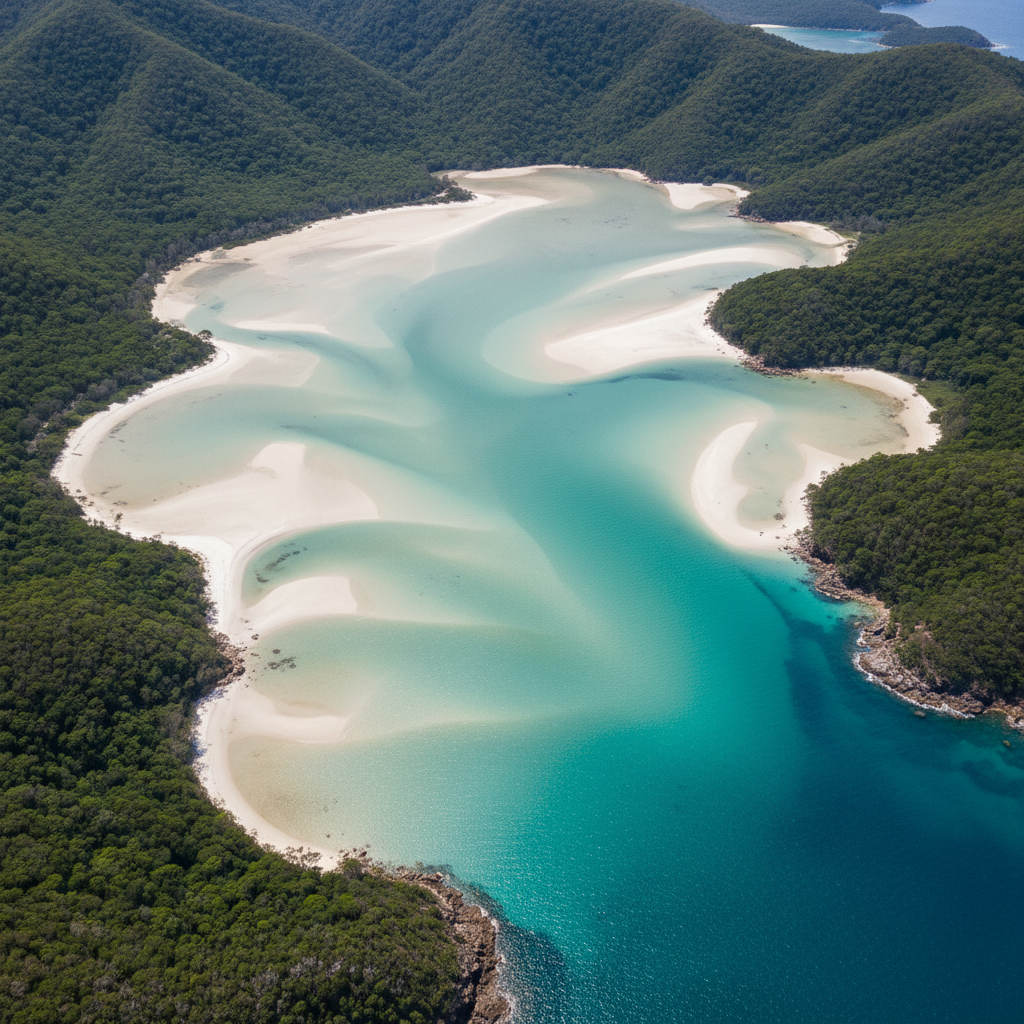
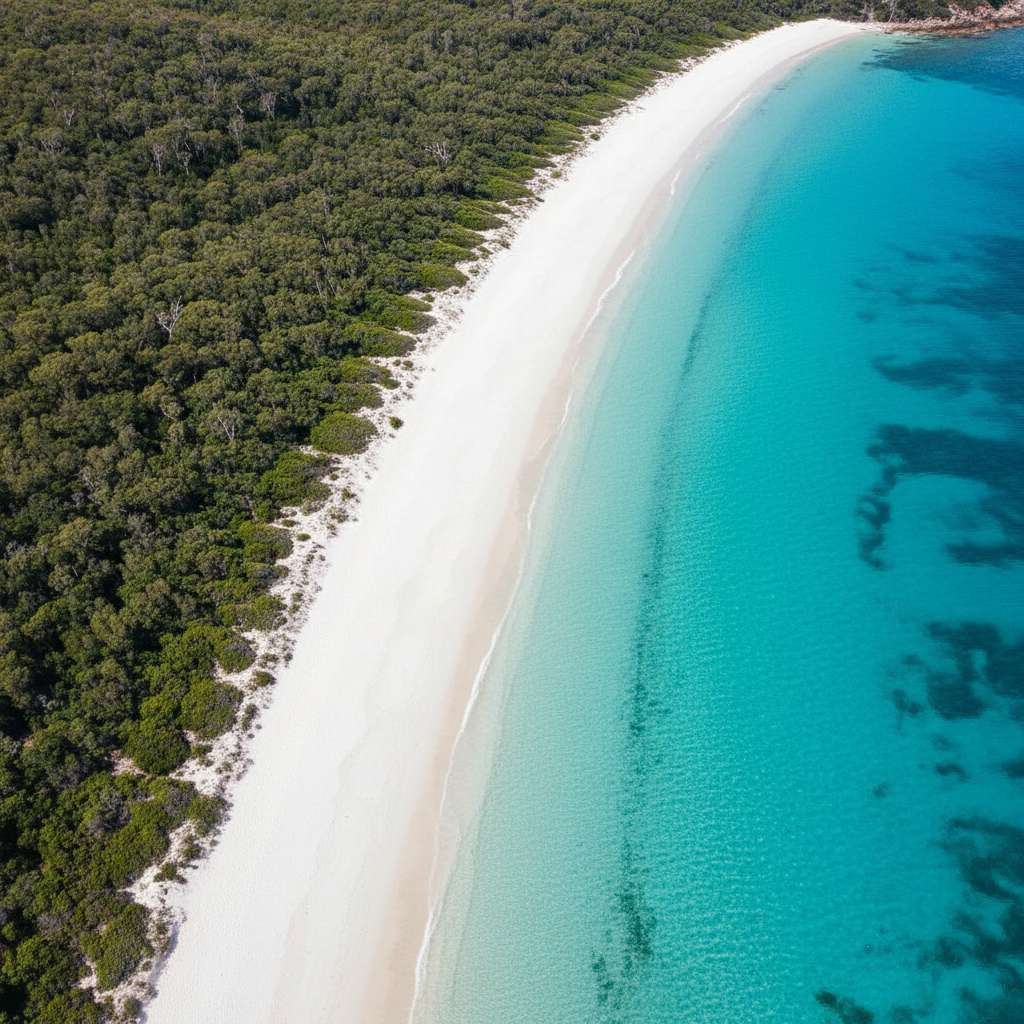
Whitehaven Beach remains the star attraction, featured on 80% of day cruises. This 7-kilometre stretch of 98.9% pure silica sand maintains cool temperatures even on hot days. Most tours allow 1.5-2 hours beach time, sufficient for swimming, walking, and photography.
Hill Inlet Lookout offers the iconic swirling sand formations visible in countless Whitsundays photographs. The 20-minute uphill walk provides panoramic views over Whitehaven Beach and requires moderate fitness levels. Not all tours include this stop due to tidal timing.
Blue Pearl Bay on Hayman Island serves as a popular snorkelling location with calm, protected waters. The bay features coral gardens in 2-8 metres depth, suitable for beginners. Marine life includes tropical fish, rays, and occasionally turtles.
Hook Island destinations include Luncheon Bay, Maureen's Cove, and Nara Inlet. These locations offer excellent snorkelling with diverse coral formations and abundant fish life. Nara Inlet features Aboriginal rock art accessible via short bushwalks.
Great Barrier Reef locations like Hardy Reef or Knuckle Reef are included on specific tours, typically full-day trips with extended travel time. These outer reef sites offer superior coral coverage and marine biodiversity compared to inner island locations.
What's the best time of year for boat cruises?
April to November offers ideal conditions with dry weather, southeast trade winds, and cooler temperatures. June to September provides perfect sailing conditions but higher prices. December to March brings heat, humidity, and potential cyclones, though stinger suits enable safe swimming.
Dry season (April-November) delivers consistent trade winds, minimal rainfall, and comfortable temperatures averaging 20-26°C. This period offers the most reliable cruise conditions with calm seas and excellent visibility for snorkelling.
Peak season (June-September) coincides with southern Australian winter, bringing perfect weather but maximum crowds and prices. Accommodation and cruise bookings should be made months in advance. This period also features humpback whale migrations through Whitsunday waters.
Shoulder seasons (April-May, October-November) provide the best value proposition—excellent weather, smaller crowds, and competitive pricing. Water temperatures remain warm (24-26°C), and most activities operate normally.
Wet season (December-March) brings tropical conditions with afternoon storms, high humidity, and temperatures reaching 35°C. However, morning cruises often enjoy calm conditions before afternoon weather builds. This period offers significant savings and fewer tourists.
Stinger season (November-May) requires protective clothing for swimming, with all operators providing full-body stinger suits. These lightweight suits allow normal swimming activities while protecting against potentially dangerous jellyfish species like Irukandji and box jellyfish.
How do I choose between sailing and motor boat options?
Motor boats reach destinations faster (45 minutes vs 2+ hours to Whitehaven Beach) maximising activity time, while sailing boats provide authentic maritime experiences with hands-on participation. Choose motors for time-pressed itineraries, sailing for relaxed atmosphere and smaller groups.
Motor boat advantages include speed, air-conditioning, stability in rough conditions, and spacious interior areas. High-speed catamarans can visit multiple locations in single days, spending more time at destinations rather than travelling. These suit families with young children or those prone to seasickness.
Sailing boat benefits encompass authentic maritime experiences, smaller group sizes, and opportunities to participate in sailing activities. Many passengers enjoy helping raise sails, steering, or learning navigation basics. The journey becomes part of the adventure rather than just transportation.
Comfort considerations vary between vessel types. Large motor catamarans offer stable platforms with minimal heel (tilting), while sailing boats provide more dynamic experiences with natural boat movement. Those with mobility concerns should consider motor options with easier boarding and movement around decks.
Environmental impact differs significantly, with sailing boats using wind power reducing fuel consumption and emissions. Many eco-conscious travellers prefer sailing options, though modern motor boats increasingly use efficient engines and implement sustainable practices.
For comprehensive information about all available options, check out our detailed guide to Airlie Beach cruise options covering every vessel type and operator in the region.
What should I bring on a day boat cruise?
Essential items include reef-safe sunscreen, hat, sunglasses, towel, water bottle, camera, and comfortable non-slip footwear. Bring light layers for air-conditioning, seasickness tablets if prone to motion sickness, and cash for optional extras like alcohol or gratuities.
Sun protection is critical in tropical conditions with reflected water increasing UV exposure. Reef-safe sunscreen (zinc oxide or titanium dioxide based) protects both your skin and marine environments. Wide-brimmed hats and UV-protective clothing provide additional coverage.
Footwear requirements include non-slip deck shoes or sandals with secure straps. Thongs (flip-flops) are unsuitable for wet decks and can be dangerous. Some operators prohibit glass bottles, high heels, or loose footwear for safety reasons.
Personal items should include prescription medications, personal water bottles (many boats have refill stations), and waterproof bags for phones and cameras. Underwater disposable cameras or GoPros capture snorkelling memories effectively.
Clothing recommendations vary by season. During cooler months, bring light jackets or jumpers for early morning and late afternoon periods. Quick-dry fabrics work best, and remember that you'll likely get wet during boarding or water activities.
Items typically provided include snorkelling gear, towels (on some boats), stinger suits, and safety equipment. Check with your specific operator about towel provision, as policies vary between companies.
Are boat cruises suitable for families with children?
Most day cruises welcome children with life jackets, children's snorkelling gear, and family-friendly activities. Kids under 4 often cruise free, while 4-12 year olds receive 50% discounts. Large motor catamarans with stable platforms and indoor areas suit families better than sailing boats.
Safety provisions for children include appropriately sized life jackets, children's snorkelling equipment, and dedicated crew members monitoring water activities. Most operators require adult supervision for children under 12 during snorkelling activities.
Age-appropriate activities vary by destination and boat type. Whitehaven Beach provides shallow, calm areas perfect for young children, while snorkelling sites offer varying depths suitable for different skill levels. Some boats feature glass-bottom viewing areas for non-swimmers.
Practical considerations include change table facilities (limited on most boats), bottle warming capabilities, and child-friendly food options. Large catamarans typically offer more amenities for families, while smaller boats provide more personalised attention.
Educational opportunities abound with marine park rangers or naturalist guides on some tours providing child-friendly information about marine life, coral reefs, and conservation efforts. These interactive elements engage young minds while creating lasting memories.
For families planning multiple activities, explore our comprehensive Airlie Beach day trips guide featuring child-friendly options across the region.
What marine life might I see during a cruise?
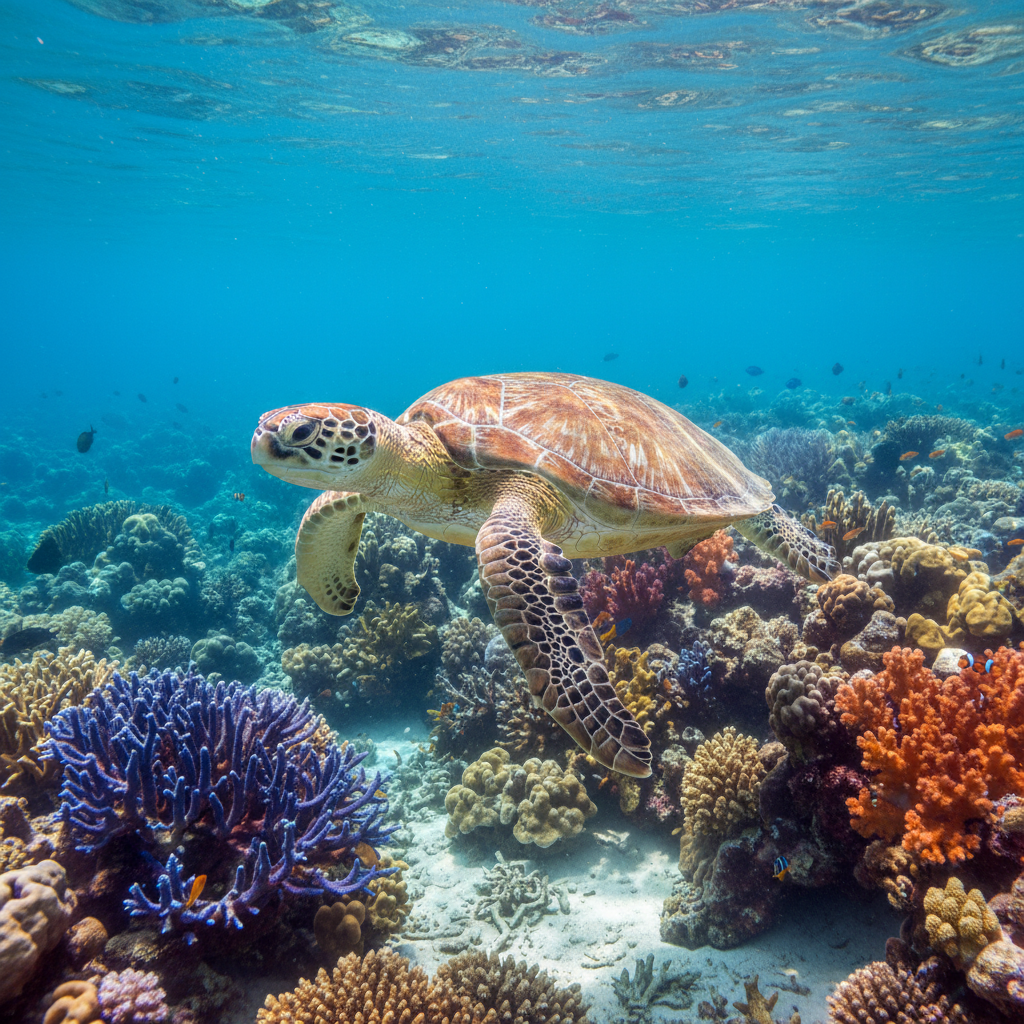
Common sightings include sea turtles, tropical fish species, rays, reef sharks (harmless), and dolphins year-round. During winter months (June-September), humpback whales migrate through Whitsunday waters. Coral gardens host clownfish, parrotfish, angelfish, and various ray species.
Turtle encounters are frequent, particularly green and hawksbill turtles feeding on seagrass beds around Whitehaven Beach and snorkelling sites. These gentle creatures often allow close observation while maintaining respectful distances as required by marine park regulations.
Tropical fish diversity includes iconic species like clownfish (Nemo), Maori wrasse, coral trout, and schools of fusiliers. Blue Pearl Bay and Hook Island locations typically offer the highest fish densities due to protected coral formations.
Ray species commonly encountered include blue-spotted stingrays hiding in sandy areas and occasional eagle rays gliding through deeper waters. These graceful creatures pose no threat when observed respectfully.
Whale season highlights feature humpback whales during their annual migration between Antarctic feeding grounds and tropical breeding areas. Sightings occur from vessel decks, with some operators offering dedicated whale watching cruises during peak season.
Harmless shark species like white-tip reef sharks occasionally appear at snorkelling locations. These small, docile creatures actually indicate healthy reef ecosystems and pose no danger to swimmers.
How do weather conditions affect boat cruises?
Cruise operations continue in most weather conditions, with covered areas and indoor spaces providing shelter. Strong winds (above 25 knots) may alter itineraries or cancel tours for safety. Operators monitor Bureau of Meteorology forecasts and provide 24-48 hour advance notice for cancellations.
Wind conditions affect comfort and safety significantly. Southeast trade winds (15-20 knots) provide ideal sailing conditions, while stronger winds create choppy seas unsuitable for small boats. Most operators use wind speed thresholds of 25-30 knots for safety assessments.
Rain impact varies by intensity and duration. Light tropical showers rarely affect operations, with most boats featuring covered areas and continuing normal itineraries. Heavy downpours might delay departures or modify snorkelling locations for safety and visibility.
Swell and sea state influence passenger comfort, particularly for those prone to seasickness. Protected waters around islands remain calmer than open ocean crossings to outer reef locations. Larger vessels handle rough conditions better than smaller boats.
Visibility considerations affect snorkelling quality and photography opportunities. Overcast conditions can actually improve underwater visibility by reducing surface glare, while heavy rain or runoff reduces water clarity at some locations.
Cancellation policies typically offer full refunds for operator-initiated cancellations due to weather. Customer-initiated cancellations usually require 24-48 hour notice for refunds, though some operators offer rebooking flexibility during severe weather periods.
What happens if I get seasick on a boat cruise?
Most boats carry seasickness remedies and have crew trained in passenger care. Preventive measures include taking medication 30 minutes before boarding, eating light meals, staying hydrated, and positioning yourself midship where motion is minimised. Ginger tablets and acupressure bands help some passengers.
Prevention strategies work best when implemented before symptoms begin. Over-the-counter medications like Dramamine or Gravol should be taken 30 minutes before departure for maximum effectiveness. Natural alternatives include ginger supplements, acupressure wristbands, and aromatherapy.
Onboard management involves positioning yourself in areas with minimal motion—typically midship and lower decks. Focusing on horizons, staying hydrated, and avoiding heavy or greasy foods helps reduce symptoms. Most experienced crew members recognise early signs and provide assistance.
Vessel selection impacts seasickness likelihood significantly. Large catamarans with wide beams provide more stability than narrow sailing boats. Motor boats reaching destinations quickly reduce exposure time to potentially rough conditions.
Dietary recommendations include light breakfasts avoiding dairy products, greasy foods, or excessive alcohol the night before. Bland crackers, ginger ale, and small frequent meals help maintain blood sugar levels without overwhelming digestive systems.
Recovery assistance from crew includes access to fresh air areas, cool cloths, and positioning advice. Most boats carry basic medications and can contact medical professionals if symptoms become severe. Severe cases may require early return to port.
Can I bring my own food and drinks on board?
Policies vary by operator—some prohibit outside food and alcohol to support onboard sales, while others allow personal items with restrictions. BYO alcohol is typically forbidden due to licensing laws, though some permit wine with corkage fees. Always check specific operator policies when booking.
Food policies range from complete prohibition to limited allowances for dietary requirements or small snacks. Budget operators might be more flexible, while premium services with included gourmet meals typically discourage outside food that competes with onboard offerings.
Alcohol restrictions stem from liquor licensing requirements and safety considerations. Most operators prohibit BYO alcohol entirely, operating licensed bars instead. Some luxury operators allow wine with corkage fees ($10-20 per bottle) or special occasion arrangements.
Dietary accommodation policies usually allow medical or religious dietary requirements with advance notice. Operators can often source vegetarian, vegan, gluten-free, or culturally appropriate meals when notified during booking rather than permitting outside food.
Special circumstances like infant formula, prescription dietary supplements, or diabetic requirements are universally accommodated. Communicate specific needs clearly when booking to avoid complications during boarding.
Practical considerations include refrigeration limitations for personal food items and disposal requirements for packaging. Most boats lack extensive storage for passenger food items, and marine park regulations restrict waste disposal in certain areas.
Ready to book your perfect Whitsundays adventure? Whether you're dreaming of sailing into the sunset, snorkelling pristine coral gardens, or lounging on world-famous Whitehaven Beach, Airlie to Whitehaven offers the region's most comprehensive selection of day cruises. Browse our curated Whitsundays tours to find your ideal boat cruise experience, compare prices across all operators, and secure your spot on the water with instant confirmation and best-price guarantees. Your Whitsundays adventure starts here.