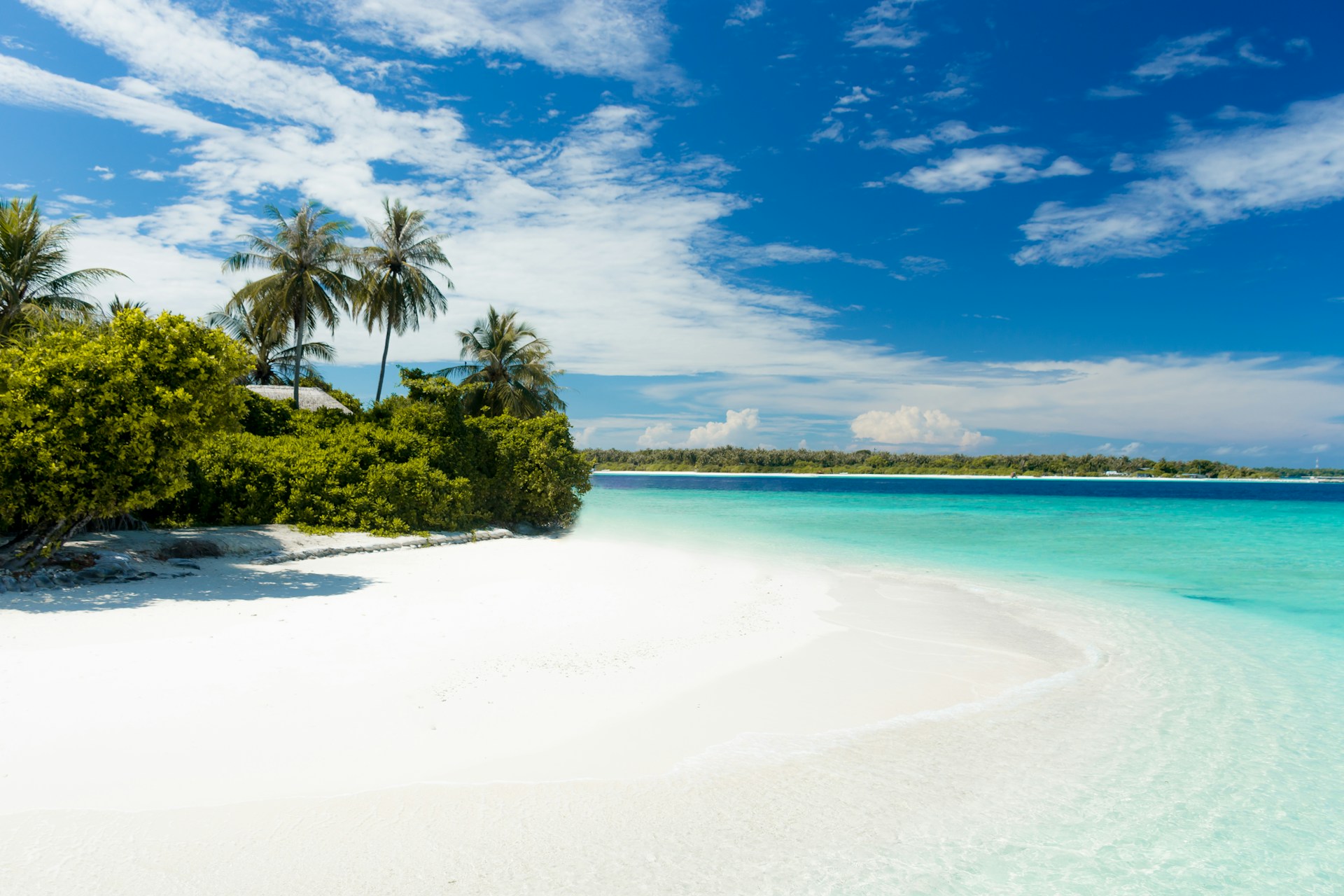
Whitsunday Islands, Queensland
Great Barrier Reef
The world's largest coral reef system, right on your doorstep
A Living World Heritage Site
The Great Barrier Reef stretches over 2,300 kilometres along the Queensland coast — visible from space, home to more than 1,500 species of fish, 400 types of coral, and countless turtles, rays, sharks, and dolphins. It's the largest living structure on Earth, and the Whitsundays sit right in the middle of it.
When you book a Whitsundays holiday, the reef isn't a separate trip. It's the backdrop to everything. The fringing reefs around the islands offer easy snorkelling straight off the beach, while the outer reef — about two to three hours by boat from Airlie Beach — delivers the full technicolour experience that makes this place world-famous.
Outer Reef vs Fringing Reef
Understanding the difference helps you choose the right tour:
- Outer reef (Hardy Reef, Knuckle Reef, Bait Reef) — The main barrier reef, further offshore. Pristine hard and soft corals, better visibility (15-30 metres), more diverse marine life. Requires a dedicated day trip
- Fringing reef — Coral growing around the edges of the Whitsunday Islands themselves. Accessible on many island-hopping and sailing tours. Good snorkelling but generally less spectacular than the outer reef
If the reef is a priority, book at least one dedicated outer reef trip. The fringing reefs are a bonus, not a substitute.
What You'll Actually See
Every reef trip is different, but common sightings in the Whitsundays section include:
- Green and hawksbill turtles — frequently spotted, especially at cleaning stations
- Giant Maori wrasse — the friendly, curious ones that approach snorkellers
- Clownfish in anemones — yes, Nemo is real and lives here
- Reef sharks — blacktip and whitetip reef sharks are harmless and often seen cruising the shallows
- Manta rays — seasonal visitors, most common from May to September
- Giant clams — electric blue and green, embedded in the coral
The coral itself is the main event. Plate corals the size of dining tables, branching staghorn coral in neon colours, soft corals waving in the current. On a clear day with good light penetration, it genuinely looks like another planet.
Tour Options from the Whitsundays
- Reef pontoon tours — Large, stable floating platforms moored at the outer reef with snorkelling, semi-submersible tours, and optional diving. Best for non-swimmers and families. Reefworld at Hardy Reef is the most established
- Snorkel and dive boats — Smaller vessels that visit multiple reef sites. More time in the water, fewer people
- Liveaboard diving — Multi-day trips for certified divers, reaching remote reef sites most day-trippers never see
- Scenic flights — Helicopter or seaplane tours over the reef, often including Heart Reef. You won't get in the water, but the aerial perspective is staggering
Reef Health and Responsible Visiting
The Great Barrier Reef has faced bleaching events linked to rising sea temperatures, particularly in 2016, 2017, and 2020. However, the reef is enormous and recovery is ongoing in many areas. The Whitsundays section has shown strong coral regrowth in recent years.
As a visitor, you can help:
- Use reef-safe sunscreen — chemical sunscreens containing oxybenzone and octinoxate damage coral. Zinc-based alternatives are widely available
- Don't touch the coral — even gentle contact can kill polyps that took years to grow
- Maintain buoyancy — if you're diving, good buoyancy control prevents accidental reef damage
- Choose certified operators — look for eco-certified or Great Barrier Reef Marine Park Authority-approved tours
Best Conditions for Snorkelling
Visibility and comfort peak between June and October. The water is cooler (22-24 degrees Celsius) but clear, the seas are calmer, and there are no stingers. During stinger season (November to May), all reputable operators provide full-body stinger suits at no extra charge.
At a Glance
Experiences at Great Barrier Reef
Boat Hire Whitsundays — Rental Options from Airlie Beach

Catamaran Hire Whitsundays — Bareboat & Skippered Options
Luxury Yacht Charter Whitsundays — Premium Private Sailing
Self Drive Boat Hire Whitsundays — No Licence Required
Yacht Charter Whitsundays — Complete Guide to Sailing the Islands
Day Trip