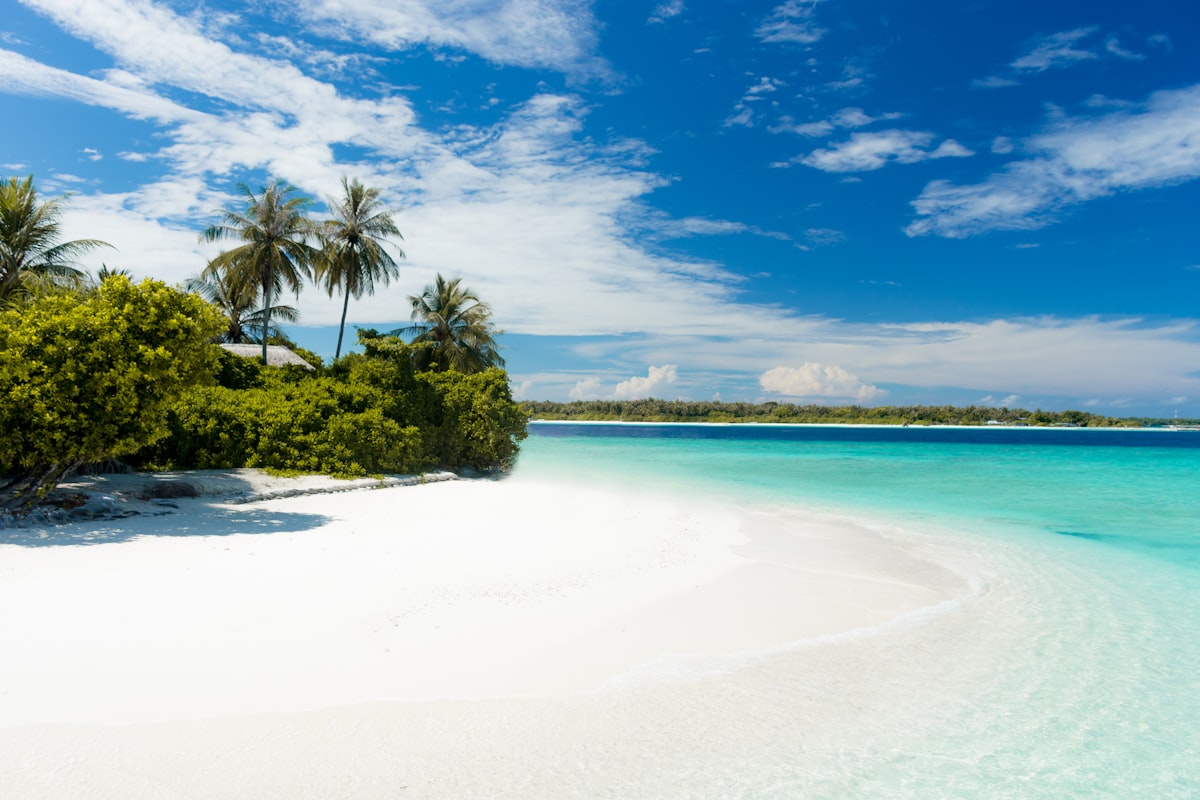
The Whitsundays enjoys a tropical climate with distinct wet and dry seasons, but don't let that fool you into thinking it's predictable. Between cyclones, stinger seasons, whale migrations, and everything in between, understanding the weather patterns here can make or break your holiday. After years of watching tourists arrive unprepared (or perfectly prepared), I've seen how dramatically weather affects not just your comfort, but which tours run, what marine life you'll spot, and how much you'll pay.
What's the overall climate like in the Whitsundays?
The Whitsundays has a tropical climate with average temperatures ranging 20-30°C year-round, wet season from December to March with 1,200mm annual rainfall, dry season April to November, and water temperatures consistently 22-28°C making swimming comfortable all year.
Located at 20°S latitude, the Whitsundays sits firmly in the tropical zone with two distinct seasons. The region experiences a tropical maritime climate moderated by the Coral Sea, which keeps temperatures relatively stable compared to inland areas. Average humidity hovers around 65-75%, though it can feel much higher during the wet season months.
Water temperature remains one of the most consistent elements, rarely dropping below 22°C even in winter or exceeding 28°C in summer. This thermal stability comes from the massive heat capacity of the Coral Sea and the sheltering effect of the continental shelf.
When is the dry season and what can I expect?
Dry season runs April to November with minimal rainfall (under 80mm monthly), southeast trade winds averaging 15-25 knots, clear skies, comfortable humidity around 60%, and daily temperatures 20-26°C making it peak tourist season with higher accommodation and tour prices.
The dry season represents the Whitsundays at its absolute best. April kicks off with warm days averaging 26°C and pleasantly cool nights around 20°C. Rainfall drops dramatically from March's 200mm+ to just 60-80mm per month. The southeast trade winds establish themselves, bringing consistent 15-25 knot breezes that make sailing conditions absolutely perfect.
May through August offers the most comfortable weather, with daily maximums around 23-25°C and overnight lows dipping to 17-19°C. You'll actually want a light jumper for evening dinners and early morning departures. Rainfall averages just 40-60mm monthly, often falling as brief afternoon showers that clear quickly.
September through November sees temperatures climbing back toward summer levels, reaching 28°C by November, but humidity remains manageable. This shoulder period offers excellent value with tour prices starting to drop while weather remains ideal.
What happens during wet season in the Whitsundays?
Wet season spans December to March with 150-300mm monthly rainfall, temperatures 25-32°C, humidity 75-85%, potential cyclones, marine stinger presence, but also lower accommodation prices, fewer crowds, and dramatic tropical storm displays creating unique photographic opportunities.
December marks the transition with increasing rainfall (around 150mm) and rising humidity. Temperatures climb to 30-32°C during the day with overnight lows rarely below 24°C. The northwest monsoon establishes, bringing variable winds and afternoon thunderstorms that can be spectacular to watch.
January and February represent peak wet season with rainfall often exceeding 250mm monthly. Cyclone season officially runs November 1 to April 30, with peak activity January through March. While direct hits remain rare (the last significant impact was Cyclone Debbie in 2017), the region can experience peripheral effects from systems tracking further offshore.
March typically sees the heaviest rainfall, sometimes exceeding 300mm, but also marks the beginning of the transition back to drier conditions. Despite the rain, many days feature morning sunshine followed by afternoon storms, allowing for partial-day tours and activities.
The upside? Accommodation prices drop 30-50% compared to dry season peaks, tours run with smaller groups, and the landscape becomes incredibly lush and green. The rain also brings nutrients that attract marine life, including manta rays and whale sharks on rare occasions.
When should I avoid visiting due to weather concerns?
Avoid January-February for cyclone risk and heavy rainfall (250-350mm monthly), though tours still operate most days. December-March brings marine stingers requiring protective suits. Complete weather-related cancellations remain rare due to the region's sheltered waters and tour operator flexibility.
January and February present the highest weather risks. Cyclone season peaks during these months, and while direct strikes remain uncommon, peripheral effects can shut down tours for 2-3 days. Heavy rainfall can make some walking tracks slippery and reduce visibility for snorkeling, though underwater visibility typically returns within 24 hours of heavy rain stopping.
The marine stinger season (November to May) isn't necessarily a reason to avoid visiting, but it does require stinger suits for all water activities. Modern lycra stinger suits are comfortable and barely noticeable once you're in the water, and all reputable tour operators provide them at no extra cost.
However, some visitors specifically target wet season for the dramatic weather displays, reduced crowds, and significant savings. Lightning shows over the islands can be absolutely spectacular, and the brief but intense tropical downpours create incredible photographic opportunities.
How does weather affect tour availability and pricing?
Peak dry season (June-September) sees tour prices increase 20-40%, full bookings common, and perfect sailing conditions. Wet season offers 30-50% savings, smaller groups, but potential weather delays. Most tours operate year-round with weather-appropriate modifications and flexible rescheduling policies.
Tour operators adjust their schedules and routes based on weather conditions rather than canceling entirely. During rough weather, sailing tours might substitute pontoon-based reef tours, or Whitehaven Beach visits might shift to more sheltered northern beaches. Full-day tours often become half-day experiences during unsettled weather.
Pricing follows clear seasonal patterns. June through September commands premium rates with Whitehaven Beach day tours ranging $130-180 per person. The same tours drop to $90-130 during wet season months. Accommodation follows similar patterns, with Airlie Beach hotels charging 40-60% more during peak dry season.
School holiday periods (April, July, September-October, December-January) see additional price premiums and booking pressure regardless of weather. Australian families flood the region during these windows, so booking well ahead becomes essential even during traditionally quieter months.
What should I pack for each season in the Whitsundays?
Dry season: light layers, warm jacket for evenings (temperatures drop to 17°C), sun protection, light rain jacket. Wet season: quick-dry clothing, waterproof day pack, extra shirts, sandals with good grip, and embrace getting wet rather than fighting it completely.
For dry season visits (April-November), pack light cotton or linen clothing for daytime warmth, but don't underestimate how cool evenings become. A warm jacket or fleece is essential for July-August when overnight temperatures drop to 17-19°C. Morning tour departures can be surprisingly chilly with wind chill from boat travel.
Sun protection becomes critical with low humidity and clear skies. Pack SPF 50+ sunscreen, wide-brimmed hat, and UV-protective clothing. The Australian sun is notoriously harsh, and reflected light from white sand beaches and water intensifies exposure.
Wet season packing (December-March) requires a different strategy. Quick-dry synthetic fabrics work better than cotton, which stays damp in high humidity. Pack more changes of clothes than you think you'll need – everything stays damp longer. A small waterproof day pack protects electronics and documents during sudden downpours.
Footwear deserves special attention. Reef shoes or sandals with good traction work better than thongs (flip-flops) for boat decks and wet surfaces. Many visitors underestimate how slippery boat decks become when wet.
How do trade winds affect sailing and tours?
Southeast trade winds (April-November) average 15-25 knots providing ideal sailing conditions, cooler temperatures, and calm seas. During wet season, variable winds 5-35 knots create choppy conditions but also excellent sailing for experienced sailors. Trade winds directly affect tour comfort and seasickness risk.
The southeast trades establish around April and blow consistently through November, creating the Whitsundays' reputation as a world-class sailing destination. These steady 15-25 knot winds provide perfect sailing conditions without being overwhelming for beginners. They also create a natural cooling effect, making 26°C feel comfortable rather than oppressive.
Trade winds generate the region's characteristic small, regular waves rather than large ocean swells. This makes for comfortable sailing and reduces seasickness risk significantly. Most visitors find the gentle rocking motion quite relaxing once they adjust.
During wet season, the northwest monsoon brings variable conditions. Winds can be dead calm one day and gusting 35 knots the next. While this creates more challenging sailing conditions, experienced sailors often prefer these months for the variety and excitement. However, inexperienced sailors might find the conditions less predictable and comfortable.
Wind direction also affects which areas tour operators can access. Strong southeast trades might make northern beaches uncomfortable while providing perfect conditions at Whitehaven Beach, which faces southwest and sits in the lee of Whitsunday Island.
When is whale watching season and how does weather impact it?
Humpback whale migration occurs June through September with peak sightings July-August. Calm dry season conditions provide optimal viewing with clear skies and minimal sea spray. Whales travel closer to shore during rough weather, potentially offering better sightings despite reduced tour comfort.
The annual humpback migration brings approximately 30,000 whales through Whitsunday waters as they travel from Antarctic feeding grounds to Queensland breeding areas. Northbound migration peaks in June-July, while southbound travel with newborn calves occurs August-September.
Dry season timing perfectly coincides with whale season, providing calm seas and clear visibility for spotting whales from distance. Morning tours typically offer better conditions with calmer winds and clearer air. The southeast trades that make sailing perfect can create white caps and glare that make whale spotting more challenging later in the day.
Interestingly, rough weather sometimes provides better whale encounters. During unsettled conditions, whales often travel closer to the sheltered waters between islands, bringing them nearer to tour routes. However, passenger comfort suffers significantly in rough conditions, creating a trade-off between sighting opportunities and enjoyment.
Dedicated whale watching tours operate June through September, often combining with reef or island visits. Our tour selection includes specialized whale watching options that adjust routes based on recent sightings and weather conditions.
How does weather affect water activities and visibility?
Underwater visibility ranges 15-30 meters in dry season with calm conditions and minimal runoff. Wet season reduces visibility to 10-20 meters due to river runoff and stirred sediments, but marine life becomes more active with increased nutrients and cooler water temperatures.
Snorkeling and diving conditions vary dramatically with weather patterns. During dry season, lack of rainfall means minimal freshwater runoff, keeping reef waters crystal clear. Visibility often exceeds 25 meters on calm days, making it perfect for underwater photography and marine life observation.
Water temperature remains suitable for extended swimming year-round, ranging from 22°C in August to 28°C in February. Most visitors find wet suits unnecessary, though they're provided on reef tours for warmth and stinger protection during appropriate seasons.
Wet season brings challenges and benefits for water activities. Heavy rainfall increases freshwater runoff, reducing visibility and sometimes creating temperature layers in the water. However, nutrients from land runoff attract marine life, and you might encounter species rarely seen during drier months.
Stinger season (November-May) requires protective suits for all water activities, but modern lycra suits are lightweight and comfortable. The psychological barrier often exceeds the practical inconvenience – most visitors forget they're wearing them after entering the water.
What's the best weather for first-time visitors?
First-timers should visit May-September for reliable weather, comfortable temperatures 20-26°C, minimal rainfall, calm seas reducing seasickness risk, and optimal conditions for all activities. This period offers the classic Whitsundays experience with predictable conditions and maximum tour availability despite higher prices.
May through September provides the most forgiving conditions for visitors unfamiliar with tropical weather. Temperatures remain comfortable without being overwhelming, rainfall stays minimal, and tour schedules remain predictable. The consistent southeast trade winds create ideal sailing conditions without being intimidating for beginners.
This period also coincides with Australian winter, making it an ideal escape for domestic travelers seeking warmth. International visitors often find the weather perfect – warm enough for swimming and water sports, but not so hot as to be uncomfortable for active touring.
The reliability factor can't be overstated for first-time visitors. Weather-related tour disruptions remain minimal, allowing visitors to experience the full range of Whitsunday activities without disappointment. Our comprehensive first-timer guide provides additional planning insights for optimal trip timing.
However, visitors should expect to pay premium prices during this peak period and book accommodations and tours well in advance. The trade-off between cost and weather reliability is a personal decision based on budget flexibility and risk tolerance.
How do school holidays affect weather considerations?
Australian school holidays (April, July, September-October, December-January) create peak demand regardless of weather conditions. Dry season holidays (April, July, September) offer perfect weather but require advance booking and premium pricing. Wet season holidays (December-January) provide weather variability with major savings opportunities.
Understanding Australian school holiday patterns helps with both booking strategy and weather expectations. The April holidays fall during perfect weather transition from wet to dry season, offering excellent conditions with manageable crowds as families return to school routines.
July school holidays coincide with peak dry season and whale watching season, creating the year's highest demand. Accommodation and tour prices reach maximum levels, and popular tours book out weeks in advance. However, weather conditions remain virtually perfect with minimal rainfall and comfortable temperatures.
September-October holidays catch the tail end of dry season with warming temperatures but minimal rainfall risk. This period offers excellent value as tour operators begin transitioning to wet season pricing while weather remains ideal.
December-January holidays present a complex situation. School holidays drive demand and pricing up, but wet season weather introduces uncertainty. Many families specifically target this period for weather variety and dramatic tropical experiences, accepting potential rain delays as part of the adventure.
Our detailed timing guide breaks down these seasonal considerations with specific recommendations based on your priorities and flexibility.
Understanding Whitsundays weather patterns transforms your holiday from a gamble into a strategic decision. Whether you're chasing perfect sailing conditions during dry season or seeking adventure and savings during the dramatic wet months, each period offers unique advantages. Ready to experience the Whitsundays regardless of season? Browse our comprehensive tour selection at Airlie to Whitehaven and find the perfect weather-appropriate adventure for your visit.