Planning a tropical Queensland getaway but torn between the Whitsundays and Port Douglas? You're not alone. These two iconic destinations represent different sides of Far North Queensland's appeal, and choosing between them can make or break your holiday experience. The Whitsundays offers pristine islands, world-famous beaches, and intimate reef experiences, while Port Douglas serves up luxury resorts, convenient reef access, and a sophisticated coastal atmosphere. Here's your complete comparison to help you pick the perfect destination.
What's the main difference between the Whitsundays and Port Douglas?
The Whitsundays is a collection of 74 tropical islands focused on sailing, snorkeling, and beach experiences, while Port Douglas is a mainland resort town offering easy Great Barrier Reef access, luxury accommodations, and Daintree Rainforest proximity.
The fundamental difference lies in their geography and tourism focus. The Whitsundays centers around island-hopping adventures, with most experiences happening on or around the water. You'll stay in Airlie Beach (the mainland gateway) or on Hamilton Island, then spend your days exploring different islands, beaches, and reef locations. Port Douglas operates as a sophisticated base where you venture out to the Outer Great Barrier Reef or Daintree Rainforest, then return to luxury resorts, world-class restaurants, and Four Mile Beach each evening.
Weather patterns also differ significantly. The Whitsundays enjoys a more consistent tropical climate with trade winds that moderate temperatures year-round. Port Douglas experiences more distinct wet and dry seasons, with the wet season (December to April) bringing intense rainfall and higher humidity that can impact outdoor activities.
Which destination offers better Great Barrier Reef experiences?
Port Douglas provides superior Great Barrier Reef access with trips to pristine outer reef sites like Agincourt Reef in 90 minutes, while Whitsundays reef tours travel 2+ hours to reach quality coral formations with generally lower visibility.
Port Douglas clearly wins for reef quality and accessibility. Operators like Quicksilver and Poseidon depart daily for Agincourt Reef and other outer reef locations, where coral coverage reaches 70-80% and visibility often exceeds 20 meters. These sites sit on the continental shelf edge, creating dramatic walls and swim-throughs teeming with marine life including Maori wrasse, reef sharks, and massive coral formations.
The Great Barrier Reef from Airlie Beach requires longer travel times to reach quality sites. Most operators head to Bait Reef or Hook Reef, which sit 60-70 nautical miles from shore. While these locations offer excellent snorkeling and diving, the journey takes 2-3 hours each way, reducing actual reef time. Water clarity in the Whitsundays averages 10-15 meters visibility, compared to Port Douglas's 15-25 meters.
However, the Whitsundays compensates with smaller group sizes and more personalized reef experiences. Many Whitsundays tours combine reef visits with secluded beach stops and sailing experiences, creating diverse day trips that Port Douglas reef tours can't match.
How do the beaches compare between these destinations?
Whitsundays features world-renowned Whitehaven Beach with 98.9% pure silica sand and multiple secluded island beaches, while Port Douglas offers the convenient 14-kilometer Four Mile Beach with consistent swimming conditions and beachfront dining.
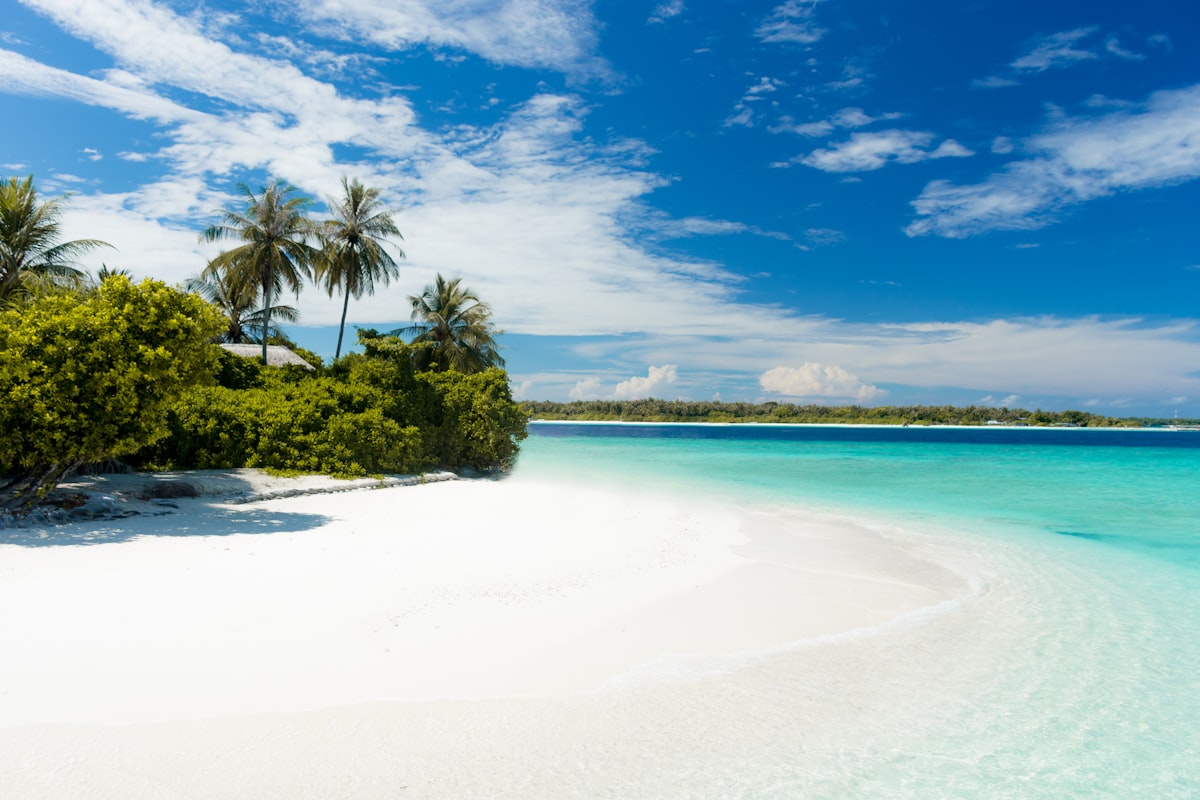
Whitehaven Beach stands as Australia's most photographed beach for good reason. Its 7-kilometer stretch of pure silica sand remains cool underfoot even in scorching heat, while the swirling patterns at Hill Inlet create Instagram-worthy aerial views. The beach's isolation (accessible only by boat, helicopter, or seaplane) ensures uncrowded experiences even during peak season.
Beyond Whitehaven, the Whitsundays offers dozens of secluded beaches across different islands. Catseye Beach on Hamilton Island provides resort-style facilities, while Chance Bay and Butterfly Bay offer complete seclusion for swimming and snorkeling. Each beach presents unique characteristics - from the protective coves of Stonehaven to the expansive sands of Chalkies Beach.
Port Douglas's Four Mile Beach stretches from the town center to the Daintree River mouth, offering consistent access, patrolled swimming areas, and beachfront cafes. The golden sand and palm tree backdrop create classic tropical scenery, though it lacks the pristine wilderness feel of Whitsundays beaches. During stinger season (November to May), Four Mile Beach provides stinger nets for safe swimming, while Whitsundays visitors need full stinger suits.
What are the accommodation options and price ranges?
Whitsundays accommodation ranges from $150-$800+ per night including Airlie Beach backpackers, mid-range resorts, and luxury island retreats, while Port Douglas offers $200-$1,500+ per night with emphasis on 4-5 star resorts and luxury villas.
Airlie Beach provides the widest accommodation variety in the Whitsundays. Budget travelers find beds in quality hostels like Nomads or Mad Monkey for $30-$50 per night. Mid-range options include Coral Sea Resort ($250-$350 per night) and Mantra Club Crocodile ($200-$300 per night). Luxury seekers can choose InterContinental Hayman Island Resort ($800-$1,500 per night) or qualia on Hamilton Island ($1,200-$2,500 per night).
Hamilton Island offers integrated resort experiences with packages including flights, accommodation, and island activities. One-bedroom suites at Hamilton Island range from $400-$700 per night, while luxury Qualia suites command premium rates but include exclusive beach access, personal golf buggies, and fine dining.
Port Douglas focuses heavily on luxury resort experiences. Sheraton Grand Mirage Resort offers beachfront rooms from $300-$500 per night, while Peppers Beach Club provides apartment-style accommodation from $250-$400. Ultra-luxury options like Shangri-La Hotel Port Douglas ($400-$800) and exclusive villas at Port Douglas Peninsula ($800-$2,000) cater to high-end travelers seeking privacy and premium service.
Which destination offers better value for money?
Whitsundays provides better overall value with diverse free activities, competitive tour pricing from $120-$300, and flexible accommodation options, while Port Douglas premium pricing ($200-$500 for reef tours) reflects luxury positioning but fewer budget alternatives.
The Whitsundays edges ahead on value through activity diversity and pricing flexibility. A typical 3-day Whitsundays itinerary might include a $180 sailing day trip to Whitehaven Beach, $250 reef and sailing combination tour, plus free activities like Airlie Beach Lagoon swimming, Bicentennial Walkway hiking, and Conway National Park exploration. Accommodation variety means couples can spend $150-$800 per night depending on their budget and preferences.
Food costs in Airlie Beach suit all budgets. Fish and chips cost $15-$20, pub meals run $20-$30, and fine dining reaches $50-$80 per person. The town's compact size means walking everywhere, eliminating transport costs.
Port Douglas commands premium pricing across most services. Great Barrier Reef day trips start around $200 and reach $450 for luxury catamaran experiences. Daintree Rainforest tours cost $80-$150, while Cape Tribulation day trips run $120-$200. Restaurant pricing reflects the upmarket clientele, with casual dining starting at $25-$35 per person and fine dining reaching $80-$150.
However, Port Douglas delivers value through convenience and service quality. Shorter travel times to reef sites provide more actual snorkeling time, while luxury resorts include extensive facilities that justify higher accommodation costs.
How do tour options and activities compare?
Whitsundays specializes in multi-activity sailing tours combining beaches, snorkeling, and island exploration from $120-$400, while Port Douglas focuses on dedicated reef tours ($200-$450) and rainforest experiences ($80-$200) with premium service levels.
Whitsundays tour operators excel at combination experiences. Popular options include 6-hour sailing trips to Whitehaven Beach and Hill Inlet with snorkeling stops ($180-$220), full-day reef and island tours visiting multiple locations ($250-$300), and multi-day sailing adventures exploring remote islands ($350-$500 per person per day).
The region's sailing heritage shows in tour quality and variety. Operators like Ocean Rafting provide high-speed rigid inflatable boat tours reaching Whitehaven Beach in 45 minutes, while traditional sailing catamarans offer relaxed full-day experiences with gourmet lunch and premium beverages. Helicopter tours combine aerial photography opportunities with beach landings, creating unique experiences impossible in Port Douglas.
Port Douglas tours prioritize specialist experiences. Quicksilver's Outer Reef tours transport 300+ passengers daily to permanent pontoons with underwater observatories, helicopter flights, and submersible tours. Smaller operators like Poseidon and Calypso provide intimate reef experiences for 20-40 passengers with expert marine biologist guides.
Rainforest proximity adds another dimension. Cape Tribulation tours combine ancient Daintree Rainforest walks with beach visits where rainforest meets reef. Specialized night tours reveal nocturnal wildlife including cassowaries, tree kangaroos, and crocodiles impossible to see elsewhere in Australia.
What are the accessibility and transport differences?
Hamilton Island offers direct flights from major cities (1.5-2.5 hours) with immediate island access, while Port Douglas requires Cairns Airport connections plus 1-hour scenic coastal drive but provides easier mainland exploration and day trip variety.
Hamilton Island Airport receives direct flights from Sydney, Melbourne, Brisbane, and Adelaide, with Jetstar and Virgin Australia operating multiple daily services. Flight times range from 1.5 hours (Brisbane) to 2.5 hours (Melbourne), making it Australia's most accessible island destination. Upon landing, resort transfers and island activities begin immediately.
Airlie Beach visitors typically fly into Proserpine Airport (25-minute drive) with connecting flights through Brisbane, or drive from Brisbane (1,100 kilometers, 12 hours) or Cairns (650 kilometers, 7 hours). The drive from Cairns follows the scenic Bruce Highway through sugar cane fields and coastal ranges, with stopping opportunities at Mission Beach and Townsville.
Port Douglas requires flights into Cairns Airport followed by a spectacular 1-hour drive along Captain Cook Highway. This coastal route winds between rainforest-covered mountains and coral reef lagoons, passing through Palm Cove and Ellis Beach. Rental cars provide flexibility for exploring nearby attractions, while shuttle services cost $35-$50 per person each way.
Once in Port Douglas, everything centers around a compact town area walkable within 15 minutes. Tour pickups happen from accommodation, and the marina sits adjacent to the main shopping and dining precinct.
How do we recommend choosing between them?
Choose Whitsundays for sailing, pristine beaches, island diversity, and budget flexibility; select Port Douglas for reef quality, luxury resorts, rainforest access, and sophisticated dining with premium service levels throughout your stay.
Our recommendation criteria focus on your primary interests and travel style. Adventure-seekers prioritizing unique experiences should choose the Whitsundays. The combination of sailing between islands, sleeping under stars on remote beaches, and exploring untouched coral gardens creates memories impossible to replicate elsewhere. Budget-conscious travelers also benefit from Whitsundays' accommodation and activity variety.
Luxury travelers seeking sophisticated experiences favor Port Douglas. The destination's resort quality, fine dining scene, and premium tour operators justify higher costs through exceptional service and facilities. Convenience matters here too - shorter reef travel times and centralized location reduce logistics while maximizing relaxation.
First-time visitors to tropical Queensland face the hardest choice. Our Whitsundays first-timer guide explains why many travelers choose the islands for their unique sailing culture and beach diversity. However, Port Douglas appeals to visitors prioritizing reef quality above all other factors.
Consider combining both destinations for the ultimate Queensland experience. Spend 3-4 days in the Whitsundays experiencing sailing and beaches, then 3-4 days in Port Douglas for premium reef diving and rainforest exploration. This approach maximizes both destinations' strengths while spreading costs across different price points.
Time of year influences recommendations too. Visit the Whitsundays during dry season (April to November) for optimal sailing conditions and minimal rainfall. Port Douglas works year-round for reef access, though wet season (December to April) brings afternoon storms that may affect outdoor activities.
Ready to explore the Whitsundays' pristine islands, world-famous beaches, and incredible sailing experiences? Airlie to Whitehaven makes booking your perfect Whitsundays adventure simple and stress-free. Browse our carefully selected tours, compare prices, and secure your spot in paradise with Australia's leading Whitsundays booking platform.