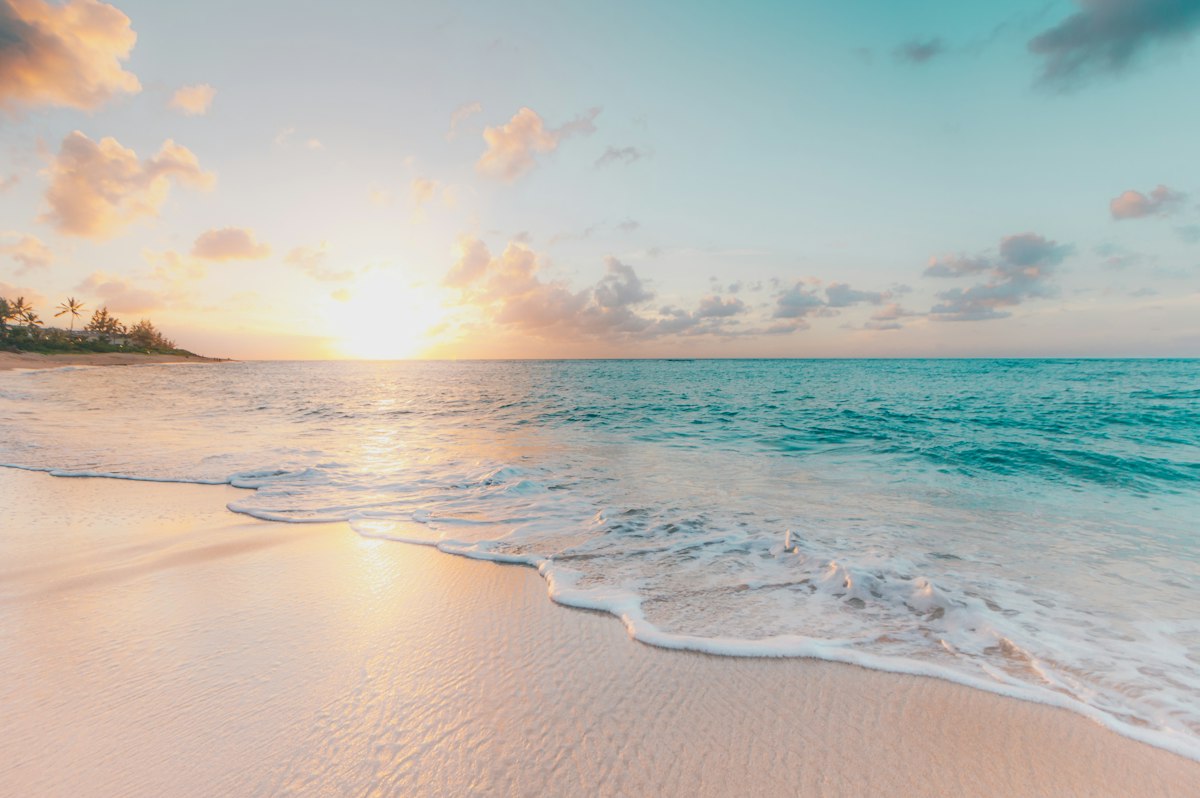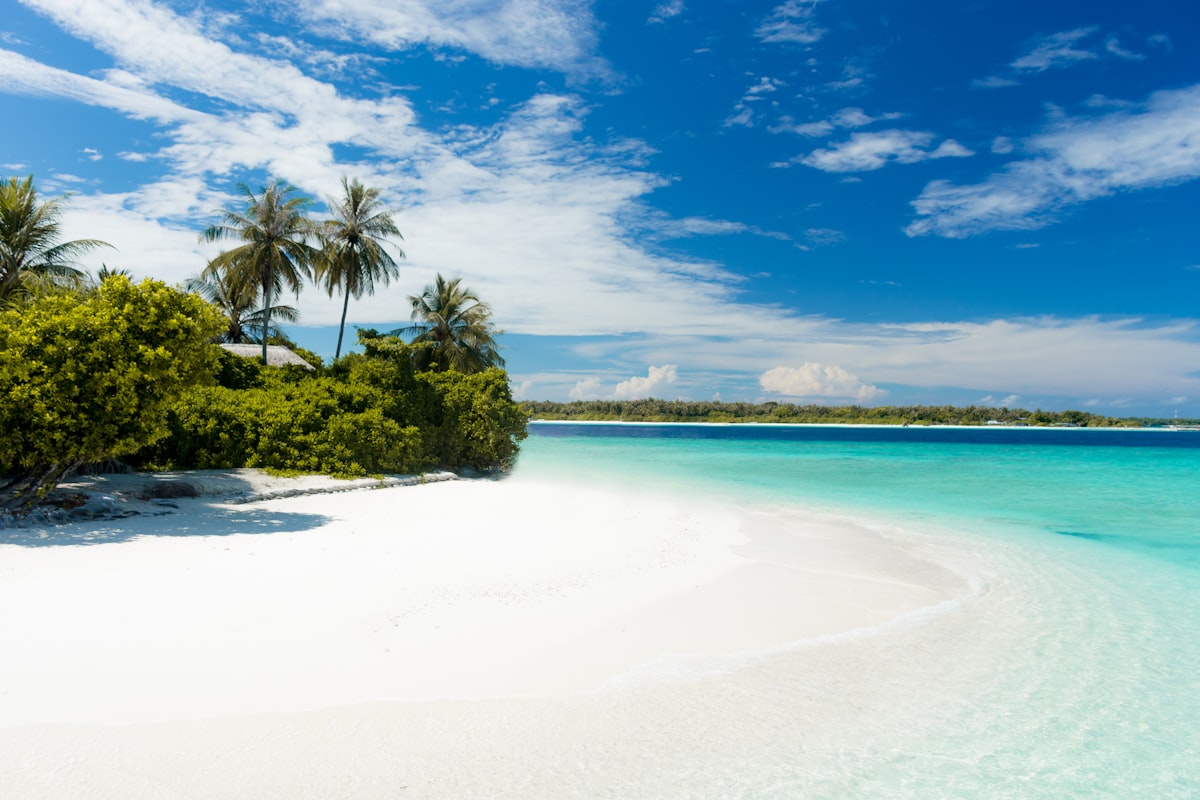
Winter in the Whitsundays isn't your typical chilly season — it's actually the absolute best time to visit Australia's tropical paradise. While southern cities bundle up, the Whitsundays enjoy perfect 23°C days, crystal-clear skies, and the spectacular humpback whale migration. This is when savvy travellers escape the crowds and discover the region at its most magnificent.
What's the Weather Like in the Whitsundays During Winter?
Winter in the Whitsundays brings perfect conditions with average temperatures of 20-23°C, minimal rainfall (30-60mm monthly), and gentle trade winds averaging 15-20 knots. Humidity drops to comfortable 60-70% levels, creating ideal sailing and beach weather.
June, July, and August deliver the Whitsundays' most reliable weather patterns. Daily temperatures hover between a comfortable 20°C minimum and 23°C maximum — perfect for all outdoor activities without the oppressive heat of summer. Water temperatures remain a pleasant 22-24°C, ideal for swimming and snorkelling without a wetsuit.
Rainfall drops dramatically during winter months. June typically sees around 30mm of rain, July averages 25mm, and August receives approximately 20mm. Compare this to January's 250mm average, and you'll understand why winter is considered the dry season. When rain does occur, it's usually brief afternoon showers that clear quickly.
Trade winds blow consistently from the southeast at 15-20 knots, creating perfect sailing conditions. These reliable winds mean smoother boat rides, better sailing performance, and more comfortable days on deck. The wind direction also provides natural protection for most anchorages around the islands.
Humidity levels drop significantly during winter, falling from summer's uncomfortable 80-85% to a much more pleasant 60-70%. This makes outdoor activities far more enjoyable and reduces the sticky, tropical feeling that can overwhelm summer visitors.
Is Winter Peak Season or Off-Peak in the Whitsundays?
Winter is peak season in the Whitsundays due to perfect weather and whale migration. Tour prices increase 20-40% above shoulder season rates, and popular tours book out weeks in advance, especially during school holidays.
July school holidays (typically first two weeks) represent the absolute peak period. Australian families flood the region, driving up accommodation costs and tour availability. Whitehaven Beach tours that cost $169 in May might jump to $199-229 during July holidays. Sailing tours follow similar patterns, with overnight trips increasing from around $399 to $499-599.
June and August offer slightly better value while maintaining excellent weather. Early June and late August provide the sweet spot — great weather, fewer crowds than July, and marginally lower prices. Many operators offer "shoulder peak" pricing during these periods, typically 10-20% less than July rates.
Accommodation follows similar patterns. Budget backpackers in Airlie Beach range from $35-45 per night in winter, compared to $25-35 in the off-season. Mid-range hotels increase from $180-250 to $220-320 per night during peak winter periods.
Advanced booking becomes essential during winter, especially for popular full-day tours and overnight sailing trips. Many operators implement booking cut-offs of 7-14 days during peak periods, and premium tours often sell out a month ahead.
Why Do Humpback Whales Visit the Whitsundays in Winter?
Humpback whales migrate through Whitsunday waters from June to September, traveling from Antarctic feeding grounds to warmer Queensland breeding areas. Peak viewing occurs July-August when over 30,000 whales pass through the region annually.
The humpback migration represents one of nature's most incredible journeys. These magnificent creatures travel over 10,000 kilometres from Antarctica to the warm waters of northern Queensland to breed and give birth. The Whitsundays sit directly along this migration highway, making it one of Australia's premier whale watching destinations.
Peak whale activity occurs during July and August when whale watching success rates exceed 95%. During these months, multiple pods pass through daily, often numbering 20-50 whales. Mothers with newborn calves become increasingly common as the season progresses, providing incredible viewing opportunities.
Whale behaviour during the migration varies by timing. Early season (June-July) features northbound whales focused on reaching breeding grounds, displaying more direct swimming patterns. Late season (August-September) showcases southbound whales with calves, featuring more playful behaviour, breaching, and surface activity.
The protected waters between islands create ideal conditions for whale watching. Whales often rest and socialise in these sheltered areas, particularly around the northern islands. Popular viewing locations include the waters near Hook Island, Border Island, and the outer reef areas.
Professional whale watching tours operate dedicated trips during winter months, with half-day excursions starting from $139 and full-day combinations including Whitehaven Beach from $229. Success rates during peak season justify these premium prices.
What Should You Pack for a Whitsundays Winter Trip?
Pack light layers for Whitsundays winter including t-shirts, light jumper, shorts, long pants, reef-safe sunscreen, hat, and light rain jacket. Water temperatures remain warm at 22-24°C, so standard swimwear works perfectly without wetsuits required.
Clothing essentials focus on versatility and sun protection. Bring multiple t-shirts and tank tops for daytime activities, plus a light cotton jumper or hoodie for early mornings and evenings when temperatures can drop to 20°C. Quick-dry fabrics work best for boat-based activities.
Sun protection remains critical despite cooler temperatures. The tropical sun intensity doesn't diminish in winter, and reflection off water amplifies UV exposure. Pack SPF 50+ reef-safe sunscreen, wide-brimmed hat, quality sunglasses, and lightweight long-sleeved shirts for extended sun exposure.
Footwear should include reef shoes or water shoes for snorkelling and beach walks, comfortable walking sandals, and closed shoes for evening dining. Many tours provide snorkelling gear, but bringing your own mask ensures proper fit and hygiene.
Rain protection consists of a lightweight, packable rain jacket rather than heavy coats. Winter showers are brief but can be intense, and boat rides create wind chill when wet. Most tour operators provide wet weather gear on sailing trips.
Electronics protection includes waterproof phone cases, portable chargers, and camera equipment covers. Saltwater spray occurs even on calm days, and expensive electronics need protection during boat transfers and snorkelling activities.
Which Tours Work Best During Whitsundays Winter?
Winter conditions favour full-day sailing tours, multi-day adventures, and whale watching expeditions. Calm seas, reliable winds, and comfortable temperatures make overnight sailing trips particularly enjoyable, while whale migration adds spectacular wildlife viewing opportunities.
Sailing tours reach their peak performance during winter months. Consistent trade winds provide reliable sailing conditions, allowing boats to actually sail rather than motor between destinations. Full-day sailing tours to Whitehaven Beach range from $189-249, while overnight trips cost $399-599 depending on vessel and inclusions.
Multi-day sailing adventures become highly appealing in winter's comfortable conditions. Two-day/one-night trips allow proper time to experience different islands and anchorages without rushing. Three-day packages provide ultimate relaxation, often including both Whitehaven Beach and snorkelling locations.
Helicopter and seaplane tours excel during winter's clear conditions. Visibility extends for kilometres on typical winter days, providing spectacular aerial photography opportunities. Helicopter flights to Whitehaven Beach cost $349-449 for 60-minute experiences, while seaplane adventures range from $599-899 for half-day packages.
Snorkelling and diving conditions improve significantly during winter. Calmer seas reduce motion sickness, while excellent visibility underwater often exceeds 20-30 metres. Water temperatures remain comfortable without wetsuits, making extended underwater exploration more enjoyable.
Combination tours maximise winter's perfect conditions. Popular packages combine Whitehaven Beach visits with whale watching, reef snorkelling, or scenic flights. These comprehensive experiences take advantage of stable weather to pack multiple activities into single-day adventures.
How Do School Holidays Affect Winter Whitsundays Travel?
July school holidays dramatically increase crowds and prices in the Whitsundays. Tour costs rise 30-50%, accommodation doubles, and popular attractions book out weeks ahead. Queensland, NSW, and Victorian holidays overlap, creating peak demand periods.
The two-week July school holiday period represents the Whitsundays' busiest time. Australian families take advantage of winter school breaks to visit tropical destinations, creating unprecedented demand. Tour operators adjust pricing accordingly, with premium tours commanding highest rates of the year.
Booking strategies become crucial during school holidays. Popular Whitehaven Beach tours that typically require 2-3 days advance booking need 1-2 weeks notice during July holidays. Overnight sailing trips often book out a month ahead, particularly premium vessels and family-friendly options.
Accommodation availability becomes severely constrained. Budget backpackers that normally accept walk-ins require advance booking during school holidays. Mid-range hotels implement minimum stay requirements, typically 3-4 nights, and rates increase 50-100% above off-peak periods.
Alternative timing strategies can save significant money while maintaining excellent conditions. Late June and early August provide near-identical weather with 20-30% lower costs and better availability. Many experienced travelers specifically avoid July holidays while maximising winter's benefits.
Family-focused tours increase during school holiday periods. Operators launch additional kid-friendly departures, extend tour lengths to accommodate family schedules, and provide enhanced safety equipment for younger passengers. These specialised services command premium pricing but deliver enhanced experiences.
What's the Best Winter Month to Visit the Whitsundays?
August offers the best balance for Whitsundays winter visits with perfect weather, peak whale activity, post-school holiday pricing, and excellent tour availability. July provides peak whale viewing but higher costs and crowds, while June offers good value with increasing whale sightings.
August delivers optimal conditions across all factors. Weather remains consistently excellent with minimal rainfall, temperatures stay comfortable at 20-23°C, and trade winds provide ideal sailing conditions. Whale viewing reaches peak activity levels as mother-calf pairs head south, creating spectacular viewing opportunities.
Post-school holiday timing makes August particularly attractive. Tour prices drop 15-25% from July peaks while maintaining identical weather conditions. Accommodation availability improves significantly, and advance booking requirements reduce from weeks to days for most experiences.
July offers peak whale watching but comes with significant tradeoffs. Whale activity reaches annual maximums with 95%+ success rates, but crowds, pricing, and availability issues can impact overall experience quality. Choose July only if whale watching takes absolute priority over budget and convenience.
June provides excellent value for budget-conscious travelers. Early winter conditions deliver reliable weather with occasional brief showers, and whale activity begins increasing throughout the month. Tour prices remain at shoulder-season levels, and accommodation costs stay reasonable.
For specific activities, timing preferences vary. Serious whale watchers should target July-August peaks, while sailing enthusiasts might prefer June's combination of good winds and lower costs. Photographers benefit from August's combination of wildlife activity and excellent visibility conditions.
Our comprehensive best time to visit guide provides detailed month-by-month comparisons to help you choose optimal timing based on your priorities and budget.
Are There Any Winter Events or Festivals in the Whitsundays?
Winter brings several key events to the Whitsundays including Airlie Beach Race Week in August, Whitsunday Voices youth music festival in July, and various whale watching festivals. These events celebrate the region's peak season with sailing competitions, music, and marine life appreciation.
Airlie Beach Race Week typically occurs in mid-August, representing the region's premier sailing event. This week-long regatta attracts hundreds of sailing vessels from across Australia, creating spectacular displays of competitive sailing. Shore-based festivities include live music, food stalls, and sailing industry exhibitions.
The event significantly impacts accommodation and tour availability during August. Many sailing tour operators participate in or cater to Race Week, reducing normal tour capacity. Accommodation books out months ahead, and rates increase substantially during the event period.
Whitsunday Voices youth music festival showcases emerging Australian talent during July school holidays. This family-friendly event features workshops, performances, and community participation opportunities. The festival takes advantage of winter's excellent weather for outdoor venues and activities.
Whale watching festivals occur throughout winter months as various operators and community groups celebrate the annual migration. These informal events often include educational presentations, marine biology talks, and special whale watching tour packages at discounted rates.
Hamilton Island hosts various winter events taking advantage of peak tourist season. Wine and food festivals, jazz weekends, and sailing regattas occur regularly throughout June-August. These events provide additional entertainment options but also increase overall regional demand and pricing.
How Much Does a Winter Whitsundays Holiday Cost?
Budget winter Whitsundays trips start from $150-200 per person daily including backpacker accommodation, basic tours, and meals. Mid-range holidays cost $350-500 daily, while luxury experiences range $800-1500+ daily including premium accommodation, private tours, and fine dining.
Budget breakdown for basic winter holidays includes backpacker accommodation at $35-45 per night, shared sailing tours from $189-249, basic meal costs of $40-60 daily, and local transport around $20 daily. This creates daily totals of $150-200 per person for no-frills experiences.
Mid-range experiences significantly improve comfort and inclusion levels. Hotel accommodation ranges $220-320 nightly, premium day tours cost $249-349, restaurant dining averages $80-120 daily, and private transfers add $50-100. These upgrades create daily costs of $350-500 per person.
Luxury holidays embrace premium experiences throughout. Resort accommodation starts from $450-800 nightly, private yacht charters cost $2000-5000 daily, helicopter transfers range $200-500 per trip, and fine dining exceeds $150 per person. Daily luxury costs easily reach $800-1500+ per person.
Package deals often provide better value than individual bookings. Three-day Whitsundays packages including accommodation, tours, and some meals range from $599 for budget options to $2500+ for luxury experiences. These packages typically offer 15-25% savings over individual component pricing.
Hidden costs include marine park fees ($6.50 per person daily), fuel levies on tours ($10-25), stinger suits rental ($10 daily), and optional extras like underwater cameras ($45-65). Budget an additional $50-100 per person for these supplementary costs.
Our curated tour collection showcases options across all budget levels, helping you find perfect experiences within your price range while maximising winter season benefits.
Winter in the Whitsundays offers the perfect combination of ideal weather, incredible wildlife encounters, and comfortable touring conditions. While peak season pricing applies, the exceptional experiences and reliable conditions justify the investment. Start planning your winter Whitsundays adventure through Airlie to Whitehaven, where our local expertise helps you navigate peak season bookings and secure the best tours for your perfect tropical winter escape.