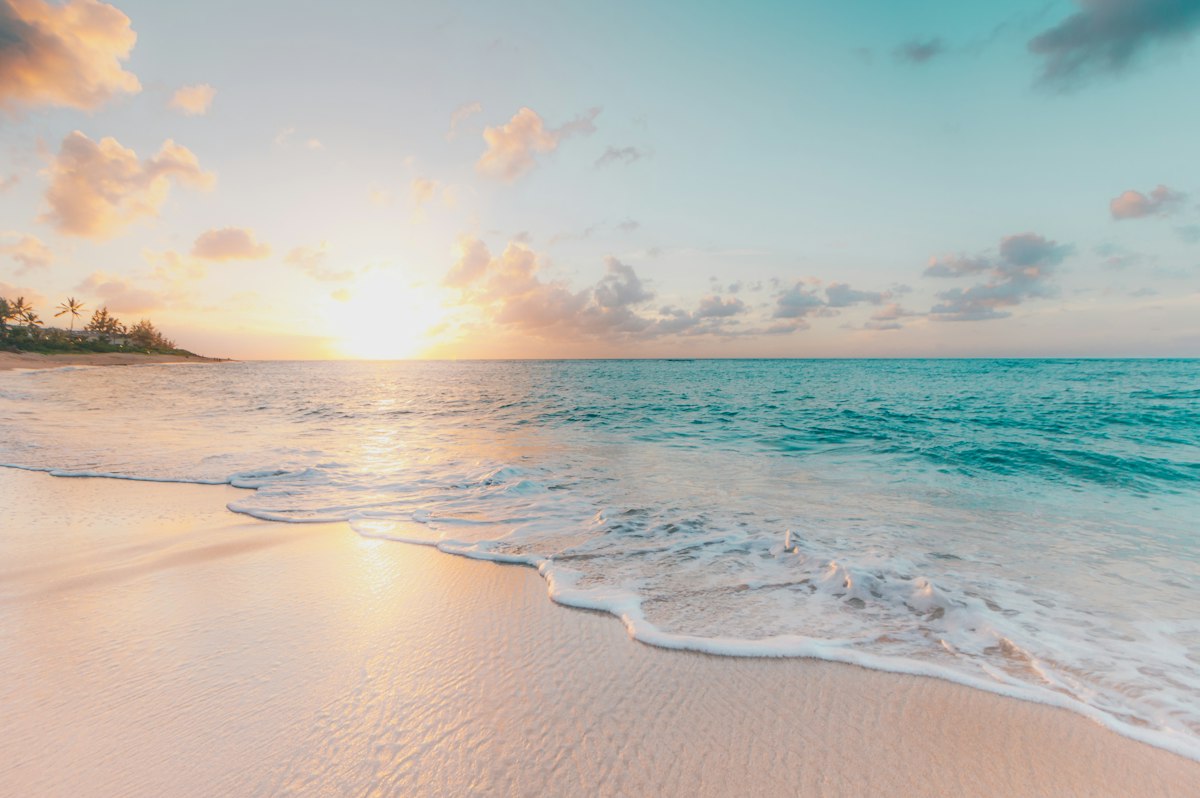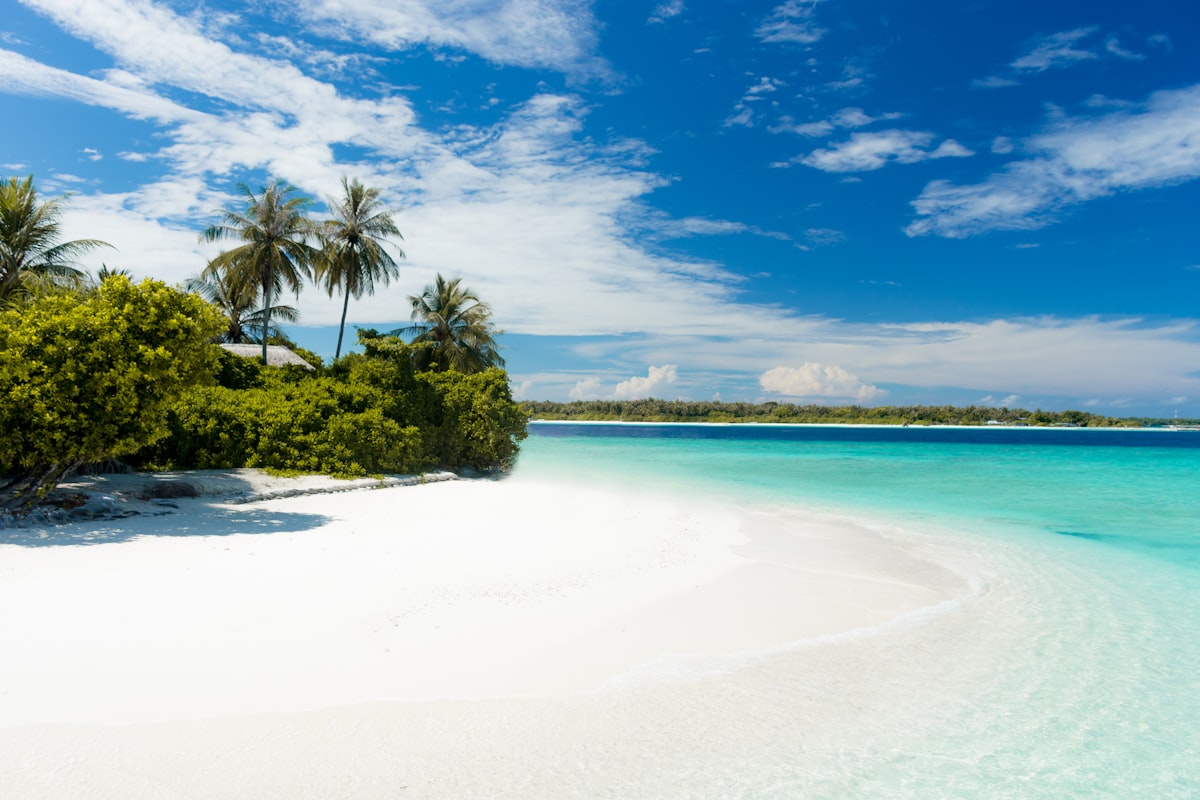
Spring in the Whitsundays transforms this tropical paradise into one of Australia's most desirable destinations. From September through November, you'll experience the sweet spot between winter's cooler temperatures and summer's intense heat and humidity. The weather warms beautifully, whale watching season wraps up with spectacular displays, and you'll beat the summer crowds while scoring better deals on accommodation and tours. This shoulder season offers the perfect combination of comfortable conditions, excellent visibility for snorkelling, and that magical spring energy as nature awakens across the 74 islands.
What's the weather like in the Whitsundays during spring?
Spring weather in the Whitsundays features warm days averaging 24-28°C, minimal rainfall (50-80mm monthly), light trade winds, and excellent water visibility. It's the ideal transition from dry season comfort to summer warmth without the humidity.
September kicks off with pleasant daytime temperatures around 24°C, gradually warming to 28°C by November. Water temperatures sit comfortably between 22-25°C — perfect for swimming and snorkelling without a wetsuit. Rainfall remains low, typically 50-60mm in September and October, increasing slightly to 80mm in November as the wet season approaches.
The trade winds provide natural air conditioning, keeping humidity levels manageable compared to summer months. You'll enjoy crystal-clear skies most days, with occasional afternoon cloud build-up that rarely develops into significant weather. Morning conditions are typically calm and glass-like, ideal for photography and water activities.
Water visibility during spring often exceeds 20 metres around the outer reef, making it prime time for underwater adventures. The Great Barrier Reef experiences some of its clearest conditions during these months, with coral appearing more vibrant under the bright spring sunshine.
Is September a good time to visit the Whitsundays?
September is excellent for visiting the Whitsundays, offering warm 24°C days, calm seas, tail-end whale watching opportunities, and pre-peak season pricing on tours and accommodation throughout the region.
Early spring brings some of the year's most stable weather patterns. Trade winds blow consistently at 10-15 knots, creating perfect sailing conditions without being too strong for smaller boats or inexperienced sailors. The water temperature of 22-24°C feels refreshing after winter but warm enough for extended swimming sessions.
September represents the final month of prime whale watching season, with humpback whales completing their southern migration. You'll often spot mothers with calves, creating unforgettable encounters as they rest in the protected waters between islands.
Tour operators offer spring shoulder-season pricing, typically 15-20% lower than peak summer rates. Half-day sailing trips start around $129, while full-day adventures to Whitehaven Beach range from $165-199. Accommodation rates in Airlie Beach drop significantly compared to school holiday periods.
The absence of stingers makes swimming unrestricted around most islands, though Hamilton Island's southern beaches may still require stinger suits as a precaution until October.
What makes October special in the Whitsundays?
October delivers the Whitsundays' most balanced conditions: 26°C average temperatures, minimal rainfall, excellent reef visibility, comfortable water temperatures, and the last chance for whale watching before peak season pricing begins.
This month represents the sweet spot for many visitors. Water temperatures reach a comfortable 24°C, eliminating any need for wetsuits during snorkelling or diving activities. The reef systems around Hook Island and the outer reef locations show exceptional clarity, with visibility often reaching 25 metres.
October typically receives only 60mm of rainfall across the entire month, with most precipitation occurring as brief afternoon showers that clear quickly. These short bursts actually enhance the tropical atmosphere without disrupting tour schedules or outdoor activities.
Whale watching continues through early October, though sightings become less frequent as pods complete their migration south. The upside is fewer whale-watching boats on the water, creating more intimate encounters when you do spot these magnificent creatures.
Tour availability remains excellent, with operators running full schedules before the November rush begins. Multi-day sailing trips offer particularly good value, with 2-day/1-night packages starting around $299 per person including meals and snorkelling equipment.
How does November weather compare to other months?
November in the Whitsundays features warming temperatures to 28°C, increasing humidity as summer approaches, occasional afternoon storms, and transitional conditions that mark the end of the ideal dry season.
The month serves as a transition period between the comfortable dry season and the approaching wet season. Daily maximums reach 28°C regularly, with overnight lows remaining pleasant around 21°C. Humidity begins its gradual climb but hasn't reached the oppressive levels of December and January.
Rainfall increases to approximately 80mm for the month, often arriving as dramatic afternoon thunderstorms that provide spectacular displays across the islands. These storms typically last 30-60 minutes before clearing to reveal stunning sunsets.
Water temperature reaches an ideal 25°C by November's end, perfect for extended snorkelling sessions and water activities. The warming water also increases marine activity, with more tropical fish species becoming active around the reefs.
Trade winds remain consistent but begin showing signs of the approaching wet season's variability. Most days still feature the reliable south-easterly breezes that make sailing so enjoyable, but occasional calm periods or wind shifts hint at summer's different patterns.
What should I pack for a spring Whitsundays trip?
Pack lightweight clothing, reef-safe sunscreen, light rain jacket for November showers, comfortable walking shoes, swimwear, and a light sweater for evening boat trips when temperatures can drop to 19°C.
Clothing essentials include breathable cotton or moisture-wicking fabrics in light colours to reflect the strengthening spring sun. Long-sleeved shirts and pants provide sun protection during extended boat trips and are essential for reef walking or hiking on the islands.
Sun protection becomes critical as UV levels intensify with longer days and stronger sunshine. Pack SPF30+ reef-safe sunscreen, a wide-brimmed hat, and quality sunglasses. The reflection off the water can cause unexpected sunburn even on cloudy days.
Footwear should include reef shoes or sturdy sandals for beach walking and snorkelling, plus comfortable walking shoes for island hiking trails. Flip-flops work for casual beach time but aren't suitable for rocky areas or extended walking.
Evening temperatures can drop to 19°C on the water, so pack a light fleece or windproof jacket for sunset cruises or overnight sailing trips. A compact umbrella or light rain jacket becomes more important in November as afternoon showers increase.
Don't forget underwater camera equipment or waterproof phone cases — spring's excellent visibility makes it prime time for underwater photography around the reef systems.
Which tours work best during Whitsundays spring season?
Spring suits all tour types, but sailing trips, reef snorkelling, and island-hopping adventures perform exceptionally well due to calm seas, excellent visibility, and comfortable temperatures without summer's intense heat.
Full-day sailing adventures to Whitehaven Beach take advantage of consistent trade winds and calm anchorage conditions. The famous silica sand feels comfortable underfoot without summer's burning temperatures, and Hill Inlet lookout hikes are pleasant in spring's moderate heat.
Snorkelling and diving tours benefit enormously from spring's exceptional water clarity. Operators report visibility often exceeding 20 metres around popular sites like Bait Reef, Hook Island, and Mantaray Bay. Water temperatures of 22-25°C allow extended time in the water without thermal protection.
Multi-day sailing trips become particularly appealing as overnight temperatures remain comfortable for sleeping on deck or in non-air-conditioned cabins. Two and three-day adventures offer better value than summer peak rates while delivering superior weather conditions.
Helicopter and scenic flights maximize spring's clear skies and excellent visibility. Heart Reef photography reaches its peak during these months, with minimal atmospheric haze and perfect lighting conditions for the famous coral formation.
Fishing charters excel in spring as many species become more active in the warming waters. Spanish mackerel, coral trout, and red emperor provide excellent sport fishing opportunities around the outer reef systems.
How do spring prices compare to peak season?
Spring offers 15-25% savings on accommodation and tours compared to summer peak season, with September providing the best value before prices gradually increase through October and November toward holiday rates.
Accommodation in Airlie Beach shows significant price variations across spring months. September rates can be 25% below peak summer pricing, with quality hotel rooms starting around $120 per night compared to $180+ in December and January. November sits in the middle, typically 10-15% below peak rates.
Tour pricing follows similar patterns, with operators offering shoulder-season rates through September and early October. Full-day sailing trips that cost $219 in peak season might be available for $179 in September, representing substantial savings for families or groups.
Flight costs to Hamilton Island or Proserpine Airport remain relatively stable through spring, though booking in advance typically yields better results. Direct flights from Melbourne or Sydney to Hamilton Island range from $280-450 return, depending on booking timing and airline choice.
Package deals combining accommodation and tours often provide the best spring value. Many operators offer 3-day/2-night packages including accommodation, meals, and multiple tours starting around $449 per person in September, increasing to $520+ by November.
The key advantage extends beyond just lower prices — you'll also find better availability and more personalized service as tour groups remain smaller than summer's capacity crowds.
What events happen in the Whitsundays during spring?
Spring features Hamilton Island Race Week in August spilling into September, various music festivals, Schoolies Week in November, and the start of wedding season as couples take advantage of perfect weather conditions.
Hamilton Island Race Week aftermath continues into early September, with many visiting sailors extending their stay to explore the region. This creates a vibrant atmosphere in Airlie Beach and Hamilton Island, with increased restaurant and nightlife activity.
October typically hosts several smaller music and arts festivals taking advantage of the pleasant weather. These events rarely impact tour availability but add cultural richness to the region's offerings.
November brings Schoolies Week, when Australian high school graduates celebrate their completion of Year 12. This primarily affects Airlie Beach accommodation and nightlife rather than daytime tour operations, though some properties specifically cater to or avoid this demographic.
The spring months mark the beginning of wedding season, with many couples choosing November for outdoor ceremonies. This can impact accommodation availability at premium resorts but creates a romantic atmosphere throughout the region.
Spring also sees various sailing regattas and yacht races utilizing the consistent trade winds. These events add spectacle to the waters around the islands without significantly impacting commercial tour operations.
Are there any spring-specific considerations for visiting?
Spring visitors should book accommodation early for November due to Schoolies Week, consider stinger suits for southern beaches until October, and take advantage of excellent conditions for year-round activities before peak season.
Stinger presence varies significantly across spring months. September and early October may still require stinger suits at some locations, particularly Hamilton Island's southern beaches and mainland swimming areas. However, most island beaches and tour locations remain stinger-free throughout spring.
November accommodation booking requires careful timing due to Schoolies Week, typically occurring in the last two weeks of November. Many properties either specifically cater to this market or implement policies to avoid it, so research thoroughly when booking.
Cyclone season officially begins November 1, though significant weather events remain rare until December or January. Spring visitors can generally plan with confidence, monitoring weather forecasts for the occasional early-season disturbance.
Marine life activity increases throughout spring as waters warm. This enhances snorkelling and diving experiences but can also mean increased jellyfish activity, particularly blue bottles during windy periods.
Photography conditions reach their annual peak during spring months, with clear skies, excellent visibility, and comfortable temperatures for extended outdoor shoots. Professional photographers often consider this the premium season for Whitsundays imagery.
Ready to experience the Whitsundays during their spectacular spring season? Whether you're drawn to September's whale watching finale, October's perfect weather balance, or November's warming waters, Airlie to Whitehaven makes booking your spring adventure simple and straightforward. Browse our carefully selected range of tours and experiences, from half-day sailing trips to multi-day reef adventures, all designed to showcase the region at its spring best. Book today and discover why spring remains the insider's secret for experiencing the Whitsundays at their most beautiful and comfortable.