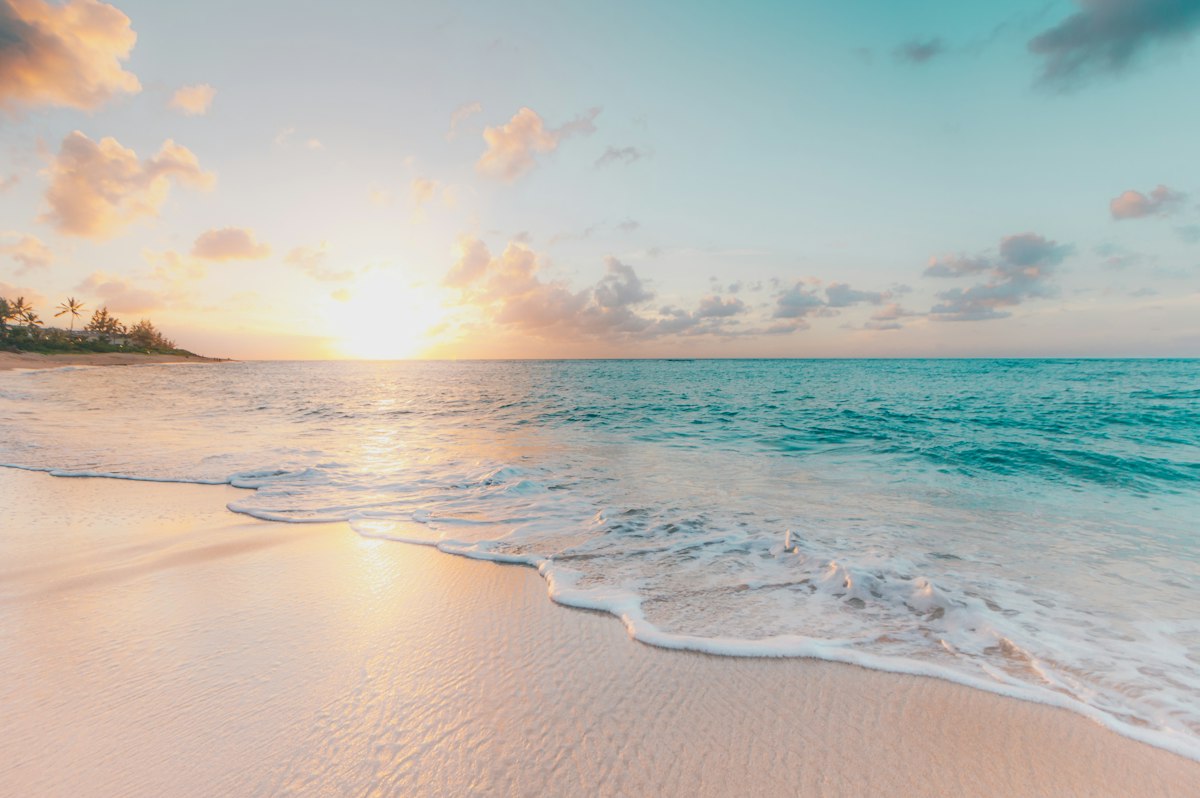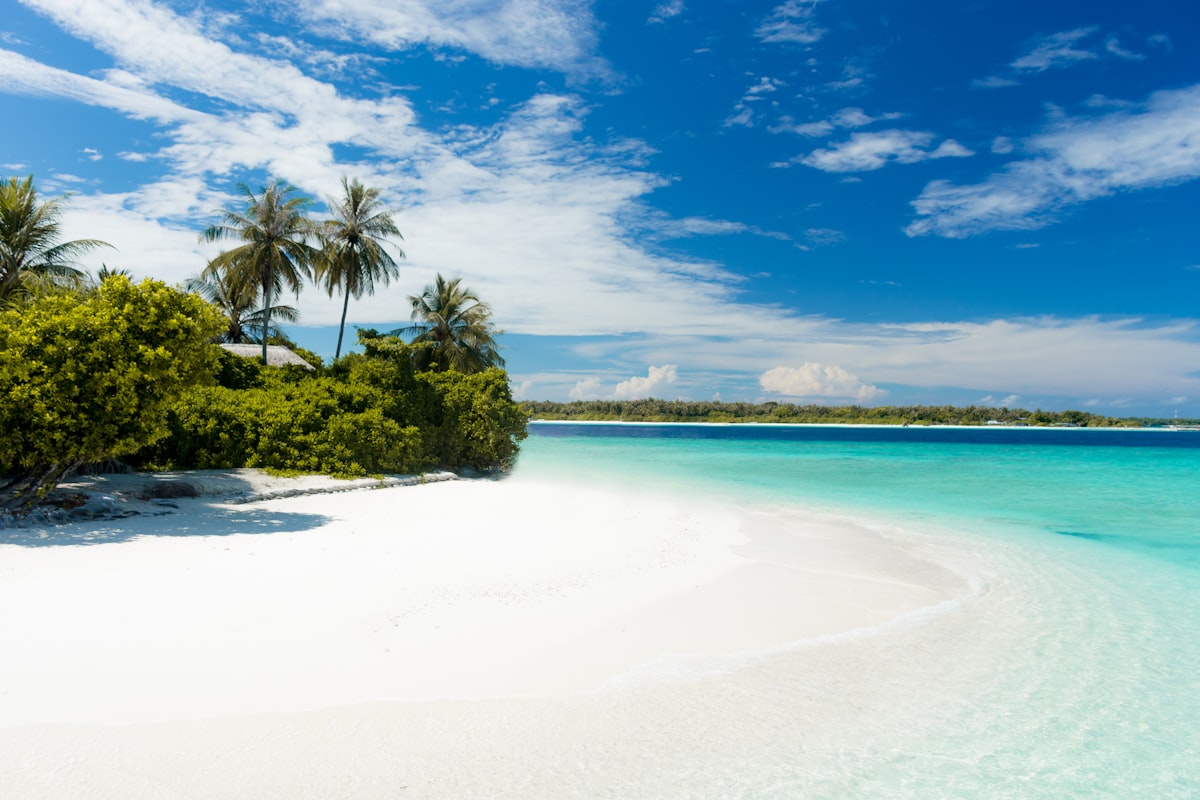
Autumn in the Whitsundays is hands down one of the best-kept secrets for visiting this stunning archipelago. From March through May, you'll find the perfect sweet spot between the intense summer heat and the cooler winter months, with water temperatures still sitting pretty at 26-28°C and significantly fewer crowds competing for those Instagram-perfect shots at Whitehaven Beach.
What makes autumn the ideal time to visit the Whitsundays?
Autumn offers the Whitsundays' most balanced conditions: warm water temperatures averaging 26-28°C, lower humidity, minimal rainfall (around 80-120mm monthly), and dramatically reduced tourist numbers compared to winter peak season, creating perfect sailing and swimming conditions.
This transitional period represents the sweet spot many experienced travellers swear by. The oppressive humidity of summer starts lifting by March, while cyclone season officially ends on April 30th. You're looking at average maximum temperatures of 27-29°C with minimums around 20-22°C – perfect for both day tours and overnight sailing adventures.
The Great Barrier Reef visibility improves significantly during autumn months, with calmer seas and reduced seasonal runoff from mainland rivers. Marine life becomes more active as water temperatures remain optimal, making this prime time for snorkelling and diving excursions from Airlie Beach.
How does autumn weather compare to other seasons in the Whitsundays?
Autumn delivers consistently pleasant conditions with 26-28°C water, 27-29°C air temperatures, lower humidity than summer, and minimal rainfall compared to the wet season, while avoiding winter's strong trade winds that can make sailing choppy.
March still carries some summer characteristics with occasional afternoon thunderstorms, but these typically clear quickly and provide spectacular light for photography. April emerges as arguably the most stable month weather-wise, with Bureau of Meteorology data showing average rainfall dropping to just 89mm compared to summer's 200-300mm monthly averages.
By May, you're experiencing what locals consider ideal Whitsundays conditions – warm but not hot days, cool comfortable nights, and the famous southeast trade winds are still gentle rather than the powerful 20-25 knot gusts common in July and August. The humidity drops from summer's oppressive 80-85% to a much more comfortable 60-70%.
Sea conditions remain relatively calm throughout autumn, with wave heights typically under 1.5 metres – perfect for those prone to seasickness who might struggle during winter's rougher seas.
Which tours and activities work best during autumn months?
Full-day sailing tours, multi-day sailing adventures, and reef combinations shine during autumn, with calm seas, warm water eliminating wetsuit needs, excellent visibility for snorkelling, and comfortable temperatures for extended outdoor activities without extreme sun exposure.
This is prime time for the longer sailing experiences that showcase the Whitsundays at their finest. Two and three-day sailing trips become incredibly appealing when you can comfortably sleep on deck under the stars without the winter chill or summer's stifling heat.
Scenic helicopter flights offer stunning visibility during autumn, with cleaner air and fewer weather-related cancellations. The famous Heart Reef flights operate with higher success rates, as the reduced cloud cover provides those crystal-clear aerial photography conditions.
Ocean rafting tours excel during this period, as the calmer seas mean you can access more remote locations around the outer islands. The powerful rigid inflatable boats can comfortably reach spots like Langford Island and the northern beaches of Whitsunday Island that might be off-limits during rougher winter conditions.
Sunset sailing becomes absolutely magical during autumn months, with the lower humidity creating those spectacular golden hour conditions that photographers dream about. The comfortable evening temperatures mean you can fully enjoy these 2-3 hour experiences without needing extra layers.
What should you pack for an autumn Whitsundays trip?
Pack light summer clothing, reef-safe SPF 50+ sunscreen, a light rain jacket for occasional showers, comfortable walking shoes, and a thin sweater for evening boat trips when temperatures can drop to 20°C on the water.
The UV index remains high year-round in the Whitsundays, so quality sun protection is non-negotiable. Bring a wide-brimmed hat, polarised sunglasses, and long-sleeve rashguards for extended snorkelling sessions. Many tour operators provide stinger suits, but if you're planning multiple water activities, consider bringing your own.
Evening temperatures can surprise visitors, particularly on overnight sailing trips where the ocean breeze creates a cooling effect. A light fleece or windbreaker proves invaluable for sunset dinners on deck or early morning swims.
Waterproof phone cases and dry bags become essential for multi-day sailing adventures. While rainfall is minimal, afternoon showers can still occur, and you'll want to protect electronics during water activities.
Quality reef-safe sunscreen is crucial – the Queensland government strongly encourages reef-safe products, and many tours now provide these exclusively. Pack more than you think you'll need; the reflection off white sand and crystal-clear water intensifies UV exposure significantly.
How do autumn prices compare to peak season rates?
Autumn represents excellent shoulder-season value, with accommodation rates 20-30% lower than winter peak season, tour prices offering early booking discounts, and flight costs significantly reduced compared to June-September when southern Australians escape cold weather.
Accommodation in Airlie Beach during autumn averages $150-200 per night for quality resorts, compared to $250-350+ during peak winter months. Many properties offer package deals combining accommodation with popular tours, providing additional savings for multi-day stays.
Tour operators frequently run early booking specials for autumn departures, with discounts of 10-15% common for advance bookings. Multi-day sailing trips, typically $400-600 per person, often include bonus activities or meals during this period to attract bookings before the winter rush.
Flights from major Australian cities cost significantly less during autumn months. Brisbane to Hamilton Island routes average $200-300 return compared to $400-500+ during school holidays and peak winter season. Proserpine Airport flights offer even better value, though require the additional 25-minute transfer to Airlie Beach.
Restaurant prices remain consistent year-round, but you'll find better availability and often complimentary upgrades at popular dining establishments that become heavily booked during peak season.
When do school holidays impact autumn crowd levels?
Easter school holidays (March/April) create the only significant crowd surge during autumn, lasting 2-3 weeks with increased family groups, higher accommodation rates, and busier tour bookings, while May remains consistently quiet until winter peak season begins.
The Easter period typically sees accommodation rates jump 40-50% above normal autumn pricing, and popular tours like Whitehaven Beach day trips can book out weeks in advance. However, this busy period usually only spans 2-3 weeks compared to the 3-month peak winter season.
Outside of Easter holidays, May emerges as one of the quietest months in the Whitsundays calendar. Tour groups average 15-20 people compared to winter's maximum capacity bookings, creating more intimate experiences and better access to guides and crew attention.
International school holidays have minimal impact during autumn months, as European and North American visitors typically time their Australian trips for their summer months (our winter). This creates a predominantly domestic visitor base during autumn, with a higher proportion of couples and adult groups rather than families.
Advance booking becomes crucial only during the Easter period, while the rest of autumn offers flexibility for spontaneous bookings and last-minute deals.
What marine life and reef conditions can you expect in autumn?
Autumn delivers optimal reef conditions with 25-30 metre visibility, water temperatures of 26-28°C supporting active marine life, coral spawning events in March/April creating unique diving opportunities, and reduced seasonal runoff maintaining crystal-clear water quality.
The Great Barrier Reef experiences some of its best visibility during autumn months, as reduced rainfall means minimal terrestrial runoff affecting water clarity. Snorkelling and diving conditions at popular sites like Blue Pearl Bay and Mantaray Bay showcase the reef at its most spectacular.
Coral spawning events typically occur in March and April, triggered by water temperature and lunar cycles. While this natural phenomenon can temporarily reduce visibility for 2-3 days, it represents one of the reef's most important annual events and provides unique underwater photography opportunities.
Turtle activity remains high throughout autumn, with green and hawksbill turtles commonly spotted at snorkelling sites around Hook Island and the Whitsunday Island northern beaches. The warm water temperatures support active feeding behaviour, making encounters more likely during day tours.
Fish populations remain diverse and active, with autumn being prime time for spotting larger pelagic species. Maori wrasse, giant trevally, and various shark species become more commonly observed as water conditions stabilise after the summer storm season.
Which tour types offer the best value during autumn?
Multi-day sailing trips provide exceptional autumn value with comfortable sleeping conditions, perfect sailing weather, smaller group sizes, and shoulder-season pricing often including bonus activities like additional snorkelling stops or upgraded meals for the same cost.
The 2-day, 1-night sailing adventures become particularly attractive during autumn, as the comfortable sleeping conditions on deck under clear skies create an unforgettable experience. Operators like Prosail and Whitsunday Sailing Adventures often include additional stops or extended snorkelling time during this period.
Full-day sailing tours to Whitehaven Beach excel during autumn, with calm seas ensuring comfortable journeys and optimal conditions for the famous silica sand experience. The reduced crowds mean more space for those perfect beach photos and unhurried exploration of Hill Inlet Lookout.
Scenic helicopter flights offer outstanding value during autumn's clear conditions, with visibility rates above 90% compared to summer's weather-related cancellations. The famous 15-minute Whitehaven Beach flight ($199 per person) rarely faces delays during this stable weather period.
Combined reef and island tours work exceptionally well during autumn, as the calm seas allow comfortable travel to outer reef sites while maintaining schedule reliability. These full-day experiences typically range $160-220 per person and include all equipment and meals.
Ready to experience the Whitsundays during their autumn sweet spot? Browse our comprehensive selection of Whitsundays tours and discover why savvy travellers choose this season for their island adventure. From intimate sailing expeditions to spectacular scenic flights, Airlie to Whitehaven offers the region's best tours with local expertise and competitive pricing. Check our complete seasonal guide for more planning insights, or explore our budget-friendly options to make the most of autumn's excellent value. Book your autumn Whitsundays experience today and discover why this season delivers the perfect balance of ideal weather, fewer crowds, and unforgettable adventures.