Planning your first trip to the Whitsundays can feel overwhelming with 74 islands to explore, countless tour options, and logistics to figure out. But here's the thing – this tropical paradise is actually quite straightforward once you know the basics. From choosing the right base to timing your visit and picking tours that match your style, this guide will save you from the common first-timer mistakes and help you make the most of one of Australia's most stunning destinations.
When is the best time to visit the Whitsundays for first-timers?
April to November offers the best weather for Whitsundays first-timers, with minimal rainfall, calm seas, and temperatures between 20-28°C. Avoid December to March due to heavy rain, humidity, and stinger season requiring protective suits.
The dry season from April to November delivers consistently beautiful weather with average temperatures hovering around 24°C. During these months, you'll experience less than 60mm of rainfall per month, compared to the wet season's 200-400mm. Trade winds keep things comfortable, and the calm seas make for smoother sailing and better snorkelling conditions.
Stinger season runs roughly from November to May, when potentially dangerous jellyfish inhabit the waters. While tour operators provide stinger suits, many first-timers prefer avoiding this complication altogether. The wet season also brings cyclone risk, typically between December and April, which can disrupt travel plans.
Peak season falls between June and September, coinciding with Australian winter school holidays and humpback whale migration. Expect higher accommodation prices and crowded tours, but also perfect weather and the chance to spot migrating whales. Book accommodation and tours well in advance during these months.
Where should first-time visitors stay in the Whitsundays?
Airlie Beach serves as the ideal base for Whitsundays first-timers, offering the widest selection of tours, restaurants, and accommodation within walking distance of departure points at Abel Point Marina and Shute Harbour.
Airlie Beach provides everything you need within a compact area. Abel Point Marina, just 2km from the town centre, hosts most tour departures, while Shute Harbour (8km away) handles larger vessel departures. The town offers backpacker hostels from $30 per night, mid-range hotels from $150, and luxury resorts from $400.
Hamilton Island appeals to visitors wanting resort luxury but costs significantly more – expect to pay $300-800 per night for accommodation. While Hamilton Island has its own airport with direct flights from major cities, tour options are more limited and expensive compared to Airlie Beach.
Other islands like Daydream Island or Long Island suit specific resort experiences but restrict your touring flexibility. First-timers benefit most from Airlie Beach's central location and variety of Whitsundays tours departing daily.
How do you get to the Whitsundays from major Australian cities?
Fly to Hamilton Island Airport (HTI) for direct access, or to Proserpine Airport (PPP) then drive 25 minutes to Airlie Beach. Driving from Brisbane takes 11 hours (1,100km) along the Bruce Highway.
Hamilton Island Airport receives direct flights from Sydney (2.5 hours, $200-500), Melbourne (2.5 hours, $250-600), and Brisbane (1.5 hours, $150-400). Jetstar, Virgin Australia, and Qantas service this route. From Hamilton Island, catch the ferry to Airlie Beach (45 minutes, $50) or stay on the island.
Proserpine Airport, also called Whitsunday Coast Airport, sits 25 minutes drive from Airlie Beach via the Shute Harbour Road. Jetstar operates the main service from Brisbane (1.5 hours, $100-300). Rental cars cost $40-80 per day, or book airport transfers for $25-35 per person.
Driving the Bruce Highway from Brisbane covers 1,100km and takes approximately 11 hours with breaks. The route passes through interesting towns like Gympie, Bundaberg, and Mackay. Many visitors combine this drive with stops at other Queensland attractions. Our detailed getting to Airlie Beach guide covers all transport options and current pricing.
What are the must-do experiences for Whitsundays newcomers?
First-timers should prioritise Whitehaven Beach for its famous silica sand, Hill Inlet Lookout for panoramic views, and Great Barrier Reef snorkelling. A sailing trip combines multiple experiences in one memorable day.
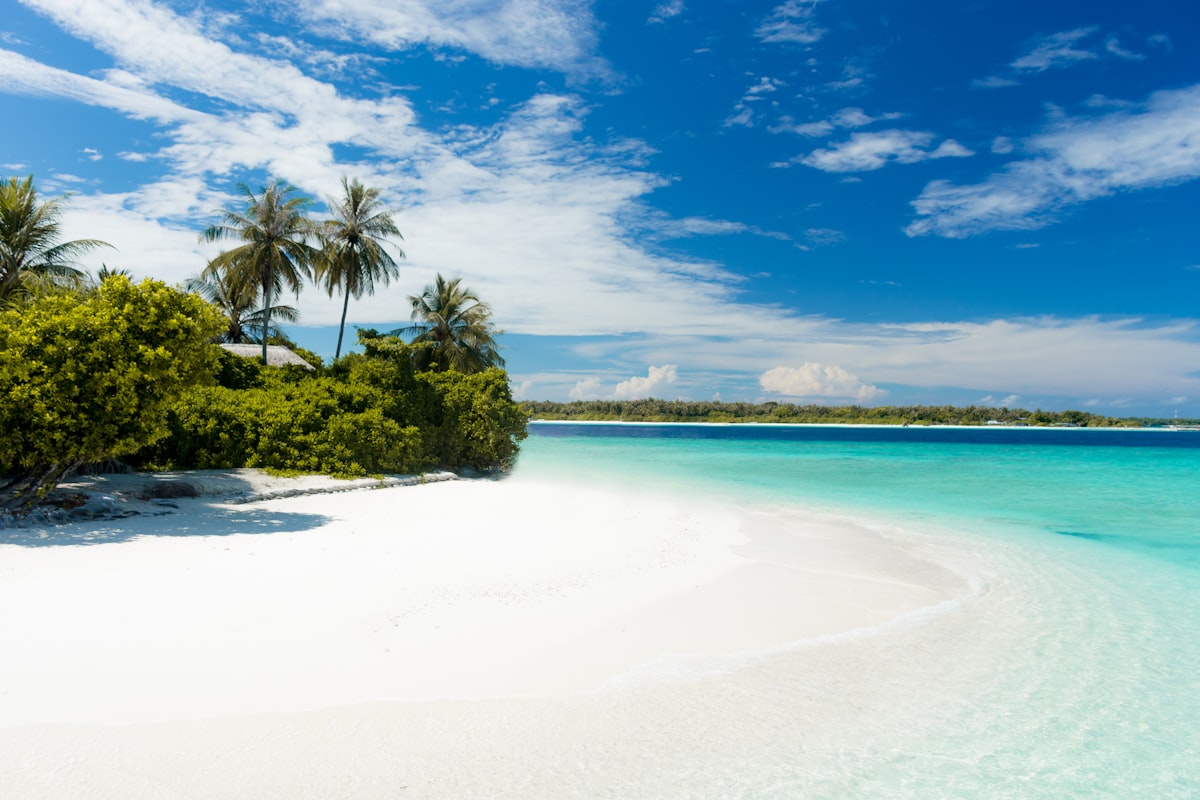
Whitehaven Beach consistently ranks among the world's best beaches due to its 98.9% pure silica sand that stays cool underfoot and creates a brilliant white contrast against turquoise waters. The 7km stretch on Whitsunday Island is accessible only by boat, helicopter, or seaplane. Half-day trips start from $89, while full-day experiences cost $150-250.
Hill Inlet Lookout provides the iconic swirling sands photograph seen on countless postcards. The moderate 20-minute bushwalk rewards visitors with panoramic views over Whitehaven Beach and the shifting sand patterns created by tidal movements. Tours typically include both the beach and lookout.
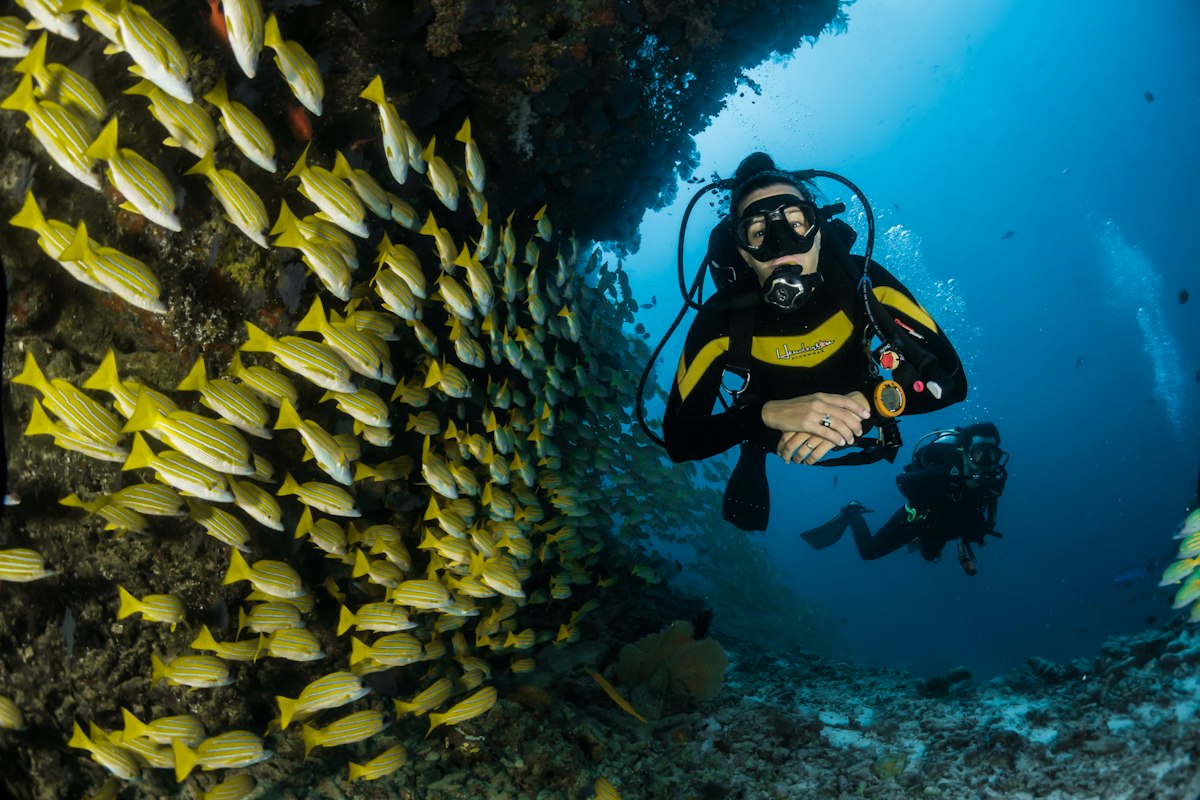
Great Barrier Reef snorkelling opens up an underwater world of coral gardens and tropical fish. The outer reef, approximately 2 hours by fast catamaran from Airlie Beach, offers superior coral health and fish diversity compared to inner reef sites. Full-day reef tours cost $200-280 including lunch and equipment.
Sailing represents the quintessential Whitsundays experience, whether on a day trip or multi-day adventure. The protected waters between islands create perfect sailing conditions year-round. Day sails typically visit 2-3 locations and cost $150-220 per person.
How much should first-timers budget for a Whitsundays trip?
Budget $200-300 per day for mid-range Whitsundays experiences including accommodation ($150), meals ($80), and tours ($150-250). Backpackers can manage on $100-150 daily, while luxury travellers should expect $500-800 per day.
Accommodation forms the largest expense. Backpacker hostels in Airlie Beach start at $30-45 per night for dorm beds, while private rooms cost $80-120. Mid-range hotels and apartments range from $150-250 nightly. Luxury resorts on Hamilton Island or Airlie Beach command $300-800 per night.
Tour costs vary significantly by duration and inclusions. Airlie Beach day trips to Whitehaven Beach start around $89 for half-day trips, while full-day sailing adventures cost $150-250. Great Barrier Reef tours range from $200-280. Multi-day sailing trips cost $400-800 per person depending on vessel type and duration.
Food expenses range from $15-25 for casual meals to $40-80 for restaurant dining. Airlie Beach offers excellent value with waterfront restaurants, food courts, and supermarkets for self-catering. Many tours include lunch, reducing daily food costs.
Transport adds $100-200 for airport transfers or car rental. Activities like scenic helicopter flights ($300-500) or skydiving ($300-400) increase budgets considerably but provide unforgettable experiences.
What common mistakes do Whitsundays first-timers make?
First-timers commonly underestimate tour booking lead times, pack inappropriate clothing for boats, skip reef-safe sunscreen, and try cramming too many activities into short stays without allowing weather contingency days.
Booking tours last-minute creates disappointment, especially during peak season from June to September. Popular trips like Whitehaven Beach sailing tours fill up weeks ahead. Weather can cancel tours, so booking early allows rebooking flexibility. Advance bookings also secure better prices and preferred departure times.
Inappropriate clothing ruins comfort on boat trips. Bring quick-dry shorts, rashguards or long sleeves for sun protection, and reef-safe sunscreen to protect marine environments. Many first-timers pack only beach clothes then shiver on air-conditioned boats or during windy passages between islands.
Overscheduling creates stress when weather disrupts plans. Tropical conditions can change rapidly, forcing tour cancellations or modifications. Allow at least one buffer day for weather delays, especially if flying out on tight schedules. This flexibility transforms potential frustration into opportunities for alternative activities.
Ignoring seasickness preparation affects around 30% of passengers on choppy days. Take motion sickness medication 30 minutes before departure, choose midship seating, and avoid large meals beforehand. Ginger tablets and pressure-point wristbands provide natural alternatives.
Which tours work best for different travel styles and fitness levels?
Active travellers enjoy sailing trips and bushwalking combinations, families prefer stable catamarans with amenities, seniors favour scenic helicopter flights, and budget travellers choose day trips over multi-day sailing adventures.
Sailing appeals to adventurous spirits wanting authentic experiences. Maxi yacht day trips offer exhilarating speeds and active participation in sailing, while slower sailing catamarans prioritise comfort and stability. Multi-day sailing combines accommodation and transport, suiting travellers wanting immersive experiences. Fitness requirements vary from minimal on leisurely sails to moderate on racing yachts.
Families with children benefit from larger catamarans featuring toilets, shaded areas, and calm water activities. Whitehaven Beach's shallow entry suits young swimmers, while glass-bottom boat sections entertain non-snorkellers. Choose tours specifically marketing family-friendly amenities rather than party-oriented trips.
Seniors or mobility-limited visitors should consider helicopter or seaplane tours providing spectacular views without physical demands. Premium vessels offer easier boarding via marinas rather than beach landings. Reef tours with underwater observatories suit non-swimmers wanting marine life encounters.
Budget-conscious travellers maximise value through day trips rather than expensive multi-day options. Shared helicopter flights cost less than private charters while delivering similar experiences. Backpacker sailing trips offer basic but memorable adventures at lower prices than luxury vessels.
What should you pack for your first Whitsundays adventure?
Pack reef-safe sunscreen, quick-dry clothing, hat, sunglasses, underwater camera, motion sickness tablets, and light rain jacket. Bring cash for optional activities and tips, plus day pack for tour essentials.
Reef-safe sunscreen protects both you and fragile marine ecosystems. Zinc-based formulations without oxybenzone or octinoxate prevent coral bleaching while providing effective protection. SPF 30+ is essential due to intense tropical sun and reflection off water. Reapply every 2 hours despite claims of water resistance.
Quick-dry clothing enhances comfort during multiple water activities. Avoid cotton which stays wet and cold – choose synthetic materials or merino wool blends. Rashguards prevent sunburn during extended snorkelling sessions. Light long pants and sleeves protect against afternoon sun and air-conditioned boat cabins.
Waterproof phone cases or action cameras capture underwater memories. Disposable underwater cameras work well for casual photographers, while GoPro cameras suit active users wanting high-quality footage. Many tour boats offer photo packages if you prefer professional shots.
Cash remains necessary for tips, optional activities, and some smaller operators who don't accept cards. Bring $50-100 in small notes. National park fees for some locations require cash payment, and tipping tour staff 10% for excellent service is appreciated though not mandatory.
How do weather and seasons affect first-time visitors?
Weather significantly impacts Whitsundays experiences, with dry season (April-November) offering calm seas and clear skies, while wet season brings rain, humidity, stinger risks, and potential cyclones requiring protective clothing and flexible planning.
Trade winds during dry season create ideal sailing conditions with consistent 10-20 knot breezes and calm seas. Visibility for snorkelling exceeds 20 metres, and rainfall averages just 40-60mm monthly. Temperatures range from 20°C morning lows to 28°C afternoon highs, perfect for all activities.
Wet season from December to March brings dramatic afternoon storms, high humidity exceeding 80%, and marine stinger presence requiring full-body suits when swimming. Cyclone season peaks from January to March, potentially disrupting travel plans. However, accommodation prices drop 30-50%, and tourist numbers decrease significantly.
Whale watching season from June to September adds spectacular wildlife encounters to trips. Humpback whales migrate along the coast, with sightings almost guaranteed on outer reef tours. This peak season commands highest prices but delivers perfect weather and incredible wildlife experiences.
Shoulder seasons (April-May, October-November) offer excellent value with good weather, moderate prices, and fewer crowds. Water temperatures remain comfortable year-round, ranging from 22°C in winter to 28°C in summer.
Ready to experience the Whitsundays magic for yourself? Airlie to Whitehaven makes planning your first Whitsundays adventure simple with carefully curated tours, honest reviews, and local expertise. Browse our selection of day trips, sailing adventures, and reef experiences to find your perfect introduction to this tropical paradise. Book with confidence knowing you're getting insider knowledge and competitive prices for your unforgettable Whitsundays debut.