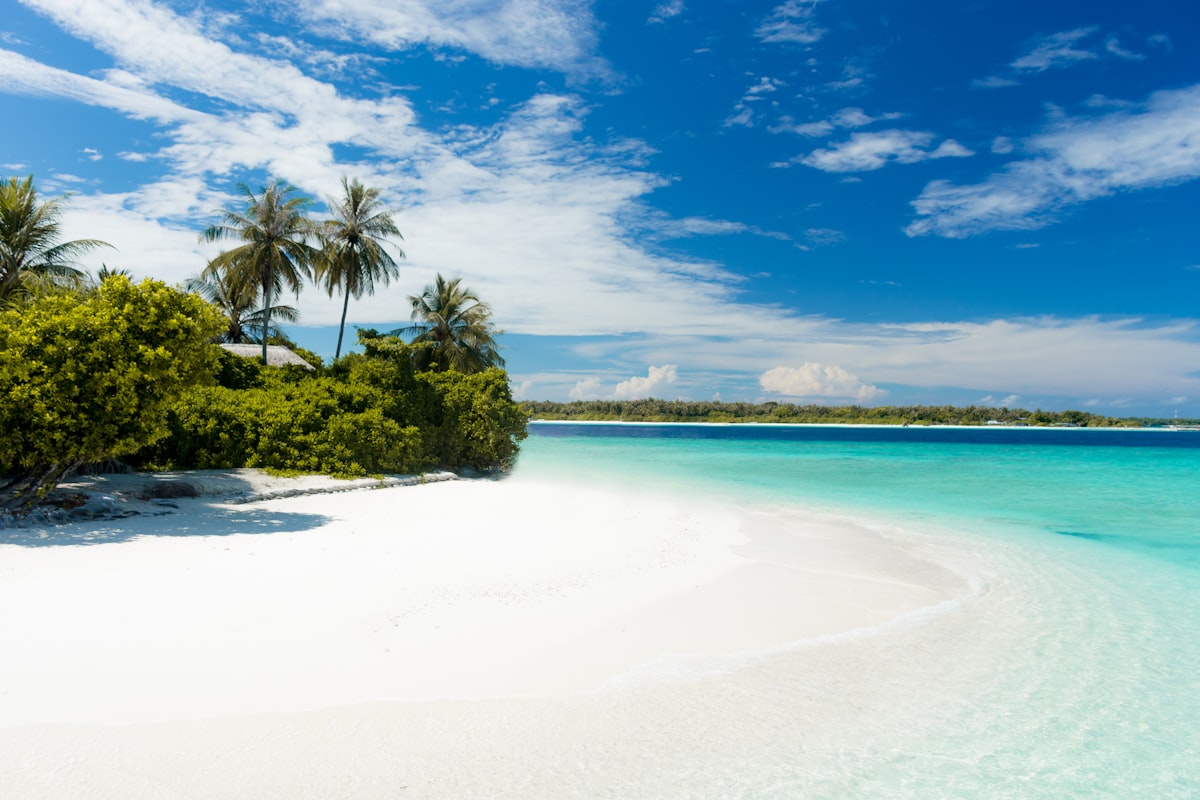
Seven days in the Whitsundays gives you the perfect amount of time to experience everything this tropical paradise offers without feeling rushed. Whether you're dreaming of sailing crystal-clear waters, walking the pure silica sands of Whitehaven Beach, or snorkelling the Great Barrier Reef, a full week allows you to tick every box and truly unwind into island time.
How much does a 7-day Whitsundays trip cost?
A 7-day Whitsundays holiday costs between $2,000-$8,000 per person, depending on accommodation choice and tour frequency. Budget backpackers can manage $300-500 daily, mid-range travellers spend $500-800, while luxury seekers invest $1,000+ per day including premium resorts and private charters.
Your biggest expenses will be accommodation and tours. Backpacker hostels in Airlie Beach start around $35-50 per night, mid-range hotels run $150-300, and luxury resorts like Hamilton Island's Qualia command $1,500+ nightly. Popular day tours range from $150-400 per person, while overnight sailing trips cost $300-800 depending on vessel quality and inclusions.
Food varies dramatically by choice. Self-catering from Woolworths keeps meals under $20 daily, casual dining runs $30-50 per meal, and resort restaurants easily hit $100+ per person. Don't forget extras like scenic flights ($300-500), Hamilton Island day passes ($40), and national park camping fees ($6.75 per person nightly).
What's the best base for a week-long Whitsundays stay?
Airlie Beach serves as the ideal base for most 7-day itineraries, offering the widest tour selection, budget accommodation options, and mainland convenience. Hamilton Island works for luxury stays but limits tour choices and increases costs significantly for multi-day exploration.
Airlie Beach provides unmatched tour variety with over 50 operators departing daily from Abel Point Marina and Shute Harbour. You'll find accommodation from $35 backpacker beds to $400 luxury suites, plus supermarkets, restaurants, and nightlife within walking distance. The town's compact size means everything sits within 1km of the waterfront.
Hamilton Island appeals to those prioritising luxury and convenience over variety. The resort island offers stunning accommodation and facilities, but tour options are limited and expensive. Day trips to Airlie Beach for tour departures add $80 return ferry costs plus planning complexity.
Alternative bases like Shute Harbour or Cannonvale work for self-drive visitors seeking quieter settings, but you'll sacrifice walking access to tours and dining. These locations require rental cars for daily transport to Airlie Beach tour departures.
How should I plan my 7 days for maximum experience?
Structure your week with high-energy activities early, relaxation mid-trip, and flexible buffer days for weather. Day 1-2 focus on arrival and acclimatisation, days 3-5 tackle major experiences like overnight sailing and reef tours, while days 6-7 allow for spontaneous additions or rest.
Start with easier half-day tours to adjust to the climate and pace. Research shows visitors who dive into full-day activities immediately often feel overwhelmed by tropical heat and humidity. Your body needs 2-3 days to acclimatise to the Queensland sun and humidity levels averaging 70-80%.
Schedule weather-dependent activities like scenic flights and outer reef snorkelling during your middle days when you have flexibility to reschedule. Tropical weather patterns can change rapidly, and having buffer days prevents disappointment. Inner reef and island tours typically run regardless of conditions.
Book popular experiences in advance, especially during peak season (April-October). Whitehaven Beach tours, overnight sailing, and scenic flights often sell out 3-7 days ahead. Leave 1-2 days completely unplanned for spontaneous discoveries or weather-related rescheduling.
What does a perfect day-by-day itinerary look like?
Day 1: Arrive and explore Airlie Beach town including Lagoon swimming, Markets, and sunset drinks. Day 2: Half-day Whitehaven Beach tour. Day 3: Full-day Great Barrier Reef snorkelling. Day 4-5: 2-day sailing adventure. Day 6: Scenic helicopter flight and Hamilton Island exploration. Day 7: Relaxed departure with final beach time.
Day 1 - Arrival and Airlie Beach Discovery Arrive at Proserpine Airport or Hamilton Island, transfer to Airlie Beach accommodation. Spend afternoon exploring the town's compact waterfront precinct. Visit the Airlie Beach Lagoon (free swimming, open 6am-10pm daily), browse weekend markets (Saturdays 7am-1pm), and enjoy sunset drinks at Northerlies Beach Bar. Budget $80-150 for meals and drinks.
Day 2 - Whitehaven Beach Half-Day Take morning half-day tour to Whitehaven Beach featuring Hill Inlet Lookout and beach time. Tours depart 8:30am, return 2:30pm, cost $150-220 per person. Afternoon free for spa treatments, shopping along Shute Harbour Road, or Bicentennial Walkway coastal path (2.5km one-way).
Day 3 - Great Barrier Reef Adventure Full-day outer reef snorkelling tour departing 8am, returning 5:30pm. Visit 2-3 reef locations, includes lunch, snorkel gear, and marine biologist guides. Expect $220-350 per person. Evening rest and early dinner - reef days are physically demanding in tropical conditions.
Days 4-5 - Overnight Sailing Experience Two-day sailing adventure with overnight anchorage. Most include Whitehaven Beach, snorkelling spots, all meals, and accommodation aboard. Maxi sailing vessels cost $450-600, while luxury catamarans run $600-800 per person. Pack light - only soft bags allowed.
Day 6 - Aerial Views and Hamilton Island Morning scenic helicopter flight over Heart Reef and Whitehaven Beach (15-60 minutes, $300-800 per person). Afternoon ferry to Hamilton Island ($40 return) for resort exploration, wildlife park ($26 adults), or golf cart touring around the island.
Day 7 - Relaxed Departure Final morning at Airlie Beach Lagoon or Boathaven Beach. Late checkout options available at most accommodations for afternoon/evening flights. Airport transfers take 25 minutes to Proserpine, 45 minutes including Hamilton Island ferry connection.
What are the must-do experiences I can't miss?
Essential Whitsundays experiences include Whitehaven Beach's 98.9% pure silica sand, overnight sailing through the islands, Great Barrier Reef snorkelling at Hardy Reef, and scenic flights over Heart Reef. These four activities showcase the region's unique natural wonders impossible to find elsewhere.
Whitehaven Beach ranks as the world's most Instagrammed beach due to its 7km stretch of pure silica sand that doesn't retain heat and Hill Inlet's swirling sand patterns visible only from elevated viewpoints. The sand's purity level of 98.9% creates the brilliant white colour and cool-touch sensation underfoot.
Sailing overnight captures the true Whitsundays spirit as you anchor in protected bays under Southern Hemisphere stars. The islands' geography creates natural wind tunnels perfect for sailing, with 74 islands offering countless sheltered anchorages. Wake up to sunrise over uninhabited islands accessible only by boat.
Great Barrier Reef snorkelling at outer reef locations like Hardy Reef provides encounters with marine life impossible in inner waters. Visibility reaches 30+ metres, water temperatures hold steady at 24-28°C year-round, and coral diversity peaks with over 400 species documented in Whitsundays waters.
Scenic flights reveal the reef's true scale and famous Heart Reef formation - a naturally occurring coral formation shaped like a heart, discovered in 1975. The aerial perspective shows patterns and colours invisible from water level, including the dramatic deep blue of the continental shelf dropping to 2,000+ metre depths.
When is the best time to visit for 7 days?
April to October offers the best conditions for a week-long stay, with dry weather, comfortable temperatures (20-26°C), and southeast trade winds perfect for sailing. Avoid November to March due to stinger season, high humidity, and potential cyclone activity affecting tour schedules.
Peak season (June-August) delivers perfect weather with rainfall under 50mm monthly and humidity around 65%. Temperatures range 18-24°C with consistent southeast winds averaging 15-20 knots - ideal for sailing. However, expect premium pricing and advance booking requirements for all activities.
Shoulder seasons (April-May, September-October) provide excellent value with similar weather conditions but 20-30% lower prices. Water temperatures peak at 26-28°C during these months. April offers the added benefit of autumn calm before trade winds strengthen.
Stinger season (November-March) brings challenges including marine stingers requiring protective suits, humidity exceeding 80%, and afternoon thunderstorms. Cyclone season runs December-April with potential tour cancellations. However, whale watching opportunities peak July-September during humpback migration.
Water temperature remains suitable year-round at 22-28°C, though stinger suits are mandatory November-May. The Great Barrier Reef's tropical location ensures consistent snorkelling conditions regardless of season, with visibility best during calmer winter months.
What should I pack for a week-long tropical trip?
Pack lightweight, quick-dry clothing, reef-safe sunscreen (SPF 50+), multiple swimwear sets, and versatile footwear including reef shoes. Include light layers for air-conditioned spaces, waterproof phone case, and minimal toiletries as most accommodations provide basics.
Clothing essentials include 3-4 swimwear sets (they take time to dry in humidity), lightweight shirts with UV protection, quick-dry shorts/dresses, and one light jacket for evening air conditioning. Avoid cotton in favour of synthetic or merino wool fabrics that dry quickly and resist odours.
Sun protection is critical with UV levels reaching extreme (11+) daily. Pack reef-safe sunscreen (brands like Stream2Sea or Badger), wide-brimmed hat, UV-rated sunglasses, and rashguard for extended water time. Queensland sun can burn fair skin within 15 minutes even with cloud cover.
Footwear needs vary by activity. Reef shoes protect against coral cuts and stonefish, comfortable walking shoes handle Airlie Beach exploration, and thongs suffice for casual wear. Avoid new shoes - tropical humidity and salt water can cause unexpected discomfort.
Technical items include waterproof phone case ($20-40), portable charger for long tour days, underwater camera if you don't want to rent ($30-50 daily), and reef-safe toiletries. Most boats provide snorkel gear, towels, and safety equipment.
How do I handle weather changes during my week?
Build flexibility into days 3-5 for weather-dependent activities, monitor Bureau of Meteorology forecasts daily, and understand tour operators' cancellation policies. Most inner-island tours operate in light rain, while outer reef and scenic flights require clear conditions.
Tropical weather patterns change rapidly in the Whitsundays region. Morning sunshine can turn to afternoon thunderstorms within hours, especially during summer months. Tour operators monitor conditions constantly and make safety-based decisions about departures and itinerary changes.
Tour cancellation policies vary significantly. Scenic flights typically cancel for cloud cover and offer full refunds or rescheduling. Sailing tours may modify routes but rarely cancel except for dangerous conditions. Reef tours continue in light rain but postpone for large swells or storms.
Indoor alternatives include Coral World Aquarium ($29 adults), Conway National Park's rainforest walks (free), Airlie Beach markets and shopping, spa treatments, and distillery tours. Hamilton Island offers additional wet-weather options including wildlife sanctuary and resort facilities.
Preparation strategies include booking popular tours early in your stay for rescheduling flexibility, maintaining 1-2 completely unplanned days, and understanding that some weather creates unique opportunities - dramatic skies often produce spectacular sunset photography conditions.
Ready to plan your perfect week in paradise? Let Airlie to Whitehaven help you book the ultimate 7-day Whitsundays experience with our local expertise and comprehensive tour selection. We'll ensure your itinerary flows seamlessly from arrival to departure, creating memories that last a lifetime.