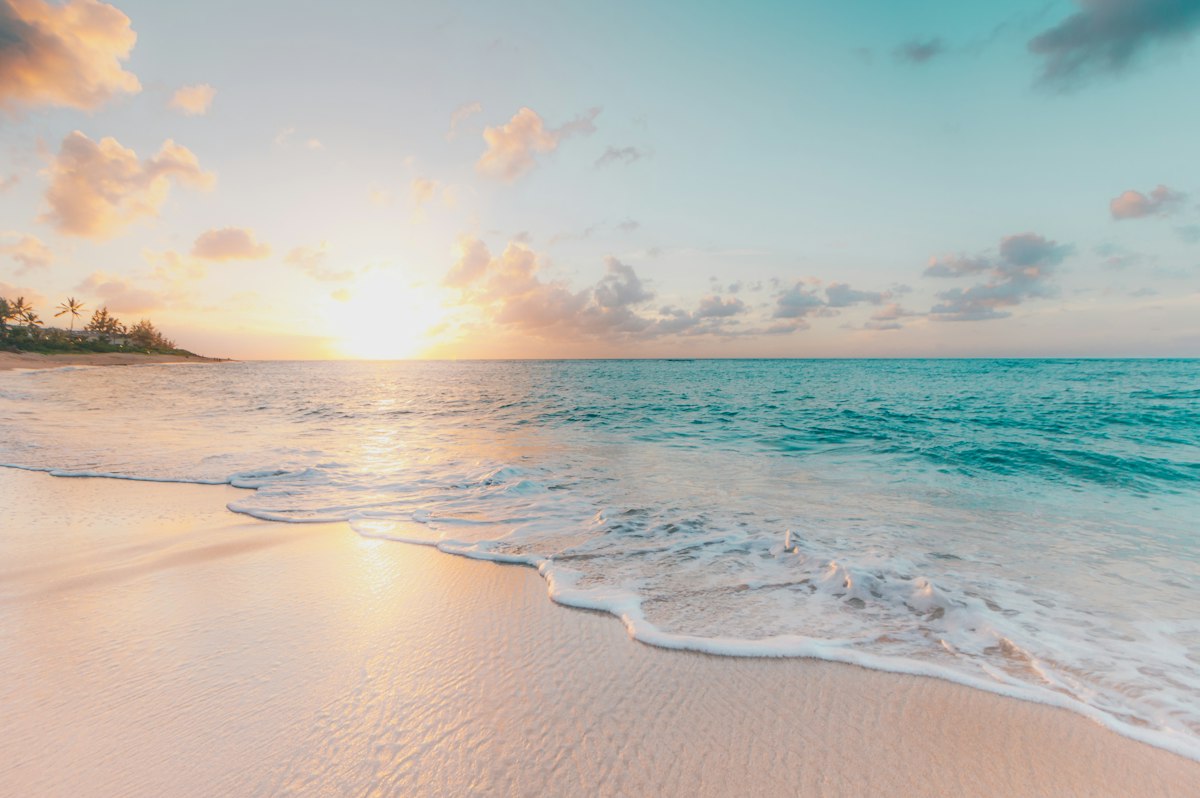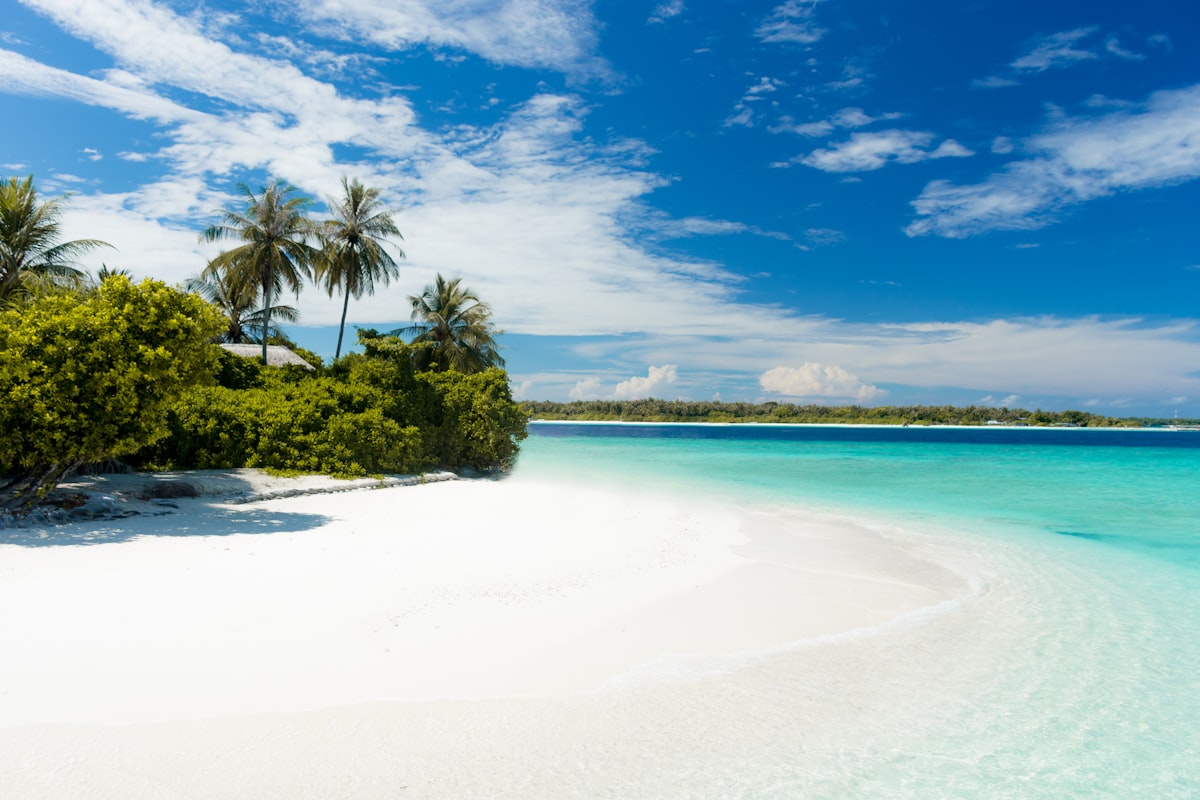
With just one day in the Whitsundays, you'll face the delicious dilemma of choosing between pristine beaches, vibrant coral reefs, and secluded island hideaways. While 24 hours barely scratches the surface of this 74-island paradise, a well-planned day trip can deliver those iconic Whitsundays moments — crystal-clear waters, blindingly white sand, and that perfect Instagram shot from Hill Inlet Lookout. The secret lies in choosing the right tour for your priorities and being realistic about what's achievable.
Which tour type offers the best value for a single day in the Whitsundays?
Full-day sailing trips provide the best one-day value, typically including Whitehaven Beach, Hill Inlet Lookout, and snorkeling for $180-220 per person with lunch included. These 8-hour experiences maximize your time on the water while covering the region's highlights efficiently.
Your tour choice fundamentally shapes your Whitsundays experience. Sailing tours offer the classic experience — feeling the wind in your hair as you cruise between islands on a maxi yacht or catamaran. Expect to pay $180-220 for a full day including lunch, with operators like Prosail and Red Cat Adventures departing from Abel Point Marina around 8:30am and returning by 5pm.
Power boat tours cover more ground faster, allowing you to visit multiple locations. Ocean Rafting's Northern Exposure runs $199 for adults and includes Whitehaven Beach, Hill Inlet Lookout, and two snorkel spots. The rigid inflatable boats hold 32 passengers maximum, creating a more intimate experience than large catamarans carrying 100+ people.
Helicopter tours deliver unparalleled aerial perspectives but limit beach time. A 60-minute scenic flight costs $645 per person, while a 2.5-hour tour including a Whitehaven Beach landing runs $995. These suit travelers prioritizing photography and unique viewpoints over swimming and snorkeling.
For comprehensive coverage, consider our Whitsundays tours which include detailed comparisons of all major operators and tour styles.
What time should I start my Whitsundays day trip?
Most full-day tours depart between 8:30-9:00am from Abel Point Marina or Shute Harbour, returning by 5:00-5:30pm. Early departures maximize daylight hours and allow for calmer morning sea conditions before afternoon winds typically pick up around 2pm.
Tour departure times follow a consistent pattern across operators. Abel Point Marina departures cluster around 8:30am, requiring check-in by 8:15am. This marina, located at 48 Shingley Drive, Airlie Beach, offers convenient parking ($15 per day) and is walking distance from most Airlie Beach accommodation.
Shute Harbour departures typically leave at 9:00am sharp. Located 10 kilometers southeast of Airlie Beach, this deeper water port accommodates larger vessels. Free parking is available, but arrive early during peak season (June-September) as spots fill quickly.
Morning departures capitalize on calmer seas and better visibility for photography. Afternoon trade winds, while refreshing, can create choppier conditions and may force tour route adjustments. The "washing machine" effect at Hill Inlet Lookout — where swirling sands create mesmerizing patterns — is most pronounced during morning high tides.
How do I maximize my time at Whitehaven Beach during a day trip?
Choose tours offering 2+ hours at Whitehaven Beach rather than rushed 45-minute stops. Northern end access provides the best combination of pristine beach time and Hill Inlet Lookout hiking, while southern end visits offer calmer conditions for families.
Whitehaven Beach stretches 7 kilometers along Whitsunday Island's eastern coast, but tour landing points vary significantly. The northern end provides access to Hill Inlet Lookout via a moderately challenging 20-minute bushwalk. This vantage point delivers those famous swirling sand photographs, but requires reasonable fitness levels and sun protection.
The southern end offers easier beach access with calmer waters ideal for families with young children. The 98.9% pure silica sand maintains comfortable temperatures even during midday sun, but bringing reef-safe sunscreen remains essential as UV reflection intensifies on white sand.
Smart visitors pack light for beach time — waterproof phone cases, wide-brimmed hats, and reef-safe SPF 50+ sunscreen. Many tours provide snorkeling gear, but bringing your own ensures proper fit. The beach has no facilities, so tours must provide all refreshments and shade.
Photography enthusiasts should shoot during the "golden hours" — early morning arrival captures pristine, footprint-free sand, while late afternoon departures offer dramatic lighting across the swirling patterns at Hill Inlet.
What snorkeling locations should I prioritize on a one-day trip?
Tongue Bay and Luncheon Bay offer the best snorkeling experiences for day trips, featuring 3-5 meter visibility, diverse coral formations, and abundant marine life including tropical fish, sea turtles, and rays. Both locations provide protected conditions suitable for beginners.
Tongue Bay sits on Whitsunday Island's northern coast, delivering excellent coral diversity in 2-8 meters of water. Expect to encounter Maori wrasse, coral trout, and schools of fusiliers among staghorn and plate coral formations. The bay's protection from prevailing southeast winds ensures consistently good conditions.
Luncheon Bay, located on the southern side of Border Island, features a natural amphitheater of coral bommies rising from a sandy bottom. Green sea turtles frequent this area, particularly around the deeper coral formations. Water depth ranges from 3-12 meters, accommodating both novice snorkelers and confident swimmers.
Cid Harbour serves as many tours' lunch stop, offering basic snorkeling over seagrass beds where young turtles often feed. While less spectacular than reef locations, it provides a gentler introduction for nervous snorkelers.
The actual Great Barrier Reef lies approximately 80 kilometers offshore — a 2-3 hour journey each way that day trips cannot accommodate. However, Whitsundays fringing reefs provide excellent snorkeling experiences with significantly easier access.
Stinger suits are provided during stinger season (roughly November-May) and are mandatory for entering the water. These lightweight lycra suits protect against marine stingers while providing UV protection.
How much should I budget for a quality Whitsundays day trip?
Budget $200-250 per person for premium day trips including lunch, snorkeling gear, and stinger suits. Add $15-20 for marina parking, $30-50 for pre-tour breakfast, and $50-80 for post-trip dinner, totaling $295-400 per person for the complete experience.
Tour pricing varies significantly by vessel type and inclusions. Budget sailing tours start around $150 but often exclude lunch, requiring additional meal purchases. Premium catamaran experiences run $220-280, including quality buffet lunches, open bars (beer/wine), and superior comfort levels.
Power boat tours typically cost $199-240, offering faster transit times and smaller group sizes. Semi-submersible tours range from $179-199, perfect for non-swimmers wanting underwater viewing without getting wet.
Hidden costs include marina parking ($15 per day at Abel Point Marina, free at Shute Harbour), gratuities for crew (10-15% customary for exceptional service), and optional photography packages ($40-80). Many visitors underestimate meal costs — budget $25-35 for breakfast and $40-60 for dinner at waterfront restaurants.
Booking directly with operators may offer better prices than resort concierges, who typically add 10-20% commission. Group bookings (8+ people) often qualify for discounts, while shoulder season travel (March-May, September-November) provides better value with fewer crowds.
What weather conditions could affect my Whitsundays day trip?
Moderate to high winds (20+ knots) can cause tour cancellations or route changes, particularly affecting smaller vessels. Stinger season (November-May) requires protective suits for swimming, while tropical storms typically occur December-March with advance weather monitoring.
The Whitsundays' tropical climate delivers year-round warmth, but seasonal variations significantly impact tour experiences. Trade winds strengthen during dry season (May-October), creating ideal sailing conditions but potentially choppy seas for sensitive stomachs. Winds typically build throughout the day, starting calm at sunrise and reaching 15-25 knots by mid-afternoon.
Stinger season brings marine stingers including potentially dangerous box jellyfish and irukandji. All tour operators provide full-body lycra suits during this period, mandatory for water entry. While stings remain rare, suits are non-negotiable and included in tour prices.
Tropical storms primarily threaten December-March, though cyclones remain relatively uncommon. Tour operators monitor weather closely and will cancel or reschedule for safety. Travel insurance covering weather-related cancellations provides peace of mind during wet season travel.
Sea sickness affects approximately 20% of passengers on rougher days. Preventive measures include taking seasickness medication 30 minutes before departure, eating light breakfasts, staying hydrated, and positioning yourself midship where vessel movement feels less pronounced.
Which departure point offers the most convenient access for day trips?
Abel Point Marina provides the most convenient access, located within Airlie Beach's main accommodation and dining precinct. This full-service marina offers paid parking, nearby cafes, and easy walking access from most hotels, though Shute Harbour accommodates larger vessels.
Abel Point Marina sits at 48 Shingley Drive in Airlie Beach's heart, surrounded by restaurants, bars, and accommodation. Paid parking costs $15 per day but provides security and weather protection. The marina's boardwalk connects to Airlie Beach's main street, allowing easy pre-departure breakfast or post-trip dining.
Shute Harbour, 10 kilometers southeast, offers free parking and deeper water access for larger catamarans. The scenic drive takes 15-20 minutes from central Airlie Beach, passing through tropical landscapes. However, limited nearby amenities mean bringing your own refreshments for waiting periods.
Port of Airlie serves as departure point for some premium operators. This newer facility provides covered parking ($10 per day) and basic amenities, positioned between Abel Point Marina and Shute Harbour geographically.
Most accommodations offer courtesy bus services to departure points, though these typically operate on fixed schedules requiring early morning pickups. Taxi costs run $8-12 to Abel Point Marina, $25-35 to Shute Harbour from central Airlie Beach.
For a comprehensive guide to departure options, check our best day trips from Airlie Beach resource.
What should I pack for a successful Whitsundays day trip?
Essential items include reef-safe SPF 50+ sunscreen, wide-brimmed hat, sunglasses with strap, waterproof phone case, quick-dry towel, and change of clothes. Tours provide snorkeling gear and stinger suits, but personal items ensure comfort throughout the 8-hour experience.
Packing smart enhances your Whitsundays experience while avoiding common oversights. Sun protection remains critical — even with provided shade, UV reflection from white sand and water intensifies exposure. Choose zinc-based, reef-safe sunscreens to protect both your skin and marine environments.
Waterproof storage protects valuables during snorkeling and swimming. Dry bags or waterproof phone cases allow photography without risk. Many tours provide underwater cameras for hire ($40-60), delivering better quality than standard waterproof cases.
Clothing considerations include quick-dry materials and layers for varying conditions. Mornings can be cool (18-22°C), while midday temperatures reach 28-32°C. Pack a light jacket for early departures and air-conditioned return journeys.
Footwear choices matter more than expected — reef shoes or sturdy sandals protect feet on rocky beach areas and boat decks. Thongs (flip-flops) often slip off during water entries, creating frustrating losses.
Tours typically provide lunch, snorkeling equipment, towels, and stinger suits. However, bringing personal towels ensures you have dry options for the return journey. Seasickness medication should be taken 30-60 minutes before departure for maximum effectiveness.
How can I capture the best photos during my one-day Whitsundays experience?
Arrive early at Hill Inlet Lookout for crowd-free shots, use polarizing filters to reduce water glare, and shoot during golden hour for dramatic lighting. The swirling sand patterns are most pronounced during mid-to-high tide transitions, typically 2-4 hours before high tide.
Photography opportunities abound throughout Whitsundays day trips, but timing and technique maximize results. Hill Inlet Lookout provides the region's most iconic shot — swirling white sand patterns against turquoise water. Arrive early when tour groups are smaller and patterns remain undisturbed by wind.
Aerial perspectives from boat heights capture Whitehaven Beach's full 7-kilometer stretch. Position yourself at vessel bow or stern during approach and departure for unobstructed views. Polarizing filters reduce water surface glare, revealing underwater coral formations and sand patterns.
Underwater photography requires waterproof housings or disposable underwater cameras. Many operators offer GoPro rentals ($40-60 per day) with established mounting points for hands-free filming during snorkeling. Coral and fish photography works best at 1-3 meter depths where natural light remains strong.
Timing considerations include shooting Hill Inlet during incoming tides when sand movement creates dynamic patterns. Early morning light (7:30-9:30am) provides soft, even illumination, while late afternoon (4:00-6:00pm) delivers dramatic golden hour effects.
Professional photography tours offer specialized equipment and expert guidance for serious photographers, though these focus more on image creation than typical sightseeing experiences.
What alternative options exist if weather cancels my planned day trip?
Conway National Park offers bushwalking with ocean views, while Airlie Beach Lagoon provides family-friendly swimming and dining nearby. Indoor alternatives include local galleries, markets, and scenic drives to Cedar Creek Falls or Proserpine Sugar Mill during harvest season.
Weather-related cancellations, while uncommon, require backup planning during tropical storm season. Conway National Park features well-maintained walking trails including the Bicentennial Walkway — a 2.5-kilometer boardwalk through mangrove forests connecting Airlie Beach to Cannonvale. The elevated walkway remains accessible during most weather conditions.
Airlie Beach Lagoon provides a weather-proof swimming option in the town center. This artificial saltwater lagoon maintains comfortable temperatures year-round and features surrounding parklands perfect for picnics during overcast days. Entry remains free with nearby parking and amenities.
Cedar Creek Falls, located 25 minutes inland via scenic mountain roads, offers freshwater swimming holes and rainforest walks. The 1.3-kilometer return track suits most fitness levels and provides relief from coastal humidity. Swimming holes remain refreshing during hot weather when ocean tours might be uncomfortable.
Indoor alternatives include Whitsunday Shopping Centre for essential purchases, local art galleries showcasing regional artists, or the Proserpine Historical Museum displaying sugar industry heritage. Saturday morning markets in Bowen (45 minutes north) feature local produce and crafts when weather permits travel.
Most tour operators offer full refunds or rescheduling for weather cancellations, providing flexibility for extended stays. However, single-day visitors should consider travel insurance covering weather-related disruptions.
Planning your perfect Whitsundays day trip requires careful consideration of tour types, departure times, and weather conditions. While one day only scratches the surface of this stunning region, choosing the right experience ensures those iconic Whitsundays moments — pristine beaches, crystal-clear snorkeling, and unforgettable scenery. For specific Whitehaven Beach tours and detailed operator comparisons, Airlie to Whitehaven provides comprehensive booking options and expert local advice to maximize your precious 24 hours in paradise. Book your perfect day trip today and create memories that will last a lifetime.