The Whitsunday Islands National Park encompasses 74 tropical islands scattered across 280,000 hectares of pristine Queensland waters, making it one of Australia's most spectacular marine destinations. Established in 1944, this protected paradise stretches from the mainland coast near Airlie Beach to the outer edges of the Great Barrier Reef, offering visitors everything from world-famous beaches to secluded hiking trails and incredible snorkelling spots.
With strict conservation regulations protecting its diverse ecosystems, the park balances preservation with recreation, allowing visitors to experience untouched Australian wilderness while ensuring these natural treasures remain intact for future generations. Whether you're planning a day trip to iconic Whitehaven Beach or embarking on a multi-day sailing adventure, understanding the park's rules, facilities, and opportunities will help you make the most of your Whitsundays experience.
Where exactly is Whitsunday Islands National Park located?
Whitsunday Islands National Park is situated 30 kilometres northeast of Airlie Beach, Queensland, spanning 74 islands between the mainland coast and Great Barrier Reef Marine Park. The park covers approximately 280,000 hectares of land and water.
The park's boundaries extend from South Molle Island in the south to Hook Island in the north, with Whitsunday Island being the largest at 109 square kilometres. Key islands include Hamilton Island (commercial hub), Hook Island (largest uninhabited), Daydream Island (resort destination), and Haslewood Island (camping paradise). The park sits within the Great Barrier Reef World Heritage Area, approximately 900 kilometres north of Brisbane and 630 kilometres south of Cairns.
Most islands lie within 20-40 kilometres of Airlie Beach, making day trips easily accessible by boat. The closest islands to the mainland are South Molle Island (7 kilometres) and Daydream Island (5 kilometres), while the furthest islands reach towards the outer reef approximately 60 kilometres offshore.
How do you get to Whitsunday Islands National Park from Airlie Beach?
Access to Whitsunday Islands National Park is exclusively by water or air from Airlie Beach, with boat transfers taking 30-90 minutes depending on your destination island. Tour operators and private vessels depart from Abel Point Marina and Shute Harbour.
Commercial tour boats operate daily from Abel Point Marina, offering transfers to popular islands like Hamilton Island (45 minutes), Whitehaven Beach (60 minutes), and Hook Island (90 minutes). Fast catamarans reduce travel times significantly, reaching Whitehaven Beach in just 35 minutes. Private water taxi services provide door-to-door island transfers, typically charging $150-300 per person depending on distance and group size.
Helicopter and seaplane transfers offer spectacular aerial approaches, with scenic flights to Whitehaven Beach taking 15 minutes and costing approximately $350-450 per person. These operators fly from Airlie Beach Airport and Abel Point Marina helipad, providing unique perspectives of Heart Reef and Hill Inlet along the way.
For those bringing their own vessel, public boat ramps are available at Shute Harbour (free) and Coral Sea Marina ($15 daily fee). Navigation requires marine charts and VHF radio due to tidal variations, reef hazards, and frequent weather changes in these waters.
What are the main attractions and activities within the national park?
Whitsunday Islands National Park offers world-class beaches, scenic walking tracks, excellent snorkelling sites, and pristine camping areas. Whitehaven Beach, Hill Inlet Lookout, and Hook Island's underwater observatory are must-see highlights for most visitors.
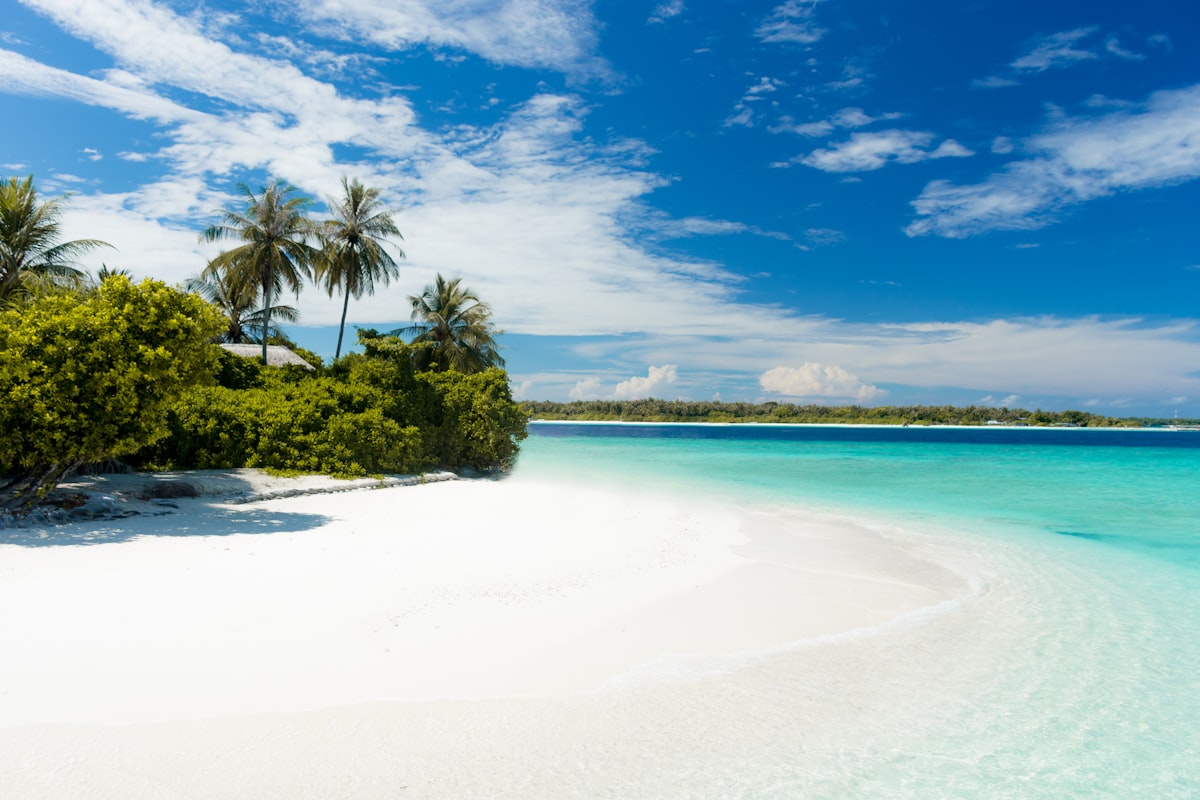
Whitehaven Beach dominates most itineraries with its 7-kilometre stretch of 98.9% pure silica sand and crystal-clear waters. The sand remains cool underfoot even on 35-degree days, making it perfect for beach walks and photography. Hill Inlet, at the beach's northern end, creates stunning swirling patterns of white sand and turquoise water that shift with each tide.
Walking enthusiasts can tackle various tracks including the Whitsunday Peak Trail (5.4 kilometres return), which climbs 438 metres above sea level for panoramic island views. The Solway Circuit on Hook Island (2.8 kilometres) passes through diverse ecosystems and offers excellent bird watching opportunities. Shorter options include the Hill Inlet Lookout track (20 minutes) and South Molle Island's Spion Kop summit walk (1.5 kilometres).
Underwater activities centre around fringing reefs surrounding most islands. Popular snorkelling spots include Manta Ray Bay on Hook Island, Blue Pearl Bay near Hayman Island, and Butterfly Bay's protected coral gardens. These sites support green turtles, reef fish, and seasonal manta ray visits.
Which tour options include visits to the national park?
Most Whitsundays tours operate within the national park boundaries, ranging from half-day sailing trips to multi-day camping expeditions. Full-day tours typically visit 2-3 islands and cost $150-250 per person including lunch.
Single-day sailing tours usually combine Whitehaven Beach with Hill Inlet Lookout and one snorkelling location, departing 8:30am and returning by 5:30pm. These tours include buffet lunches, snorkelling equipment, and national park permits in their $180-220 pricing. Premium catamaran options with smaller groups (maximum 35 passengers) cost $240-280 but offer more personalised experiences.
Island hopping tours spread across 2-3 days allow deeper exploration of multiple locations, often including overnight sailing or resort accommodation. Two-day, one-night sailing packages start around $350 per person for shared cabin accommodation aboard purpose-built tour vessels.
Helicopter and scenic flight combinations provide aerial perspectives impossible to achieve from sea level. Half-day packages including 60-minute reef flights plus beach landings cost $450-550 per person, while full-day combinations with sailing components reach $600-750 per person.
For independent exploration, camping enthusiasts can book multi-day sailing charters with camping drop-offs at designated sites on Hook Island, South Molle Island, or other permitted locations.
What permits and regulations apply to national park visitors?
All commercial tour operators include national park permits in their pricing, but private vessel owners must obtain camping permits ($6.85 per person per night) and day-use permits for some restricted areas through Queensland Parks and Wildlife Service.
Camping permits are essential for overnight stays on designated islands and must be booked in advance through the QPWS website or by calling 13 74 68. Popular camping areas like Hook Island's Maureen's Cove and South Molle Island's Sandy Bay often book out weeks ahead during peak season (April-September). Maximum stay limits apply: 14 consecutive nights per location with 30-night annual limits across all Queensland national parks.
Strict regulations protect park ecosystems including: no pets allowed (except certified assistance animals), no fishing in green zones, camping only in designated areas, and mandatory carriage of waste back to mainland. Fires are prohibited except in designated fire rings, and campers must bring portable stoves for cooking.
Commercial operators hold master permits covering passenger activities, but private vessels entering restricted areas like Whitehaven Beach's northern end require special permits. Anchor damage to coral reefs incurs significant penalties, with designated mooring buoys provided at popular sites.
When is the best time to visit Whitsunday Islands National Park?
The optimal visiting period runs from April to November during Queensland's dry season, featuring mild temperatures (20-26°C), minimal rainfall, and consistent southeast trade winds. Avoid December to March due to stinger season and cyclone risk.
April through June offers the perfect combination of warm weather, calm seas, and fewer crowds following the summer holiday exodus. Water temperatures remain pleasant at 24-26°C, ideal for swimming and snorkelling without stinger suits. This period coincides with humpback whale migration (June-September), adding wildlife viewing opportunities to island visits.
Peak season (July-September) brings larger crowds but guaranteed sunny weather with minimal rainfall. Temperatures range from 18-25°C with fresh trade winds, making this period ideal for hiking and outdoor activities. Book accommodations and tours well in advance as availability becomes limited.
October and November provide excellent value with shoulder season pricing, warm weather returning, and reduced tourist numbers. Water temperatures climb back to 25-27°C as the wet season approaches, though occasional storms may affect ferry schedules.
Marine stinger season (November-May) requires protective clothing for water activities, though tour operators provide stinger suits and select swimming locations carefully. Cyclone season peaks January-March, potentially disrupting travel plans with severe weather warnings.
What facilities and services are available within the park?
Whitsunday Islands National Park provides basic camping facilities, composting toilets, and emergency shelters at designated sites, but visitors must bring all food, water, and camping equipment. No shops, restaurants, or accommodation exist within the park boundaries.
Designated camping areas feature picnic tables, food storage boxes (to prevent wildlife encounters), and composting toilet blocks, but no shower facilities or potable water supplies. Campers must bring minimum 4 litres of water per person per day, portable stoves for cooking, and all camping gear including tents, sleeping bags, and lighting.
Emergency shelters on Hook Island and Whitsunday Island provide basic protection during severe weather, equipped with emergency radios for contacting marine rescue services. These shelters are not accommodation and should only be used during genuine emergencies.
Waste management follows strict pack-in, pack-out policies with no rubbish collection services. Campers must carry all waste back to mainland disposal facilities. Recycling bins are available at Abel Point Marina and Shute Harbour for returning visitors.
Mobile phone coverage varies significantly across islands, with reliable service near Hamilton Island and intermittent coverage elsewhere. Emergency communication relies on EPIRBs (Emergency Position Indicating Radio Beacons) or marine VHF radios on channel 16.
What are the best photography opportunities and viewpoints?
Hill Inlet Lookout provides the park's most iconic photography opportunity, capturing swirling sand patterns at Whitehaven Beach. Visit during mid-tide changes for optimal sand and water contrasts, typically 2-3 hours after low tide predictions.
The 20-minute hike to Hill Inlet Lookout rewards photographers with 180-degree views across shifting sand banks and turquoise channels. Morning light (9-11am) creates the best colour contrast between pure white silica sand and deep blue waters. Afternoon visits (2-4pm) offer dramatic shadows and golden hour potential.
Whitsunday Peak (438m elevation) delivers panoramic vistas across all 74 islands, requiring a moderate 2.7-kilometre climb through rainforest and open woodland. Early morning starts avoid midday heat and provide clearer atmospheric conditions for landscape photography.
Underwater photography thrives at protected sites like Manta Ray Bay and Blue Pearl Bay, where coral gardens support diverse marine life. Optimal visibility occurs during slack water periods between tide changes, typically lasting 30-60 minutes.
Aerial perspectives from helicopter or scenic flights showcase Heart Reef's natural heart shape and Hill Inlet's famous swirling patterns from above. Book morning flights for better lighting conditions and reduced afternoon thermal turbulence.
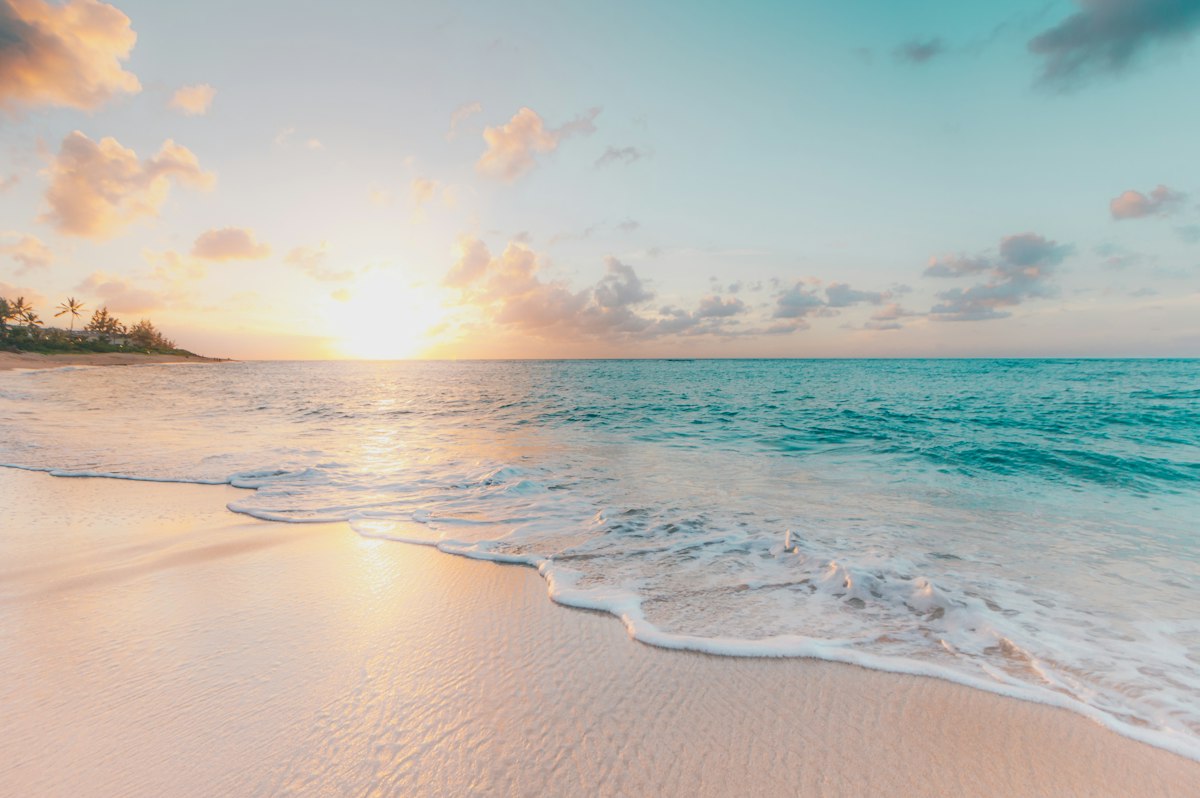
Sunset photography opportunities include Hamilton Island's western shores, Hook Island's protected bays, and elevated camping sites on South Molle Island. The western aspect provides unobstructed sunset views across the Coral Sea.
What safety considerations should visitors be aware of?
Whitsunday Islands National Park presents marine hazards including strong currents, jellyfish, sharks, and rapidly changing weather conditions. Always travel with emergency communication devices, follow tour guide instructions, and check weather forecasts before departing mainland.
Marine stingers pose the greatest threat during November to May, with potentially deadly box jellyfish and Irukandji species present in coastal waters. Protective stinger suits are mandatory during this period, and vinegar treatment should be immediately available for stings. Never swim alone and always designate a safety observer.
Tidal currents around island passages can exceed 4 knots, creating dangerous conditions for swimmers and small vessels. Check tide charts and local knowledge before swimming in unfamiliar areas. Popular swimming beaches like Whitehaven generally offer safer conditions due to their protected positions.
Crocodile sightings, while rare, have been reported in Whitsunday waters. Saltwater crocodiles can travel considerable distances and may occasionally visit island shores. Avoid swimming near creek mouths, mangrove areas, or during low light conditions.
Weather changes rapidly in tropical waters, with afternoon thunderstorms common during summer months. Monitor marine weather forecasts and carry emergency communication devices including EPIRBs for extended trips. Tour operators maintain constant weather monitoring and may cancel or modify trips for safety reasons.
When you're ready to explore the wonders of Whitsunday Islands National Park, Airlie to Whitehaven connects you with the region's most trusted tour operators and experiences. From day trips to iconic Whitehaven Beach to multi-day sailing adventures through pristine island wilderness, we'll help you find the perfect way to discover this protected paradise. Browse our carefully selected tours and start planning your Whitsundays national park adventure today.